Plumber Las Vegas News

Your trusted source for plumbing updates, DIY fixes, and industry insights in Las Vegas. Stay informed with practical tips, local trends, and expert advice for homeowners and professionals alike.

Plumbing Compliance for DIYers: Navigating Codes, Inspections, and Legal DIY Work

Introduction: Why Plumbing Compliance Matters for DIYers

Taking on plumbing projects yourself can be rewarding, cost-effective, and empowering. However, plumbing is one area of home improvement where cutting corners or overlooking regulations can have serious consequences. From water damage and failed inspections to fines and insurance issues, the risks of non-compliance are real. The good news? With the right knowledge and approach, you can tackle many plumbing jobs legally and confidently. This comprehensive guide will break down plumbing compliance for DIYers—covering key codes, permit requirements, the inspection process, and how to ensure your work is safe, up to standard, and fully legal. Whether you’re installing a new faucet, moving a drain, or planning a major remodel, understanding and following the rules isn’t just about avoiding penalties—it’s about protecting your home, your investment, and your peace of mind.

Understanding Plumbing Codes: What, Why, and Where They Apply

What Are Plumbing Codes?

Plumbing codes are a set of regulations that specify the design, installation, and maintenance requirements for plumbing systems. Developed to ensure safety, sanitation, and efficiency, these rules cover everything from pipe materials and fixture placement to venting and backflow prevention.

Why Do Codes Matter?

  • Health & Safety: Proper plumbing prevents contamination, leaks, and waterborne illnesses.
  • Property Protection: Code-compliant installations reduce the risk of costly water damage.
  • Resale Value: Non-compliant work can derail a home sale or lower its value.
  • Legal Compliance: Violating codes may result in fines or forced removal of work.

Where Do Codes Come From?

  • Model Codes: Most US jurisdictions base their rules on the International Plumbing Code (IPC) or Uniform Plumbing Code (UPC).
  • Local Amendments: Municipalities often adopt modifications. Always check with your city or county for specifics.
  • Other Authorities: Some states or cities have their own codes or additional requirements (e.g., California Plumbing Code).

Which Plumbing Projects Can DIYers Legally Tackle?

Typical Projects Allowed Without a Permit

  • Replacing faucets, showerheads, and toilets (in-kind swaps)
  • Repairing or replacing shut-off valves
  • Unclogging drains
  • Fixing running toilets or minor leaks
  • Replacing supply hoses or traps under sinks

These tasks are generally considered maintenance, but always verify with your local building department. If you modify water supply or drain lines, you may need a permit.

Projects That Usually Require Permits and Inspections

  • Adding or moving plumbing fixtures (sinks, tubs, toilets)
  • Installing new supply or drain lines
  • Remodeling kitchens or bathrooms
  • Working on water heaters
  • Building additions or accessory dwelling units (ADUs)

If in doubt, call your building department before you start. Performing permit-required work without approval can result in stop-work orders or forced removal.

Owner-Builder Permits: A Special Case

Some areas allow homeowners to pull permits and do their own plumbing work, provided they live in the home. Restrictions may apply (e.g., not on rental properties). You’ll be held to the same standards as a licensed pro and must pass inspections.

How to Research Local Codes and Requirements

Step 1: Identify Your Jurisdiction

Find out whether your city, county, or state sets the rules. Start with your city’s building department (often called Building & Safety or Permitting).

Step 2: Access the Code

  • Search online for your city’s plumbing code or regulations.
  • Visit the building department in person for printed materials.
  • Request clarification if the code is unclear—most inspectors are willing to help.

Step 3: Check for Amendments

Model codes are often customized. Look for local amendments affecting pipe sizing, allowed materials, or venting requirements.

Step 4: Ask About Permit Requirements

Even if a project seems minor, double-check whether a permit is needed. Many cities list common projects and their permitting status on their websites.

Common Compliance Pitfalls for DIYers (and How to Avoid Them)

  • Improper Pipe Slope: Drain lines must slope 1/4 inch per foot for proper flow. Too little slope leads to clogs; too much can cause siphoning.
  • Incorrect Venting: Every fixture needs proper venting to prevent traps from being siphoned. Unvented lines cause slow drainage and sewer gas leaks.
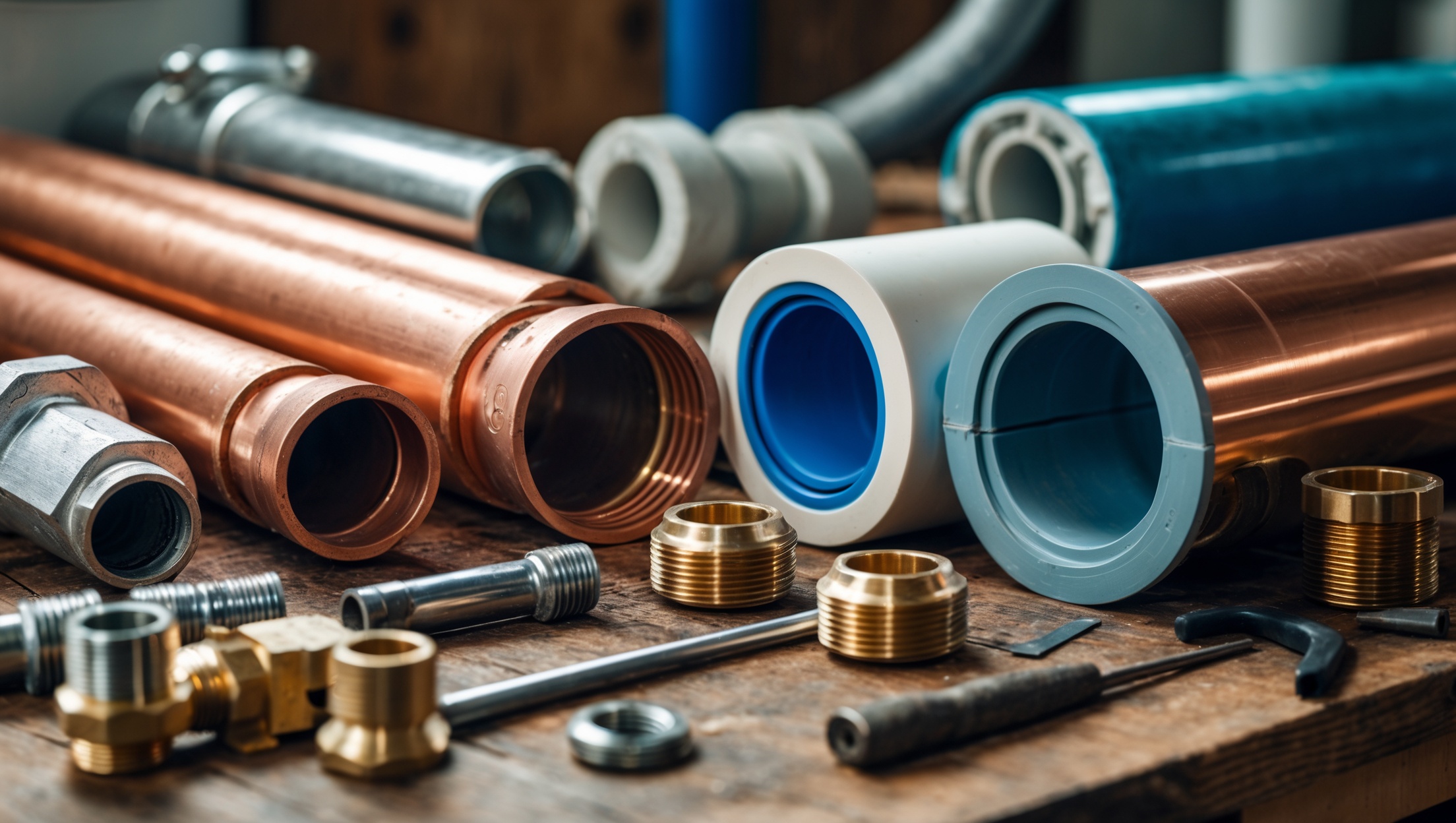
  • Wrong Materials: Using prohibited pipe types, connectors, or solder can fail inspections. For example, many codes ban flexible drain pipe or require lead-free solder.
  • Insufficient Support: Pipes must be securely fastened at intervals specified by code to prevent sagging and leaks.
  • Backflow Risks: Installing hose bibbs or irrigation without proper backflow prevention can contaminate your water supply.
  • Mixing Metals Without Dielectric Unions: Connecting copper and galvanized steel directly causes corrosion and leaks.
  • Unapproved Modifications: Moving a fixture without a permit or inspection is a common code violation.

Getting a Plumbing Permit: What to Expect

Applying for a Permit

  • Visit your local building department or apply online if available.
  • Provide a detailed description of your project. You may need to submit plans or drawings.
  • Pay the required fee (fees vary by jurisdiction and project scope).
  • Receive your permit and display it as required on-site.

Scheduling Inspections

Most plumbing permits require at least one inspection, often more for large projects. Common inspection points include:

  • Rough-in: After pipes are run, before walls are closed.
  • Final: After fixtures are installed and the system is operational.

Always schedule inspections before covering any work. Failing to do so can require you to tear out finished walls or floors.

What Inspectors Look For

  • Correct pipe size, slope, and materials
  • Proper venting and trap installation
  • Backflow prevention devices where required
  • Secure, accessible shut-off valves
  • No leaks or obvious defects
  • Compliance with local amendments (e.g., earthquake strapping for water heaters)

Preparing for a Plumbing Inspection: Pro Tips

  • Read the Code: Have the relevant sections printed or bookmarked for quick reference.
  • Test for Leaks: Fill and drain fixtures, check all joints and valves, and correct any drips before the inspector arrives.
  • Label Everything: Clearly mark new work, especially if it’s in an area with existing plumbing.
  • Keep Work Accessible: Don’t close up walls or floors until your work passes inspection.
  • Be Present: If possible, be there for the inspection to answer questions and make quick corrections.
  • Document Everything: Take photos of your work before covering it for your records and future reference.

Understanding Legal, Insurance, and Resale Impacts

Legal Consequences

Performing unpermitted plumbing work can result in:

  • Fines and stop-work orders
  • Forced removal of non-compliant work
  • Difficulty selling your home—unpermitted work often must be disclosed and may need correction

Insurance Issues

  • Homeowner’s insurance may deny claims for damage caused by unpermitted or non-compliant plumbing.
  • Future policies or claims may be affected if unapproved work is discovered.

Resale Complications

  • Unpermitted work can derail a sale or reduce your home’s value.
  • Many buyers, lenders, and appraisers require proof of permits and inspections for major plumbing changes.

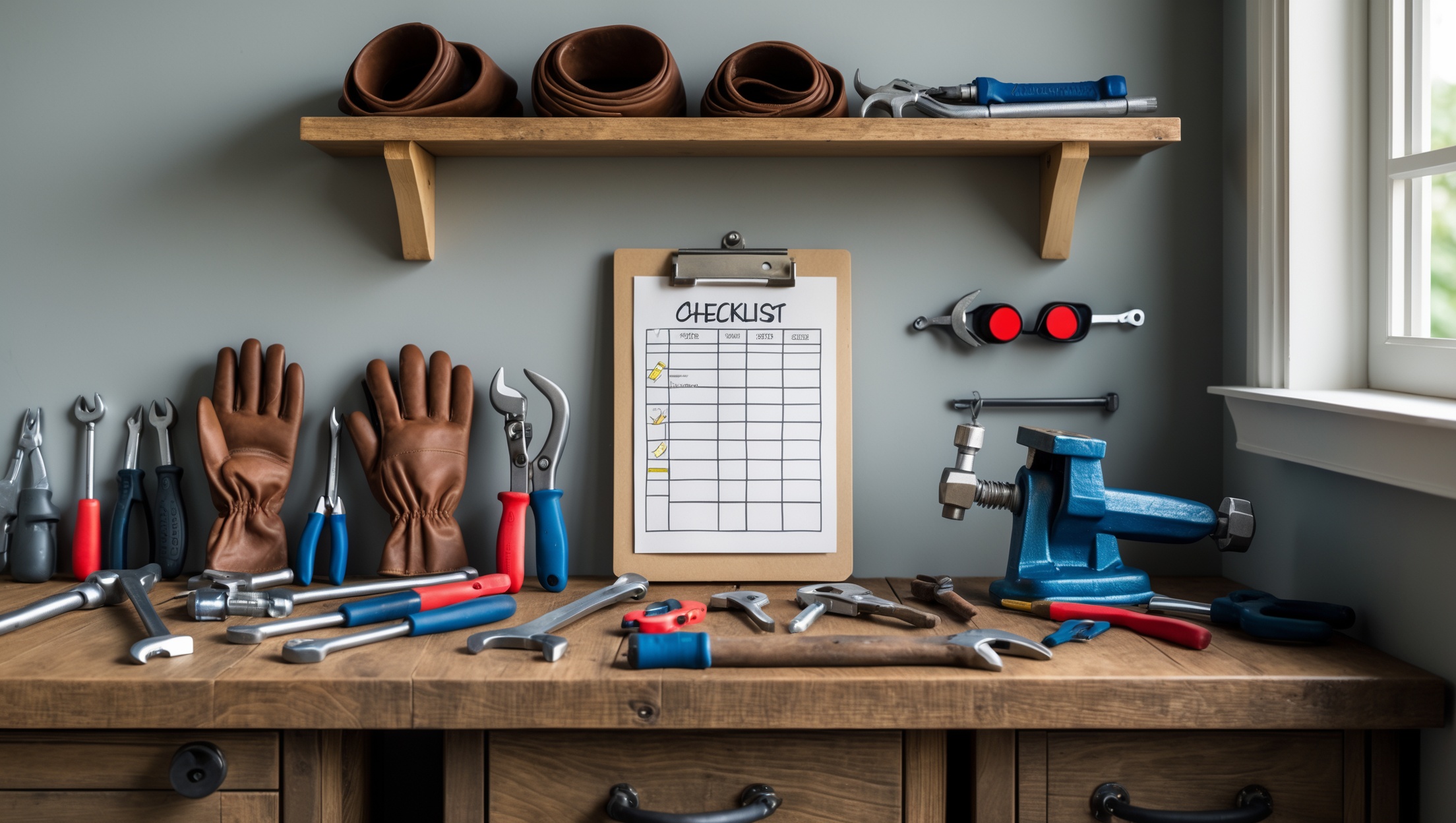
DIY Plumbing Compliance: Best Practices Checklist

  • Research your local codes and permit requirements before starting.
  • Apply for permits as required—even if you’re doing the work yourself.
  • Use only code-approved materials and fixtures.
  • Follow best practices for pipe sizing, slope, and venting.
  • Install backflow prevention where required.
  • Schedule inspections at every required stage.
  • Document all work and keep records of permits and inspections.
  • Correct any issues the inspector notes before proceeding.

Resources for DIYers: Where to Turn for Help

  • Local Building Department: Your first stop for code and permit questions.
  • Online Code Resources: Many jurisdictions publish their amendments and permit guides online.
  • Plumbing Forums: Websites like Terry Love Plumbing or DIY Stack Exchange offer peer-based advice.
  • Manufacturer Instructions: Always follow the installation instructions provided with fixtures and materials—they’re often written to meet code.
  • Professional Consultation: For major projects, consider hiring a licensed plumber as a consultant to review your plans or work.

Conclusion: Compliance Isn’t Complicated—It’s Essential

DIY plumbing projects can save money, build skills, and boost your confidence. But there’s no shortcut around compliance. Plumbing codes aren’t just bureaucratic red tape—they’re the collective wisdom of generations of professionals and inspectors, distilled into practical rules that keep your water safe, your home dry, and your investment secure. By taking the time to learn your local code, pulling permits when required, and embracing the inspection process, you’re not only staying on the right side of the law—you’re ensuring that your work stands the test of time. Don’t let the paperwork or technical jargon intimidate you. Compliance is about protecting your home, your family, and your hard-earned money. So before you pick up that wrench, make the building department your first stop, not your last. If you ever have doubts, ask questions, seek expert help, and err on the side of caution. In the end, the peace of mind that comes from knowing your plumbing is legal, safe, and up to code is worth every bit of effort you put in.

188 comments
Sarah Gonzalez

In terms of timing, how long does the permit and inspection process usually take for a typical plumbing project, such as moving a water line, and are there ways to speed up approval if you are on a tight schedule?

    Mario The Plumber

    For moving a water line, the permit and inspection process can take anywhere from a few days to a few weeks, depending on your local building department’s workload and requirements. To help speed things up, submit a complete and accurate application, schedule inspections as soon as possible, and stay in close contact with your local permitting office to address any issues quickly.

Jason Wilson

If I’m planning to move a drain in my bathroom remodel, how do I find out whether my city uses the International Plumbing Code or the Uniform Plumbing Code, and what should I be looking for in terms of local amendments?

    Mario The Plumber

    To find out which plumbing code your city uses, check your local building department’s website or call them directly—they can confirm whether they follow the International Plumbing Code or the Uniform Plumbing Code. Also, ask about any local amendments, as cities often modify standard codes. Look for published amendments on the city’s building or permitting web pages, or request a summary from the permitting office to ensure your remodel complies with both base codes and local changes.

Andrew Lee

You mentioned that local amendments can change plumbing rules. How can I quickly find out if my city has made any special modifications to the standard IPC or UPC codes before I start my DIY project?

    Mario The Plumber

    To check for local amendments, contact your city’s building or permit office—they keep records of any changes to plumbing codes. Some cities post these updates online, so look at the official city or municipal website under building or plumbing sections. You can also ask the permit office directly about specific modifications before starting your project.

Michael Martin

I’m on a tight budget but want to be totally compliant. What are some affordable ways to ensure my DIY plumbing work meets code without hiring a professional for the entire project?

    Mario The Plumber

    To stay code-compliant on a budget, start by contacting your local building department—they can often provide free guidance or handouts about plumbing codes. Many cities offer inexpensive or even free permit consultations. You can also buy or borrow the latest plumbing code book and check online forums for advice from experienced DIYers. Once you’re done, schedule the required inspections, as inspectors can point out any code issues before you close up walls.

Linda White

How often do plumbing codes change at the state or municipal level, and what’s the usual process for updates? If I complete a project under current codes, could I run into trouble during a future home sale if the standards change afterward?

    Mario The Plumber

    Plumbing codes are typically reviewed and updated every three to five years at the state or municipal level, though this can vary by location. Updates often involve public review, stakeholder input, and official adoption by local authorities. If your project complied with the codes in effect when you did the work and you obtained the required permits and inspections, you usually won’t be penalized during a future sale if the codes change later. Just be sure to keep all documentation proving compliance at the time of installation.

Rachel Rodriguez

I want to stay compliant but am concerned about project costs. Do permit fees or inspection costs vary a lot by city, and is there a way to estimate these expenses before starting a plumbing job?

    Mario The Plumber

    Permit fees and inspection costs can vary quite a bit depending on your city or county, and sometimes even by the type or size of plumbing project you’re planning. Many local building departments have fee schedules available online or can provide estimates if you contact them directly. It’s a good idea to check with your local office before starting, so you can budget accurately and avoid surprises.

Joshua Lee

If I want to move a drain in my bathroom while remodeling, is that usually something I need a permit for? The article mentioned codes and inspections, so I want to avoid problems down the line when I sell my house.

    Mario The Plumber

    Yes, moving a drain in your bathroom almost always requires a permit, since it changes the existing plumbing layout and must comply with local building codes. Getting a permit helps ensure the work is done safely and passes inspection, which can be important when you sell your house. It’s best to check with your local permitting office to confirm the exact requirements in your area.

Christopher Rodriguez

I get that cutting corners can cause issues, but sometimes hiring a licensed plumber for even small fixes isn’t in my budget. Are there particular types of projects that are considered safe and legal for DIYers almost everywhere in the US, or does it really vary a lot by region?

    Mario The Plumber

    The types of plumbing projects allowed for DIYers can vary a lot depending on your state or city. However, simple jobs like replacing faucets, showerheads, or toilet internals are typically legal and considered safe in most areas. Anything involving moving pipes, gas lines, or main water connections usually requires a permit and licensed professional. It’s always best to check your local building codes before starting, just to be sure.

Matthew Lopez

How long does it usually take to get a plumbing permit approved for simple DIY work, like moving a drain or installing a new fixture? I want to make sure I plan my timeline correctly so I don’t run into delays.

    Mario The Plumber

    Approval times for plumbing permits can vary depending on your local building department, but for straightforward DIY projects like moving a drain or installing a fixture, it typically takes anywhere from a few days to a couple of weeks. Some municipalities offer same-day or online approvals for simple jobs. It’s a good idea to check with your local permitting office to get an accurate estimate and factor in possible inspection scheduling when planning your timeline.

Aaron Davis

When comparing the International Plumbing Code and the Uniform Plumbing Code, what are some of the main differences a US homeowner should watch out for, especially if they’re buying materials or fixtures online? Does one usually have stricter rules about venting or pipe materials?

    Mario The Plumber

    The International Plumbing Code (IPC) and Uniform Plumbing Code (UPC) have some key differences. For example, the UPC tends to have stricter rules regarding venting and often requires more elaborate venting systems. Pipe material allowances can also differ; the UPC sometimes restricts certain plastics that the IPC allows. If you’re buying materials or fixtures online, be sure to check which code your local area follows, as some products might be compliant with one code but not the other.

Patricia Lee

If I’m just replacing an old faucet in my bathroom, do I still need to pull a permit or have an inspection, or does that fall under minor work exceptions? I’m trying to figure out what actually triggers a permit requirement according to most codes.

    Mario The Plumber

    Replacing an old faucet in your bathroom typically falls under minor repair or maintenance work, which usually does not require a permit or inspection in most areas. Permit requirements are generally triggered by more significant plumbing changes, such as altering pipe locations or installing new plumbing lines. However, it’s always smart to check with your local building department, as regulations can vary by city or county.

Tyler Clark

If local plumbing codes are based on model codes like IPC or UPC but have their own amendments, how do I actually find out what those specific local changes are before starting a project?

    Mario The Plumber

    To find out your area’s specific plumbing code amendments, contact your local building or plumbing department. They usually have copies of all local code changes and can clarify which rules apply. Some municipalities also publish their amendments online, so checking their official website can help. Always verify before starting your project to ensure compliance.

Christopher Thompson

When you mention that municipalities often have their own modifications to model codes, how easy is it for homeowners to find and understand those local amendments before starting a project?

    Mario The Plumber

    Finding local amendments to plumbing codes can vary in difficulty depending on where you live. Some municipalities post their specific code modifications online or have printed copies at city hall or the building department. However, the language can be technical. It’s usually helpful to call your local building department directly—they can clarify which rules apply and often offer guidance for homeowners to understand what’s required before starting a project.

Charles Miller

You mentioned insurance issues as a risk of non-compliance. Can homeowners insurance deny claims related to water damage if the plumbing was a DIY job, even if I followed published codes and got everything inspected?

    Mario The Plumber

    Yes, homeowners insurance can sometimes deny claims if the source of the water damage is linked to unlicensed DIY plumbing, regardless of code compliance or inspections. Some insurers have policy language requiring licensed professionals for certain work. It’s best to check with your insurance provider before starting any plumbing projects to be sure you’re covered.

Anthony Thomas

The article mentions that non-compliant plumbing work can impact resale value. If someone has already completed a small project without a permit, what steps can they take to remedy this before selling their home?

    Mario The Plumber

    If you’ve completed plumbing work without a permit, you can usually address this by contacting your local building department to discuss retroactive permits or inspections. They may require you to expose the work for inspection or make upgrades to meet current codes. It’s best to resolve these issues before listing your home, as buyers and their agents often look for proper permits and compliance.

William Gonzalez

I’m curious about costs. For someone doing DIY plumbing by the book—including any permits and possible re-inspection fees—what kind of budget should I expect beyond just the materials?

    Mario The Plumber

    Beyond materials, your main costs will be permit fees and possible re-inspection charges. Permit fees vary by location but often range from $50 to $300 for residential plumbing projects. If an inspection fails and you need a re-inspection, some municipalities charge an additional fee, usually $50 to $150 per visit. It’s wise to budget an extra $100 to $400 on top of materials for these compliance-related expenses.

Joseph Taylor

I’m curious how involved the inspection process usually is for DIY plumbing. Do inspectors tend to look at every detail, or are they mostly concerned with things like backflow prevention and pipe sizing?

    Mario The Plumber

    Inspectors generally focus on key safety and code compliance areas, such as backflow prevention, pipe sizing, proper venting, and approved materials. However, the level of detail can vary depending on local regulations and your project’s scope. For simple repairs, the inspection might be brief, but for larger projects, inspectors may check more thoroughly, including connections, supports, and overall workmanship.

Aaron Lewis

I’m about to install a new faucet in my bathroom and your article mentions permit requirements and inspections. Do I really need a permit for such a small job, or are there exceptions for minor plumbing updates?

    Mario The Plumber

    For most areas, simply replacing or installing a faucet generally doesn’t require a permit or inspection, as it’s considered a minor plumbing update. However, if you’re altering plumbing lines or making significant changes, permits might be needed. Local regulations can vary, so it’s always a good idea to check with your city or county building department just to be sure.

Helen Gonzalez

If a homeowner makes plumbing upgrades themselves that unintentionally don’t meet code, what steps can they take to bring the work into compliance before an official inspection, and are there any common mistakes that are especially important to look for first?

    Mario The Plumber

    Before the inspection, review your local plumbing code and compare each part of your upgrade carefully. Common mistakes include incorrect pipe sizing, improper slope on drain pipes, and using non-approved materials. If you spot any issues, fix them before the official check. It can also help to have a licensed plumber look over your work to spot problems you might miss.

Tyler Thomas

You mention that non-compliant plumbing work can affect home resale value. If I do a small project like installing a new faucet myself, could that actually cause issues when I sell my house, or is it mainly for bigger remodels?

    Mario The Plumber

    For small projects like installing a new faucet, there’s usually little impact on resale value, especially if the work is done properly. The main concerns with non-compliance tend to come up with larger plumbing remodels or additions that require permits. As long as your faucet installation doesn’t involve major changes to plumbing lines, it’s unlikely to cause issues when selling your home.

Kimberly Thomas

I’m trying to plan out a DIY project, but I’m confused about when a permit is actually required for plumbing. Is there a general rule of thumb for which jobs need permits versus which are okay to do without them?

    Mario The Plumber

    A good general rule is that most plumbing work involving the installation, alteration, or extension of water or drain lines will require a permit. Simple repairs, like replacing a faucet or fixing a leaky pipe, often do not. However, requirements vary by local codes, so it’s best to check with your local building department before starting your project to be sure.

Richard Lee

Do plumbing codes affect the types of piping materials I can buy as a DIYer, or is it mostly about how I install them? I’d like to stick to budget-friendly options, but I’m not sure what’s allowed.

    Mario The Plumber

    Plumbing codes do affect both the types of piping materials you can use and how they’re installed. Some budget-friendly materials, like certain types of plastic pipe, might be restricted or only allowed for specific uses. It’s important to check your local plumbing code or ask your permitting office which materials are approved before purchasing. This way, you’ll avoid having to redo work or replace materials later on.

Linda Harris

I see you mention that non-compliant plumbing could affect home resale value. Would an inspector actually open up walls to check for hidden work if I’m selling the house, or is this mostly a concern for visible plumbing jobs?

    Mario The Plumber

    Home inspectors typically don’t open up walls during a resale inspection. They focus on visible plumbing, fixtures, and signs of issues like leaks or improper installation. However, if there are clear signs of unpermitted or questionable work, buyers or their inspectors might request further investigation. Non-compliant work, even if hidden, can still pose risks if discovered later, so it’s safest to ensure all plumbing meets code.

Sean Thomas

If I’m replacing an old faucet myself, do I really need to pull a permit for that, or is that only necessary for bigger jobs like moving a drain or relocating pipes? The article mentions permits, but I’m not sure about the threshold for what’s considered major work.

    Mario The Plumber

    You typically don’t need a permit just to replace an old faucet, as this is considered minor work in most areas. Permits are generally required for more extensive plumbing jobs, such as moving a drain or relocating pipes, because those changes can affect the system’s safety and code compliance. It’s always best to check with your local building department to confirm the specific requirements in your area.

Nathan Martinez

I’m planning a bathroom remodel and I’m concerned about possible fines for code violations. What’s the best way to make sure every step of my project stays legal and up to standard?

    Mario The Plumber

    To avoid fines and ensure your remodel is up to code, start by contacting your local building department to learn about the permits and codes that apply. Follow all required inspection processes and use only approved materials and methods. If you’re unsure about any step, consider consulting a licensed plumber, as even small mistakes can lead to violations. Document your work and keep records of permits and inspections for future reference.

Mary Davis

If I’m planning to remodel my bathroom and move some plumbing around, how do I figure out whether my local codes are based on the IPC or UPC, and where do I look for any special local amendments?

    Mario The Plumber

    To find out if your area follows the IPC (International Plumbing Code) or UPC (Uniform Plumbing Code), check with your local building department—usually through your city or county government website or by calling the permits office. They can also provide information about any local amendments or special requirements that go beyond the base code. Local plumbing contractors or inspectors can be helpful resources too.

George Miller

If I’m just replacing an old faucet with a new one in the same location, do I still need to pull a permit or worry about inspections according to most municipal codes? Or is that generally considered minor enough to do without involving the city?

    Mario The Plumber

    In most municipalities, simply replacing an old faucet with a new one in the same location is considered minor work and usually doesn’t require a permit or inspection. However, requirements can vary, so it’s always a good idea to check your local plumbing code or call your city’s building department to be sure.

Betty Martinez

I get that permits are important, but for smaller jobs like swapping out a faucet or fixing a leaky pipe, are there ever exceptions where a permit isn’t required, or is it always necessary to check with the city?

    Mario The Plumber

    For minor plumbing tasks like replacing a faucet or repairing a leaky pipe, most cities do not require a permit. However, the rules can vary depending on where you live, and sometimes even small jobs have exceptions. It’s always safest to check your local regulations or call your city’s building department just to be sure you’re following the correct procedures.

Lisa White

The article mentions that insurance can be affected by non-compliant plumbing. If I make a mistake but fix it myself before a problem happens, does that still pose risks for my home insurance coverage down the road?

    Mario The Plumber

    Fixing a plumbing mistake yourself may still carry risks for your home insurance coverage, even if no issues arise. Insurers may require proof that all plumbing was done to code and by licensed professionals if you file a claim later. DIY repairs, especially uninspected ones, could give your insurer grounds to deny coverage or claims related to plumbing, so it’s wise to check your policy and consider having critical work inspected or certified.

Jessica Moore

Are there any common plumbing projects that generally never require a permit across most US jurisdictions, or should I always assume some form of notification or approval is needed, even for like-for-like replacements?

    Mario The Plumber

    In many US areas, simple like-for-like replacements—such as swapping out a faucet, showerhead, or toilet—typically don’t require a permit. However, anything that involves altering plumbing lines, drainage, or water supply usually does. Local rules can vary, so it’s always safest to check with your municipal building department before starting, even for minor projects.

Sarah Clark

I noticed you said most areas follow either the IPC or UPC codes. Is there a practical way for a DIYer to figure out which code their area uses, and does it make a big difference in everyday plumbing projects like moving a drain?

    Mario The Plumber

    One practical way to find out which plumbing code your area uses is to check your city or county building department’s website, or call and ask them directly—they can tell you whether they follow the IPC or UPC. The code can make a difference, especially for things like venting requirements or pipe sizing. For a project like moving a drain, it’s important to know which code applies so you meet local standards and pass inspection.

Susan Harris

If I’m just swapping out an old faucet for a new one, do I really need to pull a permit, or is that level of work generally considered okay without one under most local codes?

    Mario The Plumber

    Swapping out an old faucet for a new one is typically considered minor repair work and usually doesn’t require a permit in most areas. As long as you’re not changing any plumbing lines or making structural changes, you should be fine. However, local codes can vary, so it’s always best to check with your town or city’s building department just to be sure.

Lisa Brown

If I want to move a drain in my home, how do I find out whether my city follows the IPC or UPC, and are there big differences to watch out for between the two codes?

    Mario The Plumber

    To find out if your city uses the IPC or UPC, contact your local building department or check their website, as code adoption varies by city and state. The main differences between IPC and UPC generally involve pipe sizing, venting methods, and allowed materials, so it’s important to check which code applies before starting work. Always verify the exact requirements to ensure your project meets local regulations.

Christopher Jones

You mentioned that some areas follow the IPC and others the UPC, but how can I confirm which code my local municipality uses? Is there a straightforward way for DIYers to find out before starting a project?

    Mario The Plumber

    To confirm whether your area follows the IPC or UPC, the quickest way is to contact your local building or plumbing department. Many municipalities also list their adopted codes on their official website under building regulations or permit sections. Checking these sources before starting your project will help ensure you’re following the correct standards.

Donna Brown

How long does the typical inspection process take once you’ve finished your plumbing project? I’m trying to plan my kitchen remodel timeline and want to avoid delays due to scheduling inspections.

    Mario The Plumber

    The inspection process can vary depending on your local building department, but most plumbing inspections are scheduled within a few days to a week after your request. Some areas offer next-day inspections if you call early. To avoid delays, contact your local office ahead of time to find out their schedule, and try to book your inspection as soon as your project is ready.

Donna Martin

I’ve noticed that some neighbors seem to do their own plumbing without telling the city. Realistically, what are the chances of getting fined, and how does the city find out about unpermitted DIY plumbing projects?

    Mario The Plumber

    The likelihood of getting fined for unpermitted plumbing work depends on your local enforcement practices, but it is a real risk. Cities often discover unpermitted work through neighbor complaints, property sales, home inspections, or if a plumbing issue leads to emergency services. If you’re caught, fines can be substantial and you may be required to undo or redo the work properly. It’s generally safer to get permits and follow the rules.

Barbara Taylor

If I’m planning a bigger remodel involving moving drains, how far in advance should I contact my local authority to sort out permits and inspections so I stay on schedule and compliant?

    Mario The Plumber

    It’s best to contact your local authority as soon as you have a clear plan for your remodel, ideally several weeks before you want to start work. Permit approvals and inspections can take time, depending on your area’s workload and requirements. Early contact helps you understand the specific codes, required paperwork, and scheduling for inspections, making it more likely your project will stay on track and compliant.

Barbara Taylor

I’m a bit confused about the difference between the IPC and UPC you mentioned. Is there a way to easily find out which code my city uses, and are there big practical differences for a DIYer working on a small plumbing job?

    Mario The Plumber

    The IPC (International Plumbing Code) and UPC (Uniform Plumbing Code) are two main plumbing codes; cities or states typically adopt one or the other. To find out which one your city uses, you can call your local building department or check their website. For small DIY jobs, differences between the codes might affect pipe materials or venting rules, so always double-check local requirements before starting work.

Michelle Anderson

The article mentions insurance issues related to non-compliant plumbing work. How can I check if my homeowner’s insurance might be affected by DIY plumbing projects, and is it possible to get coverage for self-completed work?

    Mario The Plumber

    To find out if your homeowner’s insurance is affected by DIY plumbing, review your policy documents for exclusions or conditions related to self-completed work. It’s also wise to contact your insurance provider directly and ask about their stance on DIY projects and any requirements for coverage. Some insurers may provide coverage if you follow local codes and inspections, but others might require professional certification for any work. Always confirm before starting a project to avoid potential claim denials.

Christopher Lewis

How do you recommend DIYers check for local plumbing code amendments, especially since cities and counties can have very different requirements compared to the general IPC or UPC guidelines mentioned in the article?

    Mario The Plumber

    To find local plumbing code amendments, start by visiting your city or county building department’s website, where they often post adopted codes and local changes. You can also call or visit the department in person to ask specific questions. Some municipalities provide handouts, FAQs, or contact information for code officials who can clarify requirements for your project.

Linda Wilson

Could you elaborate on how to find out which plumbing code—IPC or UPC—my municipality uses, and where to look for any city-specific amendments that could impact a DIY project?

    Mario The Plumber

    To find out if your municipality uses the International Plumbing Code (IPC) or the Uniform Plumbing Code (UPC), start by checking your city or county building department website. They typically list the adopted codes and any local amendments. You can also call the department directly and ask about the current plumbing code and specific amendments. Reviewing your municipality’s official ordinances or asking at the permit office will give you the most up-to-date and relevant information for your DIY project.

Susan Martin

What’s the typical inspection process like for DIY plumbing work? Do inspectors look for specific common mistakes, and how detailed are they when reviewing home plumbing projects?

    Mario The Plumber

    During a typical inspection for DIY plumbing work, inspectors check that your project meets local codes and safety standards. They often look for common mistakes such as improper pipe slopes, unsupported pipes, incorrect fittings, or missing traps and vents. The inspection is usually quite thorough, covering visible work and sometimes pressure testing. Inspectors focus on both function and code compliance, so attention to detail in your work is important.

Elizabeth Jones

My biggest concern is accidentally violating a code and facing fines. Do permits typically cover smaller jobs like installing a faucet, or are permits more for big remodels and moving drains? Where’s the line between what’s legal for a DIYer and what absolutely requires a professional or inspection?

    Mario The Plumber

    Permits are usually required for larger plumbing changes, such as moving drains or major remodels, while tasks like replacing a faucet generally don’t need one. However, rules can vary by area. DIYers are often allowed to do minor repairs themselves, but anything involving new pipework, rerouting, or major installations may require a permit and possibly an inspection. It’s best to check with your local building department before starting any project to be certain.

David Lee

You talked about inspections and the risks of failed compliance. What typically happens if a DIY plumbing job doesn’t pass inspection? Are there ways to fix the issues without major fines or redoing all the work?

    Mario The Plumber

    If your DIY plumbing job doesn’t pass inspection, the inspector will usually give you a list of specific issues to fix. You’ll get a chance to correct these problems and request a reinspection. As long as you address the concerns promptly and follow the inspector’s guidance, you can usually avoid major fines or having to redo all the work. The key is to communicate openly with the inspector and fix only what’s necessary to bring the work up to code.

Betty Harris

The guide mentions both the IPC and UPC, but how can I find out which code my city uses? Are there major differences between them that a DIYer should be aware of before starting a plumbing project?

    Mario The Plumber

    To find out which plumbing code your city uses, contact your local building department or check their website. They can confirm whether the International Plumbing Code (IPC) or Uniform Plumbing Code (UPC) is enforced. As for differences, the UPC tends to have stricter pipe sizing and venting rules, while the IPC is sometimes more flexible. Knowing which code applies is important because it affects what materials and methods are allowed for your project.

Donna Moore

I’m planning a bathroom remodel and will be moving a drain location. How much extra time should I budget for permit approvals and inspections, based on your experience or research?

    Mario The Plumber

    Permit approvals and inspections can vary a lot depending on your local building department, but it’s wise to budget at least 2 to 4 weeks for the initial permit approval. Inspections often need to be scheduled a few days in advance, and you may need multiple inspections at different stages. Overall, plan for an extra 2 to 6 weeks in your timeline to cover permitting and inspection steps.

Joseph Miller

If I want to move a drain to a new location for a kitchen remodel, does that always require a permit and inspection, or are there cases where minor changes like this are allowed without going through the full legal process?

    Mario The Plumber

    Moving a drain to a new location is generally considered a significant plumbing change and almost always requires a permit and an inspection, even if it seems minor. This is because it affects the drainage system and could impact building safety. Some very minor repairs may not need permits, but relocating plumbing typically does. It’s best to check your local building department for their specific requirements before starting the work.

Jason Wilson

I’m planning a small bathroom remodel and want to make sure my work is fully legal, as you stressed in the article. What are the most common plumbing permit requirements for minor jobs like replacing faucets or moving a drain—do I always need to pull a permit?

    Mario The Plumber

    Permit requirements for small plumbing jobs like replacing faucets often vary by location. Typically, swapping out fixtures such as faucets or showerheads does not require a permit if you’re not changing the plumbing layout. However, moving a drain, even slightly, often does require a permit and inspection. Always check with your local building department before starting, as codes and enforcement can differ by city or county.

Andrew Martin

For those new to DIY plumbing, what is the best way to find out about the local amendments to the IPC or UPC before starting a project, and are there resources you recommend for understanding these local variations?

    Mario The Plumber

    To learn about local amendments to the plumbing code, contact your city or county building department—they can provide the exact rules and any pamphlets or guides they offer. Many municipalities also have relevant information on their official websites. For understanding local variations, ask if you can review their adopted code copy, and consider speaking with a local inspector for clarification on common questions.

Mark Harris

When budgeting for a DIY plumbing project, how much should I expect to spend on permits and inspections? Are those costs usually flat fees, or do they depend on the size or complexity of the job?

    Mario The Plumber

    Permit and inspection fees for DIY plumbing projects usually depend on your local regulations. Some areas charge a flat fee, while others base the cost on the project’s scope, materials, or estimated value. For simple jobs, you might pay $50–$200, but larger or more complex projects can be higher. It’s a good idea to check with your city or county building department for exact amounts and fee structures.

Kevin Johnson

If most US jurisdictions follow either the International Plumbing Code or Uniform Plumbing Code, how can I quickly figure out which one applies to my city before starting a project?

    Mario The Plumber

    To find out which plumbing code your city uses, check your city or county’s official website for building or permitting departments—they often list adopted codes. You can also call your local building department and ask directly. This step ensures you follow the right regulations before starting your DIY plumbing project.

Patricia Robinson

You mentioned that non-compliant plumbing work can impact insurance. If I do a small project like replacing a faucet myself, could my homeowner’s insurance really deny a claim later if I didn’t get a permit or inspection?

    Mario The Plumber

    For a small project like replacing a faucet, most insurance companies are unlikely to deny a claim solely because you didn’t get a permit or inspection, as long as the work was done correctly and didn’t cause damage. Problems usually arise if faulty DIY work results in water damage or other issues—then insurance might scrutinize whether proper procedures were followed. It’s always safest to check with your insurer and local regulations.

Jason Lopez

The article talks about backflow prevention and venting. Are there common mistakes DIYers make in these areas that tend to cause failed inspections or safety problems? If so, what should I watch out for?

    Mario The Plumber

    Yes, DIYers often run into issues with both backflow prevention and venting. For backflow, a common mistake is not installing the right type of backflow preventer, or placing it in the wrong spot, which can let contaminated water flow backward. With venting, people sometimes use undersized pipes or improper layouts, leading to poor drainage and sewer gas leaks. Always check local code for the correct devices, pipe sizes, and required venting methods to avoid inspection troubles and keep your system safe.

Margaret Perez

I’m curious about the permit process for small plumbing jobs, like replacing a faucet or toilet. Does every city require permits for these straightforward updates, or are some tasks generally exempt from permits and inspections?

    Mario The Plumber

    For most cities, simple plumbing tasks like replacing a faucet or toilet are usually considered routine maintenance and often do not require a permit. However, rules can vary by location, so it’s always best to check with your local building department. More extensive work, such as moving plumbing lines, typically does require a permit and inspection.

Michael Lewis

How much extra time should I plan for the inspection process if I’m handling the plumbing myself? I have a tight schedule and am hoping to avoid major project delays.

    Mario The Plumber

    When handling your own plumbing work, it’s wise to budget extra time for inspections—usually one to two weeks, depending on your local municipality’s scheduling and how quickly you can address any corrections. Some areas offer next-day inspections, but if the inspector finds issues, you may need to schedule a re-inspection. Contact your local building department early to understand their typical timelines so you can plan accordingly and minimize delays.

Barbara Thomas

How often do plumbing codes change at the city or county level, and do homeowners need to stay updated even after finishing their DIY work? What happens if the code changes after I’ve already done an installation?

    Mario The Plumber

    City and county plumbing codes can change every few years, especially when local governments adopt new editions of national codes or add updates. Homeowners are responsible for meeting the code in effect at the time the work was done, so if your installation passed inspection under the old code, you typically don’t need to update it later. However, if you do future renovations or repairs, you’ll need to follow the current code at that time.

Sean Perez

When it comes to permits, are there any types of plumbing projects DIYers are usually allowed to do without one, like installing a new faucet, or does every project require inspection?

    Mario The Plumber

    Most minor plumbing projects, like replacing a faucet, showerhead, or fixing a leaky tap, typically do not require a permit or inspection in many areas. However, bigger projects—such as installing new pipes, moving plumbing lines, or adding fixtures—usually need permits and inspections. It’s always important to check your local regulations, as requirements vary depending on your city or county.

Megan Martin

You mention that non-compliant plumbing could affect insurance and home resale. Can you explain what documentation I need to keep to prove my DIY work meets code if I ever sell my house?

    Mario The Plumber

    To show your DIY plumbing is compliant, keep detailed records such as copies of any permits you obtained, inspection reports signed off by local authorities, and receipts for materials used. It’s also helpful to save before-and-after photos of your work and any correspondence with your local permitting office. These documents will help reassure buyers and their agents that the work was done properly and legally.

Betty Williams

You talked about code-compliant installations protecting property value. If a homeowner did some DIY plumbing years ago without permits, what might happen during a home sale inspection? Can issues be retroactively corrected or grandfathered in?

    Mario The Plumber

    During a home sale inspection, unpermitted DIY plumbing work can be flagged by inspectors, potentially delaying or complicating the sale. Problems might need to be corrected to meet current codes before closing. Sometimes, minor older work may be grandfathered in, but this depends on local laws and the condition of the work. Often, homeowners can apply for retroactive permits and have the work inspected, but if it doesn’t pass, corrections will be required.

Aaron Harris

The article talks about failed inspections and possible penalties. How long does the inspection process usually take after I submit a permit, and what happens if I fail—do I have to redo the entire project or just fix specific issues?

    Mario The Plumber

    After you submit your permit, the inspection process can typically take several days to a couple of weeks, depending on your local building department’s workload. If you fail an inspection, you usually just need to fix the specific issues the inspector points out, not redo the entire project. Once corrected, you can request a re-inspection to ensure everything is up to code.

Brian Clark

You mention that most U.S. areas base their rules on IPC or UPC, but also reference local amendments. How can a DIYer find out exactly which amendments apply in their specific city or county before starting a plumbing project?

    Mario The Plumber

    To find out which plumbing code amendments apply in your city or county, start by checking your local building or permitting department’s website. Many areas post their current plumbing code and any local modifications online. If you can’t find the information there, a quick call or visit to the permitting office will clarify which code version and amendments are enforced. This ensures your project meets all local requirements before you begin.

Nancy White

How often do local plumbing codes change, and is there a straightforward way for a homeowner to stay updated on any new amendments that might affect remodeling or repairs?

    Mario The Plumber

    Local plumbing codes are typically reviewed and updated every few years, though smaller amendments can happen more frequently depending on your city or county. The best way to stay updated is to check your local building department’s website regularly or sign up for their newsletters. You can also call them directly to ask about recent changes before starting your project.

Kimberly Robinson

You mention that local amendments can impact plumbing codes. What’s the best way for a busy parent to find out which specific codes or permits apply in our city before starting a small bathroom plumbing project?

    Mario The Plumber

    To find out the specific codes and permits for your area, contact your city or county building department directly—they often have a website or a phone number for inquiries. Many cities even offer quick guides or FAQs online tailored for homeowners. Let them know the details of your project, and they can clarify exactly what rules or permits apply before you get started.

Anthony Harris

The article mentions insurance issues related to non-compliant plumbing. If I do a small DIY job myself and something goes wrong later, could my homeowner’s insurance refuse a claim even if everything seemed to work fine at first?

    Mario The Plumber

    Yes, it’s possible your homeowner’s insurance could deny a claim if they determine the plumbing work was not compliant with local codes, even if the job seemed fine initially. Insurance policies often require work to meet legal standards. If unpermitted or non-compliant work leads to water damage or other issues, your claim might be refused. It’s always safest to follow local code and permit requirements for any plumbing work.

Emily Lopez

You mention that many US jurisdictions use either the International Plumbing Code or the Uniform Plumbing Code, but cities often make their own amendments. How can a DIYer easily find out exactly which codes and amendments apply to a specific address before starting a project?

    Mario The Plumber

    To find the specific plumbing codes and amendments for your address, contact your local building or code enforcement office, which is usually part of your city or county government. You can call, visit their website, or stop by their office to ask for the adopted code version and any local changes. Some offices also provide this information online or can direct you to printed handouts.

Kimberly Wilson

You mentioned that most areas use either the International Plumbing Code or the Uniform Plumbing Code, but also have local amendments. How can a homeowner quickly find out exactly which codes and modifications apply in their specific city or county before starting a DIY plumbing project?

    Mario The Plumber

    To find out which plumbing codes and local amendments apply in your area, start by contacting your city or county building department. Most have websites listing their adopted codes and any local changes. You can also call or visit in person to ask about the current plumbing code in use and request copies of relevant amendments. This ensures you follow the correct regulations for your DIY project.

Elizabeth Moore

Could you clarify which types of plumbing jobs a homeowner can legally do themselves without pulling a permit? For example, is installing a new faucet or moving a drain usually allowed without an inspection?

    Mario The Plumber

    Typically, homeowners can replace fixtures like faucets or showerheads without a permit, as long as the work doesn’t alter the plumbing system. However, moving a drain or altering pipes usually does require a permit and inspection, since it affects the plumbing infrastructure. Always check your local building codes, as permit requirements can vary by city and state.

Sandra Robinson

Regarding insurance issues, could you provide more insight into how non-compliant DIY plumbing might affect a homeowner’s ability to file water damage claims? Does it always void coverage or are there exceptions?

    Mario The Plumber

    Non-compliant DIY plumbing can lead to denied insurance claims if water damage is traced back to unapproved or improperly performed work. Insurers often require plumbing work to meet local codes and be done by licensed professionals. However, some policies may cover accidental damage regardless of compliance, or evaluate claims on a case-by-case basis. It’s always best to check your policy details and consult your insurer before starting DIY plumbing.

Charles Lopez

I see you mention both the International Plumbing Code (IPC) and Uniform Plumbing Code (UPC). As a DIYer in the US, how do I figure out which set of codes my specific city or county actually follows before I start a project?

    Mario The Plumber

    To find out which plumbing code your area uses, contact your local building or permitting department—this could be at the city or county level, depending on where you live. You can usually call them or check their website. They should tell you whether your area follows the IPC, UPC, or has its own modified code. Always double-check before starting your project to avoid costly mistakes.

Anthony Williams

The article mentions that local amendments can change the rules from one city to another. How do I find out exactly which plumbing codes apply to my property before I start a DIY project?

    Mario The Plumber

    To find the plumbing codes that apply to your property, contact your local building or permitting office—they can tell you about any city-specific amendments or requirements. You can also check your city or county’s official website for published code documents. It’s important to confirm these details before starting any DIY work to ensure compliance and avoid problems later.

Linda Moore

You noted that non-compliant plumbing work could impact home resale. In practice, how often do inspectors actually catch unpermitted DIY plumbing when selling, and what happens if they do?

    Mario The Plumber

    Home inspectors or municipal inspectors often spot unpermitted DIY plumbing during a sale, especially if the work is visible or documentation is missing. If they do, buyers may request repairs, permits, or price reductions. In some cases, the sale can be delayed until the work is brought up to code or permits are retroactively obtained. It’s not guaranteed to be caught, but the risk is significant enough that proper permits and inspections are strongly recommended.

Donna Thomas

The guide mentions both IPC and UPC codes. How would a homeowner know which one applies if they border two jurisdictions? Is there ever overlap or conflict between codes in practice?

    Mario The Plumber

    Homeowners should start by checking with their local building department to confirm which code—IPC (International Plumbing Code) or UPC (Uniform Plumbing Code)—is enforced in their area. In border locations, towns or counties may choose different codes, even if they’re neighbors. Sometimes, local amendments to either code can create minor overlaps or conflicts, so always verify current requirements with local authorities before starting any plumbing project.

Rachel Smith

Can you clarify what happens if I accidentally use a pipe material that isn’t allowed under my local code? Would I have to tear out and redo the whole section, and are there fines involved for honest mistakes?

    Mario The Plumber

    If you use a pipe material that doesn’t meet your local code, inspectors will likely require you to replace that section with approved materials before passing the inspection. Usually, you’ll need to remove and redo only the non-compliant parts, not the entire system. Fines can be issued, especially if the violation is significant, but many areas focus on getting the work corrected rather than penalizing honest mistakes. It’s best to check with your local building authority for specifics.

Robert Gonzalez

You mentioned insurance issues if work isn’t up to code—does this mean my home insurance could refuse to cover water damage if I install a new faucet myself without getting a permit?

    Mario The Plumber

    Yes, your home insurance could potentially refuse to cover water damage if the installation isn’t up to code or required permits weren’t obtained. Insurers may deny claims if unpermitted or non-compliant work leads to a problem. It’s important to check your policy and local permit requirements before doing DIY plumbing work, even for something as simple as a faucet.

Charles Smith

I get why following codes is important, but what happens if my DIY plumbing work passes my own safety checks but doesn’t pass the city inspection? Am I legally required to redo everything immediately?

    Mario The Plumber

    If your DIY plumbing project doesn’t pass the city inspection, you are generally required to fix the specific issues noted by the inspector before your work can be approved. You don’t always have to redo everything, just the parts that don’t meet code. Most cities give you a chance to make corrections and schedule a re-inspection rather than demanding immediate full demolition or starting over.

Jessica Lewis

You mentioned that many places follow the IPC or UPC but also make local amendments. How can I quickly find out which specific plumbing codes my city uses before I start a project?

    Mario The Plumber

    To find out which plumbing code your city uses, check your city or county building department’s website for plumbing regulations or code adoption information. If it’s not listed online, you can call their office and ask directly about the specific codes and any local amendments in effect. This will ensure your project meets all local requirements.

Nathan Williams

The article mentions that non-compliant plumbing work can affect resale value. If I end up selling my house, how do home inspectors usually check for DIY work that isn’t up to code, and what happens if they find issues?

    Mario The Plumber

    Home inspectors look for signs like unusual pipe materials, nonstandard installations, or visible mistakes to spot DIY plumbing during a sale. If they find work that doesn’t meet code, they may flag it in their report. This can lead to requests for repairs, price negotiations, or even delays in closing until the issues are fixed by a licensed plumber.

Elizabeth Smith

You mentioned that insurance issues can come up from non-compliant plumbing work. How can a homeowner prove to their insurance company that their DIY plumbing meets code requirements?

    Mario The Plumber

    To show your insurance company that your DIY plumbing complies with code, keep thorough records. Save any permits you obtained, inspection approval documents, receipts for parts, and photos taken during the work. If your local authority required inspections, provide copies of the passed inspection reports. These documents help demonstrate your work followed regulations if there’s ever a claim or question.

Margaret Lee

Is there a big difference in difficulty or cost between doing a small project like replacing a faucet versus something more involved like installing new pipes, especially when it comes to meeting code?

    Mario The Plumber

    Yes, there’s a significant difference in both difficulty and cost. Replacing a faucet is usually straightforward and less expensive, with minimal code concerns. Installing new pipes is much more complex, often requiring permits, inspections, and strict adherence to plumbing codes. This can increase costs and time, especially if you need to hire a professional for parts of the job.

David Lopez

The article mentions the risks of non-compliant plumbing for insurance claims. If I do a small DIY project like replacing a faucet, could my homeowner’s insurance really deny a claim if I didn’t pull a permit?

    Mario The Plumber

    For minor DIY tasks like replacing a faucet, most homeowner’s insurance policies are unlikely to deny a claim solely because you didn’t pull a permit. Permits and strict compliance usually become an issue with larger plumbing projects that affect water supply or drainage systems. Still, if faulty work leads to damage, insurers might ask about installation, so it’s best to follow local rules and keep records of any DIY work.

Kevin Moore

What happens if I finish a plumbing project without getting an inspection, but everything seems to work fine and there are no visible leaks? Can this cause issues if I try to sell my house in the future?

    Mario The Plumber

    Even if your plumbing project works fine and has no visible leaks, skipping the required inspection can cause issues later. When you sell your home, buyers or their agents often ask for proof that all work was permitted and inspected. Uninspected DIY work can delay or jeopardize your sale, and in some cases, you might be required to have the work inspected or even redone. It’s best to ensure all work is properly documented to avoid future complications.

Jason Gonzalez

If I want to remodel my bathroom on a budget, how can I make sure I stay compliant without overspending on unnecessary upgrades just to meet code? Are there common affordable fixes that satisfy inspectors?

    Mario The Plumber

    To stay compliant without unnecessary costs, start by checking your local plumbing codes and only upgrade what’s required for safety and function, not aesthetics. Focus on affordable fixes like properly vented drains, leak-free connections, and approved materials. Inspectors often look for correct pipe sizes, secure fixtures, and accessible shut-offs. If in doubt, consult your local building department—they can clarify what’s essential, helping you avoid extra expenses.

Richard Sanchez

You mentioned that non-compliant work can affect resale value and even lead to forced removal. If I unknowingly did something against code, how should I go about fixing it before selling my house?

    Mario The Plumber

    If you suspect any of your DIY plumbing work might not meet code, start by reviewing your local plumbing codes or consulting with a licensed plumber. They can inspect the work and identify any issues. Once you know what’s non-compliant, you can correct it yourself (if allowed) or hire a professional. Make sure to get any necessary permits and inspections to document that the work now meets legal requirements before listing your house for sale.

Emily Wilson

Could you clarify how I can find out which plumbing code (IPC or UPC) my city uses, and what kinds of local amendments I should watch for before starting a DIY plumbing project?

    Mario The Plumber

    To determine whether your city follows the IPC (International Plumbing Code) or UPC (Uniform Plumbing Code), contact your local building department or check the city’s official website under permits or codes. Ask specifically if there are any local amendments, as cities often modify national codes to address regional needs. Pay attention to rules about pipe materials, venting, fixture spacing, and permit requirements, since these are commonly adjusted by local amendments.

Susan Harris

You mentioned that plumbing codes can differ by city or county due to local amendments. How can I easily find out exactly which codes and modifications apply to my area before I start my DIY project?

    Mario The Plumber

    To find the specific plumbing codes and local amendments for your area, contact your city or county building department directly. They can provide up-to-date requirements and any unique local modifications. Many municipalities also post their codes online, so checking your local government website is another good option before you begin your project.

Jennifer Jones

I understand the importance of proper venting and backflow prevention from the article, but those seem pretty technical. Are there common mistakes DIYers make with these, and what’s the simplest way to make sure I don’t mess them up?

    Mario The Plumber

    A common DIY mistake with venting is using an undersized pipe or skipping venting entirely, which can cause slow drains or sewer gas odors. For backflow prevention, people often install pipes without backflow devices where required, risking contamination. To avoid problems, always follow your local plumbing code diagrams, double-check fixture requirements, and consider asking your building department for guidance before starting. If in doubt, having a licensed plumber review your plans is a safe bet.

Sandra Rodriguez

I want to avoid expensive mistakes or having to redo work if I plan to sell my house in the future. What are some common plumbing code violations that catch DIYers off guard and could affect my home’s resale value?

    Mario The Plumber

    A few common plumbing code violations DIYers overlook include improper venting of drains, using unapproved materials (like flexible drain pipes), incorrect pipe slopes, and missing or inaccessible cleanouts. Not getting required permits or inspections can also be an issue. Any of these could be flagged during a home inspection and may need correction before you can sell, so it’s worth double-checking local codes before starting work.

Christopher Gonzalez

The article mentions that non-compliant plumbing work can affect resale value and even cause fines. If I install a new faucet myself, do I need to get a permit or inspection for something that minor, or does that only apply to bigger projects?

    Mario The Plumber

    For something minor like replacing or installing a faucet, most local codes do not require you to get a permit or inspection. Permits are usually needed for larger projects like moving plumbing lines or installing new fixtures where none existed before. Still, it’s a good idea to check your local regulations to be sure, as requirements can vary between areas.

Nancy Moore

If my plumbing work passes inspection but I later notice a small leak, who’s responsible for fixing that? Does getting inspected mean my work is guaranteed against future problems, or am I still on the hook?

    Mario The Plumber

    Passing inspection means your work met code requirements at the time, but it doesn’t guarantee against future leaks or issues. If you did the plumbing yourself, you are responsible for fixing any problems that come up later. Inspections usually focus on code compliance, not long-term performance or warranties.

Diane Lopez

If local plumbing codes can differ from the model codes like the IPC or UPC, how can a DIYer figure out exactly which codes apply to their specific town or county before starting a project?

    Mario The Plumber

    To determine which plumbing codes apply in your area, contact your local building or planning department—either at city or county level. They can tell you if your area follows the International Plumbing Code, Uniform Plumbing Code, or a different set of rules, and whether there are any local amendments. You can usually find this information online on your municipality’s official website or by calling the relevant office directly.

Brian Thomas

If I finish a DIY plumbing project and an inspector finds something out of compliance during a home sale, what are my options to fix it? Is it usually just a fine, or could they require removing all the work?

    Mario The Plumber

    If an inspector finds non-compliant plumbing during a home sale, you’ll usually be required to fix the issues before the sale can proceed. Fines are possible, but the main focus is on correcting the work to meet code. In some cases, you might need to remove or redo all the work if it can’t be brought up to standard with minor repairs.

Charles Martinez

If I’m just replacing an old faucet with a new one in the same spot, do I still need to check with my local municipality about permits or code differences, or is that usually considered minor enough to skip the permit process?

    Mario The Plumber

    Replacing an old faucet with a new one in the same location is typically considered a minor repair and often does not require a permit. However, requirements can vary by municipality, so it’s always safest to call your local building or plumbing department to confirm. This ensures you’re not missing any local code updates or specific regulations.

Megan Rodriguez

The article mentions that even small changes like moving a drain require careful attention to permit requirements. For a DIY bathroom remodel, what types of projects usually trigger the need for an inspection?

    Mario The Plumber

    In a DIY bathroom remodel, projects that commonly require an inspection include moving or adding plumbing lines, relocating or installing new drains, replacing bathtubs or showers, moving toilets, and making changes to venting. Even if the changes seem minor, anything that alters the plumbing layout or connects to the main system typically needs both a permit and an inspection to ensure everything meets code.

Helen White

If I do a plumbing project myself and it ends up not passing inspection, what are the typical steps for correcting the issues and do I risk fines or other consequences right away?

    Mario The Plumber

    If your DIY plumbing project doesn’t pass inspection, you’ll usually receive a list of corrections from the inspector. You can make the required fixes and schedule a re-inspection. Fines or penalties are uncommon unless the work is unsafe, you ignore the corrections, or did work without permits. Always address issues promptly and communicate with your local building department to stay compliant.