

Introduction: Why Cold-Climate Plumbing Deserves Special Attention
Plumbing systems face unique challenges in cold climates that can lead to costly damage, inconvenient repairs, and even major home disasters if not properly addressed. Freezing temperatures put pipes at risk of bursting, while heavy snow and ice can strain outdoor fixtures and affect water supply lines. Whether you’re a homeowner, property manager, or plumbing professional, understanding the specialized techniques and preventive strategies for cold-weather plumbing is essential for maintaining a safe, efficient, and resilient system year-round.
Unlike standard plumbing, systems in colder regions require careful planning, the use of specific materials, and regular seasonal maintenance to avoid the most common pitfalls. Failing to adapt for local weather conditions can result in frozen pipes, water leaks, damaged appliances, and costly emergency repairs—issues that are not only inconvenient but can also lead to long-term structural damage. This comprehensive guide explores proven methods, material recommendations, and best practices for plumbing in cold climates, equipping you with actionable knowledge to keep your water flowing safely, even when temperatures drop well below freezing.
Understanding the Risks: How Cold Weather Impacts Plumbing
The Science Behind Frozen Pipes
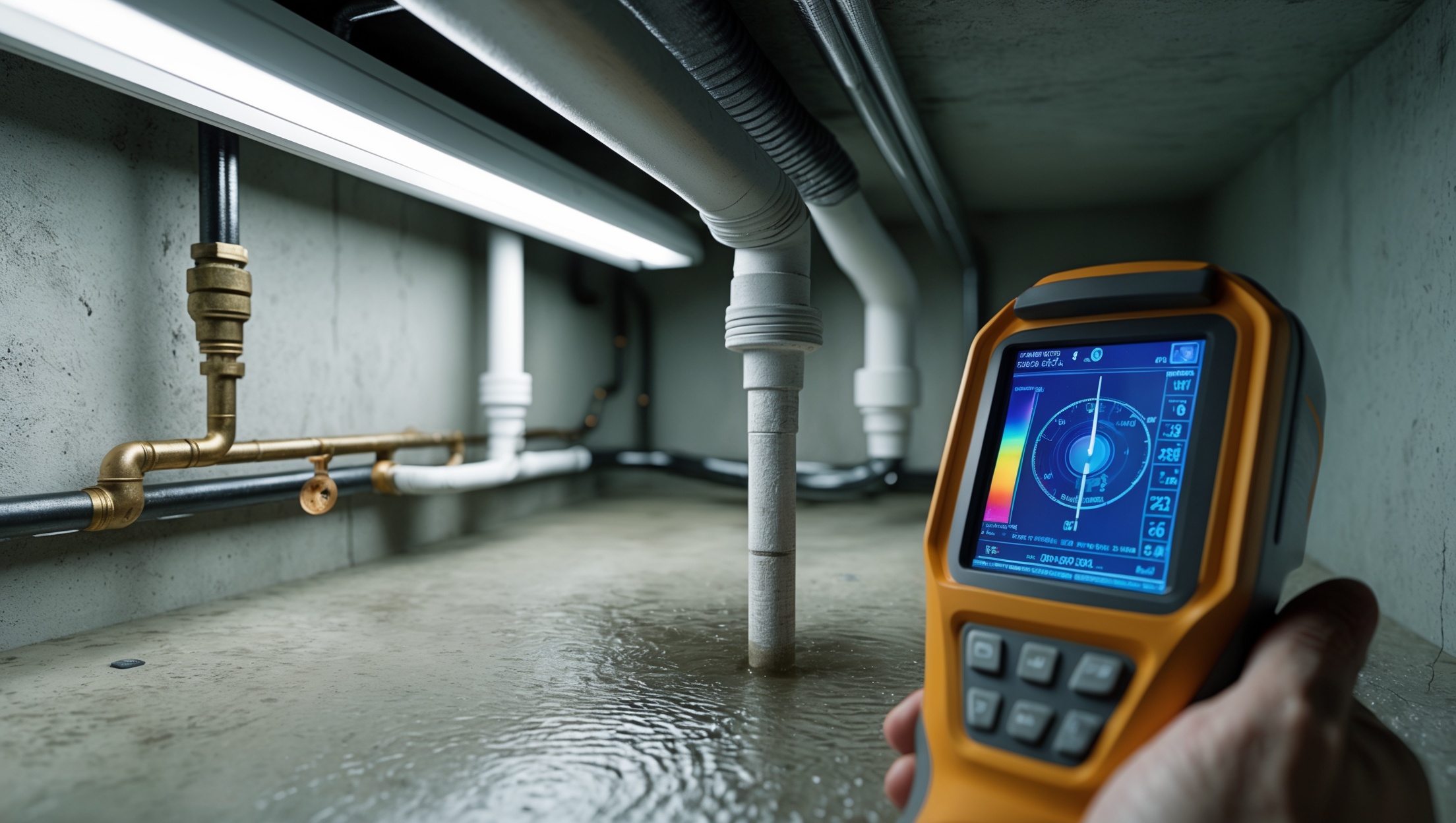
Water expands as it freezes, and when this happens inside plumbing pipes, the pressure can cause metal or plastic pipes to burst. The most vulnerable pipes are those located in unheated spaces like basements, crawlspaces, attics, garages, and exterior walls. Even a small crack from freezing can leak hundreds of gallons of water per day, quickly causing extensive property damage.
- Key signs of risk: Pipes that run along exterior walls, uninsulated sections, and outdoor hose bibs are especially susceptible.
- Common consequences: Burst pipes, water damage, mold growth, and costly emergency repairs.
Other Cold-Climate Plumbing Hazards
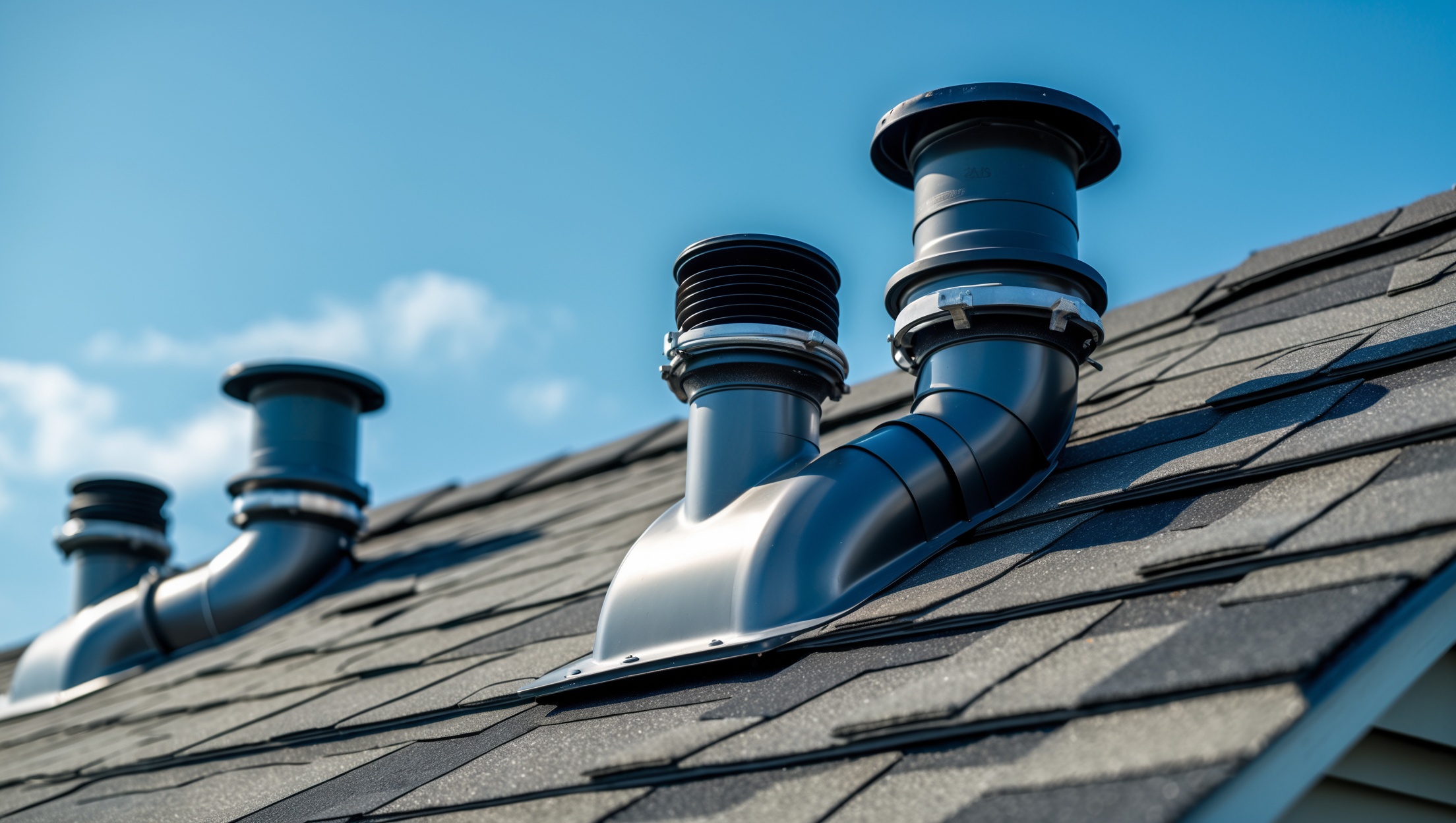
- Ice dams: Accumulated ice on roofs can block gutters and force water into the home, affecting vent stacks and drainpipes.
- Frozen septic lines: Extremely cold ground temperatures can freeze buried pipes, especially if the system lacks sufficient cover or insulation.
- Outdoor fixtures: Sillcocks, sprinkler systems, and exterior faucets can crack or break if not properly winterized.
Pipe Materials: Choosing the Right Products for Cold Climates
Comparing Pipe Materials
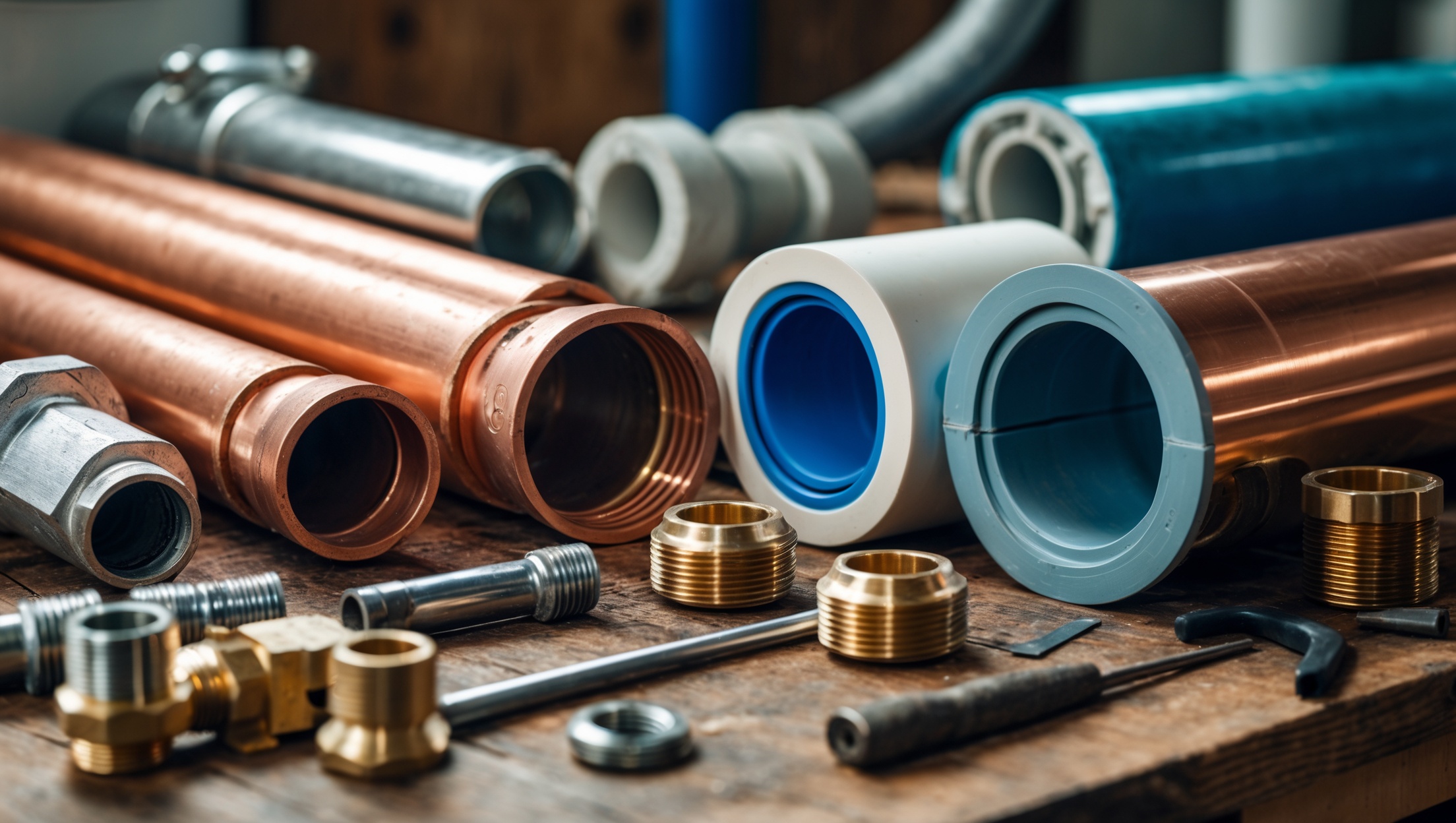
- PEX (Cross-Linked Polyethylene): Flexible and resistant to splitting from freezing. PEX can expand slightly, absorbing some of the pressure caused by ice formation, making it a top choice for cold climates.
- CPVC (Chlorinated Polyvinyl Chloride): Offers good freeze resistance but is less flexible than PEX. Can still crack under extreme freezing.
- Copper: Durable but more prone to bursting when frozen, as it doesn’t flex. Requires extra insulation or placement in heated areas.
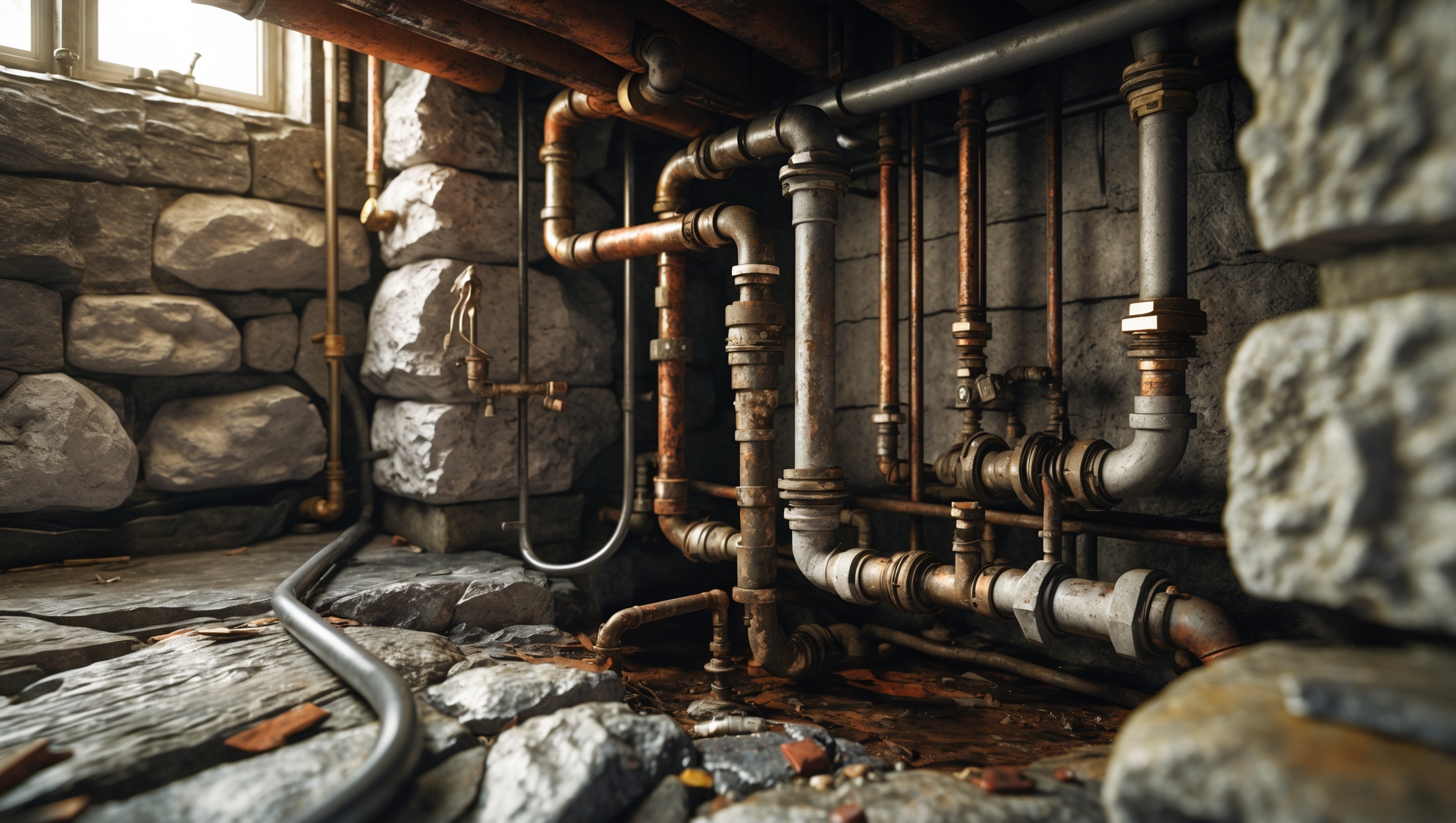
- Galvanized steel: Rare in new installations and highly susceptible to corrosion and bursting in cold weather.
Best Practices for Material Selection
- Opt for PEX in areas with a history of extreme cold and frequent freeze-thaw cycles.
- If using copper or CPVC, prioritize insulation and strategic pipe placement (away from exterior walls or within heated spaces).
- Replace outdated galvanized steel lines during renovations, as they are especially vulnerable to cold weather damage.
Design and Layout: Proactive Planning for Freeze Resistance
Pipe Routing Strategies
- Whenever possible, run pipes through interior walls and away from unheated spaces.
- In basements and crawlspaces, position pipes above insulation or in conditioned zones.
- For slab-on-grade construction, ensure pipes are buried below the frost line and insulated along the entire length.
Venting and Drainage Considerations
- Protect vent stacks from ice blockages by using insulated collars and roof flashings designed for cold weather.
- Slope all drain lines to encourage complete drainage and prevent standing water that can freeze.
Insulation Techniques: Your First Line of Defense
Types of Pipe Insulation
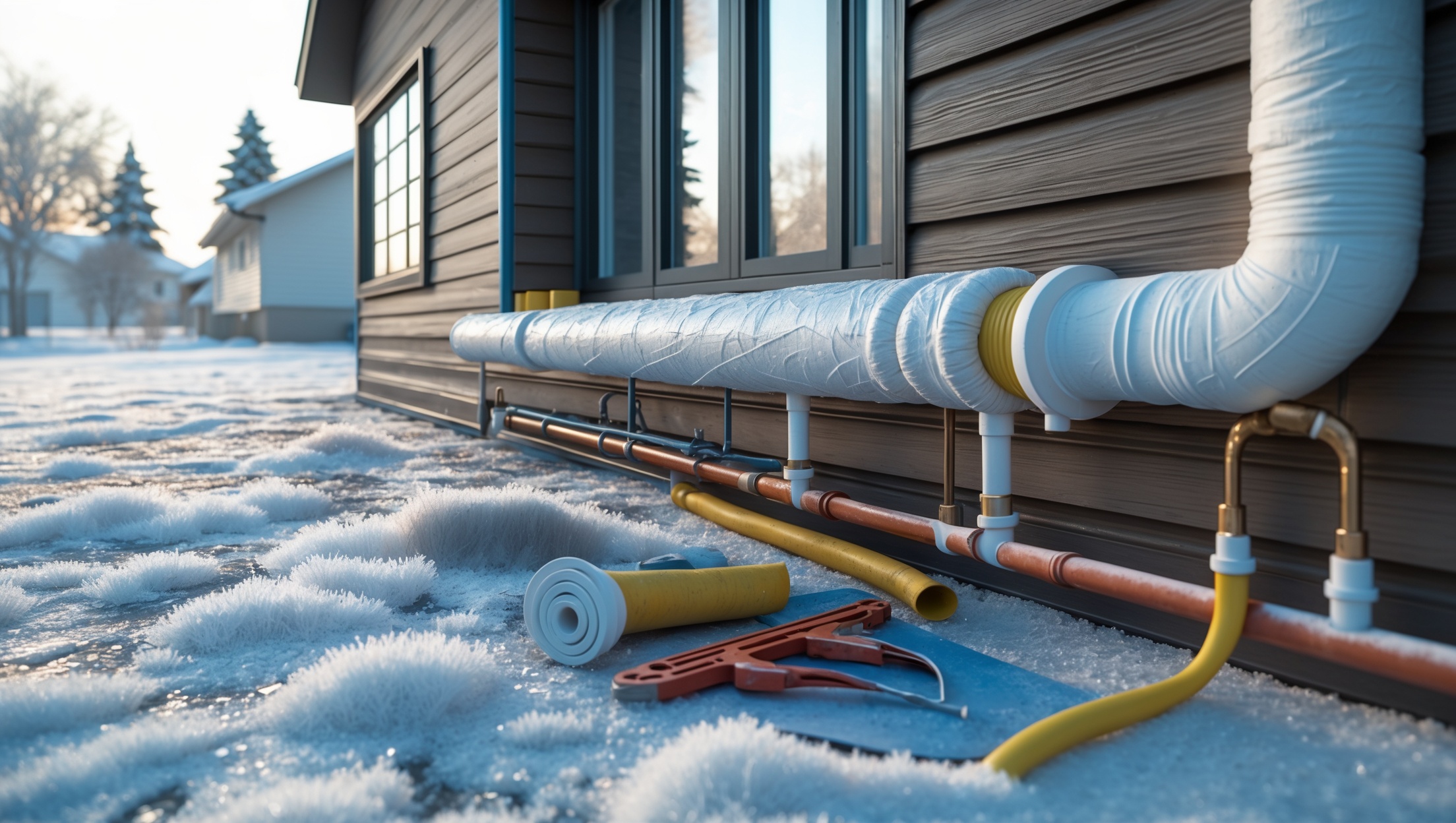
- Foam tube insulation: Flexible, easy to install, and available in various diameters for both hot and cold water lines.
- Fiberglass pipe wrap: Suitable for large-diameter or irregular pipes; provides higher R-value for severe climates.
- Spray foam: Useful for sealing gaps around pipe penetrations, especially in rim joists and crawlspaces.
Insulation Installation Tips
- Cover all exposed pipes in unheated areas, including basements, attics, garages, and crawlspaces.
- Seal all joints and seams with foam tape or cable ties to prevent air leaks.
- Check insulation annually for gaps, tears, or signs of moisture and replace as needed.
Specialized Equipment for Freeze Prevention
Heat Cable and Pipe Heating Systems
For high-risk pipes, electric heat cables (sometimes called heat tape) provide a reliable solution. These cables wrap around or run alongside pipes, automatically activating when temperatures drop near freezing. Look for products with built-in thermostats for energy efficiency.
- Install heat cables according to manufacturer instructions; improper installation can be a fire hazard.
- Use GFCI-protected outlets for all heating cables.
Frost-Proof Outdoor Fixtures
- Upgrade to frost-proof sillcocks, which shut off water farther inside the home to prevent freezing at the valve.
- Drain and blow out irrigation systems before the first hard freeze.
Winterizing Plumbing: Step-by-Step Procedures
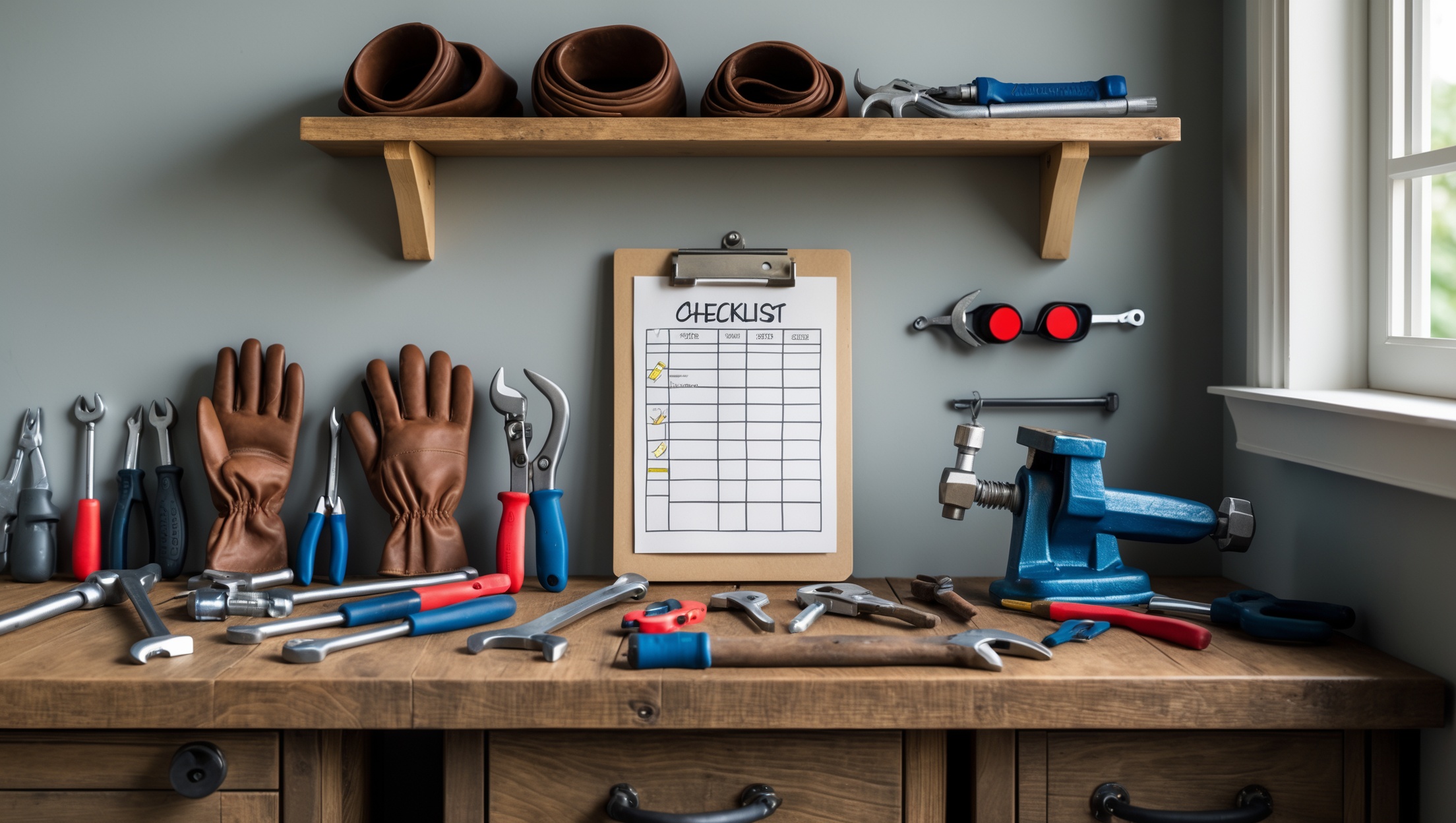
For Homeowners: Essential Checklist
- Disconnect and drain all garden hoses. Store hoses indoors for the winter to prevent cracking.
- Shut off and drain outdoor faucets, using the dedicated shut-off valves inside the home if available.
- Insulate all exposed pipes in unheated spaces, including those in attics and crawlspaces.
- Set your thermostat no lower than 55°F (13°C), even during extended absences.
- Open cabinet doors under sinks to allow warm air to circulate around pipes.
- Consider letting a trickle of water run during extreme cold snaps to keep water moving and reduce freeze risk.
For Property Managers and Pros: Advanced Measures
- Conduct a full system audit before winter, inspecting for vulnerable pipes and failed insulation.
- Install temperature alarms and remote monitoring for vacant or seasonal properties.
- Develop a rapid-response plan for freeze events, including emergency shut-off locations and service contacts.
Dealing with Frozen Pipes: Rapid Response and Recovery
Recognizing Frozen Pipes
- Little or no water flow from affected faucets, especially on exterior walls or in unheated areas.
- Frost visible on pipes, or unusual odors from drains and fixtures.
Thawing Techniques
- Open the faucet to allow water to escape as the ice melts.
- Apply gentle, even heat with a hair dryer, heat lamp, or portable heater. Never use open flames.
- Work from the faucet end back toward the frozen section to minimize pressure buildup.
- Monitor pipes closely and shut off main water supply if you detect leaks or bursts.
When to Call a Professional
- If pipes are inaccessible, thawing attempts fail, or you suspect a burst, contact a licensed plumber immediately.
- Document all damage for insurance claims and avoid DIY repairs on major leaks.
Long-Term Strategies: Upgrades and Smart Solutions
Retrofitting Older Homes
- Re-route exposed pipes into conditioned spaces during renovations.
- Upgrade to PEX piping in vulnerable areas for enhanced freeze resistance.
- Add insulation to exterior walls, attics, and crawlspaces to keep ambient temperatures above freezing.
Smart Home Monitoring
- Install temperature and leak sensors on key plumbing lines. Many smart devices offer mobile alerts and can even trigger automatic shut-offs.
- Use Wi-Fi-enabled thermostats to maintain minimum temperatures in vacant homes or rental properties.
Cost Breakdown: Budgeting for Cold-Climate Plumbing
Typical Preventive Costs
- Pipe insulation: $1–$3 per linear foot, depending on material and labor.
- Heat cable systems: $50–$200 per 100 feet, plus installation.
- Frost-proof fixtures: $20–$60 each, not including plumbing labor.
- Smart sensors and alarms: $30–$200 per device.
Potential Savings
- Preventing a single burst pipe (average repair $1,000–$5,000) more than covers the cost of insulation and heat cables throughout a typical home.
- Lower insurance premiums may be available for homes with documented freeze prevention systems.
Compliance and Insurance Considerations
Building Codes and Permits
- Many localities require pipe insulation and frost-depth burial for new plumbing installations—always check local codes.
- Permits may be required for major upgrades or the installation of heat cable systems.
Insurance Essentials
- Document all preventive measures and upgrades for your insurer—some policies exclude damage from negligence, such as failing to maintain minimum heating.
- Install water shut-off valves in accessible locations and label them for emergency use.
Maintenance Best Practices for Year-Round Reliability
- Inspect all insulation and heat cables at the start and end of each heating season.
- Monitor water pressure and flow rates—unexplained drops may indicate frozen or burst pipes.
- Flush outdoor fixtures and irrigation lines before winter, then again in spring to check for damage or leaks.
- Schedule annual plumbing inspections, especially for older homes or properties with a history of freeze issues.
Conclusion: Investing in Cold-Climate Plumbing Pays Off
Plumbing in cold climates demands more than just routine care; it requires proactive, specialized strategies to guard against the unique hazards of freezing temperatures. From choosing the right materials and planning pipe layouts to installing insulation, heat cables, and smart monitoring devices, each preventive measure adds a crucial layer of protection for your home or property. Not only can these steps avert the inconvenience and expense of burst pipes, but they can also extend the life of your plumbing system, maintain water quality, and offer peace of mind through even the harshest winters.
While the upfront investment in cold-climate plumbing solutions may seem significant, the potential savings from avoided emergency repairs, reduced insurance claims, and improved energy efficiency make it well worthwhile. Remember: adapting your plumbing for the realities of your region isn’t just good practice—it’s essential for safeguarding your property and ensuring uninterrupted comfort year-round. Whether you’re a seasoned pro or a DIY enthusiast, use the knowledge and strategies in this guide to make your plumbing system truly winter-ready, season after season.



Rachel Wilson
You mention that pipes in unheated spaces like basements and garages are especially at risk for freezing. What are some practical ways to insulate or protect pipes in these areas, especially in older homes that might not have been designed for cold climates?