Plumber Las Vegas News

Your trusted source for plumbing updates, DIY fixes, and industry insights in Las Vegas. Stay informed with practical tips, local trends, and expert advice for homeowners and professionals alike.

Plumbing Leak Detection: Proven Methods and Technologies for Homes and Businesses

Introduction: Why Effective Leak Detection Matters

Plumbing leaks are among the most common and costly issues facing both homeowners and business operators. A small, undetected drip can lead to structural damage, skyrocketing water bills, and even hazardous mold growth. The challenge? Many leaks remain hidden behind walls, under floors, or within ceilings until extensive (and expensive) harm has already occurred. Modern leak detection isn’t just about noticing puddles; it’s a proactive blend of visual inspection, specialized tools, and smart technology. In this comprehensive guide, you’ll discover proven methods for detecting leaks in any setting, learn how to choose the right tools for your needs, and pick up expert tips for preventing future water damage. Whether you’re a DIY enthusiast, property manager, or seasoned plumber looking to stay updated on the latest industry advances, this article will equip you with practical, step-by-step knowledge to safeguard your property—and your peace of mind.

Understanding the Types and Causes of Plumbing Leaks

Common Types of Leaks

  • Pinhole Leaks: Tiny perforations in pipes, often caused by corrosion or water chemistry.
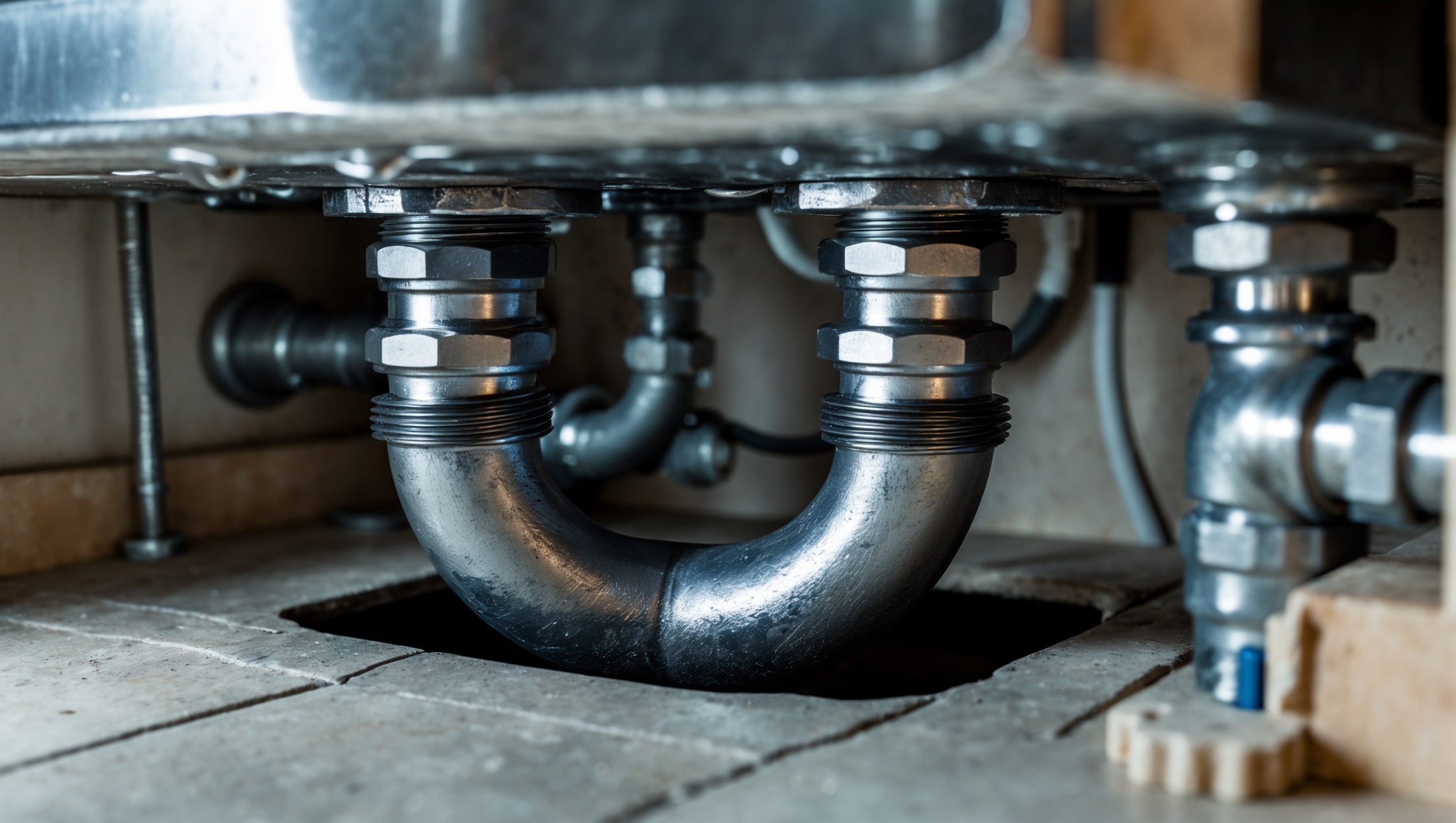
  • Joint Leaks: Failures at pipe connections due to poor installation, aging seals, or vibration.
  • Slab Leaks: Leaks beneath concrete floors, particularly problematic in older buildings.
  • Fixture Leaks: Dripping faucets, leaking toilets, or faulty appliance connections.
  • Underground Leaks: Water supply or drainage pipes buried outdoors.

Primary Causes

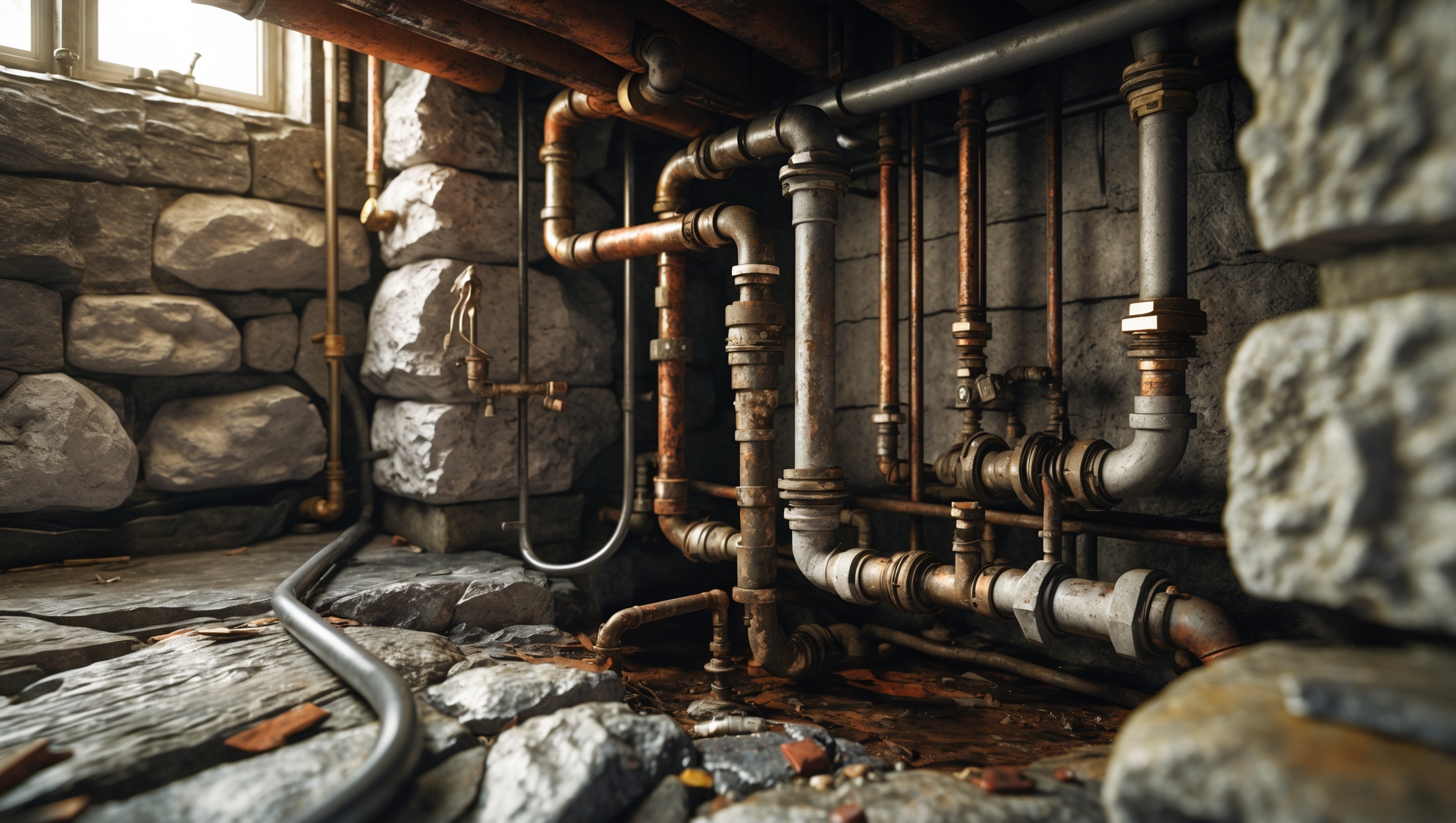
  • Corrosion: Aging metal pipes are especially vulnerable.
  • High Water Pressure: Excessive pressure can strain joints and fixtures.
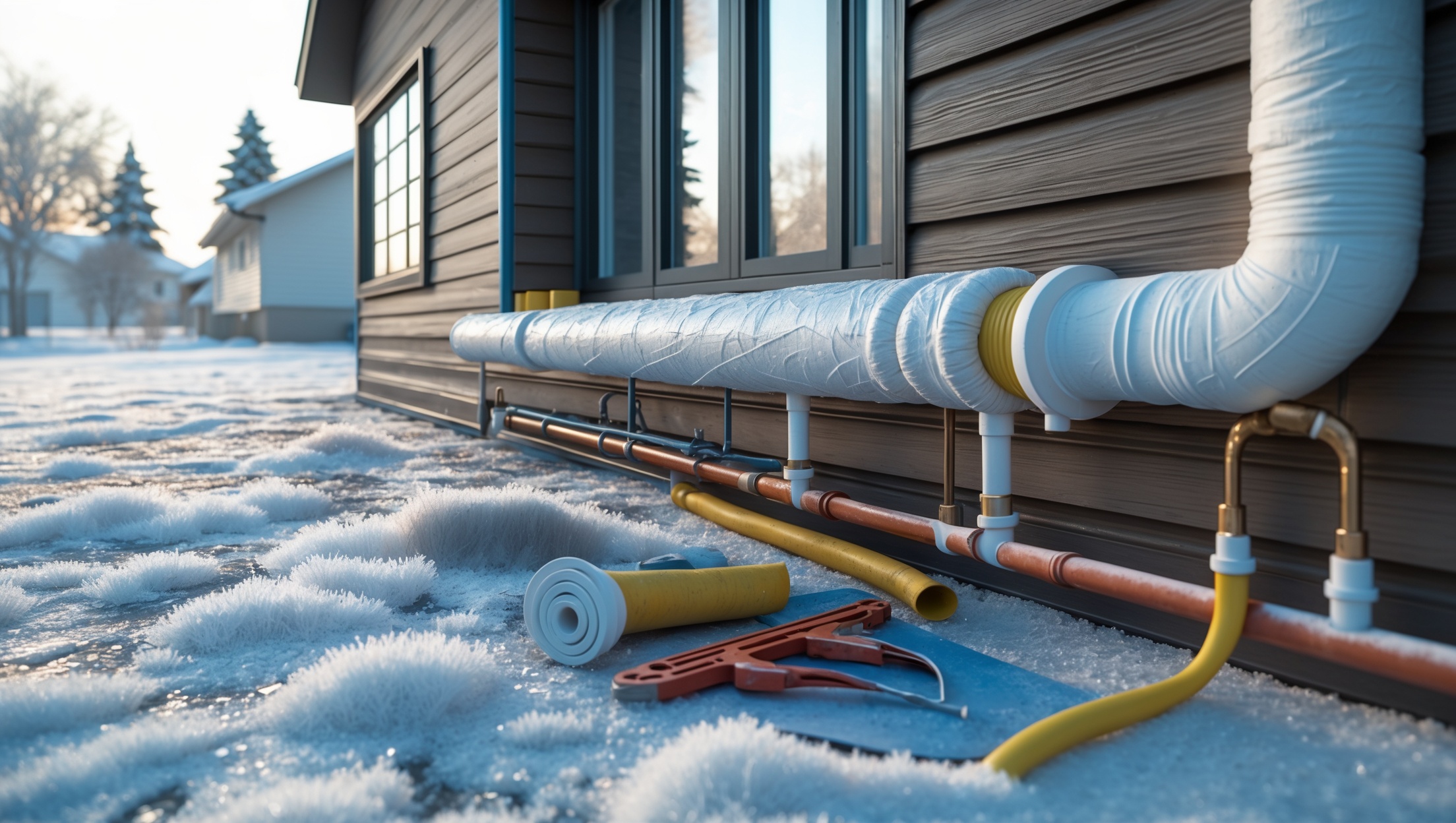
  • Temperature Fluctuations: Freezing and thawing cycles cause pipes to expand and contract, leading to cracks.
  • Poor Installation: Incorrectly joined pipes or low-quality materials often fail prematurely.
  • Soil Movement: Shifting foundations or settling can stress pipes underground or beneath slabs.

Early Warning Signs: How to Spot Hidden Plumbing Leaks

Visual Clues

  • Stains or Discoloration: Brown or yellow spots on ceilings and walls.
  • Warped Flooring: Buckling or soft spots in wood, laminate, or vinyl flooring.
  • Mold or Mildew: Persistent musty odors or visible growth near plumbing lines.
  • Dripping Sounds: Unexplained water sounds, especially at night when the house is quiet.

Utility Bill Red Flags

  • Sudden Spikes in Water Usage: Compare your monthly bills for unexplained increases.
  • Running Water Meter: If all fixtures are off but your meter is still spinning, you may have a leak.

Manual Leak Detection: Step-by-Step Techniques

1. Visual Inspection

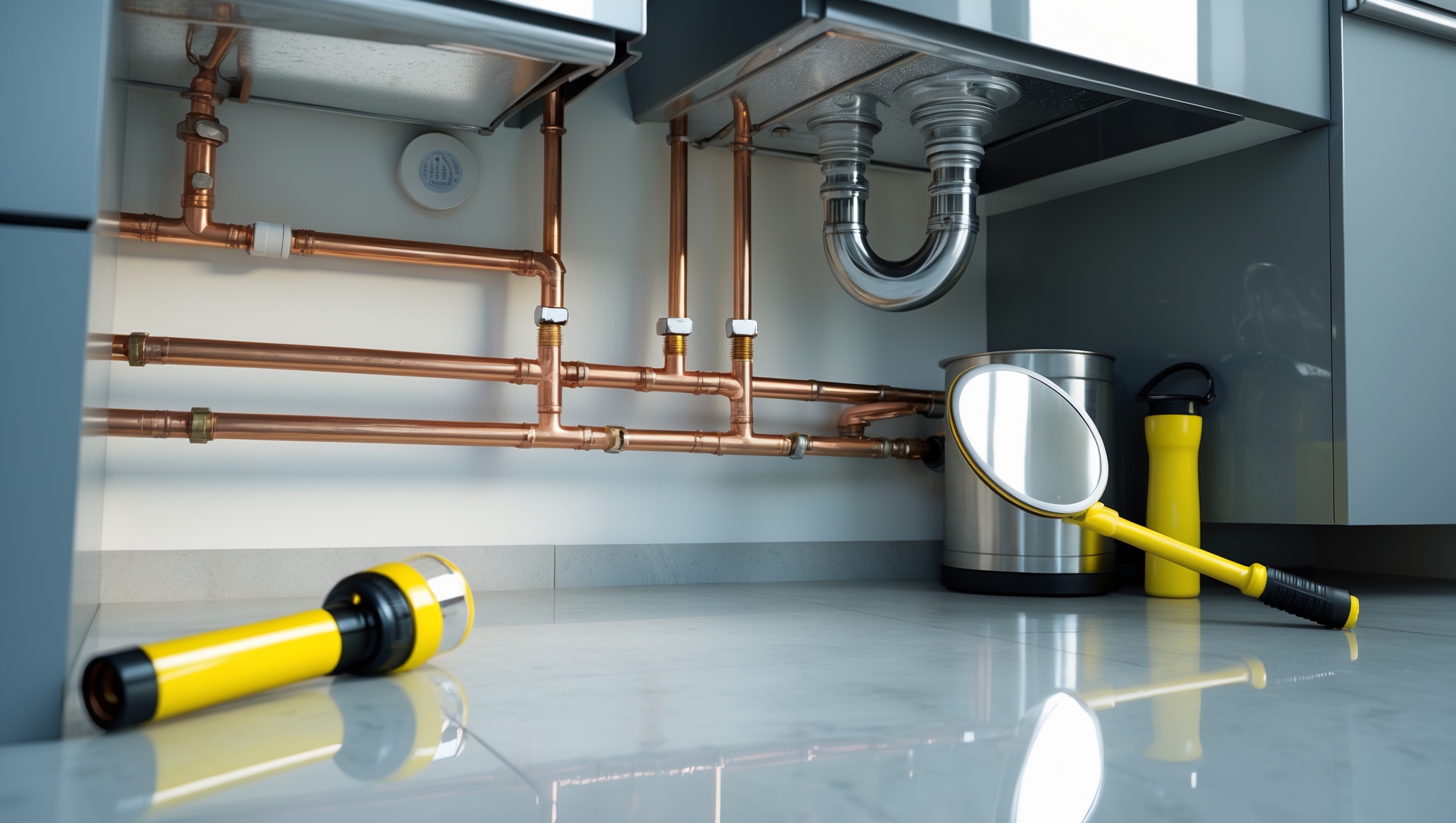
Start with accessible pipes under sinks, behind toilets, and near water heaters. Use a flashlight and an inspection mirror to check for moisture, corrosion, or mineral buildup at joints.

2. Toilet Dye Test

  • Add a few drops of food coloring to the toilet tank.
  • Wait 15–30 minutes without flushing.
  • If colored water appears in the bowl, the flapper or seal is leaking.

3. Faucet and Showerhead Check

  • Listen for drips and look for water pooling around the base.
  • Tighten connections or replace washers as needed.

4. Meter Check Method

  • Turn off all water-using appliances and fixtures.
  • Record your water meter reading.
  • Wait two hours (without using any water), then check the meter again.
  • If the reading changes, there’s a leak somewhere in the system.

Advanced Tools for Leak Detection

Acoustic Leak Detectors

These electronic devices amplify the sound of water escaping from pipes. Place the probe against the suspected area and listen through headphones for the telltale hiss or trickle. Acoustic detectors are especially helpful for pinpointing leaks under slabs or behind walls without invasive demolition.

Infrared (Thermal) Cameras

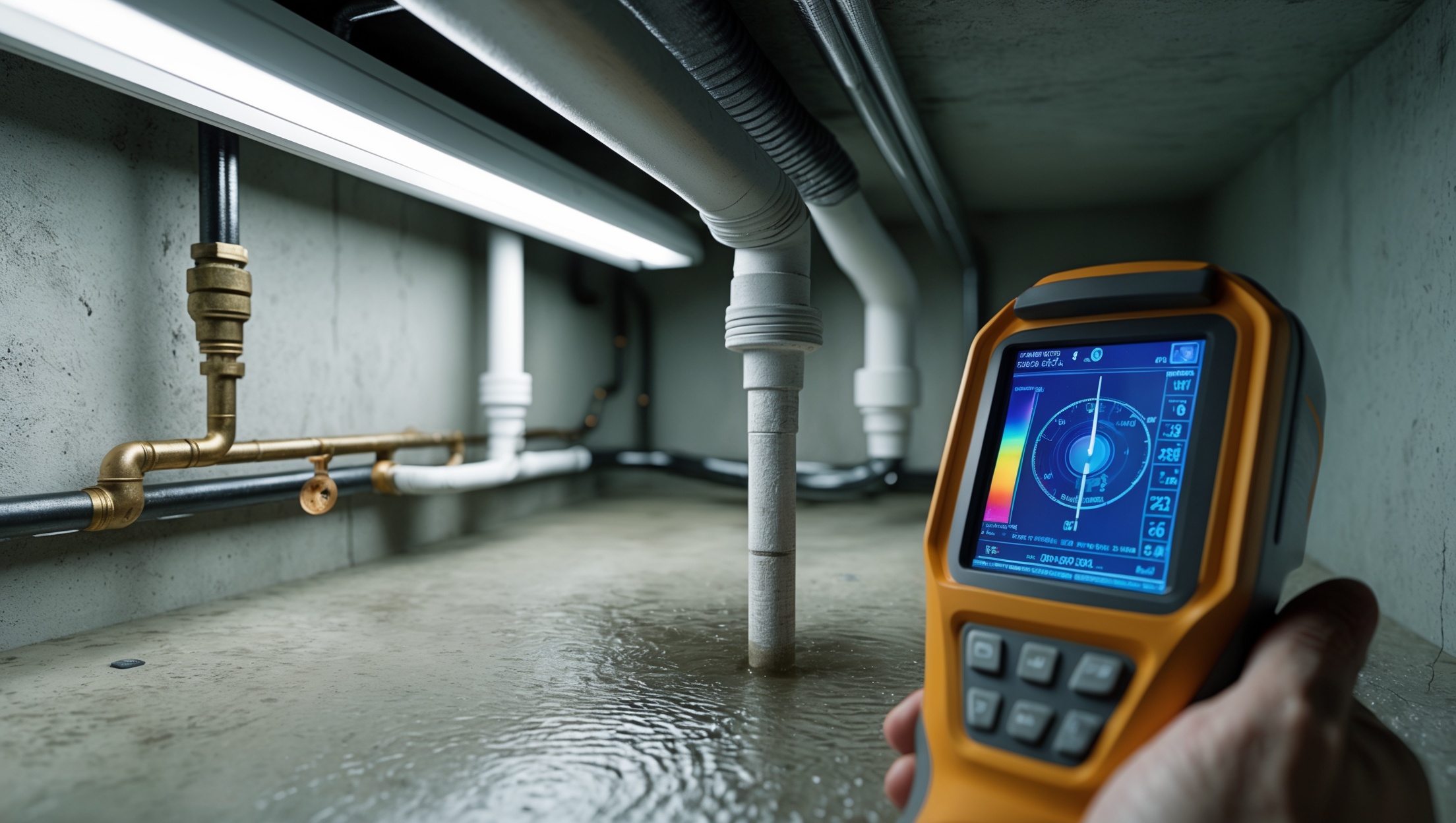
Infrared cameras detect temperature differences in building materials. Cold or damp spots often indicate hidden leaks. Move the camera slowly across walls and floors; a leak will usually appear as a distinct blue or green area against warmer surroundings.

Moisture Meters

These handheld devices measure the water content in building materials. Press the meter’s pins into drywall, wood, or flooring to find dampness that may be invisible to the eye. Moisture meters are invaluable for determining the extent of water damage and monitoring drying progress after repairs.

Tracer Gas and Electronic Sniffers

Professionals sometimes use a safe, odorless gas (like nitrogen or hydrogen) introduced into the pipes. Sensitive detectors can then “sniff” out escaping gas at the surface, revealing the precise leak location—even beneath concrete or landscaping.

Video Pipe Inspection Cameras

A small, waterproof camera attached to a flexible cable allows you to inspect the interior of pipes. Video inspection is critical for locating blockages, cracks, or root intrusion in drain and sewer lines.

DIY vs. Professional Leak Detection: When to Call in the Experts

DIY Leak Detection: Best Fit Scenarios

  • Visible drips or pooling under sinks and fixtures.
  • Toilet, faucet, or showerhead leaks.
  • Testing for leaks with food coloring or water meter checks.
  • Checking accessible appliance connections.

When to Hire a Professional

  • Suspected leaks inside walls, under slabs, or in underground pipes.
  • Unexplained mold or persistent water damage despite visible repairs.
  • Water meter indicates a leak but the source is not obvious.
  • Commercial properties where downtime or damage can be costly.
  • Need for specialized tools (acoustic sensors, infrared cameras, tracer gas).

Case Study: Leak Detection in a Commercial Property

Scenario: A local restaurant noticed warped hardwood flooring near the kitchen, but no visible leaks. Water bills had increased by 20% over three months.

  • Step 1: Staff checked all sinks, dishwashers, and ice machines—no obvious leaks.
  • Step 2: A plumber conducted a meter check, confirming continuous water flow even with all fixtures off.
  • Step 3: Using an acoustic leak detector, the plumber localized the leak to a section of copper pipe running beneath the kitchen floor.
  • Step 4: An infrared camera revealed a cold spot along the subfloor, matching the acoustic reading.
  • Outcome: Targeted removal of two floorboards exposed a pinhole leak. The repair minimized disruption and prevented further damage.

Lessons Learned: Investing in professional leak detection tools enabled a fast, non-invasive solution that saved the business thousands in potential repairs and downtime.

Preventing Future Leaks: Maintenance and Monitoring Tips

Routine Visual Checks

  • Inspect all visible pipes, joints, and fixtures monthly for signs of corrosion, moisture, or mineral buildup.
  • Look under sinks, behind toilets, and near appliances for early warning signs.

Monitor Water Pressure

  • Install a pressure gauge on an outdoor spigot.
  • Ideal residential water pressure is 40–60 psi; anything above 80 psi can stress pipes and joints.
  • If pressure is consistently high, consider a pressure reducing valve.

Upgrade Old Plumbing

  • Replace aging galvanized, polybutylene, or corroded copper pipes with modern materials like PEX or CPVC.
  • Upgrade old shutoff valves and supply lines with high-quality, burst-resistant options.

Smart Leak Detection Devices

  • Install Wi-Fi enabled leak detectors near water heaters, washing machines, and sump pumps.
  • Some models can automatically shut off the water supply if a leak is detected, preventing catastrophic damage.
  • Connect these devices to your phone for instant alerts.

Special Considerations for Business and Multi-Unit Properties

Regular Scheduled Inspections

  • Set up quarterly professional inspections for high-use or high-risk areas.
  • Document all plumbing maintenance for insurance and compliance purposes.

Employee Training

  • Educate staff or tenants on how to spot and report leaks promptly.
  • Post emergency shutoff valve locations and instructions in accessible areas.

Insurance and Risk Management

  • Review your property insurance policy for water damage coverage specifics.
  • Promptly address small leaks to avoid denied claims due to “neglect.”

Conclusion: Protect Your Property with Proactive Leak Detection

Unchecked plumbing leaks can turn a minor inconvenience into a major financial setback, whether you’re managing a home or a bustling commercial property. The good news is that advancements in leak detection technology—paired with regular inspection and maintenance—make it easier than ever to find and fix leaks before they escalate. By learning to recognize early warning signs, investing in the right tools, and knowing when to call in seasoned professionals, you’re not just preventing water damage—you’re protecting the value, safety, and comfort of your property. Smart leak detection isn’t a one-time fix; it’s an ongoing process of vigilance and care. Commit to routine checks, upgrade outdated materials, and embrace modern monitoring devices for true peace of mind. Ultimately, the cost and effort of proactive leak detection pale in comparison to the expense and disruption of water damage repairs. Make leak detection a core part of your plumbing maintenance strategy, and you’ll save money, preserve your property, and avoid countless headaches down the line.

156 comments
James Perez

When dealing with slab leaks under concrete floors, how do modern detection technologies compare to older methods in terms of accuracy and the amount of disruption they cause to the property?

    Mario The Plumber

    Modern leak detection technologies, like electronic listening devices and thermal imaging, are much more accurate than older methods, which often relied on guesswork and invasive searching. These advanced tools can pinpoint leaks under concrete with minimal disruption, reducing the need to break up large areas of flooring. In contrast, traditional methods usually required removing significant portions of concrete just to locate the leak, causing more mess and higher repair costs.

Michelle White

The article mentions specialized tools and smart technology for leak detection, but could you clarify which methods are most effective for finding underground leaks versus those hidden in walls? I’m particularly interested in any differences in reliability or ease of use for homeowners.

    Mario The Plumber

    Underground leaks are often best detected using acoustic sensors and ground-penetrating radar, as these tools can pinpoint leaks without digging. For leaks hidden in walls, thermal imaging cameras and moisture meters are especially effective. Smart water monitors can help in both cases by alerting you to unusual usage. For homeowners, thermal cameras and smart monitors are the easiest to use, while acoustic and ground-penetrating tools usually require professional help for reliable results.

Tyler Hernandez

In the section about primary causes, high water pressure and temperature fluctuations are mentioned. Are there preventive devices or routine checks that can help minimize damage from these specific issues?

    Mario The Plumber

    Yes, there are preventive measures you can take for both high water pressure and temperature fluctuations. Installing a pressure-reducing valve helps keep your home’s water pressure within a safe range. For temperature fluctuations, using a thermostatic mixing valve can help regulate water temperature and reduce the risk of pipe stress. Routine checks, like monitoring for sudden changes in water pressure and inspecting visible pipes for condensation or leaks, are also helpful.

Kevin Hernandez

You mention that slab leaks are particularly problematic in older buildings. What are some early signs specific to slab leaks, and how can they be detected before they cause major structural damage?

    Mario The Plumber

    Early signs of slab leaks often include unexplained increases in your water bill, damp or warm spots on floors, the sound of running water when pipes are off, and cracks in flooring or walls. To catch these leaks early, pay attention to these symptoms and consider scheduling periodic inspections with professionals who use acoustic listening devices or infrared thermography to pinpoint leaks under the slab.

Sarah Jackson

How much time does it usually take to detect and locate an underground leak using the smart technology mentioned? Does the detection process disrupt daily activities in homes or businesses?

    Mario The Plumber

    Using smart leak detection technology, professionals can often detect and pinpoint an underground leak within a few hours, depending on the size and complexity of the plumbing system. The process is generally non-invasive, with minimal disruption to daily activities. Most systems use sensors and acoustic equipment, so there’s usually no need for digging or shutting off water for extended periods.

James Jones

When it comes to early warning signs, how reliable are things like unusual water bills or faint mildew smells? Have you found that newer leak detection tools are able to catch problems even before these signs appear?

    Mario The Plumber

    Unusual water bills and faint mildew smells can definitely signal a leak, but they often appear after a problem has developed. Newer leak detection technologies, such as smart sensors and acoustic monitors, are much more proactive. They can identify tiny leaks or unusual moisture levels well before you’d notice changes in your bill or smell mildew, making them highly reliable for early detection.

Mary Garcia

I noticed you mention slab leaks being particularly troublesome in older buildings. As a small business owner with a property built in the 1970s, are there specific detection methods or tools that work best for identifying leaks under concrete without tearing up the floor?

    Mario The Plumber

    For buildings from the 1970s, non-invasive tools like acoustic listening devices, thermal imaging cameras, and electronic leak detectors are very effective for finding slab leaks without breaking up the floor. These technologies can pinpoint moisture or sound changes under concrete, helping plumbers locate the issue accurately and minimize unnecessary damage or disruption to your business operations.

Nathan Lopez

Does the article cover any specific smart technologies for leak detection, like sensors or apps, that are suitable for someone who wants a more hands-off, automated approach at home?

    Mario The Plumber

    Yes, the article discusses smart leak detection technologies designed for a hands-off and automated approach. It highlights devices like water leak sensors and smart monitoring systems that can be connected to apps on your phone. These systems automatically detect leaks and send alerts, making them ideal if you want ongoing protection without manual checking.

Nathan White

After learning that leaks can occur underground or behind walls, I’m curious—how long does it typically take to find and fix these hidden leaks, and does it usually involve tearing up floors or walls, or are there non-invasive methods you’d recommend?

    Mario The Plumber

    Locating hidden leaks can take anywhere from an hour to a full day depending on accessibility and how advanced the detection tools are. Many modern plumbers use non-invasive methods like acoustic listening devices, infrared cameras, or moisture meters, which often pinpoint leaks without needing to open walls or floors. In some cases, though, minimal access holes might still be required to make repairs once the leak is found.

Daniel Thompson

For slab leaks specifically, do you recommend any particular detection method that works best in older homes with concrete foundations? I’m curious about whether acoustic listening devices or thermal imaging is more effective in these cases.

    Mario The Plumber

    For older homes with concrete foundations, both acoustic listening devices and thermal imaging have their advantages, but acoustic listening devices are often more effective for slab leaks. They can pick up the sound of water escaping from pipes beneath the slab, even in thick or aged concrete. Thermal imaging is useful too, especially if there’s a temperature difference caused by hot water leaks, but it may be less precise if the leak is small or the pipe carries cold water.

Joseph Martinez

For a small business owner, are there recommended budget-friendly tools or methods to detect underground leaks before they become major issues? How often should these checks be done to prevent big expenses later?

    Mario The Plumber

    For small business owners, affordable tools like acoustic leak detectors, digital moisture meters, and simple pressure gauges can help spot underground leaks early. You can also visually inspect for damp spots or unexplained increases in water bills. Aim to check your plumbing system every 3-6 months, or more often if your property is older or has a history of leaks. Early detection is key to avoiding major repairs later.

Jennifer Martinez

You mention that slab leaks are particularly problematic in older buildings. Could you elaborate on the most effective detection technologies specifically for slab leaks, and whether they differ for residential versus commercial properties?

    Mario The Plumber

    Slab leaks are tricky because pipes run under concrete. The most effective detection technologies include electronic amplification equipment (which helps listen for leaking water), electromagnetic pipe locators (to map pipe routes), and thermal imaging cameras (to spot temperature changes from leaks). These technologies are used in both residential and commercial settings, but commercial properties may require more advanced or larger-scale equipment due to the complexity and size of their plumbing systems.

Lisa Ramirez

Regarding pinhole leaks due to corrosion or water chemistry, are there certain types of pipes in older homes I should pay closer attention to, and is there any DIY prevention I can do before leaks start?

    Mario The Plumber

    In older homes, copper and galvanized steel pipes are especially prone to pinhole leaks caused by corrosion or water chemistry. Regularly inspect visible pipes for signs of discoloration, pitting, or white buildup. To help prevent leaks, you can install a whole-house water filtration system to reduce corrosive elements and consider periodic flushing of your plumbing. Also, make sure your home’s water pressure isn’t too high, as that can accelerate wear on pipes.

Daniel Harris

With so many types of leaks and detection technologies available, how should someone on a tight budget prioritize which tools or methods to invest in first for a typical suburban home built in the 1970s?

    Mario The Plumber

    For a 1970s suburban home on a budget, start with a thorough visual inspection of exposed pipes, ceilings, and under sinks for any signs of moisture or staining. Next, invest in an inexpensive moisture meter and listen for running water when all fixtures are off. If you want a tool, a basic acoustic leak detector or a smart water meter with leak alerts can be cost-effective options before considering pricier technology.

Tyler Clark

Can you explain how to tell the difference between a leak caused by high water pressure and one resulting from pipe corrosion? It sounds like the causes might require different solutions, so I want to be sure I’m addressing the right issue.

    Mario The Plumber

    Certainly! A leak from high water pressure often appears at pipe joints or weaker spots and may be accompanied by banging noises (water hammer) or frequent fixture leaks. Corrosion leaks usually show signs of rust, greenish stains, or pitting on the pipe surface itself. Addressing high pressure usually involves installing a pressure-reducing valve, while corrosion may require replacing affected pipe sections.

Christopher Martin

When it comes to slab leaks, how do the latest smart technologies compare to traditional detection tools in terms of accuracy and cost for a typical homeowner?

    Mario The Plumber

    Smart technologies for slab leak detection, like acoustic sensors and Wi-Fi enabled monitors, generally offer higher accuracy and faster pinpointing than traditional tools such as manual pressure testing or basic infrared cameras. However, smart tech can come at a higher upfront cost. For most homeowners, while smart devices may save on repair costs through early detection, traditional methods are still reliable and more budget-friendly if you only need occasional leak checks.

George Robinson

When you mention corrosion as a main cause of leaks, especially in metal pipes, is there a way to prevent it proactively, or should we expect to replace sections of pipe every so often?

    Mario The Plumber

    Corrosion in metal pipes can often be minimized with proactive steps. Regularly inspecting pipes, using water softeners to reduce mineral buildup, and ensuring proper pipe insulation can all help slow corrosion. Additionally, choosing corrosion-resistant materials like PEX or copper when building or renovating can extend pipe life. While some aging pipes may eventually need replacement, maintenance can significantly delay this.

Andrew Hernandez

When it comes to slab leaks mentioned in the article, are there specific detection tools or technologies that work better without having to break up a lot of concrete? I’m curious about the most non-invasive options available.

    Mario The Plumber

    For slab leaks, there are several non-invasive detection tools that minimize the need to break up concrete. Acoustic listening devices and electronic amplification equipment can help pinpoint the sound of water escaping from pipes beneath the slab. Thermal imaging cameras are also effective, as they detect temperature changes caused by leaks. In some cases, leak detection specialists use tracer gas and sensitive sniffers to locate leaks without any demolition. These technologies allow for accurate detection while keeping disruption to a minimum.

Robert Martin

If someone has a limited budget, which leak detection methods or tools would you consider the most cost-effective for a DIY enthusiast who wants to catch issues early?

    Mario The Plumber

    For those on a limited budget, start by regularly checking for visible signs like damp spots, mold, or unusually high water bills. Simple tools such as a moisture meter or food coloring can be very effective—use food coloring in toilet tanks to spot leaks. Affordable electronic leak detectors are also available and can help catch issues early, making them a good option for DIY enthusiasts.

Elizabeth Davis

You mention that poor installation can lead to joint leaks over time. If my property is relatively new, are there specific maintenance steps I should follow to prevent early joint failures, or is this mainly an issue in older plumbing systems?

    Mario The Plumber

    Even in newer properties, it’s wise to check for early signs of joint leaks, like damp spots or a sudden drop in water pressure. Regularly inspect accessible pipes and fittings, especially after major use or seasonal changes. Make sure fixtures are properly supported to avoid strain on joints, and avoid using harsh chemicals that can degrade seals. While poor installation is more common in older systems, preventative maintenance helps catch potential issues early in any property.

Mary Robinson

Since corrosion is a big culprit for pinhole leaks, particularly in metal pipes, at what age should homeowners start getting their pipes inspected, and are there any preventive treatments worth investing in to slow down the corrosion process?

    Mario The Plumber

    For metal pipes, it’s wise to start inspections around 20 years after installation, since corrosion and pinhole leaks become more likely with age. If you have older galvanized steel or copper pipes, regular checks every few years are a good idea. Preventive measures include installing water softeners if you have hard water, using corrosion inhibitors, and maintaining stable water pH. Pipe lining or epoxy coatings can also extend pipe life and resist corrosion.

Elizabeth Garcia

When budgeting for leak detection in a commercial property, what kind of upfront and ongoing costs should I expect for more advanced tools or monitoring systems you mentioned?

    Mario The Plumber

    For advanced leak detection in commercial properties, upfront costs can range from several hundred to several thousand dollars, depending on the system’s complexity and coverage. Wireless sensors or automated monitoring systems typically start at around $500 and can go above $5,000. Ongoing costs may include maintenance, sensor replacements, and subscription fees for monitoring services, which can be $20 to $100 per month. Costs will vary based on building size and the level of monitoring required.

James Gonzalez

When it comes to picking out leak detection tools, how do I figure out which ones are worth investing in without breaking my budget? Are there any reliable, affordable devices you recommend for basic home use?

    Mario The Plumber

    To choose leak detection tools that fit your budget, start by assessing your main needs—such as monitoring for hidden leaks or just detecting visible ones. For basic home use, battery-operated acoustic leak detectors and smart water alarms are reliable and affordable options. Brands like Moen and Honeywell offer well-reviewed devices that alert you to leaks via smartphone. Always check product reviews and see if the device covers your specific areas of concern, like basements or under sinks.

Brian Thompson

For someone new to DIY, how do I know when a leak is something I can try to fix myself versus when it’s better to call a plumber—especially with things like pinhole or underground leaks?

    Mario The Plumber

    If the leak is easy to reach—like a dripping faucet or a loose pipe joint—you can often handle it yourself with basic tools. However, pinhole leaks in pipes can signal bigger issues, and underground leaks usually require specialized equipment to locate and repair. For these situations, it’s safer and more effective to call a professional plumber to prevent further damage.

Sandra Clark

You mentioned that high water pressure can be a major cause of leaks at joints and fixtures. What’s the best way to accurately test for this at home before any serious damage happens?

    Mario The Plumber

    To accurately check for high water pressure at home, you can use a simple water pressure gauge. Just screw it onto an outdoor hose bib or laundry faucet, then turn on the tap. The ideal pressure should read between 40 and 60 psi. If it’s higher, consider installing a pressure-reducing valve to protect your plumbing from potential leaks at joints and fixtures.

Joseph Lewis

I see slab leaks are mentioned as a particular concern for older properties. For someone managing a commercial building, how invasive are the modern methods for detecting slab leaks, and what kind of downtime should we expect?

    Mario The Plumber

    Modern slab leak detection methods, such as acoustic listening devices, infrared thermography, and electronic leak detection, are much less invasive than older techniques. These methods usually require minimal disruption—often just accessing plumbing points—rather than breaking through large sections of concrete. Most inspections can be performed within a few hours, and downtime for your building is typically limited, with no major interruptions unless repairs are needed.

Charles Jones

How long does it typically take for a hidden plumbing leak, like those behind walls or under floors, to start causing noticeable structural or mold damage? I’m trying to gauge how urgent leak detection should be for my property.

    Mario The Plumber

    A hidden plumbing leak can start causing noticeable structural or mold damage in as little as a few days to a week, especially in warm or humid conditions. Mold may begin to grow within 24-48 hours of moisture exposure. Structural damage, like warped wood or crumbling drywall, can develop within a couple of weeks. Early leak detection is important to minimize costly repairs and health risks.

Karen Clark

With underground leaks being a concern for outdoor plumbing, what signs should property owners look for in their yards or landscaping that might indicate a problem before it causes visible surface damage or increased water bills?

    Mario The Plumber

    Property owners should watch for unusually soggy or muddy patches in the yard, areas where grass or plants are growing much faster or greener than the surroundings, and unexpected pooling of water even in dry weather. A faint sound of running water underground or a consistent drop in water pressure can also be early signs. Noticing these subtle changes early can help address leaks before they lead to bigger issues.

Joshua Martinez

You mention temperature fluctuations can crack pipes. Is there something simple I can do during winter to prevent this, or would I need to hire a plumber to inspect and prepare my system each year?

    Mario The Plumber

    You can take simple steps yourself to help prevent winter pipe cracks. Keep your home heated, let faucets drip slightly on very cold nights, and open cabinet doors under sinks to let warm air circulate. Insulating exposed pipes in unheated areas, like basements or garages, also helps. A plumber isn’t always necessary, but if your pipes are older or you’ve had issues before, a professional inspection can add peace of mind.

David Perez

I noticed you listed corrosion and high water pressure as major causes of leaks. Is there a way to proactively test for these risks in an existing plumbing system, or do you have to wait until signs of leakage appear?

    Mario The Plumber

    You can proactively test for both corrosion and high water pressure. For corrosion, a plumber can inspect your pipes visually or with cameras and may take water samples to check for signs of metal deterioration. To check for high water pressure, you can use a simple pressure gauge, which attaches to a faucet and gives a reading—ideally between 40 and 60 psi. Addressing these issues early can help prevent leaks before they start.

Michael Davis

I see that slab leaks can be especially problematic in older buildings. What are the most effective detection methods for slab leaks specifically, and how invasive are they compared to regular leak detection techniques?

    Mario The Plumber

    Slab leaks are harder to detect because they occur beneath concrete floors. The most effective methods include electronic listening devices, thermal imaging cameras, and sometimes tracer gas detection. These tools help pinpoint leaks without tearing up the floor. Compared to standard leak detection, these methods are generally less invasive, as they minimize the need to break into the slab until the exact location is found.

Nathan Thomas

Could you explain more about slab leaks? I’m worried because my house is pretty old and I’m not sure what signs would point to a leak under the concrete floor.

    Mario The Plumber

    Slab leaks happen when pipes beneath your concrete foundation develop leaks. Common signs include unexplained increases in your water bill, damp or warm spots on the floor, sounds of running water when all taps are off, and sometimes cracks in the flooring. If your house is older, these leaks can result from pipe corrosion or shifting foundations. If you notice any of these warnings, it’s wise to contact a professional for leak detection to prevent further damage.

Ashley Clark

For underground leaks in outdoor water supply lines, what early signs should someone look for before calling in a professional, and are there any simple DIY checks that can be done first?

    Mario The Plumber

    For underground leaks in outdoor water supply lines, watch for unusually wet or soggy patches on your lawn, areas where grass is greener or grows faster, or an unexplained jump in your water bill. As a simple DIY check, turn off all water fixtures indoors and outdoors, then see if your water meter is still moving. If it is, a leak may be present. If you spot these signs, it’s wise to consult a professional for further diagnosis.

Elizabeth Sanchez

I’m on a relatively tight budget. Of all the leak detection technologies discussed, which is generally the most cost-effective option that still catches hidden leaks early?

    Mario The Plumber

    For those on a budget, acoustic leak detectors are usually the most cost-effective choice. They use sound to pinpoint hidden leaks in pipes early on, without major expenses or invasive work. Handheld acoustic devices are widely available and suitable for both home and small business use, offering reliable detection before leaks become severe.

Joshua Rodriguez

You mention slab leaks being especially problematic in older buildings. Are there specific technologies or detection methods that work better for locating these kinds of hidden leaks compared to other types?

    Mario The Plumber

    Slab leaks are tricky because they’re hidden beneath concrete floors, making traditional visual inspection nearly impossible. For these cases, acoustic listening devices and electronic leak detection equipment tend to work best since they can pick up the sound of water escaping under the slab. Thermal imaging cameras are also effective because they reveal subtle temperature differences caused by leaking water. Combining these methods increases accuracy when pinpointing slab leaks.

Julie Lewis

You mention slab leaks as being a big problem in older buildings. What are some technologies or methods best suited for detecting leaks under a concrete floor without causing a lot of damage or disruption?

    Mario The Plumber

    Detecting slab leaks without major disruption is possible using non-invasive technologies. Acoustic listening devices can pick up the sound of water escaping from pipes under the slab. Thermal imaging cameras help spot temperature changes caused by leaking water. Electronic leak detection tools can also trace moisture and pinpoint leaks accurately. These methods allow professionals to find leaks under concrete floors with minimal damage to your property.

Sean Lewis

When it comes to detecting pinhole leaks due to corrosion versus leaks caused by high water pressure, do you recommend different diagnostic tools or techniques? I’d like to understand if the approach varies depending on the underlying cause.

    Mario The Plumber

    The approach can differ depending on the suspected cause. For pinhole leaks from corrosion, acoustic listening devices and thermal imaging are helpful for spotting tiny leaks in pipes, especially within walls. If leaks might be due to high water pressure, pressure loggers or gauges are useful to monitor for spikes and identify stress points. Sometimes, combining methods gives the most accurate diagnosis, as each technique may reveal different clues about the underlying problem.

Betty Gonzalez

If I notice some early warning signs like an unexplained increase in my water bill but see no obvious leaks, what would be the first step you recommend before calling in a plumber?

    Mario The Plumber

    If your water bill has gone up but you don’t see any visible leaks, start by checking all faucets, toilets, and exposed pipes for drips or moisture. Listen for running water when everything is turned off, and check your water meter—if it keeps moving when no water is being used, there may be a hidden leak. These steps can help you gather information before deciding whether to call a plumber.

Sandra Robinson

How can you tell the difference between a slab leak and an underground leak if you’re just starting to notice signs of water damage but can’t find any obvious puddles or drips inside?

    Mario The Plumber

    If you’re seeing signs of water damage without obvious puddles or drips, the location of the leak can be tricky to pinpoint. A slab leak usually happens beneath the concrete foundation of your home, so you might notice warm spots on floors, unexplained dampness in specific areas, or sounds of running water. Underground leaks (outside the home) might show up as unusually wet patches in your yard, increased water bills, or lower water pressure indoors. Professional leak detection tools or services can help confirm the source.

Sean Robinson

You mention that high water pressure can lead to joint leaks and fixture issues. Is there a specific pressure level you recommend business owners keep their plumbing under to prevent these types of problems, and how can this be monitored accurately?

    Mario The Plumber

    For most businesses, keeping water pressure between 40 and 60 psi helps prevent leaks and reduces wear on joints and fixtures. Pressures above 80 psi often lead to problems. To monitor this accurately, consider installing a pressure gauge at the main supply line and regularly checking it. For added control, pressure-reducing valves can help maintain consistent, safe levels throughout your plumbing system.

Megan Brown

If a DIY enthusiast suspects a hidden leak behind a wall but isn’t ready to call in a pro, what would be a safe first step to investigate without risking bigger damage or violating local building codes?

    Mario The Plumber

    A safe first step is to visually inspect the area for signs like damp spots, discoloration, or bubbling paint. You can also gently check for musty odors. To pinpoint moisture, use a handheld moisture meter, which won’t damage the wall or violate codes. Avoid making holes or removing drywall, as that risks greater damage and may breach regulations.

Sean Sanchez

You mentioned that poor installation can lead to joint leaks. If I recently moved into a house and don’t know the plumbing history, are there quick ways to check for vulnerable joints before any major signs of leaks appear?

    Mario The Plumber

    Yes, you can do a few simple checks. First, inspect visible joints under sinks, near the water heater, and in the basement for any moisture, corrosion, or discoloration. Run your hands along the pipes to feel for dampness. Listen for any dripping sounds behind walls. If you’re concerned, consider using a moisture meter near joints or have a plumber perform a professional inspection using leak detection tools.

Jennifer Miller

If I suspect a slab leak in my older home but can’t see any obvious water damage, what are some of the first steps or tools you recommend for a beginner before calling in a professional?

    Mario The Plumber

    If you suspect a slab leak but don’t see obvious water damage, start by checking your water meter. Turn off all water in your home, then check if the meter continues to move—this can indicate a hidden leak. You can also listen for the sound of running water near floors and walls. Moisture meters and infrared thermometers are beginner-friendly tools that can sometimes help detect unusual dampness or temperature changes. If these checks suggest a problem, it’s wise to contact a professional.

Linda Thompson

I’m new to plumbing repairs and was wondering, how can I tell the difference between a pinhole leak and a joint leak if I can’t see any obvious water pooling? Are there specific warning signs I should look for in each case?

    Mario The Plumber

    Without obvious water pooling, you can still spot differences between pinhole and joint leaks by looking for subtle clues. Pinhole leaks often cause tiny, isolated wet spots or greenish-blue stains on sections of copper pipes, sometimes with mineral crust. Joint leaks usually show moisture, corrosion, or mold growth around pipe connections or fittings. In both cases, listen for faint hissing or dripping sounds, and check for a musty smell in the affected area. Early detection helps minimize damage.

Mark Ramirez

Could you elaborate on how temperature fluctuations contribute to pipe leaks? I live in an area with lots of freezing and thawing cycles and would like to know what precautions we can take to minimize pipe damage.

    Mario The Plumber

    Temperature fluctuations, especially repeated freezing and thawing, can cause pipes to expand and contract. This constant movement stresses the material, leading to cracks or bursts, especially in older or poorly insulated pipes. To minimize damage, consider insulating exposed pipes, sealing gaps around them, and allowing a small trickle of water to flow during extreme cold. Regularly check for leaks and consider installing smart leak detectors for early warning.

Charles Brown

I noticed you mention slab leaks being especially problematic in older buildings. Could you explain what specific signs homeowners should look for to catch a slab leak early, before serious damage occurs?

    Mario The Plumber

    Homeowners should watch for signs like unexplained increases in water bills, the sound of running water when all taps are off, damp or warm spots on floors, cracks in walls or flooring, and mold or mildew smells. If you notice any of these symptoms, it’s wise to investigate further or consult a professional to prevent extensive damage from a slab leak.

George Wilson

For someone on a tight budget, what are the most cost-effective tools or DIY methods mentioned in the article for detecting hidden leaks behind walls or under floors?

    Mario The Plumber

    For budget-conscious DIY leak detection, the article suggests starting with visual inspections and listening for unusual water sounds behind walls or under floors. You can also monitor your water meter for unexplained usage spikes. Affordable tools like moisture meters are highlighted as handy for detecting dampness in hidden areas. Food coloring can be used to test toilets for silent leaks. These methods let you spot issues early without expensive equipment.

Rachel Miller

Could you explain more about how smart leak detection technology works compared to traditional visual inspection and tools? Is it worth the investment for a newer home, or is it mainly for older properties?

    Mario The Plumber

    Smart leak detection technology uses sensors and sometimes AI to constantly monitor your plumbing for unusual water flow or moisture. Unlike traditional inspection, which relies on physically checking pipes or using handheld tools, smart systems can alert you instantly to leaks, even in hidden areas. While especially useful in older homes with aging plumbing, these systems can still be a good investment in new homes for added peace of mind and to catch leaks before they cause damage.

Megan Jackson

If my area gets big temperature swings, do you have any tips for preventing pipe cracks from freezing and thawing, or is it just a matter of constant inspection during winter months?

    Mario The Plumber

    To help prevent pipe cracks from freezing and thawing, insulate any exposed pipes, especially in unheated areas like basements or attics. Let faucets drip slightly during extreme cold to keep water moving, and seal gaps around pipes where cold air could enter. Shut off and drain outdoor spigots before winter. While regular inspection is helpful, these proactive steps can make a big difference in protecting your plumbing.

Jessica Jackson

What are some budget-friendly leak detection options for a small commercial space? I want to avoid the cost of major repairs, but also can’t invest in expensive high-tech equipment right now.

    Mario The Plumber

    For a small commercial space on a budget, start with regular visual inspections—check for damp spots, mold, and musty odors near pipes and fixtures. You can also use inexpensive leak detection tablets or dye for toilets, and basic moisture meters. Installing simple water leak sensors under sinks or near water heaters is another low-cost option, as these can alert you to leaks early before they cause major damage.

Nathan Moore

You mentioned slab leaks as being particularly problematic in older buildings. Are there specific early signs unique to slab leaks that property managers should watch for, or do they generally present the same warning signs as other types of leaks?

    Mario The Plumber

    Slab leaks can show some unique early signs compared to other leaks. Aside from common symptoms like unexplained water bills or damp spots, property managers should look for warm areas on floors (if hot water lines are leaking), cracks in flooring or foundation, and persistent musty odors. Sound of running water when pipes aren’t in use can also indicate a slab leak. Catching these signs early is important to prevent extensive structural damage.

Sandra Lewis

If I notice joints sweating or dampness around pipe connections, what tools or techniques from this article would you recommend for a beginner to confirm whether it’s actually a leak versus just condensation?

    Mario The Plumber

    If you notice sweating or dampness at pipe joints, a simple way to tell condensation from a leak is to wipe the area dry and then wrap it with tissue or toilet paper. Check after a while—if the tissue is wet again, it could indicate a leak. For beginners, using a moisture meter is also suggested in the article; it helps detect persistent dampness that may signal a leak rather than just temporary condensation.

Linda Martinez

I’m a property manager, and I’m curious how often I should perform routine visual inspections versus using specialized tech for detecting hidden leaks. Is there an industry standard on inspection frequency to help prevent extensive damage?

    Mario The Plumber

    For property managers, routine visual inspections are typically recommended on a quarterly basis, as these help catch obvious issues early. However, for hidden leaks or in high-risk properties, using specialized leak detection technology annually or bi-annually is advised. While there’s no strict industry-wide standard, many experts recommend combining both methods regularly to minimize the risk of extensive damage.

David Wilson

For businesses with extensive underground pipes outdoors, are there particular leak detection strategies that work better due to soil movement or shifting foundations? I’m interested in long-term prevention as much as finding active leaks.

    Mario The Plumber

    For businesses with extensive outdoor underground pipes, acoustic leak detection and ground-penetrating radar are often more effective because they account for soil movement and shifting foundations. Additionally, installing permanent leak monitoring sensors or using smart water meters can help with long-term prevention by identifying even small leaks early and tracking changes over time. Regular inspections and data analysis are key for ongoing protection.

Charles Ramirez

For businesses managing larger properties, do you suggest routine professional inspections, or can regular visual checks and some smart tech cover most leak risks?

    Mario The Plumber

    For larger commercial properties, regular visual checks and smart leak detection technologies are very helpful and can catch many common issues early. However, routine professional inspections are still recommended, as pros can identify hidden or developing problems that basic checks might miss. Combining both approaches provides the best protection against leaks and potential water damage.

Jason Williams

Can you explain a bit more about how joint leaks typically develop? Are there preventative maintenance steps to help avoid them, especially in homes with older plumbing?

    Mario The Plumber

    Joint leaks often develop when pipe connections become loose, seals degrade, or materials corrode over time—especially in older plumbing. Temperature changes and water pressure can also stress joints. To help prevent leaks, regularly inspect visible joints for signs of moisture or corrosion, tighten loose fittings, and consider replacing aging washers or seals. For older systems, having a plumber periodically check and re-seal joints can add extra protection.

Jennifer Hernandez

For property managers overseeing multiple buildings, what do you recommend as a practical routine or schedule for visual inspections to catch pinhole or joint leaks early, given that those often start out small and hidden?

    Mario The Plumber

    For property managers, a practical routine is to schedule visual inspections every 1 to 3 months, focusing on high-risk areas like basements, utility rooms, and under sinks. Train your maintenance team to look for signs such as moisture stains, mold, corrosion, or unusual odors near joints and pipes. Consider documenting each inspection and setting up a checklist to ensure consistency across all buildings.

Matthew White

I’m interested in the section on using smart technology for leak detection. Are there particular smart leak detection systems that are easier for a DIY homeowner to install, or is it better to consult a professional for set-up?

    Mario The Plumber

    Many smart leak detection systems are designed with DIY homeowners in mind and come with straightforward installation guides. Battery-powered sensors that sit near potential leak areas are usually the simplest to set up yourself. Whole-home systems that connect to your main water line can be more complex and often require professional installation. If you’re comfortable with basic tools and following instructions, starting with sensor-based systems could be a good DIY option.

Susan Robinson

Budget is always a concern for my business. Could you outline which leak detection tools or methods from the guide offer a good balance between cost and effectiveness, especially for owners trying to prevent expensive surprises down the line?

    Mario The Plumber

    For budget-conscious business owners, basic acoustic leak detectors and manual inspection methods are both affordable and effective for early leak detection. Dye testing is another low-cost way to check for leaks in toilets or fixtures. While smart water sensors and flow monitoring systems cost more upfront, they can help prevent costly damage by sending alerts at the first sign of trouble, offering long-term savings.

Brian Clark

You mentioned high water pressure as a major cause of leaks. Is there a recommended range for water pressure in older buildings, and are there straightforward ways for business owners to monitor or adjust it themselves?

    Mario The Plumber

    For older buildings, it’s best to keep water pressure between 40 and 60 psi to avoid stressing pipes and causing leaks. Business owners can monitor pressure using an inexpensive pressure gauge that attaches to a hose bib or faucet. If adjustments are needed, most buildings have a pressure-reducing valve near the main water line, which can be carefully adjusted with a wrench. If you’re unsure, consider consulting a plumber to ensure settings are safe for your system.

George Gonzalez

Can you explain more about how smart leak detection technology works compared to traditional visual inspections? I’m trying to decide if investing in newer tech is worth it for a typical residential property.

    Mario The Plumber

    Smart leak detection technology uses sensors and connected devices to monitor your plumbing system 24/7. These systems can detect unusual water usage, pressure drops, or even moisture in areas where leaks might occur. If an issue is found, they alert you instantly via smartphone. In contrast, traditional visual inspections rely on spotting visible signs like water stains or dampness, which often appear after significant damage. For a typical home, smart tech offers earlier detection and could help prevent expensive repairs, though there is an upfront cost to consider.

Andrew Garcia

If a plumbing leak is found, how urgent is it to get it fixed? For instance, do pinhole leaks and underground leaks require the same level of immediate action, or is there a difference in how quickly I should deal with them?

    Mario The Plumber

    The urgency depends on the type and location of the leak. Pinhole leaks, especially in visible pipes, can worsen quickly and may cause water damage or mold, so they should be fixed as soon as possible. Underground leaks can be harder to detect and may cause significant hidden damage over time, such as soil erosion or foundation issues. Both types should be addressed promptly, but underground leaks can sometimes cause more extensive issues if left unattended.

Andrew Rodriguez

Regarding slab leaks mentioned in the article, what is the most accurate non-invasive method for detecting leaks beneath concrete floors without tearing up the whole slab first?

    Mario The Plumber

    The most accurate non-invasive method for detecting slab leaks under concrete floors is electronic leak detection, specifically using acoustic listening devices. These tools pick up the sound of water escaping from pipes beneath the slab, allowing professionals to pinpoint the leak’s location without breaking the concrete. Thermal imaging cameras can also help by detecting temperature changes caused by leaking water, but acoustic methods are generally more precise for this purpose.

Brian Martin

How cost-effective are the newer smart leak detection devices compared to more traditional methods like visual inspection or manual tools, especially for someone on a college student budget living in older apartments?

    Mario The Plumber

    Smart leak detection devices can have a higher upfront cost than traditional methods like visual checks or manual tools. However, for someone on a tight budget, especially in older apartments, basic manual inspection is usually much cheaper. Smart devices can save money long-term by detecting leaks early, but if finances are tight, sticking with regular, careful manual checks may be more practical. Some low-cost water sensors are also available if you want extra peace of mind without breaking the bank.

Lisa Anderson

For businesses that might have large or complex plumbing systems, what are some early warning signs that are different or more subtle than what homeowners should look out for?

    Mario The Plumber

    In large or complex business plumbing systems, early warning signs can include unexplained drops in water pressure across certain building zones, irregular water meter readings during off-hours, or unexpected increases in utility bills. You might also notice moisture or mold in seldom-used areas, or hear faint hissing from pipes in mechanical rooms. These signs can be subtler than typical residential leaks, so regular inspections and monitoring can help catch problems early.

Joseph Anderson

In the section about slab leaks, you mention they are particularly problematic in older buildings. Are there any specific signs or symptoms that property managers should watch for to catch a slab leak early before significant damage occurs?

    Mario The Plumber

    Yes, early signs of a slab leak include unexplained increases in your water bill, the sound of running water when pipes aren’t in use, damp or warm spots on floors, cracks in walls or flooring, and the presence of mold or mildew. Property managers should also watch for low water pressure or areas where flooring suddenly warps. Catching these symptoms early can help prevent extensive damage.

Joseph Lopez

With slab leaks being so problematic in older buildings, how can I tell if I have a slab leak versus just normal humidity or minor condensation on my basement floor?

    Mario The Plumber

    To tell if you have a slab leak instead of normal humidity or condensation, watch for signs like warm spots on the floor, unexplained increases in your water bill, the sound of running water when pipes aren’t in use, or visible cracks in flooring. Minor condensation usually appears in specific areas after weather changes, while slab leaks often cause persistent dampness or even pooling water. If you notice these signs, it’s wise to consult a professional plumber for further inspection.

James Davis

If my property is older and has mostly metal pipes, should I be extra concerned about corrosion even if I don’t see any leaks yet? Are there proactive steps I should take?

    Mario The Plumber

    Yes, older properties with metal pipes are more prone to corrosion over time, even if you haven’t noticed leaks yet. It’s wise to be proactive. Consider having a plumber inspect your pipes for early signs of corrosion or weak spots. Regularly check exposed pipes for discoloration or flaking, and think about water quality tests, since acidic water can speed up corrosion. Installing a water softener or filtration system might also help prolong pipe life.

Andrew Perez

Could you go into more detail about how high water pressure ends up damaging plumbing joints and fixtures? If someone suspects this issue, what immediate steps should they take to prevent leaks?

    Mario The Plumber

    High water pressure puts extra stress on plumbing joints and fixtures, causing seals to wear out faster and sometimes even burst pipes or fittings. Over time, this pressure loosens threaded connections and weakens soldered or glued joints, leading to leaks. If you suspect high water pressure, use a pressure gauge to check if it exceeds 80 psi. As an immediate step, consider turning down the main shutoff valve slightly and avoid using appliances until you can call a plumber to install or adjust a pressure-reducing valve.

Richard Hernandez

Could you elaborate on how soil movement and shifting foundations lead to underground leaks? My building is on older soil, so I am wondering what proactive steps I can take to minimize risk or catch leaks early.

    Mario The Plumber

    Soil movement and shifting foundations can put extra stress on underground pipes, causing cracks or joints to loosen, which may result in leaks. For buildings on older soil, it’s wise to have regular professional inspections, monitor for unexplained water bills, watch for damp patches or foundation movement, and consider installing leak detection sensors. Early detection and routine maintenance are key to minimizing risks.

Helen Hernandez

If a leak is hidden under the floor or behind a wall, what are the quickest visual signs I should look out for before it turns into major damage? I’d like to catch these issues early since I have young kids running around the house.

    Mario The Plumber

    Keep an eye out for signs like damp or discolored patches on walls, ceilings, or floors, as well as bubbling or peeling paint and warped floorboards. You might also notice unexplained musty odors or an unexpected spike in your water bill. Listening for the sound of running water when no taps are on can also be a clue. Catching these early can help you prevent bigger issues.

Karen Johnson

I saw you mention both visual inspections and smart technology for leak detection. For someone with a limited budget, which approach tends to be more cost-effective but still reliable for a small commercial property?

    Mario The Plumber

    For a small commercial property with a limited budget, regular visual inspections are usually the most cost-effective option. Check pipes, fittings, and visible plumbing for moisture, discoloration, or mold. While smart technology can offer quicker alerts, it involves upfront costs. Start with frequent manual checks and consider spot moisture sensors in high-risk areas if your budget allows.

Kimberly Harris

You mentioned high water pressure as a primary cause of leaks. Is there a recommended way for homeowners to monitor or regulate water pressure themselves, or should this always be left to a professional plumber?

    Mario The Plumber

    Homeowners can monitor water pressure themselves using a simple pressure gauge that attaches to an outdoor faucet or laundry tap. Ideal pressure is usually between 40 and 60 psi. If it’s too high, a pressure-reducing valve can be installed, but installing or adjusting this valve is best left to a professional plumber for safety and proper setup. Regular checks can help prevent leaks from excessive pressure.

Richard Gonzalez

You mentioned that slab leaks are particularly problematic in older buildings. What are the most effective detection methods for slab leaks without having to tear up the flooring, and how accurate are these methods in pinpointing the leak’s location?

    Mario The Plumber

    Detecting slab leaks without removing flooring relies on technologies like acoustic listening devices, thermal imaging cameras, and electronic leak detection. These methods let professionals listen for water movement or sense temperature changes through the slab. In skilled hands, they are quite accurate—often narrowing leaks down to within a small area, so repairs can be targeted and minimally invasive.

Jason Thompson

For homeowners dealing with slab leaks under concrete floors, what are some effective detection methods that don’t involve tearing up the entire slab? Are there specific tools or techniques that work best for older homes?

    Mario The Plumber

    For slab leaks under concrete, non-invasive detection methods are highly effective. Professionals often use electronic leak detection (ELD), which involves acoustic listening devices to pick up the sound of escaping water, or thermal imaging cameras to detect temperature differences caused by leaks. For older homes, these tools work well because they can pinpoint leaks without damaging the slab. Some also use tracer gas and moisture meters for added accuracy, ensuring precise results with minimal disruption.

Anthony Rodriguez

Given that high water pressure can cause joint leaks, are there preventative steps or monitoring tools that property managers should use to catch this issue early, especially in multi-unit buildings?

    Mario The Plumber

    Absolutely, property managers can take proactive steps to prevent leaks caused by high water pressure. Installing pressure-reducing valves helps maintain safe water pressure throughout the building. Consider adding water pressure gauges on main lines for ongoing monitoring. For extra assurance, smart leak detectors and flow sensors can alert you early to unusual spikes or leaks, allowing for timely intervention before significant damage occurs.

Joshua Thomas

As a business owner in an older building, I’m particularly worried about slab leaks mentioned in your article. Can you explain what early warning signs I should be looking for, and whether there are specific detection methods best suited for slab leaks?

    Mario The Plumber

    Early signs of slab leaks include unexplained increases in your water bill, damp or warm spots on the floor, the sound of running water when pipes aren’t in use, or cracks in flooring and walls. For detection, electronic listening devices and thermal imaging cameras are commonly used, as they can identify leaks beneath concrete without major disruption. If you notice any warning signs, it’s wise to consult a professional with experience in slab leak detection.

Elizabeth Johnson

In your guide, you mention slab leaks being especially problematic in older buildings. As a business owner with a property from the 1960s, how can I tell the difference between a slab leak and other underground pipe issues before bringing in a professional?

    Mario The Plumber

    Distinguishing a slab leak from other underground pipe issues can be tricky, but there are some signs that specifically point to slab leaks. Look for unexplained increases in your water bill, the sound of running water when pipes aren’t in use, warm spots on concrete floors, or dampness and mildew near the base of walls. If these symptoms are concentrated inside your building rather than out in the yard, a slab leak is more likely. Professional confirmation is still best, but these indicators can help you narrow things down before calling for help.