Plumber Las Vegas News

Your trusted source for plumbing updates, DIY fixes, and industry insights in Las Vegas. Stay informed with practical tips, local trends, and expert advice for homeowners and professionals alike.

Plumbing Safety Essentials: A Comprehensive Checklist for Every DIY Project

Introduction: Why Plumbing Safety Should Always Come First

DIY plumbing can be immensely rewarding, saving homeowners money and providing a sense of accomplishment. However, plumbing projects—no matter how minor they may seem—come with significant risks. From exposure to hazardous chemicals and sharp tools to electrical dangers and hidden pipe bursts, even experienced DIYers can find themselves in dangerous situations. That’s why a thorough, expert-backed safety checklist is non-negotiable. Whether you’re tightening a leaky faucet or replacing a section of pipe, following a systematic safety protocol not only protects you and your property but also ensures that the job goes smoothly and efficiently. This comprehensive guide provides a detailed plumbing safety checklist tailored to every project, helping you avoid costly mistakes, injuries, and potential long-term damage to your home. With practical, step-by-step advice, we’ll walk you through the essential safety measures—from workspace preparation and proper use of protective equipment to handling emergencies and ensuring code compliance. Let’s make your next plumbing project as safe as it is successful.

Understanding the Risks: Common Plumbing Hazards

Chemical Exposure

Many plumbing tasks involve contact with chemical drain cleaners, solvents, soldering flux, and adhesives. These substances can irritate skin, damage eyes, and release harmful fumes if handled improperly.

Physical Injuries

  • Cuts and Punctures: Sharp tools, jagged pipe edges, and broken porcelain can easily cause wounds.
  • Burns: Soldering, hot water, and heated pipes present burn risks.
  • Crush Injuries: Heavy equipment or pipe sections can pinch fingers or cause sprains if dropped or mishandled.

Electrical Hazards

Water and electricity are a dangerous combination. Cutting into walls or floors may expose wiring, and using power tools near wet areas increases shock risks.

Environmental Risks

  • Mold and Bacteria: Stagnant water and leaks can harbor harmful microorganisms.
  • Confined Spaces: Working in cramped areas—like under sinks or crawl spaces—can cause breathing difficulties or limited mobility during emergencies.

Pre-Project Preparation: Setting Up a Safe Workspace

1. Clear and Organize the Area

  • Remove clutter, rugs, and unnecessary objects to prevent tripping.
  • Ensure all tools and materials are within easy reach to avoid overreaching or awkward movements.

2. Lighting and Ventilation

  • Use bright, adjustable lighting. Headlamps and portable work lights help reduce shadows in tight spaces.
  • Open windows or use fans when working with chemicals or soldering to disperse fumes.

3. Access and Egress

  • Keep exits clear and unobstructed in case you need to leave the area quickly.
  • If working in a basement or narrow crawlspace, inform someone in your household and keep a phone nearby.

Personal Protective Equipment (PPE): What You Need and Why

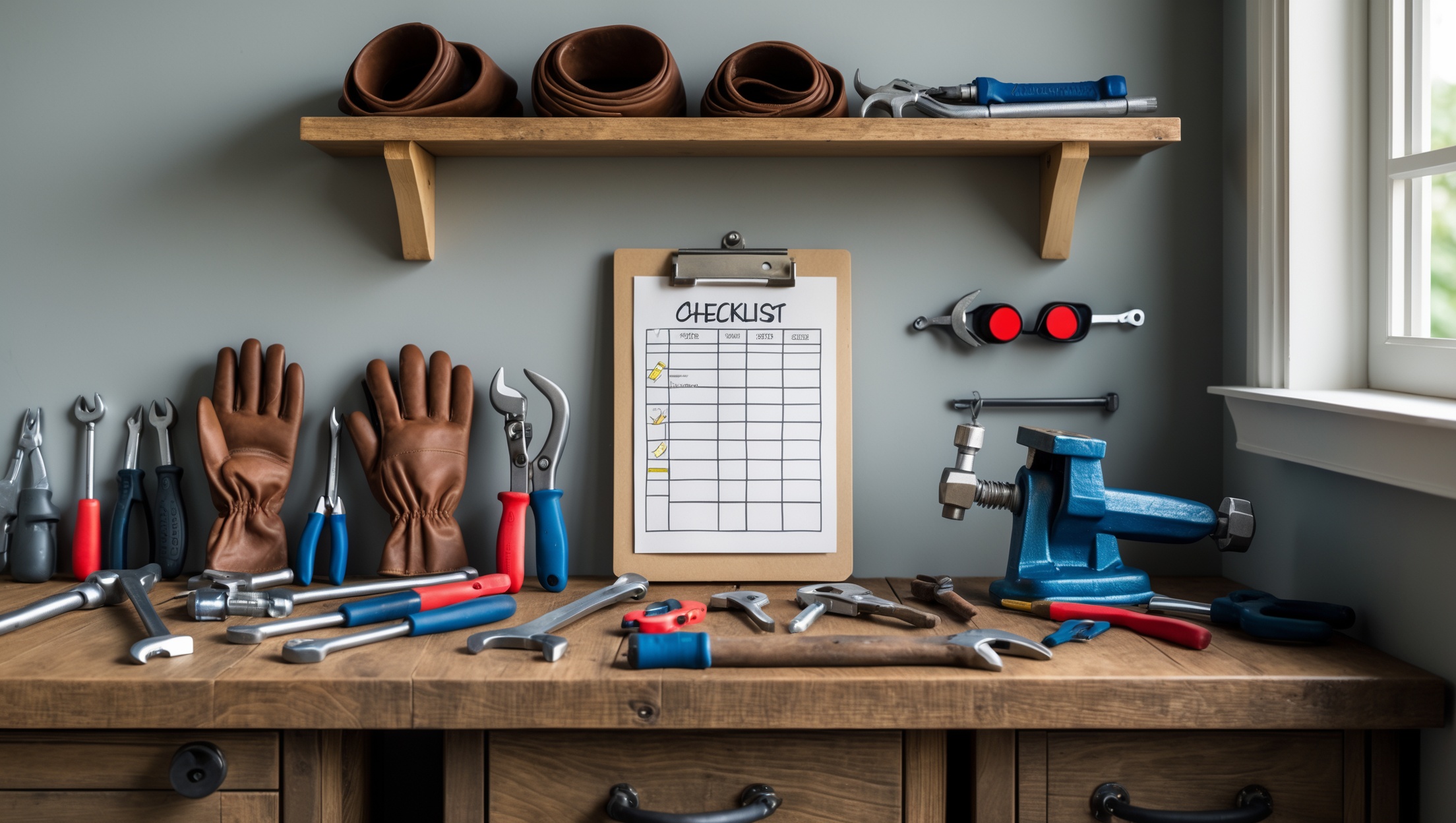
  • Safety Glasses or Goggles: Protects against flying debris, splashing chemicals, and pressurized water bursts.
  • Cut-Resistant Gloves: Essential for handling metal pipes, sharp tools, and broken fixtures.
  • Respirator or Mask: Use a rated mask when dealing with mold, dust, or chemical fumes.
  • Knee Pads: Crucial for prolonged work on hard surfaces, reducing strain and preventing injury.
  • Sturdy, Closed-Toe Shoes: Protects feet from heavy falling objects and accidental spills.
  • Hearing Protection: Necessary when using power tools, especially in echo-prone environments.

Essential Safety Checklist: Step-by-Step for Every Plumbing Project

1. Shut Off Water and Power

  • Identify and close the appropriate water supply valves—main shutoff for major work, fixture valves for localized repairs.
  • When working near electrical outlets or appliances, turn off power at the breaker box.

2. Test for Live Water and Power

  • After shutoff, open a faucet or valve to verify water is off.
  • Use a non-contact voltage tester to confirm no live wires are present near your workspace.

3. Drain and Depressurize

  • Open the lowest faucet in your home to drain residual water from pipes.
  • Flush toilets and empty tanks before beginning repairs.

4. Inspect Tools and Materials

  • Check for damaged or worn tools—replace or repair as needed.
  • Ensure power tools have intact cords and are rated for use in damp environments.
  • Read all product labels for chemical warnings and safe handling instructions.

5. Prepare for Waste Management

  • Set up buckets, towels, and a wet/dry vacuum for spills.
  • Have proper containers for disposing of chemical waste, old pipes, and fixtures.

6. Use Ladders and Step Stools Safely

  • Ensure ladders are stable and on a flat surface.
  • Never reach or lean too far—move the ladder as needed.

7. Communicate Your Project

  • Let someone else in the home know what you’re doing and how long you expect to work.
  • Share your phone location or keep a phone on you in case of emergencies.

Special Considerations: Working with Hazardous Materials

Handling Chemicals and Solvents

  • Always wear gloves and eye protection.
  • Mix and use chemicals in well-ventilated areas.
  • Never combine chemical drain cleaners—dangerous reactions can occur.
  • Keep chemicals away from children and pets.

Lead, Asbestos, and Mold

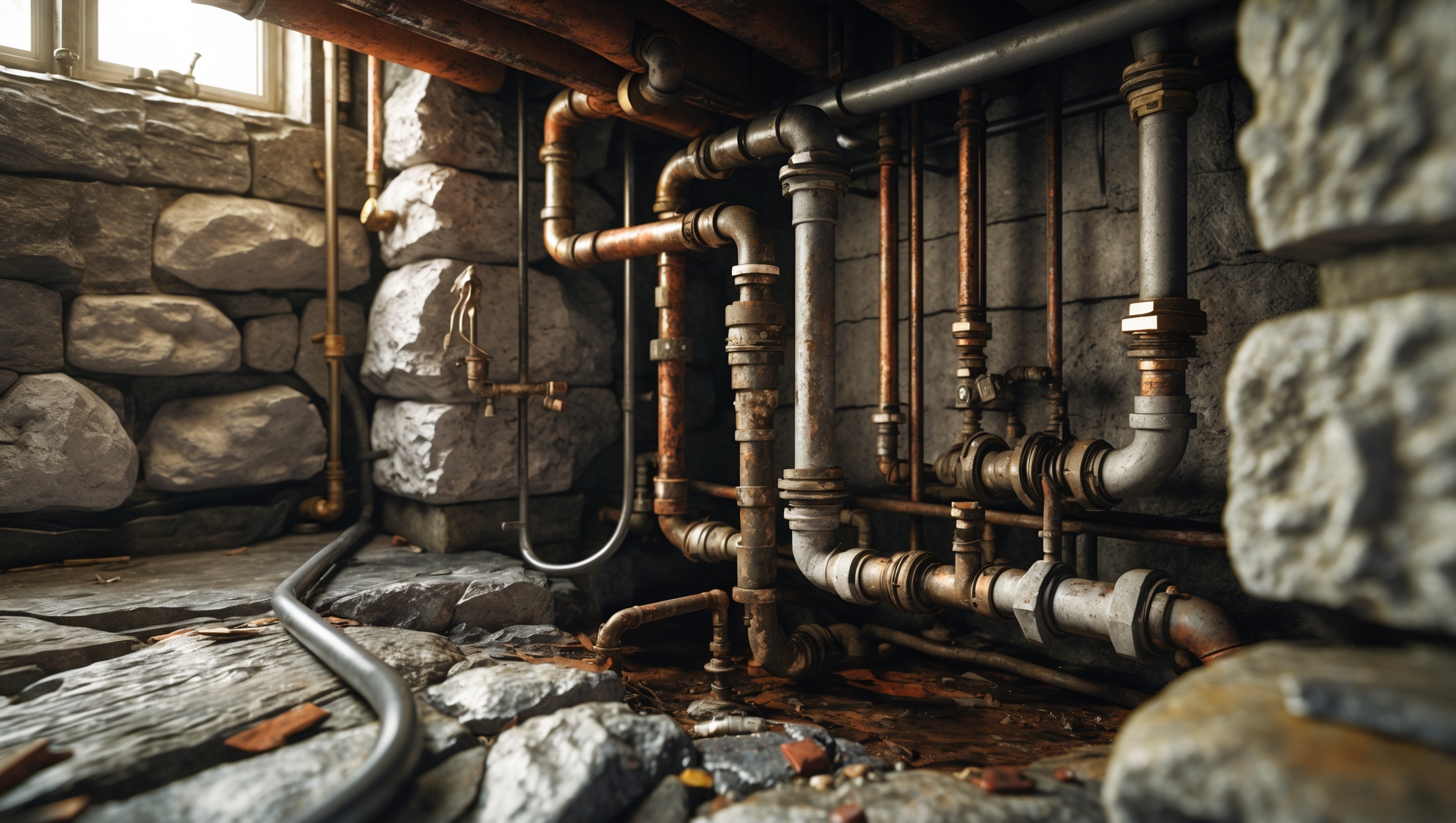
  • Homes built before 1986 may have lead pipes or solder. If you suspect lead, test water or consult a professional.
  • Asbestos insulation may be present in older homes—never disturb unknown insulation material.
  • Mold requires respirators, gloves, and eye protection. Seal off contaminated areas and dispose of materials in sealed bags.

Safe Tool Use: Preventing Injuries

Hand Tools

  • Keep blades and cutters sharp; dull tools slip more easily.
  • Always cut away from your body.
  • Use the right tool for the job—improvised solutions increase risk.

Power Tools

  • Read user manuals before first use.
  • Never operate electric tools in wet conditions.
  • Wear appropriate hearing protection and safety glasses.
  • Disconnect tools when changing bits or blades.

Soldering and Heat Work

  • Clear the area of flammable materials before soldering.
  • Keep a fire extinguisher rated for electrical and chemical fires nearby.
  • Allow pipes to cool before handling or testing.

Emergency Preparedness: What to Do When Things Go Wrong

First Aid Kit

  • Have a stocked kit nearby with bandages, antiseptic, burn cream, and eye wash.
  • Know basic first aid for cuts, burns, and chemical exposure.

Fire Safety

  • Keep a multi-purpose fire extinguisher within reach whenever soldering or using heat tools.
  • Know the evacuation route from your workspace, especially in basements or crawl spaces.

Major Water Leaks

  • Identify the main shutoff valve location before starting any project.
  • In case of a sudden burst, immediately close the valve and use towels or a wet/dry vacuum to minimize water damage.
  • Call a professional if you cannot contain the leak quickly.

Electrical Accidents

  • Shut off power at the breaker box if you suspect a shock or short circuit.
  • Do not touch anyone who has been shocked until power is confirmed off—call emergency services if necessary.

Post-Project Safety: Leaving Your Workspace Secure

  • Confirm all valves are properly closed or open as needed—double-check for leaks.
  • Restore power only after ensuring all wiring is dry and undamaged.
  • Clean up spills, dispose of hazardous waste safely, and return tools to storage to avoid future accidents.
  • Ventilate the area if fumes or dust were present during the project.

When to Call a Professional: Knowing Your Limits

  • If you encounter unexpected electrical wiring, gas lines, or signs of structural damage, stop work and consult a licensed plumber or electrician.
  • Projects involving main sewer lines, extensive pipe replacement, or work in confined spaces beyond your comfort level should be left to professionals.

Printable Plumbing Safety Checklist

  • Clear workspace and set up lighting/ventilation
  • Wear appropriate PPE (gloves, goggles, mask, etc.)
  • Shut off water and power; test for live systems
  • Drain lines and depressurize
  • Inspect tools and read all chemical labels
  • Prepare waste disposal and spill management
  • Use ladders and step stools correctly
  • Communicate your project and keep a phone handy
  • Be aware of hazardous materials (lead, asbestos, mold)
  • Keep first aid and fire extinguisher nearby
  • Double-check all systems upon completion

Conclusion: Make Safety Your First Tool in Every Plumbing Project

Plumbing projects, whether small repairs or ambitious upgrades, present a unique set of safety challenges that should never be underestimated. By following the comprehensive checklist provided in this guide, you’re not only protecting yourself and others from immediate harm but also ensuring the long-term integrity of your home’s plumbing system. Remember, safety is not a one-time box to check—it’s a habit that should be integrated into every stage of your DIY journey. From donning the right protective gear and preparing your workspace to knowing when to call in the experts, each step is a crucial investment in your well-being and project success. Take the time to review these safety measures before you pick up a wrench or turn a valve. The few extra minutes you spend on preparation can prevent hours—or even days—of dealing with injuries, property damage, or costly repairs. Make safety your most trusted tool, and you’ll enjoy the satisfaction of a job well done—every time.

184 comments
Richard Moore

The article mentions the dangers of chemical exposure during plumbing projects, like using drain cleaners and adhesives. Are there any safer, eco-friendly alternatives to these chemicals that still work effectively for basic DIY repairs?

    Mario The Plumber

    Yes, there are several safer, eco-friendly alternatives you can use for basic DIY plumbing repairs. For clearing clogged drains, try a mixture of baking soda and vinegar followed by hot water. For sealing or joining pipes, look for water-based, low-VOC adhesives or mechanical fittings that don’t require chemicals. These options are less harsh on you and the environment while still being effective for minor repairs.

Elizabeth Clark

You mention that even minor plumbing tasks can present significant risks. For someone on a tight budget, which basic safety items are absolutely essential to purchase before starting a typical DIY job?

    Mario The Plumber

    For anyone on a budget, the most essential safety items for DIY plumbing are safety goggles to protect your eyes, sturdy gloves to guard your hands from sharp edges or hot surfaces, and a basic mask if you’ll be working in dusty or mold-prone areas. Non-slip shoes are also important for preventing falls. These basics will cover most risks without a big investment.

Matthew Lee

You mentioned the risk of accidentally hitting wiring when cutting into walls or floors. Are there reliable ways for small business owners to detect hidden electrical lines before starting plumbing repairs?

    Mario The Plumber

    Absolutely, there are several ways to detect hidden electrical wiring before starting any plumbing work. Using a stud finder with electrical wire detection is a practical option—these devices can alert you to wires behind walls or floors. You can also review building plans if available, and consider cutting a small inspection hole to look inside before making any large cuts. If you’re unsure, hiring a licensed electrician for a quick check can provide extra safety and peace of mind.

Jason Anderson

I noticed the checklist covers both workspace preparation and code compliance. For someone who owns an older home, are there particular safety concerns or hidden hazards they should look out for before starting plumbing work?

    Mario The Plumber

    Older homes often have unique plumbing concerns such as outdated pipes made of lead or galvanized steel, which can pose health risks or be prone to leaks. You may also encounter hidden water damage, non-standard plumbing layouts, or previous DIY fixes that don’t meet code. Before starting work, check for signs of corrosion, mold, or asbestos insulation around pipes, and consider having a professional inspect the system if anything looks suspicious.

James Thomas

In the section about environmental risks like mold and bacteria from leaks, do you have tips for safely identifying and cleaning up mold before starting a plumbing repair? I want to avoid making things worse if I find some behind the wall.

    Mario The Plumber

    If you suspect mold behind a wall, wear gloves, an N95 mask, and goggles before investigating. Carefully remove a small section of drywall to check for visible mold. If the area is small (less than 10 square feet), clean it with soapy water and dry thoroughly. For larger areas, or if you see black mold or have health concerns, stop and call a professional, as disturbing mold can spread spores and cause health risks.

Richard Hernandez

I’m a bit worried about running into hidden wiring when replacing a section of pipe behind a wall. Do you recommend any specific tools or techniques to check for electrical hazards before I start cutting?

    Mario The Plumber

    It’s smart to be cautious about hidden wiring. Before cutting into the wall, use a stud finder with live wire detection or a dedicated voltage detector to scan the area for electrical lines. Turn off power at the breaker to the section of the house you’ll be working in, just in case. If anything seems unclear or you detect wires, consider consulting a licensed electrician for safety.

George Rodriguez

Could you clarify what types of protective equipment are truly necessary for basic tasks like tightening a leaky faucet versus more involved jobs like replacing pipe sections?

    Mario The Plumber

    For basic tasks like tightening a leaky faucet, protective gloves and safety glasses are usually enough to prevent minor cuts or water splashes. For more involved jobs like replacing pipe sections, you should use heavy-duty gloves, safety goggles, and possibly a dust mask if cutting pipes, as well as hearing protection if you’ll be using power tools. This extra gear helps protect against debris, chemical exposure, and loud noises.

Matthew Williams

How much time should I realistically budget for properly following all the safety steps you outline, especially on a typical weekend project like fixing a leaky faucet or replacing a section of pipe?

    Mario The Plumber

    For a typical weekend plumbing project like fixing a leaky faucet or replacing a section of pipe, you should budget about 30 to 60 minutes just for carefully following all the safety steps outlined in the checklist. This includes gathering safety gear, shutting off water and power, clearing your workspace, and double-checking for hazards. Taking your time with these precautions helps prevent accidents and ensures a smoother project overall.

Brian Perez

You mention that chemical exposure is a big risk during plumbing projects. Are there safer alternatives to traditional chemical drain cleaners that still work effectively for DIYers?

    Mario The Plumber

    Yes, there are safer alternatives to traditional chemical drain cleaners. You can try using a mixture of baking soda and vinegar, followed by hot water, to clear minor clogs. A drain snake or plunger is also effective and avoids chemicals altogether. These methods are safer for both you and your plumbing system.

Matthew Miller

I noticed that you highlighted code compliance. Are there any affordable resources or tools you suggest for homeowners to check if their DIY plumbing work stays within local regulations?

    Mario The Plumber

    Yes, there are some helpful and budget-friendly ways to check code compliance. Many local building departments offer free access to plumbing codes online or in person. Home improvement stores often sell DIY code books that are easy to understand. You might also consider inexpensive code-checking apps designed for homeowners. If you’re ever unsure, some areas offer affordable consultations with licensed plumbers for quick code reviews.

Michael Davis

Could you elaborate on what specific types of protective equipment are recommended for DIYers, especially when working with soldering or chemical drain cleaners? I want to make sure I’m not missing any essential gear before starting my next project.

    Mario The Plumber

    For DIY plumbing projects, especially those involving soldering or chemical drain cleaners, it’s important to have proper protective gear. You should use safety goggles to protect your eyes from splashes and sparks, heat-resistant gloves for soldering, and chemical-resistant gloves when handling drain cleaners. Wearing a long-sleeved shirt and pants helps protect your skin. A well-fitted mask or respirator is also recommended, especially when working with fumes or harsh chemicals. Proper ventilation is another safety must.

Diane Jones

I noticed you mentioned the dangers of mixing water and electricity during plumbing work. Could you give a few specific tips for safely identifying hidden wiring before starting a project, especially in older homes?

    Mario The Plumber

    Before starting work in older homes, always turn off power at the main panel to affected areas. Use a stud finder with a live wire detection feature to scan walls for hidden wiring. Look for unusual wall plates or patched areas that might indicate electrical work. If you’re unsure about wiring locations, consider consulting a licensed electrician before proceeding with any plumbing tasks.

Rachel Williams

You mention chemical exposure as a major risk—are there particular types of plumbing sealants or adhesives that are safer to use around kids and pets, or should I avoid certain products altogether?

    Mario The Plumber

    When working around kids and pets, consider using water-based or low-VOC plumbing sealants and adhesives, as these tend to emit fewer harmful fumes compared to solvent-based options. Look for products labeled as non-toxic or designed for potable water. It’s best to avoid products with strong chemical odors or those containing solvents like toluene or xylene. Always keep any sealants or adhesives out of reach during and after your project until they are fully cured.

Kimberly White

If I finish a small plumbing project and later notice a musty smell, how can I check for mold or bacteria issues without immediately calling in an expensive inspector?

    Mario The Plumber

    You can start by checking for visible signs of mold, such as discoloration or fuzzy patches near pipes, under sinks, or around recently worked-on areas. Also, feel for dampness on walls or floors. Smell the area closely to locate where the scent is strongest. If you find persistent moisture or visible mold, clean the area with a diluted bleach solution. However, if the problem continues or worsens, it may be time to consult a professional.

Julie Anderson

You mention that soldering and hot pipes can cause burns during DIY plumbing. Do you have recommendations for specific types of gloves or protective gear that are effective against both heat and potential chemical exposure?

    Mario The Plumber

    For DIY plumbing involving soldering and potential chemical exposure, look for gloves made of heat-resistant materials like leather or Kevlar for handling hot pipes. For chemical protection, nitrile or neoprene gloves are effective. If you need protection from both heat and chemicals, consider gloves that combine a heat-resistant outer layer with a chemically resistant inner lining. Always check that the gloves are rated for both hazards and fit snugly to maintain dexterity.

Joseph Harris

If I accidentally cut into a wall and find exposed wiring while fixing a pipe, what should my immediate next steps be before I continue with the plumbing repair?

    Mario The Plumber

    If you find exposed wiring after cutting into a wall, stop your plumbing work right away. Turn off the electricity to that area at your circuit breaker to prevent any risk of shock. Avoid touching the wires and do not proceed with the repair until a licensed electrician has inspected and properly secured or repaired the wiring. Safety should always come first.

Thomas Moore

You mention the importance of workspace preparation, but what are some affordable ways college students in small apartments can set up a safe area to do minor plumbing repairs without causing damage or triggering apartment restrictions?

    Mario The Plumber

    College students in small apartments can create a safe plumbing workspace by using an old shower curtain or plastic tarp to protect floors, and laying down towels to absorb any spills. Gather all your tools beforehand to avoid unnecessary movement, and use buckets or large bowls for draining water. Be sure to check your lease for any plumbing restrictions before starting, and avoid permanent changes to fixtures. If in doubt, consult your building manager to stay within the rules.

Patricia Miller

Do you have any advice for safely lifting and handling heavy pipes or equipment, especially for people working alone? I’m concerned about avoiding crush injuries mentioned in the article.

    Mario The Plumber

    To safely lift heavy pipes or equipment, plan your movements ahead of time and clear your path. Always bend at your knees, not your back, and keep the load close to your body. If possible, use lifting aids like dollies, slings, or pipe tongs. For solo work, don’t hesitate to break loads into smaller pieces or ask for help when needed. Wearing gloves and sturdy footwear adds extra protection against crush injuries.

Michael Taylor

I’ve heard that mold can build up quickly from even small leaks. How can I tell if there’s already mold or bacteria in the area before I start my plumbing project, and what’s the safest way to deal with it if I find any?

    Mario The Plumber

    Mold often appears as black, green, or white patches and may have a musty odor, while bacteria can cause discoloration or slimy residues. Before starting your project, carefully inspect the area for these signs, especially in damp or hidden spots. If you find mold, wear gloves, a mask, and goggles. Clean small patches with soap and water or a mild bleach solution. For larger infestations, it’s safest to contact a professional, as disturbing mold can release spores.

Diane Martinez

I noticed the checklist talks about chemical exposure risks. Could you clarify what kind of protective equipment is best for handling drain cleaners and soldering flux? Are standard gloves and masks enough, or should I invest in something more specialized for plumbing work?

    Mario The Plumber

    For handling drain cleaners, it’s best to use chemical-resistant gloves made of nitrile or neoprene, as standard latex gloves may not provide enough protection. Safety goggles and a face shield are also advisable to prevent splashes. When working with soldering flux, wear heat-resistant gloves and safety glasses to protect against burns and fumes. For both tasks, a basic dust mask isn’t sufficient—use a respirator rated for chemical fumes if ventilation is poor or fumes are strong. Specialized plumbing PPE offers better, safer coverage for these kinds of exposures.

Tyler Lewis

Your checklist mentions code compliance, but if I run into a situation where my repairs reveal pre-existing, non-compliant plumbing, what should my immediate next steps be to address that safely?

    Mario The Plumber

    If you discover pre-existing, non-compliant plumbing during your repairs, it’s important to stop work in that area and assess the issue. Document what you found and avoid using or altering the non-compliant parts. Consult your local building authority or a licensed plumber to determine the best course of action. They can guide you on required corrections and help ensure any fixes are up to code and safe.

Jessica Moore

I noticed you mention chemical drain cleaners as a hazard. Are there safer alternatives for clearing stubborn clogs that you would recommend for small businesses doing their own plumbing?

    Mario The Plumber

    Absolutely, there are safer alternatives to chemical drain cleaners. For small businesses, try using a drain snake or auger to physically remove clogs. A mixture of baking soda and vinegar followed by hot water can also help with minor blockages. Additionally, regular use of drain screens can prevent debris buildup and reduce clogging issues altogether.

Matthew Thompson

If I’m just fixing a leaky faucet as a quick weekend project, do I still need to use all the protective equipment you mentioned, or are there a few basics I should prioritize for smaller jobs?

    Mario The Plumber

    For fixing a leaky faucet, you don’t need every piece of protective equipment from the checklist, but a few basics are still important. At minimum, wear protective gloves to shield your hands from sharp edges and cleaning chemicals. Safety glasses are also a good idea if you’ll be working under the sink or where debris could fall. Always keep the area dry to prevent slips. These simple steps should keep you safe during a small repair.

Patricia Robinson

I have a couple of projects coming up, like fixing a leaky faucet and possibly replacing some pipes. Is there a basic set of protective equipment you recommend I always have on hand before I start any plumbing work?

    Mario The Plumber

    For any DIY plumbing work, it’s smart to have some essential protective gear ready. At minimum, use safety goggles to protect your eyes from splashes or debris, durable gloves for hand protection, and sturdy work clothes. If you’re cutting pipes or using chemicals, consider a face mask and good ventilation. Keeping a first aid kit nearby is also a good precaution.

Jennifer Taylor

The article mentions the dangers of chemical exposure during DIY plumbing projects. Are there safer alternatives to chemical drain cleaners that you recommend, especially for households with children or pets?

    Mario The Plumber

    Yes, there are safer alternatives to chemical drain cleaners. One option is using a mixture of baking soda and vinegar, which can help clear minor clogs naturally. You can also try a drain snake or a plunger to physically remove blockages. These methods are non-toxic and much safer for households with children or pets.

Jason Smith

If a pipe bursts unexpectedly during a repair and starts flooding the workspace, what are the immediate steps a homeowner should take to handle the situation safely and minimize water damage?

    Mario The Plumber

    If a pipe bursts while you’re working, first shut off the main water supply to stop the flow. If possible, turn off electricity to the affected area to prevent electrical hazards. Move valuables and electronics out of the flooded zone, then use towels or buckets to contain and remove water. Once things are under control, contact a professional plumber for repairs and check for any water damage that might need attention.

Sean Martinez

Could you offer some guidance on which safety gear is essential for smaller jobs like replacing a faucet, versus bigger tasks like replacing pipe sections? I want to budget appropriately but not skimp on safety.

    Mario The Plumber

    For smaller jobs like replacing a faucet, you’ll mainly need safety glasses, work gloves, and a sturdy flashlight. For bigger tasks like replacing pipe sections, add steel-toed boots, a dust mask or respirator (if cutting pipes), and ear protection if using power tools. Prioritize quality for all gear, but you can keep it basic for minor repairs.

Robert Taylor

You mention code compliance as part of a safe plumbing project. For someone tackling a bathroom remodel, what are some of the most commonly overlooked plumbing codes that homeowners should double-check before starting work?

    Mario The Plumber

    Some plumbing codes often missed during bathroom remodels include proper placement and height of shutoff valves, correct venting of drains to prevent sewer gases, use of approved pipe materials, and proper spacing between fixtures (like toilets and sinks). Also, homeowners should check that all connections are accessible for future repairs and that backflow prevention is installed where necessary. Verifying these before starting can help avoid costly mistakes and inspection issues.

Elizabeth Martin

I saw that electrical hazards are a big risk, especially when cutting into walls. How can I tell if there might be hidden wiring in an older home before I start my plumbing work?

    Mario The Plumber

    In older homes, it’s smart to assume wires could be behind any wall. Before cutting, turn off power to the area at the breaker. Use a stud finder with electrical detection or a handheld voltage detector to scan for hidden wires. Also, look for clues like outlets, switches, or patched holes nearby, which can indicate wiring in that section of the wall.

Kimberly Clark

I’m curious about the chemical exposure risks you mentioned, especially with drain cleaners and adhesives. Are there any safer, kid- and pet-friendly alternatives you recommend for typical DIY plumbing jobs?

    Mario The Plumber

    Chemical drain cleaners and certain adhesives can release harmful fumes and may be dangerous if touched or ingested by kids and pets. For safer alternatives, try using a plunger or a drain snake for clogs. Baking soda and vinegar can be effective for mild blockages. When adhesives are needed, look for water-based or low-VOC options clearly labeled as non-toxic. Always keep any chemicals, even safer ones, out of reach of children and pets.

Ashley Sanchez

I noticed you mentioned chemical drain cleaners and flux as possible hazards. Are there safer alternative products you recommend for those of us who want to avoid strong chemicals during DIY plumbing jobs?

    Mario The Plumber

    Absolutely, there are safer alternatives to chemical drain cleaners and flux. For clearing drains, you can use a combination of baking soda and vinegar, followed by hot water, or try a manual drain snake. For soldering pipes, look for water-soluble, lead-free fluxes labeled as low-fume or ‘eco-friendly.’ These options are generally less harsh and safer for home use.

Helen Williams

Does following this safety checklist usually slow down the project timeline a lot, or is it something you get used to that ends up saving time by preventing mistakes? I’m trying to estimate how much longer my repairs might take if I follow all these steps.

    Mario The Plumber

    At first, following a safety checklist might make your plumbing repairs take a bit longer, since you’ll be double-checking each step and making sure you have the right tools and protective gear. However, as you get into the habit, it becomes second nature and can actually save you time by helping you avoid mistakes and accidents that could set you back much more than the few extra minutes you spend being cautious.

Christopher White

If I accidentally cut into a wall and hit some wiring while fixing a leaky pipe, what’s the safest immediate step to take before calling an electrician? I’d love to know how to handle that scenario safely.

    Mario The Plumber

    If you accidentally hit wiring while working on your plumbing, the first and safest step is to immediately shut off power at your main circuit breaker to prevent any risk of electric shock or fire. Avoid touching the wires or the area around them until you’re certain the power is off. Once it’s safe, call a licensed electrician to assess and repair the damage.

Michelle Thomas

You mention the risks of chemical exposure when using things like drain cleaners and adhesives. Are there safer, more eco-friendly alternatives homeowners can use for basic plumbing jobs, and do those require any special handling or safety steps?

    Mario The Plumber

    Yes, there are safer and more eco-friendly options for basic plumbing tasks. For clearing drains, a mix of baking soda and vinegar often works well, followed by hot water. Mechanical tools like drain snakes or plungers are also safe alternatives. For adhesives, look for water-based or low-VOC products labeled as non-toxic. Even with these alternatives, always wear gloves, ensure good ventilation, and read product instructions to avoid skin or eye irritation.

Daniel Harris

The article mentions electrical hazards when cutting into walls or using power tools near wet areas. How can DIYers safely identify hidden wiring behind walls before starting a plumbing project, and are there affordable tools for this?

    Mario The Plumber

    To safely identify hidden wiring, DIYers can use a stud finder with live wire detection or a dedicated voltage detector. These tools are widely available at hardware stores and are quite affordable. Before any cutting or drilling, scan the intended area slowly to check for live wires. Also, always turn off circuit breakers to the area you’re working in for added safety.

Margaret Wilson

You bring up electrical hazards, especially when using power tools near wet areas. For someone who’s never worked around wiring before, what’s the safest way to check for electrical lines before starting any plumbing project?

    Mario The Plumber

    If you haven’t worked around wiring before, it’s safest to use a non-contact voltage tester before starting any plumbing work, especially when opening walls or working near outlets. Simply hold the tester near surfaces where wiring might run, like behind walls or near fixtures, and it will alert you if voltage is present. Always switch off power at the circuit breaker before working in those areas, and if you’re unsure, consider having a licensed electrician check for hidden wires.

Joshua Garcia

If I accidentally cut myself on a jagged pipe, what’s the best immediate response to reduce the risk of infection, especially considering all the bacteria and mold that can be present in plumbing systems?

    Mario The Plumber

    If you cut yourself on a jagged pipe, rinse the wound right away with clean, running water to flush out dirt and bacteria. Wash the area gently with soap, then apply an antiseptic. Cover the cut with a sterile bandage. If the cut is deep or you notice signs of infection like redness or swelling, seek medical attention promptly, since plumbing systems can harbor harmful bacteria and mold.

Emily Gonzalez

The checklist mentions workspace preparation and protective equipment. Can you give more specifics on what kind of PPE is best for handling chemicals like drain cleaner or soldering flux in a typical home plumbing job?

    Mario The Plumber

    When working with chemicals like drain cleaner or soldering flux, it’s best to use chemical-resistant gloves (such as nitrile gloves), safety goggles to protect your eyes from splashes, and a long-sleeved shirt to cover your arms. If you’re dealing with fumes, a well-ventilated area and sometimes a respirator mask rated for chemical vapors are recommended. Always read the labels for any specific PPE instructions.

Rachel Anderson

How do you recommend handling jobs that might involve both plumbing and electrical work, like replacing a garbage disposal? Are there specific safety steps you take before cutting into walls in older homes?

    Mario The Plumber

    When a job could involve both plumbing and electrical work, like replacing a garbage disposal, always turn off both the water supply and the circuit breaker for the area. Before cutting into walls, especially in older homes, use a stud finder with electrical detection to check for hidden wires and pipes. Wear insulated gloves, use proper tools, and if you’re unsure about what’s behind a wall, consider consulting a professional to avoid accidents.

Daniel Jackson

If I accidentally cut myself on a sharp pipe edge, what’s the immediate first aid I should do before seeking medical help? I’d appreciate some quick tips since injuries seem pretty common based on your checklist.

    Mario The Plumber

    If you cut yourself, first wash your hands if possible, then gently rinse the wound with clean water to remove debris. Apply pressure with a clean cloth to stop any bleeding. Once the bleeding slows, cover the cut with a sterile bandage. If the cut is deep, keeps bleeding, or looks serious, seek medical attention right away. Keeping your tetanus shot up to date is also important for these types of injuries.

Betty Moore

For someone handling minor plumbing repairs, what type of protective gear is considered absolutely essential? The article mentions chemicals and sharp tools, but I’m wondering if eye protection and gloves are enough for most home jobs, or are there other basics you never skip?

    Mario The Plumber

    For most minor plumbing repairs at home, sturdy gloves and reliable eye protection are indeed the core essentials, especially since you might handle sharp tools or encounter splashing water or chemicals. Additionally, it’s wise to wear closed-toe shoes to protect your feet and long sleeves to guard your skin if you’re working in cramped spaces or near rough surfaces. A dust mask can also be useful if you’re cutting pipes or dealing with mold. Overall, gloves and eye protection cover most needs, but these added basics provide extra safety.

Charles Gonzalez

After dealing with a small leak, what steps should I take to make sure I’m not leaving behind any moisture that could lead to mold or bacteria growth, especially in areas I can’t easily see or reach?

    Mario The Plumber

    After fixing a leak, thoroughly dry the area using towels and, if possible, fans or a dehumidifier to speed up the process. For hidden spots, try pointing a fan toward the area or using moisture-absorbing products like silica gel. If you suspect water may have seeped into walls or flooring, consider using a moisture meter to detect hidden dampness. Always monitor for any musty smells or discoloration over the next few days as signs of lingering moisture.

Jessica Smith

If we do come into contact with chemical drain cleaners while clearing a clog, what’s the safest way to handle and dispose of them, especially if there are kids and pets in the house?

    Mario The Plumber

    If you need to handle chemical drain cleaners, always wear gloves and eye protection, and keep the area well-ventilated. Store these products securely out of reach of children and pets. For disposal, never pour leftover chemicals down the drain. Instead, check with your local waste facility for hazardous waste collection instructions. Always follow the manufacturer’s safety guidelines on the label for both handling and disposal.

Jennifer Gonzalez

If I’m on a tight budget, which safety items would you consider absolutely non-negotiable when tackling small plumbing jobs? Are there any safe DIY hacks for protective gear?

    Mario The Plumber

    For small plumbing jobs, you should never skip basic gear like safety goggles to protect your eyes and sturdy gloves to shield your hands. These are affordable and essential. If you need a DIY hack, you can use clear wrap-around sunglasses as a temporary substitute for goggles and thick dishwashing gloves if you don’t have work gloves. Just make sure whatever you use fits well and offers solid coverage.

Kimberly Johnson

The checklist covers so many safety steps, which I really appreciate. But for quick repairs, like tightening a leaky faucet, are there any safety steps it’s genuinely okay to skip, or is it better to always follow the full protocol no matter how small the job?

    Mario The Plumber

    For quick repairs like tightening a leaky faucet, you can often skip some of the more intensive steps, such as turning off the main water supply or wearing heavy-duty gloves. However, it’s still important to use basic precautions: make sure the area is dry to prevent slipping, use the correct tools, and avoid overtightening. For anything involving electricity or more complex plumbing, always follow the full protocol for safety.

Mark Lopez

The article mentions the importance of code compliance during plumbing projects. Are there common mistakes that DIYers make when trying to stay within code, and how can someone double-check that they’re meeting local requirements before starting a job?

    Mario The Plumber

    DIYers often overlook permit requirements, use the wrong pipe materials, or install fixtures without proper venting. Another frequent mistake is incorrect slope on drain lines. To be sure you’re meeting local code, contact your city’s building department before you begin. Ask for any relevant guidelines or handouts, and consider scheduling an inspection if required. Reading up on local codes or consulting a licensed plumber can also help prevent costly errors.

Megan Anderson

This article mentions avoiding long-term damage by following safety protocols, but how much extra time should a typical DIYer expect to spend on safety prep for a simple project like replacing a faucet compared to just jumping in?

    Mario The Plumber

    For a straightforward task like replacing a faucet, proper safety prep usually adds just 10 to 15 extra minutes. This includes turning off the water, clearing the area, gathering safety gear like gloves and goggles, and double-checking your tools. The small investment in time can prevent accidents and make the project go more smoothly.

Daniel White

The section about crush injuries made me realize I might be underestimating the risks of handling heavy pipes alone. Is there a recommended way to secure or move heavier plumbing materials safely without professional equipment?

    Mario The Plumber

    You’re right to be cautious—crush injuries are a real risk with heavy pipes. If you don’t have access to professional equipment, try using basic tools like sturdy dollies, pipe carriers, or lever bars to move pipes. Always lift with your legs, not your back, and get a second person to help if possible. Setting up temporary supports or cradles can also prevent pipes from rolling or falling while you’re working.

Helen Moore

The checklist talks about workspace preparation and using protective equipment, but I’m curious how to handle situations where I find hidden wiring while working on pipes behind a wall. What’s the safest way to proceed if I uncover electrical wires unexpectedly?

    Mario The Plumber

    If you uncover hidden electrical wiring while working on pipes, pause your plumbing work immediately. Do not touch or disturb the wires. Turn off the power to that area at your circuit breaker to prevent any risk of electric shock. It’s safest to consult a licensed electrician before continuing, as they can assess and secure the wiring properly for you.

John Ramirez

When working around existing pipes, how can I safely identify and avoid hidden electrical wiring mentioned as a hazard? Are there affordable tools or methods you recommend to reduce the risk of accidental contact with electricity during basic plumbing repairs?

    Mario The Plumber

    To safely identify hidden electrical wiring near pipes, consider using a stud finder with live wire detection or a dedicated voltage detector, both of which are affordable and widely available at hardware stores. Before starting any work, always turn off power to the area at the breaker. If unsure about wiring locations, consult your home’s electrical plans or consider a professional inspection for added safety.

John Hernandez

In the section about electrical hazards, you mention the risk of cutting into walls or floors and potentially exposing wiring. What steps do you recommend to safely locate hidden electrical lines before starting plumbing work?

    Mario The Plumber

    Before beginning any plumbing work that involves cutting into walls or floors, it’s important to identify where electrical lines might be hidden. Use a quality stud finder with electrical wire detection, and always turn off the power to the area you’ll be working in. Check for electrical outlets or switches nearby, as they often indicate the presence of wiring in the wall. If you’re unsure, consult a professional electrician for a thorough inspection.

Patricia Davis

If I am working in an older home, are there additional safety risks I should be aware of, like outdated wiring or hazardous materials, that go beyond the checklist mentioned here?

    Mario The Plumber

    Yes, older homes can present extra safety risks beyond standard plumbing concerns. You may encounter outdated electrical wiring, lead pipes, asbestos insulation, or even old paints containing lead. Before starting any DIY plumbing work, it’s wise to check for these hazards. If you’re unsure, consider having a professional inspect the area to ensure it’s safe to proceed.

Lisa Gonzalez

I’m a bit worried about accidentally hitting electrical wires when working in old walls. What’s the best way to check for hidden wiring before I start cutting or drilling for a plumbing project?

    Mario The Plumber

    Your concern is valid, especially in older homes where wiring might not follow modern standards. Before cutting or drilling, use a quality stud finder with a live wire detection feature to scan the area. Turn off power at the breaker, then carefully remove outlet or switch covers nearby to look for wires, and always proceed slowly. When in doubt, consulting a licensed electrician is the safest option.

William Smith

Could you clarify what steps are included in making sure my workspace is properly prepared before starting on a leaky faucet repair? I want to avoid any common mistakes first-time DIYers usually make.

    Mario The Plumber

    Before you start repairing a leaky faucet, clear the area of any items or clutter to ensure you have enough space to work. Shut off the water supply to avoid accidental leaks. Place towels or a bucket under the sink to catch any water drips. Make sure you have all the necessary tools and parts ready. Good lighting is important, so set up a lamp if needed. Finally, keep a notepad handy to track which parts you remove and in what order, as this helps with reassembly.

Daniel Davis

When working with chemical drain cleaners and adhesives, how can I best protect my kids and pets from exposure during and after a plumbing project? Are there specific storage or ventilation tips you suggest?

    Mario The Plumber

    To protect kids and pets, always use chemical drain cleaners and adhesives in well-ventilated areas; open windows or use fans to help disperse fumes. Keep chemicals sealed and stored high up or in locked cabinets immediately after use. Clean any spills right away and never leave containers unattended, even for a moment. After finishing your project, air out the area thoroughly before letting children or pets in.

Brian Miller

The article talks about avoiding crush injuries from heavy pipes. Do you have any budget-friendly suggestions for safely lifting and moving heavier plumbing materials without special equipment?

    Mario The Plumber

    To safely lift and move heavier plumbing materials on a budget, try working with a partner to share the load and reduce strain. You can also use simple aids like a sturdy hand truck or dolly, which are often available for rent at hardware stores. Rolling pipes on old towels or pieces of cardboard can help you slide them without lifting. Always bend at the knees and keep your back straight to prevent injury.

George Lewis

When the article mentions chemical drain cleaners and adhesives as hazards, are there safer alternatives I should consider for clearing clogs or sealing joints during a plumbing project?

    Mario The Plumber

    For clearing clogs, try using a plunger or a drain snake instead of chemical drain cleaners, as these methods are safer and avoid harsh fumes. For sealing joints, water-based or low-VOC pipe sealants and plumber’s tape (Teflon tape) are effective and much safer alternatives to solvent-based adhesives. These options reduce both health risks and environmental impact during your plumbing project.

William Thomas

I understand code compliance is important, but as a small business owner, keeping costs low is a priority. Are there budget-friendly ways to ensure I stay compliant without hiring a professional for every minor plumbing project?

    Mario The Plumber

    Absolutely, there are cost-effective ways to maintain compliance. Start by researching your local plumbing codes, which are often available online or at your local building office. Many hardware stores offer free workshops or guidance for DIYers. Use code-approved materials, and keep detailed records of your work. For minor projects, double-check your plans against official checklists to avoid costly mistakes later. When in doubt, consider a one-time consultation rather than hiring a professional for the entire project.

Mark Jones

When preparing a workspace for a plumbing project, how do you balance doing a thorough job with keeping costs reasonable? For instance, are there certain safety tools or supplies that are essential versus nice-to-have?

    Mario The Plumber

    Balancing thoroughness and cost starts with focusing on essential safety tools: good-quality gloves, safety goggles, and a basic first aid kit should always be on hand, as these protect against most common hazards. Items like knee pads or specialty clothing are helpful but not strictly necessary. Invest in reliable basics, and only get extras if the project requires them or if you’ll use them regularly in the future.

Donna Robinson

Do you have any budget-friendly suggestions for making sure my workspace is properly prepped for plumbing repairs, especially when dealing with hidden mold or stagnant water as you mentioned?

    Mario The Plumber

    Absolutely, you can prep your workspace on a budget by using basic items like plastic sheeting or old shower curtains to cover surfaces and contain debris. For hidden mold or stagnant water, wear a disposable mask and gloves—affordable options are available at most hardware stores. A simple box fan can help ventilate the area, and a flashlight will help you inspect hidden spots. Keep a bucket and some rags handy for unexpected leaks or spills.

Jason Lopez

If someone does get a cut or minor burn while working on a plumbing DIY project, what immediate first aid actions would you recommend to prevent infections and complications?

    Mario The Plumber

    For a cut, wash the area gently with soap and water, stop any bleeding with clean gauze, and cover it with a sterile bandage. For a minor burn, cool the area under running water for 10–15 minutes, avoid popping blisters, and cover with a clean, non-stick bandage. In both cases, keep the wound clean and monitor for signs of infection like redness or swelling.

Mark Rodriguez

I’m on a tight budget but want to stay safe. Are there affordable alternatives to some of the specialized safety gear mentioned, or is it better not to cut corners and invest in the higher-end equipment from the start?

    Mario The Plumber

    You can absolutely stay safe without breaking the bank. For many plumbing tasks, quality basics like safety glasses, work gloves, and dust masks can be found at affordable prices. While specialized gear may offer extra features or comfort, the most important thing is that your equipment meets safety standards and fits well. Always prioritize essentials, but shop around for budget-friendly options—sometimes local hardware stores or online retailers have good deals on certified gear.

Helen Taylor

You mentioned that even minor plumbing projects come with significant risks. Are there certain tasks, like tightening a leaky faucet versus replacing pipe sections, that generally require more extensive safety precautions?

    Mario The Plumber

    Yes, different plumbing tasks come with varying levels of risk. Simple jobs like tightening a leaky faucet usually require basic precautions such as shutting off the water supply and using proper tools. In contrast, replacing pipe sections involves cutting, lifting, and sometimes dealing with pressurized systems, so it calls for more extensive safety measures like wearing protective gear, double-checking for electrical hazards, and ensuring the water is fully drained before starting.

Nathan Wilson

When working in tight spaces with power tools near water, what are the best practices to avoid electrical hazards? Are there certain types of power tools that are safer for wet environments?

    Mario The Plumber

    When working in tight spaces with power tools near water, always use tools with double insulation or those specifically rated as waterproof for wet environments. Battery-powered tools are generally safer than corded ones. Make sure your work area is dry, plug tools into GFCI-protected outlets, and check cords and plugs for damage. Wear rubber-soled shoes and avoid standing in water while operating any electrical equipment.

Barbara Perez

When it comes to cutting into walls during a plumbing project, what are the best steps to avoid accidentally hitting electrical wiring? Do you have any tips for safely checking what’s behind a surface before starting?

    Mario The Plumber

    Before cutting into any wall, always turn off power to the area at the breaker to increase safety. Use a stud finder with a live wire detection feature to scan for electrical lines behind the surface. Remove outlet or switch covers nearby to look for wires’ direction. If you’re unsure or wires are present, consider making a small inspection hole first and check inside with a flashlight or borescope. When in doubt, consult a professional electrician.

Megan Martinez

If I accidentally get some chemical drain cleaner on my skin while working, what’s the immediate first aid I should do before seeking help? I noticed you mentioned chemical risks but was curious about fast responses.

    Mario The Plumber

    If chemical drain cleaner gets on your skin, rinse the affected area immediately and thoroughly with plenty of cool running water for at least 15 to 20 minutes. Remove any contaminated clothing right away. Do not use any creams or ointments before a medical professional has assessed the area. If irritation persists or if there’s any sign of a burn, seek medical attention promptly.

Matthew Smith

Could you clarify which types of protective equipment are most essential for a DIYer working with chemical drain cleaners versus those working mainly with hot water and soldering? I want to make sure I prioritize the right gear for each type of risk mentioned.

    Mario The Plumber

    For chemical drain cleaners, your top priority should be chemical-resistant gloves, safety goggles, and a long-sleeve shirt to protect your skin and eyes from splashes. If you’re working mainly with hot water and soldering, use heat-resistant gloves, safety goggles, and wear long sleeves to guard against burns from hot pipes or solder. Each scenario carries different risks, so matching your gear to the hazard is important for safety.

Nancy Clark

You mention following code compliance as part of a safe plumbing process. For a homeowner doing simple repairs, what’s the best way to find out which local codes apply to avoid unintentional violations?

    Mario The Plumber

    To find out which plumbing codes apply in your area, contact your city or county building department—they can explain specific rules or provide written guidance. Many areas also publish codes online, so checking your local government website can be helpful. If you’re unsure, you can ask a licensed local plumber for clarification before starting your project.

Matthew Thomas

Your section about chemical exposure caught my eye. If I need to use a drain cleaner or solvent, are there specific types of gloves or masks you recommend using to stay safe, or will basic nitrile gloves from the hardware store be enough?

    Mario The Plumber

    When handling drain cleaners or solvents, it’s best to use chemical-resistant gloves—look for labels mentioning resistance to acids, bases, or solvents. Heavy-duty nitrile or neoprene gloves usually offer better protection than basic nitrile gloves. For masks, if you’re working in a poorly ventilated area or dealing with strong fumes, an N95 respirator or a mask rated for organic vapors is a safer choice than a regular dust mask. Always work in a well-ventilated space, too.

Margaret Lewis

If I’m planning to use chemical drain cleaners for a clogged kitchen sink, what specific protective gear do I need to make sure I avoid skin or eye irritation like you mentioned in the article?

    Mario The Plumber

    When handling chemical drain cleaners, it’s important to wear chemical-resistant gloves to protect your hands from splashes or spills. Safety goggles or even a face shield will safeguard your eyes from irritation in case the cleaner splashes. Additionally, long sleeves and closed-toe shoes help protect your skin. Make sure the area is well-ventilated to avoid inhaling fumes, and always follow the product’s instructions carefully.

Susan Harris

You mention that even minor plumbing projects can expose homeowners to hazardous chemicals and harmful fumes. Are there specific types of protective equipment you recommend for handling chemical drain cleaners or adhesives safely?

    Mario The Plumber

    For handling chemical drain cleaners or adhesives, it’s important to use chemical-resistant gloves (like nitrile or neoprene), safety goggles to protect your eyes from splashes, and a long-sleeved shirt to minimize skin exposure. If you’re working in a poorly ventilated area, a respirator rated for chemical fumes is also recommended. Always read the product’s safety instructions for any extra protective gear needed.

Mark Martin

I’m worried about accidentally hitting electrical wiring while cutting into walls for plumbing work. Do you have tips for safely identifying hidden wires or tools that can help prevent electrical hazards during these kinds of projects?

    Mario The Plumber

    Your concern is very valid. Before cutting into any wall, always turn off the power to the area at the breaker box. Use a stud finder with a wire detection feature or a dedicated voltage detector to scan for hidden electrical wires. Remove outlet or switch covers nearby to look for wiring paths, and work slowly to avoid surprises. If you’re unsure, consulting a licensed electrician is the safest option.

Kevin Gonzalez

Could you clarify what to do if I accidentally cut into a wall and discover some electrical wiring while working on a plumbing repair? What are the immediate steps I should take to handle the situation safely?

    Mario The Plumber

    If you find electrical wiring while working on your plumbing repair, stop work immediately and do not touch the wires or surrounding area. Turn off the power supply at your home’s circuit breaker to reduce any risk of electric shock. Avoid using tools or water near the exposed wiring. It’s best to call a licensed electrician to assess and safely handle the situation before you continue with your plumbing project.

Jessica Robinson

I noticed you mentioned mold and bacteria as environmental risks from leaks. Are there specific signs I should look for early on to catch these problems before they become a major health issue or require expensive repairs?

    Mario The Plumber

    Yes, catching mold and bacteria issues early can save you a lot of trouble. Look for musty or earthy odors, discolored patches or stains on walls and ceilings, and any bubbling or peeling paint near plumbing. Also, keep an eye out for unexplained allergy symptoms or increased humidity in specific areas. Addressing leaks quickly and drying out any moisture will help prevent these problems.

Matthew Clark

I noticed the article mentions the risk of exposure to hazardous chemicals like drain cleaners and adhesives. Are there specific brands or types that are considered safer for home use, or should certain products always be avoided during DIY plumbing?

    Mario The Plumber

    Some drain cleaners and adhesives are indeed safer than others. For drain cleaning, enzyme-based or biodegradable products are generally less harsh and safer for home use than caustic chemical cleaners. When it comes to adhesives, look for water-based or low-VOC (volatile organic compounds) formulas. Always avoid mixing chemicals and follow the manufacturer’s safety instructions. If you’re unsure, consult the product label or seek advice at your local hardware store.

Richard Robinson

I run a small business with frequent plumbing needs, but limited downtime is crucial. Do you have tips for safely speeding up common plumbing repairs without skipping any important steps in your safety checklist?

    Mario The Plumber

    To safely speed up plumbing repairs, prepare your workspace and tools before starting any job so everything is within reach. Train your team to follow the safety checklist as a habit—this makes each step second nature and more efficient. Consider standardizing common repairs with step-by-step guides posted in your workspace. Pre-assemble kits for frequent fixes, and regularly inspect equipment to avoid last-minute issues. This way, you’ll maintain safety while reducing downtime.

James Jones

How do I know if my plumbing DIY project might involve code compliance issues? For example, if I’m replacing a section of pipe in the basement, are there typical permits or inspections required, or does it depend on the work?

    Mario The Plumber

    Whether you need permits or inspections for a plumbing DIY project, like replacing basement pipes, depends on your local building codes. Many areas require permits for work that changes plumbing layouts or involves main supply or drain lines. It’s best to check with your local permit office before starting, as even small projects might have specific requirements. This helps ensure your work is safe and up to code.

Thomas Thompson

The article mentions the dangers of working with chemicals like drain cleaners and adhesives during plumbing projects. What are the safest alternatives for a beginner to use if I want to avoid using harsh chemicals altogether?

    Mario The Plumber

    If you want to avoid harsh chemicals when tackling plumbing projects, try using mechanical methods like plungers or drain snakes for clogs instead of chemical drain cleaners. For adhesives, look for water-based or solvent-free options, which are much safer for beginners. Simple household items like baking soda and vinegar can also help with mild drain issues. Always ensure proper ventilation and wear gloves, even with milder solutions.

Anthony Thompson

If I accidentally get some drain cleaner on my skin during a DIY project, what’s the safest first aid step I should take, and is it something you can usually treat at home or should you always see a doctor?

    Mario The Plumber

    If you get drain cleaner on your skin, immediately rinse the affected area with lots of cool running water for at least 15 to 20 minutes and remove any contaminated clothing. Usually, if the skin is only mildly irritated after washing, home care is enough. However, if you notice persistent pain, blistering, or a chemical burn, you should contact a doctor or seek medical help right away.

Jessica Thompson

When it comes to cutting into walls or floors that might have hidden wiring, what’s the safest method to identify and avoid electrical hazards before I begin the plumbing work?

    Mario The Plumber

    Before cutting into walls or floors, always turn off the electricity to the area at the breaker box. Use a stud finder with live wire detection or a dedicated voltage detector to check for hidden wiring. Carefully remove outlet or switch covers nearby to see wire paths, and drill only shallow pilot holes to check for obstructions. If you’re unsure or suspect complex wiring, it’s best to consult a licensed electrician for safety.

Jessica Thompson

I noticed you discuss both physical injuries like cuts and the risk of burns during soldering. Do you have any advice on how to set up a workspace to minimize these specific hazards before starting a small DIY plumbing project?

    Mario The Plumber

    To minimize cuts and burns, clear your workspace of clutter and ensure good lighting so you can see tools and pipes clearly. Always keep sharp tools in a designated area, not mixed with other items. For soldering, have a fire-resistant mat under your work, and keep a fire extinguisher nearby. Wear cut-resistant gloves for handling pipes and heat-resistant gloves when soldering. These steps will help reduce the risk of injury during your project.

Jason Jackson

When working with heavy sections of pipe, are there budget-friendly tools or equipment you’d recommend for DIYers to prevent crush injuries without investing in expensive pro gear?

    Mario The Plumber

    For handling heavy pipes safely, consider using a basic pipe stand or roller stand, which are often affordable at hardware stores. A sturdy dolly or hand truck can also help move pipes without lifting. Always use work gloves for grip, and try using nylon lifting straps, which are inexpensive and reduce hand strain. These tools can make DIY plumbing much safer without high costs.

Patricia Lopez

You mentioned that mold and bacteria can be environmental risks. How can I identify whether a leak has caused mold behind the walls, and what should I do if I do find some during my plumbing project?

    Mario The Plumber

    Signs of mold behind walls from leaks include a musty odor, discoloration or staining on walls, and peeling paint or wallpaper. If you suspect mold, carefully remove a small section of drywall to check. If you find mold, wear gloves and a mask, contain the area to avoid spreading spores, and clean small patches with soap and water. For large or persistent mold problems, it’s best to call a professional for safe removal.

Emily Ramirez

I’m a bit worried about accidentally hitting electrical wiring if I have to cut into a bathroom wall to access pipes. Do you have any tips on how to locate wires ahead of time or tools that might help avoid this problem?

    Mario The Plumber

    It’s smart to be cautious about hidden wiring. Before cutting into your bathroom wall, use a stud finder with live wire detection, which can help identify the presence of electrical wires. You can also look for outlet or switch locations since wires tend to run vertically or horizontally from those points. Always turn off power at the breaker before starting work and consider drilling a small inspection hole to look inside the wall with a flashlight before making large cuts.

Barbara Williams

You mention mold and bacteria risks due to leaks. If someone suspects a pipe leak behind a wall, what are the first steps to safely assess the situation without causing unnecessary damage or risking exposure to mold?

    Mario The Plumber

    If you suspect a hidden pipe leak, first look for indirect signs like stains, musty odors, or dampness on the wall. Avoid opening the wall right away. Instead, shut off water to prevent further leakage and use a moisture meter or infrared thermometer to confirm dampness. If you notice evidence of mold, wear gloves and an N95 mask before proceeding. Contact a professional if the area is large or you’re unsure about safe access.

Helen Brown

You mention that even experienced DIYers can get hurt if they don’t follow a systematic safety protocol. What are some of the most commonly overlooked steps on the checklist that people tend to skip when they get comfortable with plumbing repairs?

    Mario The Plumber

    Some commonly overlooked steps include shutting off the water supply before starting, wearing appropriate protective gear like gloves and goggles, and properly ventilating the workspace to avoid inhaling fumes from adhesives or cleaners. People also tend to skip checking for hidden electrical wires before cutting into walls and neglect to use the right tools for the job, which can increase accident risks.

David Miller

I saw that stagnant water and leaks can lead to mold and bacteria issues. Are there any warning signs to look for while working that might mean there’s already a hidden mold problem, and how should I handle it if I find some?

    Mario The Plumber

    While working on plumbing, warning signs of hidden mold include a musty or earthy smell, discoloration or staining on walls, ceilings, or floors, and warped or bubbling surfaces. You might also notice persistent dampness or peeling paint. If you uncover mold, wear gloves and an N95 mask, ventilate the area, and clean small patches with soap and water. For larger or widespread mold, stop work and contact a professional for safe removal.

George Miller

The article talks about preparing the workspace. How much time should I realistically budget to set up a safe area before starting on something simple, like tightening a leaky faucet, given a busy family’s schedule?

    Mario The Plumber

    For a simple task like tightening a leaky faucet, setting up a safe workspace typically takes about 10 to 15 minutes. This includes clearing the area under the sink, making sure the floor is dry, gathering your tools, and ensuring kids and pets are out of the way. Planning ahead and having everything ready helps the job go smoothly, even with a busy schedule.

Julie Sanchez

In the section about chemical exposure, you mention risks from things like drain cleaners and adhesives. Are there safer alternatives to chemical products for clearing clogs or sealing joints that a beginner could use instead?

    Mario The Plumber

    Absolutely, there are safer alternatives you can try. For clearing clogs, a plunger or a drain snake is often effective and requires no chemicals. Sometimes a simple mix of baking soda and vinegar, followed by hot water, can help with minor blockages. For sealing joints, plumber’s tape (Teflon tape) or natural pipe thread compounds are good options instead of chemical sealants, and they’re beginner-friendly.

Kevin Ramirez

You mentioned exposure to hazardous chemicals like drain cleaners and soldering flux in your checklist. Are there any safer alternatives or natural products you would recommend for someone trying to avoid harsh chemicals during basic plumbing repairs?

    Mario The Plumber

    Absolutely, there are safer alternatives you can use. For clearing clogs, a mixture of baking soda and vinegar followed by hot water often works well. A drain snake or plunger can also be very effective without chemicals. If you need to solder, look for lead-free, low-toxicity fluxes, and consider push-fit fittings, which don’t require any soldering or chemicals at all.

Megan Perez

You mention handling emergencies as part of the checklist. Could you elaborate on what essential items or tools should be on hand for a DIY plumbing project in case something unexpected happens, like a sudden leak or minor injury?

    Mario The Plumber

    For unexpected plumbing issues, it’s helpful to have a few essentials ready: a bucket or large container for catching water, several absorbent towels, a pipe wrench, adjustable pliers, a plumber’s tape, and a pipe repair clamp. For minor injuries, keep a stocked first aid kit with bandages, antiseptic wipes, and gloves nearby. Also, know where your home’s main water shutoff valve is and keep the area accessible in case you need to stop water flow quickly.

Mark Miller

I noticed you mentioned chemical exposure as a major hazard during plumbing projects. Are there safer alternatives to traditional chemical drain cleaners that still effectively clear clogs, especially for older pipes in older homes?

    Mario The Plumber

    Absolutely, there are safer alternatives to traditional chemical drain cleaners. Mechanical methods like using a drain snake or a plunger are effective for most clogs and won’t harm old pipes. Baking soda and vinegar is another gentle option: pour baking soda down the drain, follow with vinegar, let it fizz, then rinse with hot water. These methods avoid harsh chemicals and are much safer for both your plumbing and your health.