Plumber Las Vegas News

Your trusted source for plumbing updates, DIY fixes, and industry insights in Las Vegas. Stay informed with practical tips, local trends, and expert advice for homeowners and professionals alike.

Plumbing Valve Types Explained: Selection, Installation, and Maintenance Best Practices

Introduction: Why Plumbing Valve Knowledge Matters

Plumbing valves are the unsung heroes of any water system, providing control, safety, and peace of mind. Yet, most homeowners and even many DIYers have only a vague idea of the different valve types, their purposes, and how crucial their proper selection and maintenance are. Too often, a leaky shutoff or the wrong valve choice leads to costly repairs or even water damage. This comprehensive guide will demystify the most common plumbing valves, explain when and why to use each type, and offer hands-on installation and upkeep tips. Whether you’re refurbishing an old bathroom, planning a kitchen remodel, or simply want to understand the system that keeps your home running smoothly, mastering valve basics is an investment that pays off in reliability, efficiency, and safety. Let’s open the flow of knowledge and ensure you never get stuck in a plumbing pickle again.

Understanding the Role of Plumbing Valves

What Do Plumbing Valves Actually Do?

Valves are mechanical devices that regulate, direct, or control the flow of liquids (and sometimes gases) by opening, closing, or partially obstructing passageways. In plumbing systems, they serve several vital functions:

  • Shutoff: Isolate sections for repairs or emergencies.
  • Control: Adjust water flow or pressure to fixtures.
  • Prevention: Stop backflow and protect water quality.
  • Safety: Release excess pressure to prevent bursts or leaks.

Where Are Valves Used in Residential Plumbing?

Valves are found in nearly every part of a home’s plumbing, including:

  • Main water shutoff (where water enters the house)
  • Branch lines (to bathrooms, kitchens, laundry rooms)
  • Fixtures (toilets, sinks, dishwashers)
  • Water heaters and filtration systems
  • Outdoor spigots and irrigation lines

Major Types of Plumbing Valves: Identification and Best Use Cases

1. Ball Valves

Description: Ball valves use a rotating ball with a hole through it, which aligns with the pipe when open and blocks flow when closed. Operated by a lever handle, these valves offer rapid, full shutoff with a simple quarter-turn.

Best Use: Main water shutoffs, branch line isolation, and places where reliability and easy operation are critical.

Pros: Durable, leak-proof, quick on/off, minimal flow resistance.

Cons: Not ideal for throttling (partial opening). Can seize if unused for long periods.

2. Gate Valves

Description: Gate valves have a metal wedge that lifts or lowers to open or close the passage. Turned by a wheel handle, they are designed for full open or full closed positions.

Best Use: Older main shutoff valves, underground installations, or places where infrequent operation is expected.

Pros: Minimal flow restriction when fully open; good for large-diameter pipes.

Cons: Can stick or fail if not exercised; not suitable for flow regulation.

3. Globe Valves

Description: Globe valves use a plug that lowers onto a seat to control flow. The design forces water to change direction, making them excellent for precise flow regulation.

Best Use: Applications needing flow adjustment, such as outdoor faucets or where gradual control is needed.

Pros: Excellent for throttling; good shutoff capability.

Cons: More flow resistance; more maintenance required over time.

4. Check Valves

Description: Check valves allow water to flow in one direction only, preventing backflow that could contaminate supply lines.

Best Use: Sump pump lines, irrigation systems, and any situation where backflow prevention is needed.

Pros: Passive operation; simple design.

Cons: May require periodic inspection to ensure correct operation.

5. Angle Stop Valves

Description: Compact shutoff valves installed at fixture supply points (like under sinks and toilets), usually with a 90-degree outlet.

Best Use: Isolating individual fixtures for repair or replacement.

Pros: Easy access; saves time during repairs.

Cons: Can seize or leak if not operated occasionally.

6. Pressure Relief Valves

Description: Automatically release water when pressure exceeds a preset value—critical for safety, especially on water heaters.

Best Use: Water heaters, boilers, and closed systems.

Pros: Essential safety device; prevents catastrophic failures.

Cons: Must be tested and replaced periodically.

7. Stop-and-Waste Valves

Description: Combination shutoff and drain valve, used to winterize outdoor lines.

Best Use: Lawn irrigation and outdoor spigots in freezing climates.

Pros: Allows draining of lines to prevent freezing.

Cons: Must be correctly installed with pitch for proper drainage.

How to Choose the Right Valve for Your Application

Evaluate the Purpose

  • Do you need a full shutoff or flow adjustment?
  • Will the valve be used frequently or only in emergencies?
  • Does the application require backflow prevention or pressure relief?

Match Valve Material to the Job

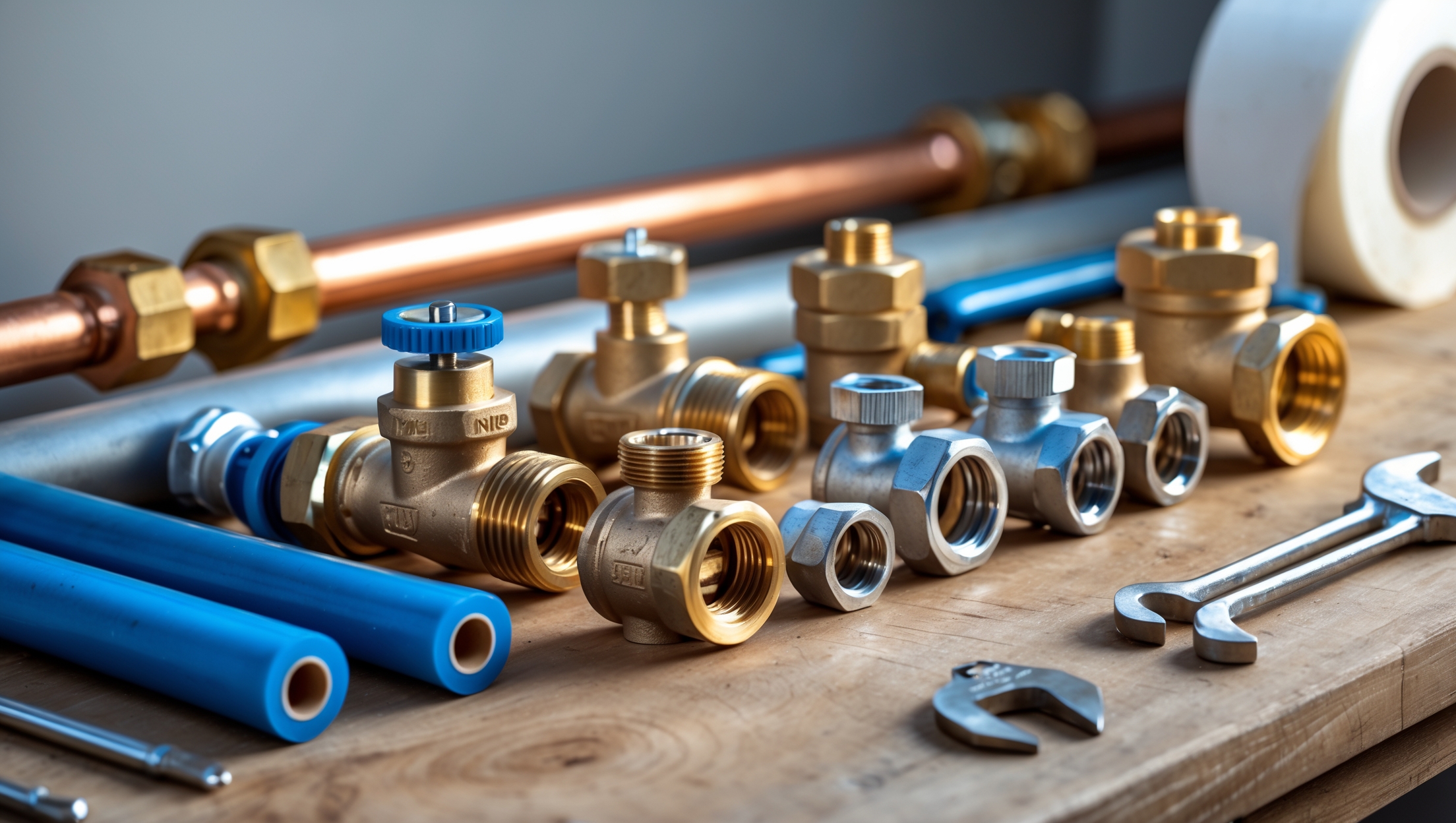
  • Brass: Most common; good for potable water.
  • Bronze: Durable, great for marine or corrosive environments.
  • PVC/CPVC: For cold/hot water lines and irrigation; not for high temperatures or exposed locations.
  • Stainless Steel: Excellent corrosion resistance; often used in commercial/industrial plumbing.

Consider Pipe Compatibility

  • Match valve type (threaded, sweat, push-fit, compression) to your piping (copper, PEX, PVC).
  • Size matters—always verify pipe and valve diameters.

Accessibility and Location

  • Will you have clear access for operation and maintenance?
  • Is freezing a risk? Choose freeze-resistant types or install in protected locations.

Step-by-Step Plumbing Valve Replacement and Installation

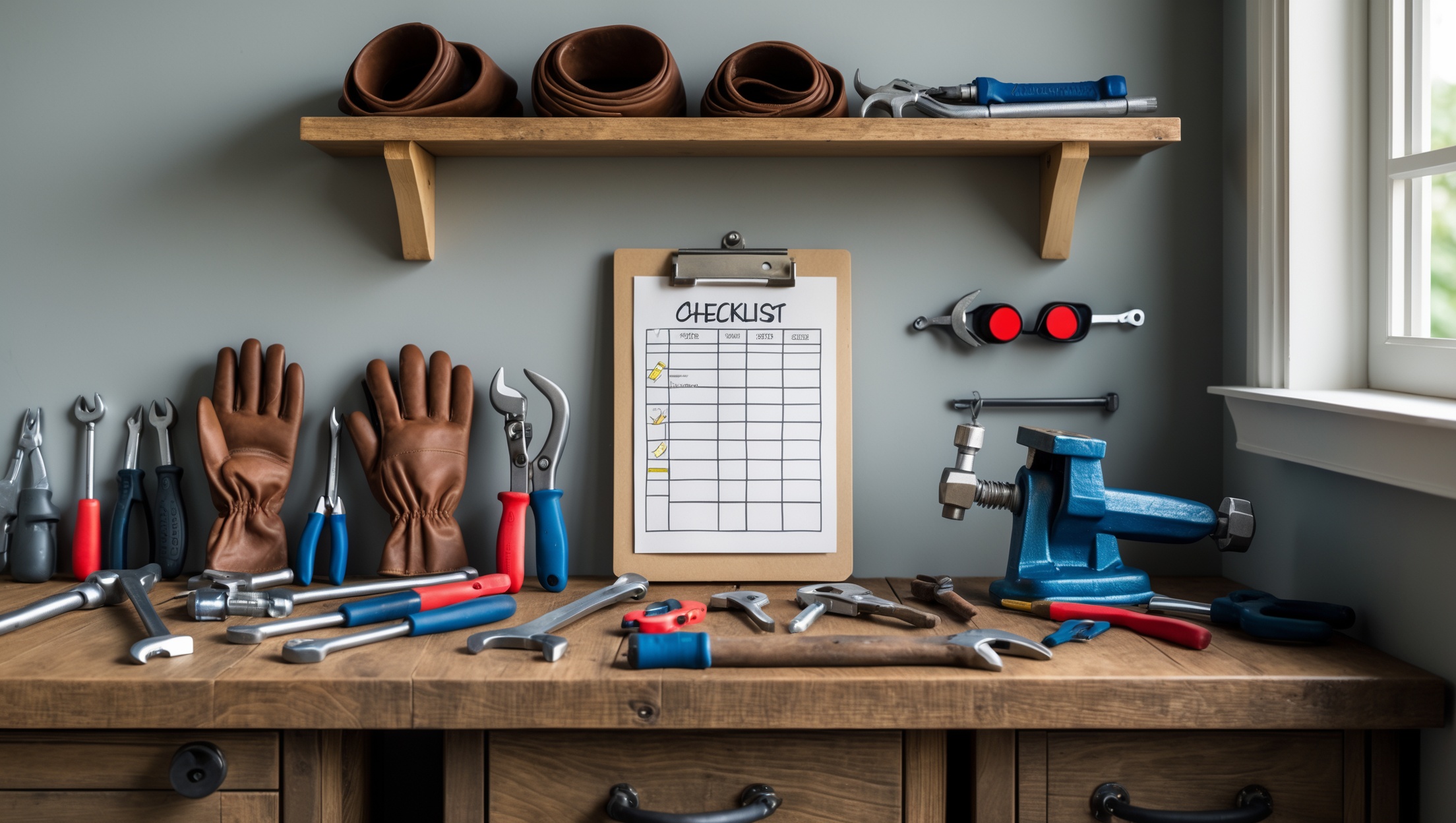
Essential Tools and Supplies

  • Adjustable wrench or channel-lock pliers
  • Pipe cutter (for copper or PEX)
  • Teflon tape or pipe dope (for threaded connections)
  • Emery cloth or sandpaper (for copper sweat joints)
  • Appropriate fittings and adapters
  • Buckets and towels (for water drips)

Preparation

  • Turn off the main water supply and drain the affected section.
  • Protect floors and surrounding areas from water.

Removing the Old Valve

  • For threaded valves, use two wrenches—one to hold the pipe, the other to turn the valve.
  • For sweat (soldered) valves, cut the pipe with a tubing cutter. Clean the ends with emery cloth.
  • For compression or push-fit valves, disconnect per manufacturer’s instructions.

Installing the New Valve

  • Apply Teflon tape or pipe dope to male threads (if threaded).
  • For soldered valves, assemble dry, flux, and solder using a propane torch—never solder with the valve closed to avoid damage to seals.
  • For compression fittings, tighten hand-tight, then another quarter-turn with a wrench.
  • For push-fit, ensure the pipe is cut square, deburred, and fully inserted.

Testing for Leaks

  • Slowly turn the water supply back on.
  • Check all connections and around the valve body for leaks.
  • Operate the valve fully open and closed to ensure smooth movement.

Maintenance Best Practices for Long-Lasting Valves

Exercise Valves Regularly

Operate shutoff valves (especially main and fixture stops) at least twice a year. This prevents mineral buildup and sticking. Mark a reminder on your seasonal home checklist.

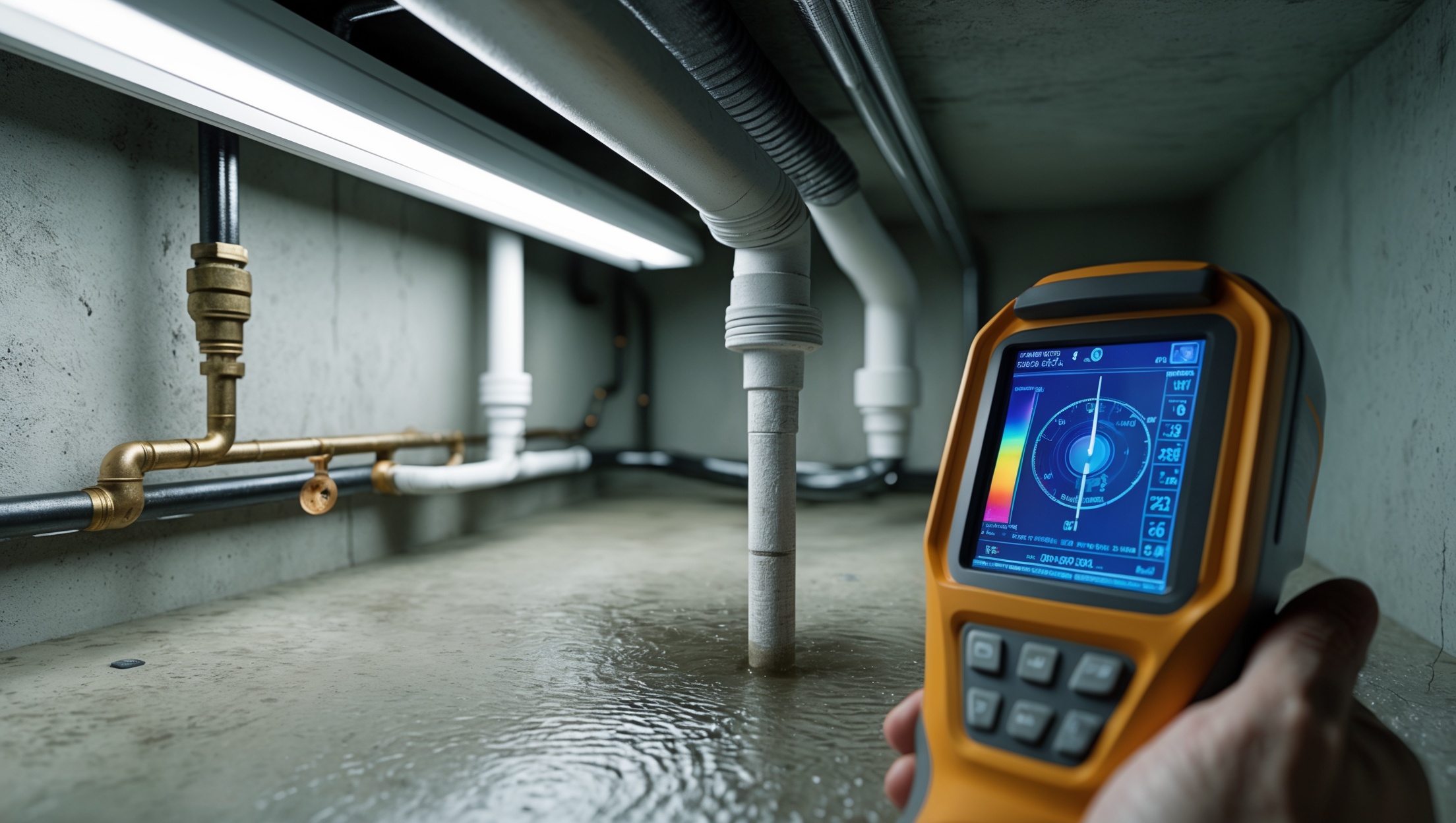
Inspect for Corrosion and Leaks

  • Look for green or white buildup, rust, or dripping.
  • Address small leaks promptly to prevent major failures.
  • Replace corroded or damaged valves—repairs are rarely reliable long-term.

Test Pressure Relief Valves

Lift the test lever on water heater relief valves every six months to ensure proper operation. Catch water in a bucket and be aware that a worn valve may drip afterward—replace if needed.

Know When to Replace

  • Older gate or globe valves showing signs of stiffness or leaking around the stem.
  • Any valve that won’t fully open or close.
  • Plastic valves exposed to sunlight or chemicals that appear brittle or cracked.

Troubleshooting Common Valve Problems

Stuck or Hard-to-Turn Valves

Apply penetrating oil to the stem and gently work the handle back and forth. Never force a stuck valve—it may break and cause flooding. If it remains stuck, plan a replacement.

Leaking Around the Valve Stem

For packing nut leaks, gently tighten the nut just behind the handle. If leaking persists or the valve body itself leaks, replacement is the safest choice.

Valve Won’t Fully Shut Off

  • Debris may be lodged in the mechanism—try exercising the valve.
  • If the problem persists, the internal parts are likely worn or damaged; replace the valve.

Tips for DIYers: Safety, Compliance, and When to Call a Pro

Essential Safety Reminders

  • Always depressurize lines before cutting or unscrewing valves.
  • Wear eye protection when soldering.
  • Have towels and a bucket ready for unexpected water.

Permits and Code Compliance

Most simple valve replacements do not require permits, but major modifications (such as moving the main shutoff) may. Always use valves rated for potable water and meet local plumbing codes.

When to Call a Professional

  • Main shutoff replacement (especially if inside a wall or below grade)
  • Valves on old galvanized or corroded pipes
  • Unfamiliar with soldering or specialty connections

Conclusion: Take Control of Your Plumbing with Valve Expertise

Understanding plumbing valves isn’t just for professionals—it’s a practical skill that empowers every homeowner and DIY enthusiast. Proper valve selection ensures that your plumbing system functions safely and efficiently, providing you with reliable flow control, essential protection from leaks and backflow, and the confidence to tackle repairs without fear. By following best practices for installation and maintenance, you’ll minimize headaches, save on future repairs, and extend the life of your home’s plumbing.

Remember, valves are not all created equal. Each type, from the robust ball valve to the humble angle stop, has a specific role to play. Taking the time to learn about their differences, choose the right material for your pipes, and keep them in good working order is a smart investment. Simple habits—like exercising your shutoffs and inspecting for leaks—pay off with peace of mind and often prevent costly emergencies.

And if you ever feel out of your depth, don’t hesitate to consult a licensed plumber. In the world of plumbing, knowing your limits is as important as knowing your valves. With this guide, you’re well on your way to mastering one of the most essential aspects of home maintenance. Here’s to a home where the water flows exactly where—and when—you want it!

132 comments
Robert Garcia

You mention that a leaky shutoff or the wrong valve choice can lead to water damage. What are some of the most common warning signs that a valve is failing before it actually starts to leak or cause bigger problems?

    Mario The Plumber

    Some common warning signs that a valve is starting to fail include difficulty turning the handle, unusual noises like squeaking or grinding, visible corrosion or rust, and moisture or mineral deposits around the valve. You might also notice inconsistent water flow or pressure. Addressing these issues early can help prevent leaks or more serious water damage.

Diane Clark

Could you explain a bit more about the differences between ball valves and other types when it comes to reliability and maintenance? I’m refurbishing my bathroom and want to install valves that won’t cause issues down the road.

    Mario The Plumber

    Ball valves are generally more reliable and require less maintenance than many other types, like gate or globe valves. Their simple design uses a rotating ball to control flow, which minimizes wear and reduces the risk of leaks. They rarely get stuck, even after long periods without use, and are easy to operate. Other valve types may need more frequent servicing and can develop issues like corrosion or seizing. For bathroom refurbishments, ball valves are a solid, trouble-free choice.

Margaret Smith

When working on a tight budget, what’s the most cost-effective way to upgrade old plumbing valves without sacrificing reliability? Any tips on which types last longest before needing replacement?

    Mario The Plumber

    To upgrade old plumbing valves on a budget, consider replacing them with standard brass ball valves—they’re affordable, reliable, and long-lasting compared to gate or globe valves. Ball valves have fewer moving parts, which means less wear and tear over time. When shopping, avoid the cheapest plastic or low-grade metal options, as they may fail sooner. Always check for proper certifications to ensure durability and safety.

James Taylor

You mentioned that the wrong valve choice can cause water damage. If I’m on a tight budget and doing a DIY remodel, are there certain valves where it’s okay to save money, and others where I definitely shouldn’t cut corners?

    Mario The Plumber

    When working with a tight budget, it’s wise to avoid cutting corners on main shutoff valves, pressure-reducing valves, and any valves controlling water to your kitchen or bathroom. These are critical for preventing leaks and major water damage. For less critical spots, like hose bibbs or utility sinks, you can consider more economical options, as long as they meet basic quality standards.

Susan Perez

Could you elaborate on how to determine whether a branch line valve should be a ball valve or a gate valve, especially when retrofitting older plumbing systems during a bathroom remodel?

    Mario The Plumber

    When retrofitting older plumbing systems, consider a ball valve for branch lines if you want fast, reliable shutoff and less chance of leaks, as they’re easy to operate and maintain. Gate valves are better if gradual flow control is needed, but they can be prone to sticking in older systems. For bathroom remodels, ball valves are usually the preferred choice for their durability and ease of use.

Karen Garcia

You mention that valves help prevent backflow and protect water quality. Could you explain how a homeowner would identify which specific valve type is best suited for this purpose, especially in situations like irrigation or outdoor spigots?

    Mario The Plumber

    To prevent backflow and protect water quality, homeowners should look for backflow prevention valves, such as a double check valve or a vacuum breaker. For irrigation systems or outdoor spigots, hose bibb vacuum breakers are commonly used. These devices attach directly to the spigot and stop contaminated water from flowing back into the home’s supply. Checking local plumbing codes is also important, as some areas require specific types of backflow preventers in outdoor setups.

Elizabeth Harris

I want to upgrade my home’s valves, but I’m on a student budget. Are there types of valves that offer decent reliability without costing a ton, and should I prioritize certain locations over others?

    Mario The Plumber

    Ball valves are a popular choice for home plumbing upgrades because they are reliable, long-lasting, and usually affordable. If your budget is tight, focus first on main shut-off valves and those under sinks or behind toilets, as these are most critical for emergencies and maintenance. Replacing just a few key valves can improve safety and reliability without requiring a big investment.

Margaret Anderson

When choosing a shutoff valve for a bathroom remodel, how do you decide between a ball valve and other types like gate or globe valves? Are there specific advantages or disadvantages in terms of longevity or ease of operation for these locations?

    Mario The Plumber

    For a bathroom remodel, ball valves are usually the best option for shutoff. They offer a simple on/off function, are very durable, and are less likely to leak or seize over time compared to gate or globe valves. Ball valves are also easier to operate, needing just a quarter turn. Gate and globe valves can be harder to turn and are more prone to wear, making them less ideal for frequent shutoff needs in bathrooms.

Aaron Lopez

For DIYers like me, is there an average amount of time I should set aside to properly install and test a new branch valve, and does the process differ much between ball valves and other common types?

    Mario The Plumber

    For most DIYers, installing and testing a new branch valve typically takes 1 to 2 hours, depending on your experience and access to tools. Ball valves are generally quicker to install because of their simple design and fewer parts. Gate and globe valves can take a bit longer due to alignment and packing adjustments. Always allow extra time to check for leaks and ensure the valve operates smoothly.

Elizabeth Hernandez

You mention that valves help prevent backflow and protect water quality. Are there certain types of valves that are specifically recommended for this purpose in a residential setting, or do most standard shutoff valves handle backflow prevention?

    Mario The Plumber

    Standard shutoff valves are mainly designed to control water flow, but they don’t prevent backflow. For backflow prevention in residential plumbing, specific valves like check valves and backflow preventers (often called backwater valves or double check valves) are recommended. These are designed to stop water from flowing backward into your home’s supply, helping protect water quality. Installation is usually at key points where cross-connection risks exist, such as irrigation systems or outdoor spigots.

Lisa Harris

When planning a bathroom remodel in my office, are there particular valve types you’d recommend for easier ongoing maintenance? I want to make sure my staff won’t have complicated plumbing issues down the line.

    Mario The Plumber

    For a bathroom remodel in an office setting, I recommend using ball valves or quarter-turn shutoff valves for their durability and ease of operation. These valves make it much simpler to isolate and service plumbing fixtures without shutting down the entire water supply. Additionally, consider installing accessible access panels so staff or plumbers can reach the valves easily if maintenance is needed in the future.

Helen Martinez

This guide talks about installation and maintenance best practices—are there any budget-friendly tools or supplies you’d recommend for someone doing a basic valve replacement for the first time? I want to be prepared but not overspend.

    Mario The Plumber

    For a basic valve replacement, you don’t need to invest in expensive tools. An adjustable wrench, a pipe cutter (or hacksaw for certain pipes), plumber’s tape (Teflon tape), and a pair of pliers are usually enough. Consider buying a small basin or towels for catching water, and some emery cloth or sandpaper to clean pipe ends. Hardware stores often sell beginner tool kits that include these at a lower price. Just double-check you have the right size valve for your pipes before you start.

Mary Lee

You mention that using the wrong type of valve can cause costly repairs or even water damage. Can you give a bit more detail on which valve mistakes are most common among DIY homeowners trying to replace a main shutoff or fixture valve?

    Mario The Plumber

    A common mistake is choosing a valve with the wrong pressure rating or material for your specific plumbing system. For example, replacing a main shutoff with a gate valve instead of a ball valve can lead to leaks or failure over time, since ball valves are more reliable for full shutoff. DIYers also sometimes use compression or push-fit valves on pipes that actually require soldered or threaded connections, which can result in leaks or pipes coming loose.

Richard Hernandez

The section about safety mentions pressure relief valves—how often should these be checked or replaced? I’m new to home maintenance and don’t want to overlook anything important for preventing leaks or bursts.

    Mario The Plumber

    Pressure relief valves are crucial for preventing dangerous pressure build-up, so regular checks are important. It’s generally recommended to test residential pressure relief valves at least once a year to ensure they operate properly. Replacement is usually needed every 3-5 years or sooner if the valve shows signs of corrosion, leaks, or doesn’t function during testing. Always turn off water and follow manufacturer instructions when inspecting or replacing these valves.

Matthew Harris

During routine maintenance, what are some early warning signs that a valve—like a ball or gate valve—might be prone to failure or leaks? Are there any simple tests a homeowner can perform before a major issue develops?

    Mario The Plumber

    Watch for signs like difficulty turning the valve handle, visible corrosion, moisture around joints, or water stains, as these can indicate potential failure or leaks. Homeowners can gently check for drips while the valve is both open and closed, and lightly feel for any dampness or unusual sounds. Turning the valve a few times and ensuring it operates smoothly is another simple check to spot trouble early.

Mark Lopez

When selecting a valve for an outdoor spigot, does the material or type matter if I’m worried about freezing winters? I’m on a tight budget, so I want to avoid costly repairs down the line.

    Mario The Plumber

    Yes, both the material and type of valve matter when dealing with freezing winters. Look for a frost-free (or freeze-proof) sillcock valve, which is designed to prevent water from freezing inside the pipe. Brass is a common and reliable material for outdoor valves, resisting corrosion and cold. Installing a frost-free valve might cost a bit more upfront but will help you avoid expensive freeze-related repairs later on.

Richard Davis

Can you provide more detail about maintenance—specifically, how often should different types of valves (like ball versus gate valves) be inspected or serviced to prevent leaks?

    Mario The Plumber

    Ball valves generally require less frequent maintenance and can be inspected annually for leaks, corrosion, or buildup. Gate valves, due to their design, are more prone to sticking and should ideally be exercised (fully opened and closed) and checked at least twice a year. Regular operation and visual inspection help prevent leaks and ensure both types stay functional. Always refer to manufacturer recommendations if available.

Charles Taylor

If I plan to renovate my kitchen soon, should I proactively replace all fixture valves, or is it safe to keep existing ones if they appear to be working fine?

    Mario The Plumber

    If your existing fixture valves are relatively new and show no signs of corrosion, leaks, or stiffness, you can keep them. However, many people choose to replace old valves during renovations to avoid future leaks or failures. This provides peace of mind and makes future maintenance easier. If your valves are over 10 years old or hard to operate, replacement is a good idea.

Emily Smith

I noticed the article mentions safety valves for releasing excess pressure. For someone adding a new water heater, how do you decide between different types of pressure relief valves, and is there a risk of installing one that’s not rated correctly for your system?

    Mario The Plumber

    When choosing a pressure relief valve for a new water heater, always match the valve’s pressure and temperature rating to the specifications of your heater. Check the manufacturer’s recommendations to ensure compatibility. Using a valve with the wrong rating can lead to system failures or safety hazards, so it’s important to double-check both the pressure (psi) and temperature settings before installation.

David Smith

You mention how important it is to select the proper type of valve for different areas in the home. Could you elaborate on how to determine which valve is best for bedroom or laundry room branch lines, especially in older houses?

    Mario The Plumber

    For bedroom or laundry room branch lines, especially in older homes, it’s important to choose shut-off (or angle) valves that allow for easy maintenance. Compression or quarter-turn ball valves are often recommended for their reliability and ease of operation. Check your pipe material—if it’s copper, use a compression valve; for galvanized, use threaded types. Always verify compatibility and ensure valves are accessible for quick shut-off if needed.

Lisa Davis

If I want to stay within a tight renovation budget, are there certain plumbing valve types that are cost-effective without sacrificing safety or reliability?

    Mario The Plumber

    Yes, ball valves and gate valves are typically both affordable and reliable choices for most home plumbing needs. Ball valves are especially popular for their durability and leak-proof operation, while gate valves work well for shut-off applications. Stick to reputable brands and certified products to ensure safety, even when selecting budget-friendly options.

William Smith

The article talks about control and safety functions of different valves. For a busy household with kids, are there particular valve features or styles that make it easier to manage water flow and prevent accidental water damage?

    Mario The Plumber

    For a family home, consider installing quarter-turn ball valves for main shutoff and fixture control—they’re easy to operate, even in an emergency, and can be switched off quickly. Childproof or lockable valve handles can prevent kids from tampering with water flow. Pressure-reducing and anti-scald valves also add safety by helping avoid bursts or hot water accidents. These features make managing your plumbing much safer and simpler.

Helen Moore

You mention valves are crucial for safety, especially with water heaters. What signs should I watch for to know when a valve on my water heater needs maintenance or immediate replacement?

    Mario The Plumber

    Watch for leaks, corrosion, or mineral buildup around the valve, which can indicate a problem. If the valve is hard to turn, doesn’t fully open or close, or you hear hissing or whistling sounds, it may need maintenance or replacement. Also, if your temperature and pressure relief (T&P) valve regularly discharges water or fails to operate during testing, it should be checked immediately to ensure your water heater remains safe.

Rachel Johnson

If I’m working with a tight budget, are there certain valve types that offer more longevity or reliability than others without a steep price tag? I’d appreciate any tips for balancing cost and quality.

    Mario The Plumber

    Ball valves are a solid choice for balancing cost and reliability—they’re generally affordable, durable, and require minimal maintenance compared to other types. Brass or PVC ball valves typically last longer than gate or globe valves at similar price points. Look for valves with solid construction and reputable manufacturer warranties, and avoid the cheapest off-brand options, as they may compromise on quality.

Diane Moore

You mentioned valves help prevent backflow and protect water quality. If my home doesn’t have dedicated backflow prevention valves, is it difficult or expensive to retrofit them into an older plumbing system?

    Mario The Plumber

    Retrofitting backflow prevention valves into an older plumbing system is generally straightforward for a licensed plumber, but the ease and cost can vary. Simple installations, like adding a check valve, are usually not too expensive. However, if your plumbing layout is complex or space is tight, it might take more work and increase costs. It’s a worthwhile upgrade for improved water safety and often required by local codes. A plumber can assess your setup and give you a clear estimate.

Charles Rodriguez

Could you provide some guidance on budget-friendly but reliable valve options for laundry room branch lines? I want to avoid frequent replacements but don’t have room in the budget for high-end plumbing parts.

    Mario The Plumber

    For laundry room branch lines, consider using brass quarter-turn ball valves—they’re cost-effective and much more reliable than plastic or cheap gate valves. Look for valves with solid brass bodies and stainless-steel handles, which balance durability and affordability. Brands from big-box hardware stores often offer good quality at reasonable prices. Just make sure you avoid plastic valves, as they tend to fail faster in laundry applications.

Emily Williams

The article mentions the risks of leaky shutoffs and the importance of proper maintenance. Are there any budget-friendly maintenance steps or products that can help minimize the chance of leaks in commonly used fixture valves?

    Mario The Plumber

    Absolutely, there are several cost-effective ways to help prevent leaks in fixture valves. Regularly turning the shutoff valves on and off can prevent them from seizing. You can also check for corrosion or mineral buildup and clean it off with a vinegar solution. Applying plumber’s grease to the valve stem threads when needed helps ensure a tight seal. These small steps can extend valve life and reduce leak risks without much expense.

Christopher Harris

When it comes to maintenance, does each valve type (like ball, gate, or globe) have different recommended intervals or steps? I want to avoid neglecting anything that could cause issues down the line.

    Mario The Plumber

    Yes, different valve types have specific maintenance needs. Ball valves usually require less frequent maintenance—just periodic operation and checking for leaks. Gate valves should be exercised occasionally to prevent sticking, and the packing nut may need tightening. Globe valves may need more frequent inspection because of their internal parts, so check for seat wear and leaks. Always follow manufacturer recommendations for intervals and detailed steps to keep each valve working smoothly.

Michelle Thompson

For a property owner like me who manages a few rental homes, can you clarify which valve types are generally the easiest to maintain and least likely to get stuck over years of minimal use? I sometimes find shutoff valves won’t budge when I actually need them.

    Mario The Plumber

    For rental properties, ball valves are typically the easiest to maintain and least likely to seize up over time. Their simple, quarter-turn mechanism is less prone to sticking compared to gate or globe valves, especially if they sit unused for long periods. It also helps to occasionally turn shutoff valves on and off to keep them moving freely.

Kevin Miller

Your article mentions that poorly chosen valves can lead to costly repairs or water damage. What signs should a homeowner look for to tell if an existing shutoff or fixture valve needs to be replaced before it fails?

    Mario The Plumber

    Homeowners should watch for signs like difficulty turning the valve handle, leaks around the valve body or stem, visible corrosion or rust, and any water stains nearby. If a valve doesn’t fully shut off the water or if it feels loose or cracked, it’s a good idea to consider replacing it before a failure occurs.

Brian Perez

When selecting a shutoff valve for the main water supply, are there specific materials or types that are more reliable over time to prevent leaks or corrosion, especially in older homes?

    Mario The Plumber

    For main water supply shutoff valves in older homes, brass ball valves are often the most reliable choice. Brass resists corrosion and ball valves provide a tight seal, minimizing leaks. Avoid gate valves, as they can corrode or stick over time. If your plumbing uses copper pipes, brass is ideal; for galvanized pipes, ensure compatibility. Always check for proper local code requirements before installation.

Sarah Anderson

If I want to improve safety and reliability throughout my home’s plumbing, should I prioritize replacing old valves, or is it more important to focus on installing new shutoff valves at key locations first?

    Mario The Plumber

    If your home has old or unreliable valves, replacing them should be your first priority, as aging valves can fail unexpectedly and cause leaks or water damage. Once you’ve ensured all existing valves are in good condition, consider adding shutoff valves at key locations, like sinks and toilets, to make future maintenance easier and provide extra control in emergencies.

Rachel Anderson

When working on a kitchen remodel, is it usually better to stick with ball valves for all branch lines, or are there situations where another valve type would be preferable for under-sink shutoffs?

    Mario The Plumber

    Ball valves are a popular choice for under-sink shutoffs because they provide reliable, full-flow shutoff with a simple quarter-turn operation. However, in tight spaces or where frequent adjustments are needed, angle stop or compression valves can be preferable. These allow precise flow control and can be easier to install in confined areas. Consider your available space and how often you expect to use the valve when deciding which type to use.

Rachel Lewis

I see you mention the importance of the main water shutoff valve for emergencies. Is there a preferred type of shutoff valve that’s easiest for non-handy folks to operate quickly under stress, especially if I have kids at home?

    Mario The Plumber

    For homes with kids or anyone who may need to shut off the water quickly, a ball valve is typically the best choice. Ball valves use a simple lever handle that clearly shows whether the valve is open or closed, and they’re easy to turn, even under stress. Older gate valves can be stiff and confusing, so replacing them with a ball valve is a good safety upgrade.

Mark Taylor

When choosing a shutoff valve for a bathroom remodel, would you recommend using ball valves over globe valves, especially considering ease of maintenance and reliability over time? I’ve heard ball valves are better for a full shutoff but not sure if they’re ideal for all fixture connections.

    Mario The Plumber

    For most bathroom remodels, ball valves are generally preferred for shutoff applications because they offer reliable, full shutoff with a simple quarter-turn and are less prone to leaking or internal wear over time. Globe valves are better suited for flow regulation rather than complete shutoff. For fixture connections where on/off control is the goal, a ball valve is usually the better choice due to its durability and minimal maintenance needs.

Patricia Martinez

You mentioned that using the wrong valve can cause expensive repairs or water damage. Could you explain what mistakes to avoid when installing shutoff valves under sinks or toilets?

    Mario The Plumber

    When installing shutoff valves under sinks or toilets, avoid using the wrong valve type—angle valves are usually best for these spots. Make sure the valve size matches your pipe and fixture connections precisely. Don’t over-tighten fittings, as this can damage threads or crack pipes. Always use plumber’s tape on threaded connections and check for leaks before finishing. Proper orientation and secure mounting are also important to prevent future leaks or failures.

Michael Jackson

Can you provide any maintenance tips specifically for outdoor irrigation valves? Ours seem to seize up every winter and I’m not sure if I should be lubricating them or upgrading to a different type.

    Mario The Plumber

    Outdoor irrigation valves can seize in winter due to freezing temperatures and mineral buildup. Before winter, drain water from your lines and insulate exposed valves with foam covers. It’s usually not necessary to lubricate most modern plastic valves, but if yours are metal, a silicone-based lubricant can help on moving parts. If seizing persists, consider upgrading to valves rated for outdoor or cold-weather use, as they handle temperature fluctuations better.

Jessica Harris

If a shutoff valve near one of my outdoor spigots is leaking slightly, is there a typical troubleshooting process you recommend before deciding to replace the whole valve, or do small leaks usually mean it’s time for a full replacement?

    Mario The Plumber

    A slight leak at a shutoff valve doesn’t always require full replacement right away. First, try tightening the packing nut just behind the handle; often, leaks come from there. If that doesn’t help, you can shut off the main water supply, remove the handle, and replace the packing washer if it’s worn. If the leak persists after these steps, then replacing the valve may be necessary.

Daniel Martin

For someone on a tight budget updating an older home’s plumbing, are there affordable valve options that still offer good durability and safety features?

    Mario The Plumber

    For a budget-friendly update, look for ball valves or quarter-turn brass valves. These are typically affordable, quite durable, and offer reliable shutoff for safety. If you need extra protection, some budget valves now include built-in backflow prevention. Always confirm that the valve is certified for potable water and check for clear shutoff markings for added safety.

Elizabeth Thompson

Is there a big price difference between the various valve types you listed, or can you usually find affordable options for upgrades without risking reliability? I’m on a student budget, so I want to make smart choices.

    Mario The Plumber

    The price of plumbing valves can vary, mainly based on type and material. Ball valves and gate valves are usually affordable and widely available in reliable options. More specialized valves like pressure-reducing or backflow preventers tend to cost more. For most home upgrades, you can find budget-friendly valves that won’t compromise reliability—just avoid unbranded or very cheap products. Checking for certifications and solid reviews is a smart way to balance cost and quality.

Nancy Moore

If I want to replace the main water shutoff myself, are there specific installation tips or precautions to prevent future leaks that aren’t obvious to most DIYers? The article touches on installation, but I’d like more detail for this crucial spot.

    Mario The Plumber

    When replacing the main water shutoff valve, use high-quality components and ensure the pipe threads are clean before installation. Apply plumbing tape or joint compound carefully to threaded connections, but avoid over-tightening which can crack fittings. Support the pipe firmly to prevent stress on the new valve. After installation, open the main valve slowly and check for leaks while the system repressurizes. Finally, always turn off your home’s water supply at the meter and relieve any pressure before starting work.

John Taylor

If I notice a leaky shutoff valve, is it usually better to try maintaining or repairing it with available kits, or does your guide suggest just replacing the valve entirely to avoid water damage risks?

    Mario The Plumber

    If you spot a leaking shutoff valve, the best approach often depends on the extent of the leak and the valve’s condition. Minor leaks at the packing nut might be fixed by tightening or using a packing kit. However, if the valve is corroded, old, or leaking at the body, our guide recommends replacing it to reduce the risk of water damage and ensure long-term reliability.

Tyler Taylor

For a small café, is there a particular valve type you recommend for outdoor spigots or irrigation lines? Durability is important to me, especially since these get frequent use during the warmer months.

    Mario The Plumber

    For outdoor spigots and irrigation lines at a small café, a brass ball valve is an excellent choice. Ball valves are known for their durability, corrosion resistance, and ability to handle frequent use. They offer reliable shut-off and are less likely to seize up over time compared to gate or globe valves, making them ideal for the demands of outdoor café operations.

Rachel Taylor

Does the choice of valve type significantly impact water pressure at fixtures, or is it mostly about safety and isolation? I’m trying to balance function and cost when upgrading some of my bathroom plumbing.

    Mario The Plumber

    The valve type can impact water pressure at your fixtures, especially if you choose valves with smaller internal diameters or those not designed for full flow, like some globe or angle stop valves. Ball and gate valves generally allow better flow and have less impact on pressure. While safety and isolation are key reasons for valve selection, considering flow characteristics is also important when upgrading to avoid unwanted drops in pressure.

Sean Hernandez

For someone on a budget, are there certain valve types that offer the best combination of durability and price for typical branch line shutoffs? Any brands or material types you’ve found stand up better to long-term use without costing a fortune?

    Mario The Plumber

    For budget-friendly yet durable branch line shutoffs, brass ball valves are a solid choice. They resist corrosion, operate smoothly, and last for years without breaking the bank. Avoid plastic valves, as they tend to wear out faster. Brands like SharkBite and Apollo offer reliable brass options at reasonable prices, making them a popular pick for homeowners seeking long-term value.

Helen Ramirez

If I’m planning a kitchen remodel and trying to keep costs down, are there certain valve types that offer a good balance between price, durability, and ease of installation for DIYers?

    Mario The Plumber

    For kitchen remodels where budget and ease of installation matter, ball valves and compression valves are solid options. Ball valves are reliable, durable, and straightforward for DIY installation. Compression valves are also affordable and simple to install without soldering. Both types provide good long-term performance, making them popular choices for homeowners managing their own projects.

Matthew White

Could you elaborate on how to identify whether a valve is meant for shutoff, control, or backflow prevention, especially when looking at the pipes under my kitchen sink?

    Mario The Plumber

    Under your kitchen sink, shutoff valves are usually small, round or oval handles attached directly to the supply pipes; turning them stops water flow to the faucet. Control valves (like angle valves) may look similar but often allow you to adjust flow. Backflow prevention devices are bulkier, often featuring a raised mechanism or a distinct check valve assembly; they’re less commonly found under residential sinks. If you’re unsure, look for labels or markings, or check the valve’s function by turning the handle and observing what happens.

Patricia Lee

I’m curious about valve installation for DIY projects. Are there typical mistakes beginners make when replacing or adding valves, especially for branch lines to bathrooms or kitchens?

    Mario The Plumber

    Yes, there are a few common mistakes beginners often make during valve installation. These include not fully shutting off the main water supply, over-tightening connections (which can crack fittings), using the wrong type of valve for the application, and forgetting to use pipe thread sealant or tape on threaded connections. It’s also important to check for leaks after installation and to ensure that the valve is installed in the correct flow direction.

Richard Harris

You mention that the wrong valve choice can lead to costly repairs or water damage. For a homeowner replacing the main water shutoff valve, what are the most common mistakes to avoid when selecting a valve type?

    Mario The Plumber

    When replacing your main water shutoff valve, avoid choosing a valve that isn’t rated for the water pressure in your home or one made from incompatible materials with your existing pipes (for example, mixing brass and galvanized steel). Another mistake is picking a gate valve instead of a ball valve—ball valves are more reliable and easier to operate. Finally, make sure the valve size matches your pipe size to prevent leaks and flow issues.

Jennifer Perez

If I already have older shutoff valves in my house, is it recommended to replace them proactively, or only if they show signs of leaking or failure? What are the early warning signs I should watch for?

    Mario The Plumber

    You don’t necessarily need to replace older shutoff valves unless they’re showing problems. Early warning signs include difficulty turning the valve, visible corrosion or rust, water stains around the valve, or even very slow leaks. If you notice any of these issues, it’s a good idea to replace the valve before a complete failure happens. Otherwise, regular checks and maintenance should suffice.

Nathan Moore

What are the signs that a valve is starting to fail, beyond just slow leaks? I’d like to catch potential issues before they turn into water damage, especially in less accessible areas of my plumbing.

    Mario The Plumber

    Beyond slow leaks, other signs of valve failure include difficulty turning the handle, unusual noises like hissing or rattling, corrosion or mineral buildup on or around the valve, and inconsistent water pressure when the valve is open. If you notice a valve that feels unusually loose or tight, or if you spot discoloration or dampness nearby, these can also indicate problems. Regularly inspecting valves—even those in harder-to-reach spots—can help you catch these early warning signs and prevent bigger issues.

Susan Jackson

When it comes to older homes, are there signs that a specific valve needs to be replaced right away rather than just maintained? I’m worried about hidden leaks or future water damage in my apartment.

    Mario The Plumber

    In older homes, you should consider replacing a valve right away if you notice visible corrosion, persistent leaks even after tightening, difficulty turning the handle, or evidence of water stains or rust near the valve. If the valve feels loose, won’t shut off completely, or shows mineral buildup that can’t be cleaned off, replacement is the safest option to prevent hidden leaks and future water damage.

Anthony Martin

I noticed you mentioned that the wrong valve choice can lead to water damage. How can a beginner figure out whether a ball valve or another type is the safest pick for main shutoff versus, say, a bathroom fixture shutoff?

    Mario The Plumber

    For a main shutoff, a ball valve is usually safest because it’s reliable, seals tightly, and is easy to turn on or off quickly. For individual fixtures like a bathroom sink or toilet, angle or straight stop valves are more common since they’re compact and allow for easy maintenance. Consider the location, accessibility, and frequency of use when choosing. If unsure, you can always ask a hardware store expert or plumber for advice based on your home’s setup.

Linda Miller

You listed several locations where valves are found in the home. In older houses, is there a straightforward way to test if those existing valves are still working properly before a leak or emergency happens? Any telltale signs they should be replaced?

    Mario The Plumber

    To check if older valves work, gently turn them off and back on—if they won’t budge, are very stiff, or leak at the stem, they may need replacing. Also, look for corrosion, mineral buildup, or signs of past leaks around the valve body. If shutting off a valve doesn’t stop water flow as expected, that’s also a clear sign it’s time for a replacement.

Mary Sanchez

The article mentions the importance of valve maintenance, but what are some warning signs that a shutoff valve is about to fail or might need replacement soon?

    Mario The Plumber

    Some common warning signs that a shutoff valve may be failing or in need of replacement include difficulty turning the handle, leaks or drips around the valve body or connections, corrosion or rust on the valve, and water not fully shutting off when the valve is closed. If you notice any of these issues, it’s a good idea to inspect the valve and consider replacing it to prevent potential plumbing problems.

Diane Gonzalez

Could you clarify whether some types of valves are more prone to leaking over time than others, especially when used as shutoffs for fixtures like toilets and sinks? I want to avoid having to replace them frequently due to wear.

    Mario The Plumber

    Some valve types are indeed more prone to leaking over time, especially when used as shutoffs for sinks and toilets. Compression and gate valves tend to wear out faster and may eventually start leaking, particularly if operated frequently. Ball valves, on the other hand, have a simple, robust design and typically last much longer with less risk of leaks. For shutoff applications at fixtures, ball valves are generally the most reliable and low-maintenance choice.

Mark Jones

The article mentions the importance of choosing the right valve to avoid costly repairs. Could you elaborate on which valve types are most appropriate for high-pressure water lines in older homes?

    Mario The Plumber

    For high-pressure water lines in older homes, ball valves and gate valves are usually recommended. Ball valves offer reliable shutoff and durability, making them great for main water lines. Gate valves can also handle high pressure but may require more maintenance due to potential buildup over time. Always ensure the valve material is compatible with your home’s plumbing, and consider professional installation to handle older pipe connections safely.

Patricia Miller

Could you explain a bit more about backflow prevention valves? Are these something a small retail shop should invest in, or are they only necessary for larger facilities with complex plumbing?

    Mario The Plumber

    Backflow prevention valves are designed to stop water from flowing backward into your clean water supply, which helps prevent contamination. They aren’t just for large facilities; even small retail shops can benefit, especially if you have multiple sinks, restrooms, or appliances connected to the plumbing. In many areas, they’re actually required by code for certain fixtures. Investing in one is a good precaution to protect your water quality and meet local regulations.

William Perez

You mention valves are key for preventing backflow and protecting water quality. How often do these prevention-oriented valves need to be checked or maintained, and are there any warning signs that they’re starting to fail?

    Mario The Plumber

    Prevention-oriented valves like backflow preventers should usually be inspected and tested at least once a year, though your local codes may require more frequent checks. Look out for signs such as reduced water pressure, visible leaks, or unusual noises, as these can indicate a problem. Regular maintenance ensures the valves continue to protect your water supply effectively.

Patricia Garcia

If I’ve got a slowly leaking shutoff valve under my kitchen sink, what are some troubleshooting steps I should try before completely replacing the valve?

    Mario The Plumber

    For a slowly leaking shutoff valve under your sink, first try tightening the packing nut just behind the valve handle—often, a slight turn with a wrench can stop minor leaks. If that doesn’t help, shut off your main water supply, remove the handle and packing nut, and add new packing material or plumber’s tape around the valve stem. Reassemble and test. If it still leaks, valve replacement might be necessary.

Lisa Jackson

Can you explain the main differences between ball valves and gate valves when it comes to controlling water flow to appliances like dishwashers and washing machines? I want to choose the type that’s least likely to give me trouble down the line.

    Mario The Plumber

    Ball valves use a rotating ball with a hole through it, allowing for quick and full shutoff or open positions with a simple quarter turn. They’re very reliable and less prone to sticking or leaking over time. Gate valves operate by raising or lowering a gate inside the valve, which can get stuck or leak if not used regularly. For appliances like dishwashers and washing machines, ball valves are usually the better, low-maintenance choice.

Barbara Perez

The article says valves are used at fixtures like toilets and dishwashers. For someone who has older plumbing, is it usually possible to swap out old valves for new ones, or are there compatibility issues I should be aware of before starting a DIY replacement?

    Mario The Plumber

    Yes, you can usually replace old valves with new ones, even in older plumbing. However, it’s important to check if your existing pipes are copper, galvanized steel, or another material, as this affects the type of new valve and connection you need. Measure the pipe size and note the thread type. If you’re unsure, bringing the old valve to a hardware store can help ensure compatibility before buying a replacement.

Susan Brown

You mentioned that improper valve selection can lead to water damage, so I’m wondering how someone can tell ahead of time which valve type is best for areas like kitchens compared to bathrooms. Are there visual cues or labeling standards to make this easier for DIYers?

    Mario The Plumber

    Different valve types often have labeling that indicates their purpose, such as ‘shut-off,’ ‘angle stop,’ or ‘supply valve.’ For kitchens, valves should handle higher flow rates (like ball valves for main lines), while bathrooms often use angle or straight stop valves. Packaging usually states intended use—check for labels like ‘toilet,’ ‘sink,’ or ‘dishwasher.’ Also, most valves have size and pressure ratings printed on them, which can help match them with your fixture requirements.

Betty Martinez

My house is older and I’ve run into issues with stuck or corroded valves when trying to turn the water off. Based on your maintenance tips, is there a certain material or type of valve that’s best for minimizing future problems in older systems?

    Mario The Plumber

    For older homes, brass ball valves are usually a reliable upgrade since they resist corrosion better than traditional gate valves and are less likely to seize up. Choosing valves with a full-port design also helps with easier operation and maintenance. Regularly turning the valves and occasionally lubricating the handles can further reduce issues over time.

Robert Taylor

What kind of maintenance do you actually recommend for the main water shutoff valve, and how often should a homeowner be checking or exercising it so it doesn’t get stuck right when it’s needed most?

    Mario The Plumber

    To keep your main water shutoff valve in good working order, it’s wise to operate it—fully open and close it—about once or twice a year. This helps prevent it from seizing up. While doing this, check for any leaks or signs of corrosion around the valve. If you notice any resistance, excessive rust, or leaking, it’s a good idea to have it inspected or replaced by a plumber.

Michael Clark

For the main water shutoff valve where the water comes into the house, are there any specific indicators to watch out for that suggest it’s time for a replacement, even if it’s not leaking yet? I want to avoid a surprise failure down the line.

    Mario The Plumber

    Absolutely, it’s wise to be proactive about your main shutoff valve. Signs that it may need replacement include difficulty turning the valve, signs of corrosion or rust on the body or handle, mineral buildup, or if the valve feels loose or wobbly. If you notice any of these, it’s a good idea to consult a plumber to assess whether a replacement is necessary.