

Introduction: Why Plumbing Safety Is Non-Negotiable
Whether you’re a seasoned plumbing professional or a handy homeowner tackling your first DIY repair, safety is the cornerstone of a successful project. Plumbing involves more than wrenches and pipes; it brings you face-to-face with pressurized water, sharp tools, electrical hazards, confined spaces, and sometimes hazardous materials. Each year, thousands of injuries—many preventable—occur on plumbing jobs, ranging from minor cuts and slips to serious burns and chemical exposures. The good news? Most incidents can be avoided with a methodical, safety-first approach. This comprehensive checklist is designed to help both professionals and DIY enthusiasts recognize risks, implement best practices, and prepare for emergencies. By following these steps, you’ll protect yourself, your team, and your property, making every plumbing job safer and more efficient.
Section 1: Personal Protective Equipment (PPE) Essentials
1.1. The Must-Have Gear
- Safety Glasses or Goggles: Protect your eyes from flying debris, splashes, and dust. Use anti-fog goggles in steamy environments.
- Gloves: Choose cut-resistant gloves for handling metal or sharp objects, and chemical-resistant gloves when working with solvents or adhesives.
- Work Boots: Steel-toe boots provide protection from falling tools and slippery surfaces. Ensure soles are slip-resistant.
- Respirators or Masks: Use when working with soldering fumes, mold, or dust. N95 or half-face respirators are ideal.
- Hearing Protection: Earplugs or earmuffs for power tool use, especially in confined spaces where noise echoes.
- Coveralls or Durable Workwear: To shield your skin from chemicals and sharp edges.
1.2. PPE Inspection and Maintenance
- Check for Wear and Tear: Replace cracked goggles, torn gloves, and worn-out boots.
- Clean After Use: Wash gloves and goggles to remove contaminants.
- Store Properly: Keep PPE dry and out of direct sunlight to prolong its lifespan.
Section 2: Site Evaluation and Hazard Identification
2.1. Inspect the Work Area
- Lighting: Ensure the workspace is well-lit. Use portable LED work lights if needed.
- Floor Hazards: Remove clutter, mop up spills, and secure rugs to prevent slips.
- Obstructions: Identify low ceilings, exposed nails, or sharp corners.
2.2. Identify Potential Hazards
- Water Hazards: Be aware of high-pressure lines and the potential for sudden leaks or sprays.
- Electrical Risks: Locate all wiring, outlets, and switches. Never work on wet surfaces near live electricity.
- Chemical Exposure: Know the products you’ll use—read labels and safety data sheets for solder, adhesives, or cleaning agents.
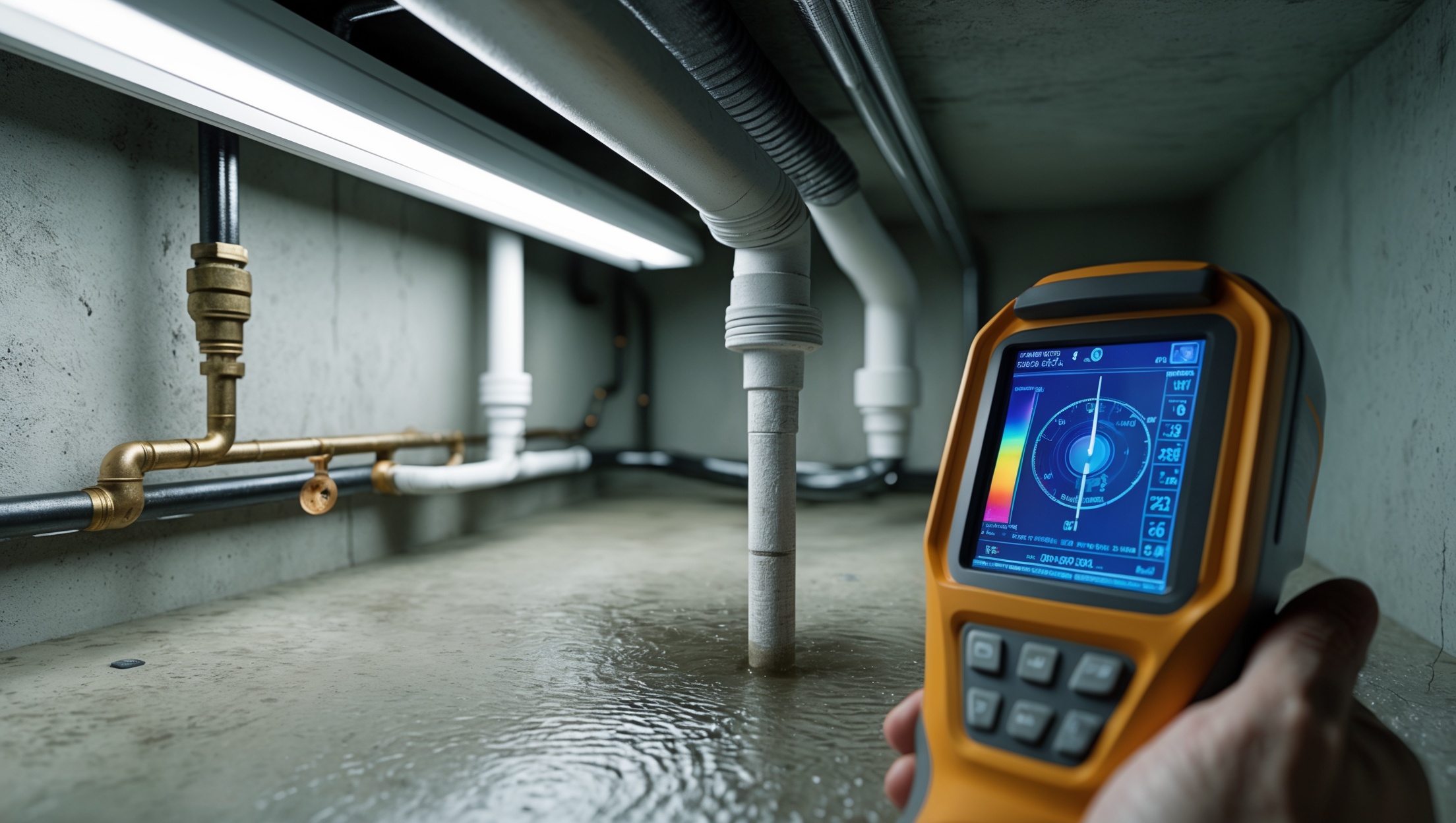
- Confined Spaces: Attics, crawl spaces, and under-sink areas may have limited ventilation. Assess for air quality and temperature extremes.
Section 3: Tool and Equipment Safety
3.1. Pre-Use Checks
- Inspect Tools: Look for cracks, frayed cords, loose handles, and dull blades.
- Test Battery-Operated Tools: Charge batteries fully and check for overheating.
- Read Manuals: Even experienced pros should review manuals for unfamiliar tools, especially specialty equipment like pipe threaders or inspection cameras.
3.2. Safe Handling Practices
- Use Tools as Intended: Never substitute a screwdriver for a chisel or use pipe wrenches on nuts and bolts.
- Maintain a Firm Grip: Wet hands or gloves can cause slips—keep them dry and clean.
- Unplug When Not in Use: Prevent accidental activation of power tools.
- Store Tools Safely: Keep sharp tools in sheaths or boxes; never leave them on ladders or ledges.
Section 4: Plumbing System Preparation
4.1. Shutting Off Water and Power
- Main Water Shutoff: Locate and test the valve before starting any repair or installation. If it’s stuck or corroded, address this first.
- Appliance Valves: Turn off local supply valves for sinks, toilets, or appliances to isolate the work area.
- Electrical Shutoff: If your project is near wiring or electric-powered equipment (water heaters, pumps), switch off the circuit breaker.
4.2. Drain and Vent Preparation
- Drain Down: Open faucets and valves to relieve pressure and drain excess water from pipes.
- Ventilate: If soldering or using chemicals, open windows and set up fans for airflow.
Section 5: Hazardous Materials and Chemical Handling
5.1. Common Plumbing Chemicals
- Solder and Flux: Contains lead or acids—use lead-free products when possible and avoid skin contact.
- Pipe Cements and Solvents: Highly flammable and can cause skin or eye irritation. Always use in well-ventilated areas.
- Drain Cleaners: Corrosive and often toxic. Never mix different cleaners.
5.2. Safe Handling and Storage
- Read Labels: Follow manufacturer’s instructions and warnings.
- Wear PPE: Always use appropriate gloves and eye protection.
- Store Securely: Keep chemicals in original containers, away from children and pets.
- Dispose Responsibly: Never pour chemicals down drains or storm sewers. Take unused products to hazardous waste facilities.
Section 6: Ladder and Elevated Work Safety
6.1. Choosing the Right Ladder
- Material: Use fiberglass ladders near electrical work. Aluminum ladders conduct electricity and should be avoided around wiring.
- Height: Select a ladder that allows you to reach your work without standing on the top rung.
6.2. Safe Ladder Use
- Stable Surface: Place ladders on level, firm ground. Avoid slippery or uneven surfaces.
- Three Points of Contact: Always keep two hands and one foot, or two feet and one hand, on the ladder.
- Do Not Overreach: Move the ladder instead of leaning sideways.
- Inspect Before Use: Check for bent rails, missing feet, or loose steps.
Section 7: Confined Space Safety
7.1. Assessing Risk
- Air Quality: Test for oxygen levels and harmful gases in crawl spaces or basements.
- Temperature Extremes: Be aware of overheating or hypothermia risks in attics and uninsulated areas.
7.2. Working Safely in Tight Spaces
- Keep an Exit Clear: Never block your escape route.
- Bring a Buddy: If possible, have someone nearby who can assist in an emergency.
- Use Communication Devices: Carry a phone or radio to call for help if needed.
- Avoid Prolonged Exposure: Take breaks to prevent fatigue and heat stress.
Section 8: Preventing Common Plumbing Injuries
8.1. Cuts and Punctures
- Use the Right Tools: Pipe cutters are safer than hacksaws for most jobs.
- Deburr Pipes: Smooth sharp edges after cutting.
- Dispose of Waste Properly: Place sharp offcuts directly into a sturdy bin.
8.2. Burns and Scalds
- Let Pipes Cool: After soldering, allow ample time before touching.
- Test Water Temperature: Run water briefly through repaired lines to check for unexpected hot water.
8.3. Musculoskeletal Injuries
- Use Proper Lifting Techniques: Bend your knees, keep your back straight, and lift with your legs.
- Get Help With Heavy Items: Don’t attempt to lift water heaters or cast iron tubs alone.
- Limit Repetitive Motions: Switch tasks or take breaks to avoid strain injuries.
Section 9: Emergency Preparedness and Response
9.1. First Aid Essentials
- First Aid Kit: Keep a stocked kit nearby with bandages, antiseptics, burn cream, and eyewash.
- Know Emergency Numbers: Have local emergency services and poison control numbers on hand.
- Fire Extinguisher: Especially important when soldering or working near flammable chemicals.
9.2. Incident Response
- Minor Injuries: Treat immediately to prevent infection.
- Serious Injuries: Call for help and provide first aid until professionals arrive.
- Chemical Exposure: Rinse affected area with water and seek medical attention if needed.
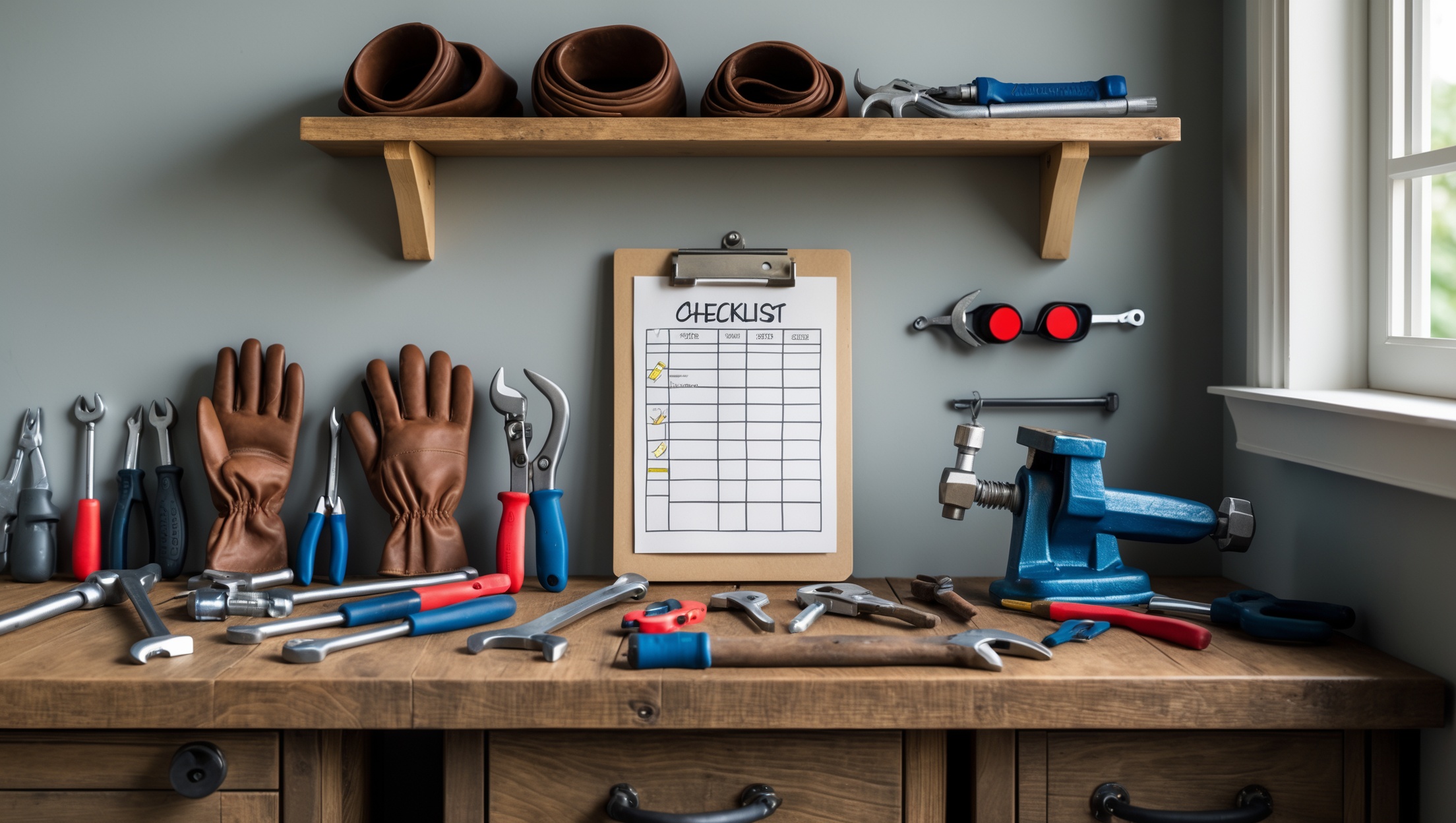
Section 10: Safety Checklist—At a Glance
- Wear all required PPE before starting any job.
- Inspect your tools and work area for hazards.
- Shut off water and electricity as needed.
- Handle chemicals with care—read labels and use ventilation.
- Use ladders and work in confined spaces safely.
- Follow proper lifting and tool handling techniques.
- Keep a first aid kit and emergency contacts accessible.
Conclusion: Make Safety Your Plumbing Superpower
Plumbing projects, whether large or small, demand more than technical skill—they require a steadfast commitment to safety at every step. The risks are real, but with the right preparation and vigilance, you can dramatically reduce your chances of injury or costly mistakes. This checklist isn’t just for professionals; it’s a practical guide for anyone with a wrench in hand. Take time to gear up properly, evaluate each workspace, handle tools and chemicals with care, and always have an emergency plan. When safety is second nature, jobs run smoother, confidence grows, and you protect not only yourself but everyone around you. Make safety your plumbing superpower, and set the standard for every project you tackle. Stay safe, and happy plumbing!



Robert Smith
After a busy weekend plumbing project, what is the best way to clean and store PPE, especially gloves and goggles, so they last longer and don’t get damaged or contaminated between uses?