Plumber Las Vegas News

Your trusted source for plumbing updates, DIY fixes, and industry insights in Las Vegas. Stay informed with practical tips, local trends, and expert advice for homeowners and professionals alike.

Top Plumbing Tools Every DIYer Needs: Selection, Use, and Maintenance

Introduction: Why the Right Plumbing Tools Matter

Plumbing repairs and improvements are among the most approachable DIY projects for homeowners and enthusiastic hobbyists. However, success in plumbing isn’t just about skill or knowledge—it heavily depends on having the right tools for the job. Using the improper equipment can lead to leaks, damage, and frustration, while a well-chosen toolkit empowers you to tackle repairs confidently and safely. This comprehensive guide walks you through the essential plumbing tools every DIYer should own, how to select the best options for your needs, safe and effective usage techniques, and proven maintenance practices to extend the life of your investment. Whether you’re fixing a leaky faucet, unclogging a drain, or upgrading fixtures, the right tool makes all the difference—reducing stress, saving money, and ensuring lasting results.

Core Plumbing Tools for Every DIYer

Adjustable Wrenches

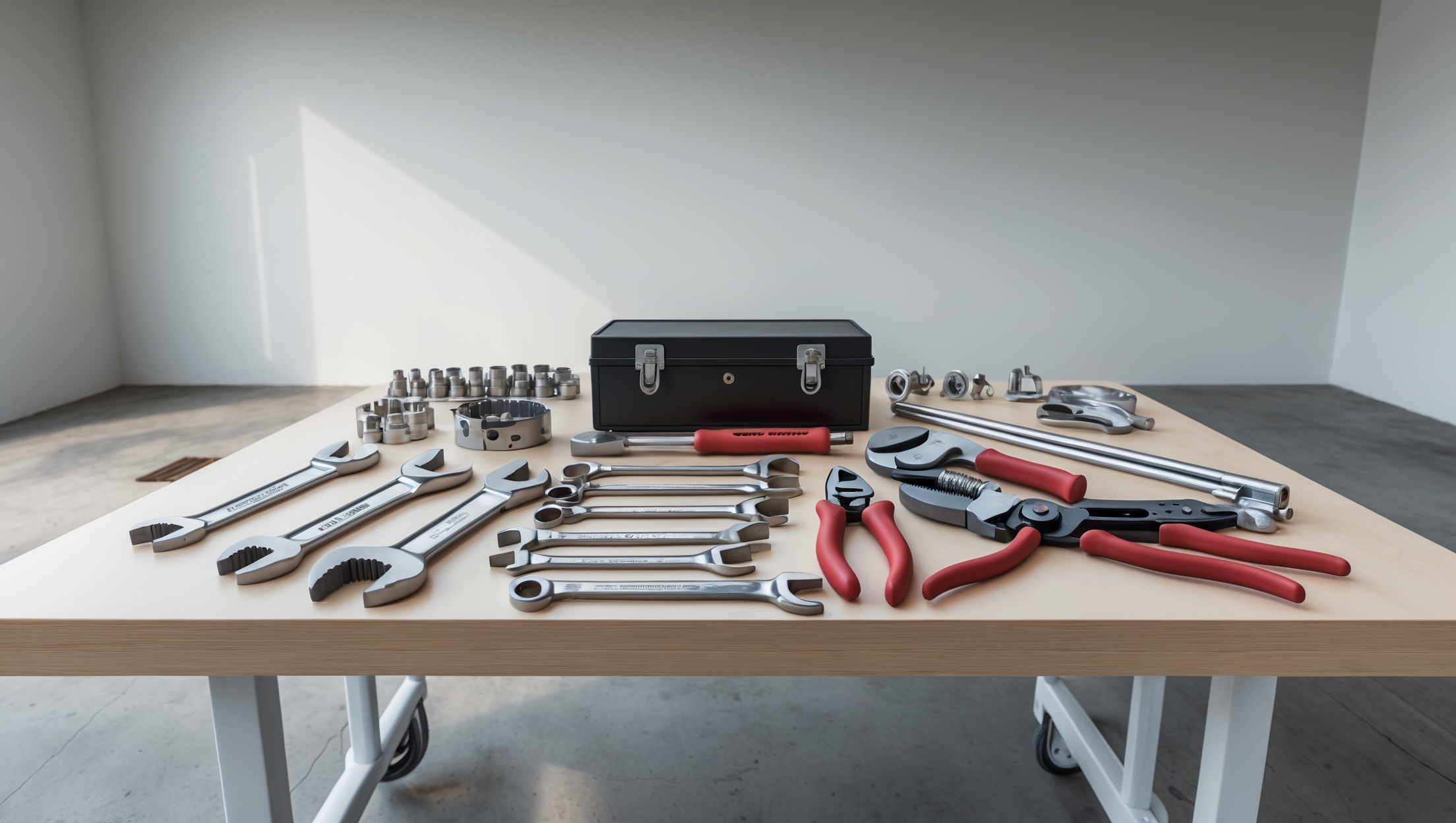
These versatile wrenches are indispensable for gripping, turning, and holding nuts and fittings of various sizes. A quality adjustable wrench with a smooth jaw adjustment will prevent damage to chrome or brass fixtures. Keep at least two sizes (6-inch and 10-inch) in your toolbox to accommodate different tasks.

Pipe Wrenches

Pipe wrenches are designed specifically for gripping round objects like pipes and pipe fittings. Their serrated jaws provide the leverage needed to loosen or tighten threaded pipes. For most residential work, an 18-inch pipe wrench covers a wide range of needs, but a smaller 10-inch version is helpful in tight spaces.

Slip-Joint and Tongue-and-Groove Pliers

Slip-joint pliers are great for general gripping and bending, while tongue-and-groove pliers (often called “Channel-Locks”) excel at turning larger nuts and pipes. Their adjustable jaws allow you to tackle a variety of tasks, from removing supply line nuts to holding pipes steady.

Plumber’s Tape (Teflon Tape)

This thin, non-adhesive tape is wrapped around threaded pipe joints to create a watertight seal and prevent leaks. Always keep a roll or two in your toolbox; it’s essential for any threaded plumbing connection.

Pipe Cutters

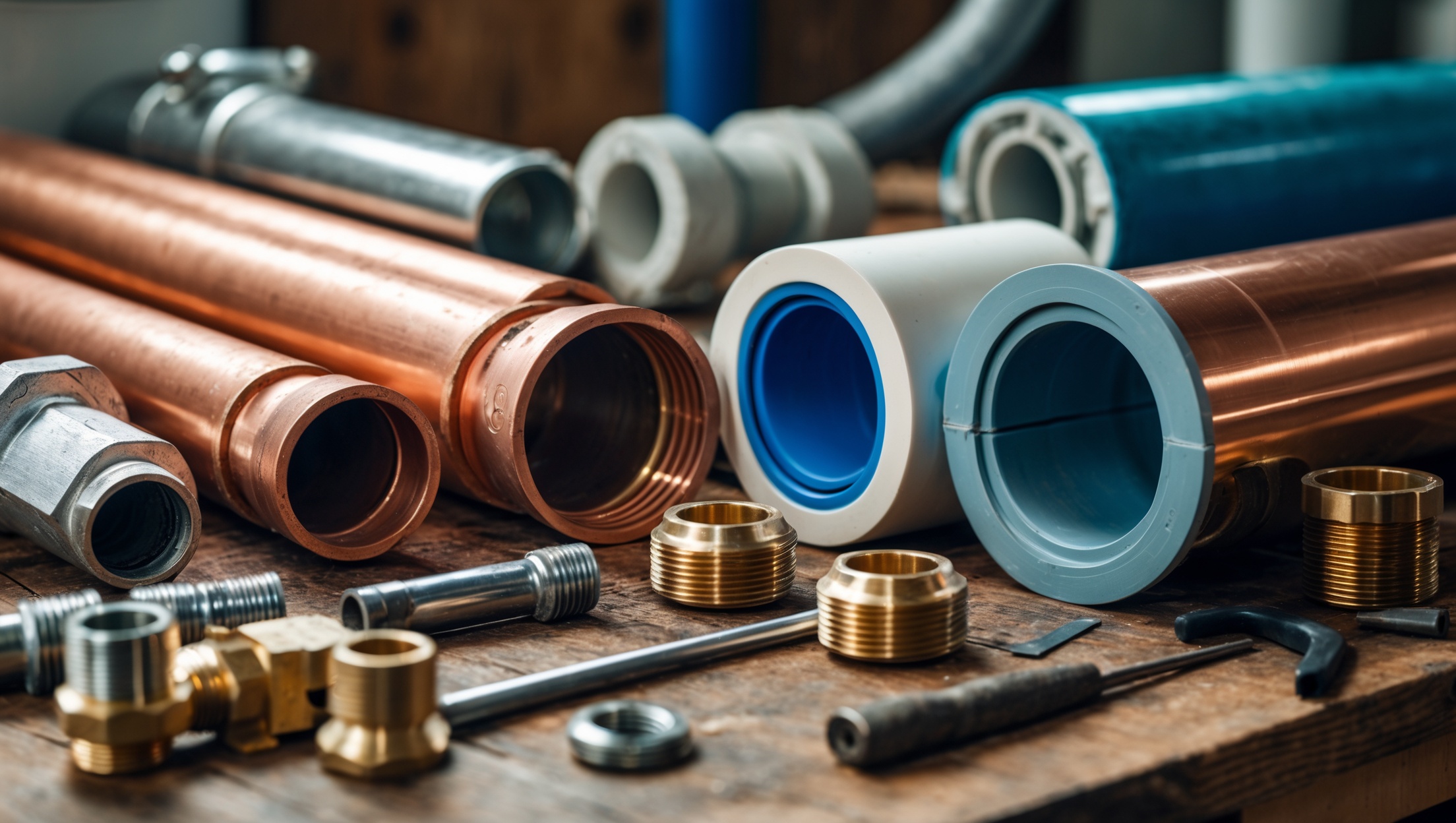
Cutting pipes to precise lengths is a common task. Tube cutters (for copper or plastic) provide clean, burr-free cuts, while hacksaws are useful for cutting through metal or plastic piping in tight spots. Invest in a pipe cutter suited to the materials you’ll most often encounter.

Plunger

The humble plunger remains the first line of defense against clogged sinks, toilets, and tubs. Have both a cup plunger (for sinks and tubs) and a flange plunger (for toilets) on hand for best results.

Drain Auger (Plumber’s Snake)

When a plunger isn’t enough, a hand-crank drain auger can break up or retrieve clogs deep within pipes. For most homeowners, a 25-foot hand auger will resolve common sink and tub blockages.

Basin Wrench

This specialty tool is designed to reach and turn the nuts securing faucets to sinks—often located in tight, hard-to-access spots. Its long handle and pivoting jaw make faucet installation and removal much easier.

Pipe Deburring Tool

After cutting copper or plastic pipes, use a deburring tool to smooth rough edges. This prevents leaks and ensures a better fit when joining pipes.

Other Handy Additions

  • Plumber’s putty for sealing drains and fixtures
  • Measuring tape for accurate cuts and alignment
  • Flashlight or headlamp for illuminating dark spaces
  • Bucket and rags for managing spills and cleanup
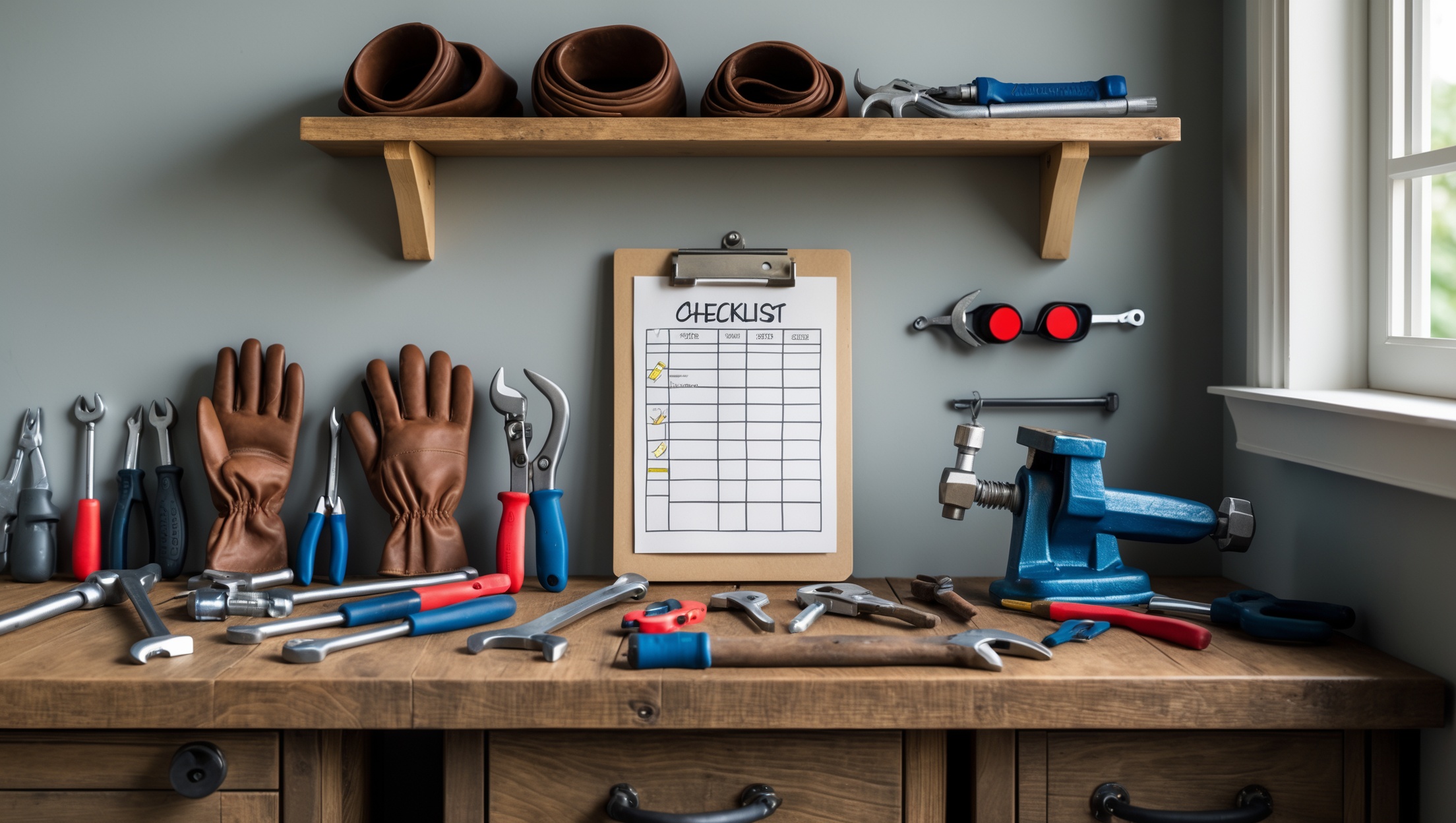
  • Safety gloves and protective eyewear

How to Choose Quality Plumbing Tools

Material and Build Quality

Look for tools constructed from high-grade materials such as hardened steel, which resists bending and rusting. Chrome-plated finishes add corrosion resistance, especially for wrenches and pliers. Avoid bargain-bin tools made from thin, soft metals—they may slip or break under pressure, causing injury or damage.

Comfort and Ergonomics

Plumbing projects often require prolonged grip strength and awkward angles. Tools with cushioned, non-slip handles reduce hand fatigue and provide better control. Test the grip and balance of a tool in person whenever possible.

Size and Application Fit

Choose tool sizes appropriate for your home’s plumbing system. Oversized wrenches won’t fit under sinks, and undersized ones won’t provide enough leverage. If you’re unsure, start with medium sizes; you can expand your kit as you encounter new tasks.

Brand Reputation and Warranties

Trusted brands typically offer better durability and customer support. Many reputable manufacturers back their tools with lifetime warranties, reflecting confidence in their products.

Tool Use: Practical Tips for DIY Plumbing Success

Proper Handling Techniques

  • Always use the correct tool for the job—using pliers on a nut meant for a wrench increases the risk of rounding edges and causing leaks.
  • Apply steady, even pressure. Jerking or over-tightening can crack fittings or strip threads.
  • Secure pipes with one tool while turning fittings with another to prevent stress on soldered or glued joints.
  • Keep threads clean and use plumber’s tape or pipe dope where required for a reliable seal.

Safety Precautions

  • Wear safety goggles when cutting, sawing, or working under sinks to protect against flying debris.
  • Turn off the water supply before disassembling pipes or fixtures.
  • Use gloves when handling sharp-edged pipes or chemicals.
  • Keep your workspace dry to avoid slips and electrical hazards.

Common DIY Mistakes to Avoid

  • Over-tightening fittings: This can damage threads and cause leaks. Tighten firmly, but never force.
  • Using the wrong type of pipe cutter: Tube cutters are for copper and plastic, not steel.
  • Skipping deburring: This leads to poor pipe connections and leaks.
  • Improper use of plumber’s tape: Always wrap in the direction of the threads for a proper seal.

Maintenance: Keeping Your Tools in Top Shape

Cleaning After Use

Wipe down tools with a clean, dry cloth after each project to remove debris, moisture, and corrosive residues. For stubborn grime, use a mild soap solution and dry thoroughly.

Lubrication

Apply a light machine oil to moving parts (like wrench threads and pliers’ joints) every few months to prevent rust and ensure smooth operation. Avoid over-oiling, which can attract grit and cause wear.

Storage Solutions

  • Store tools in a dry, climate-controlled space. Moisture accelerates rust and deterioration.
  • Use a toolbox or tool bag with designated pockets to prevent tools from banging together and dulling cutting edges.
  • Hang larger tools on a pegboard for easy access and to keep surfaces clear.

Inspecting for Wear and Damage

  • Check cutting tools for nicks or dull blades—replace or sharpen as needed.
  • Inspect handles for cracks and grips for slippage. Replace damaged tools immediately to avoid injury.
  • Examine jaws and adjustment mechanisms on wrenches and pliers for smooth operation.

Expanding Your Toolkit: When and What to Add

Assessing Project Needs

As you gain experience and tackle more complex plumbing projects, you may find certain specialty tools invaluable. For example, a faucet seat wrench for repairing leaks in older fixtures, a closet auger for stubborn toilet clogs, or a propane torch for soldering copper pipes. Evaluate each project and invest in new tools only as required—quality is more important than quantity.

Budgeting for Expansion

Set aside a portion of your home maintenance budget for tool upgrades. Prioritize tools that will be used often or that significantly improve efficiency and safety.

Frequently Asked Questions About Plumbing Tools

Can I use standard tools for plumbing jobs?

While some household tools can be adapted for minor plumbing tasks, most plumbing projects require dedicated tools to ensure safety and effectiveness. Using improper tools increases the risk of leaks, damage, or injury.

Should I buy or rent specialized plumbing tools?

For one-off tasks, renting is cost-effective. However, for recurring repairs or ongoing DIY projects, investing in quality tools pays off long-term in convenience and performance.

What’s the best way to learn proper tool use?

Manufacturer guides, reputable online tutorials, and hands-on practice are excellent resources. Always read instructions carefully and start with small, manageable repairs to build confidence.

Conclusion: Building Your DIY Plumbing Confidence

Equipping yourself with the right plumbing tools is a crucial step toward becoming a capable and self-reliant DIYer. By investing in quality essentials—like adjustable and pipe wrenches, reliable pliers, a good pipe cutter, and effective plunging and drain-clearing tools—you lay the groundwork for safe, efficient, and lasting repairs. Remember, tool selection is only the beginning: learning proper techniques, prioritizing safety, and maintaining your equipment will ensure your toolkit serves you for years to come. As your experience grows, so will your understanding of which specialty tools add the most value for your unique projects. Start with the basics, care for your tools, and build your confidence with each successful job. With the right preparation and a commitment to continuous learning, you’ll find that plumbing challenges become opportunities to expand your skills and protect your home investment—one repair at a time.

212 comments
Aaron Clark

When buying tongue-and-groove pliers, are there specific materials or brands that last longer or perform better for typical home DIY scenarios, especially if I’m trying to keep costs down?

    Mario The Plumber

    For home DIY projects, look for tongue-and-groove pliers made from high-carbon steel or chrome vanadium steel, as these materials are durable and resist rust. Brands such as Channellock and Irwin tend to offer good quality at a reasonable price. While you don’t need to buy the top-end models, avoiding very cheap, off-brand pliers will usually get you a tool that lasts and performs well without breaking the bank.

Andrew Miller

How much time should I set aside for maintaining these tools to keep them in good shape? Are there any quick cleaning or storage routines you suggest after using things like adjustable wrenches or pipe wrenches?

    Mario The Plumber

    Setting aside about 10 to 15 minutes after each use is usually enough to keep your plumbing tools in good condition. Wipe down adjustable and pipe wrenches with a clean cloth to remove any grime or moisture. If needed, use a little light oil on moving parts to prevent rust. Always store tools in a dry place, ideally in a toolbox or on a rack, to avoid damage and keep them organized for next time.

Diane Smith

I noticed you recommend Teflon tape for threaded pipe connections. Are there situations where pipe dope or another thread sealant is a better choice, or is Teflon tape usually sufficient for DIY plumbing jobs?

    Mario The Plumber

    Teflon tape is suitable for most household threaded pipe connections, especially for water lines. However, pipe dope (thread sealant paste) can be better for larger threads, gas lines, or situations where vibration might loosen a tape seal. For DIY water plumbing, Teflon tape is usually enough, but always check local codes and the manufacturer’s recommendations for specific applications.

Daniel Harris

Could you share some tips on how to maintain tongue-and-groove pliers properly? Mine tend to get stiff after a while and I’m not sure if I’m cleaning or storing them wrong.

    Mario The Plumber

    To keep your tongue-and-groove pliers working smoothly, wipe them clean after each use to remove dirt and moisture, which can cause rust. Apply a light machine oil to the joint and moving parts regularly. If they get stiff, work a drop of oil into the joint and open and close them several times. Store them in a dry place, ideally in a toolbox or on a pegboard, rather than leaving them exposed to damp air.

Ashley Taylor

I’m looking to start building my own plumbing toolkit on a tight college budget. Which of the core tools listed here would you recommend buying first, and are there any decent affordable brands you suggest for beginners?

    Mario The Plumber

    Starting your toolkit on a budget, I’d recommend prioritizing an adjustable wrench, pipe wrench, and a plunger—these cover most basic plumbing fixes. For affordability and reliability, brands like Stanley, Irwin, and Husky offer good quality for beginners without breaking the bank. If you can, check local hardware stores or online marketplaces for deals, and consider buying a basic tool set that includes several essentials at once.

Brian Sanchez

Since space can be tight when working under sinks, do you have tips for choosing between slip-joint pliers and tongue-and-groove pliers for those situations, or would one be a better investment than the other for a beginner?

    Mario The Plumber

    When working under sinks where space is limited, tongue-and-groove pliers (often called channel locks) tend to offer more versatility because their adjustable jaws can grip different sizes of nuts and pipes. They also have thinner handles, making them easier to maneuver in tight spots. Slip-joint pliers are more basic but less adaptable in terms of jaw size. If you’re starting out, investing in tongue-and-groove pliers is usually more practical for most plumbing tasks.

Helen Williams

I often struggle with tight spaces under sinks. Do you have any tips or tool recommendations from your list that work especially well in cramped areas for someone doing solo repairs?

    Mario The Plumber

    Working under sinks can be tricky due to limited space. A basin wrench from the recommended tools list is especially useful for reaching nuts in tight spots behind sinks. Its long handle and swiveling jaw help you loosen or tighten fittings without needing much room. Also, a compact adjustable wrench and a headlamp can make solo repairs much easier when space and visibility are limited.

Susan Clark

You mention both adjustable wrenches and pipe wrenches as essentials, but for someone just starting out, is it necessary to buy both right away? Can one substitute for the other in basic household plumbing repairs?

    Mario The Plumber

    While adjustable wrenches and pipe wrenches may look similar, they serve different purposes. Adjustable wrenches work well for nuts and bolts with flat sides, while pipe wrenches are designed to grip round pipes securely. For very basic plumbing repairs, you might get by with just an adjustable wrench, but as soon as you encounter stuck or round pipes, a pipe wrench is essential. If you can, start with an adjustable wrench and add a pipe wrench as you take on more projects.

Mark Rodriguez

If I want to replace a bathroom faucet, would these core tools be enough, or are there additional specialty tools I should pick up to avoid running into trouble during installation?

    Mario The Plumber

    The core tools listed in the article, such as an adjustable wrench, basin wrench, plumber’s tape, and a bucket, will cover most faucet replacements. However, depending on your faucet and sink setup, you might also need a flashlight for visibility, a putty knife to remove old sealant, and possibly a small hacksaw if old bolts are rusted. Having these on hand can make the job smoother.

Michelle Davis

You mentioned maintenance practices for extending the life of plumbing tools. What are some simple steps I can take after each DIY project to keep my tools in good condition, especially if I only use them occasionally?

    Mario The Plumber

    After each DIY project, wipe your tools clean to remove dirt and moisture. Dry them thoroughly to prevent rust, especially on metal parts. If any tools have moving joints, add a drop of light oil to keep them smooth. Store your tools in a dry, organized place—ideally in a toolbox or on a shelf—to protect them from humidity and damage. These simple habits will help your tools last longer, even if you only use them occasionally.

Brian Gonzalez

What’s the most common mistake that beginners make when using slip-joint or tongue-and-groove pliers? I want to make sure I handle these tools properly and avoid damaging pipes or fittings.

    Mario The Plumber

    One common mistake beginners make with slip-joint or tongue-and-groove pliers is using too much force, which can crush or damage pipes and fittings, especially if they’re made of softer materials like copper or plastic. It’s also important to adjust the pliers to fit snugly around the object and to grip it firmly without over-tightening. Always make sure your grip is controlled to avoid slipping and causing accidental damage.

Jennifer Lee

You mention keeping both a 6-inch and a 10-inch adjustable wrench on hand. I often see sets with even larger sizes included—are there specific residential situations where a bigger adjustable wrench is really needed, or are these two sizes enough for most DIY plumbing jobs?

    Mario The Plumber

    For most residential plumbing tasks, a 6-inch and 10-inch adjustable wrench will cover the majority of situations, such as tightening or loosening supply lines and smaller fittings. Larger adjustable wrenches (like 12-inch or bigger) are rarely needed for typical home plumbing, unless you’re dealing with unusually large pipes or old, stubborn fittings found in older homes. For most DIYers, sticking with the two mentioned sizes is sufficient.

Matthew Johnson

For a beginner trying to put together a basic plumbing toolkit, what are the most important factors to consider to avoid overspending but still get reliable tools that will last?

    Mario The Plumber

    Focus on buying essential tools first, like an adjustable wrench, pipe wrench, plunger, pipe cutter, and a quality measuring tape. Look for mid-range brands with good reviews rather than the cheapest options, as they tend to last longer. Avoid large kit bundles with lots of unnecessary extras. Prioritize sturdy materials like steel and check for solid grips. This approach will help you build a reliable toolkit without spending more than necessary.

Linda Jones

The article suggests an 18-inch pipe wrench as the main size for residential work, but would a smaller or larger pipe wrench be necessary for any common plumbing jobs, or is the 18-inch usually enough for most situations?

    Mario The Plumber

    An 18-inch pipe wrench is very versatile and handles most residential plumbing tasks well. However, for tight spots or small pipes (like under sinks), a 10- or 12-inch wrench is more practical. For larger pipes or jobs where extra leverage is needed (such as water heater connections or old, stuck fittings), a 24-inch wrench can be helpful. Having a smaller and a larger wrench alongside your 18-inch one covers almost any situation you’ll encounter.

Helen Rodriguez

If a DIYer wants to upgrade their fixtures rather than just repair them, are there additional tools beyond what’s listed here that you’d recommend picking up before starting the project?

    Mario The Plumber

    For fixture upgrades, you might want to add a basin wrench for hard-to-reach nuts under sinks, a tubing cutter if you’re working with copper pipes, and possibly a set of adjustable wrenches for different sizes. Plumber’s putty and Teflon tape are also handy for sealing. Make sure you have the right supply lines and connectors for your new fixtures, as compatibility is key for a smooth installation.

Megan Ramirez

How do you know when you need to use plumber’s tape versus other sealing methods like pipe dope? Are there certain situations when one is better than the other for DIY projects?

    Mario The Plumber

    Plumber’s tape, or Teflon tape, works best for sealing threaded pipe joints, especially on water and air lines, since it prevents leaks and is easy to apply. Pipe dope, or pipe joint compound, is better for metal-to-metal threaded connections and can handle higher pressures or temperatures. For most DIY home repairs, use plumber’s tape on standard threaded fittings and pipe dope for heavy-duty or metal gas lines. Always check the manufacturer’s recommendations for your specific project.

Joseph Lewis

For someone starting out and looking to save money, which of the core tools you listed is absolutely essential to buy first, and which could you potentially borrow or delay purchasing for most basic plumbing tasks?

    Mario The Plumber

    For beginners, a good adjustable wrench and a quality plunger are truly essential—they cover most simple plumbing fixes and are worth owning right away. Other tools like a pipe wrench, basin wrench, or plumber’s tape can often be borrowed or purchased later as you encounter more specific projects. This way, you can tackle most basic plumbing tasks upfront without spending too much.

Susan Thomas

For beginners looking to build their toolkit without spending too much, which of the tools listed would you say are absolutely essential to start with, and which ones can be picked up later as needed?

    Mario The Plumber

    For beginners, it’s best to start with a few basic essentials: an adjustable wrench, a pipe wrench, a plunger, a pipe cutter, and plumber’s tape. These cover most minor plumbing fixes and installations. Tools like a basin wrench, tubing cutter, and specialty pipe benders can be added later as you tackle more advanced projects. This way, you keep your initial costs low but are still prepared for common repairs.

Michael Robinson

If I plan on tackling a few plumbing projects over a single weekend, how much time should I set aside for cleaning and maintaining my tools afterward to keep them in good working order?

    Mario The Plumber

    For a weekend of plumbing projects, you should set aside about 20 to 30 minutes at the end to clean and maintain your tools. This includes wiping them down, drying them thoroughly, and checking for any signs of wear or rust. Regular upkeep like this ensures your tools last longer and work properly the next time you need them.

Susan Smith

I noticed the article suggests keeping both 6-inch and 10-inch adjustable wrenches. As someone just starting out, would it be okay to purchase only one size to begin with, or is it really necessary to have both right away?

    Mario The Plumber

    You can definitely start with just one adjustable wrench, especially if you’re on a budget or just beginning. A 10-inch adjustable wrench is more versatile and can handle a wider range of plumbing tasks. As you gain experience and take on more projects, you might find it helpful to add a 6-inch wrench for tighter spaces, but it’s not essential right at the start.

Kimberly Lee

You note that 18-inch pipe wrenches are versatile for most residential jobs, but also recommend a smaller 10-inch one for tight spaces. Is there a significant difference in leverage or safety between the two when working on stubborn fittings?

    Mario The Plumber

    Yes, there is a noticeable difference between the 18-inch and 10-inch pipe wrenches. The 18-inch wrench provides much more leverage, making it easier and safer to loosen stubborn or rusted fittings without straining yourself. The 10-inch wrench is handy for tight spots but requires more effort and may slip if used on tough fittings. For stubborn jobs, stick with the larger wrench whenever space allows.

James Lee

Can you share some maintenance tips for keeping plumber’s tape effective over time? I sometimes find mine getting brittle or tearing when I try to use it after storing it for a while.

    Mario The Plumber

    To keep plumber’s tape in good condition, store it in a cool, dry place away from direct sunlight and heat, as exposure can make it brittle over time. Make sure the tape stays in its original container or a sealed plastic bag to protect it from dust and moisture. Avoid heavy pressure or squishing the roll, which can cause creases and weak spots.

Joshua Clark

I noticed you recommend having both 6-inch and 10-inch adjustable wrenches. Is there ever a situation where one wrench alone would suffice, or do most plumbing tasks usually require having both sizes on hand?

    Mario The Plumber

    While you can handle some basic plumbing jobs with just one adjustable wrench—like tightening a single nut or bolt—the two sizes serve different purposes. The 6-inch wrench is ideal for tight spaces and small fittings, while the 10-inch wrench offers more leverage for larger connections. For most DIY plumbing tasks, having both gives you better flexibility and makes it easier to grip and turn fittings of different sizes.

Ashley Martinez

You mention having both 6-inch and 10-inch adjustable wrenches in your toolkit. For a beginner tackling mostly small plumbing jobs like leaky faucets, is it really necessary to have both sizes, or could I get by with just one to start?

    Mario The Plumber

    For most small plumbing jobs like fixing leaky faucets, a single adjustable wrench—preferably the 10-inch size—should be enough to start with. The larger size offers more versatility and leverage for slightly bigger fittings, while still being manageable for smaller tasks. You can always add a 6-inch wrench later if you find you need something more compact for tight spaces.

William Lewis

After assembling the core plumbing tools, what’s the best way to practice using them safely before an actual emergency or repair comes up? Are there simple DIY projects you’d recommend starting with for beginners?

    Mario The Plumber

    Once you have your basic plumbing tools, you can practice using them by tackling low-risk projects around the house. Try fixing a leaky faucet, replacing a showerhead, or changing out a toilet flapper—these are simple tasks that let you get comfortable with tools like wrenches and pliers. Always shut off the water supply before starting, and wear protective gloves and goggles for safety. This hands-on experience will boost your confidence for more urgent repairs later on.

Joshua Lee

I noticed you recommend having both 6-inch and 10-inch adjustable wrenches in a basic plumbing toolkit. Is there a certain type of plumbing task where the size difference really matters, or could I get by with just one size to save space?

    Mario The Plumber

    The size difference between 6-inch and 10-inch adjustable wrenches can matter when working in tight spaces or with different fitting sizes. The 6-inch wrench is great for small, confined areas, while the 10-inch offers more leverage for larger nuts and fittings. If you often work in cramped spots or on a variety of fixtures, having both is helpful. However, for occasional or basic tasks, you could get by with just the 10-inch, as it’s more versatile overall.

Thomas Martinez

Could you discuss any specific maintenance tips for adjustable wrenches to prevent them from sticking or wearing out, especially since the article emphasizes keeping tools in top condition?

    Mario The Plumber

    To keep your adjustable wrench in good shape, regularly clean it after use to remove dirt and debris, especially from the moving jaw. Apply a light machine oil to the adjustment screw and moving parts to keep them operating smoothly and prevent rust. Store the wrench in a dry place and avoid overtightening to prevent wear on the mechanism.

Joseph Lopez

If I only have the budget to buy one size of pipe wrench to start, would you suggest going with the 18-inch for broader use, or is it better to get the 10-inch for common smaller repairs?

    Mario The Plumber

    If you’re just starting out and will mostly be handling tasks like fixing faucets or under-sink pipes, a 10-inch pipe wrench is more manageable and works well for common household repairs. However, if you anticipate working with larger pipes or want something more versatile, the 18-inch offers greater reach and leverage, though it’s heavier. For most DIY homeowners, starting with the 10-inch is usually sufficient.

Betty Smith

For someone interested in tackling their first plumbing project this weekend, approximately how long would it take to assemble a basic toolkit with all the core items you listed, assuming local availability?

    Mario The Plumber

    If your local hardware store is well stocked, you can generally assemble a basic plumbing toolkit with the core items in about 1 to 2 hours. This includes time for browsing, comparing brands or prices, and asking for advice if needed. Make a checklist before you go to help the process go smoothly and avoid missing anything important.

John Miller

For someone on a tight budget trying to assemble a plumbing toolkit from scratch, which of these core tools would you prioritize buying first, and which ones could be temporarily borrowed or improvised?

    Mario The Plumber

    If you’re starting out on a budget, prioritize buying a good adjustable wrench, pliers (like tongue-and-groove), and a pipe wrench, as these are essential for most plumbing tasks and worth owning. Items like a pipe cutter, basin wrench, or plumber’s snake can sometimes be borrowed from friends or rented from hardware stores when needed. For some minor tasks, you could even improvise with basic household tools, but investing in those core items will save you time and frustration.

Linda Perez

If you run into a stubborn, corroded pipe that won’t budge even with an 18-inch pipe wrench, what would you suggest as the next step for a DIYer before calling a professional?

    Mario The Plumber

    If the pipe won’t budge with your 18-inch wrench, try applying penetrating oil to the joint and let it soak in for at least 15–30 minutes. You can also gently tap the fitting with a hammer to help break up corrosion. If that still doesn’t work, using a longer wrench for extra leverage could help, but be cautious not to damage the pipe. If there’s still no movement, it’s safer to consult a professional.

Donna Harris

For someone on a tight budget trying to assemble their first plumbing toolkit, which of these core tools would you prioritize purchasing first, and are there any safe alternatives for less frequently used tools?

    Mario The Plumber

    If you’re starting out on a budget, focus on the essentials like an adjustable wrench, a pipe wrench, a plunger, and a pipe cutter. These will handle most basic plumbing tasks. For tools you’ll use less often, consider borrowing from friends or renting from a hardware store instead of buying right away. This way, you get what you need without overspending.

Julie Williams

Can you explain a bit more about how to choose between a 6-inch and 10-inch adjustable wrench for different plumbing tasks? I am not sure when the smaller or larger size is more useful.

    Mario The Plumber

    A 6-inch adjustable wrench is best for tight spaces and smaller fittings, such as under sinks or when working with compression nuts. The compact size lets you maneuver easily where space is limited. A 10-inch wrench is better for larger nuts, bolts, or fittings found on bigger pipes, and provides more leverage for tough jobs. Choose the size that matches the space and fitting you’re working with—smaller for accessibility, larger for strength.

Emily Anderson

When using tongue-and-groove pliers in tight spaces, I sometimes struggle with slipping or not getting a good grip. Do you have advice for ensuring a secure hold without damaging the pipe or fitting?

    Mario The Plumber

    To get a better grip with tongue-and-groove pliers in tight spaces, make sure the jaws are adjusted to fit the pipe snugly before applying pressure. Try wrapping a thin layer of cloth or rubber around the pipe to protect it from scratches and help prevent slipping. Applying slow, steady pressure rather than quick force can also improve control and reduce the risk of damaging the fitting.

Thomas Brown

How much time should a complete novice expect to spend learning to properly use each of these tools before attempting their first plumbing repair project?

    Mario The Plumber

    For a complete novice, it usually takes about 1 to 2 hours to become comfortable with each basic plumbing tool like a pipe wrench, plunger, or adjustable spanner. Watching short tutorials and practicing on scrap materials helps a lot. Altogether, expect to spend a few evenings learning and practicing before tackling your first plumbing repair project with confidence.

Lisa Johnson

If someone is new to DIY plumbing and working with a limited budget, which of these core tools would you say are absolutely essential to buy first, and which ones can wait until later projects?

    Mario The Plumber

    For beginners on a budget, start with a quality adjustable wrench, pliers (like tongue-and-groove pliers), a pipe wrench, a plumber’s tape (Teflon tape), and a plunger. These cover most basic repairs. Tools like pipe cutters, basin wrenches, and drain snakes are useful, but you can wait to buy them until you tackle more advanced projects or specific issues.

Michael Wilson

After assembling the basic toolkit recommended here, which additional plumbing tool would you suggest purchasing next for someone planning to tackle bigger projects, like replacing sections of pipe or upgrading bathroom fixtures?

    Mario The Plumber

    Once you have the basic toolkit, a pipe cutter would be a valuable next purchase, especially for projects involving replacing sections of pipe. It allows you to make clean, precise cuts in copper, PVC, or PEX pipes, which is essential for fitting new sections or fixtures securely. For larger bathroom upgrades, consider adding a basin wrench and an adjustable tubing bender to make installation and adjustments easier.

Margaret Clark

For a first-time DIYer, how do you actually know when to use an adjustable wrench versus a pipe wrench? In the article, both are recommended but I’m not sure where the line is between jobs for each tool.

    Mario The Plumber

    An adjustable wrench is best for tightening or loosening nuts and bolts with flat sides, like those found on faucets or supply lines. A pipe wrench, on the other hand, is designed for gripping and turning round pipes or fittings that don’t have flat edges. If you’re working with plumbing pipes themselves, go for the pipe wrench; if you’re dealing with hex-shaped nuts, use the adjustable wrench.

Michael Hernandez

For someone who hasn’t done much plumbing before, how long does it usually take to get comfortable using tongue-and-groove pliers or other specialized tools? Any tips for practicing before tackling a real repair?

    Mario The Plumber

    Most beginners get comfortable with tongue-and-groove pliers and similar plumbing tools after a few hours of hands-on practice. Try using the pliers to grip and turn different sizes of pipes and fittings you have at home, or practice on spare materials. Focus on adjusting the jaws properly and applying steady pressure. Watching a couple of tutorial videos and practicing the correct grip and movement can really boost your confidence before you handle an actual repair.

Mary Johnson

You highlighted tongue-and-groove pliers for working with larger nuts and pipes. How do these compare to regular slip-joint pliers in terms of versatility for someone just starting with DIY repairs?

    Mario The Plumber

    Tongue-and-groove pliers, often called channel locks, provide a wider jaw adjustment than regular slip-joint pliers. This makes them ideal for gripping larger pipes and irregular shapes, which slip-joint pliers can’t handle as easily. For general home plumbing tasks, tongue-and-groove pliers are usually more versatile and can tackle a broader range of jobs for beginners.

Elizabeth Rodriguez

If I accidentally use the wrong size wrench and slightly strip a pipe fitting, is there a way to fix it, or do I need to replace the fitting completely?

    Mario The Plumber

    If the pipe fitting is only slightly stripped, you may be able to repair it by gently reshaping the threads using a thread file or a tap and die set, making sure the threads are clean and undamaged. However, if the damage is severe and the fitting cannot be tightened securely, it’s safer to replace it to avoid future leaks. Always use the correct size wrench to prevent this issue.

Barbara Martinez

You mention having both 6-inch and 10-inch adjustable wrenches on hand for different tasks. For someone just starting a basic plumbing toolkit, is it truly necessary to get both sizes upfront, or can most beginner repairs get by with just one?

    Mario The Plumber

    For most beginner plumbing repairs, starting with just one adjustable wrench—typically the 10-inch size—should cover most basic needs. The 10-inch wrench offers good leverage and fits a wider range of nuts and fittings. As you tackle more varied projects or work in tighter spaces, you can consider adding a 6-inch wrench later for better access and convenience.

Charles Miller

For someone trying to assemble a basic toolkit on a budget, which tools from your list are absolutely essential, and which can be picked up later as needed?

    Mario The Plumber

    For a basic and budget-friendly plumbing toolkit, start with a pipe wrench, adjustable wrench, plunger, plumber’s tape, and a set of screwdrivers. These cover most minor repairs and emergencies. Tools like a basin wrench, pipe cutter, and drain snake are great additions but can usually be purchased later if specific projects require them.

William Sanchez

I noticed you recommend having both 6-inch and 10-inch adjustable wrenches. Is it really necessary to invest in multiple sizes right away, or can I get by with just one for most basic plumbing tasks when starting out?

    Mario The Plumber

    Having both 6-inch and 10-inch adjustable wrenches is helpful because they handle different sizes of nuts and fittings, but you don’t need both right away. For most basic plumbing tasks, a single 10-inch adjustable wrench should cover almost everything you’ll encounter as a beginner. You can always add the smaller size later if you find you need it for tight spaces.

Daniel Lopez

If I’m on a tight budget and need to prioritize, which three tools from your essential list would you say are absolutely critical to get started with simple plumbing DIY projects?

    Mario The Plumber

    If you’re working with a limited budget, I’d recommend starting with an adjustable wrench, a pipe wrench, and a plumber’s tape (Teflon tape). These three tools will let you handle most basic plumbing tasks like tightening or loosening fittings and ensuring leak-free joints. As you tackle more projects, you can gradually add other tools to your kit.

Nancy Gonzalez

I noticed you recommend using plumber’s tape for threaded connections, but is there a specific brand or type that holds up best for DIYers, especially if we’re working on older pipes that might have some corrosion?

    Mario The Plumber

    For most DIY projects, standard PTFE (Teflon) plumber’s tape works well, even on older pipes. Look for a thicker, high-density tape, as it provides better sealing, especially if threads are worn or slightly corroded. Brands like RectorSeal or Blue Monster are popular among DIYers for their durability. Be sure to clean the threads as much as possible before applying the tape for the best results.

Sarah Brown

You mentioned plumber’s tape as an essential tool, but what are some common mistakes DIYers make when applying it, and how can I avoid leaks when using it on threaded fittings?

    Mario The Plumber

    A common mistake with plumber’s tape is wrapping it in the wrong direction—always wrap clockwise, in the same direction as the threads, so it doesn’t unravel when tightening the fitting. Another error is using too little or too much tape; 2–3 layers are usually enough. Also, make sure to start wrapping a thread or two back from the end, so tape doesn’t get into the pipe and cause blockages. Following these steps helps ensure a proper seal and prevents leaks.

Robert Garcia

In the section about adjustable wrenches, you mention keeping at least two sizes on hand for different tasks. Are there particular brands or materials you recommend to ensure durability and prevent the jaws from loosening over time?

    Mario The Plumber

    For long-lasting adjustable wrenches, look for brands like Channellock, Crescent, or Bahco, as they have strong reputations for durability. Opt for wrenches made from forged alloy steel or chrome vanadium steel, which resist wear and minimize jaw loosening. Also, check that the adjustment mechanism feels smooth and solid—cheaper options can develop play over time, so investing in a quality brand pays off in the long run.

Kimberly Jackson

You mention both 10-inch and 18-inch pipe wrenches for residential work. Are there particular tasks where the larger wrench is essential, or could most jobs be handled with the 10-inch size alone for those trying to minimize their toolkit?

    Mario The Plumber

    The 10-inch pipe wrench is great for most common plumbing tasks like tightening or loosening small to medium pipes and fittings. However, the 18-inch wrench becomes essential when dealing with larger pipes, stubborn fittings, or jobs that require extra leverage. If most of your work is on typical household plumbing (up to about 1.5-inch pipes), the 10-inch should suffice, but for older homes or larger projects, having the 18-inch can save a lot of effort.

Kimberly Ramirez

Can you explain the best maintenance routines for pipe wrenches? I’d like to keep mine in good working order, but I’m not sure if I need to lubricate or clean them after each use.

    Mario The Plumber

    To keep your pipe wrenches in great shape, wipe them down after each use to remove dirt and moisture. Lubricate the moving parts, especially the adjustment nut and jaw threads, every few uses or when they start to feel stiff. Store your wrench in a dry place to prevent rust. Occasional inspections for wear or damage will also help extend its life.

Elizabeth Williams

If someone is on a tight budget, which of the core tools you list would you prioritize purchasing first for the most common home plumbing tasks, and are there any reliable brands you recommend for beginners?

    Mario The Plumber

    For those on a tight budget, start with an adjustable wrench, a plunger, and a pipe wrench, as these handle the most frequent plumbing issues like leaks and clogs. Channel-lock pliers are also very useful if you can stretch your budget a bit. For reliable beginner brands, consider Stanley, Irwin, or Husky, which offer good quality at affordable prices and are widely available in most hardware stores.

Susan Rodriguez

I’m just starting out with basic plumbing repairs, and I noticed you mentioned keeping both 6-inch and 10-inch adjustable wrenches. Is there ever a situation where a larger or smaller size would be necessary for typical home plumbing, or are these two sizes enough for most projects?

    Mario The Plumber

    For most common home plumbing tasks, a 6-inch and a 10-inch adjustable wrench will handle the majority of fittings and nuts you’ll encounter. Occasionally, you might need a larger wrench, like a 12-inch or 14-inch, for bigger pipes or stubborn joints. Smaller wrenches can be helpful in very tight spaces, but usually, your two suggested sizes cover most needs for DIY repairs.

Sarah Jackson

What would you recommend as a good entry-level brand for adjustable wrenches that won’t damage chrome fixtures? I want something affordable but don’t want to risk scratching up the bathroom hardware.

    Mario The Plumber

    For an entry-level adjustable wrench that’s gentle on chrome fixtures, consider brands like Stanley or Irwin. They’re affordable, widely available, and have smooth jaw surfaces to reduce scratching. To be extra safe, always wipe the jaws clean before use and consider wrapping the jaws with a thin layer of electrical tape to protect delicate finishes.

James Gonzalez

If I’m just starting out and on a tight budget, which three plumbing tools from your list should I absolutely invest in first to cover most common DIY plumbing problems?

    Mario The Plumber

    If you’re just beginning and want to cover the most common plumbing issues, I recommend starting with an adjustable wrench, a pipe wrench, and a plunger. The adjustable wrench is versatile for tightening or loosening fittings, the pipe wrench is essential for gripping and turning pipes, and the plunger will help you deal with basic clogs. These three tools should handle most basic repairs and maintenance jobs.

Michelle Martin

I’m on a tight budget and just starting out with DIY plumbing. Out of the core tools listed, which ones should I prioritize first to handle the most common issues, and which can I potentially wait to buy later?

    Mario The Plumber

    To get started with DIY plumbing on a budget, prioritize buying a pipe wrench, adjustable wrench, plunger, and a basic pipe cutter—these will help you tackle the most common plumbing issues like leaks and clogs. Tools like a basin wrench or plumber’s snake are useful but can usually wait until you encounter more specific problems.

Aaron Harris

If I’m looking to build a starter toolkit on a tight budget, which plumbing tools from your list are truly essential to have right away, and which ones can I add later as I take on more advanced DIY projects?

    Mario The Plumber

    For a basic plumbing toolkit on a budget, start with essentials like a pipe wrench, adjustable wrench, plunger, plumber’s tape, and a basin wrench. These will handle most simple repairs and fixes around the house. You can add tools like a pipe cutter, hacksaw, and a hand auger later as you tackle more complex projects or repairs. This approach keeps costs down while letting you build your collection gradually.

Jason Gonzalez

The article talks about using both 6-inch and 10-inch adjustable wrenches. For someone on a tight budget starting out, would it be OK to just get one size, and which would be more versatile for common plumbing tasks?

    Mario The Plumber

    If you need to choose just one adjustable wrench to start with, the 10-inch size is generally more versatile for most plumbing jobs. It can handle a wider range of fittings and pipes, while a 6-inch wrench might be too small for some tasks. Starting with the 10-inch wrench should cover most basic DIY plumbing needs.

Mary Lewis

How often should basic plumbing hand tools like pipe wrenches and adjustable wrenches be cleaned or maintained to keep them in good shape? Is there a simple maintenance routine I can follow between projects?

    Mario The Plumber

    Wipe down your pipe wrenches and adjustable wrenches after each use to remove dirt and moisture, which helps prevent rust. Once a month or after heavy use, check for any buildup, apply a light oil to moving parts, and inspect for damage. Store them in a dry place. This simple routine will keep your tools working well between projects.

Robert Hernandez

If I’m planning to upgrade some bathroom fixtures this weekend, about how much time should I set aside for selecting and buying the right plumbing tools, assuming I don’t have any yet? Any advice for making sure I don’t overlook something essential?

    Mario The Plumber

    If you’re starting from scratch, allow about 1 to 2 hours for selecting and buying your plumbing tools. This gives you time to research, compare options, and ask for advice at the store if needed. Make a checklist of essentials mentioned in the article—like pipe wrenches, adjustable pliers, Teflon tape, and a pipe cutter—so you don’t miss anything important. Checking your specific fixture instructions can also help ensure you have all the right tools before you start.

Aaron Smith

I’m trying to build a basic plumbing toolkit on a budget. Which tools from your list would you say are absolutely necessary to start with, and which ones could I add later as I take on more complex DIY plumbing projects?

    Mario The Plumber

    To start a basic plumbing toolkit on a budget, focus on essentials like an adjustable wrench, a pipe wrench, a plunger, a pipe cutter, and a pair of channel-lock pliers. These will handle most common repairs and maintenance. As you move to more advanced projects, you can add tools like a basin wrench, a hacksaw, a pipe threader, and a plumber’s torch. Starting with the basics lets you tackle simple fixes without overspending.

Tyler Martinez

For maintenance, do you have any specific tips on how to keep pipe wrenches and pliers in the best condition? I’ve had tools rust over time, and I’m wondering if there’s a preferred way to clean or store these after using them on wet pipes.

    Mario The Plumber

    To keep your pipe wrenches and pliers in top shape, always dry them thoroughly after use, especially if they’ve been in contact with water. Wipe them down with a cloth, then apply a light coat of machine oil to prevent rust. Store them in a dry area, ideally in a toolbox or on a pegboard, and avoid leaving them in damp environments like basements or garages.

Nathan Sanchez

Could you explain how to tell when plumber’s tape (Teflon tape) is necessary versus when you can skip it? I sometimes wonder if I’m overusing it or not using enough on threaded fittings.

    Mario The Plumber

    Plumber’s tape (Teflon tape) is essential whenever you’re connecting threaded metal or plastic pipes that carry water, air, or gas, as it helps seal the threads and prevents leaks. You can usually skip it if you’re working with compression fittings or fittings that have a rubber washer or gasket, since those already provide a seal. For threaded fittings, wrap the tape 2–3 times around the threads, keeping it snug but not bulky.

Robert Jones

For someone completely new to DIY plumbing, how much time should I expect to spend learning to use these core tools safely before attempting basic repairs like fixing a leaky faucet?

    Mario The Plumber

    For someone new to DIY plumbing, you should plan to spend at least a couple of hours learning how to use core tools safely before tackling basic repairs like fixing a leaky faucet. Take time to read the instructions, watch tutorials, and practice handling tools like adjustable wrenches and pipe wrenches. This initial investment helps you work safely and builds confidence for simple repairs.

Jennifer Sanchez

For someone on a tight budget just starting with DIY plumbing, which three tools from your list should be prioritized first, and are there any affordable but reliable brands you’d recommend?

    Mario The Plumber

    For beginners on a tight budget, the top three plumbing tools to prioritize are an adjustable wrench, a pipe wrench, and a plunger. These cover most basic repairs and emergencies. For affordable yet reliable brands, consider Stanley or Irwin for wrenches, and Korky or simple heavy-duty rubber plungers. These brands generally offer good quality without being expensive.

Sarah Martinez

The excerpt talks about the importance of using Teflon tape on threaded pipes, but I’ve always been unsure exactly how much to wrap and in which direction. Could you explain the best technique for applying plumber’s tape properly?

    Mario The Plumber

    When applying Teflon (plumber’s) tape, start by wrapping the tape on clean, dry threads of the male pipe end. Hold the tape tight and wrap it clockwise—the same direction the fitting will turn when assembling—so it doesn’t unravel. Typically, 2 to 3 full wraps are enough to create a proper seal. Smooth the tape down to ensure it sits flat and doesn’t bunch up before connecting the parts.

Kevin Harris

For a beginner like me, how do I know when to use an adjustable wrench versus a pipe wrench? Are there any situations where using the wrong one could actually damage the fixtures or pipes?

    Mario The Plumber

    An adjustable wrench is best for hex-shaped nuts and fittings, like those on faucets, because its smooth jaws help avoid scratching or deforming surfaces. Pipe wrenches, with their serrated jaws, are designed for gripping and turning round pipes, especially metal ones. Using a pipe wrench on delicate or finished nuts can leave marks or damage them, while using an adjustable wrench on round pipes may cause slipping. Matching the tool to the job helps prevent damage and makes your work safer.

Betty Lewis

I’m curious about the section on plumber’s tape. Are there situations where using plumber’s tape could actually make a connection worse or cause leaks, especially for someone new to DIY plumbing?

    Mario The Plumber

    Yes, using plumber’s tape incorrectly can lead to problems. If the tape is wrapped in the wrong direction, applied too loosely, or used excessively, it might prevent proper sealing and even cause leaks. It’s important to wrap the tape clockwise around clean, dry threads—usually two to three layers—and avoid letting tape hang over the pipe’s opening, as this can break off and clog valves or faucets.

Barbara Smith

When selecting plumber’s tape, is there a difference between standard Teflon tape and specialized versions for gas or water? If so, how can a beginner tell which type of tape is best for each type of job around the house?

    Mario The Plumber

    Yes, there is a difference. Standard white Teflon tape is typically used for water pipe threads. For gas lines, you should use yellow Teflon tape, which is specifically rated for gas applications. To choose the right tape, check the packaging: white for water, yellow for gas. Avoid using the wrong type, as it can lead to leaks or safety issues.

Betty Wilson

The maintenance section mentions practices to extend the life of plumbing tools. Could you go into detail about the best way to clean and store tools like pipe wrenches and pliers after use, especially if they’ve been exposed to water?

    Mario The Plumber

    After using pipe wrenches and pliers, especially if they’ve gotten wet, it’s important to dry them thoroughly right away to prevent rust. Wipe off all moisture with a clean cloth. For stubborn grime, use a wire brush or mild detergent and rinse, then dry completely. Apply a light coat of machine oil to metal surfaces for added protection. Store your tools in a dry place, ideally in a toolbox or on a tool rack, to keep them away from humidity.

James Miller

The article talks about using plumber’s tape for threaded pipe repairs. Are there any situations where plumber’s tape isn’t suitable, and another sealant would be better?

    Mario The Plumber

    Plumber’s tape, or Teflon tape, works well for most threaded pipe joints to prevent leaks. However, it’s not ideal for gas lines (where a special gas-rated tape or pipe dope is required), plastic threads that can crack from over-tightening, or compression fittings, which don’t need tape. For damaged threads or high-pressure applications, a pipe joint compound (pipe dope) often provides a better seal.

Jason Rodriguez

I noticed the article highlights both adjustable wrenches and pipe wrenches for plumbing work. If I’m only buying one to start with, which would cover more common repairs around the house, like leaky faucets and loose fittings?

    Mario The Plumber

    If you’re choosing between an adjustable wrench and a pipe wrench for general household plumbing repairs, an adjustable wrench is usually the better starting point. It’s versatile for tasks like tightening or loosening faucet fittings, supply lines, and other standard plumbing nuts. Pipe wrenches are more specialized for gripping and turning pipes, so you can add one later if your projects require it.

Rachel Thompson

Could you clarify what maintenance practices I should follow to extend the life of my pipe wrenches and pliers? I want to avoid having to replace my tools frequently.

    Mario The Plumber

    To keep your pipe wrenches and pliers in good shape, always wipe them down after use to remove dirt and moisture. Apply a light oil to moving parts to prevent rust and ensure smooth operation. Store them in a dry place and avoid dropping them or using them on overly hard materials. Regularly check for wear and tighten any loose fasteners.

Joseph Smith

When you talk about safe and effective usage techniques, could you give some examples of common mistakes DIYers make with these core plumbing tools and how to avoid causing leaks or damage?

    Mario The Plumber

    Some frequent mistakes include over-tightening connections with wrenches, which can crack fittings or damage threads, and using the wrong size tool, leading to slippage and possible pipe deformation. To avoid leaks or damage, always choose the correct tool size, apply even pressure, and stop tightening when you feel resistance. Also, make sure to use Teflon tape correctly on threaded joints and never force a tool if it feels stuck.

Sarah Rodriguez

You talk about the importance of using plumber’s tape for threaded pipes. I’ve seen several types of sealing tapes at the hardware store. Is Teflon tape the best for all plumbing situations, or are there cases where something else is better?

    Mario The Plumber

    Teflon tape, also known as PTFE tape, is great for most threaded water pipe connections because it helps prevent leaks. However, for gas lines, you should use a yellow gas-rated tape specifically designed for that purpose. For sealing large gaps or for pressurized systems, pipe dope (pipe joint compound) can sometimes provide a better seal. Always check the tape’s packaging to ensure it’s rated for your intended use.

Helen Johnson

You mentioned having both 6-inch and 10-inch adjustable wrenches in the toolkit—do I really need both sizes for most home plumbing tasks, or could I get by with just one to keep costs down?

    Mario The Plumber

    Having both 6-inch and 10-inch adjustable wrenches gives you flexibility for different plumbing tasks. The 6-inch wrench is great for tight spaces and smaller fittings, while the 10-inch wrench handles larger nuts and provides more leverage. If you’re only doing occasional, simple repairs, you could start with just a 10-inch wrench, as it’s more versatile. You can always add the smaller one later if you find you need it.

Susan Perez

For someone on a tight budget, which of the core plumbing tools listed would you consider truly essential for handling common household issues like leaks or clogs, and which ones could I skip or borrow at first?

    Mario The Plumber

    For common household plumbing tasks on a budget, start with an adjustable wrench, a pipe wrench, a plunger, and a basic pipe cutter. These cover most leaks and clogs. Tools like specialty pipe benders, basin wrenches, or pipe inspection cameras can be skipped or borrowed until you face a job that truly needs them. Focus on essentials that you’ll use most often.

Andrew Moore

When choosing between slip-joint pliers and tongue-and-groove pliers, is there a specific scenario where one works noticeably better than the other? The article mentions both but I’m wondering about their strengths in common DIY plumbing situations.

    Mario The Plumber

    Slip-joint pliers are best for general gripping and turning tasks on small nuts and fittings due to their simple adjustable design. Tongue-and-groove pliers, with their angled jaws and wider opening range, are much better for gripping larger pipes or irregular shapes, especially when you need more leverage in tight spots. For most plumbing tasks like tightening or loosening larger fittings under sinks, tongue-and-groove pliers will usually perform better.

Robert Rodriguez

I’m interested in upgrading some old fixtures, but I’m worried about accidentally damaging pipes. Are there particular features on adjustable wrenches or pliers that help prevent slips or over-tightening when working with older plumbing?

    Mario The Plumber

    Look for adjustable wrenches and pliers that have non-slip, cushioned handles and smooth jaws, as these features provide better grip and help reduce the risk of slipping. Some wrenches also have a built-in tension adjustment, which helps control the amount of force you apply and minimizes the chance of over-tightening. Always use the right size tool and apply steady, even pressure, especially on older pipes.

Andrew Rodriguez

When upgrading fixtures, is there a particular tool from your list that tends to get overlooked but makes the process much easier or helps prevent common mistakes?

    Mario The Plumber

    One tool that often gets overlooked when upgrading fixtures is the basin wrench. Its long handle and pivoting jaws make it much easier to reach and tighten or loosen mounting nuts under sinks, which can be tricky with regular wrenches. Using a basin wrench can help prevent damaging pipes or fittings and saves a lot of frustration compared to trying to work in tight spaces with standard tools.

Diane Lee

I’m about to tackle a leaky faucet repair for the first time. Could you elaborate on the safe usage techniques for pipe wrenches and how to avoid overtightening or damaging the pipes?

    Mario The Plumber

    When using a pipe wrench, always ensure the jaws grip the pipe firmly and are positioned so force is applied toward the fixed jaw. Only tighten the wrench enough to prevent slipping—avoid using excessive force which can crush or deform pipes. Hold the handle close to the wrench’s head for better control and avoid using extensions for extra leverage. Check frequently as you tighten to prevent overtightening or damaging pipe threads.

Matthew Harris

Is it necessary to buy higher-end versions of these core tools for regular DIY plumbing work, or are affordable options from big box stores generally reliable as long as I maintain them well?

    Mario The Plumber

    For most regular DIY plumbing tasks, affordable tools from big box stores are usually reliable if you take care of them properly. Higher-end versions often offer extra durability and comfort but aren’t strictly necessary for occasional home use. Just make sure to clean, dry, and store your tools after each job to keep them in good shape.

David Martin

When selecting an 18-inch pipe wrench as suggested, are there specific brands or features I should look for to ensure durability and safe usage, especially for someone new to DIY plumbing?

    Mario The Plumber

    When choosing an 18-inch pipe wrench, look for brands known for quality such as RIDGID or Milwaukee. Key features to consider include a sturdy cast iron or aluminum body, non-slip handle grips, and smooth jaw adjustment. For beginners, a lighter aluminum model can make handling easier, while a well-machined jaw ensures a firm grip on pipes and reduces slipping, helping keep your work safe and efficient.

Emily Brown

The article talks about maintaining plumbing tools for a longer lifespan. Could you explain what specific maintenance steps I should regularly take for adjustable wrenches and pipe wrenches?

    Mario The Plumber

    For adjustable wrenches, regularly clean them after use, wipe off any water or debris, and occasionally apply a light oil to the moving parts to keep the adjustment smooth. For pipe wrenches, clean the teeth to remove grime, check for wear, and lightly oil the threads and adjustment nut. Always store both tools in a dry place to prevent rust.

Betty Thompson

I noticed you recommend plumber’s tape for threaded pipes, but are there any situations where thread sealant paste is a better choice? I’m a little confused about when to use each option.

    Mario The Plumber

    Plumber’s tape (PTFE tape) is great for most standard threaded water pipe connections because it’s easy to use and provides a good seal. However, thread sealant paste (pipe dope) is often better for larger diameter pipes, gas lines, or connections that might need to be repositioned after assembly. Paste can handle higher pressures and temperatures, and it won’t shred like tape can. So, use paste for heavy-duty or critical applications, and tape for typical home plumbing jobs.

Megan Miller

I’m trying to build a basic plumbing toolkit on a tight budget. Are there specific tools from your list that are worth investing in higher quality, while others can be more basic or even bought secondhand?

    Mario The Plumber

    For a budget-friendly toolkit, it’s wise to invest in higher quality for tools you’ll use often or that need to handle high pressure, like an adjustable wrench and pipe wrench. These last longer and are easier to use. Items like plunger, tape measure, or basic pliers can be bought more cheaply or even secondhand without much issue. Prioritize comfort and durability for anything you’ll grip tightly or use for leverage.

Jason Williams

You mentioned keeping both a 6-inch and 10-inch adjustable wrench in the toolbox. Are there situations where one size is clearly preferable over the other, or do you often find yourself reaching for both in a single project?

    Mario The Plumber

    Each wrench size has its strengths. The 6-inch adjustable wrench is ideal for tighter spaces and smaller nuts, like those found under sinks or within cabinets. The 10-inch wrench offers extra leverage and grip, which is helpful for larger fittings or when more force is needed. Many plumbing tasks actually require both sizes in the same project, especially when tightening or loosening connections that need support from both sides.

Daniel Taylor

For someone who’s never used plumber’s tape before, do you have any tips on how much to use or how tightly to wrap it around threads? I always hear conflicting advice and don’t want to cause leaks.

    Mario The Plumber

    When using plumber’s tape (also called Teflon tape), wrap it around the threads of the pipe about 3 to 4 times in the same direction you’ll screw on the fitting. Don’t pull it extremely tight; just keep it snug so it molds to the threads without tearing. Make sure not to cover the opening of the pipe—only the threads should be wrapped. This helps create a good seal without overdoing it.

Sarah White

I noticed the guide mentions plumber’s tape for threaded pipes. Can you clarify if it’s always necessary to use it on every threaded connection, or are there situations where it’s not recommended or needed?

    Mario The Plumber

    Plumber’s tape, also known as Teflon tape, is typically used on threaded pipe joints to help seal and prevent leaks, especially on water and air line connections. However, it’s not always required. For example, don’t use it on compression fittings or flare fittings, as these types create seals in different ways. Also, avoid it on plastic threads unless specifically recommended, as overtightening can cause damage. Always check the manufacturer’s instructions for best results.

George Lee

When selecting a pipe wrench, you mentioned an 18-inch is suitable for most residential work, but is that too large to handle for someone without a lot of upper body strength? Would a smaller size be safer or just less effective?

    Mario The Plumber

    An 18-inch pipe wrench is versatile for many home tasks, but if you’re concerned about weight or grip, a 14-inch wrench is a great alternative. It offers better control and is easier to handle, though it may not provide as much leverage on larger pipes. For most light residential work, a 14-inch wrench should be both safe and effective.

Joshua Thomas

For a beginner tackling a leaky faucet or clogged drain, what should be the very first plumbing tool to buy from your list, and are there any quick safety checks to perform before using it the first time?

    Mario The Plumber

    For a beginner, a good adjustable wrench is usually the best first tool to buy, since it’s versatile for loosening or tightening most faucet and pipe fittings. Before your first use, check that the wrench moves smoothly and that there are no cracks or sharp edges. Always make sure the tool fits securely on the nut or bolt to avoid slipping.

David Ramirez

When working in tight spaces, like behind sinks or inside cabinets, are there particular adjustments or tool alternatives you’d suggest for DIYers who only have the basic recommended sizes on hand?

    Mario The Plumber

    In tight spaces, try using adjustable wrenches with slimmer jaws or stubby handles if you have them, as they fit better and provide more control. If you only have standard tools, wrap the handle with a cloth for extra grip and use locking pliers for better leverage in awkward angles. An extension bar or a flexible socket adapter can also help reach confined spots.

Robert Hernandez

I’m curious about the section on adjustable wrenches. Is there a particular brand or material you recommend that balances durability with affordability for those just starting their DIY plumbing toolkits?

    Mario The Plumber

    For those just starting out, adjustable wrenches made from chrome-vanadium steel offer a good mix of durability and reasonable cost. Brands like Crescent or Stanley are popular for their reliability and affordability, making them great choices for DIY plumbing kits. It’s also wise to choose a wrench with a comfortable, non-slip grip to make your work easier.

Jason Jackson

When tackling something like a leaky faucet, would slip-joint pliers or tongue-and-groove pliers be the better option for someone with minimal experience? What should I watch out for to avoid damaging the fixture?

    Mario The Plumber

    For a leaky faucet, tongue-and-groove pliers are usually the better choice if you have minimal experience. They have adjustable jaws that grip pipes and nuts securely, which helps prevent slipping. To avoid damaging the fixture, wrap the jaws in a cloth or use tape to cushion them, and apply steady, gentle pressure rather than forceful twisting. Always make sure the pliers fit snugly before turning anything.

Jennifer Lewis

Maintenance of plumbing tools is mentioned as key. Besides cleaning and drying after use, are there any tips for storing these tools to prevent rust or wear, especially if someone doesn’t have a dedicated workshop space?

    Mario The Plumber

    Absolutely, proper storage is important even without a dedicated workshop. Try keeping tools in a sturdy, sealable plastic toolbox or container to protect them from moisture. Adding silica gel packs or a small container of baking soda inside can help absorb humidity. For extra protection, lightly oil any metal parts before storing to prevent rust. Keeping tools off concrete floors and in a dry, indoor spot will also reduce wear and corrosion.

Kimberly Lewis

You talk about using Teflon tape for threaded pipes, but are there situations where it’s not recommended or where a different sealing method works better?

    Mario The Plumber

    Teflon tape is great for most threaded pipe connections, especially with water and air lines. However, it’s not recommended for gas lines, where pipe joint compounds (pipe dope) are usually preferred for a more secure seal. Also, avoid using Teflon tape on plastic threaded fittings, as it can cause overtightening and cracks. For compression fittings or flare fittings, sealing tape isn’t needed at all.

Linda Sanchez

If I’m planning a weekend project like unclogging a drain and replacing a kitchen faucet, roughly how much time should I set aside for proper tool selection and preparation before actually starting the repairs?

    Mario The Plumber

    For both unclogging a drain and replacing a kitchen faucet, it’s wise to set aside 30 to 45 minutes for tool selection and preparation. This gives you enough time to gather the right wrenches, pliers, basin wrench, plumber’s tape, and cleaning supplies, check their condition, and lay everything out near your workspace before starting the actual repairs.

Nathan Miller

The article talks about plumber’s tape as a core tool, but doesn’t say much about common mistakes people make with it. Can you explain typical errors DIYers should avoid when applying Teflon tape to threaded fittings?

    Mario The Plumber

    When using Teflon (plumber’s) tape, a common mistake is wrapping it in the wrong direction—always wrap clockwise so it doesn’t unravel when tightening the fitting. Another issue is using too much or too little tape; 2-3 layers are usually enough. Avoid covering the pipe opening, as tape bits can break off and clog the line. Also, Teflon tape is meant for threaded metal or plastic fittings, not compression or flare fittings.

Joseph Martinez

For someone just starting out with DIY plumbing, which tool would you say is the most versatile if I can only afford to buy one or two items from your core list for now?

    Mario The Plumber

    If you’re just starting with DIY plumbing and can only pick one or two tools, a good-quality adjustable wrench is the most versatile choice. It’s useful for tightening or loosening many types of plumbing fittings. If your budget allows for a second tool, consider adding a pipe wrench, which is essential for working with metal pipes. These two tools cover most basic plumbing tasks.

Charles Brown

When selecting adjustable wrenches, is it better to prioritize a specific brand or just focus on the jaw smoothness and size? I’ve noticed some wrenches don’t fit tightly even if they’re the right size, so any tips for avoiding slippage or damaging fixtures?

    Mario The Plumber

    When picking adjustable wrenches, prioritize jaw smoothness, precise fit, and sturdy construction over brand alone. Look for wrenches with minimal play in the moving jaw and finely machined surfaces to avoid slippage. Make sure the wrench is adjusted snugly to the fastener before applying force. Also, avoid overtightening and always pull, rather than push, to reduce the risk of damaging fixtures.

Andrew Wilson

Does plumber’s tape work for every threaded plumbing connection, or are there situations where it’s not recommended and another sealant would be better?

    Mario The Plumber

    Plumber’s tape, also known as Teflon or PTFE tape, is great for sealing most threaded water pipe connections. However, it’s not always suitable—avoid using it on compression fittings, flare fittings, or on gas lines unless the tape is specifically rated for gas. In those cases, a pipe dope or specialty sealant is often recommended for a better, safer seal.

Megan Williams

I noticed you mentioned having both 6-inch and 10-inch adjustable wrenches for different plumbing tasks. Is there a big difference in what they can handle, or could I get by with just one size for most basic home repairs?

    Mario The Plumber

    A 6-inch adjustable wrench is great for tight spaces and smaller fittings, while a 10-inch wrench gives you more leverage for larger nuts and bolts. For most basic home repairs, you could start with just a 10-inch wrench, as it covers more tasks. However, having both sizes does make certain jobs easier, especially in cramped areas.

Mary Lopez

For someone who’s never used plumber’s tape before, could you clarify how many layers should be wrapped around threads to prevent leaks, and are there common mistakes to avoid when applying it?

    Mario The Plumber

    For most household plumbing jobs, wrapping plumber’s tape around threaded fittings 3 to 5 times is usually enough to create a leak-free seal. Be sure to wrap the tape in the same direction as the threads so it doesn’t unravel when tightening. Common mistakes include using too little tape, not covering the threads fully, or letting tape hang over the pipe ends, which can cause clogs or leaks.

Nancy Taylor

How do I know when plumber’s tape is actually needed versus when it’s unnecessary on new fixtures? I sometimes see instructions that don’t mention it and get confused about best practices.

    Mario The Plumber

    Plumber’s tape, or Teflon tape, is mainly used on threaded pipe joints to help seal connections and prevent leaks. It’s generally needed for metal-to-metal threaded fittings, like shower arms or pipe nipples. If your new fixture uses compression fittings, rubber washers, or comes with its own integrated gasket, plumber’s tape usually isn’t necessary. Always check the instructions—if they skip mention of tape, look at the joint type to decide.

Richard Taylor

When selecting adjustable wrenches for plumbing projects, is it really necessary to get both 6-inch and 10-inch sizes, or will one size handle most tasks around the house?

    Mario The Plumber

    Having both 6-inch and 10-inch adjustable wrenches can make a big difference for home plumbing work. The 6-inch size is ideal for tight spaces under sinks or in cabinets, while the 10-inch wrench gives you more leverage for larger nuts and fittings. If you only choose one, the 10-inch is generally more versatile, but having both lets you handle a wider range of jobs comfortably.

George Thompson

For someone just beginning with DIY plumbing and trying to build a toolkit gradually, which of these core tools would you consider absolutely essential for the first purchase, and which could wait until more advanced projects come up?

    Mario The Plumber

    If you’re just starting out with DIY plumbing, the most essential tools to get first are a pipe wrench, an adjustable wrench, a plunger, and a pair of slip-joint pliers. These cover most basic repairs and fixes. Tools like a pipe cutter, basin wrench, or plumber’s torch are handy but can wait until you take on bigger or more complex projects.

Christopher Williams

How long does it usually take to get comfortable using tongue-and-groove pliers for plumbing tasks? Is it worth practicing on scrap materials before attempting an actual repair in my bathroom or kitchen?

    Mario The Plumber

    Most people get the hang of using tongue-and-groove pliers after a few practice sessions, especially if they’re familiar with basic hand tools. Practicing on scrap pipes or fittings is definitely worthwhile—it helps you learn how much pressure to apply and how to adjust the pliers safely, reducing the chance of slipping or damaging fixtures during real repairs.