Plumber Las Vegas News

Your trusted source for plumbing updates, DIY fixes, and industry insights in Las Vegas. Stay informed with practical tips, local trends, and expert advice for homeowners and professionals alike.

Understanding Water Hammer: Causes, Risks, and Effective DIY Solutions

Introduction: The Unsettling Bang of Water Hammer

Have you ever heard a sudden, loud banging or thudding noise coming from your pipes after turning off a faucet or appliance? That unsettling sound is called “water hammer.” While it may seem like a harmless annoyance, water hammer can be a warning sign of underlying plumbing issues that, if ignored, may damage your pipes, joints, and valves. Understanding what water hammer is, why it happens, and how to address it is essential for homeowners and DIY enthusiasts alike. This comprehensive guide will demystify water hammer, detail its causes, explain the risks it poses to your plumbing system, and provide actionable, step-by-step DIY solutions to eliminate the problem. Whether you’re a seasoned handyman or a complete beginner, this post will equip you with the knowledge and confidence to tackle water hammer and protect your home for years to come.

What Is Water Hammer?

Water hammer, also known as hydraulic shock, is a pressure surge or wave that occurs when a fluid in motion is forced to stop or change direction suddenly. In household plumbing, this typically happens when a valve or tap is closed quickly, causing the moving water to slam against the closed valve. The resulting shockwave reverberates through the pipes, producing the characteristic banging or knocking sound.

How Water Hammer Happens

  • Sudden Valve Closure: Rapidly closing a faucet or valve creates an abrupt stop in water flow, generating a shockwave.
  • Appliance Valve Action: Solenoid valves in dishwashers and washing machines close very quickly, often triggering water hammer.
  • High Water Pressure: Systems with excessive water pressure are more prone to water hammer, as the force of moving water is greater.

Common Signs of Water Hammer

  • Loud banging or thudding noises after shutting off water
  • Vibrations in the pipes or walls
  • Visible shaking pipes
  • Occasional leaks at joints or valves

Why Water Hammer Is a Problem

While the noise of water hammer can be startling, the real danger lies in the physical stress it places on your plumbing system. Repeated shockwaves can gradually weaken pipe joints, loosen valve fittings, and even rupture pipes over time. The risks include:

  • Pipe Damage: Metal and plastic pipes can develop cracks, leaks, or burst if subjected to frequent pressure surges.
  • Valve Failure: The repeated impact can damage internal components of shutoff valves and appliance solenoids.
  • Joint and Fitting Leaks: Soldered or threaded joints may loosen, leading to hidden leaks inside walls or floors.
  • Appliance Wear: Water hammer can shorten the lifespan of washing machines, dishwashers, and refrigerator water dispensers.

Addressing water hammer is about more than just silencing a nuisance—it’s about protecting your investment in your home’s plumbing infrastructure.

Causes of Water Hammer: A Closer Look

To effectively resolve water hammer, it’s important to understand what causes it in your specific situation. The most common culprits include:

1. Quick-Closing Valves

Appliances like washing machines and dishwashers use electrically operated solenoid valves that shut off almost instantaneously. When these valves snap shut, the momentum of the water is abruptly stopped, producing a shockwave.

2. High Water Pressure

Most household plumbing is designed to operate best at 40–60 psi (pounds per square inch). If water pressure is above 80 psi, the risk of water hammer rises dramatically. High pressure means stronger surges when water flow stops.

3. Lack of Air Chambers or Arrestors

Older plumbing systems often included vertical sections of pipe, called air chambers, designed to cushion pressure surges. Over time, these chambers can fill with water and lose effectiveness. Modern homes use mechanical water hammer arrestors, but if they’re missing or malfunctioning, water hammer can develop.

4. Long Straight Pipe Runs

Pipes that run long distances without bends or supports are more likely to transmit shockwaves noisily. Bends and supports can help dissipate energy, reducing the severity of water hammer.

5. Loose or Poorly Supported Pipes

Pipes that are not securely fastened to framing can rattle and amplify the noise of water hammer. Proper pipe supports and straps are critical, especially in accessible areas like basements and crawlspaces.

Diagnosing Water Hammer in Your Home

Before you can fix water hammer, you’ll need to narrow down its source. Here’s a practical approach:

Step 1: Listen and Locate

  • Run water from various faucets and appliances.
  • Note which fixtures trigger the banging sound.
  • Walk through the home and listen for the origin—pipes behind certain walls, in the basement, or near appliances.

Step 2: Observe the Symptoms

  • Does the noise occur only with certain appliances? This suggests a quick-closing valve.
  • Is the problem more pronounced when multiple fixtures are used simultaneously? This could indicate high water pressure.
  • Are pipes visibly shaking or vibrating? Check for loose supports or straps.

Step 3: Test Water Pressure

  • Purchase a simple water pressure gauge from a hardware store.
  • Attach it to an outdoor spigot or laundry faucet and turn on the water.
  • Read the pressure. If above 80 psi, pressure reduction is necessary.

DIY Solutions for Water Hammer

The good news is that many water hammer issues can be resolved with straightforward DIY techniques. Here are the most effective solutions:

1. Install Water Hammer Arrestors

Water hammer arrestors are mechanical devices that absorb the shockwave created by sudden stops in water flow. They’re easy to install and available at most hardware stores.

  • Choose an arrestor compatible with your pipe size and type (copper, PEX, CPVC).
  • For washing machines and dishwashers, install arrestors on the supply lines behind the appliance.
  • For faucets, install under-sink arrestors if necessary.
  • No soldering is required for most arrestors; they come in push-fit or threaded models for DIY installation.

2. Secure Loose Pipes

Unsecured pipes can amplify the noise of water hammer. Check accessible areas for loose pipes and use pipe straps or clamps to fasten them to framing every 4–6 feet for horizontal runs and every 6–8 feet for vertical runs.

  • Use cushioned clamps to minimize vibration.
  • For copper pipes, avoid over-tightening to prevent damage.

3. Drain and Recharge Air Chambers

If your home has older-style air chambers (vertical pipes near fixtures), they may be waterlogged and ineffective. Restoring their function is simple:

  • Shut off your home’s main water supply.
  • Open all faucets at the highest and lowest points in the house to drain the system.
  • Wait until water stops flowing, then close all faucets and turn the water supply back on.
  • This allows air to refill the chambers, restoring their shock-absorbing capacity.

4. Reduce Water Pressure

If your water pressure is too high, install a pressure-reducing valve (PRV) near where the main water line enters your home.

  • PRVs are available at hardware stores and can be installed with basic plumbing tools.
  • Adjust the PRV to maintain household pressure between 40–60 psi.
  • Check local codes for PRV requirements and installation guidelines.

5. Replace Faulty Valves

Older or worn out shutoff valves may not close smoothly, increasing the risk of water hammer. Consider replacing any suspect valves with newer, quarter-turn ball valves for smoother operation.

  • Ball valves create less turbulence and close more gradually than gate or globe valves.
  • Always shut off the main water supply before replacing valves.

6. Add Pipe Bends or Expansion Loops (Advanced)

For persistent water hammer in long pipe runs, adding extra bends or a small expansion loop can help dissipate pressure waves. This is most practical during renovations or if you have open access to the plumbing system.

  • Consult a professional if you’re unsure about making changes to pipe layouts.

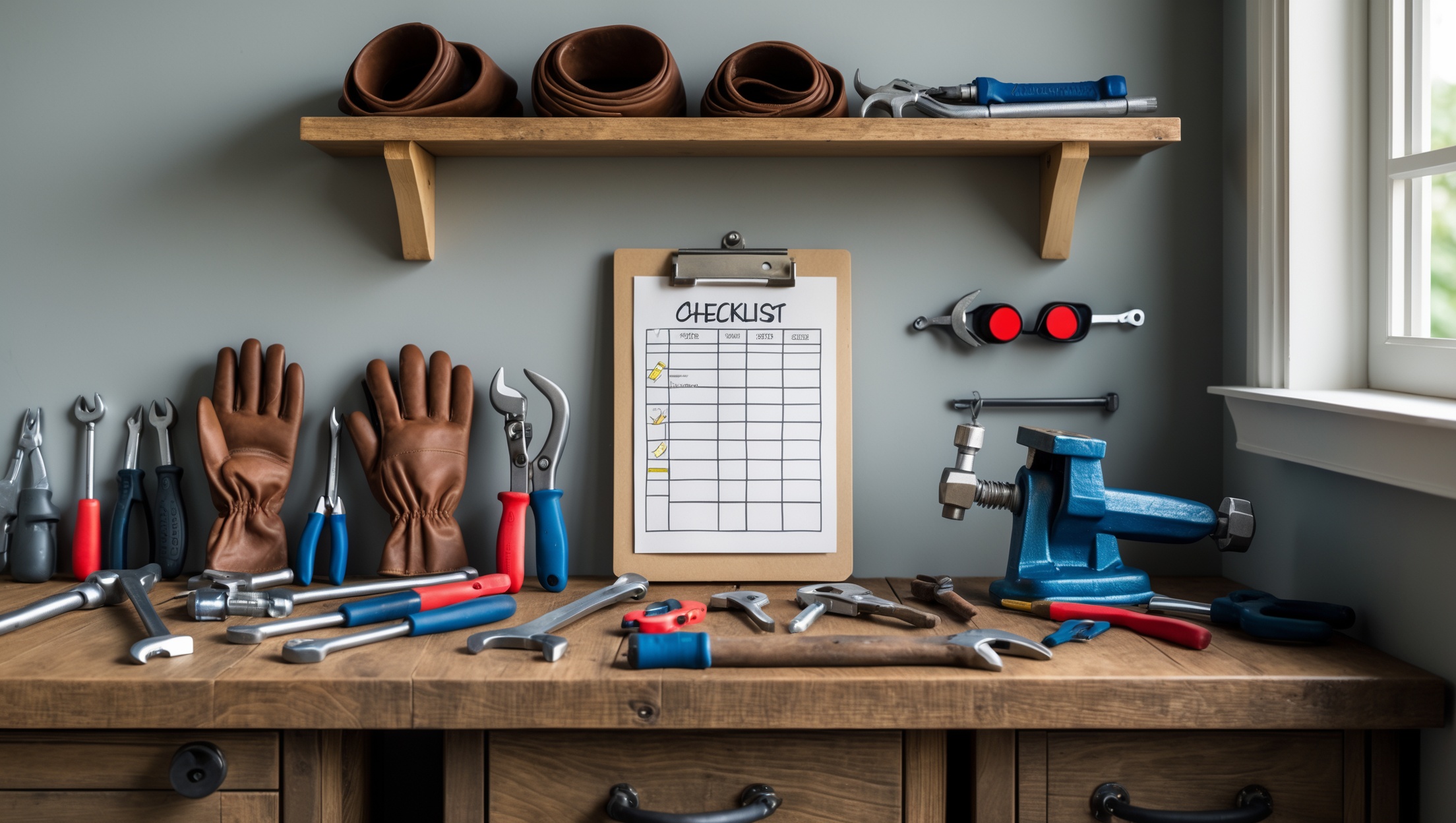
Tools and Materials Checklist

  • Water hammer arrestors (push-fit or threaded)
  • Pipe straps or cushioned clamps
  • Water pressure gauge
  • Adjustable wrench or pliers
  • Pipe cutter (if modifying pipes)
  • Pressure-reducing valve (if needed)
  • Teflon tape (for threaded connections)
  • Replacement valves (if upgrading)

Step-by-Step: Installing a Water Hammer Arrestor

Here’s a detailed guide for installing a water hammer arrestor on a washing machine supply line—a common source of water hammer:

  1. Turn off the water supply to the appliance.
  2. Disconnect the supply hose from the valve using an adjustable wrench.
  3. Wrap Teflon tape around the threads of the arrestor if required.
  4. Thread the arrestor onto the valve and tighten with a wrench—do not overtighten.
  5. Reconnect the supply hose to the arrestor.
  6. Turn the water supply back on and check for leaks.
  7. Run the appliance and test to see if the banging sound is resolved.

This process can be repeated for dishwashers or under-sink connections.

Preventing Water Hammer: Best Practices

  • Close faucets and valves slowly whenever possible.
  • Install water hammer arrestors when replacing appliances or during renovations.
  • Test water pressure annually and adjust if necessary.
  • Visually inspect accessible pipes for loose supports and secure them proactively.
  • Include water hammer checks in your seasonal plumbing maintenance routine.

When to Call a Professional

While most water hammer issues are DIY-friendly, certain situations call for professional help:

  • Persistent water hammer that does not respond to DIY fixes
  • Leaks or water damage caused by pipe bursts or failed joints
  • Complex plumbing layouts or inaccessible pipe runs
  • Uncertainty about local plumbing codes or PRV installation

Consulting a licensed plumber ensures your system remains safe, compliant, and reliable.

Conclusion: Protecting Your Pipes—and Your Peace of Mind

Water hammer is more than just a noisy inconvenience—it’s a symptom of deeper plumbing dynamics that can put your home at risk. By understanding what water hammer is, identifying its causes, and implementing targeted DIY solutions, you can eliminate those unsettling bangs and safeguard your pipes for years to come. Whether it’s installing a simple water hammer arrestor, securing a loose pipe, or adjusting your water pressure, these practical steps can make a significant difference in the safety and longevity of your plumbing system. Remember: addressing water hammer early not only preserves your home’s infrastructure but also saves you money and stress by preventing costly leaks or repairs down the road.

Make it a habit to listen for changes in your plumbing, inspect visible pipes periodically, and test your water pressure. Most importantly, don’t hesitate to take action when something sounds—or feels—off. With the right approach and a bit of DIY confidence, you can keep your plumbing in top shape and enjoy a quieter, worry-free home.

224 comments
Mark Ramirez

I’ve already tried securing my pipes better, but I still hear thuds after my dishwasher runs. Would the next step be to check for pressure regulator issues, or should I skip straight to installing water hammer arrestors?

    Mario The Plumber

    If securing your pipes hasn’t solved the problem, it’s a good idea to check your water pressure next. Excessive pressure can contribute to water hammer. If your home doesn’t already have a pressure regulator or if it might be malfunctioning, have it inspected or adjusted first. If your pressure is within the normal range and the noise continues, installing water hammer arrestors would be the next recommended step.

Jessica Clark

I have an older house and sometimes hear that loud banging noise after my washing machine finishes its cycle, which I now realize is probably water hammer. Is installing water hammer arrestors something a beginner like me can do safely, or should I call a plumber for that?

    Mario The Plumber

    Installing water hammer arrestors is a fairly straightforward DIY task for most beginners, especially if you use screw-on arrestors that attach directly to your washing machine’s hoses. Just be sure to turn off the water supply first and follow the arrestor manufacturer’s instructions. However, if your plumbing is old or connections look corroded, or if you’re at all unsure, it’s safer to call a plumber.

Joshua Miller

I’m completely new to plumbing projects. How long would it typically take a beginner to try your step-by-step DIY fixes for water hammer, and are there any tools I absolutely need before I get started?

    Mario The Plumber

    If you’re just starting out, most of the DIY water hammer fixes described—like installing water hammer arrestors or securing loose pipes—could take about 1 to 2 hours. You’ll need a few basic tools: an adjustable wrench, pipe tape, possibly a screwdriver, and a flashlight. Having a bucket handy is useful if you need to drain a pipe. Take your time, follow each step, and you should be able to handle it safely.

Mary Gonzalez

You mention that high water pressure makes water hammer more likely. Is there a safe way for homeowners to test if their water pressure is too high, and if so, what steps should we take if it is?

    Mario The Plumber

    Yes, homeowners can check their water pressure safely by attaching a simple pressure gauge to an outdoor hose bib or laundry faucet. Ideally, pressure should be between 40 and 60 psi. If yours reads higher—say, over 80 psi—you should consider installing or adjusting a pressure-reducing valve. If you’re unsure how to make adjustments, a licensed plumber can help ensure your pressure is safe and reduce the risk of water hammer.

Tyler White

If the banging noise only happens when my washing machine shuts off, does that mean the solenoid valve is the main culprit, or could there be other issues in the plumbing I should check?

    Mario The Plumber

    If the banging noise happens right when your washing machine shuts off, it’s likely due to the sudden closing of the solenoid valve, which can cause water hammer. However, there could also be other factors, like loose pipes or lack of air chambers. It’s a good idea to check that your pipes are properly secured and consider installing water hammer arrestors to help absorb the shock.

Megan Robinson

Can water hammer ever just be a one-time thing, or is it usually a sign that there’s an actual plumbing problem that needs fixing right away? I just heard one loud bang after using my washing machine, but it hasn’t happened again.

    Mario The Plumber

    A single loud bang from water hammer can sometimes happen if a valve closes very quickly or if there’s an unusual pressure fluctuation, especially after using appliances like a washing machine. If it only happened once and hasn’t repeated, it may not be a sign of a serious plumbing issue. However, if you start hearing the noise more often, it would be wise to check for loose pipes or install water hammer arrestors.

Tyler Wilson

Is there a certain timeframe after noticing banging noises when I should act to prevent possible pipe or valve damage, or is it okay to monitor the situation for a while before trying any solutions?

    Mario The Plumber

    It’s best to address banging noises from your pipes as soon as you notice them. Water hammer can lead to pipe or valve damage if left unchecked, and the longer you wait, the higher the risk of leaks or costly repairs. Instead of monitoring the situation, try some of the DIY solutions mentioned in the article right away to protect your plumbing.

Kevin Perez

Could you recommend any DIY solutions for water hammer that are especially budget-friendly? I’m working with a tight budget and want to address the banging noise before it potentially damages my pipes.

    Mario The Plumber

    You can try a few easy and inexpensive fixes to reduce water hammer. First, slowly close all faucets and valves to prevent abrupt stops in water flow. Check if your home has air chambers near fixtures; if so, drain the plumbing system to let air refill the chambers. You might also add pipe insulation to cushion vibrations. Secure any loose pipes with clamps or brackets to prevent movement. These steps are cost-effective and can make a noticeable difference.

Elizabeth Thomas

What are the signs that water hammer has already started to damage my pipes versus just being an annoying sound? I’ve seen some slight vibrations in the walls but no visible leaks yet.

    Mario The Plumber

    Slight vibrations in the walls can be an early sign that water hammer is putting stress on your pipes, but real damage often shows up as loose pipe fittings, visible dents in exposed pipes, or water stains on walls or ceilings. If you notice any of these or new dripping sounds, it’s a sign the issue is progressing beyond just noise. It’s a good idea to address water hammer soon to prevent leaks or burst pipes.

Anthony Rodriguez

You mentioned that high water pressure contributes to water hammer. How can I accurately test and monitor my building’s water pressure, and is installing a pressure-reducing valve an easy DIY project for a small business?

    Mario The Plumber

    To test your building’s water pressure, you can buy an inexpensive pressure gauge at a hardware store and attach it to an outdoor faucet or laundry hookup. Normal pressure should be between 40–60 psi. If it’s higher, a pressure-reducing valve (PRV) can help. Installing a PRV is possible for a DIYer with some plumbing experience, but if you’re unsure, hiring a licensed plumber ensures proper installation and code compliance.

Sarah Davis

If I want to try fixing water hammer on my own, are the necessary tools or materials expensive, or is this generally a budget-friendly DIY project? Just wondering how much I should expect to spend, since I have a lot of other home expenses this month.

    Mario The Plumber

    Fixing water hammer is usually a budget-friendly DIY project. The basic tools—like a wrench or screwdriver—are common household items. If you need to install water hammer arrestors, those typically range from $10 to $30 each at most hardware stores. In many cases, simply draining your plumbing system to clear air chambers won’t require any extra purchases at all.

Robert Smith

I have limited downtime at my shop to work on plumbing. Which of the DIY solutions you mention can typically be done in under an hour, and are there any I should avoid attempting during business hours because of mess or noise?

    Mario The Plumber

    Installing water hammer arrestors or tightening loose pipe straps are both quick DIY fixes that usually take less than an hour and create minimal mess or noise, making them suitable for your schedule. However, avoid solutions like draining plumbing lines or cutting into pipes during business hours, since those can be noisy, messy, and potentially disruptive to your work environment.

Christopher Johnson

The article talks about DIY solutions, but are any of them realistic for someone living in a college apartment, or do most fixes require access to the actual pipes and valves inside the walls?

    Mario The Plumber

    Some DIY solutions mentioned, like securing loose faucets or checking for loose washing machine hoses, can be done in a college apartment without accessing pipes inside the walls. However, more involved fixes, such as installing water hammer arrestors or adjusting main valves, usually require access that’s typically not allowed in rentals. For those, it’s best to contact your maintenance team.

Barbara Martin

You mention that solenoid valves in appliances like dishwashers can often trigger water hammer. Are there any specific warning signs to watch for in these appliances, or ways to confirm that water hammer is actually the culprit versus a mechanical issue inside the machine?

    Mario The Plumber

    With dishwashers and similar appliances, water hammer usually creates a loud banging or thudding noise in the pipes just after the solenoid valve closes, especially at the end or start of a washing cycle. If the noise seems to come from your walls or plumbing rather than the appliance itself, it’s likely water hammer. Mechanical issues inside the dishwasher often cause grinding, humming, or squealing sounds instead. Watching when and where the noise occurs is the best way to distinguish between the two.

John Martinez

Could you clarify if the risks of water hammer, like leaks at joints or valves, generally develop quickly, or do they tend to worsen slowly over time? I’m trying to figure out how urgent it is to address the problem once signs show up.

    Mario The Plumber

    The risks from water hammer, such as leaks at joints or valves, can develop slowly over time, as the repeated pressure surges gradually weaken plumbing connections. However, a severe water hammer event can sometimes cause immediate damage. Once you notice signs of water hammer, it’s best to address it soon to prevent long-term deterioration or sudden failures.

Karen Moore

How can I tell if the leaks I’m seeing at the pipe joints are actually being caused by water hammer, or if there might be another issue with my plumbing?

    Mario The Plumber

    To figure out if water hammer is causing your pipe joint leaks, listen for loud banging noises in your pipes when turning faucets or appliances off suddenly—that’s a classic sign. If you hear those sounds and notice leaks soon after, water hammer is likely to blame. If there’s no noise, or the leaks are constant, you might have issues like loose fittings, worn seals, or corrosion instead.

Nathan Thompson

Can you provide more detail about the step-by-step DIY solutions you mentioned? I’m a beginner with plumbing repairs, so I’m wondering which methods would be safest and easiest for someone without much experience.

    Mario The Plumber

    Absolutely! For beginners, the safest and easiest water hammer solutions are usually to install water hammer arrestors and to secure loose pipes. First, try turning off your main water supply and draining your pipes to release any trapped air. Next, check for any loose pipe straps and tighten them to prevent movement. If the issue continues, you can purchase screw-on water hammer arrestors at most hardware stores and attach them to your washing machine or dishwasher lines—no advanced plumbing skills required.

Andrew Thompson

Can water hammer lead to leaks or damage in commercial properties that use large appliances, like dishwashers or icemakers, or is it mostly a risk in residential homes? My business relies on both and I want to prevent any plumbing issues.

    Mario The Plumber

    Water hammer can definitely cause leaks or damage in commercial properties, especially where large appliances like dishwashers or icemakers are involved. These systems often use high water pressure and rapid valve closures, making them susceptible to the same risks as residential setups—sometimes even more so due to their frequent use. Installing water hammer arrestors and maintaining stable water pressure can help reduce the risk and keep your business’s plumbing systems safe.

Christopher Smith

When you mentioned that water hammer often happens with appliances like dishwashers and washing machines, does installing water hammer arrestors behind those specific appliances usually solve the noise, or are there additional steps needed to fully prevent damage to pipes?

    Mario The Plumber

    Installing water hammer arrestors behind dishwashers and washing machines is often an effective way to reduce or eliminate the noise caused by water hammer and helps protect your pipes. However, if the problem persists, you might also want to check that the pipes are securely fastened and not loose within the walls. Sometimes, reducing the water pressure in your home can further help prevent damage.

Barbara Ramirez

I’ve noticed the banging noise you describe especially after my washing machine finishes its cycle. Is there a difference in how you’d address water hammer caused by appliances with solenoid valves versus regular faucets, or do the same DIY fixes apply to both?

    Mario The Plumber

    The core DIY solutions for water hammer—like installing water hammer arrestors or securing loose pipes—apply to both appliances with solenoid valves and regular faucets. However, appliances like washing machines have fast-acting valves that can make the problem more noticeable. Installing an arrestor close to the appliance’s water inlet is often most effective in these cases, while for faucets, it’s usually sufficient to address the area near the affected fixture.

Lisa Anderson

If the pipes are already shaking and I’ve noticed minor leaks around some joints, is it still safe to try the DIY solutions you recommend, or should I contact a professional before proceeding?

    Mario The Plumber

    If you’re seeing shaking pipes and minor leaks at the joints, it’s safest to contact a professional plumber before trying any DIY solutions. Leaks can worsen quickly, and shaking pipes may indicate a more serious problem that needs expert attention. Addressing these issues yourself could lead to further damage or water exposure.

Brian Jones

I’m curious about the timeframe for tackling these solutions. How long does it usually take for a DIYer to identify the main cause of water hammer and implement the basic fixes you described?

    Mario The Plumber

    For most DIYers, identifying the main cause of water hammer—like loose pipes or faulty valves—usually takes about 30 minutes to an hour, especially if you methodically check each possibility. Implementing basic fixes such as securing pipes with clamps or draining air chambers typically takes another hour or so. Altogether, you can often solve simple water hammer issues in two hours or less.

Donna Thomas

If someone is on a tight budget, which of the DIY fixes you mentioned would you suggest starting with for tackling water hammer, and are there any methods that might help temporarily while saving up for a more permanent fix?

    Mario The Plumber

    If you’re on a tight budget, starting with securing or cushioning loose pipes using inexpensive pipe clamps or foam pipe insulation can make a noticeable difference. Bleeding your plumbing lines by turning off the water and draining the system is another cost-free method that may help. These approaches won’t fix every case but can reduce water hammer effects while you plan for a more permanent solution like installing a water hammer arrestor.

Diane Jackson

If I try the step-by-step solutions and my pipes are still vibrating, how long should I wait before calling a plumber? Is it dangerous to let it go for a few weeks?

    Mario The Plumber

    If your pipes are still vibrating after trying the suggested solutions, it’s best not to wait more than a few days before contacting a plumber. Persistent water hammer can eventually lead to leaks or pipe damage, so it’s safer to address it soon rather than letting it go for weeks.

Margaret Perez

Are there any DIY fixes you’d recommend that don’t require shutting down water service during business hours? I run a café, so minimizing downtime is key.

    Mario The Plumber

    You can try adding water hammer arrestors to accessible fixtures, like under sinks, without shutting down the main water supply. These devices often install inline after closing just the local shut-off valve. Also, check and secure any loose pipes with pipe clamps, which can be done without interrupting service. Both steps help reduce water hammer while keeping your café running smoothly.

Kevin Williams

For someone on a budget, what are the most cost-effective DIY fixes to try first for mild water hammer? Should I start with water hammer arrestors or focus on adjusting valve closure and water pressure before buying new equipment?

    Mario The Plumber

    For mild water hammer on a budget, it’s smart to start with free or low-cost steps first. Begin by gradually closing fast-acting valves by hand to reduce sudden stops. Next, check and adjust your home’s water pressure with a pressure regulator if you have one. Only consider water hammer arrestors if these adjustments don’t improve things, since they’re an added expense.

Sean Smith

If I hear occasional leaks at joints after the banging sounds, should I prioritize fixing the leaks first or dealing with the underlying water hammer issue? I want to avoid bigger repair bills down the line.

    Mario The Plumber

    It’s important to address both issues, but start by fixing the leaks at the joints immediately. Leaks can cause water damage, mold, and higher repair costs if left untreated. Once the leaks are sealed, focus on resolving the water hammer problem to prevent future leaks or pipe damage. Taking care of both will help you avoid bigger repair bills in the long run.

Charles Smith

If water hammer can lead to leaks at joints or valves over time, how urgent is it to address the problem? Are there signs I should watch out for that indicate the pipes might already be damaged?

    Mario The Plumber

    Addressing water hammer promptly is important because repeated shocks can gradually weaken joints and valves, leading to leaks. If you notice banging noises, visible leaks, damp spots, or decreased water pressure, these may be signs of existing damage. If such symptoms appear, inspect the affected area and consider calling a plumber to prevent further issues.

Christopher Davis

When water hammer causes leaks at joints or valves, as you mentioned, are there temporary fixes that can buy time before a full repair, or is it best to address the leaks immediately to avoid further damage?

    Mario The Plumber

    If a leak has started due to water hammer, it’s safest to address it as soon as possible to prevent further water damage. However, if you need a temporary fix, you can try wrapping the joint with plumber’s tape or using a pipe repair clamp to slow the leak until proper repairs can be made. Remember, these are only short-term solutions and a permanent repair is important to avoid bigger problems.

Kimberly Lopez

What is the typical cost range for implementing the step-by-step DIY solutions you described, and are any of those fixes considered temporary rather than permanent?

    Mario The Plumber

    For most of the DIY solutions described, such as securing loose pipes with clamps or adding cushion supports, costs typically range from $10 to $40 for basic materials. Installing water hammer arrestors usually costs $15 to $30 each. Pipe securing and cushion clamps are generally permanent fixes, while temporarily draining your plumbing system or adjusting water pressure may only provide short-term relief if the underlying issue persists.

Diane Jackson

In my shop, we get the loud banging noise in the plumbing when the washing machine shuts off quickly, which I think matches the solenoid valve issue you described. Is there a DIY fix that works well for commercial appliances, or would we need a professional for that?

    Mario The Plumber

    For commercial appliances like washing machines, installing a water hammer arrestor near the valve often helps reduce the banging noise, and many of these devices are designed for DIY installation. Just make sure to turn off the water supply before starting. If your plumbing is older or you’re unsure about pipe compatibility or access, consulting a professional is safer, especially for commercial setups where pipes may handle higher pressures.

David Garcia

I noticed you mentioned solenoid valves in dishwashers and washing machines can cause water hammer. Is there a way for a beginner to identify if it’s just those appliances causing the problem, or could it be an issue throughout the whole plumbing system?

    Mario The Plumber

    To check if the water hammer is caused by your dishwasher or washing machine, listen for the banging noise right after those appliances finish filling or when they stop water flow. If the noise only happens then, those appliances are likely the main cause. If you hear the noise when using other taps or fixtures, the issue might be more widespread in your plumbing system.

Susan Thomas

The article calls out that water hammer might cause leaks at joints or valves. If I already see small leaks, can I still follow these DIY steps, or should I call a plumber right away?

    Mario The Plumber

    If you’re already seeing small leaks at joints or valves, it’s best to call a plumber rather than attempting DIY fixes. Leaks often mean there’s damage that could get worse with water pressure or further vibration. A professional can properly assess and repair the issue to prevent more serious water damage.

Thomas Miller

The article mentions that high water pressure can make water hammer more likely. Could you clarify how a homeowner can accurately measure their home’s water pressure, and what range is considered safe to reduce the risk of water hammer?

    Mario The Plumber

    To measure your home’s water pressure, you can buy a simple pressure gauge from a hardware store. Screw it onto an outdoor hose bib, turn the tap on fully, and read the gauge. A safe water pressure range for most homes is between 40 and 60 psi. If your pressure is higher, installing a pressure-reducing valve can help lower the risk of water hammer.

Matthew Perez

You explain that solenoid valves in appliances like dishwashers commonly cause water hammer. Is there a specific DIY solution you recommend for these types of appliances, or is shutting the main valve slowly the only option?

    Mario The Plumber

    For appliances like dishwashers that use solenoid valves, you can install a water hammer arrestor at the appliance’s water supply line as a targeted DIY solution. This device absorbs shock when the valve closes suddenly, preventing the banging noise. Shutting the main valve slowly can help in the short term, but adding an arrestor is usually the most effective long-term fix for these situations.

Rachel Davis

I’m trying to solve this on a tight budget. Are there inexpensive DIY solutions you recommend starting with before calling a plumber or buying specialized devices to stop water hammer?

    Mario The Plumber

    You can try a few budget-friendly DIY fixes before investing in specialized devices or calling a plumber. First, secure any loose pipes using pipe clamps or foam insulation to reduce movement. Next, slowly close your faucets and valves to lessen sudden pressure changes. Also, draining your plumbing system can sometimes re-pressurize built-in air chambers, which helps absorb shocks. These steps are often effective for mild water hammer issues.

Susan Lee

For someone on a tight budget, are there low-cost or easy first steps to try before investing in specialized equipment or calling a plumber to deal with water hammer?

    Mario The Plumber

    Absolutely, there are some simple and budget-friendly steps you can try first. Start by securing any loose pipes with pipe clips or straps to prevent movement. Gradually close valves and faucets instead of turning them off quickly, which helps reduce sudden pressure changes. You can also drain your plumbing system to restore air chambers by shutting off your main water supply, opening all taps to let water drain out, then slowly turning the supply back on. These steps often help minimize water hammer without any big expenses.

Andrew Rodriguez

As someone running a small café, I’m concerned about our older plumbing. If I notice banging noises only from appliances like the dishwasher, does that mean just those solenoid valves are the problem, or should I worry about the whole system developing leaks over time?

    Mario The Plumber

    If the banging noises only happen when certain appliances like your dishwasher are running, it’s likely those solenoid valves are causing water hammer, not the entire plumbing system. However, repeated water hammer anywhere can stress pipes over time and potentially cause leaks. Installing water hammer arrestors at the problematic appliances is a good first step, but it’s wise to occasionally check your whole system for any signs of wear or leaks.

Aaron Jones

You mention that high water pressure can make water hammer worse. How can a homeowner accurately measure their home’s water pressure, and what would be considered an ideal range to help prevent water hammer issues?

    Mario The Plumber

    To measure your home’s water pressure, you can use a water pressure gauge, which is inexpensive and available at most hardware stores. Simply screw it onto an outdoor faucet and turn the tap on fully to get a reading. Most homes do best with water pressure between 40 and 60 psi to prevent water hammer; anything above 80 psi is too high and could lead to plumbing problems.

David Sanchez

Are the DIY solutions for water hammer expensive, or are most fixes like pressure reduction or adding supports to pipes something I can do on a tight budget?

    Mario The Plumber

    Most DIY solutions for water hammer are budget-friendly. Reducing water pressure usually just requires adjusting your home’s pressure regulator, and adding pipe supports or securing loose pipes can be done with inexpensive materials like pipe clamps or foam insulation. These fixes typically don’t require specialized tools or a large investment, making them accessible even if you’re working with a tight budget.

Jennifer Wilson

For people on a tight budget, which of the step-by-step DIY solutions you mention would be the most cost-effective first attempt to reduce or eliminate water hammer?

    Mario The Plumber

    If you’re on a tight budget, the most cost-effective first step is to drain your plumbing system to restore air chambers. This involves turning off the main water supply, opening all faucets to let the water drain out, and then turning the water back on. This simple process often reduces or eliminates water hammer without needing to buy anything.

Rachel Brown

For someone on a tight budget, which of the step-by-step DIY solutions you suggest would be the most cost-effective starting point for addressing water hammer without compromising safety or long-term results?

    Mario The Plumber

    If you’re on a budget, the most cost-effective and safe starting point is to secure or cushion any loose pipes using inexpensive pipe clamps or foam pipe insulation. This simple fix can reduce noise and vibration significantly without major expense or risk. If the problem persists, you can then try draining your plumbing system to reset any air chambers, which is another low-cost solution.

Robert Lewis

How long should I expect to spend on these step-by-step DIY solutions if I’ve never done any plumbing work before? Is this something I can tackle in an afternoon, or should I plan for a weekend project?

    Mario The Plumber

    If you’re new to plumbing, most of the DIY water hammer solutions described—like securing loose pipes or installing water hammer arrestors—can usually be completed in an afternoon, especially if you gather your materials beforehand. However, if you run into unexpected issues or need more time to learn as you go, setting aside a full day or weekend gives you plenty of flexibility. Take your time and follow each step carefully.

Elizabeth Perez

If water hammer could eventually cause leaks at joints or valves, what are the typical repair costs if I ignore it for too long? I am on a student budget and trying to decide if it’s worth addressing immediately.

    Mario The Plumber

    If water hammer is left unresolved, the resulting leaks at joints or valves can lead to significant repair costs—typically anywhere from $150 to $500 for professional repairs, depending on the extent of the damage and access to the affected pipes. Addressing water hammer now with simple DIY solutions can help you avoid these expenses, which can be tough on a student budget.

William Robinson

Can water hammer eventually cause leaks even if I only hear the noise occasionally and don’t see any visible pipe movement? I’m wondering how urgent it is to deal with water hammer if it’s not happening all the time.

    Mario The Plumber

    Even if water hammer only happens occasionally, it can still gradually weaken pipe joints and fittings over time, eventually leading to leaks or damage. Visible pipe movement isn’t always necessary for damage to occur—the pressure shock itself can be enough. It’s a good idea to address water hammer sooner rather than later to prevent potential plumbing issues down the line.

Sandra Hernandez

If my pipes are visibly shaking but I haven’t noticed any leaks yet, does that mean I’m still at risk for damage, or can I wait before taking action? I’m trying to understand how urgent this is.

    Mario The Plumber

    Visible pipe shaking is a clear sign that water hammer is occurring, and it can lead to damage even if you haven’t seen leaks yet. The force from repeated shaking may eventually cause joints to loosen or pipes to crack. It’s best to address the issue soon, like by installing water hammer arrestors or securing loose pipes, to prevent costly repairs later.

Mark Lee

Our house sometimes has visible shaking pipes after running the washing machine. Besides the loud banging, could this shaking be a sign of existing damage or just a warning, and should I inspect anything before trying any solutions?

    Mario The Plumber

    Visible shaking pipes along with loud banging suggest that water hammer is quite forceful in your system. While it might just be a warning sign, repeated shaking can eventually loosen pipe joints or fittings. Before trying any solutions, inspect exposed pipes for loose brackets, leaks, or signs of wear. Secure any loose pipes to prevent further movement and check for any visible damage.

Elizabeth Harris

When addressing water hammer as a DIYer, are there beginner-friendly solutions that do not require turning off the main water supply or using specialized tools?

    Mario The Plumber

    Yes, there are some easy fixes you can try without shutting off the main water supply or needing special tools. Start by slowly closing faucet valves to avoid sudden stops in water flow. You can also secure any loose pipes with pipe clamps or padded supports to reduce rattling. Sometimes, draining and refilling the plumbing system can help, but that does require turning off the water supply. For most minor cases, adjusting how you use the fixtures and supporting pipes goes a long way.

Charles Miller

Does fixing water hammer always require buying new hardware, like arrestors, or are there truly effective options that don’t require spending much money? I’m hoping for something budget-friendly since we’re watching expenses right now.

    Mario The Plumber

    You don’t always need to buy new hardware to address water hammer. Some budget-friendly fixes include lowering your home’s water pressure, securing loose pipes with clamps, and slowly closing faucets or valves. Draining your plumbing system to clear air chambers can also help. These methods often reduce or eliminate water hammer without extra cost.

Emily Gonzalez

Do the step-by-step DIY solutions in your guide require any special tools, or are these things most homeowners would already have at home? I want to be sure I’m prepared before I start anything.

    Mario The Plumber

    Most of the DIY solutions in the guide can be done with common household tools like an adjustable wrench, pliers, and a screwdriver. You probably won’t need anything specialized unless you plan to install water hammer arrestors, which might require pipe wrenches or Teflon tape. It’s a good idea to check each step in the guide to make sure you have what you need before getting started.

Kimberly Ramirez

How long does it usually take to eliminate water hammer after trying the step-by-step solutions? I’d like to know what kind of timeframe to expect since I can only do repairs after business hours.

    Mario The Plumber

    The time it takes to eliminate water hammer depends on the cause and the solution chosen. Simple fixes like draining your plumbing system or tightening loose pipes can take about 30 minutes to an hour. If you need to install water hammer arrestors, it might take a bit longer, up to two hours. Most DIY solutions can be completed in one evening after work.

Jennifer Smith

The article describes how solenoid valves in dishwashers and washing machines can cause water hammer. If the banging sound is only happening when my washing machine is running, does that mean it’s definitely related to the appliance, or should I check my whole plumbing system?

    Mario The Plumber

    If the banging sound only occurs when your washing machine is running, it’s very likely related to that appliance—specifically, the rapid closing of its solenoid valve. However, persistent water hammer can sometimes reveal underlying issues in your plumbing, such as loose pipes or high water pressure. It’s wise to start by checking around your washing machine, but keep an eye out for any noises elsewhere to rule out broader plumbing concerns.

Diane White

I’ve heard about air chambers as a solution for water hammer. How do these compare to commercially available water hammer arrestors? Is one generally more reliable for older homes with copper pipes?

    Mario The Plumber

    Air chambers are simple vertical pipes that cushion water shock by trapping air, and were once common in older homes. However, over time, air chambers can fill with water and lose effectiveness unless they’re drained periodically. Commercial water hammer arrestors use sealed, spring-loaded or piston mechanisms that are maintenance-free and generally more reliable, especially in older homes with copper pipes. For long-term performance and less hassle, arrestors are usually the better choice.

Jessica Thomas

Are water hammer arrestors a good long-term fix for older plumbing systems, or do they just mask bigger issues? The article mentions step-by-step DIY solutions but I’m curious if investing in arrestors is worthwhile in the long run.

    Mario The Plumber

    Water hammer arrestors can be a reliable long-term solution, especially for older plumbing, as they absorb shock and prevent those loud banging noises. However, if your system has underlying issues like loose pipes, high water pressure, or worn valves, arrestors alone may only provide temporary relief. It’s wise to address any root causes alongside installing arrestors for lasting results.

Patricia Anderson

I have some older copper pipes in my shop that vibrate and make noise when I shut off the bathroom sink. Are the DIY solutions you describe safe for older plumbing, or should I call a plumber to check things first?

    Mario The Plumber

    DIY solutions like installing water hammer arrestors or securing loose pipes can help, but with older copper pipes, it’s wise to proceed with caution. Sometimes, aging pipes are more vulnerable to damage if disturbed. If your pipes are making a lot of noise or show signs of wear, it’s a good idea to have a plumber inspect them before attempting any repairs on your own.

Daniel Harris

You mentioned that high water pressure is a common cause of water hammer. How can a homeowner accurately measure their water pressure, and what pressure range is considered safe to prevent these issues?

    Mario The Plumber

    To measure your home’s water pressure, you can buy an inexpensive water pressure gauge at a hardware store. Simply screw it onto an outdoor hose bib, turn on the tap, and read the pressure. A safe pressure range for most homes is 40 to 60 psi. Pressures above 80 psi can increase the risk of water hammer and other plumbing problems.

Rachel Thompson

After installing a water hammer arrestor, how soon should I expect to see (or rather, hear) a difference? And if the banging noise continues after installation, what troubleshooting steps would you recommend next?

    Mario The Plumber

    You should notice a reduction or complete stop to the banging noise almost immediately after installing a water hammer arrestor. If the noise continues, double-check that the arrestor is installed near the source of the noise and is properly secured. Also, make sure your home’s water pressure is not too high, as this can cause persistent water hammer. If the issue persists, consider checking for loose pipes or installing additional arrestors in problem areas.

Susan Davis

I noticed the guide offers step-by-step DIY solutions, but are these effective long-term for older buildings, or would it be safer to call a licensed plumber right away if I hear banging in the pipes?

    Mario The Plumber

    DIY solutions like securing loose pipes or installing water hammer arrestors can help reduce banging noises in many cases, even in older buildings. However, if your building has aging or complex plumbing, or if the noise persists after trying the steps, it’s safer to call a licensed plumber. Older pipes may have underlying issues that DIY fixes can’t address, so professional assessment is often best for lasting results.

Kimberly Jackson

If the water hammer only seems to happen when my washing machine shuts off, do you recommend addressing it at the appliance itself or treating the whole house? Are there different DIY solutions for appliance-specific versus whole-house water hammer?

    Mario The Plumber

    If water hammer only occurs when your washing machine shuts off, starting with an appliance-specific solution like installing a water hammer arrestor on the washing machine’s supply lines is a practical first step. This often solves the issue without needing larger interventions. Whole-house water hammer, which affects multiple fixtures, may require installing a main arrestor or adjusting your home’s plumbing pressure. Addressing the source helps you avoid unnecessary work elsewhere.

Sean Garcia

For small business properties, is water hammer more likely to cause long-term pipe damage compared to residential homes? Are there specific risks for older buildings we should be aware of, according to what you’ve described?

    Mario The Plumber

    Water hammer can cause long-term pipe damage in both small business properties and residential homes, but older commercial buildings often have outdated plumbing or longer pipe runs, which may increase the risk. In older properties, weak pipe joints and worn supports make the effects of repeated water hammer more pronounced. It’s advisable to have a professional assess the plumbing if your building is older, as highlighted in the article, to prevent leaks or burst pipes.

Betty Lewis

You mentioned that solenoid valves in dishwashers and washing machines often trigger water hammer. Are there specific types or brands of appliances that are less likely to cause this problem, or are there add-ons that can help mitigate it?

    Mario The Plumber

    Solenoid valves in most modern dishwashers and washing machines work in a similar way, so water hammer can potentially occur with any brand. However, some high-end models may have built-in features to reduce pressure surges. To address water hammer, you can install water hammer arrestors or shock absorbers on your appliance’s supply lines. These add-ons are widely available, easy to fit, and work with nearly all brands and models.

Joshua Taylor

When identifying the source of water hammer, how do you suggest narrowing down which appliance or faucet is the culprit if there are several possible sources in a larger home?

    Mario The Plumber

    To pinpoint the source of water hammer in a larger home, turn off all appliances and faucets, then turn them on one at a time while listening for the banging noise after each use. Have someone else observe different locations if possible. Note which fixture triggers the noise, as this is likely where the issue originates.

Betty Robinson

How long should a typical DIY water hammer solution, such as draining the plumbing system or adding air chambers, take to complete for an average homeowner with basic tools?

    Mario The Plumber

    Draining the plumbing system to address water hammer usually takes about 30 to 60 minutes for most homeowners with basic tools. Installing simple air chambers can take a bit longer, around 1 to 2 hours, depending on your plumbing setup and access to pipes. Both solutions are manageable for most DIYers and don’t require specialized experience.

Sarah Rodriguez

Is addressing water hammer usually an expensive DIY project? I’m on a tight budget and want to know which solution would be the most cost-effective for someone with basic tools and skills.

    Mario The Plumber

    Addressing water hammer can often be quite affordable, especially if you have basic tools. The most cost-effective DIY solutions include securing loose pipes with pipe clamps or adding padding, and slowly closing faucets and valves to reduce pressure surges. Installing water hammer arrestors is another option, but this is a bit more involved and may cost more. For most people, tightening or cushioning pipes usually solves the problem without a big expense.

John Johnson

Is it normal for water hammer to only happen with some appliances, like our washing machine, but not when we use regular faucets? Should I be worried about leaking joints if the banging only happens in one part of the building?

    Mario The Plumber

    It’s common for water hammer to be more noticeable with appliances like washing machines, since they have fast-closing valves that can cause sudden changes in water pressure. If the banging only happens in one area, it usually means the problem is localized to that part of your plumbing. While occasional noise isn’t always a sign of leaks, repeated water hammer can eventually stress joints and connections, so it’s a good idea to address it to prevent future issues.

Kimberly Martinez

Could water hammer cause long-term damage if the noises and vibrations only happen occasionally, or is it mainly a problem if the symptoms are frequent and severe?

    Mario The Plumber

    Even if water hammer noises and vibrations only happen occasionally, they can still cause long-term damage over time, such as pipe joint loosening, leaks, or damage to appliances. However, frequent and severe symptoms do pose a higher risk and often lead to faster deterioration. It’s a good idea to address water hammer even if it seems minor or infrequent to prevent potential problems down the line.

Lisa Williams

The article mentions that water hammer can result from solenoid valves in appliances like dishwashers and washing machines. Are there specific DIY steps for addressing water hammer caused by these types of appliances, or would the general solutions apply?

    Mario The Plumber

    For water hammer caused by solenoid valves in appliances like dishwashers and washing machines, the general DIY solutions from the article usually apply. You can install water hammer arrestors directly on the supply lines feeding the appliance or add them at the nearest accessible location. Also, check that the supply pipes are properly secured to minimize movement. If your appliance has a dedicated shut-off valve, closing it slightly to reduce water pressure can also help.

Mark Thomas

In my coffee shop, I often hear pipe banging when our dishwasher shuts off quickly. Are there specific DIY fixes suitable for commercial appliances like dishwashers, or should I approach this differently than a typical home setup?

    Mario The Plumber

    With commercial appliances like dishwashers, the water pressure and flow rates are usually higher than in residential setups, which can make water hammer more pronounced. While some DIY fixes—like installing a water hammer arrestor or securing loose pipes—can still be effective, it’s important to use commercial-grade arrestors that match your dishwasher’s specifications. If the issue persists or if plumbing is hard to access, consulting a professional plumber with experience in commercial setups is a good idea.

Charles Brown

If there is visible pipe shaking after I shut off a faucet, but no leaks, should I still be worried about long-term damage, or can I just ignore it until there are actual leaks or issues?

    Mario The Plumber

    Even if there are no leaks, visible pipe shaking after shutting off a faucet is a sign of water hammer, which can gradually weaken pipe joints and fittings over time. It’s a good idea to address it now to prevent future problems. Simple fixes like installing water hammer arrestors or securing loose pipes can help protect your plumbing system and avoid potential costly repairs down the line.

David Sanchez

If I see pipes visibly shaking along with the banging noise, does that mean the damage is already serious, or is this still an early warning sign? Should I call a professional at this point or can the DIY steps still help?

    Mario The Plumber

    If your pipes are visibly shaking along with the banging noise, it’s a sign that water hammer is putting stress on your plumbing, and some damage may already be occurring. While some DIY steps—like securing loose pipes or installing water hammer arrestors—can help, if the shaking is severe or ongoing, it’s safer to call a professional to assess for potential damage or risks.

Betty Harris

I noticed my pipes only make the banging noise at certain times, not every time I turn off a tap. Is that normal for water hammer, or could it mean there’s another problem with my plumbing system?

    Mario The Plumber

    It’s actually quite common for water hammer to happen only under certain conditions, like when a specific tap is closed quickly or at certain times of the day. Factors such as water pressure, the speed at which a valve is shut, and which fixture is used can all influence when the banging noise occurs. As long as there’s no leaking or loss of water pressure, it’s likely water hammer, not another plumbing issue.

Sarah Davis

If I ignore water hammer for a while, how quickly could it start causing leaks or real pipe damage? Are there early warning signs I should look for before something serious happens?

    Mario The Plumber

    The timeline for water hammer causing leaks or pipe damage varies—sometimes problems appear quickly, but often it takes months or even years of repeated shocks. Early warning signs include loud banging or thudding noises when turning taps on or off, slight pipe movement, or minor leaks at joints. If you notice these, it’s best to address the issue soon to prevent more serious damage.

Diane Lewis

I often hear banging noises after running my dishwasher, but not with other faucets. Does this mean the solenoid valve in the dishwasher is the main culprit? Is the DIY solution different for appliances compared to normal faucets?

    Mario The Plumber

    The banging noises after your dishwasher runs are likely caused by the solenoid valve shutting off water flow quickly, creating water hammer. This is common in dishwashers and washing machines. While the DIY solutions, such as installing water hammer arrestors, are similar for both appliances and faucets, you may need to install the arrestor directly on the dishwasher’s supply line for the best results.

Diane Perez

You mention that water hammer can be triggered by appliances like washing machines with fast-closing valves. Would installing a water hammer arrestor help in all cases, or are there situations where that isn’t enough?

    Mario The Plumber

    Installing a water hammer arrestor is usually very effective for appliances with fast-closing valves, like washing machines. However, if your home’s water pressure is too high or if pipes are poorly secured, an arrestor alone might not solve the problem. In those cases, you may also need to lower the water pressure or add pipe supports to fully address water hammer.

David Taylor

How long does it usually take to see results after implementing your DIY steps for water hammer? For example, if I install something like a water hammer arrestor, will the noise stop right away, or does it take time?

    Mario The Plumber

    Once you install a water hammer arrestor correctly, the noise should stop almost immediately the next time you run water or use the affected appliance. There’s no waiting period—the arrestor absorbs the shock as soon as it’s in place. If you still hear banging after installation, double-check that it’s installed at the right location and that all connections are tight.

Elizabeth Jackson

Could you clarify how to tell the difference between regular pipe noise and the specific sounds caused by water hammer? Sometimes I notice knocking in my walls, but I’m not sure if it’s from water hammer or something else.

    Mario The Plumber

    Water hammer usually makes a loud, sudden banging or thudding noise right after you quickly close a faucet or when an appliance like a washing machine shuts off the water. Regular pipe noises, on the other hand, tend to be more like ticking, creaking, or gentle tapping that may happen as pipes expand or contract. If the knocking sound lines up with turning off water rapidly, it’s likely water hammer.

Jennifer Taylor

If I hear water hammer mostly when my washing machine stops its cycle, does that mean it’s likely caused by the appliance’s solenoid valve, or could there be other issues in the system I should look for?

    Mario The Plumber

    Hearing water hammer when your washing machine stops is often related to the quick-closing solenoid valve inside the appliance, which can cause a sudden stop in water flow and create shockwaves in the pipes. However, other factors like loosely secured pipes or high water pressure can contribute as well. It’s a good idea to check for unsecured pipes and consider installing water hammer arrestors near the washing machine for extra protection.

Christopher Miller

If I’m noticing occasional leaks at pipe joints as described in your signs of water hammer, does that mean I already have pipe damage, or can these leaks be fixed by addressing the water hammer alone?

    Mario The Plumber

    If you’re already seeing leaks at pipe joints, there’s a good chance that some pipe damage has occurred due to water hammer. Addressing the water hammer will help prevent further damage, but you should also repair the existing leaks—often by tightening joints or replacing washers. Fixing both the leaks and the underlying water hammer is the best way to protect your plumbing long-term.

Nathan Davis

I noticed the article mentioned that appliances like dishwashers and washing machines can cause water hammer due to their solenoid valves. Is there a specific fix or product you recommend for those appliances, or do the DIY solutions work for them too?

    Mario The Plumber

    Dishwashers and washing machines often trigger water hammer because their solenoid valves shut water off very quickly. The DIY solutions mentioned in the article—like installing a water hammer arrestor—work particularly well for these appliances. You can find water hammer arrestors designed for easy installation behind washing machines or under sinks for dishwashers. These devices absorb the shock and are a reliable fix, so you don’t need a special product beyond the appropriate arrestor for your setup.

Ashley Brown

Our shop is in an old building, and we hear loud banging in the pipes when the washing machine stops. You mentioned solenoid valves being a common cause—are there specific steps or parts I should check first to confirm if that’s what’s triggering our water hammer?

    Mario The Plumber

    If the banging happens right when the washing machine shuts off, the solenoid valve inside is likely closing quickly and causing the water hammer. To confirm, watch or listen for the noise during the wash cycle—if it happens as the washer stops filling, that’s a strong clue. You can also check for loose pipes or inadequate pipe supports near the washer, as these can make water hammer worse.

Christopher Jones

The article mentions high water pressure as a cause of water hammer. How can I accurately check or monitor the water pressure in my building, and are there any affordable tools you would recommend for a small business?

    Mario The Plumber

    To check your water pressure, you can use a water pressure gauge, which is an inexpensive and widely available tool. Simply screw the gauge onto an outdoor hose bib or a laundry faucet, then turn on the water to get a reading—ideally, your pressure should fall between 40 and 60 psi. These gauges are usually under $20 and can be reused whenever you want to monitor your system.

David Davis

If the banging only happens when my washing machine shuts off and not when I use faucets, does that mean it’s just the solenoid valve causing water hammer, or should I check my whole plumbing system for other issues?

    Mario The Plumber

    Since the banging noise only occurs when your washing machine shuts off, it’s very likely that the solenoid valve is causing the water hammer. These valves close quickly, leading to a sudden stop in water flow. You probably don’t need to check your whole plumbing system right now, but installing a water hammer arrestor at the washing machine connection should help solve the problem.

David Lee

How do the step-by-step DIY solutions for fixing water hammer in older homes with metal pipes compare to newer builds with plastic pipes? Are the risks or methods different in any way?

    Mario The Plumber

    The main DIY steps to address water hammer—like installing water hammer arrestors, securing loose pipes, or draining the plumbing system—are similar for both metal and plastic pipes. However, metal pipes tend to transfer vibrations and noise more, making water hammer more noticeable and potentially riskier for joint damage. With plastic pipes, the risk of pipe rupture from water hammer is lower, but care is needed since plastic is more flexible and can deform. Always use fittings rated for your specific pipe type and follow manufacturer guidance for best results.

Richard Thompson

The post talks about high water pressure making water hammer worse. If I suspect that my shop’s water pressure is too high, what’s the recommended way to measure and adjust it as a DIY project?

    Mario The Plumber

    To check your shop’s water pressure, you can buy an inexpensive pressure gauge that attaches to an outdoor faucet or hose bib. Simply screw it on and open the tap fully; normal pressure should read between 40 and 60 psi. If it’s higher, you can adjust it by locating and turning down the pressure-reducing valve (usually found near the main water line), tightening or loosening the adjustment screw as needed.

Michael Garcia

You listed pipe vibrations and visible shaking as warning signs. If I see this occasionally but don’t hear loud bangs every time, should I still be worried about damage, or is some mild movement normal?

    Mario The Plumber

    Some mild movement in pipes can be normal, especially when water flow starts or stops, but visible shaking or vibrations shouldn’t be ignored even if you don’t always hear loud bangs. Repeated or excessive movement can loosen joints over time and lead to leaks, so it’s a good idea to monitor the situation and consider adding pipe supports or cushioning if the movement persists.

Karen Sanchez

Is it possible to reduce water hammer on a tight budget? I’m curious if there are cost-effective fixes before investing in professional help or specialized equipment.

    Mario The Plumber

    You can definitely try some affordable fixes before spending a lot. Start by securing any loose pipes with pipe clips or padding, as movement often worsens water hammer. Lowering your home’s water pressure using the main valve can also help. Draining your plumbing system to recharge air chambers is another no-cost solution worth trying. These steps are budget-friendly and often effective for minor water hammer issues.

Aaron Sanchez

How long can I safely ignore the occasional thudding noise from my pipes before there’s a real risk of pipe or valve damage, or should I address water hammer as soon as I notice it?

    Mario The Plumber

    It’s best to address water hammer as soon as you notice it, even if the noise is only occasional. While serious damage like pipe bursts or valve failure might not happen immediately, repeated water hammer can weaken joints and fittings over time. Tackling it early reduces the risk of costly repairs and potential water damage.

James Jackson

You listed visible shaking pipes as a sign of water hammer. If my pipes are behind walls and I only hear the banging noises, should I be worried about hidden damage, and how would I go about checking for it?

    Mario The Plumber

    Even if you can’t see your pipes, repeated loud banging noises (water hammer) can potentially cause hidden damage, such as loose fittings or even joint leaks over time. To check for hidden issues, look for signs like damp spots, water stains, or mold on walls and ceilings near the pipes. You might also monitor your water pressure and listen for any changes in noise. If you’re unsure or notice signs of damage, it’s a good idea to consult a plumber for a more thorough inspection.

Ashley Garcia

Could you clarify if the DIY solutions you mention here are safe to try in a place of business, or are there extra steps a business owner should take compared to a typical home? I want to avoid downtime if possible.

    Mario The Plumber

    DIY solutions like installing water hammer arrestors or securing loose pipes are generally safe, but in a business setting, it’s important to consider the scale and complexity of your plumbing. You might have larger systems or stricter building codes. To minimize downtime and ensure compliance, it’s wise to consult a professional plumber before making changes, especially if your business relies on uninterrupted water supply.

Brian Harris

If I’m hearing these loud banging noises mostly when my washing machine shuts off, does that mean the solenoid valve is the main culprit? I want to know if I should look at the appliance first before checking the rest of the house.

    Mario The Plumber

    When you hear banging noises right as your washing machine shuts off, it’s often due to the rapid closing of its solenoid valve, which can cause a water hammer effect. It makes sense to start by checking the washing machine’s inlet valves and hoses. If they’re secure and in good condition, you can then look into adding water hammer arrestors or examining your home’s plumbing for other issues.

Joseph Ramirez

If I’ve already started to notice small leaks at my valve joints along with the banging sounds, is it too late for DIY solutions, or should I call a plumber right away to avoid bigger issues?

    Mario The Plumber

    Since you’re seeing both banging noises and small leaks at your valve joints, it’s best to call a plumber. Leaks can quickly worsen and may indicate damage that DIY fixes can’t reliably address. A professional can properly assess the extent of the problem and repair both the leaks and the underlying water hammer issue before it leads to bigger, more costly damage.

Nathan Thompson

I saw that solenoid valves in appliances can cause water hammer because they close quickly. Are there any affordable upgrades or adjustments for those valves, or would we need to replace the appliance?

    Mario The Plumber

    You usually don’t need to replace the entire appliance to address water hammer caused by solenoid valves. One affordable fix is to install a water hammer arrestor near the appliance, which absorbs the shock when valves close quickly. You can also check if your water pressure is too high and use a pressure-reducing valve if needed. These solutions are much simpler and cheaper than replacing the appliance itself.

Helen Moore

If the banging noise only happens with certain faucets but not others, could that point to a local issue like a faulty valve, or does it still suggest a system-wide water hammer problem?

    Mario The Plumber

    If the banging noise only occurs with certain faucets, it likely points to a localized issue such as a faulty or loose valve, worn washers, or pipes that aren’t properly secured near that fixture. While water hammer can be a system-wide problem, issues limited to specific faucets usually mean the cause is nearby rather than affecting your entire plumbing system.

Kevin Wilson

If I hear these banging noises mainly after using my washing machine, does that definitely mean water hammer, or could there be another issue in my pipes?

    Mario The Plumber

    Hearing banging noises after using your washing machine is a common sign of water hammer, especially since fast-closing valves on appliances often trigger it. However, other pipe issues like loose pipes, high water pressure, or worn valve parts can produce similar sounds. It’s a good idea to inspect for loose mounting straps or get a pressure gauge to rule out high water pressure as well.

Betty Martin

I noticed the article mentions that appliances like dishwashers and washing machines can trigger water hammer because of their fast-closing valves. Is there a different fix or preventive measure I should try for those appliances specifically compared to regular faucets?

    Mario The Plumber

    Yes, appliances like dishwashers and washing machines often need special attention because their solenoid valves close very quickly, creating more intense water hammer than regular faucets. For these appliances, installing a water hammer arrestor directly on the supply line near the unit is usually the most effective fix. These devices absorb the shock from the sudden stop in water flow. Regular air chambers can lose effectiveness over time, so arrestors are generally recommended for appliances with fast-acting valves.

Nathan Lewis

Could you elaborate on the step-by-step solutions you recommend for someone on a tight budget? Are there inexpensive fixes that are still effective, or is professional help sometimes unavoidable for tackling water hammer?

    Mario The Plumber

    For a tight budget, start by turning off your main water valve and draining your pipes—this often resets air chambers and can reduce water hammer. Next, secure any loose pipes with pipe clips or foam insulation to minimize movement. You can also reduce the water pressure at the main valve if it’s set too high. These steps are low-cost and effective in many cases. If you still hear loud banging or notice leaks, professional help may be necessary, especially if pipe damage is suspected.

Aaron Jackson

In the article, you mention that high water pressure can make water hammer more likely. How can a homeowner accurately test their home’s water pressure, and what level would be considered too high for typical household plumbing?

    Mario The Plumber

    To check your home’s water pressure, you can use a simple pressure gauge that attaches to an outdoor hose bib or laundry faucet. Make sure all water inside the house is turned off when testing. Typical household water pressure should be between 40 and 60 psi. If your reading is above 80 psi, it’s considered too high and can increase the risk of water hammer and other plumbing issues.

Christopher Robinson

Could water hammer cause damage to my appliances like the dishwasher or washing machine, or is it just the pipes that are at risk? I’d like to know if there’s something I should check in the machines themselves.

    Mario The Plumber

    Water hammer can indeed cause damage not just to your pipes but also to appliances like dishwashers and washing machines. The sudden pressure surges may harm internal valves or fittings over time. It’s a good idea to check the hoses and connections on your appliances for any signs of leaks or damage, and consider installing water hammer arrestors if you haven’t already.

Matthew Brown

If I hear banging sounds only occasionally and not every time I use the water, does that still mean it’s water hammer, or could something else be going on with my plumbing?

    Mario The Plumber

    Occasional banging sounds can still indicate water hammer, especially if they happen right after turning off a faucet or appliance. However, intermittent noises could also come from loose pipes, sediment buildup, or issues with valves. It’s a good idea to observe when the sounds occur and check for any visible pipe movement. If you’re unsure or the noises persist, having a plumber inspect your system can help pinpoint the cause.

Aaron Miller

I have a limited maintenance budget at my business. Are there any low-cost DIY solutions you’d suggest trying before investing in more expensive professional repairs for water hammer?

    Mario The Plumber

    You can try a few low-cost DIY solutions for water hammer before considering professional repairs. First, secure any loose pipes with clamps or brackets to reduce vibrations. Next, slowly close valves to avoid sudden water stoppage. You might also install inexpensive water hammer arrestors on affected fixtures. Draining and refilling your plumbing system to restore air chambers is another budget-friendly option.

Jennifer Garcia

For people on a tight budget, which of the step-by-step DIY solutions you mention would be the most affordable to try first with a reasonable chance of fixing the problem?

    Mario The Plumber

    If you’re on a tight budget, the easiest and most affordable DIY solution to try first is draining your plumbing system to restore air chambers. This usually just requires shutting off your main water supply, opening all faucets to let the pipes drain, and then turning the water back on. It’s low-cost and can often resolve mild water hammer issues without any special tools or parts.

Tyler Clark

For someone on a tight budget, what are the most cost-effective DIY solutions to start with before calling a plumber or investing in more expensive hardware like water hammer arrestors?

    Mario The Plumber

    If you’re on a budget, you can start by securing any loose pipes using pipe clamps or padded brackets to reduce movement and noise. Also, slowly closing faucets and valves can minimize water hammer effects. Draining your plumbing system to restore trapped air in air chambers (if your system has them) can help too. These steps are inexpensive and can often make a noticeable difference before considering professional help or specialized devices.

Anthony Robinson

When trying the DIY fixes you mentioned, how long should I expect it to take before I know if the problem is actually resolved, or if I might need professional help?

    Mario The Plumber

    After trying the DIY fixes for water hammer, you should notice an improvement almost immediately—usually within a few minutes after turning your water back on and testing the fixtures. If the banging noises continue or return after a day or two, it may be a sign of a deeper issue, and calling a professional would be your best next step.

George Miller

If I add water hammer arrestors to my laundry area, about how long do they usually last before needing replacement or maintenance? I want to make sure any solution I try is reliable instead of just a short-term fix.

    Mario The Plumber

    Water hammer arrestors are designed to be long-lasting and require very little maintenance when properly installed. Most high-quality arrestors can last 10 years or more, with some lasting the lifetime of your plumbing system. If you notice any renewed banging or rattling, it could signal wear or debris buildup, but replacements are rarely needed for many years.

Jessica Jones

Our pipes vibrate a lot when we shut off certain taps quickly, but not others. Does that mean only some parts of our plumbing are affected? Is it better to install air chambers at just those trouble spots or throughout the whole house?

    Mario The Plumber

    If the vibrations only happen when shutting off specific taps, it’s likely that only certain sections of your plumbing are prone to water hammer. Installing air chambers or water hammer arrestors at those problem spots is often sufficient. Widespread installation throughout the house usually isn’t necessary unless multiple areas are affected.

Helen Hernandez

The article mentions that high water pressure can make water hammer more likely. How can homeowners accurately check and adjust their home’s water pressure before attempting any of the DIY fixes you described?

    Mario The Plumber

    To accurately check your home’s water pressure, you can purchase a simple pressure gauge from a hardware store and attach it to an outdoor hose spigot or laundry faucet. Make sure all water-using appliances are off, then turn on the tap to get a reading. Ideal pressure is usually between 40 and 60 psi. If it’s above this range, you can adjust it using your home’s pressure-reducing valve, typically found near the main water shutoff. Adjust slowly and recheck the pressure until it’s within the recommended range.

Karen Johnson

Are there any quick fixes I can try before calling a plumber if I notice visible shaking pipes and a thudding noise every time I shut off a valve?

    Mario The Plumber

    Yes, there are a few quick fixes you can try. First, slowly close your valves instead of shutting them off abruptly to reduce sudden pressure. You can also try draining your plumbing system by shutting off the main water supply and opening all faucets to let the pipes empty out and refill with water, which can help restore air chambers that cushion the shock. If you have access, secure any loose pipes with pipe clamps or padded supports to minimize shaking. If the noise persists, it may be time to consult a plumber.

Karen Lopez

If I try some of the step-by-step DIY solutions and the banging noise still doesn’t go away, what would be the next troubleshooting steps before having to call a professional?

    Mario The Plumber

    If the banging noise persists after trying the DIY solutions, the next steps would be to check if all your water pipes are securely fastened, ensure your water pressure isn’t too high with a pressure gauge, and inspect for worn or faulty valves. If these checks don’t resolve the issue, it might be time to consult a plumber, as there could be a more complex problem in your plumbing system.

Anthony Lee

You explain what causes the banging sound, but do older homes with copper pipes handle water hammer differently than newer homes with PEX or CPVC piping, and should the solution approach be different depending on pipe type?

    Mario The Plumber

    Older homes with copper pipes are generally more prone to water hammer because metal pipes transmit vibrations and noise more easily than plastic pipes like PEX or CPVC. While the basic solutions—such as installing water hammer arrestors or securing loose pipes—apply to all types, plastic piping absorbs shock better and may just need additional support. For copper pipes, arrestors or air chambers are especially important. Always tailor your solution by considering both pipe material and age of the plumbing.

Elizabeth Rodriguez

The article mentions that dishwashers and washing machines can trigger water hammer because of their solenoid valves. If I already notice banging noises mainly after my washer finishes filling, does that mean the appliance is the main culprit, or should I check other spots too?

    Mario The Plumber

    If the banging noises mostly happen right after your washing machine finishes filling, it’s very likely that your washer’s quick-closing solenoid valve is causing the water hammer. However, it’s still wise to check other appliances with similar valves, like your dishwasher, and inspect exposed pipes for loose fittings or supports, just to rule out additional sources.

Ashley Clark

My pipes have started vibrating a lot lately when I turn off certain faucets, but there are no leaks yet. Should I be worried about hidden damage, or is it safe to try the DIY fixes you mentioned before calling a plumber?

    Mario The Plumber

    If your pipes are vibrating but you haven’t noticed any leaks, it’s likely a classic case of water hammer. In most cases, it’s safe to try the DIY fixes suggested in the article first, such as securing loose pipes or installing water hammer arrestors. However, if the vibrations are severe or worsening, or if you start hearing banging noises, it’s best to call a plumber to rule out any hidden damage.

William Williams

I live in an older house and sometimes hear loud knocks in the middle of the night, especially after the dishwasher stops. Are there any temporary fixes I can try right away while I figure out a more permanent solution?

    Mario The Plumber

    You can try temporarily relieving the water hammer by turning off your main water supply and draining all the faucets in your home. This may reset the air chambers in your pipes, which often helps absorb the shock. Also, try running your dishwasher on a gentler cycle or turning the water supply to it down slightly. These steps can minimize the noise while you plan for a more permanent fix like installing water hammer arrestors.