Plumber Las Vegas News

Your trusted source for plumbing updates, DIY fixes, and industry insights in Las Vegas. Stay informed with practical tips, local trends, and expert advice for homeowners and professionals alike.

How to Winterize Your Plumbing: A Complete Step-by-Step Guide for Homeowners

Introduction: Why Winterizing Your Plumbing Matters

As the temperatures drop and winter approaches, many homeowners focus on weatherproofing their windows and insulating attics, but one critical aspect is often overlooked: the plumbing system. Each year, frozen pipes cause thousands of dollars in damage, flooding homes and leading to expensive repairs. Winterizing your plumbing isn’t just about peace of mind—it’s about protecting your home’s infrastructure and your wallet. The process is not complicated, but it does require careful attention to detail and a methodical approach. In this comprehensive guide, we’ll walk you through everything you need to know to winterize your plumbing, from tools and materials to step-by-step instructions, troubleshooting, and maintenance tips. Whether you’re a seasoned DIYer or a first-time homeowner, you’ll find actionable advice to keep your plumbing safe and functional through even the harshest winter.

Understanding the Risks: What Happens When Pipes Freeze?

When water inside your pipes freezes, it expands. This expansion puts tremendous pressure on the pipe walls—whether they’re metal or plastic. Eventually, the pipe can burst, leading to leaks or flooding when the ice thaws. Pipes most at risk are those in unheated spaces such as basements, attics, garages, and exterior walls. Even a small crack from a frozen pipe can spew hundreds of gallons of water in a single day. Beyond the immediate mess, water damage often means replacing drywall, insulation, flooring, and even electrical systems.

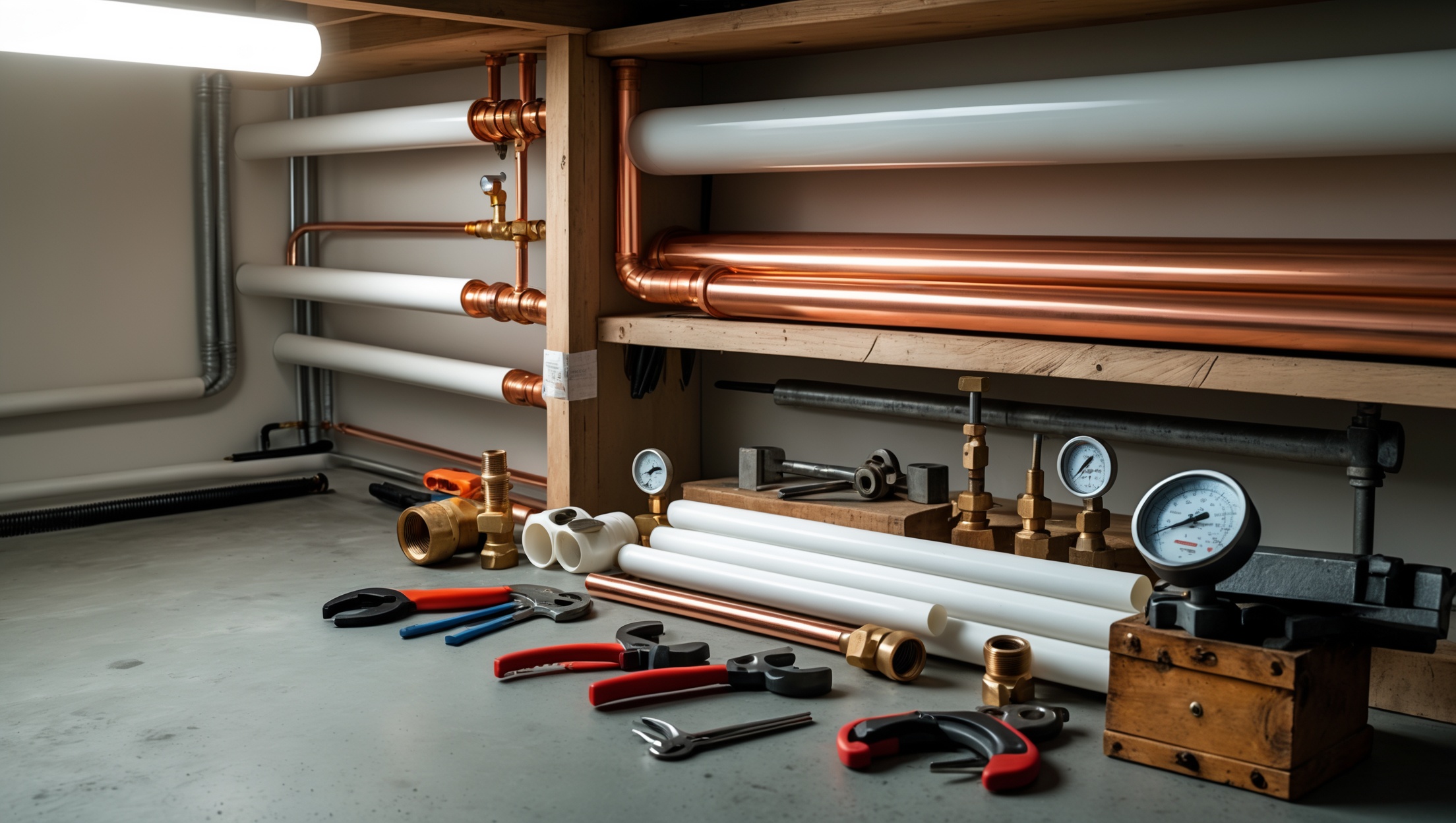
Essential Tools and Materials for Plumbing Winterization

  • Pipe insulation sleeves (foam or fiberglass)
  • Heat tape or heat cables (UL-listed for safety)
  • Weatherproof faucet covers
  • Caulk and weatherstripping
  • Adjustable wrench and channel-lock pliers
  • Bucket and towels (for draining water lines)
  • Utility knife or scissors (for cutting insulation)
  • Zip ties or duct tape (for securing insulation)
  • Flashlight or headlamp (for dark crawlspaces)
  • Non-toxic RV antifreeze (for unused drains)

Step-by-Step Guide: Winterizing Your Plumbing System

Step 1: Inspect and Identify Vulnerable Pipes

Start by walking through your home, including the basement, attic, garage, and crawlspaces. Look for exposed pipes, especially those near exterior walls or windows. Make a list of any pipes that aren’t protected by insulation or that run through unheated areas. Pay special attention to outdoor spigots, irrigation lines, and pipes under sinks located against outside walls.

Step 2: Shut Off and Drain Exterior Water Lines

  • Locate the shut-off valve for outdoor faucets, hose bibs, and irrigation systems. Turn it off.
  • Open the exterior faucets to allow any remaining water to drain out. Leave them open through the winter.
  • Disconnect hoses and store them indoors to prevent cracking.
  • Attach weatherproof faucet covers to all outdoor spigots.
  • If you have a sprinkler system, follow the manufacturer’s instructions to blow out and drain the lines completely.

Step 3: Insulate Exposed Pipes

  • Wrap all exposed water pipes in unheated areas with foam or fiberglass insulation sleeves. Cut to fit and secure with tape or zip ties.
  • For pipes in extremely cold areas, consider installing heat tape or cables. Always follow the manufacturer’s safety instructions and never overlap heat tape.
  • Don’t forget pipes under kitchen and bathroom sinks—especially those against outside walls. You may need to insulate the cabinet itself or leave cabinet doors open during cold snaps.

Step 4: Seal Gaps and Leaks

  • Check for gaps around pipe penetrations, basement windows, and crawlspace vents. Seal any leaks with silicone caulk or expanding spray foam.
  • Install weatherstripping on basement doors and windows to keep cold air out.
  • Ensure crawlspace vents are closed or covered for the winter, unless your home requires ventilation for moisture control.

Step 5: Protect Indoor Plumbing During Severe Cold

  • When a hard freeze is expected, let faucets drip slightly. Moving water is less likely to freeze.
  • Open cabinet doors under sinks to allow warm air to circulate around pipes.
  • Keep your home’s thermostat set to at least 55°F (13°C), even if you’re away.
  • Consider placing a space heater in particularly cold rooms, but never leave heaters unattended.

Step 6: Prepare for Extended Absences

  • If you’ll be gone for several days or more, consider shutting off the main water supply and draining the plumbing system.
  • Flush toilets and run faucets to clear water from the lines.
  • Pour a small amount of non-toxic RV antifreeze into toilet bowls and sink traps. This prevents residual water from freezing and cracking porcelain or pipes.
  • Ask a neighbor or friend to check in regularly, or install a smart water leak detector for peace of mind.

Special Considerations: Unique Plumbing Features

Well Systems

If your home uses a well, insulate the wellhead and pressure tank. Install a heat lamp or heater in the well house if necessary. Use heat tape on exposed pipes.

Mobile Homes and Manufactured Housing

These homes often have plumbing running under the floor. Make sure all skirting is intact and insulate pipes thoroughly. Consider heated tape for extra protection.

Older Homes

Many older homes lack adequate insulation. Inspect crawlspaces and attics, and add insulation where needed. Pay close attention to any pipes routed through uninsulated exterior walls.

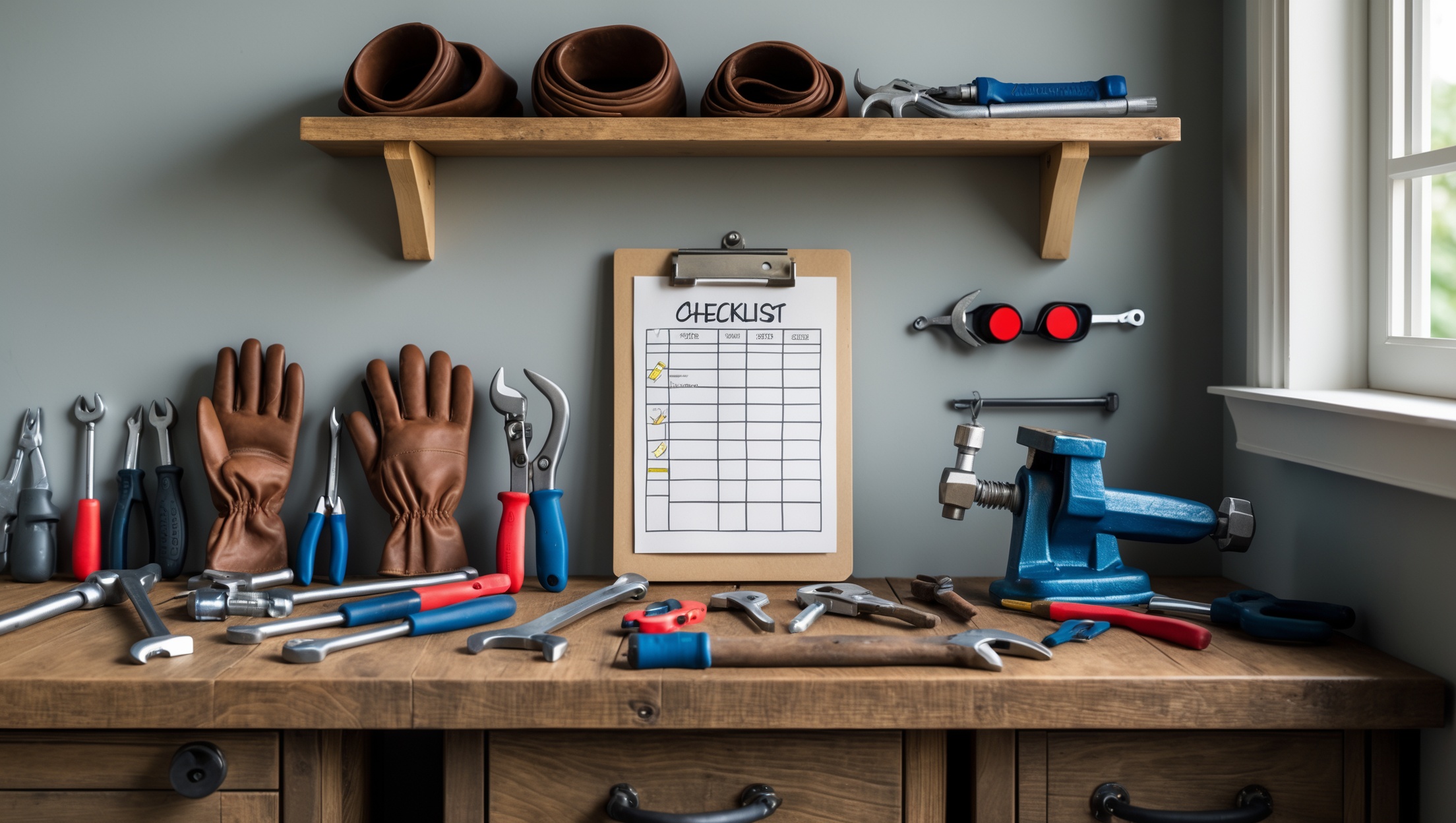
Checklist: Winterizing Your Plumbing

  • Shut off and drain all exterior water lines
  • Disconnect and store hoses
  • Install faucet covers on all outdoor spigots
  • Wrap exposed pipes with insulation sleeves
  • Install or check heat tape on vulnerable pipes
  • Seal gaps and leaks in walls, floors, and around pipes
  • Open cabinets and allow warm air to reach pipes during cold spells
  • Maintain indoor temperature at or above 55°F (13°C)
  • Prepare for absences by draining pipes and using RV antifreeze in traps
  • Inspect and insulate well systems or mobile home plumbing as needed

Troubleshooting: What If a Pipe Freezes?

  • If you suspect a frozen pipe (e.g., no water from a faucet), turn off the main water supply immediately to prevent flooding if the pipe bursts.
  • Use a hair dryer, heat lamp, or portable space heater to gently warm the frozen section. Start at the faucet end and work toward the frozen area.
  • Never use an open flame or torch to thaw pipes—this is a major fire hazard.
  • Once water is flowing again, check for leaks. If you find a burst pipe, call a licensed plumber immediately.

Maintenance Best Practices for Ongoing Protection

  • Inspect pipe insulation every fall and replace any that is damaged or missing.
  • Test heat tape annually before the first freeze.
  • Check exterior faucets for leaks after the first thaw.
  • Keep crawlspaces dry and well-ventilated to prevent mold and mildew.
  • Install a water leak detector with automatic shut-off for added security.
  • Schedule annual plumbing inspections, especially for older homes.

Frequently Asked Questions

Is pipe insulation really necessary if I keep my home heated?

Yes. Unheated areas, such as basements, garages, or crawlspaces, can still drop below freezing, even if your main living space stays warm. Pipe insulation is inexpensive and helps prevent costly damage.

Can I use regular household antifreeze in my plumbing?

No. Only use non-toxic RV or marine antifreeze, which is safe for plumbing systems and septic tanks. Regular automotive antifreeze is poisonous and not suitable for home use.

How do I know if my heat tape is working?

Most modern heat tapes have an indicator light. If yours does not, plug it in and carefully feel the tape—it should become slightly warm (but not hot) to the touch. Always follow the manufacturer’s instructions.

Conclusion: Stay Ahead of Winter Plumbing Problems

Winterizing your plumbing isn’t just a precaution—it’s an essential home maintenance task that can save you from the frustration and expense of burst pipes and water damage. By taking the time to inspect your plumbing, insulate vulnerable areas, and follow the step-by-step procedures outlined in this guide, you’re investing in the long-term health of your home. Remember that every home is unique; always tailor your approach to your property’s specific needs, and don’t hesitate to consult a licensed plumber for complex situations or older systems. With the right tools, materials, and know-how, you can face winter’s challenges confidently and keep your pipes flowing smoothly until spring. Stay proactive, stay safe, and enjoy the peace of mind that comes from a well-protected plumbing system all winter long.

260 comments
Matthew Lewis

The article talks about water damage and flooding from burst pipes. If a frozen pipe does burst, what immediate steps should I take to limit water damage while I wait for a plumber?

    Mario The Plumber

    If a frozen pipe bursts, first shut off your home’s main water supply right away to stop more water from flowing. If safe, turn off electricity to affected areas to prevent electrical hazards. Open nearby faucets to drain remaining water from the pipes. Mop up standing water quickly to prevent further damage and move valuables out of harm’s way. Keep the area as dry as possible while you wait for the plumber to arrive.

Linda Lee

I noticed you list both foam and fiberglass pipe insulation sleeves—do you recommend one over the other for older commercial spaces with exposed pipes, and how much of a difference does the material actually make?

    Mario The Plumber

    For older commercial spaces with exposed pipes, fiberglass sleeves are usually more durable and provide better insulation, especially in colder climates. Foam is easier to install and often used in residential settings, but fiberglass handles temperature extremes and physical wear better. The material can make a noticeable difference in heat retention and freeze prevention, so for older, exposed commercial pipes, fiberglass is typically the stronger choice.

Megan Harris

How long does it typically take to fully winterize all the plumbing in a house if it’s my first time? Should I plan for a whole weekend or can this be done in just a few hours?

    Mario The Plumber

    For your first time winterizing all the plumbing in your house, it’s smart to set aside most of a day, especially if you’re unfamiliar with the process or have a larger home. Smaller homes or those with simpler systems may only take a few hours. Allow extra time to gather supplies, follow each step carefully, and check for any issues along the way.

John Hernandez

When you mention using heat tape or heat cables, is there a specific type or brand you recommend for older metal pipes? Also, how do you make sure they’re installed safely to avoid any risk of electrical issues in damp areas like basements?

    Mario The Plumber

    For older metal pipes, look for heat cables specifically labeled as safe for metal, such as self-regulating or automatic thermostat models, which adjust their heat output and reduce fire risk. Brands like Frost King and EasyHeat are commonly used. When installing, always follow the manufacturer’s instructions, ensure the cable never overlaps itself, and use only GFCI outlets in damp areas like basements. Wrapping the pipe with insulation over the cable can also help improve safety and efficiency.

Margaret Anderson

How long does it usually take for a first-time DIYer to fully winterize the plumbing in an average-sized home? I want to make sure I set aside enough time before the first freeze.

    Mario The Plumber

    For a first-time DIYer, fully winterizing the plumbing in an average-sized home generally takes around 4 to 6 hours. The exact time can vary depending on the number of fixtures and your familiarity with the process. Be sure to allow extra time for gathering materials and double-checking each step to ensure nothing is missed before the first freeze.

Julie Anderson

If I start this winterizing process a little late in the season and the temperatures have already dropped below freezing a few times, is it still effective to go through the steps now, or is it too late?

    Mario The Plumber

    It’s still worthwhile to winterize your plumbing, even if temperatures have already dipped below freezing. While some pipes may have experienced minor freezing, completing the steps now can help prevent further damage and protect any pipes that haven’t frozen yet. Just be sure to check pipes carefully for any existing cracks or leaks before you begin, and address those issues right away.

Andrew White

I noticed you listed caulk and weatherstripping as essential materials. Is this mainly for sealing around outside faucets, or are there other plumbing areas where I should use these for winterizing?

    Mario The Plumber

    Caulk and weatherstripping are helpful not just around outside faucets, but also for sealing gaps or cracks near any plumbing that passes through walls to the outside, such as pipes in basements, crawl spaces, or around hose bibs. These materials help prevent cold air from reaching your pipes, reducing the risk of freezing anywhere vulnerable.

Robert Robinson

Could you clarify how to use heat tape safely on pipes in a crawl space? I noticed you recommend UL-listed heat cables, but I’m worried about potential fire risks if pipes are near insulation.

    Mario The Plumber

    When installing heat tape in a crawl space, make sure the heat tape is UL-listed and designed for use with your pipe material. Secure the tape directly onto clean, dry pipes as instructed by the manufacturer, and never overlap the tape. Keep all insulation at least a few inches away from the heat tape unless the product is specifically rated for contact with insulation. Always plug the tape into a GFCI-protected outlet and check it regularly for signs of damage.

John Jones

If I have pipes running through an unheated garage, should I drain them completely, or is insulating and adding heat tape usually sufficient to keep them safe during a harsh winter?

    Mario The Plumber

    If your pipes run through an unheated garage, insulating them and applying heat tape is usually enough to prevent freezing, even in harsh winters. Draining them is an extra precaution, but it’s typically only necessary if you expect extended periods of extreme cold or won’t be using the plumbing for a long time. Regularly check the insulation and heat tape to make sure they’re in good condition throughout winter.

Jessica Davis

If you discover a pipe has already started to freeze even after winterizing, is there a safe way to thaw it without causing more damage, especially in commercial spaces where some pipes are hard to reach?

    Mario The Plumber

    If you notice a pipe has started to freeze, it’s important to thaw it slowly to prevent it from bursting. For accessible pipes, try wrapping them with towels soaked in hot water or use a hair dryer on a low setting, moving it along the pipe. For hard-to-reach or hidden pipes, especially in commercial spaces, it’s best to contact a professional plumber who has specialized equipment. Never use open flames or high heat, as this can damage pipes and create safety hazards.

Jason Smith

What are the next steps after installing weatherproof faucet covers outdoors—do I need to drain the water lines as well, or is covering them enough to prevent freezing?

    Mario The Plumber

    After installing weatherproof faucet covers, it’s still important to drain the outdoor water lines. The covers help insulate faucets but don’t fully prevent freezing if water is left inside the pipes. Turn off the outdoor water supply from inside your home, open the exterior faucets to let any remaining water drain out, and leave them open through winter. This extra step helps protect your pipes from freezing and possible bursts.

Megan Perez

As a business owner, my shop has a few exterior faucets that get very little use in winter. Beyond weatherproof faucet covers, do you suggest fully shutting off the water to those lines or is insulating enough if I can’t easily access the shutoff valves?

    Mario The Plumber

    If you don’t have easy access to shutoff valves for your exterior faucets, thorough insulation is your best option. Use high-quality insulation sleeves or wraps on both the faucets and any exposed pipes. Also, make sure weatherproof covers are securely in place. If you can eventually access the shutoff valves, turning off the water and draining the lines is always the safest approach to prevent freezing and potential pipe bursts.

Michael Lee

How long does it typically take to winterize the plumbing in a small commercial space based on your listed steps? I want to plan for minimal business disruption.

    Mario The Plumber

    For a small commercial space, following the steps in the article, it usually takes about 2 to 4 hours to winterize the plumbing. This depends on the size of the space and the complexity of the plumbing system. To minimize business disruption, consider scheduling the work after hours or during a slow period, and ensure you have all necessary materials and tools ready beforehand.

Emily Moore

If I’m on a tight budget, are there any areas where it’s okay to use more affordable materials, like pipe insulation sleeves, or would cutting costs here increase my risk of frozen pipes?

    Mario The Plumber

    Using affordable pipe insulation sleeves is usually fine as long as they’re thick enough—at least 1/2 inch, but 3/4 inch is better for colder climates. The key is to make sure there are no gaps and all exposed pipes are covered. You don’t need to buy the priciest insulation, but skipping insulation altogether or using very thin sleeves does raise your risk of frozen pipes.

Emily Harris

I noticed pipe insulation sleeves come in foam or fiberglass. Is one material better than the other for really cold winters in northern states, or does it depend on where in the house the pipe is located?

    Mario The Plumber

    Foam insulation sleeves are generally easier to install and provide good protection for most indoor pipes, especially in heated areas. Fiberglass sleeves, often with a vapor barrier, offer better insulation for extreme cold and are ideal for pipes in unheated spaces like basements, crawl spaces, or garages. So, the best option depends both on your local winter temperatures and where the pipe is located in your home.

Sandra Sanchez

What’s the typical cost range for winterizing plumbing in a small business building? I’m trying to budget for supplies and possible handyman help this season.

    Mario The Plumber

    For a small business building, the cost to winterize plumbing can range from $200 to $800. This depends on the building’s size, the condition of your pipes, and whether you hire a handyman or do it yourself. Supplies like pipe insulation and faucet covers are usually under $100, while professional labor makes up the rest. Getting quotes from local professionals can help fine-tune your budget.

Michelle Davis

If I have older galvanized pipes in my basement, which tend to get quite cold, should I be taking any extra precautions beyond just the standard insulation mentioned in the guide?

    Mario The Plumber

    Yes, with older galvanized pipes, it’s wise to take some extra precautions. In addition to insulating them, check for any signs of corrosion or leaks, since these pipes are more prone to damage from freezing. You might also want to apply heat tape designed for pipes and ensure any nearby vents or windows are sealed to keep the area warmer. Regularly monitoring these pipes in extreme cold can also help prevent issues.

Michelle White

After I’ve winterized all visible pipes, are there any regular maintenance checks I should do throughout the winter, especially during really cold snaps, to avoid missing hidden problems?

    Mario The Plumber

    Yes, ongoing checks are important even after winterizing. Periodically inspect less-visible areas like crawl spaces, attics, and basements for any signs of leaks or frost. During extreme cold, open cabinet doors under sinks to allow warm air to circulate, and let a trickle of water run from taps on especially cold nights. Also, regularly check your water pressure; a sudden drop could indicate a hidden frozen or burst pipe.

David Smith

Once plumbing has been winterized as described, are there any maintenance steps or periodic checks homeowners should perform throughout winter to ensure nothing has shifted or become ineffective?

    Mario The Plumber

    After winterizing your plumbing, it’s wise to periodically check for any signs of leaks, frost, or unusual moisture around pipes and fixtures, especially in unheated areas. Make sure insulation remains securely in place and look for any gaps or damage. If you experience extreme cold snaps, briefly inspect exposed pipes and consider opening cabinet doors to allow warmer air to circulate. These checks help ensure your winterization remains effective all season.

Nancy Ramirez

After completing all the winterizing steps, are there signs I should watch for during cold spells that indicate a pipe might be close to freezing, so I can take action before it bursts?

    Mario The Plumber

    Yes, there are warning signs to watch for. If you notice unusually low water pressure, no water coming from a faucet, or strange noises like banging or gurgling from your pipes during a cold spell, those could mean a pipe is starting to freeze. Also, look for frost or condensation on exposed pipes. If you spot any of these, try increasing the heat in the area, open cabinet doors to allow warm air to reach pipes, and let faucets drip slightly.

Margaret Hernandez

For business owners on a tight budget, which of these winterization steps are absolutely critical to prevent frozen pipes, and which could potentially be skipped or delayed?

    Mario The Plumber

    For business owners on a tight budget, focus on draining outdoor hoses, insulating exposed pipes (especially in unheated areas), and shutting off exterior water lines—these are the most critical to prevent pipes from freezing. Steps like upgrading insulation or installing heat tape are helpful but could be delayed if necessary. Regularly check for drafts around pipes and seal them if you can, since that’s a cost-effective prevention measure.

Richard Thompson

When insulating pipes in my basement and garage, do I need to remove any old pipe insulation before adding new sleeves, or can I just add more on top? I want to make sure I’m doing it right the first time.

    Mario The Plumber

    It’s usually best to remove any old or damaged pipe insulation before adding new sleeves. Old insulation may be compressed, deteriorated, or moldy, which reduces its effectiveness. By taking it off, you ensure the new insulation fits tightly and works properly. If the existing insulation is in good condition, dry, and not compressed, you can layer new sleeves over it, but full removal gives the best results.

Joseph Moore

As a business owner in an older building with some pipes running through an unheated basement, I wonder if the insulation sleeves you recommend are enough or should I combine them with heat tape for extra protection?

    Mario The Plumber

    For older buildings with pipes in unheated areas, combining pipe insulation sleeves with heat tape is often the best approach. Insulation sleeves help retain heat, but in very cold conditions, heat tape adds active warming and extra protection against freezing. Make sure to install the heat tape according to manufacturer instructions before covering it with insulation. This dual method is especially important for metal pipes in drafty or poorly insulated basements.

Susan White

If a pipe does freeze but hasn’t burst yet, what are the immediate troubleshooting steps you would advise before calling a plumber?

    Mario The Plumber

    If you find a frozen pipe that hasn’t burst, turn off the main water supply first. Open nearby faucets to relieve pressure. Gently warm the frozen section using a hairdryer, heating pad, or towels soaked in hot water—never use an open flame. Start heating closest to the faucet and work toward the coldest part. Monitor for leaks, and if you see any, call a plumber immediately.

Karen Moore

Could you clarify how to tell if a pipe in an exterior wall is already frozen or in danger of freezing, especially in areas where access is limited, like crawl spaces or behind drywall?

    Mario The Plumber

    To check if a pipe is frozen in hard-to-access places, feel the wall or area for cold spots—frozen pipes often make surrounding surfaces unusually cold. If you can access the pipe, tap it lightly: a frozen pipe sounds solid, while one with running water sounds hollow. Signs of danger also include reduced or no water flow from fixtures connected to those pipes. If you suspect freezing but can’t reach the pipe, monitor water pressure and look for frost on exposed sections nearby.

Robert Thompson

If a pipe has already started to freeze but hasn’t burst yet, do the troubleshooting tips in your guide cover how to safely thaw it without causing further damage? What should I do first in that situation?

    Mario The Plumber

    Yes, the guide includes steps for safely thawing a frozen pipe that hasn’t burst. The first thing you should do is turn off the water supply to the affected area. Then, gently warm the pipe using a hair dryer or heating pad—avoid open flames or high heat, which can cause damage. Keep the faucet open to allow melted water to escape. Monitor the pipe closely for leaks during the process.

Elizabeth Johnson

If a pipe does end up freezing and cracks, what’s the first thing I should do to minimize water damage before I can call for repairs? The article talks about the risks, but I’m not sure about immediate troubleshooting steps.

    Mario The Plumber

    If you discover a cracked, frozen pipe, the most important first step is to shut off your main water supply immediately. This stops more water from leaking and causing damage. After turning off the water, open nearby faucets to relieve pressure and help drain out any remaining water in the pipes. Once you’ve done this, you can safely call for professional repairs.

Ashley Martinez

If a pipe has already started to freeze but hasn’t burst yet, what should I do right away before calling a professional? Are any of the materials on your list helpful for emergency situations, or is there something else I should keep on hand?

    Mario The Plumber

    If a pipe is starting to freeze but hasn’t burst, you should turn off the main water supply first to minimize damage if it does burst. Use materials like towels, a hair dryer, or a heat lamp from the article to gently warm the pipe—never use an open flame. It’s also wise to keep a bucket and mop nearby in case of leaks, and pipe insulation can help prevent future freezing.

Andrew Williams

You mention needing an adjustable wrench and channel-lock pliers. For someone trying to stick to a tight budget, are these tools absolutely essential, or can a basic wrench set and duct tape get most of the job done?

    Mario The Plumber

    An adjustable wrench and channel-lock pliers are recommended because they’re versatile and make it easier to loosen or tighten different plumbing fittings, especially in awkward spots. A basic wrench set might handle some tasks, but it can be limiting if you encounter various sizes. Duct tape can help with minor sealing in a pinch, but it won’t replace the grip and torque needed for plumbing connections. If you have to choose, prioritize a good adjustable wrench—many tasks can be managed with that alone.

Karen Lewis

The article says to use caulk and weatherstripping as part of the process. Does that mean I need to seal around all my indoor plumbing fixtures, or is this just for pipes running through exterior walls and crawl spaces?

    Mario The Plumber

    You only need to use caulk and weatherstripping around pipes that pass through exterior walls, crawl spaces, or other areas where cold air could enter and cause pipes to freeze. Sealing around all your indoor plumbing fixtures isn’t necessary unless those fixtures are located along exterior walls. Focus on spots where drafts might reach your pipes.

Karen Miller

For older homes with plumbing that runs through the attic or crawl space, would you recommend using both foam pipe insulation sleeves and heat tape together, or is one method usually sufficient to prevent freezing in those areas?

    Mario The Plumber

    In older homes where pipes run through unheated areas like attics or crawl spaces, combining foam pipe insulation sleeves with heat tape provides the best protection against freezing. Foam insulation helps retain heat, while heat tape actively warms the pipes when temperatures drop. Using both together is especially effective in very cold climates or if past freezing issues have occurred. Relying on just one method may not be sufficient in extreme conditions.

James Johnson

For insulating pipes in my unheated garage, do you recommend foam or fiberglass sleeves in areas where temperatures get below zero? Are there pros and cons to each material in terms of durability or ease of installation?

    Mario The Plumber

    Foam pipe sleeves are generally easier and quicker to install and provide good insulation for most situations. They’re also resistant to moisture, which is useful in unheated garages. Fiberglass sleeves offer excellent insulation in extremely cold climates but are bulkier and a bit more challenging to install, plus they usually need a vapor barrier to prevent moisture problems. For below-zero temperatures, both work, but foam is often preferred for DIYers due to its simplicity and moisture resistance.

Anthony Martin

How much should I budget for all the tools and materials recommended here if I’m starting from scratch? Are there any brands or types you’ve found last longer or work better for DIY winterizing?

    Mario The Plumber

    If you’re starting from scratch, expect to budget around $100 to $200 for all the essential tools and materials like pipe insulation, faucet covers, heat tape, and basic hand tools. For durability, Frost King and 3M are reputable brands for pipe insulation and weatherproofing materials. For hand tools, Stanley and Craftsman are solid choices that tend to last and work well for DIY projects like winterizing.

Jessica Smith

If we notice a pipe has already frozen but not burst, what immediate troubleshooting steps should we take before calling a plumber, especially to minimize downtime for our business?

    Mario The Plumber

    If a pipe is frozen but hasn’t burst, first turn off the main water supply to prevent leaks if it thaws suddenly. Open nearby faucets to relieve pressure. Gently warm the frozen section with a hair dryer or space heater—never use an open flame. Start warming from the faucet end toward the frozen area. Monitor for leaks as it thaws. If you can’t access the pipe easily or if it doesn’t thaw, call a plumber to minimize business downtime.

David Miller

I noticed you listed heat tape as a recommended material—are there specific safety precautions or brands you would suggest when installing heat cables on pipes in a basement?

    Mario The Plumber

    When installing heat cables or tape in a basement, always follow the manufacturer’s safety instructions closely. Choose UL-listed brands like Frost King or EasyHeat, and never overlap the cable on itself as it can overheat. Make sure the cable is rated for the pipe material you have, and use a grounded outlet. Inspect the cable each year for damage before use for added safety.

William Smith

If I suspect a pipe has already started to freeze but hasn’t burst, what’s the safest immediate action to take before calling a plumber? The article talks about bursts but not much about catching it early.

    Mario The Plumber

    If you think a pipe is freezing but hasn’t burst yet, turn off the water supply to that pipe if possible. Open the faucet connected to it slightly—this relieves pressure and allows water to flow. Use a hairdryer, heating pad, or towels soaked in hot water to gently warm the pipe, starting closest to the faucet. Avoid using open flames or high heat. Call a plumber if you can’t locate or access the pipe.

Thomas Brown

After insulating pipes and covering outdoor faucets, should I also consider shutting off water to specific areas like my garage or basement, or is that only necessary if I plan to leave the house vacant during winter?

    Mario The Plumber

    It’s a good idea to shut off water to areas like your garage or basement if they aren’t heated and aren’t used frequently during winter, even if you’re staying in the house. This adds an extra layer of protection against frozen or burst pipes. However, if those areas are kept warm and you use them regularly, insulating the pipes and covering faucets should be sufficient.

James Robinson

If a pipe does burst despite winterizing steps, what is the very first thing I should do before calling for professional help to minimize water damage?

    Mario The Plumber

    If a pipe bursts, the very first thing you should do is shut off your home’s main water supply immediately. This will stop water from continuing to flow and minimize damage. Once the water is off, open faucets to drain any remaining water in the pipes. After taking these actions, you can then contact a professional for repairs.

Lisa Lewis

If a pipe does start to freeze despite winterizing efforts, what is the immediate next step you recommend to minimize damage before a plumber can get out?

    Mario The Plumber

    If you notice a pipe starting to freeze, turn off the main water supply immediately to prevent bursts. Then, open nearby faucets to relieve pressure. You can gently warm the pipe with a hair dryer or warm towels, but avoid open flames or high heat. These steps help limit water damage until a plumber can assess and repair the situation.

Ashley Brown

If a pipe does freeze despite following these winterization steps, what should be the homeowner’s immediate course of action before calling a plumber to minimize damage?

    Mario The Plumber

    If you discover a frozen pipe, turn off the main water supply immediately to prevent potential flooding. Next, open the affected faucet so that water and steam can escape as the pipe thaws. If possible, gently warm the frozen section with a hair dryer or towels soaked in hot water. Avoid using open flames or high heat, as that can cause damage. If the pipe is already cracked or you can’t locate the freeze, contact a plumber right away.

Rachel Anderson

You listed caulk and weatherstripping as essential materials. For a retail space with a lot of exterior wall pipes, how do I prioritize which areas to seal if I am limited on time before a cold snap hits?

    Mario The Plumber

    When time is short, focus first on sealing gaps and cracks around exterior pipes that are most exposed to wind and cold, especially those near doors, windows, or unheated spaces. Prioritize areas where you can feel drafts or notice old, deteriorated caulk. Sealing these spots will help prevent the quickest heat loss and reduce the risk of frozen pipes.

Thomas Hernandez

After winterizing my plumbing, is it necessary to periodically check on insulated pipes and faucet covers throughout the season, or will things pretty much stay safe until spring if installed correctly?

    Mario The Plumber

    It’s a good idea to periodically check on insulated pipes and faucet covers during the winter, even if you installed them properly. Changes in weather, animals, or shifting insulation can sometimes cause issues. A quick inspection every few weeks can help you catch any problems early, ensuring your plumbing stays protected all season.

Jason Thomas

If my pipes are already in the exterior walls and I can’t access them easily, are there any specific troubleshooting tips if I suspect they might freeze despite using insulation?

    Mario The Plumber

    If your pipes are in exterior walls and may still freeze, try keeping cabinet doors open to allow warmer air to circulate around the pipes. Letting faucets drip slightly can also help prevent freezing. If you suspect a freeze, use a hair dryer or space heater (safely) to gently warm the area. Watch for reduced water flow, which can signal a frozen pipe, and turn off the main water supply if you think a pipe has burst.

Megan Anderson

Could you clarify how long the whole winterizing process usually takes for an average-sized home? I want to plan ahead to minimize downtime for my business if any water lines need to be temporarily shut off.

    Mario The Plumber

    For an average-sized home, the entire winterizing process typically takes between 2 to 4 hours. This depends on the complexity of your plumbing system and how accessible everything is. If all key shut-off valves are easy to reach and you’ve gathered your materials in advance, it might be closer to 2 hours. You can minimize water downtime by shutting off and draining each zone one at a time, so your business isn’t without water in all areas at once.

John Martinez

Could you clarify how to properly use heat tape or heat cables safely? You mention they should be UL-listed, but are there any common mistakes first-timers make when installing them?

    Mario The Plumber

    UL-listed heat tape or cables are essential for safety, but first-timers sometimes make mistakes like overlapping the tape on itself, which can cause overheating and fire risks. Always follow the manufacturer’s instructions closely, avoid covering the tape with insulation that isn’t recommended, and check that the electrical outlet is grounded. Also, inspect the cables annually for damage before use.

Sean Martin

How long does the whole winterizing process usually take for a typical two-story house? I have classes and work, so I’m wondering if it’s something I can realistically tackle in a single afternoon or if it takes several days.

    Mario The Plumber

    Winterizing plumbing in a typical two-story house usually takes about 3 to 5 hours if you have all the supplies ready and follow the steps in order. Most homeowners can finish it in a single afternoon, especially if you don’t run into any unexpected issues. If it’s your first time, you might want to budget a little extra time just in case.

Anthony Anderson

When using heat tape or heat cables as mentioned in your guide, is it safe to leave them plugged in all winter, or should they only be used during particularly cold nights? I want to avoid any fire hazards but keep my pipes protected.

    Mario The Plumber

    You can leave heat tape or heat cables plugged in all winter if they are the type with a built-in thermostat, as these only activate when temperatures drop near freezing. Always follow the manufacturer’s instructions, check that the product is UL-listed, and inspect wiring for damage before use. If your cables are manual (without thermostats), only plug them in during cold spells to reduce fire risk.

Anthony Garcia

If I’m not really handy and don’t have things like an adjustable wrench or channel-lock pliers yet, do you recommend I buy them, or are there simpler alternatives for some of these steps?

    Mario The Plumber

    For basic winterizing, some steps—like shutting off indoor valves or draining faucets—can be done without special tools. However, if you need to disconnect hoses or open drain plugs, adjustable wrenches or channel-lock pliers make the job much easier and safer. If you plan to handle these tasks yourself in the future, investing in these tools is worthwhile, but for now, you might be able to borrow them from a neighbor or ask a friend for help.

Helen Smith

Does winterizing always require buying new materials, or are there any cost-saving tips for repurposing things like leftover insulation or weatherstripping I already have from other projects?

    Mario The Plumber

    You definitely don’t always have to buy new materials to winterize your plumbing. If you have leftover insulation or weatherstripping from previous projects, you can repurpose them to wrap exposed pipes or seal gaps around doors, windows, or pipe entry points. Just make sure whatever you use is still in good condition and provides a tight seal. Reusing these materials can save money and reduce waste.

George Jackson

Your list says to use caulk and weatherstripping, but I am not sure where exactly I should apply those around my shop’s plumbing. Could you clarify which seams or areas are most important to seal for preventing pipe freezes?

    Mario The Plumber

    Focus on sealing gaps or cracks where pipes enter your shop through walls, floors, or the foundation. Apply caulk around these entry points to block cold air drafts. Use weatherstripping on any doors or windows near plumbing, especially those in unheated spaces like utility rooms or basements. This extra layer of protection helps keep warm air in and reduces the risk of pipes freezing.

Donna Miller

My budget is pretty tight, so I was curious if there’s a big difference in effectiveness between the foam pipe insulation sleeves and the fiberglass ones, or is foam usually enough for mild winters?

    Mario The Plumber

    For mild winters, foam pipe insulation sleeves are generally sufficient and more budget-friendly. They’re easy to install and do a good job preventing pipes from freezing in areas that don’t experience severe cold. Fiberglass insulation is often used in very cold climates or for exposed pipes, but for most mild winter situations, foam should meet your needs without extra expense.

Karen Lopez

If pipes do freeze in spite of winterizing, what’s the safest way to thaw them out without causing damage? The article talks about preventing this, but I’m wondering what I should do in case it happens.

    Mario The Plumber

    If your pipes freeze despite winterizing, start by turning off the main water supply to prevent leaks. Open the affected faucets to relieve pressure and allow thawed water to escape. Use a hair dryer or a space heater to gently warm the pipe, moving heat along the length of the frozen section. Avoid open flames or high heat sources, as they can damage pipes. If you can’t reach the frozen area or if you suspect a burst pipe, call a plumber right away.

Megan Gonzalez

If a pipe already froze but hasn’t burst yet, what’s the safest way to thaw it out before there’s serious damage? I’d love more troubleshooting tips for those situations since I’m worried about missing early warning signs.

    Mario The Plumber

    If you have a frozen pipe that hasn’t burst, turn off the main water supply first. Apply gentle heat to the frozen section using a hair dryer or heating pad—never use an open flame. Start warming near the faucet and work your way toward the coldest part. Look for early signs like reduced water flow, odd smells, or frost on pipes, and keep those areas warm to prevent future freezes.

Susan Martin

If a homeowner discovers a pipe has already frozen but not burst, what’s the safest immediate action to take before calling a professional, especially if they don’t have heat tape on hand?

    Mario The Plumber

    If you find a frozen pipe that hasn’t burst, turn off the main water supply first to reduce risk of flooding. Then, try to gently thaw the pipe by applying warm air with a hair dryer or wrapping it with warm towels—never use an open flame. Start heating from the faucet end and work toward the frozen section, and keep the faucet open to allow water to flow as it thaws.

Helen Perez

Is it possible to winterize my plumbing on a tight budget using mostly DIY materials, or are there certain tools or products that you wouldn’t recommend skimping on for safety reasons?

    Mario The Plumber

    You can definitely winterize your plumbing on a tight budget by using DIY materials like foam pipe insulation, faucet covers, and even old towels for extra wrapping. However, it’s best not to skimp on quality pipe insulation and heat tape for exposed pipes—cheap alternatives may not provide enough protection and could lead to expensive damage. Also, always use proper tools for shutting off water and draining lines to avoid accidents.

John Miller

Is it necessary to buy specialized weatherproof faucet covers, or are there any affordable DIY alternatives that work just as well for outdoor faucets?

    Mario The Plumber

    You don’t have to buy specialized weatherproof faucet covers if you’re looking to save money. Many homeowners use inexpensive DIY alternatives like wrapping outdoor faucets with old towels, rags, or foam, then securing them with plastic bags and duct tape to keep moisture out. Just make sure your materials are thick enough to insulate and that they’re secured tightly against the elements.

Joshua Johnson

You mention that pipes in unheated spaces like garages and attics are most at risk. Could you clarify how to access and insulate pipes located inside exterior walls without causing damage to the drywall or existing insulation?

    Mario The Plumber

    Accessing pipes inside exterior walls without damaging the drywall is challenging. If you’re looking to add insulation, the least invasive method is to blow in foam or loose-fill insulation through small holes drilled in the drywall. However, to wrap pipes directly with foam sleeves, you’d usually need to open up the wall. If your home is undergoing renovations, that’s the best time to insulate these pipes. Otherwise, focus on keeping wall cavities warm and seal any drafts to help protect the pipes.

David Johnson

As a small business owner with a couple of rental properties, I’m curious—do you have any advice for winterizing older plumbing systems, especially those with pipes running through exterior walls? Are there extra steps or materials recommended to reduce the risk of freezing for older properties?

    Mario The Plumber

    Older plumbing systems, especially those with pipes in exterior walls, do require extra attention. Make sure to add pipe insulation or heat tape to exposed areas, and consider wrapping pipes in fiberglass for added protection. Seal any gaps or cracks in exterior walls to block cold drafts. For long-term reliability, you might install frost-proof outdoor faucets or reroute vulnerable pipes indoors if possible. Regularly check for leaks or signs of wear, as older pipes are more prone to problems during freezing temperatures.

Charles Miller

You mentioned using heat tape or heat cables that are UL-listed for safety. Can you share some practical tips on how to install these safely, especially in crawlspaces or awkward areas where pipes are hard to reach?

    Mario The Plumber

    When installing heat tape or cables in crawlspaces or tight spots, always read the manufacturer’s instructions first. Make sure the tape lies flat along the pipe and never overlaps itself, as this can cause overheating. Secure it with the recommended tape or ties, not metal fasteners. Plug them into a GFCI-protected outlet for added safety. Clear away insulation or debris before installing, then add insulation over the taped pipes if allowed. Always check periodically for damage, especially in hard-to-reach places.

Aaron Hernandez

I’m on a tight budget this year. Are there any lower-cost alternatives to weatherproof faucet covers or heat tape that still do a good job of preventing frozen outdoor pipes?

    Mario The Plumber

    Yes, there are a few budget-friendly options you can try. Wrapping outdoor faucets and exposed pipes with old towels or rags, then securing them with plastic bags and duct tape, offers basic protection. Foam pipe insulation is also inexpensive and effective. Just be sure to remove garden hoses and shut off outdoor water supply lines if possible for added protection.

Lisa Martin

You mentioned using caulk and weatherstripping for winterizing. Should I focus just on sealing pipes that are exposed to outside air, or do I need to seal around indoor pipes as well?

    Mario The Plumber

    You should prioritize sealing pipes exposed to outside air, as these are most vulnerable to freezing. However, it’s also wise to inspect and seal around indoor pipes in unheated areas like basements, crawl spaces, or garages. Any spots where cold drafts can reach pipes should be addressed with caulk or weatherstripping to help prevent freezing and heat loss.

Jennifer Johnson

For a small business with several exterior water lines, would you recommend using heat tape or pipe insulation sleeves in areas like unheated storerooms? I want to make sure I pick the best option to avoid any pipe bursts this winter.

    Mario The Plumber

    In unheated storerooms, heat tape is a stronger choice for freeze prevention, especially if temperatures regularly drop below freezing. Pipe insulation sleeves help slow down heat loss but don’t provide active warming. For the best protection, you can combine both: first wrap the pipes with heat tape (follow the manufacturer’s instructions for safety), then add insulation sleeves on top. This dual approach helps guard against pipe bursts during the coldest spells.

Aaron Harris

You mentioned using pipe insulation sleeves made of either foam or fiberglass. Is there a big difference between these two materials when it comes to preventing frozen pipes, especially in super cold climates?

    Mario The Plumber

    Foam sleeves are easier to install and offer good insulation for most homes, but in extremely cold climates, fiberglass sleeves provide better protection because they have a higher insulating value and can handle higher temperature variations. If your area gets very cold, fiberglass sleeves are usually more effective at preventing pipes from freezing, especially in unheated spaces like basements or attics.

Mary Perez

If my business property has outdoor faucets that get a lot of use, how often do I need to check or replace the weatherproof covers over the winter, and are there any signs of wear I should watch for?

    Mario The Plumber

    For outdoor faucets that see frequent use, it’s a good idea to check the weatherproof covers every few weeks during winter. Look for cracks, brittleness, or any gaps where cold air could get in. If the cover feels stiff, shows visible damage, or no longer fits snugly, replace it to maintain protection. Periodic inspections help catch wear early and prevent potential freeze damage.

Sarah Lewis

Is it better to use foam pipe insulation sleeves or fiberglass for winterizing plumbing, especially if I’m on a tight student budget? Are there big differences in how well each works?

    Mario The Plumber

    Foam pipe insulation sleeves are usually the best choice if you’re on a tight budget. They’re affordable, easy to install, and provide good protection against freezing. Fiberglass works well too, especially for very high or very low temperatures, but it’s messier to install, often more expensive, and usually not necessary for most residential plumbing winterization. Foam should meet your needs as a student, unless your area gets extremely cold.

Joshua Jones

How long does it typically take for a DIYer to complete all the winterizing steps for a standard single-family home, especially for someone who has never done plumbing work before?

    Mario The Plumber

    For someone new to plumbing, winterizing a standard single-family home’s plumbing usually takes about 3 to 5 hours. This includes draining pipes, insulating exposed sections, shutting off outdoor water, and checking for leaks. If you take your time and follow each step carefully, it’s perfectly manageable in a single afternoon, even for a first-timer.

Nancy Lopez

If a frozen pipe does crack and causes a leak before I catch it, what are the immediate steps to minimize water damage before calling in a plumber? The article mentions quick flooding risks and I’d like to know what to do first in an emergency.

    Mario The Plumber

    If you discover a cracked, leaking pipe, act quickly by shutting off your home’s main water supply to stop the flow. If safe, turn off electricity in the affected area to avoid electrical hazards. Open faucets to drain remaining water and relieve pressure. Mop up standing water and move valuables to a dry place. Call a plumber as soon as possible for repairs.

Robert Ramirez

I live in a rental with a basement and the landlord is not super proactive about maintenance. Is there anything from the guide that I can safely do myself to prevent pipes from freezing without making permanent changes?

    Mario The Plumber

    Absolutely—you can take several non-permanent steps from the guide to help prevent your pipes from freezing. You can insulate exposed pipes in the basement with foam pipe sleeves or towels, keep cabinet doors open under sinks to let warm air reach pipes, and let faucets drip slightly during extreme cold. None of these actions require permanent changes or landlord approval.

Sean Jackson

If I’ve already had a pipe freeze and crack in my garage last winter, are there extra steps I should take this year beyond the usual insulation and faucet covers?

    Mario The Plumber

    Since you’ve already experienced a frozen and cracked pipe in your garage, it’s wise to go beyond basic insulation and faucet covers. Consider installing heat tape or heat cables on the vulnerable pipes, and make sure all gaps or holes in the garage walls or around the pipes are sealed to block drafts. Keeping the garage temperature above freezing when it’s extremely cold can also help prevent future damage.

Ashley Jackson

For a small business, how much should I expect to budget for all the tools and materials you list, like heat cables and faucet covers? Are there safe ways to cut costs without compromising on protection?

    Mario The Plumber

    For a small business, expect to budget between $100 and $300 for all basic winterizing materials like heat cables, faucet covers, insulation, and pipe wrap, depending on your building’s size. To save money safely, insulate pipes in the coldest areas first, and buy quality items only for exposed or high-risk pipes. Generic or store-brand insulation and faucet covers can work just as well as premium brands.

Jason Williams

I noticed a lot of tools and materials are recommended. For someone on a tight budget, are there any steps that are absolutely essential to do first to lower the risk of frozen pipes?

    Mario The Plumber

    If you’re on a budget, the most essential steps are draining outdoor hoses, shutting off and draining exterior faucets, and insulating any exposed indoor pipes with inexpensive foam pipe insulation or even towels. Also, keep cabinet doors open under sinks to let warm air circulate around pipes during very cold weather. These steps help prevent freezing with minimal cost.

Julie Sanchez

If a pipe does end up cracking or leaking after I’ve followed all the steps in the guide, what’s the first thing a beginner like me should do to control the damage before calling a plumber? Some troubleshooting tips for emergencies would be helpful.

    Mario The Plumber

    If you notice a cracked or leaking pipe, the first thing you should do is shut off your home’s main water supply to prevent further water damage. Then, open nearby faucets to drain any remaining water from the system. If possible, place a bucket under the leak and use towels or tape to contain water until help arrives. Avoid using any appliances connected to the affected line, and call a plumber for professional repair as soon as possible.

Thomas Sanchez

After I finish winterizing, is it necessary to keep checking my plumbing throughout the winter, or will one thorough job last until spring? If follow-up is needed, how often should I inspect and what should I look for?

    Mario The Plumber

    A thorough winterization is a great start, but it’s wise to check your plumbing a few times during the winter, especially after severe cold snaps. Inspect exposed pipes for frost, leaks, or unusual condensation. Also, check around faucets and outdoor hose bibs. Regular spot checks—monthly or after extreme weather—can help you catch any issues early before they become major problems.

Joseph Wilson

What’s the average amount of time a small business owner should set aside for a thorough plumbing winterization following your step-by-step guide? We have some older fixtures that might need extra attention.

    Mario The Plumber

    For a small business, especially with older fixtures, you should plan for about 4 to 6 hours to fully winterize the plumbing if you follow each step in the guide. Older fixtures may require extra inspection and possible repairs, so setting aside a full day is a good idea in case you encounter any issues or need to replace worn parts.

Jennifer Miller

Could you explain more about how to actually use heat tape or heat cables safely? The article says UL-listed cables are important, but are there major differences between brands or types when it comes to preventing pipe freeze?

    Mario The Plumber

    When using heat tape or heat cables, always follow the manufacturer’s instructions closely and only use UL-listed products designed for your specific pipe type (plastic or metal). Some cables self-regulate their heat output, while others have built-in thermostats for extra safety. Major brands usually offer better reliability, but the key differences are in features like length, flexibility, and whether they’re automatic or manual. Never overlap cables or use indoor-rated tape outdoors. Regularly check for wear and replace older cables as needed.

Mary Harris

For someone on a tight budget, are there certain winterization steps or materials from your list that are absolutely essential and others that can be skipped without putting the plumbing at serious risk?

    Mario The Plumber

    If you’re on a tight budget, focus on key steps like draining outdoor hoses, insulating exposed pipes (especially in unheated areas), and shutting off and draining exterior faucets. These actions protect against frozen and burst pipes. You can skip extras like professional blow-outs or high-end insulation products, but make sure at least to use basic foam pipe covers or even old towels for insulation if needed.

Michelle Jackson

For someone on a tight budget, which of the materials from your essentials list are absolutely non-negotiable and which can be skipped or DIYed with cheaper alternatives? I’d love some tips for prioritizing the best bang for my buck.

    Mario The Plumber

    The non-negotiable essentials are pipe insulation and faucet covers, as they directly prevent freezing. You can use inexpensive foam pipe sleeves or even wrap pipes with old towels and duct tape as a temporary DIY solution. Drain antifreeze is useful but not always essential unless your plumbing is especially vulnerable. Skip specialty tools if you already have basic ones at home. Prioritize insulating pipes in unheated areas first for the best value.

Brian Moore

You mention caulk and weatherstripping as essential materials—what specific parts of the plumbing system should these be applied to versus just using pipe insulation?

    Mario The Plumber

    Caulk and weatherstripping are best used around areas where pipes enter your home, such as gaps or cracks in walls, floors, or around window frames near plumbing. This helps seal out cold air. Pipe insulation, on the other hand, should be wrapped directly around the pipes themselves, especially those in unheated spaces. Use caulk and weatherstripping for sealing entry points, and pipe insulation for covering exposed pipes.

Matthew Anderson

Can you recommend budget-friendly alternatives to weatherproof faucet covers mentioned in the guide? I’m trying to keep costs down but still want to prevent outdoor faucets from freezing.

    Mario The Plumber

    You can use items like old towels, rags, or even newspapers to insulate your outdoor faucets. Just wrap them securely around the faucet and then cover with a plastic bag or garbage bag to keep moisture out. Use duct tape or string to hold everything in place. This DIY method is inexpensive and still offers good protection against freezing.

William Moore

For someone on a tight budget, is there a minimum list of winterization steps or materials that will still offer decent protection against frozen pipes?

    Mario The Plumber

    If you’re on a budget, focus on essential steps like draining outdoor hoses, shutting off and draining exterior faucets, and insulating exposed indoor pipes with inexpensive foam pipe sleeves or even thick towels. Make sure to keep your home at least moderately heated, especially in areas with plumbing. These basic measures can go a long way in preventing frozen pipes without breaking the bank.

Susan Garcia

For homeowners on a tight budget, which of the listed materials and tools would you consider absolutely essential, and are there any cost-effective alternatives to branded heat cables or insulation?

    Mario The Plumber

    For a tight budget, the essentials are pipe insulation sleeves (foam or rubber), pipe wrap tape, and faucet covers. You can use old towels or blankets as a temporary alternative to insulate exposed pipes—just make sure they stay dry. Instead of pricey branded heat cables, shop for generic brands or, if your climate isn’t too severe, prioritize thorough insulation and sealing gaps to prevent drafts.

Michelle Rodriguez

For first-time homeowners who are not very familiar with plumbing tools, are there specific steps in your guide that typically require a professional, or is everything truly doable DIY with just the tools listed?

    Mario The Plumber

    Most steps in the guide are designed for DIYers using common household tools like wrenches and pipe insulation. However, if you encounter complicated plumbing layouts, older pipes, or difficulty shutting off the main water supply, it’s wise to call a professional. Draining your water heater or handling exterior plumbing lines can also be tricky if you’re unfamiliar, so consider professional help for those tasks.

Anthony Brown

If I have plumbing running through both my unheated garage and a partially insulated attic, are there different winterization steps I should prioritize for each space based on the risks outlined in your guide?

    Mario The Plumber

    Yes, it’s wise to tailor your approach for each space. For the unheated garage, focus on insulating exposed pipes and possibly adding heating cables, since these areas are more prone to freezing. In the partially insulated attic, check for any gaps in insulation around pipes and seal them, while also ensuring vents are closed to keep cold air out. Both areas benefit from shutting off and draining unused water lines, but pay extra attention to the garage due to greater exposure to cold.

William Clark

For renters, is there a way to winterize plumbing without making any permanent changes, like caulking or installing weatherstripping? I want to avoid issues but can’t alter the property too much.

    Mario The Plumber

    Absolutely, renters can take non-permanent steps to protect plumbing. Use removable foam pipe insulation on exposed pipes, and cover outdoor faucets with insulated covers that don’t require hardware. You can also open cabinet doors to let warm air circulate around indoor pipes and let a small trickle of water run during freezing nights. These actions help prevent freezing without making any lasting changes to the property.

Jason Perez

If I find a pipe that’s already developed a small crack after a cold night, should I repair it myself right away or call a plumber, and do you have tips for a quick temporary fix until professional help arrives?

    Mario The Plumber

    If you find a cracked pipe, it’s safest to call a plumber since even small cracks can lead to bigger leaks or bursts. As a temporary fix, turn off the water supply and dry the pipe. You can wrap the cracked area tightly with waterproof tape or use a pipe repair clamp to minimize leaking until a professional arrives. Avoid running water through that pipe until it’s properly repaired.

Megan Clark

The article mentions using both foam and fiberglass pipe insulation sleeves. Is one type better than the other for really cold climates, or does it just come down to personal preference and budget?

    Mario The Plumber

    Foam pipe insulation is easier to install and offers good protection against moderate cold, but fiberglass insulation generally provides better performance in extremely cold climates, especially for exposed or outdoor pipes. Fiberglass is more resistant to very low temperatures but can be harder to install and may need a vapor barrier. If you live in an area with harsh winters, fiberglass is usually the better choice for maximum freeze protection.

Tyler Miller

If pipes have already frozen but have not burst, what are the immediate steps I can take to safely thaw them and avoid further damage, especially if I don’t have all the recommended tools on hand?

    Mario The Plumber

    If your pipes are frozen but haven’t burst, first turn off the main water supply to minimize risk. Open nearby faucets to relieve pressure and allow water to escape as the pipe thaws. Use safe heat sources like a hair dryer or warm towels wrapped around the pipe—never use open flames. Start warming the pipe near the faucet and work your way back. If you can’t access the pipe or it doesn’t thaw, consider calling a plumber.

Patricia Jones

If a pipe has already frozen but hasn’t burst, what’s the best immediate action to take before calling a plumber, and are there any common mistakes I should avoid in that situation?

    Mario The Plumber

    If a pipe has frozen but hasn’t burst, turn off the main water supply first to reduce pressure. Then, gently warm the frozen section using a hair dryer or warm towels—never use an open flame or blowtorch, as that risks damaging the pipe or causing a fire. Avoid banging on the pipe or using boiling water, since sudden temperature changes can make the pipe crack.

Joseph Miller

I noticed you recommend caulk and weatherstripping as part of winterizing plumbing. Should these be used only around pipes going through exterior walls, or is it also helpful to seal up indoor plumbing fixtures like under-sink pipes in older homes?

    Mario The Plumber

    Caulk and weatherstripping are most important around pipes passing through exterior walls, as these areas are more prone to drafts and cold air intrusion. However, in older homes where under-sink areas may be especially drafty or exposed, sealing gaps around indoor plumbing fixtures can also help keep cold air out and offer extra protection against frozen pipes.

Jason White

Are there any budget-friendly alternatives to UL-listed heat tape for homeowners who need a lower-cost solution but still want to avoid frozen pipes?

    Mario The Plumber

    Yes, there are some budget-friendly alternatives to UL-listed heat tape. Pipe insulation sleeves made from foam or fiberglass are much cheaper and can help keep pipes from freezing, especially in milder climates. Wrapping pipes with layers of old towels or blankets and securing them with tape is another low-cost option, though it won’t provide as much protection as commercial products. Just remember to check these makeshift solutions regularly and ensure they stay dry.

Julie Lee

Budget-wise, if I had to prioritize, which steps or materials from your list are truly critical for preventing pipe bursts in a small storefront with a mix of interior and exterior plumbing lines?

    Mario The Plumber

    For your small storefront, focus first on insulating any exposed pipes, especially those on exterior walls or unheated spaces. Pipe insulation is affordable and effective. Draining and shutting off outdoor water lines is another critical step. If your storefront will be unoccupied for periods, maintaining some indoor heat (even at a low setting) helps prevent freeze-ups. These steps target the biggest risks for pipe bursts without a large investment.

Kevin Robinson

The article mentions using pipe insulation sleeves, but I’m not sure how to tell if foam or fiberglass is the better choice for my older home in a cold climate. Are there particular advantages or drawbacks to each material when it comes to preventing frozen pipes?

    Mario The Plumber

    Foam pipe insulation is easy to install, cost-effective, and provides good protection against freezing for most homes. Fiberglass insulation offers higher heat resistance and is better for extremely cold climates or areas exposed to very low temperatures, but it’s bulkier and often needs a vapor barrier to prevent moisture issues. For older homes in cold climates, fiberglass may offer extra protection, but foam is usually sufficient unless you have particularly harsh winters or unheated spaces.

Robert Davis

When you say to drain water lines, does that mean I need to turn off the main water supply to the house? If so, how do I make sure there’s no water left in the pipes?

    Mario The Plumber

    Yes, draining your water lines involves shutting off the main water supply to the house first. After turning it off, open all faucets (both hot and cold) to let any remaining water flow out until they run dry. Don’t forget to flush toilets and drain outdoor spigots, too. This ensures there’s as little water as possible left in the pipes to prevent freezing.

Matthew Lewis

You talked about pipes freezing in places like garages and basements. What’s the best way to insulate pipes that run along exterior walls behind drywall, especially if I don’t have easy access without opening the wall up?

    Mario The Plumber

    When pipes are hidden behind drywall along exterior walls, your best option is to keep those areas warm to prevent freezing. You can increase the thermostat setting slightly during cold spells and open cabinet doors to improve air circulation. If you’re renovating in the future, consider adding pipe insulation or spray foam between the wall and pipe. For now, sealing any drafts and making sure exterior wall insulation is intact will help protect those hidden pipes.

Lisa White

Could you clarify if all types of heat tape mentioned are safe for both metal and plastic pipes, or are there specific recommendations for different materials when winterizing?

    Mario The Plumber

    Not all heat tapes are suitable for both metal and plastic pipes. Some types are designed specifically for metal pipes and may get too hot for plastic, potentially causing damage. Always check the manufacturer’s recommendations on the packaging to ensure the heat tape is rated as safe for the specific pipe material you have. Choose heat tapes labeled for use with plastic pipes if that’s what you need.

David Lopez

After a previous winter with a minor leak, I’m concerned about missing hidden vulnerabilities. Are there troubleshooting steps or warning signs during winterization that a homeowner shouldn’t overlook, especially for older plumbing systems?

    Mario The Plumber

    When winterizing older plumbing, watch for discolored water, persistent damp spots, or unusual pipe noises—these can signal hidden leaks or weaknesses. Pay close attention to joints and valves, as older connections are more prone to problems. While draining, if you notice inconsistent water flow or struggle to empty certain sections, it could indicate partial blockages or buildup. Checking insulation around exposed pipes and feeling for cold drafts in pipe areas can also help spot trouble before it becomes a bigger issue.

Thomas Brown

I noticed you mention using both heat tape and pipe insulation sleeves. Is it necessary to use both together on pipes in unheated garage spaces, or would one be sufficient for typical Midwest winters?

    Mario The Plumber

    In typical Midwest winters, using just pipe insulation sleeves is usually enough for unheated garage pipes if temperatures don’t frequently drop extremely low. However, if your garage gets especially cold or if you’ve had issues with freezing in the past, combining heat tape with insulation offers extra protection. Heat tape keeps pipes warm, while insulation helps retain that heat, making them a good pair in harsher conditions.

Nathan Jones

You mention draining water lines as part of winterizing. For a homeowner who only leaves for a short winter vacation, is draining lines necessary, or is keeping the heat on enough to prevent frozen pipes?

    Mario The Plumber

    If you’re only leaving for a short winter vacation and plan to keep the heat on at a steady temperature (ideally above 55°F or 13°C), you usually don’t need to drain your water lines. Draining is most important for homes left unheated or vacant for extended periods. Just make sure your thermostat is set properly, cabinet doors under sinks are open to let warm air circulate, and any vulnerable pipes are insulated.

Barbara Gonzalez

You mention using heat tape or heat cables on pipes, but how do I know if this is necessary for my home, or will regular insulation sleeves be enough for most situations?

    Mario The Plumber

    If your pipes are in unheated areas like basements, crawl spaces, attics, or exterior walls, and your region experiences very cold winters, heat tape or heat cables add extra protection against freezing. For milder climates or pipes inside heated spaces, regular insulation sleeves are usually sufficient. Check if your pipes have frozen before or if temperatures often drop below freezing—if so, using heat tape may be wise.

Diane Lopez

You mention using caulk and weatherstripping for winterizing plumbing. Is there a recommended type or brand of caulk that works best for sealing exterior pipe openings in areas with heavy snow and ice?

    Mario The Plumber

    For sealing exterior pipe openings in areas with heavy snow and ice, it’s best to use a high-quality silicone or polyurethane caulk. These types are highly durable, remain flexible in freezing temperatures, and provide excellent waterproofing. Look for products labeled as suitable for outdoor use, such as GE Silicone II or DAP Dynaflex Ultra. Make sure the surface is clean and dry before application for the best seal.

Robert Hernandez

About how much should a homeowner expect to spend on all the tools and materials listed for a typical house? I’m trying to estimate the budget before starting the winterization process.

    Mario The Plumber

    For a typical house, the cost of tools and materials for winterizing your plumbing usually ranges from $75 to $200. This covers items like pipe insulation, faucet covers, foam sealant, heat tape, and basic hand tools. If you already own some tools, your total might be on the lower end. Costs can vary based on house size and how much you need to winterize.

Tyler Davis

If I’m not sure whether the pipes in my attic or garage are insulated, what’s the best way to check, and how much insulation is generally recommended for those areas during winter?

    Mario The Plumber

    To check if your attic or garage pipes are insulated, look for a foam or fiberglass wrapping covering the pipes. Bare metal pipes mean they’re uninsulated. For winter, pipes in unheated spaces should generally have insulation with at least a half-inch (or more) thickness. Insulation sleeves or wraps are easy to install and can help prevent freezing.

Brian Smith

We have older pipes running through an unheated basement, and I’m worried about missing something. Are there any common mistakes homeowners make during winterization that could still leave pipes at risk, even after following basic steps?

    Mario The Plumber

    Some common mistakes include forgetting to insulate pipes in hard-to-reach or hidden areas, not fully draining outdoor spigots or hoses, and overlooking gaps or cracks where cold air can enter near pipes. People sometimes set thermostats too low when away, increasing the risk of freezing. Double-check every exposed pipe and seal any drafts to make sure you haven’t missed anything.

Charles Hernandez

My house has a mix of exposed and hidden pipes in the exterior walls. Can you offer guidance on how to check if the pipes behind drywall are protected enough, or do I need to do extra winterizing there?

    Mario The Plumber

    For pipes behind drywall in exterior walls, check for cold drafts or chilly spots on the wall during cold weather—these can indicate poor insulation. If you notice this, consider adding insulation to the wall cavity or using pipe insulation sleeves if you have access. If you’re unsure, a professional with an infrared camera can help spot vulnerable areas. Adding extra winterizing is wise if you suspect little to no insulation behind those walls.

Sarah Miller

If we accidentally miss a pipe and it freezes, what’s the safest way to thaw it without causing more damage? The article mentioned troubleshooting but I’m interested in the step-by-step emergency response.

    Mario The Plumber

    If a pipe freezes, first turn off the main water supply to prevent flooding. Open the faucet the pipe feeds to relieve pressure. Use a hairdryer or portable space heater to gently warm the pipe, starting near the faucet and moving toward the frozen area. Never use open flames or high heat. Once water flows, check for leaks before turning the main supply back on.

Diane Clark

If I accidentally miss insulating a pipe section in my basement and it freezes, what should I do right away to prevent it from bursting or causing more damage before calling a plumber?

    Mario The Plumber

    If you find a frozen pipe, turn off your main water supply immediately to stop pressure from building up. Then, carefully try to warm the frozen section using a hair dryer, moving it along the pipe. Never use an open flame. Open nearby faucets to relieve pressure and allow any melting ice to escape. Calling a plumber is still recommended, but these steps can help minimize damage.

Nathan Anderson

When using heat tape or cables, is there a specific brand or feature I should look for to make sure it’s up to code and safe for DIY use, especially if I have a mix of plastic and metal pipes?

    Mario The Plumber

    When choosing heat tape or cables, look for products labeled as UL-listed or ETL-listed, as these meet safety standards for home use. For mixed piping, select heat tape that’s clearly marked as safe for both plastic and metal. Also, opt for models with built-in thermostats to prevent overheating, and always follow the manufacturer’s installation instructions to ensure safe and effective DIY use.

Thomas Lewis

I noticed you listed heat tape as one of the materials. Does heat tape need to be plugged in all winter or only during the coldest nights, and are there potential safety concerns with leaving it on?

    Mario The Plumber

    Heat tape is typically designed to be plugged in whenever temperatures are cold enough to risk pipe freezing, which could mean all winter in some climates or just during the coldest nights in milder areas. Many modern heat tapes are self-regulating and turn on only when needed, but always check the manufacturer’s instructions. For safety, inspect the tape regularly for damage, plug it into a GFCI outlet, and never overlap the tape or cover it with insulation unless labeled as safe to do so.

Betty Lee

Does the guide mention any suggestions for homeowners who are renting rather than owning, especially when it comes to using heat tape or caulking pipes?

    Mario The Plumber

    The guide mainly focuses on steps for homeowners, but if you’re renting, it recommends checking with your landlord before making any changes like installing heat tape or adding caulk to pipes. Landlords are usually responsible for property modifications, so it’s best to communicate any concerns about winterizing to them and follow their guidelines to avoid issues.

Joseph Thomas

If a pipe does end up freezing even after following these steps, what should I try first to safely thaw it out before calling a plumber?

    Mario The Plumber

    If you discover a frozen pipe, start by turning off the main water supply to prevent bursts. Then, gently warm the frozen section using a hair dryer, heating pad, or warm towels—never use an open flame or high-heat device. Work slowly from the faucet end toward the frozen area. If you can’t locate the freeze or the pipe cracks, it’s time to call a plumber.

Barbara Davis

You listed weatherproof faucet covers as an essential item. Do I need those for all outdoor faucets even if I’ve already shut off and drained them, or is it only for faucets that can’t be drained completely?

    Mario The Plumber

    Even if you’ve shut off and drained your outdoor faucets, using weatherproof faucet covers can offer extra protection against freezing temperatures. They’re especially helpful in preventing any residual water in the pipe or faucet from freezing. However, if you’re sure a faucet is fully drained and isolated, a cover is less critical, but still a good precaution for harsh winters.

Andrew Jackson

Can you clarify if there’s a difference between foam and fiberglass pipe insulation sleeves in terms of effectiveness for unheated crawl spaces? I want to make sure I pick the right material for the coldest spots in my house.

    Mario The Plumber

    Foam pipe insulation is generally easier to install and provides good protection against freezing in mildly cold areas. However, for unheated crawl spaces and the coldest spots, fiberglass sleeves are often more effective because they offer better insulation at lower temperatures and can handle wider temperature extremes. Just make sure to cover fiberglass insulation with a proper vapor barrier to prevent moisture issues.

Nathan Garcia

How long does the whole winterizing process usually take for a first-timer? I want to make sure I can set aside enough time to get through all the steps properly without missing anything.

    Mario The Plumber

    For a first-timer, winterizing your plumbing typically takes between 3 to 5 hours, depending on the size of your home and your familiarity with the process. Setting aside half a day should give you plenty of time to work through each step carefully, check for missed areas, and address any unexpected issues that come up.

Michael Moore

Is there much of a price difference between using heat tape and pipe insulation sleeves, and is one more effective than the other for really cold climates? I’m looking for the safest budget option.

    Mario The Plumber

    Heat tape is usually more expensive up front than basic pipe insulation sleeves. However, heat tape actively warms pipes, making it more effective in extremely cold climates. Pipe insulation sleeves are cheaper and work well in milder winters, but may not be enough in harsh conditions. For the safest budget option in very cold areas, consider combining both: use insulation sleeves and add heat tape only on the most vulnerable pipes.

Jason Thomas

You said frozen pipes can cause a lot of water damage. If I find a pipe that already has a small crack or leak before winter fully sets in, what should I do first—try to repair it myself, or call a professional right away?

    Mario The Plumber

    If you find a cracked or leaking pipe before winter, it’s best to call a professional plumber right away. Small leaks can worsen quickly during freezing temperatures and might lead to significant water damage. Temporary DIY fixes, like pipe tape or clamps, can hold off further damage briefly, but they aren’t a permanent solution. Addressing the issue professionally before freezing weather arrives will help protect your home.

Linda Jackson

I see that replacing burst pipes can lead to a lot of repairs, including electrical and drywall work. Aside from insulation, are there ways to quickly detect if a pipe has frozen before it actually bursts?

    Mario The Plumber

    Yes, you can check for signs of a frozen pipe before it bursts. Look for unusually low water pressure or no water at all from faucets—this can signal a blockage from ice. Frost or condensation on exposed pipes is another warning sign. You can also touch suspect pipes; if a section feels much colder than others, it may be frozen. Early detection can help you thaw pipes and prevent major damage.

Julie Davis

In your section on the risks of frozen pipes, you mention exterior walls being particularly vulnerable. What specific steps should I take for pipes that run through exterior walls if I can’t easily access them to add insulation?

    Mario The Plumber

    If you can’t access pipes in exterior walls to add insulation, you can still help protect them. Keep your thermostat set to a consistent temperature day and night, especially during cold spells. Let faucets drip slightly to keep water moving, which reduces freezing risk. Open cabinet doors under sinks to let warm air reach the pipes. Seal up any gaps or cracks near pipes on exterior walls to prevent cold drafts from getting in.

Helen Moore

You mention using caulk and weatherstripping as part of the winterization process. Is it better to focus on these for doors and windows closest to exposed pipes, or does sealing the entire building offer significantly more protection against frozen plumbing?

    Mario The Plumber

    Sealing the entire building with caulk and weatherstripping provides the best protection, as drafts anywhere can lower the overall indoor temperature and increase the risk of pipes freezing. However, if you need to prioritize, start with doors and windows near exposed pipes or plumbing on exterior walls. Thoroughly sealing the whole house adds extra security and energy efficiency.

Susan Ramirez

If I’m planning to winterize my plumbing for the first time, about how long should I expect the whole process to take, assuming an average size house? Just want to make sure I set aside enough time.

    Mario The Plumber

    For an average size house, you can expect the full winterizing process to take around 3 to 5 hours if you’re doing it yourself for the first time. This includes draining pipes, insulating exposed plumbing, and checking for leaks. If your home has more complex plumbing or outdoor features, it could take a bit longer, so setting aside half a day is a safe bet.

James Thompson

I noticed you mentioned using heat tape or heat cables for protecting pipes in cold areas. Do you have any tips for choosing between the two, and are there certain types of pipes where one works better than the other?

    Mario The Plumber

    Heat tape and heat cables both work to keep pipes from freezing, but there are some differences. Heat tape is usually more flexible and wraps tightly around pipes, making it ideal for short or irregularly shaped sections. Heat cables, especially self-regulating ones, are better for longer runs or straight pipes. Both work on most pipe materials, but always check the product label to ensure compatibility with plastic or metal pipes. Also, look for safety certifications and follow the manufacturer’s installation instructions closely.

Brian Jackson

Can you give me an idea of how much time I should set aside to winterize all my plumbing myself? I have a two-story house with an unfinished basement and I’m not sure how long the process usually takes.

    Mario The Plumber

    For a two-story house with an unfinished basement, you should expect to spend about 4 to 6 hours winterizing your plumbing if you’re doing it yourself. This includes draining outdoor faucets, insulating pipes, shutting off outdoor water, and checking for leaks. If it’s your first time, you might need a bit longer, but planning half a day should be enough to complete everything thoroughly.

Lisa Sanchez

I see that you mention using both heat tape and pipe insulation sleeves. Is it necessary to use both for pipes in an unheated garage, or will one method be sufficient in most cases?

    Mario The Plumber

    For pipes in an unheated garage, using pipe insulation sleeves alone is usually enough for mild climates. However, in particularly cold areas or if you’ve had freezing issues before, combining heat tape with insulation sleeves gives extra protection. Heat tape provides warmth, while insulation helps retain it. If you want to be cautious or if the garage gets very cold, using both methods together is the safest choice.

Barbara Robinson

The article lists a bunch of materials like weatherproof faucet covers and UL-listed heat cables. Are there affordable alternatives for someone on a tight budget that will still keep pipes safe through winter?

    Mario The Plumber

    Yes, there are some budget-friendly alternatives you can use. For outdoor faucets, you can wrap them with old towels or rags and secure them with plastic bags and tape to help insulate against the cold. For pipes, layers of newspaper or inexpensive foam pipe insulation from hardware stores work well. Just make sure everything is secured tightly and stays dry for best results.

Patricia Lee

The guide mentions draining water lines as part of the process. How do I know which water lines in my house actually need to be drained, and is it necessary for all types of plumbing systems?

    Mario The Plumber

    Focus on draining water lines that are exposed to freezing temperatures, like outdoor faucets, garden hoses, irrigation systems, and pipes in unheated areas such as garages, basements, and crawl spaces. If your home has a modern, heated plumbing system throughout, you usually don’t need to drain pipes inside the heated parts of your house. Always pay special attention to any section that’s not insulated or protected from the cold.

George White

How long does it generally take a homeowner with basic DIY skills to complete all the steps in this winterization guide? I want to plan ahead and make sure I have enough time before the first freeze hits.

    Mario The Plumber

    For a homeowner with basic DIY skills, winterizing your plumbing as outlined in the guide typically takes about 4 to 6 hours. This estimate includes draining outdoor faucets, insulating pipes, and checking for leaks. If your home is larger or you have extensive plumbing, it could take a bit longer, so starting a weekend morning gives you plenty of time to finish before temperatures drop.

Nathan Martin

What’s a realistic budget for buying the materials you mentioned, like insulation sleeves and weatherproof faucet covers, for an average-sized home? I want to make sure I don’t overspend but still do it right.

    Mario The Plumber

    For an average-sized home, you can expect to spend between $50 and $120 on basic winterizing materials like pipe insulation sleeves, weatherproof faucet covers, and sealing supplies. The exact amount depends on how many exposed pipes and outdoor faucets you have, but buying in multipacks and measuring your needs ahead of time will help you stay within budget without skimping on protection.

Megan Jackson

What’s the usual timeline for a homeowner to winterize their plumbing—should I set aside a full weekend, or can most of the work be done in a few hours?

    Mario The Plumber

    Most homeowners can complete winterizing their plumbing in about half a day to a full day, depending on the size of the home and experience level. If you’re new to the process or have a larger house, setting aside a full weekend is a safe bet. For smaller homes or if you’re experienced, a few hours may be enough. Starting early in the season can also help reduce time pressure.

George Brown

Does the guide explain how to tell if my pipes are already at risk of freezing, or should I just assume that any pipe in an unheated area needs attention?

    Mario The Plumber

    The guide suggests that pipes in unheated areas—like basements, crawl spaces, attics, and exterior walls—are most likely to be at risk of freezing, especially in colder climates. It recommends focusing on these areas. While it doesn’t detail specific signs your pipes are already at risk, it’s best to assume that any exposed pipe in an unheated area should be winterized as a precaution.

David Lopez

My basement is unheated and tends to get really cold. Should I focus on insulating pipes, or would caulking and weatherstripping around basement windows and doors be just as important to prevent freezing?

    Mario The Plumber

    Both insulating your pipes and sealing gaps around basement windows and doors are important steps to prevent freezing in an unheated basement. Pipe insulation directly protects water lines from cold temperatures, reducing the risk of frozen pipes. Caulking and weatherstripping help to keep out drafts and cold air, which can also lower the risk of pipes freezing. For the best protection, consider doing both—insulate exposed pipes and seal any air leaks in your basement.

Kevin Davis

If I’ve already had a small leak from a frozen pipe last winter, should I take any extra steps beyond what you outlined in the general winterization process? Or would following this guide suffice for future prevention?

    Mario The Plumber

    If you’ve had a frozen pipe leak before, it’s wise to take a few extra precautions in addition to the general winterization steps. Consider adding more insulation to the problem area, using pipe heating cables, and sealing any drafts near exposed pipes. It’s also a good idea to have a plumber inspect for hidden damage and suggest targeted improvements based on your home’s layout.