Plumber Las Vegas News

Your trusted source for plumbing updates, DIY fixes, and industry insights in Las Vegas. Stay informed with practical tips, local trends, and expert advice for homeowners and professionals alike.

Essential Plumbing Maintenance for Rental Properties: Landlord’s Step-by-Step Guide

Introduction: Why Plumbing Maintenance Matters for Landlords

Plumbing issues are among the most common—and costly—problems landlords face. Even minor leaks or clogged drains can quickly escalate into major expenses, water damage, and unhappy tenants. For rental property owners, proactive plumbing maintenance is more than just a way to avoid emergencies: it’s a vital part of protecting your investment, complying with legal responsibilities, and providing a safe, comfortable home for tenants. Yet, many landlords underestimate the complexity of plumbing systems and the importance of routine upkeep. Neglecting these duties can result in property damage, legal liability, and negative reviews that threaten your rental business. This comprehensive guide is designed to help landlords—whether you own a single-family rental or manage a portfolio—develop an effective, step-by-step plumbing maintenance plan. We’ll cover essential annual and seasonal tasks, provide troubleshooting advice, and outline best practices for documentation, communication, and compliance. By following this guide, you’ll reduce costly emergencies, extend the lifespan of your plumbing infrastructure, and ensure your tenants enjoy a worry-free living experience.

Understanding Your Property’s Plumbing System

Main Components to Identify

Every landlord should have a basic understanding of their property’s plumbing layout. Knowing where to find key components will save time during inspections and emergencies. The most critical parts include:

  • Main Water Shutoff Valve: Usually located near where the main water line enters the property—often in a utility room, basement, or crawl space.
  • Water Meter: Tracks water usage and helps spot leaks.
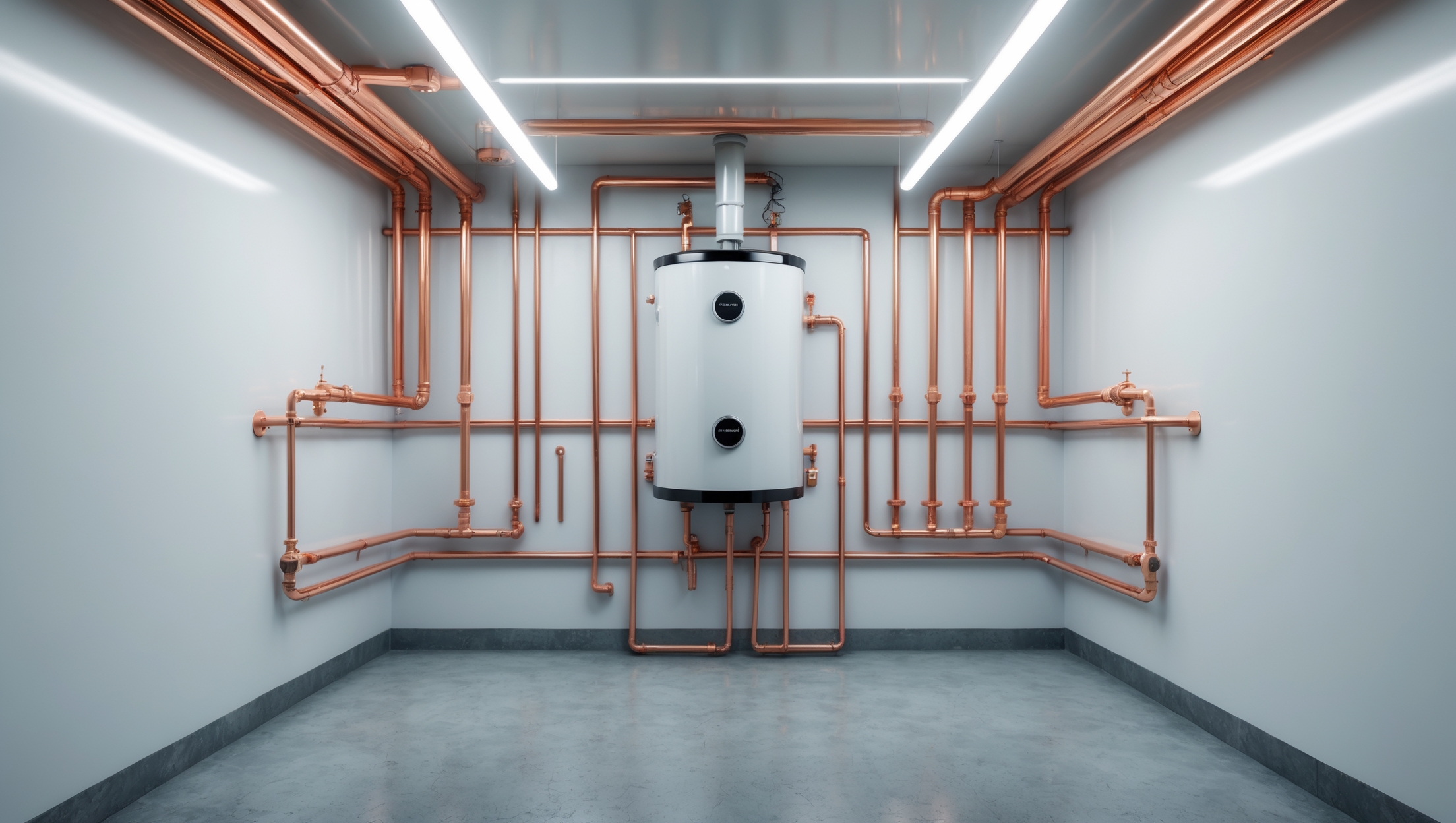
  • Water Heater: Typically in a utility room or basement. Check for serial/model numbers for maintenance scheduling.
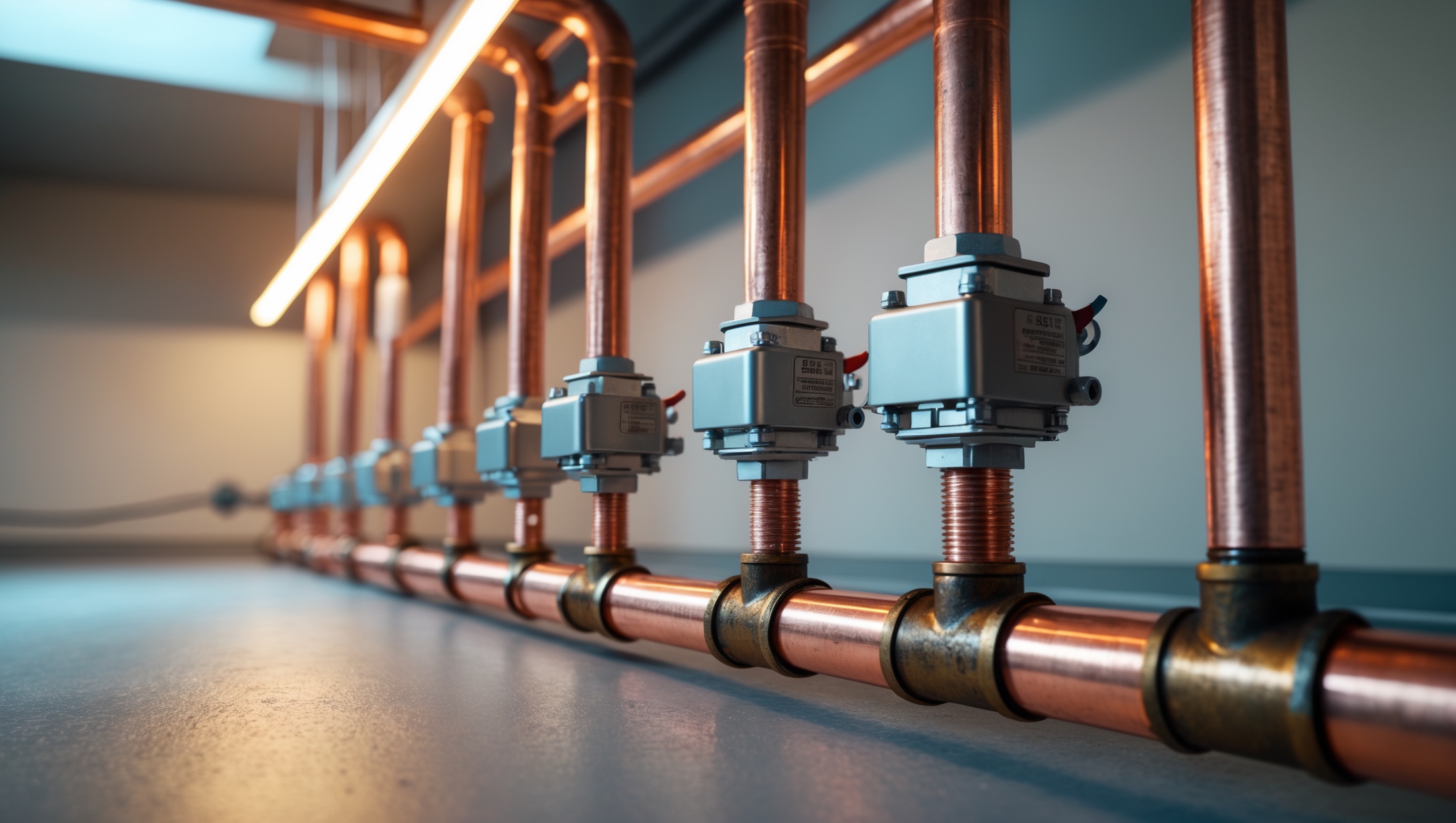
  • Supply Lines: Pipes delivering water to fixtures; usually copper, PEX, or PVC.
  • Drain and Waste Lines: Remove wastewater; typically ABS or PVC for newer homes.
  • Fixtures: Sinks, toilets, tubs, showers, and outdoor spigots.

Creating a Plumbing Map

Develop a simple diagram or annotated photos marking the locations of all shutoff valves, cleanouts, and major appliances. Store this in a shared digital folder for easy access in emergencies or when coordinating repairs with plumbers and tenants.

Annual Plumbing Inspection Checklist for Rentals

Performing a thorough inspection at least once a year—preferably during tenant turnover or before peak seasonal changes—can help spot issues before they become urgent. Here’s a step-by-step checklist:

  • Check All Fixtures: Run faucets, showers, and flush toilets. Look for leaks, slow drains, or unusual noises.
  • Inspect Supply Lines: Examine under sinks and behind toilets for corrosion, bulging, or dampness on supply hoses.
  • Test Shutoff Valves: Operate each valve to ensure they open/close fully and don’t leak.
  • Water Heater Maintenance: Look for rust, corrosion, or water pooling around the base. Test the pressure relief valve and flush sediment (see below for details).
  • Drain and Waste Lines: Check visible pipes for leaks, discoloration, or odors. Run water in lower-level fixtures to ensure proper drain flow.
  • Outdoor Faucets and Hose Bibs: Inspect for leaks and damage—especially after winter.
  • Check for Water Stains: Look at ceilings, floors, and inside cabinets for signs of previous or ongoing leaks.
  • Monitor Water Meter: With all water off, note if the meter is still moving—a sign of hidden leaks.

Documenting Inspections

Take photos and notes for each item, even if no issues are found. This documentation can be invaluable for tracking recurring problems, defending against security deposit disputes, and demonstrating due diligence if legal issues arise.

Seasonal Plumbing Tasks: Preventing Weather-Related Damage

Spring and Summer

  • Check Sump Pumps: Test operation before rainy season.
  • Inspect Outdoor Fixtures: Look for winter-related cracks or leaks.
  • Clean Gutters and Downspouts: Ensure proper drainage away from foundation.

Fall

  • Insulate Exposed Pipes: Especially in basements, crawl spaces, or garages.
  • Drain and Shut Off Exterior Faucets: Prevent freezing and burst pipes.
  • Schedule Water Heater Service: Sediment buildup can accelerate as weather cools.

Winter

  • Check for Drafts: Seal gaps near pipes against freezing air.
  • Monitor for Frozen Pipes: Instruct tenants to report reduced water flow or unusual noises immediately.

Essential Tools and Supplies for Landlord Plumbing Maintenance

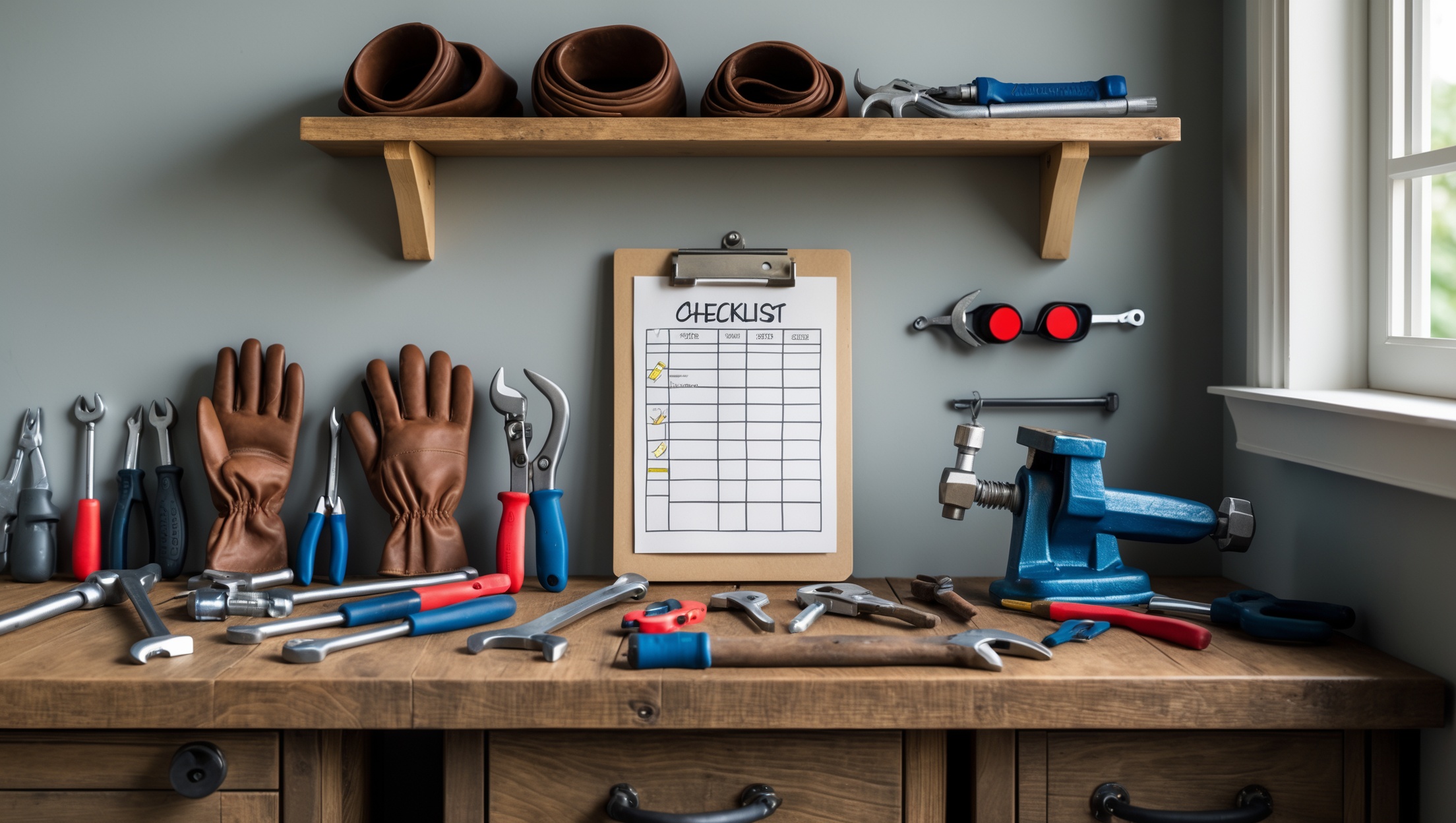
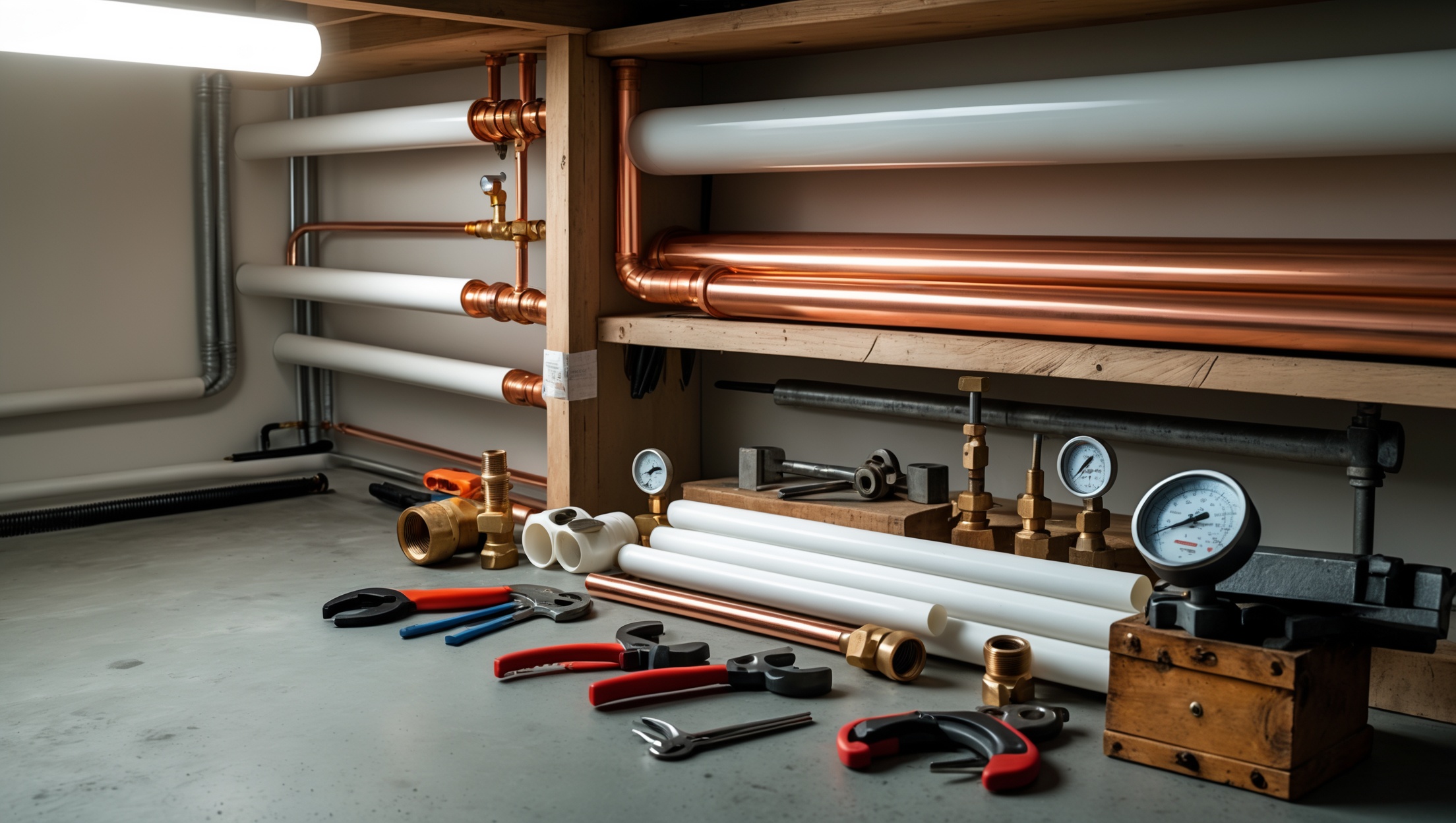
Equipping yourself or your maintenance staff with reliable tools can resolve minor issues quickly, saving on service calls. Keep these basics on hand:

  • Standard and adjustable wrenches
  • Plunger (cup and flange types)
  • Drain auger (hand snake)
  • Pipe tape (PTFE/Teflon tape)
  • Pipe cutter and tubing cutter
  • Flashlight and inspection mirror
  • Buckets, towels, and absorbent pads
  • Replacement washers and supply hoses
  • Wet/dry vacuum (for minor flooding)

For multi-unit properties, consider investing in a leak detection system with sensors for high-risk areas.

Common Plumbing Problems in Rentals—and How to Address Them

Clogged Drains

Tenants often report slow or blocked drains. Encourage them to use drain strainers and avoid flushing inappropriate materials. For minor clogs, a plunger or hand auger usually suffices. Avoid chemical drain cleaners, as they can damage pipes and void warranties.

Running Toilets

This common issue wastes significant water. Usually, it’s caused by a faulty flapper or fill valve. Most repairs are inexpensive and take less than 30 minutes with basic tools.

Leaky Faucets and Valves

Worn-out washers or supply line connections are typically to blame. Prompt repair prevents water waste and potential cabinet damage.

Water Heater Troubles

Tenants without hot water may be experiencing a tripped breaker, pilot light issue, or sediment buildup. Schedule annual flushing and clearly label breaker panels and shutoffs for tenants.

Low Water Pressure

Check aerators and showerheads for mineral buildup. If the issue is widespread, it could indicate a hidden leak or main supply problem—contact a licensed plumber promptly.

When to Call a Licensed Plumber

While landlords can handle many small repairs, certain situations require professional expertise:

  • Major leaks or burst pipes
  • Sewage backups or strong sewer odors
  • Persistent water heater issues
  • Hidden leaks inside walls or ceilings
  • Work requiring permits or code compliance (e.g., new fixture installation, pipe replacement)

Establish a relationship with a reliable, licensed plumber before emergencies arise. Keep their contact information posted in your maintenance files and, if applicable, in a visible place for tenants.

Plumbing Code Compliance and Documentation

Rental properties are subject to local and state plumbing codes. Non-compliance can result in fines, failed inspections, or liability for tenant injuries. Key compliance tips:

  • Use licensed plumbers for any work beyond basic maintenance or fixture replacement.
  • Verify all repairs and upgrades meet current code requirements.
  • Retain permits and inspection records for at least five years.
  • Document all maintenance and repairs with dates, photos, and invoices.

In some jurisdictions, annual plumbing system inspections are required by law for rentals. Check with your local housing authority for specifics.

Communicating with Tenants About Plumbing Maintenance

Clear communication helps prevent misunderstandings and encourages tenants to report issues early. Best practices:

  • Move-In Orientation: Show tenants the main water shutoff and explain what to do in an emergency.
  • Written Instructions: Provide a simple plumbing troubleshooting guide (e.g., how to use a plunger, what not to flush).
  • Reporting Protocol: Establish a simple process for tenants to report leaks or plumbing problems—ideally with photos.
  • Regular Reminders: Send seasonal email reminders on actions like keeping cabinet doors open during freezes or not pouring grease down drains.

Insurance Considerations for Landlords

Water damage is one of the most frequent causes of insurance claims in rental properties. To mitigate risks:

  • Review your landlord insurance policy’s coverage for water damage, mold, and plumbing failures.
  • Consider add-ons for sump pump failure or sewer backup if your property is in a high-risk area.
  • Require tenants to carry renters insurance covering their personal property.

Careful documentation of plumbing maintenance can help prove that you took reasonable steps to prevent damage, expediting claims processing if issues arise.

Step-by-Step: Flushing a Water Heater in Your Rental

Why Flush Annually?

Sediment buildup in water heaters reduces efficiency and shortens lifespan. Flushing the tank annually is a simple, high-impact task. Here’s how:

  1. Turn off the power (electric) or set gas to “pilot.”
  2. Shut the cold water supply to the heater.
  3. Connect a garden hose to the drain valve and run it to a floor drain or outside.
  4. Open a hot water faucet in the house to relieve pressure.
  5. Open the heater’s drain valve; let water run until clear.
  6. Close the drain valve, remove the hose, and reopen the cold water supply.
  7. Once the tank is full and air is purged, restore power or set gas back to normal.

Share this process with tenants only if they are responsible and comfortable with light maintenance—otherwise, handle it yourself or hire a pro.

Developing a Proactive Plumbing Maintenance Schedule

Consistency is key to preventing costly repairs. Here’s a sample schedule for landlords:

  • Monthly: Remind tenants to report leaks/drips; check for signs of water stains during other routine visits.
  • Quarterly: Inspect supply lines and shutoffs; test sump pumps (if present).
  • Annually: Full walkthrough inspection; flush water heater; check outdoor fixtures and drain lines.
  • Seasonally: Complete relevant tasks from the seasonal checklist above.

Use digital calendars or property management software to track completed tasks and set reminders for future maintenance.

Conclusion: Protecting Your Investment and Your Tenants

Proactive plumbing maintenance is one of the smartest investments a landlord can make. By adopting a systematic approach—understanding your property’s plumbing, performing regular inspections, and addressing issues promptly—you’ll prevent minor problems from turning into major disasters. This not only saves you money but also protects your property’s value and reputation.

Equally important is your role in communicating with tenants and maintaining thorough documentation. Clear instructions and efficient reporting channels empower tenants to be your eyes and ears, catching issues early. Well-kept records help you navigate insurance claims, defend against legal disputes, and demonstrate your commitment to providing a safe, habitable home.

Finally, recognize when to call in professionals, ensure code compliance, and continually review your insurance coverage to address evolving risks. By following the strategies in this guide, you’ll create a positive rental experience, foster long-term tenant relationships, and enjoy greater peace of mind as a property owner. Plumbing may be out of sight, but with the right routine, it will never be out of mind—or out of control.


312 comments
James Lopez

If I own older properties with a mix of copper and PVC pipes, are there extra steps I should take during inspections, especially to prevent leaks or corrosion compared to properties with all newer plumbing materials?

    Mario The Plumber

    With older properties that have both copper and PVC pipes, it’s important to check for signs of corrosion on copper joints and connections, as well as any discoloration or greenish buildup. For PVC, look for cracks, brittleness, or loose fittings. Pay close attention to areas where copper and PVC connect, as improper joining can cause leaks. Regularly inspect under sinks, near water heaters, and along exposed piping, and address any early warning signs promptly.

Karen Robinson

Do you have any recommendations for how often landlords should inspect the main water shutoff valve and supply lines, or signs to look for that would indicate they need immediate attention?

    Mario The Plumber

    It’s a good idea to inspect the main water shutoff valve and supply lines at least once or twice a year. Look for signs like corrosion, leaks, rust, or difficulty turning the valve—these could mean repairs are needed right away. Also, be alert for moisture, staining, or unusual noises around the supply lines, as these can signal problems that require immediate attention.

Daniel Gonzalez

I have a duplex where each unit has its own water heater. Do you recommend inspecting or servicing them both at the same time annually, or is there a different schedule you suggest for multi-unit properties?

    Mario The Plumber

    For a duplex with separate water heaters in each unit, it’s usually most efficient to inspect and service both water heaters at the same time each year. This streamlines maintenance, ensures both units are kept in good condition, and makes it easier to track service dates. Annual checks are recommended for each water heater to catch issues early and extend their lifespan.

Daniel Miller

You mentioned different pipe materials like copper, PEX, and PVC. For someone managing older properties, is it worth proactively upgrading these supply lines, or should I just repair them as issues arise? I’m concerned about balancing upfront costs with long-term maintenance.

    Mario The Plumber

    If your older properties have frequent leaks, corrosion, or low water pressure, proactively upgrading supply lines can save on long-term repairs and reduce emergency calls. However, if the existing pipes are in good shape and issues are rare, repairing as problems arise may be more cost-effective. You might also consider upgrading sections gradually during tenant turnovers or major renovations to spread out the investment.

Diane Perez

The article mentions documentation and compliance as part of plumbing maintenance. Do you have any advice on what records are absolutely essential for landlords to keep in case of future disputes or insurance claims?

    Mario The Plumber

    For landlords, it’s important to keep detailed records of all plumbing inspections, repair invoices, maintenance schedules, and any communication with tenants about plumbing issues. Also, retain warranties, compliance certificates, and photographs of completed work when possible. These records help demonstrate that plumbing maintenance was done responsibly, which can be crucial for resolving disputes or supporting insurance claims.

Kevin Johnson

In situations where a tenant reports a small leak but there is no obvious water damage yet, what immediate troubleshooting steps do you suggest before calling in a professional plumber?

    Mario The Plumber

    If a tenant reports a small leak with no visible water damage, start by asking them to identify the source as closely as possible—under sinks, behind appliances, or around fixtures. Check if any fittings are loose and gently tighten them if possible. Turn off the affected water supply to minimize any risk. Place a towel or container under the leak to catch water and document everything with photos. If these steps don’t resolve the issue or if it worsens, it’s best to contact a professional plumber promptly.

Mary Martinez

You mention that proper documentation and communication are best practices. Do you have any tips on the best way to track plumbing maintenance tasks or communicate related issues with tenants to stay compliant?

    Mario The Plumber

    To track plumbing maintenance tasks, consider using a digital maintenance log or property management software to record dates, actions taken, and invoices. For communicating with tenants, written forms like email or a tenant portal work best, as they create a clear record. Always keep copies of all correspondence and completed maintenance forms in case you need to show compliance with local regulations.

James Martinez

If I notice a sudden spike in the water meter reading during regular checks but can’t find any obvious leaks, what’s the next troubleshooting step you’d recommend before calling in a plumber?

    Mario The Plumber

    If your water meter is showing an unexpected spike but you don’t see any visible leaks, try shutting off the main water supply to the property. Then check the meter again—if it’s still moving, that suggests a leak between the meter and the house. Also, check toilets, as running or leaking toilets are common culprits. Listen for hissing sounds and inspect under sinks and around appliances for hidden leaks before calling a plumber.

Richard Thomas

You mention needing to document plumbing maintenance and communicate with tenants. What’s the best way to keep records and notify tenants about inspections or routine work, especially if you own just one rental property?

    Mario The Plumber

    For a single rental property, keeping records can be as simple as using a dedicated folder—either on your computer or as a physical file—to store receipts, invoices, and notes from maintenance visits. For notifying tenants, email works well since it’s easy to track and serves as written documentation. Also, follow up with a reminder text if needed, and always note the date and details of communication in your records.

William Wilson

For properties with multiple rental units, do you suggest a different approach or schedule for plumbing upkeep compared to a single-family home? I want to make sure nothing falls through the cracks with bigger plumbing systems.

    Mario The Plumber

    For multi-unit properties, it’s wise to adopt a more frequent and systematic plumbing maintenance schedule than you would for a single-family home. Larger systems have more points of potential failure and higher usage, so consider quarterly inspections instead of annual ones. Also, keep a checklist for each unit and shared plumbing areas, and encourage tenants to promptly report leaks or slow drains to catch issues early.

Charles Garcia

How should a landlord approach plumbing maintenance when tenants are responsible for small fixes, like clogged drains? Are there best practices for communicating responsibilities and avoiding misunderstandings?

    Mario The Plumber

    When tenants handle small fixes like clogged drains, it’s important to clearly outline these responsibilities in the lease agreement. Provide detailed guidelines on what tenants should do and which items are their responsibility. Regularly remind tenants about these terms, perhaps during move-in or with a maintenance checklist. Keep communication open, respond promptly to any questions, and document all agreements in writing to avoid misunderstandings.

Mary Hernandez

I noticed you mentioned legal compliance as a reason for regular plumbing upkeep. Are there specific local or federal regulations landlords should be aware of, or is it mostly about general habitability standards?

    Mario The Plumber

    Legal requirements for plumbing maintenance usually fall under local housing codes and general habitability laws, which require landlords to provide functioning plumbing for tenants. While there aren’t many federal regulations, most cities and states have specific rules about water supply, sewage disposal, and safety standards. It’s a good idea to check your local housing authority’s guidelines to ensure full compliance.

Diane Perez

If a tenant reports a slow drain, is it reasonable to try troubleshooting myself based on your advice, or should I always call a professional? I’m trying to figure out where to draw the line as a DIY landlord versus when it’s legally safer to get a pro involved.

    Mario The Plumber

    If the slow drain seems minor, it’s reasonable to try basic troubleshooting yourself, such as clearing hair from a stopper or using a plunger, as the article suggests. However, if the issue persists, involves multiple drains, or there are signs of backups, it’s safer legally and practically to call a licensed plumber to avoid potential liability or property damage.

Ashley Smith

You mention annual and seasonal plumbing tasks for landlords. Could you provide examples of what should be included in a typical seasonal plumbing checklist, especially for properties located in colder climates?

    Mario The Plumber

    For colder climates, a seasonal plumbing checklist should include draining and insulating outdoor faucets and hose bibs, checking and insulating exposed pipes to prevent freezing, testing sump pumps, and ensuring the water heater is set to an appropriate temperature. It’s also wise to inspect for leaks, clear gutters and downspouts, and remind tenants to keep indoor temperatures above freezing, especially during winter months.

John Anderson

You mentioned annual and seasonal maintenance tasks for landlords. What are a few examples of seasonal plumbing checks I should prioritize, especially if my rental property is in an area with freezing winters?

    Mario The Plumber

    For rental properties in areas with freezing winters, it’s important to prioritize seasonal plumbing checks like draining outdoor faucets and sprinkler systems to prevent pipes from freezing, insulating exposed pipes in unheated areas like basements or garages, and checking that the main shutoff valve is working in case of emergencies. Also, remind tenants to keep the heat on to avoid frozen indoor pipes.

Patricia Sanchez

If I have multiple rental units in one building, is it better to have a professional inspect all the water shutoff valves and supply lines at once, or can I space these checks out? I’m concerned about both cost and scheduling.

    Mario The Plumber

    Having a professional inspect all the water shutoff valves and supply lines in your building at once is generally more efficient and cost-effective. Plumbers often offer better rates for bulk inspections, and coordinating a single visit minimizes disruption for tenants. Spacing out checks might seem easier on your schedule, but it could lead to higher total costs and missed issues. If scheduling is a challenge, consider grouping inspections by floor or section to balance convenience and thoroughness.

Diane Lewis

Do you have suggestions for documenting plumbing maintenance, especially when managing multiple single-family rentals? I sometimes lose track of what’s been done where and would love some best practices for staying organized.

    Mario The Plumber

    To stay organized, consider creating a digital spreadsheet or using property management software to log all plumbing maintenance tasks for each property. Include details like the date, type of work, location, and service provider. Set reminders for recurring maintenance and keep digital copies of invoices and receipts. This makes tracking work across multiple rentals much easier and ensures nothing gets overlooked.

David Miller

Your guide mentioned both annual and seasonal plumbing tasks. As a first-time landlord, how do I know which maintenance items really need to be done every year versus every season? Is there a suggested checklist for each?

    Mario The Plumber

    Annual tasks are bigger jobs like water heater inspections, checking for hidden leaks, and mainline sewer checks—these keep your plumbing in good long-term shape. Seasonal chores include things that prevent issues from weather, such as insulating pipes in fall or clearing outdoor drains in spring. Creating two checklists—one for annual inspections and another for seasonal tasks—will help you stay organized and on schedule as a landlord.

Kimberly White

When it comes to supply lines, is there a big difference in longevity or reliability between copper and PEX? I manage an older property with a mix of both and want to plan for future upgrades based on your recommendations.

    Mario The Plumber

    Copper and PEX both have their strengths. Copper tends to last longer—often 50 years or more—and is very durable, but it can corrode over time, especially in areas with acidic water. PEX is resistant to corrosion and easier to install, but it generally has a life expectancy of 40–50 years. For older properties, PEX can be a more cost-effective choice for upgrades, especially if you need to retrofit piping. Just be sure to check local codes, as some areas have specific requirements for supply line materials.

Nancy Taylor

The guide talks about documenting plumbing maintenance and communicating with tenants. Can you share examples of what kind of documentation is best to keep in case there’s ever a legal dispute over plumbing issues?

    Mario The Plumber

    It’s best to keep detailed maintenance logs that include dates, types of work performed, invoices or receipts, and the name of the professional or company hired. Save copies of any written communication with tenants about plumbing issues, such as emails or maintenance request forms. Photographs showing before-and-after repairs can also be very helpful in case you need to provide evidence during a dispute.

Susan Williams

If a landlord is on a tight budget, which plumbing maintenance tasks from your guide would you prioritize to prevent the most expensive emergencies?

    Mario The Plumber

    If your budget is tight, prioritize regularly checking for leaks under sinks and around toilets, making sure all faucets and showerheads are drip-free, and ensuring the main water shutoff valve works properly. Clearing slow drains and inspecting for visible pipe corrosion can also prevent bigger, costlier issues down the line. Focusing on these basics helps catch small problems before they turn into expensive emergencies.

Megan Anderson

I noticed the article talks about both annual and seasonal maintenance tasks. Can you give some examples of what should be prioritized before winter to prevent issues like frozen pipes, especially in colder climates?

    Mario The Plumber

    Before winter, it’s important to insulate exposed pipes, especially those in unheated areas like basements or attics. Disconnect and drain outdoor hoses and shut off exterior water supplies if possible. Check for any leaks or drips, as even small amounts of water can freeze and cause damage. Ensuring the heating system works properly and sealing any drafts near plumbing can also help prevent pipes from freezing.

Andrew Perez

When putting together a plumbing maintenance plan, what are some best practices for documenting inspections and repairs so that landlords stay compliant with legal requirements?

    Mario The Plumber

    To stay compliant, always keep detailed, dated records of all plumbing inspections and repairs. Use standardized forms or digital logs to note the issue, action taken, contractor details, and tenant notifications. Attach invoices, photos, and inspection reports where possible. Store these records securely for the period required by your local laws, and make sure they are easily accessible if you ever need to provide proof of maintenance.

Michelle Wilson

You mention that neglecting plumbing maintenance can lead to legal issues. What kind of documentation do landlords need to keep on file to prove they’ve been proactive with plumbing upkeep in case there’s ever a dispute with a tenant?

    Mario The Plumber

    Landlords should keep detailed records of all plumbing inspections, repairs, and regular maintenance. This includes dated receipts from plumbers, invoices for parts and services, maintenance logs, and any communication with tenants about plumbing issues or scheduled work. Photos of completed repairs and written reports from contractors can also help demonstrate diligence if a dispute arises.

George White

The article mentions the importance of regular seasonal tasks for plumbing upkeep—can you clarify what those seasonal differences are and which months are most critical for maintenance in colder regions?

    Mario The Plumber

    Seasonal plumbing tasks vary mainly due to temperature changes. In colder regions, fall and early winter (October to December) are critical for winterizing pipes—insulate exposed plumbing, disconnect outdoor hoses, and check for leaks to prevent freezing. In spring (March to May), inspect for any winter damage, clear gutters, and test sump pumps. Summer is less intense, but it’s a good time to check for leaks and water pressure issues. Winter is mainly about monitoring for frozen pipes.

Jessica Robinson

What would you suggest as a reasonable yearly budget per rental unit for proactive plumbing maintenance, factoring in both routine checks and minor repairs, so that landlords can accurately plan their expenses?

    Mario The Plumber

    A reasonable yearly budget for proactive plumbing maintenance per rental unit typically ranges from $150 to $300. This should cover routine inspections, minor repairs like leak fixes, and basic replacements such as washers or faucet parts. Costs can vary based on property age and location, but setting aside this amount per unit helps landlords avoid surprise expenses and ensures consistent maintenance.

John Perez

When you mention documenting maintenance, do you have any recommendations for what information needs to be included? I want to make sure I have what I need if there’s ever a dispute with a tenant.

    Mario The Plumber

    For thorough maintenance documentation, always include the date of the repair, specific details about the issue, actions taken to resolve it, and who performed the work (whether it was you or a professional). Save any receipts, invoices, and before-and-after photos when possible. Also, note if the tenant reported the problem and their communication about it. These records will help protect you in case of any disagreements.

Mary Martinez

If I discover a minor leak in one of my rental units during a routine inspection, should I handle the repair myself if I feel comfortable, or is it better to call a professional to avoid legal or insurance issues?

    Mario The Plumber

    If you have the skills and feel comfortable fixing a minor leak, you can certainly handle it yourself. Just be sure to document the repair and keep receipts for any parts used. However, if you’re unsure about the cause or your repair might not fully resolve the issue, hiring a licensed plumber is safer to avoid potential liability or insurance problems down the line.

Brian Jones

For properties with tenants who sometimes ignore small leaks or clogs, how do you encourage prompt reporting and what’s the best way to communicate the importance of plumbing upkeep to renters?

    Mario The Plumber

    To encourage tenants to report leaks or clogs quickly, explain how early reporting prevents bigger issues and protects their living environment. Make reporting simple—offer multiple contact options like email, phone, or an online portal. Remind tenants during move-in and through occasional reminders in newsletters or notices about their responsibility to report problems, emphasizing that prompt attention avoids inconvenience, damage, and possible costs. Clear communication and easy reporting channels make a big difference.

Michelle Hernandez

You mention the importance of documenting plumbing maintenance and inspections. Could you elaborate on what specific details or records landlords should keep to best protect themselves legally if a plumbing issue leads to tenant complaints or damages?

    Mario The Plumber

    To protect yourself legally, keep detailed records of all plumbing maintenance and inspections. This should include the date of service, a description of the work done or inspection findings, the name and contact details of the contractor, any invoices or receipts, before-and-after photos if possible, and written communication with tenants about plumbing issues. Documenting these details shows you took reasonable steps to maintain the property.

Tyler Lopez

The article mentions documenting plumbing maintenance for compliance. What’s the best way to keep track of these records, and do you recommend any specific tools or apps for landlords?

    Mario The Plumber

    Keeping thorough records is important for both compliance and resolving potential disputes. Many landlords use digital tools to streamline this process. Apps like Buildium, Rentec Direct, or even spreadsheets in Google Sheets can help you log maintenance tasks, dates, costs, and upload receipts or photos. Choose whichever method fits your workflow best, but make sure records are backed up and easy to retrieve when needed.

Susan Davis

I see that the guide discusses both annual and seasonal plumbing maintenance tasks. For landlords managing multiple older properties, is there a way to prioritize which tasks are most urgent to prevent costly repairs?

    Mario The Plumber

    For landlords with several older properties, focus first on urgent tasks that prevent water damage, such as checking for leaks in pipes, inspecting water heaters, and ensuring proper drainage. After that, prioritize clearing main drain lines and testing shut-off valves. Seasonal checks, like insulating pipes before winter, are also important for older buildings. Addressing these high-risk areas early can help you avoid expensive emergency repairs down the line.

Joseph Anderson

You talk about seasonal plumbing tasks—could you give examples of what those are, and how often they should be scheduled throughout the year for a typical single-family rental?

    Mario The Plumber

    Seasonal plumbing tasks help prevent costly repairs and keep your rental in good condition. In spring, check for leaks and inspect outdoor faucets after winter. Summer is a good time to flush the water heater and clear slow drains. In fall, insulate exposed pipes and shut off outdoor water lines. Before winter, check for drafts, and remind tenants to keep heat on during cold snaps. Most tasks should be done once per season.

Sarah Robinson

When you say to keep track of water heater serial and model numbers for maintenance, do you have a preferred system or app for managing that kind of documentation? I sometimes lose track of this info across multiple properties.

    Mario The Plumber

    Staying organized with appliance details across properties is definitely important. Many landlords find property management apps like Buildium or AppFolio useful, as they allow you to store appliance information alongside each property’s profile. Alternatively, a well-organized spreadsheet with columns for property address, appliance type, model, and serial number can also work. Just be sure to back up your records regularly.

Emily Thompson

How often should the main water shutoff valve and water heater be checked as part of annual maintenance? Is it enough to inspect once a year, or should it be done more frequently, especially for multi-unit properties?

    Mario The Plumber

    For most rental properties, inspecting the main water shutoff valve and water heater once a year is generally sufficient. However, in multi-unit buildings or older properties, it’s a good idea to check these components every six months. More frequent checks help catch leaks or malfunctions early, minimizing potential water damage and inconvenience for tenants.

Lisa Rodriguez

You mention the importance of routine plumbing upkeep. How often should I actually schedule inspections for things like supply lines and water heaters in a single-family rental? Are there red flags I should watch for in between annual checks?

    Mario The Plumber

    For single-family rentals, it’s recommended to schedule professional plumbing inspections annually. However, in between these checks, keep an eye out for issues like damp spots, water stains, drops in water pressure, unusual noises from pipes or the water heater, and any signs of leaks around supply lines or fixtures. Addressing these early can help prevent major repairs and maintain your property’s value.

Matthew Smith

How do you suggest balancing routine maintenance with budget constraints, particularly for landlords managing multiple properties? Are there cost-effective preventative measures that can make a noticeable difference?

    Mario The Plumber

    Balancing routine maintenance with a tight budget is all about prioritizing tasks and focusing on prevention. For multiple properties, schedule regular basic checks like leak inspections and drain cleaning, which are inexpensive but help catch issues early. Installing water-saving fixtures and educating tenants to report problems quickly can also prevent costly repairs. Creating a maintenance calendar and standardizing supplies across properties can help you buy in bulk and save money.

Nathan Jackson

You mention seasonal plumbing tasks—what specific checks or maintenance should landlords prioritize in the spring and fall to prevent emergency calls during extreme temperatures?

    Mario The Plumber

    In spring, landlords should check for any leaks or pipe damage caused by winter freezes, flush water heaters, and inspect outdoor faucets for cracks. In the fall, it’s important to insulate exposed pipes, disconnect and drain outdoor hoses, and ensure the heating system is working properly. These steps help prevent burst pipes and heating failures during extreme temperatures.

George Garcia

You mention documenting maintenance steps and communications—do you have any templates or best practices for organizing this paperwork, especially if you manage several rentals?

    Mario The Plumber

    Keeping organized records is key, especially across multiple properties. Many landlords use a simple spreadsheet or dedicated property management software to track maintenance requests, actions taken, dates, and costs. For communications, keeping email threads or using a shared digital folder with labeled PDFs of each interaction works well. Creating a maintenance log template for each property and setting up folders for invoices, receipts, and tenant correspondence will help you stay consistent and readily access information when needed.

Robert Gonzalez

If a tenant reports low water pressure, what are the first troubleshooting steps you recommend before calling in a plumber? I’d like to know if there are safe checks I can do myself to rule out simple issues.

    Mario The Plumber

    If a tenant reports low water pressure, you can start by checking if the issue affects just one fixture or the whole property. For a single fixture, clean or replace the aerator or showerhead, as mineral buildup is common. Also, confirm that the shut-off valves are fully open. If the problem is throughout the property, check for obvious leaks or if there’s ongoing maintenance work in the area. These safe checks can help you identify simple issues before calling a plumber.

Matthew Garcia

When developing a plumbing maintenance plan, are there any low-cost preventive steps you would recommend for properties with older PVC supply lines versus newer PEX lines?

    Mario The Plumber

    For older PVC supply lines, regularly check for discoloration, brittleness, or leaks at joints, since aging PVC can crack more easily than PEX. Insulating exposed pipes is an inexpensive way to reduce stress. For PEX, periodic visual inspection for kinks or UV exposure is helpful. For both, remind tenants to report drips immediately and avoid harsh chemical drain cleaners to prolong pipe life.

John Jones

If a tenant reports slow drainage but there are no obvious clogs, what troubleshooting steps should I take before calling in a plumber? I’d like to resolve minor issues myself where possible to keep maintenance costs down.

    Mario The Plumber

    If a tenant reports slow drainage with no visible clogs, start by asking if multiple drains are affected, which could point to a larger blockage. For a single slow drain, remove and clean the drain stopper or strainer—hair and debris often collect there. Try plunging the drain gently, or use a non-corrosive drain cleaner or a homemade mix of baking soda and vinegar, followed by hot water. Also, check for any buildup in the trap under the sink, and clean it out if needed. If none of these steps work, it may be time to consult a plumber.

Mark Jackson

My tenants sometimes complain about slow drains. Besides using drain cleaners, what simple maintenance steps can I take myself before hiring a plumber, and how do I prevent this from happening regularly?

    Mario The Plumber

    To address slow drains, you can start by removing and cleaning the drain stoppers and strainers, which often collect hair and debris. Use a plunger to clear minor clogs, and try flushing drains monthly with hot water to help dissolve minor buildup. Avoid putting grease, coffee grounds, or fibrous food scraps down kitchen drains, and remind tenants to use drain screens in sinks and showers to catch debris. Regular checks and these habits can reduce the frequency of slow drains.

Joshua Robinson

You mention legal responsibilities related to plumbing maintenance. Are there common compliance issues landlords should be aware of at the state or local level, or does this mostly refer to general habitability standards?

    Mario The Plumber

    Landlords have to meet general habitability standards, which include providing safe and functional plumbing. However, many states and local governments set specific plumbing codes and inspection requirements that you must follow. Common compliance issues can involve water heater safety, lead pipe regulations, and timely repairs of leaks. Checking your area’s landlord-tenant laws and plumbing codes will help ensure you stay compliant beyond just the general standards.

Betty Harris

In your experience, how often should seasonal plumbing tasks like flushing water heaters or checking supply lines actually be done to avoid long-term problems? Is there an annual schedule you find most practical?

    Mario The Plumber

    For most rental properties, it’s practical to schedule major seasonal plumbing tasks annually. Flushing water heaters once a year helps prevent sediment buildup, and inspecting supply lines (especially under sinks and to appliances) should also be done yearly to catch leaks early. If your property is in a region with hard water or older plumbing, you might consider these checks every six months for extra peace of mind.

William Perez

Could you clarify how often landlords should check the main water shutoff valve and water meter as part of regular maintenance? I’m wondering if annual inspections are typically enough, or if more frequent checks are recommended to catch minor leaks early.

    Mario The Plumber

    It’s generally recommended for landlords to check the main water shutoff valve and inspect the water meter at least once a year. However, if you want to catch minor leaks early, inspecting the water meter a couple of times a year—such as every six months—can be worthwhile. This allows you to spot unusual water usage that might indicate a hidden leak before it becomes a bigger issue.

Joshua White

The article mentions documenting maintenance and communication. Is there a recommended template or system for tracking plumbing issues and repairs with tenants?

    Mario The Plumber

    A simple spreadsheet can work well for tracking plumbing issues, noting dates, descriptions, status, and who handled repairs. Some landlords use property management software that includes maintenance logs and messaging features. Whichever you choose, include a section to record tenant communications, photos, and receipts. Keeping everything organized in one place makes it easy to reference and share if needed.

Rachel Harris

When you mention checking the water heater for serial and model numbers for maintenance scheduling, what kind of routine maintenance should landlords plan for, and how often should it be done to prevent issues with tenants?

    Mario The Plumber

    Landlords should plan for annual water heater maintenance, including flushing the tank to remove sediment, checking the pressure relief valve, inspecting for leaks, and ensuring the thermostat is set correctly. For tankless models, descaling is important. Serial and model numbers help you find the right parts and manufacturer instructions. Regular yearly checks help prevent breakdowns and ensure reliable hot water for tenants.

Elizabeth Johnson

Regarding routine upkeep, do you have recommendations for how often landlords should schedule inspections for water heaters or supply lines, especially in areas with hard water? I want to avoid unexpected breakdowns but also not overdo maintenance costs.

    Mario The Plumber

    For water heaters, annual inspections are generally sufficient, but in areas with hard water, checking them every six months can help catch mineral buildup early. Supply lines should typically be inspected once a year for signs of leaks or wear. Regular but not overly frequent checks strike a good balance between preventing issues and keeping maintenance costs reasonable.

William Smith

You mention the importance of proactive maintenance to avoid costly emergencies. About how much should I budget per year for basic plumbing upkeep on a single-family rental, assuming nothing major goes wrong?

    Mario The Plumber

    For a single-family rental, a common guideline is to budget around $150 to $300 per year for basic plumbing upkeep, provided there are no major issues. This covers routine maintenance like leak checks, minor repairs, and occasional drain cleaning. The exact amount can vary depending on the property’s age and condition, but setting aside this range should help you stay ahead of unexpected costs.

Robert Lee

Can you give some examples of the kinds of documentation or checklists landlords should keep for plumbing maintenance? I want to make sure I’m covering myself legally and keeping good records in case problems come up with tenants.

    Mario The Plumber

    Absolutely, keeping detailed records is key. Landlords should maintain inspection checklists, service logs for any repairs or maintenance, receipts from plumbers or hardware purchases, and notes on tenant requests or complaints related to plumbing. Also, document dates and details of routine checks—like inspecting for leaks or checking water pressure. These records help demonstrate due diligence if disputes arise.

Joseph Harris

For seasonal maintenance, are there specific tasks I should prioritize if my rental is in an area with freezing winters? I’m worried about pipes bursting when tenants are away.

    Mario The Plumber

    In areas with freezing winters, it’s crucial to insulate exposed pipes, especially in basements, crawl spaces, and exterior walls. Remind tenants to keep the heat on to at least 55°F, even when they’re away. Draining outdoor faucets and shutting off external water lines before winter can help prevent freezing. You might also consider pipe sleeves or heating cables for vulnerable pipes. Regularly checking for leaks and ensuring proper caulking around windows and doors will also help maintain warmer indoor temperatures.

Daniel Anderson

If I’m unsure about the age or material of the supply and drain lines in my rental properties, what’s the best way to identify them? Is this something a landlord can check themselves, or should I hire a professional?

    Mario The Plumber

    You can often identify the age and material of supply and drain lines yourself by checking exposed pipes in basements, under sinks, or near the water heater. Look for labels, stamps, or distinct colors and textures. However, if the pipes are hidden behind walls or you’re unsure about what you see, hiring a licensed plumber is recommended. They have experience identifying materials and can alert you to any outdated or unsafe plumbing.

Aaron Ramirez

When you mention documenting plumbing maintenance for compliance, what kind of records do you suggest keeping, and is there a standard way landlords should store or organize this information in case of a tenant dispute?

    Mario The Plumber

    It’s helpful to keep detailed records such as invoices from plumbers, receipts for any materials bought, dates and descriptions of maintenance work, inspection reports, and any communication with tenants regarding plumbing issues. Many landlords use digital folders, spreadsheets, or property management software to organize these documents by property and date. This makes it easy to retrieve information if questions or disputes come up later.

Kimberly Perez

Can you provide any budget-friendly tips for maintaining older supply lines or drain lines, especially if I’m not ready to fully replace them yet?

    Mario The Plumber

    To maintain older supply or drain lines without replacing them, regularly check for signs of leaks or corrosion and tighten any loose fittings. Clean drains with a vinegar and baking soda solution to prevent buildup. For minor leaks, use pipe repair tape or hose clamps as temporary fixes. Also, insulate exposed pipes to protect them from temperature changes that can cause damage.

Barbara White

For landlords on a tight budget, which annual plumbing maintenance tasks would you consider absolutely essential to prevent major problems, and which ones might be safe to do less frequently?

    Mario The Plumber

    For landlords watching their budget, focus on essential annual tasks like checking for leaks under sinks, testing water pressure, inspecting visible pipes, and clearing slow drains. These steps help catch problems early and prevent costly emergencies. Flushing water heaters and inspecting sewer lines can often be done every two or three years unless your property has a history of related issues. Prioritizing the basics each year should go a long way in minimizing major repairs.

Daniel Lopez

How do you recommend documenting plumbing maintenance and repairs for legal compliance? Should I keep paper copies, digital records, or both, and is there a standard format that landlords should use?

    Mario The Plumber

    For legal compliance, it’s best to keep detailed digital records of all plumbing maintenance and repairs, including dates, invoices, photos, and technician details. Digital records are easier to organize and back up. However, retaining paper copies as a backup can be helpful. There’s no single standard format, but make sure your records are clear, complete, and easily accessible in case you need to provide proof during inspections or disputes.

Julie Clark

If a landlord manages multiple rental units in the same building, should annual plumbing maintenance be performed on each individual unit or is there a more efficient way to handle this for the whole property?

    Mario The Plumber

    When managing several units in the same building, it’s often more efficient to schedule plumbing maintenance for the entire property at once. Many tasks, like checking main water lines, shared pipes, and common areas, can be handled collectively. However, each unit should still have its fixtures inspected during the same visit to catch specific issues. Coordinating everything together saves time and can reduce overall costs.

Michael Davis

What are some effective ways to document plumbing maintenance activities for legal compliance? I’d like to ensure my records are thorough in case of disputes with tenants or future property inspections.

    Mario The Plumber

    To ensure thorough plumbing maintenance records, keep detailed logs that include dates, descriptions of work performed, and the names of contractors or staff involved. Save copies of invoices, receipts, and any inspection reports. Take before-and-after photos when possible to visually document repairs. Store all records securely, either digitally or in a dedicated folder, and back them up regularly to maintain easy access for audits or disputes.

Elizabeth Lewis

If a tenant reports a suspected leak but isn’t sure where it’s coming from, what troubleshooting steps do you recommend landlords (or their property managers) take before calling a professional plumber?

    Mario The Plumber

    If a tenant suspects a leak but can’t pinpoint the source, start by checking visible pipes under sinks, around toilets, and behind appliances for moisture. Look for water stains on ceilings, walls, or floors. Listen for dripping sounds and check water meter readings—if the meter moves when no water is being used, that indicates a leak. Also, ask the tenant for details on when and where they notice moisture. These steps can help narrow down the issue before you call a plumber.

Robert Moore

For an older rental with mostly copper supply lines, are there preventative steps or inspections you recommend that differ from those for newer PEX or PVC systems? I want to avoid unexpected problems due to aging plumbing.

    Mario The Plumber

    With older copper lines, it’s smart to check regularly for greenish corrosion, pinhole leaks, and mineral buildup around joints. Inspect visible pipes for signs of sweating or discoloration. Unlike PEX or PVC, copper can slowly corrode, especially at connections. Annual water pressure checks and flushing the system can help spot issues early. If your area has acidic water, consider testing and possibly installing a neutralizer to slow corrosion.

Kevin Anderson

For seasonal plumbing maintenance, are there specific issues landlords should watch for in older homes versus newer constructions? I’m especially interested in how pipe materials like copper versus PVC affect the inspection routine.

    Mario The Plumber

    In older homes, landlords should pay special attention to corrosion or leaks in copper or galvanized steel pipes, as these materials are more prone to age-related wear. For newer constructions with PVC pipes, look for signs of cracking, UV damage (if exposed), and loose joints. Inspection routines should include checking for discoloration, bulging, or damp spots specific to each material, as well as ensuring proper insulation ahead of colder seasons.

Mary Clark

When you talk about troubleshooting in the guide, do you include steps for minor issues like slow drains or only big problems like leaks? I’d like to know how much I can realistically ask tenants to handle versus what really needs a professional.

    Mario The Plumber

    The troubleshooting section in the guide does cover minor issues such as slow drains, running toilets, and dripping faucets—things tenants can usually manage with basic tips. For more serious issues like persistent leaks, water pressure problems, or anything involving pipes inside walls, the guide recommends calling a professional. This helps you set clear expectations for tenants on what they can try first and when to contact you or a plumber.

Christopher Davis

Could you clarify how often you recommend landlords should schedule inspections for the main water shutoff valve and water heater? Is there a standard annual or seasonal timeline, or does it depend on the age of the property?

    Mario The Plumber

    For most rental properties, it’s best to inspect the main water shutoff valve and water heater at least once a year, regardless of the property’s age. However, if the property is older or has a history of plumbing issues, you might want to check them every six months. Seasonal changes usually aren’t necessary unless you live in an area with extreme temperatures.

Mary Robinson

Regarding the main water shutoff valve location, do you have advice on educating tenants to find and use it safely in an emergency, or should landlords handle shutoff situations themselves to avoid liability?

    Mario The Plumber

    It’s a good idea to show tenants where the main water shutoff valve is and explain how to use it in case of emergencies, like a burst pipe. Clear instructions and a demonstration can help prevent major water damage. However, for non-urgent situations or repairs, it’s best that landlords or qualified professionals handle the shutoff to avoid potential liability or accidental damage.

John Miller

For properties with multiple units, do you recommend landlords have a map or guide indicating all shutoff valve locations, and if so, what’s the best way to create and update this kind of documentation for future emergencies?

    Mario The Plumber

    Absolutely, having a detailed map or guide showing all shutoff valve locations is very important for multi-unit properties. The best way is to start by walking through each unit and common area, marking valve locations on a building floor plan. You can use digital tools or simply update a printed copy. Keep this document easily accessible for yourself and any maintenance staff, and review it at least once a year or whenever plumbing changes are made.

Patricia Gonzalez

For someone who’s on a pretty tight budget, are there any essential plumbing maintenance tasks from your guide that are truly DIY-friendly versus ones that should definitely be left to professionals?

    Mario The Plumber

    Absolutely, some plumbing tasks are perfect for DIY even on a tight budget. Checking for leaks under sinks, tightening loose faucet handles, clearing minor drain clogs with a plunger, and regularly inspecting visible pipes for rust or corrosion are all landlord-friendly and safe. However, anything involving pipe replacement, major leaks, water heater servicing, or sewage issues should be left to professionals to avoid bigger problems and unexpected costs.

Sarah Lee

You mention troubleshooting advice in the guide—can you provide examples of common plumbing issues landlords can safely troubleshoot themselves versus situations where it’s really best to call a licensed plumber?

    Mario The Plumber

    Landlords can often handle small issues like unclogging minor sink or shower drains, tightening loose faucet handles, or replacing worn washers and aerators. It’s also generally safe to reset a tripped garbage disposal. However, for problems like persistent leaks inside walls, major clogs in main sewer lines, burst pipes, water heater issues, or anything involving gas lines, it’s best to call a licensed plumber to avoid property damage and safety risks.

Robert Garcia

You mention that documenting maintenance is important for landlords. Could you give some examples of what kind of records or photos I should be keeping, and how detailed those should be in case there’s ever a dispute with tenants?

    Mario The Plumber

    Keeping thorough records can really help in case of any disputes. Save receipts and invoices for all plumbing work, including routine checks and emergency repairs. Take clear before-and-after photos of any maintenance or repairs, showing the area worked on. Note dates, times, who performed the work, and a brief description of what was done. The more detail you include, the easier it will be to show you’ve met your responsibilities as a landlord.

Helen Miller

If a tenant reports a slow drain, what are the first troubleshooting steps I should take myself before calling in a plumber? The article talks about supply and drain lines, but I’m not sure what’s safe for a DIYer to try.

    Mario The Plumber

    When a tenant reports a slow drain, start by asking if it’s affecting just one fixture or multiple ones. For a single slow drain, you can safely try removing any visible debris from the drain cover and use a plunger to clear minor clogs. Avoid using chemical drain cleaners, as they can damage pipes. If the issue persists or if multiple drains are slow, it’s best to contact a professional plumber.

Joseph Martinez

If a landlord is on a limited budget, which seasonal plumbing maintenance tasks would you suggest prioritizing to prevent the most common or costly emergencies in rental properties?

    Mario The Plumber

    If budget is tight, prioritize checking for leaks under sinks and around toilets, as unnoticed leaks can cause major water damage and high bills. In the fall, drain outdoor faucets and insulate exposed pipes to prevent freezing in winter. Also, clear out any debris from gutters and downspouts to avoid water backing up near the foundation. These steps tackle the most frequent and expensive plumbing emergencies.

Robert Anderson

I’m curious how the recommended maintenance steps change if my rental property is in a region with extreme cold winters. Are there additional precautions I should be taking with the plumbing?

    Mario The Plumber

    In regions with extreme cold winters, it’s important to insulate exposed pipes, especially in basements, attics, and exterior walls, to prevent freezing. You should also ensure outdoor faucets are drained and shut off before winter, and consider installing frost-proof hose bibs. Remind tenants to keep the heat on and let faucets drip slightly during cold snaps to maintain water flow. Checking for drafts and sealing gaps can also help protect your plumbing.

Andrew Lopez

The article mentions the importance of documenting plumbing maintenance and communicating with tenants. Could you share some effective ways to keep records and update tenants about routine checks without it becoming too time-consuming for a small landlord?

    Mario The Plumber

    A simple way to keep records is to use a digital spreadsheet or a notes app to log each maintenance task, date, and any issues found. For tenant updates, consider sending brief email reminders before scheduled inspections or maintenance. You can also create a template message to save time. Using these methods keeps communication clear and reduces the time spent on paperwork.

Barbara Jackson

When developing a step-by-step plumbing maintenance plan, how do you recommend documenting inspections and repairs, especially if different people might handle them across rental units? Any tips for keeping records organized?

    Mario The Plumber

    For documenting plumbing inspections and repairs, consider using a digital spreadsheet or property management software where each rental unit has its own record. Create columns for inspection dates, details of issues found, repairs done, the person responsible, and any follow-up needed. Make sure each entry includes clear notes and, if possible, attach photos. Keeping everything in a cloud-based system ensures easy access and consistency, even when different people are handling the tasks.

Donna Wilson

If a landlord discovers a leak while inspecting the water meter or supply lines, what immediate steps do you recommend to minimize potential water damage before a professional can make repairs?

    Mario The Plumber

    If a landlord finds a leak during an inspection, the first step is to turn off the main water supply to stop further leakage. Next, dry up any standing water with towels or a wet vacuum to prevent damage. If possible, use buckets to catch drips and move valuables away from the area. Notify tenants about the situation and contact a licensed plumber for repairs as soon as possible.

Helen Clark

For landlords on a tight budget, which maintenance tasks do you consider absolutely non-negotiable to avoid larger emergencies down the line, and are there areas where costs can reasonably be minimized?

    Mario The Plumber

    Non-negotiable maintenance tasks include regularly checking for leaks under sinks and around toilets, clearing slow drains, testing shut-off valves, and inspecting water heaters for signs of corrosion or leaks. These steps help prevent major water damage and expensive repairs. You can minimize costs by performing basic visual inspections yourself and scheduling professional servicing less frequently for well-maintained systems. Always attend to small issues quickly before they become emergencies.

Emily Martinez

You mention both annual and seasonal tasks in the guide. Can you give some examples of seasonal plumbing maintenance responsibilities, especially for properties in areas that experience freezing winter temperatures?

    Mario The Plumber

    For rental properties in regions with cold winters, seasonal plumbing maintenance is crucial. Before winter, it’s important to insulate exposed pipes, disconnect and drain outdoor hoses, and shut off and drain exterior faucets to prevent freezing. You should also check for leaks and ensure the heating system is working properly to keep pipes from freezing. After winter, inspect for any pipe damage caused by freezing and check sump pumps for proper operation as snow melts.

James Martin

When you mention water heaters, are there certain signs I should be looking for during inspections that signal it might be time for a replacement rather than just a repair? I want to avoid any sudden breakdowns for my tenants.

    Mario The Plumber

    Yes, there are several signs that suggest a water heater might need replacement instead of just a repair. Look for rust-colored water, pooling or leaks around the base, strange noises like rumbling or banging, and inconsistent hot water supply. Also, if the unit is over 10 years old, it’s more prone to failure. Spotting these issues early can help you avoid unexpected breakdowns for your tenants.

Joseph Thomas

For landlords on a tight budget, which annual plumbing maintenance tasks should be prioritized to prevent the most common and expensive issues?

    Mario The Plumber

    For landlords with limited budgets, focus on inspecting for leaks under sinks and around toilets, checking that all faucets and showerheads function properly, and clearing slow drains to prevent blockages. Also, ensure water heaters are free from leaks and sediment buildup. These tasks help avoid costly repairs from water damage or major plumbing failures.

Matthew Jones

You brought up water meters as a way to spot leaks early. Is it possible to set up remote leak monitoring in rental properties, or is that too expensive for a small landlord to consider?

    Mario The Plumber

    Remote leak monitoring is definitely possible in rental properties, even for small landlords. There are smart water meters and leak detectors that send alerts to your phone if unusual usage or leaks are detected. Many of these systems are reasonably priced and easy to install, with options that fit different budgets. Investing in them can help you catch plumbing issues early and avoid costly damage.

Jennifer Moore

When you mention documenting plumbing maintenance, what kind of records should a landlord keep to make sure they’re covered in case of tenant disputes or legal issues?

    Mario The Plumber

    Landlords should keep detailed records of all plumbing maintenance, including dates of inspections or repairs, invoices or receipts from plumbers, descriptions of issues found and actions taken, and any communications with tenants about plumbing problems. Photos of repairs before and after they’re done can also be helpful. These records provide clear evidence if you ever need to address disputes or legal matters.

Helen Johnson

If a tenant reports slow drains but there are no obvious clogs, what are the best troubleshooting steps a landlord can take before calling a plumber? I’d like to handle minor issues quickly without unnecessary expense.

    Mario The Plumber

    If tenants report slow drains without visible clogs, first ask if they’ve recently poured grease or other debris down the drain. You can try flushing drains with hot water, then use a plunger to clear minor blockages. For sinks, check that the P-trap is clean and free of buildup. Baking soda and vinegar can help break up organic residue. If multiple drains are slow, it might indicate a main line issue, which could require a plumber.

Susan Gonzalez

If a landlord identifies a minor leak during a scheduled inspection, what immediate steps should be taken? Is it better to repair instantly or wait for a licensed plumber, and does that decision change if tenants report repeated small leaks?

    Mario The Plumber

    If a landlord finds a minor leak during an inspection, it’s best to address it quickly to prevent further damage. Temporary measures, like tightening fittings or shutting off water to the affected area, can help until a licensed plumber can assess and repair it. If tenants have reported repeated small leaks, prioritizing a professional repair is even more important, as recurring issues could indicate a larger underlying problem.

Rachel Jones

If my main water shutoff valve is located in a spot that’s tough to access, is it worth investing in a remote shutoff system, or are there other safety measures you suggest for landlords?

    Mario The Plumber

    A remote shutoff system can be a smart investment if your main valve is difficult to reach, especially during emergencies or for routine maintenance. Alternatively, you could consider relocating the valve to a more accessible spot or labeling the area clearly for tenants. Regularly checking that tenants know how to operate the valve and posting instructions nearby can also improve safety.

Jessica Thompson

If a tenant reports a minor leak under the sink, what immediate steps should a landlord take before calling a plumber, according to your guide?

    Mario The Plumber

    If a tenant reports a minor leak under the sink, the guide suggests first asking the tenant to turn off the water supply valve under the sink to prevent further damage. Next, inspect the area to identify the source—often, it’s a loose connection or worn-out washer. Tighten any visible fittings if safe to do so, and place a container to catch drips until a plumber can assess it further.

Jason Lewis

For landlords managing multiple rental units, do you suggest hiring a professional plumber for the annual inspections, or is it feasible to handle most routine checks in-house with some basic training?

    Mario The Plumber

    For landlords with several rental units, handling basic routine checks in-house is doable with some training—things like checking for visible leaks, testing faucets, or inspecting water heaters can be managed by your team. However, hiring a professional plumber for annual inspections is wise, as they can spot hidden issues early and ensure everything is up to code, saving you from costly repairs down the line.

Betty Robinson

If a landlord manages multiple properties, is it worth switching to PEX supply lines throughout for easier maintenance, or are there situations where sticking with copper or PVC is better in your experience?

    Mario The Plumber

    Switching to PEX supply lines can make maintenance quicker and reduce the risk of leaks, especially when managing multiple properties. PEX is flexible, resists scale and corrosion, and is easier to install or repair than copper or PVC. However, in older homes with existing copper that’s in good shape, or where local codes prefer copper, sticking with copper might be simpler. PVC is mainly for drain lines, not supply, so for fresh installs or frequent repairs, PEX is usually the most landlord-friendly choice.

Barbara Smith

The article talks about documenting plumbing maintenance for legal reasons. Could you give an example of what a proper maintenance record or log should look like for a single-family rental property?

    Mario The Plumber

    A proper maintenance record for a single-family rental should include the date of service, description of the issue or routine check, actions taken or repairs made, the name and contact information of the plumber or maintenance person, and any receipts or invoices attached. For example: May 10, 2024 – Annual inspection, checked for leaks and cleaned drains. No issues found. Service by ABC Plumbing, invoice attached. Keep these records organized and accessible.

Daniel Smith

If a plumbing issue gets worse because a tenant didn’t report it quickly, how should landlords handle documentation and communication to protect themselves legally, as mentioned in your compliance and best practices section?

    Mario The Plumber

    To protect yourself, document all communications with tenants about the issue, including dates and details of when you were notified. Keep copies of emails or messages, and note any verbal conversations. Take photos or videos of the damage when you inspect it. Remind tenants in writing of their responsibility to report problems promptly, as outlined in their lease or tenancy agreement. This clear record will support your case if there are disputes about responsibility for repairs or damages.

Rachel Williams

When tenants report slow drains, what are some troubleshooting steps I can take myself before calling a plumber? Is there a safe way to clear minor clogs that won’t risk damaging the pipes?

    Mario The Plumber

    When tenants report slow drains, start by asking them to remove any visible debris from the drain cover. You can try plunging the drain gently to see if that helps. Pouring hot (not boiling) water down the drain can also loosen minor clogs. Avoid chemical drain cleaners, as they may damage pipes. A simple drain snake can be used carefully to dislodge blockages. If these steps don’t help, it’s best to call a professional to prevent pipe damage.

Kevin Perez

If you find a small leak or slow drain during a routine walkthrough, how do you decide whether it’s something you can fix yourself versus when you should call in a licensed plumber? Any rules of thumb for landlords?

    Mario The Plumber

    For minor issues like a slow drain, you can often handle it yourself by clearing hair or debris, or using a plunger. Small leaks under sinks might be fixed by tightening connections or replacing washers. However, call a licensed plumber if the leak is from a pipe inside the wall, if water damage is visible, or if your fixes don’t solve the issue. As a general rule, if you’re unsure or the repair is beyond your basic skills, it’s safer to get a professional involved.

Ashley Gonzalez

When you say even minor leaks can turn into major expenses, what are some early warning signs I should watch for during my regular checks before things get out of hand?

    Mario The Plumber

    Some early warning signs of leaks include damp spots or discoloration on walls, ceilings, or under sinks, a musty smell, or pooling water around appliances or pipes. You might also notice lower water pressure or an unexplained increase in your water bill. Catching these issues early during your routine inspections can help you address problems before they become costly repairs.

Michelle Lopez

You mention that neglected plumbing can lead to legal liability. Are there common state or local code requirements landlords should be especially aware of to ensure plumbing compliance in rentals?

    Mario The Plumber

    Yes, most states and local governments have plumbing codes that require landlords to provide safe, functioning water, proper sewage disposal, and leak-free plumbing in rental properties. Common requirements include maintaining hot and cold running water, fixing leaks promptly, and ensuring toilets and sinks work properly. It’s a good idea to check with your local building or housing department for specific codes in your area, as these can vary by city or county.

Daniel Clark

When you mention checking for the main water shutoff valve, is it standard for all rental properties to have just one, or should I be looking for additional shutoff points under sinks or near other fixtures in older homes?

    Mario The Plumber

    Most rental properties have a main water shutoff valve that controls water flow to the whole property, but it’s common—especially in older homes—to also find individual shutoff valves under sinks, behind toilets, or near appliances. As a landlord, it’s helpful to check for and test both the main valve and any secondary shutoffs to ensure you can isolate leaks or perform repairs more easily.

Christopher Perez

Could you elaborate on what kind of documentation landlords should keep for plumbing inspections and repairs to help with legal compliance and avoid disputes with tenants?

    Mario The Plumber

    Landlords should keep detailed records of all plumbing inspections and repairs. This includes dated invoices, receipts, inspection reports, and any communication with plumbers or tenants about plumbing issues. It’s also a good idea to document before-and-after photos for major repairs. Keeping a maintenance log that tracks dates, issues, actions taken, and outcomes will help demonstrate that plumbing concerns are addressed promptly, which is valuable for legal compliance and in resolving any disputes.

Rachel Davis

When it comes to documenting plumbing maintenance for my rentals, do you recommend any particular system or template? I want to make sure I’m keeping good records for legal and insurance reasons.

    Mario The Plumber

    For documenting plumbing maintenance, consider using a digital spreadsheet or property management software. Make sure to record the date, type of maintenance, service provider details, and costs for each visit. You can create a simple template with columns for these fields or use ready-made templates found in office software. Keeping receipts and attaching photos of repairs can also be helpful for legal or insurance purposes.

Mark Martinez

When inspecting my rental property, I often have trouble finding the main water shutoff valve, especially in older homes where things don’t always match what’s in the manuals. Is there a reliable way to identify it, or are there common locations I should double-check?

    Mario The Plumber

    In older homes, the main water shutoff valve is often found close to where the water line enters the house. Common spots include the basement, crawl space, garage, or along the perimeter wall facing the street. Look for a handle or wheel-style valve on a large pipe. If you still have trouble, check near the water heater or ask your local water utility for guidance—they sometimes have records or can help you locate it.

Margaret Smith

When inspecting the main water shutoff valve, are there signs that it might need to be replaced or repaired? I’m not entirely sure what issues I should be looking out for during my annual checks.

    Mario The Plumber

    During your annual check, look for signs like corrosion, visible leaks, or mineral buildup around the shutoff valve. If the valve is very hard to turn, doesn’t fully stop the water flow, or feels loose, it may need repair or replacement. Also, if you notice any water stains or rust nearby, that can signal a problem with the valve’s integrity.

Elizabeth Perez

In terms of budgeting, can you provide some guidance on the average annual maintenance costs for plumbing upkeep in a single-family rental versus a small multifamily property?

    Mario The Plumber

    For a single-family rental, annual plumbing maintenance costs typically range from $150 to $400, covering routine inspections, minor repairs, and occasional fixture replacements. For a small multifamily property (like a duplex or triplex), expect costs to be higher, around $300 to $800 per year, since more units mean more fixtures and potential issues. These estimates can vary based on property age and plumbing condition.

Michelle Miller

For landlords with older properties, are there any specific signs we should look for when inspecting supply lines or drain pipes that might indicate they need replacing soon? It can be hard to tell if aging pipes are just dated or about to become a real problem.

    Mario The Plumber

    When inspecting older supply lines and drain pipes, look for signs like corrosion, rust, flaking, greenish stains (on copper), persistent damp spots, or mineral buildup around joints. Bulges or cracks in plastic pipes and any obvious leaks are warning signs. Also, if you notice musty odors or water discoloration, pipes could be deteriorating from the inside. These indicators suggest it’s time to consider replacing them before bigger issues develop.

John Taylor

What are some cost-effective strategies for landlords to detect slow or hidden leaks before they cause major damage, especially if the property is occupied by long-term tenants?

    Mario The Plumber

    To catch slow or hidden leaks early, landlords can install inexpensive smart leak detectors under sinks and near water heaters, as these send alerts if moisture is detected. During routine inspections, look for stains, peeling paint, or mold in areas prone to leaks. Encourage tenants to report even minor drips or unexplained increases in water bills. Adding a simple check of pipe joints and shutoff valves to regular maintenance also helps spot issues before they escalate.

John Moore

What’s your recommendation for documenting and tracking past plumbing repairs in rental units? Do you suggest any particular software or template that makes it easy to manage multiple properties?

    Mario The Plumber

    For managing plumbing repairs across multiple rentals, consider using property management software like Buildium or AppFolio, which offer maintenance tracking and document storage. If you prefer a simpler approach, set up a spreadsheet template with columns for date, unit, type of repair, vendor, cost, and notes. Attach digital receipts and photos for a complete record. This makes it easy to reference repair history and share information with tenants or contractors as needed.

Sandra Thompson

For landlords managing older properties, are there particular signs of outdated supply or drain lines that should prompt immediate replacement, even if there aren’t obvious leaks yet?

    Mario The Plumber

    Yes, with older properties, certain warning signs in supply or drain lines mean you shouldn’t wait for a leak. Look for rust, greenish stains, or flaking on pipes, as well as bulging, warping, or corrosion. If you have galvanized steel or polybutylene pipes, consider replacement since these materials often fail unexpectedly. Low water pressure or frequent clogs can also signal hidden pipe deterioration, even in the absence of visible leaks.

George Thomas

You mentioned that neglecting plumbing maintenance can lead to legal liability for landlords. Could you clarify what specific legal responsibilities we have regarding plumbing upkeep, and are there any common local regulations I should be aware of as a landlord in the US?

    Mario The Plumber

    Landlords in the US are generally required by law to provide safe, habitable living conditions, which includes working plumbing. This means you must fix leaks, ensure proper water supply, and maintain fixtures like toilets and sinks. Most local regulations require timely repairs when tenants report plumbing issues. It’s a good idea to review your state and city housing codes, as some places have stricter rules or timelines for repairs. Staying proactive with maintenance helps you meet these responsibilities and avoid potential fines or tenant claims.

Michelle Brown

the mention of documentation and compliance—can you share examples of what kind of plumbing maintenance documentation is most important in case there’s a dispute with a tenant or during inspections?

    Mario The Plumber

    For plumbing maintenance, it’s important to keep dated records of all repairs, routine inspections, and service appointments. Save invoices from licensed plumbers, receipts for parts, and any maintenance logs noting what was checked or fixed. Also, document tenant-reported issues and your response times. These records can help prove due diligence and regular upkeep if there’s a dispute or official property inspection.

Andrew Wilson

If I only have basic tools and plumbing knowledge, how can I tell if a leak is coming from my supply lines versus my drain and waste lines? Any simple troubleshooting tips would be really helpful.

    Mario The Plumber

    A quick way to differentiate leaks: supply line leaks usually happen even when no water is being used, since these lines are always under pressure. If you see water pooling constantly, especially near shut-off valves or under sinks, it’s likely a supply line. Drain or waste line leaks generally occur only when you use a sink, toilet, or shower. To troubleshoot, dry the area, run water, and watch closely—if it only leaks while water is draining, it’s probably a drain issue.

Mark Gonzalez

When it comes to documenting plumbing maintenance for legal compliance, do you recommend any particular methods or templates, especially for landlords who manage multiple properties?

    Mario The Plumber

    For landlords managing multiple properties, it’s practical to use a standardized maintenance log template for each property. Digital solutions like spreadsheets or property management software can help track service dates, issues, repairs, and costs efficiently. Include details like the date of service, description of the task, contractor or technician’s name, and receipts. Keeping organized, dated records not only helps with legal compliance but also streamlines communication if tenant disputes arise.

Joseph Wilson

When you mention documenting plumbing maintenance for compliance, do you have any suggestions on what kind of records landlords should keep, and how long we need to hold onto them in case of disputes with tenants or insurance companies?

    Mario The Plumber

    Landlords should keep detailed records such as maintenance logs, receipts for repairs, photos of work done, and any correspondence with tenants about plumbing issues. It’s a good idea to hold onto these records for at least 6 years, as this timeframe often covers legal or insurance disputes. Digital copies can be especially useful for easy access and backup.

Brian White

If a tenant reports a slow drain or minor leak, at what point does it move from being a tenant responsibility to something I should address as a landlord to avoid bigger plumbing expenses down the line?

    Mario The Plumber

    If a tenant reports a slow drain or minor leak, it’s generally their responsibility to keep drains clear of everyday blockages and promptly report issues. However, as a landlord, you should step in if the problem persists after reasonable tenant efforts, if it affects multiple units, or if there’s visible water damage. Handling these issues early can prevent costly repairs and protect your property.

Anthony Perez

How can a landlord spot early signs of hidden leaks when inspecting supply lines and drain pipes, especially in properties with finished basements or behind walls? Are there any affordable moisture sensors worth considering?

    Mario The Plumber

    To spot early signs of hidden leaks, look for subtle clues like discoloration, bubbling paint, musty odors, or warped trim near supply lines and drain pipes. In finished basements, check baseboards and flooring for dampness. Affordable moisture sensors, such as small battery-operated models, can be placed near vulnerable areas—under sinks, near water heaters, or behind appliances—to alert you to leaks before major damage occurs.

George Davis

As a landlord with older properties, I sometimes worry about the types of pipes I have. The article says supply lines are typically copper, PEX, or PVC—do you recommend upgrading if my property still has galvanized pipes?

    Mario The Plumber

    If your rental properties still have galvanized pipes, it’s a good idea to consider upgrading. Galvanized pipes are prone to corrosion, restricted water flow, and potential leaks as they age. Modern materials like copper, PEX, or PVC are more durable and less likely to cause water quality issues. Upgrading can help prevent costly repairs and provide a better experience for your tenants.

Margaret Martin

If a tenant reports a leaking pipe in the basement but the main water shutoff valve is hard to locate, what’s the best way for a landlord to quickly find it if they’ve never had to use it before?

    Mario The Plumber

    To quickly find the main water shutoff valve, check where the main water line enters the property, usually in the basement near the front wall or close to the water heater. Look for a round or lever-style handle on a pipe. If you still can’t locate it, ask the local water utility or a plumber for guidance, and consider labeling the valve for future emergencies.

Jason Perez

If a tenant reports a slow drain or minor leak, is it better to try troubleshooting myself with your guide’s advice, or should I call a professional right away to avoid bigger problems? How do you decide when DIY is appropriate versus hiring someone?

    Mario The Plumber

    If you feel comfortable with basic repairs and the issue is minor, like a slow drain or a small leak, it’s reasonable to try simple troubleshooting steps—such as clearing a drain or tightening a fitting—using the guide’s advice. However, if the problem persists, seems complex, or you’re unsure about the cause, it’s safer to call a professional. Always consider your skill level, potential property damage, and local regulations when deciding between DIY and hiring help.

Sean Smith

I’m curious about documenting plumbing maintenance for legal and communication purposes. Are there any templates or recommended formats landlords should use to track these repairs and communicate them clearly with tenants?

    Mario The Plumber

    For documenting plumbing maintenance, it’s helpful to use a maintenance log template that records the date, issue, actions taken, and who performed the repair. You can create a simple table or spreadsheet for this purpose. When communicating with tenants, a maintenance notification form or an email with details of the repair, expected timeframes, and any follow-up needed works well. Keeping both digital and hard copies ensures you have proper records for legal and reference purposes.

Anthony Rodriguez

If a tenant reports a slow drain, do you advise landlords attempt any troubleshooting themselves before calling a plumber, or is it safer to go straight to a pro to avoid liability?

    Mario The Plumber

    If a tenant reports a slow drain, landlords can start with simple troubleshooting, like checking for visible clogs or using a plunger. Avoid harsh chemicals or invasive methods, as they can cause damage or liability issues. If the problem persists after these basic steps, it’s best to call a licensed plumber to ensure proper repairs and protect yourself from potential liability.

Sandra Thomas

If a landlord has several rental properties with different types of plumbing materials like copper and PEX, does the maintenance schedule or approach differ based on the material, or would the same checklist apply to all of them?

    Mario The Plumber

    The maintenance checklist in the article generally applies to all plumbing materials, but certain tasks can vary. For example, copper pipes may need checks for corrosion or pinhole leaks, while PEX pipes should be monitored for UV exposure and connections. It’s a good idea to adjust your inspection routines slightly based on the materials used in each property for more effective upkeep.

Andrew Williams

Could you suggest some budget-friendly annual plumbing checks for landlords who want to stay proactive but have a limited maintenance budget? Which preventive tasks truly help avoid big repair costs down the line?

    Mario The Plumber

    Absolutely, there are several affordable annual plumbing checks landlords can do. Inspect visible pipes and under-sink areas for leaks or corrosion, test all faucets and toilets for drips, and ensure drains are flowing freely. Flushing the water heater once a year prevents sediment buildup and prolongs its life. Checking washing machine hoses for cracks and replacing old ones is inexpensive but prevents major leaks. These simple checks can catch small issues before they turn into costly repairs.

Jessica Rodriguez

When you mention doing seasonal plumbing tasks, could you give some examples of what should be checked in the winter versus the summer? I want to avoid frozen pipes but not sure what else, seasonally, I should prioritize.

    Mario The Plumber

    In winter, focus on insulating exposed pipes, checking for drafts around plumbing, and making sure outdoor faucets are shut off and drained to prevent freezing. For summer, inspect for leaks caused by winter damage, clear out gutters and downspouts, and check your water heater for sediment buildup. Keeping up with these tasks helps prevent bigger issues and keeps your plumbing running smoothly year-round.

Mark Ramirez

If I have several single-family rentals, should I be documenting the exact locations of shutoff valves and water meters for my tenants, or is it enough just to keep that information for myself as the landlord?

    Mario The Plumber

    It’s a good idea to share the locations of shutoff valves and water meters with your tenants. If there’s a plumbing emergency, quick access can help prevent damage. Providing a simple guide or diagram for each property ensures tenants can respond quickly if needed, while you also keep your own records for reference.

Emily Martinez

Does your guide recommend particular documentation methods for tracking plumbing maintenance and repairs? I’m curious about how detailed the records need to be in case of tenant complaints or legal issues.

    Mario The Plumber

    The guide suggests keeping detailed records of all plumbing maintenance and repairs, including dates, descriptions of work performed, invoices, and the names of contractors involved. This level of detail is important for addressing tenant complaints and protecting yourself in case of disputes or legal matters. Organizing these records digitally or in a dedicated binder ensures you have quick access if issues arise.

Mark Sanchez

If my rental property has older pipes rather than newer PVC or PEX supply lines, are there specific maintenance steps or precautions I need to take to avoid major issues down the line?

    Mario The Plumber

    With older pipes, especially if they’re made of galvanized steel or copper, it’s important to check regularly for signs of corrosion, leaks, or rust spots. Flushing the system occasionally can help clear sediment build-up. Inspect joints and connections for dampness, and consider installing water pressure regulators to prevent stress on the pipes. Scheduling periodic professional inspections is a good way to catch issues early before they become major problems.

Sandra Hernandez

Could you share some tips on what documentation or records landlords should keep after doing plumbing maintenance, especially in terms of legal compliance and protecting against tenant disputes?

    Mario The Plumber

    After plumbing maintenance, landlords should keep detailed records that include invoices or receipts for work done, a description of the repairs, dates of service, and the name/contact of the plumber or contractor. It’s also wise to document any tenant reports or complaints and your response timeline. Keeping before-and-after photos can help in case of disputes. These records can protect you legally and demonstrate proper upkeep if any issues arise with tenants or authorities.

Rachel Perez

Do you have any tips for quickly locating the main water shutoff valve in older properties? I’ve found that sometimes it’s not in the expected spots like the utility room or basement, especially in older homes.

    Mario The Plumber

    In older properties, the main water shutoff valve is often hidden behind access panels, under staircases, or near where the main water line enters the house—sometimes in crawl spaces or even outside along the foundation. Look for water pipes that come in from the street or meter. If you’re still having trouble, check the property records or ask neighbors with similar homes where their valves are located.

Tyler Williams

I’m a bit worried about the cost side of annual plumbing maintenance for a single-family rental. Based on your step-by-step plan, what tasks absolutely require a professional and which can a handy landlord handle themselves?

    Mario The Plumber

    For a single-family rental, handy landlords can usually handle tasks like checking for leaks under sinks, inspecting visible pipes, cleaning out faucet aerators, flushing the water heater, and testing water pressure. Professional help is best for more complex jobs like sewer line inspections, water heater servicing beyond basic flushing, and any repairs involving main water lines. This way, you can control costs by reserving professionals for jobs that require special tools or expertise.

Tyler Harris

Does regularly flushing out water heaters really make a difference in preventing costly repairs, or can I stretch out that maintenance task if my tenants haven’t reported any hot water issues?

    Mario The Plumber

    Regularly flushing out water heaters is important, even if tenants haven’t reported any problems. Sediment can build up inside the tank over time, which reduces efficiency and can lead to corrosion or leaks. These issues might not be noticeable right away but can cause expensive repairs later. Sticking to a regular flushing schedule will extend the heater’s lifespan and help avoid unexpected breakdowns.

Joseph White

For new landlords who might not know where the main water shutoff valve or water heater is, do you have any tips or resources on quickly identifying these components in older properties where layouts may be less standard?

    Mario The Plumber

    In older properties, main water shutoff valves are often found near where the water line enters the building—commonly in basements, utility rooms, or under kitchen sinks. The water heater is usually located in a basement, closet, or garage. If you’re having trouble, check behind access panels or along exterior walls. Local property records or previous owners may also have diagrams or notes that can help you locate these components.

Thomas Martinez

When inspecting the main water shutoff valve or water heater as mentioned, are there any warning signs that something is about to fail? I want to catch issues early, but I’m not sure what specifically to look out for.

    Mario The Plumber

    Absolutely, spotting early warning signs can prevent bigger issues later on. For the main water shutoff valve, check for difficulty turning it, visible rust, leaks, or corrosion around the valve. For water heaters, look for water pooling at the base, rust on the tank or fittings, unusual noises like popping or banging, and any signs of moisture or corrosion. If you notice these, it’s a good idea to get a professional to assess things before a failure happens.

Michael Perez

If a landlord manages multiple properties, what best practices would you suggest for keeping track of maintenance documentation and ensuring that nothing slips through the cracks?

    Mario The Plumber

    For landlords with multiple properties, it’s smart to set up a digital system to organize all maintenance records. Use property management software or cloud storage folders labeled by address and category (like plumbing or electrical). Schedule regular inspections and set calendar reminders for recurring tasks. Keeping a maintenance log for each property helps ensure you track requests, completed work, and next due dates, so nothing gets missed.

George Lewis

For someone managing a small rental portfolio, about how much should I budget each year just for routine plumbing maintenance, assuming there aren’t any emergencies? Are there typical costs for things like basic inspections or seasonal checks?

    Mario The Plumber

    For a small rental portfolio, a common rule is to budget about $150 to $300 per unit each year for routine plumbing maintenance, assuming there are no major emergencies. Basic inspections or seasonal checks by a plumber usually run $75 to $150 per visit. This covers tasks like checking for leaks, testing water pressure, and clearing slow drains. Adjust the budget based on the property’s age and your area’s labor rates.

George Wilson

You mentioned documenting maintenance and communicating with tenants as best practices. What kind of documentation do you recommend keeping, and how often should landlords provide updates to tenants about completed plumbing checks?

    Mario The Plumber

    It’s important to keep detailed records such as dates of inspections, repair receipts, plumber reports, and notes on any issues found or resolved. Store copies of tenant communications regarding plumbing concerns as well. When a scheduled plumbing check or repair is completed, it’s best to update tenants promptly—ideally within a day or two—so they’re aware of the work and any necessary follow-up.

Nancy Anderson

The article discusses compliance and legal responsibilities for plumbing maintenance. Can you clarify what minimum standards or documentation landlords should keep on file to stay protected if there’s ever a dispute with a tenant?

    Mario The Plumber

    Landlords should keep records of all plumbing maintenance and repairs, including invoices, inspection reports, and any correspondence with tenants about plumbing issues. It’s also important to have documentation showing compliance with local health and safety codes, such as annual inspection certificates if required. These records can help demonstrate that you’ve met minimum legal standards and fulfilled your responsibilities in case of any disputes.

Margaret Perez

The article mentions documenting plumbing maintenance. Can you suggest what information should be recorded after each maintenance task, and whether digital records are preferable for compliance or communication with tenants?

    Mario The Plumber

    After each plumbing maintenance task, it’s important to record the date, type of work done, location (which fixture or area), who performed the work, any parts replaced, and notes about the condition or recommendations. Digital records are generally preferable—they’re easier to organize, search, and share with tenants or inspectors if needed, helping ensure compliance and smooth communication.

Tyler Hernandez

The article mentions complying with legal responsibilities regarding plumbing. Could you elaborate on any typical state or local regulations landlords should be aware of, especially when it comes to annual plumbing maintenance?

    Mario The Plumber

    Landlords are generally required by state and local laws to provide safe, habitable housing, which includes maintaining plumbing in good working order. Regulations often specify timely repairs for leaks, ensuring hot and cold water, and addressing health hazards like sewage backups. Some areas may require annual inspections, especially if properties have older plumbing or are multi-unit buildings. It’s important to check your city or state housing codes for any specific inspection or maintenance timelines, as these can vary widely.

Karen Thompson

You mentioned compliance and legal responsibilities regarding plumbing maintenance. Could you clarify what kind of documentation landlords should keep to avoid issues during inspections or disputes with tenants?

    Mario The Plumber

    Landlords should keep detailed records of all plumbing inspections, repairs, and maintenance activities. This includes invoices from plumbers, dated service reports, receipts for parts or materials, and any written communication with tenants about plumbing issues. Having before-and-after photos of repairs can also be helpful. Keeping these documents organized will provide clear evidence of proper maintenance if questions arise during inspections or in case of a dispute.

Megan Rodriguez

If I find a slow leak after checking the water meter, what are some step-by-step troubleshooting moves you’d suggest before calling in a professional? I’m hoping to handle minor issues myself when possible.

    Mario The Plumber

    If you discover a slow leak, start by checking all visible pipes, faucets, and valves for drips or moisture. Tighten any loose fittings and replace worn washers or seals. Inspect under sinks, behind toilets, and around appliances for signs of leaks. If you suspect a toilet, add food coloring to the tank and see if it seeps into the bowl. For minor leaks under sinks, turning off the supply, drying the area, and re-sealing connections often helps. If leaks persist or are inside walls, it’s best to call a professional.

Lisa Johnson

If a landlord discovers a slow leak coming from an older PVC drain pipe, what are the first steps they should take to fix it, and how urgent is it to resolve this before it becomes a bigger issue?

    Mario The Plumber

    A slow leak from a PVC drain pipe should be addressed promptly to prevent water damage, mold, or structural issues. First, try to identify the exact location of the leak and shut off the water supply if possible. Next, dry the area and inspect the pipe for cracks or loose joints. Small leaks might be temporarily patched, but replacement or professional repair is recommended as soon as possible to avoid escalation.

Anthony Lewis

When setting up an annual plumbing checklist, how should I prioritize tasks if my budget is tight right now? Are there must-do maintenance items that can’t be put off without risking major issues?

    Mario The Plumber

    If your budget is limited, focus first on must-do tasks that prevent costly emergencies. Prioritize checking for leaks, inspecting water heaters, clearing main drains, and ensuring shut-off valves work. These essentials help you avoid major water damage or expensive repairs. Less urgent tasks, like replacing old fixtures or upgrading aerators, can usually wait until your budget allows.

Sean Williams

I’m new to property management and not totally sure how to locate the main water shutoff valve in an older house. Is it always inside, or could it ever be outside or hidden behind panels?

    Mario The Plumber

    The main water shutoff valve in older houses can be in a few places. It might be inside—often in a basement, crawlspace, or utility area near where the water line enters the house. But sometimes, especially in warmer climates, the valve could be outside, close to an exterior wall or near the street. In some cases, it could be behind an access panel. If you can’t spot it, check your property records or ask your local water utility for guidance.

James Williams

Any suggestions on budgeting for annual and emergency plumbing repairs? I’d appreciate some benchmarks or tips for setting aside reserves, especially for older properties.

    Mario The Plumber

    For annual plumbing repairs, landlords often set aside 1-2% of the property’s value each year, or $500–$1,000 for an average home. Older properties may need a higher reserve, closer to 2-3%. For emergencies, having three months’ worth of rent in a dedicated fund is a common benchmark. Regular inspections can help you anticipate larger expenses before they become urgent.

Christopher Rodriguez

When inspecting the main water shutoff valve as part of regular maintenance, are there any specific warning signs I should be looking for that might indicate it’s aging or malfunctioning?

    Mario The Plumber

    When inspecting the main water shutoff valve, look for signs like corrosion, rust, leaks, or water stains around the valve. If the handle is difficult to turn or feels loose, that can signal internal wear. Also, listen for any unusual sounds like hissing, which might mean a leak. If the valve does not fully stop the water flow when closed, it may be failing and should be replaced.

Julie Sanchez

In your experience, what are the most common plumbing issues that tend to go unnoticed during regular seasonal maintenance? Are there any warning signs landlords should pay extra attention to?

    Mario The Plumber

    Some of the most common plumbing issues that often go unnoticed are slow leaks under sinks, minor drips from faucet connections, and hidden toilet leaks—these can cause water damage or higher bills if left unchecked. Watch for small puddles, musty odors, peeling paint, or unusually high water usage, as these can be early warning signs. Regularly checking all visible pipes and listening for odd sounds can help catch issues early.

Joshua Sanchez

Could you go into more detail about detecting leaks using the water meter? I’d like to be proactive, but I’m not sure what signs landlords should watch out for in the water usage readings.

    Mario The Plumber

    To detect leaks using your water meter, first make sure all water in the property is turned off. Then, check your water meter and note the numbers or the small dial (often called a leak indicator). Wait about 30 minutes without using any water, then check again. If the numbers or dial have moved, it suggests a possible leak. Unexplained spikes in regular water usage compared to previous months are also a warning sign for landlords to investigate further.

Richard Johnson

I’m kind of confused about how to tell if I’m looking at the main water shutoff valve or something else in my basement. Are there any markings or features that make it obvious, especially if there are a bunch of pipes down there?

    Mario The Plumber

    The main water shutoff valve is usually larger than other valves in your basement and is often located near where the main water line enters your home, typically on a wall facing the street. Look for a handle or lever—older valves have a round wheel, while newer ones might have a straight lever. Sometimes, the valve is tagged or labeled. If in doubt, trace the thickest pipe coming from outside; the main valve should be on that line.

Linda Martinez

If a landlord is new to managing a rental property, what are the best initial steps to take in mapping out the entire plumbing system, especially when original blueprints aren’t available?

    Mario The Plumber

    Start by visually inspecting the property and noting where all visible pipes, shut-off valves, water meters, and fixtures are located. Check under sinks, behind appliances, and in basements or crawl spaces. Take detailed notes or draw a simple diagram as you go. If possible, ask previous owners or maintenance staff for any information. You might also consider hiring a plumber for a one-time full inspection to help fill in any gaps.

Susan Smith

If a tenant reports low water pressure but the water meter and supply lines appear normal, what troubleshooting steps would you suggest before calling in a professional plumber?

    Mario The Plumber

    If the water meter and main supply lines look normal, start by checking if the low pressure affects all faucets or just specific ones. If it’s only in certain fixtures, clean out their aerators and showerheads, which can clog with debris. Also, check under-sink shutoff valves to ensure they’re fully open. If the problem is throughout the property, inspect for partially closed main shutoff valves and look for hidden leaks. These steps often pinpoint the issue before needing a plumber.

James Johnson

For landlords who own older properties with mixed piping types like copper and PVC, do the maintenance steps differ or are there extra checks you recommend?

    Mario The Plumber

    For older properties with both copper and PVC piping, it’s wise to tailor your checks a bit. Inspect joints where different materials meet, as these are common leak points. Look for corrosion on copper pipes and brittleness or discoloration on PVC. Make sure any connectors are approved for mixed materials. Also, be gentle during inspections, since older pipes can be more fragile.

Richard Lewis

If a tenant reports a slow drain, what troubleshooting steps should a landlord take before calling in a professional? The article mentions troubleshooting advice, but I’d appreciate a specific checklist.

    Mario The Plumber

    If a tenant reports a slow drain, you can follow these steps first: 1) Ask if multiple drains are slow, as this could indicate a main line issue. 2) Remove any visible debris from the affected drain. 3) Use a plunger to try to clear the blockage. 4) Flush the drain with hot water or a safe enzyme cleaner. 5) Check and clean the trap (the U-shaped pipe below the sink, if accessible). If these steps don’t resolve the problem, it may be time to call a professional.

Betty Lopez

When doing annual plumbing checks on a rental, how do I know if the supply lines in my property are copper, PEX, or PVC? Are there any easy ways to identify these pipe types if I’m not experienced in plumbing?

    Mario The Plumber

    You can usually tell pipe types apart by their color and texture. Copper pipes are metallic and reddish-brown, PEX pipes are flexible and often white, blue, or red, while PVC pipes are rigid and typically white or light gray. Check under sinks or near the water heater where pipes are visible. If in doubt, take a close-up photo and compare it to online guides, or ask a plumber to confirm.

Linda White

If a tenant reports a slow drain or minor leak, what are some troubleshooting steps a landlord can try themselves before calling in a professional plumber? Are there common mistakes to avoid during that process?

    Mario The Plumber

    For a slow drain, you can try clearing debris from the drain cover, using a plunger, or applying a safe drain cleaner. For minor leaks, check if fittings are loose and tighten them gently, or replace worn washers. Avoid using harsh chemicals, excessive force, or ignoring persistent issues, as these can worsen the problem. If the issue persists after these basic steps, it’s best to call a professional to prevent further damage.

Mary Lee

For landlords on a tight budget, which plumbing maintenance priorities would you recommend handling yourself versus hiring a professional? I’m worried about balancing costs and not making things worse by DIY-ing.

    Mario The Plumber

    For landlords on a budget, you can safely handle simple tasks like checking for leaks, unclogging drains with a plunger, tightening loose fixtures, and periodically inspecting pipes for visible issues. For more complex problems—like major leaks, water heater issues, or anything involving the main water line—it’s best to hire a licensed plumber. This balance helps you save money while avoiding bigger, costlier mistakes.

George Robinson

Once I’ve identified the components you listed—the water shutoff valve, meter, water heater, etc.—what’s the best way to keep track of their maintenance history and schedules? Any simple systems you suggest for organizing this?

    Mario The Plumber

    To keep track of maintenance history and schedules, a simple spreadsheet works well—create columns for each component, last service date, next due date, and notes. Alternatively, use a basic calendar (paper or digital) to mark maintenance dates and reminders. There are also free property management apps that help organize records and set recurring reminders, making it easy to stay on top of each item’s upkeep.

Emily Hernandez

As a landlord on a tight budget, I’m curious which plumbing maintenance actions are absolutely essential each year and which could safely be spaced out if cash flow is an issue. Any advice on how to prioritize?

    Mario The Plumber

    Focus yearly on essentials like checking for leaks, clearing slow drains, and inspecting toilets and water heaters. These steps help prevent costly emergencies. Less urgent tasks—such as flushing water heaters or checking washing machine hoses—can often be done every two to three years if needed. Prioritize anything that prevents water damage, as repairs for that tend to be much more expensive.

Sarah Jones

Could you provide more guidance on how often landlords should inspect the main water shutoff valve and test that it works properly? I want to make sure I don’t overlook any critical steps during my annual property inspections.

    Mario The Plumber

    It’s a good idea to inspect and test the main water shutoff valve at least once a year, ideally during your annual property inspection. Turn the valve off and on to ensure it moves smoothly and fully shuts off the water. Also check for leaks or signs of corrosion. Remind tenants where the valve is located in case of emergencies.

Nathan Clark

If a landlord manages older properties with galvanized pipes instead of PVC, are there additional seasonal maintenance tasks they should perform compared to those listed in your annual plan?

    Mario The Plumber

    Yes, galvanized pipes require some extra attention compared to PVC. Inspect for rust, discoloration, and leaks more frequently, as these pipes are prone to corrosion. Each season, check exposed pipes for signs of mineral buildup or flaking. Also, flush the water lines annually to prevent sediment buildup, and consider testing water pressure and quality regularly to catch issues early.

Anthony Wilson

If a landlord is trying to keep maintenance costs low, which plumbing tasks can tenants reasonably be asked to handle themselves, and what should always be done by a professional to avoid liability issues?

    Mario The Plumber

    Tenants can reasonably be asked to handle simple tasks like unclogging sinks with a plunger, tightening a loose faucet handle, or cleaning aerators. However, anything involving pipe repairs, water heater servicing, or issues with main water lines should always be handled by a licensed plumber. This protects both the property and landlord from potential liability or damage.

Ashley Gonzalez

You mention that neglecting plumbing maintenance can result in legal liability for landlords. Could you clarify what specific legal responsibilities landlords have regarding plumbing systems, and how frequently they should document their maintenance efforts to remain compliant?

    Mario The Plumber

    Landlords are legally required to provide tenants with safe, functioning plumbing, including reliable water supply and drainage. This means promptly addressing leaks, blocked drains, and ensuring hot water. Regular documentation is recommended—keep records of inspections, repairs, and any communications with tenants. While there’s no set frequency in law, scheduling checks at least once or twice a year helps demonstrate due diligence and can protect you if issues arise.