Plumber Las Vegas News

Your trusted source for plumbing updates, DIY fixes, and industry insights in Las Vegas. Stay informed with practical tips, local trends, and expert advice for homeowners and professionals alike.

How to Set Up a DIY Greywater System: Plumbing, Permits, and Maintenance Explained

Introduction: Why Greywater Systems Matter

With rising water costs and increasing environmental awareness, more homeowners are exploring sustainable solutions for household water usage. Greywater systems—setups that capture lightly used water from showers, sinks, and laundry for irrigation or toilet flushing—offer a practical way to reduce water waste and utility bills. But installing a greywater system isn’t as simple as rerouting a pipe. Success depends on careful planning, knowledge of plumbing best practices, local regulations, and ongoing maintenance. This comprehensive guide will walk you through every step of setting up a DIY greywater system, from choosing the right plumbing layout and securing permits, to ensuring safety and keeping your system running smoothly for years to come. Whether you’re planning a simple laundry-to-landscape project or a more advanced whole-home setup, you’ll find actionable advice here to avoid costly mistakes and maximize your water-saving investment.

Understanding Greywater: Sources and Uses

What Counts as Greywater?

Greywater is gently used water from bathroom sinks, showers, bathtubs, and washing machines. Unlike blackwater (toilet wastewater or kitchen sink water), greywater contains minimal contaminants and is generally safe for non-potable reuse. Avoid using water from kitchen sinks or dishwashers, as they can carry food particles, grease, and harmful pathogens.

  • Common Sources: Bathroom sinks, showers, bathtubs, laundry machines (excluding diaper loads).
  • Common Uses: Landscape irrigation, subsurface garden watering, toilet flushing (with proper filtration).

Benefits of a Greywater System

  • Reduces potable water demand by recycling household water for outdoor or secondary indoor use.
  • Lowers water bills—especially in drought-prone regions.
  • Supports sustainable landscaping by providing consistent irrigation without increasing overall water consumption.
  • Decreases strain on municipal wastewater systems.

Planning Your Greywater System

Assess Your Site and Water Needs

Start by evaluating your household’s water use and landscape layout. Determine the daily volume of greywater available and where it will be most beneficial. For example, if you do frequent laundry, a laundry-to-landscape system might be ideal. For broader reuse, a whole-house system can capture water from multiple fixtures.

  • Inventory all potential greywater sources in your home.
  • Estimate daily water output from each source.
  • Identify irrigation zones or toilets that could benefit from greywater reuse.
  • Ensure adequate soil drainage in your yard to prevent pooling or runoff.

Choosing the Right System Type

  • Simple Diverter Systems: Direct greywater from a single source (e.g., washing machine) to landscape beds via a manual or automatic diverter valve.
  • Branch Drain Systems: Capture water from multiple bathroom fixtures and distribute it through subsurface irrigation using gravity-fed pipes.
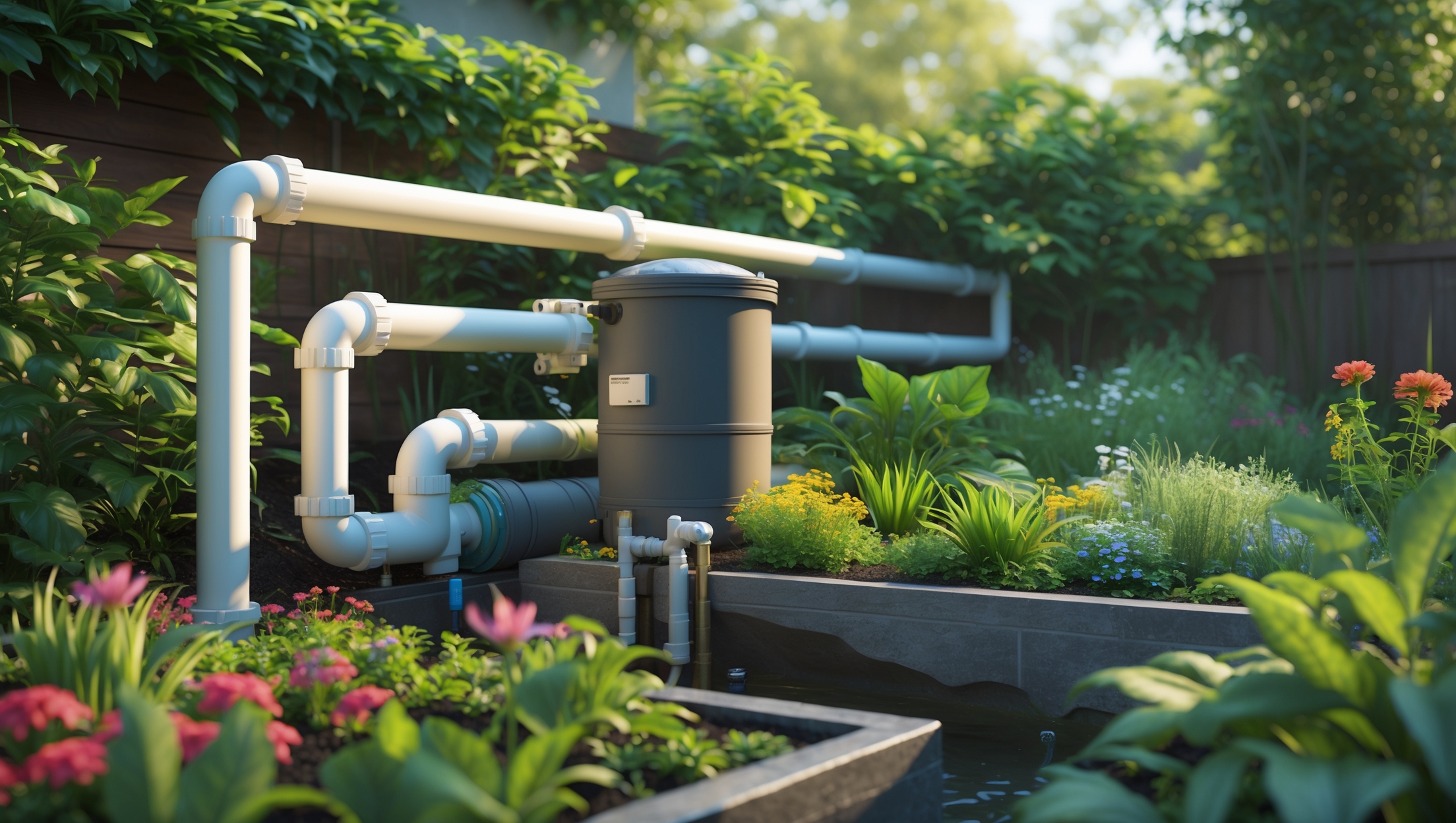
  • Pumped or Filtered Systems: Collect greywater in a holding tank, filter it to remove solids, and pump it to irrigation or toilet lines. These systems are more complex and require careful design, filtration, and periodic cleaning.

Permits, Codes, and Compliance

Understanding Local Regulations

Greywater systems are subject to plumbing codes and health regulations. Permits may be required, and system design must comply with local or state standards. Before starting, consult your city or county building department for:

  • Plumbing and health code requirements for greywater systems
  • Approved system types and installation methods
  • Setback rules from wells, property lines, and buildings
  • Permit application process and inspection scheduling

Common Permit Pitfalls

  • Installing a system without a required permit—can lead to fines and forced removal.
  • Using unapproved materials or methods—some jurisdictions ban flexible hoses or require specific pipe types.
  • Failing to provide maintenance access—inspection ports or cleanouts are often mandated.

Plumbing Layout and Materials

Key Plumbing Principles for Greywater

Greywater plumbing must keep potable and non-potable water strictly separated to prevent cross-contamination. Use clearly labeled pipes, backflow prevention devices, and easily accessible valves. All plumbing work should follow UPC (Uniform Plumbing Code) or IPC (International Plumbing Code) standards as applicable.

Recommended Materials and Tools

  • Piping: Use new, solid-wall PVC or HDPE pipes (typically 1″–2″ diameter) for main lines. Flexible irrigation tubing may be allowed for subsurface dispersal.
  • Valves: Install diverter valves (manual or automatic) to switch between greywater reuse and sewer systems.
  • Filters: Simple mesh screens or specialized greywater filters prevent hair, lint, and debris from clogging the system.
  • Backflow Preventers: Required to protect the potable supply from cross-contamination.
  • Fittings: Use slip or solvent-welded PVC fittings; ensure all connections are watertight.
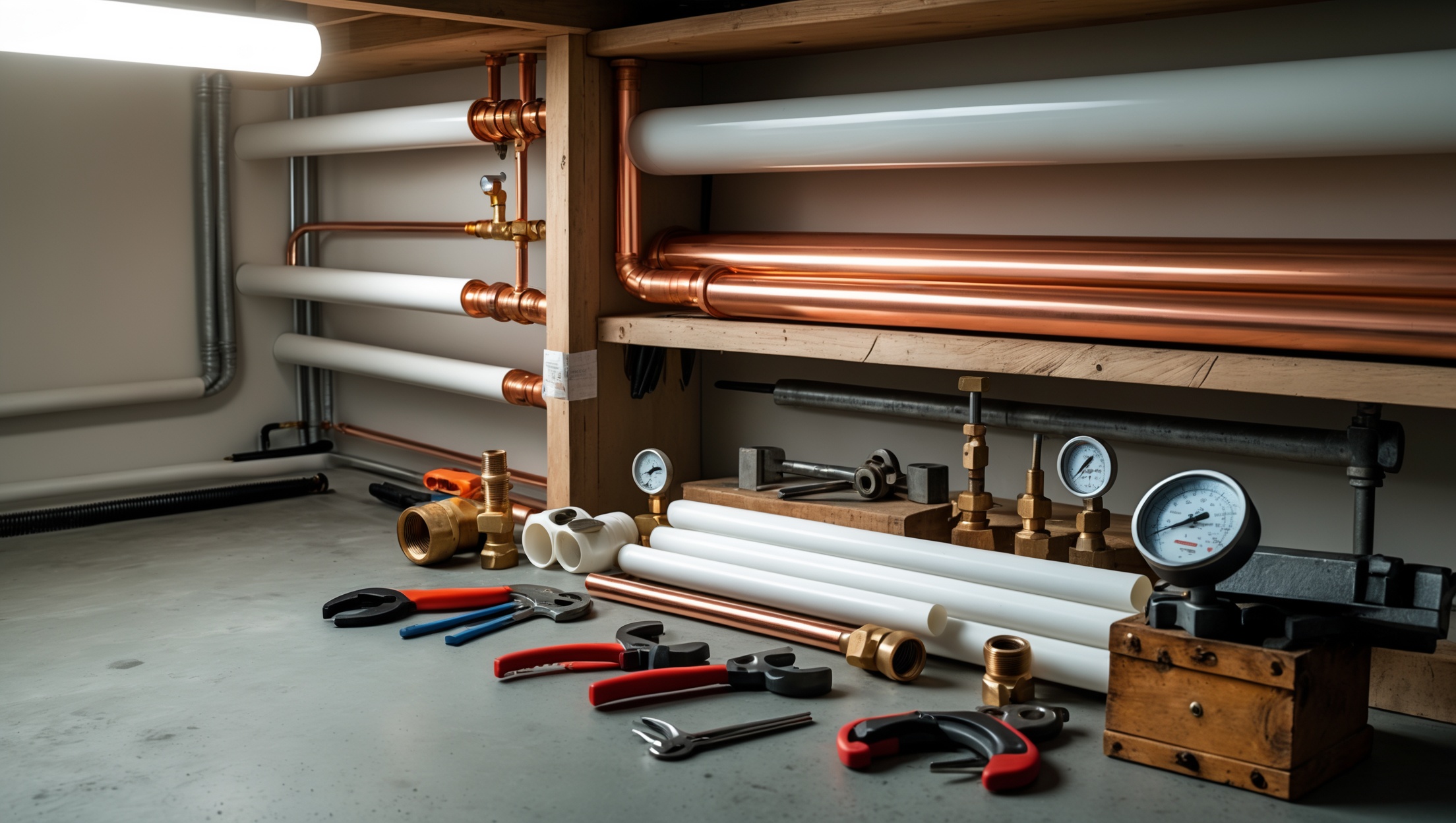
  • Basic Tools: PVC cutter, pipe wrenches, Teflon tape, pipe primer and cement, screwdrivers, and safety gloves.

Designing Your Plumbing Layout

  • Map the shortest, most direct route from source fixture to irrigation or reuse area.
  • Incorporate cleanouts at accessible points for future maintenance.
  • Maintain continuous downward slope (ideally 2% or more) to prevent standing water in pipes.
  • Label all greywater pipes clearly and avoid crossovers with potable lines.

Step-by-Step: Installing a Basic Laundry-to-Landscape Greywater System

1. Shut Off and Inspect

Turn off the washing machine’s water supply. Inspect the existing drain line and utility area for access points.

2. Install a Diverter Valve

  • Cut into the washing machine drain line using a PVC cutter.
  • Install a three-way diverter valve. One outlet continues to the sewer; the other runs to your greywater piping.
  • Secure all fittings with primer and PVC cement. Check for leaks before proceeding.

3. Route and Secure Greywater Piping

  • Attach solid-wall PVC pipe to the diverter valve and route it outside, maintaining a steady downward slope.
  • Use pipe clamps or brackets to secure the pipe along walls or joists.
  • Seal any exterior wall penetration with weatherproof caulking.

4. Add Basic Filtration

  • Install a mesh lint filter or in-line screen immediately after the diverter valve.
  • Clean the filter regularly to prevent blockages.

5. Distribute Water to Landscape

  • Connect the main pipe to a series of 1″–2″ mulch basins or subsurface irrigation lines in your garden beds.
  • Ensure water outlets are covered by mulch and at least 2 inches below the soil surface to minimize human contact and evaporation.
  • Avoid irrigating edible root crops or areas accessible to children and pets.

6. Test and Adjust

  • Run a test cycle on the washing machine to check for leaks and proper distribution.
  • Adjust pipe slopes or outlet placement as needed for even flow.
  • Switch the diverter valve back to the sewer during heavy rain or winter to avoid oversaturating the soil.

Maintenance Best Practices

Regular Inspection and Cleaning

  • Check filters and screens at least monthly; clean or replace as needed.
  • Inspect pipes for leaks, blockages, or signs of wear every few months.
  • Flush the system with clean water annually to remove sediment buildup.

Troubleshooting Common Issues

  • Odors: Usually indicate stagnant water or organic buildup. Clean filters, check for standing water, and flush pipes.
  • Clogs: Remove and rinse filters; run a plumber’s snake through blocked pipes if needed.
  • Slow flow: Check slope, clear blockages, and verify all valves are open.

Seasonal Adjustments

  • Divert greywater to the sewer during freezing weather to prevent pipe damage.
  • Monitor soil saturation during rainy seasons to avoid runoff or root rot.

Safety and Health Considerations

Safe Operation Guidelines

  • Never store greywater for more than 24 hours—use it immediately to prevent bacterial growth.
  • Do not use greywater on edible crops that are eaten raw or grow underground (e.g., carrots, potatoes).
  • Use only biodegradable, low-salt, low-phosphate soaps and detergents to protect soil and plants.
  • Keep children and pets away from irrigation zones and exposed outlets.
  • Wear gloves and eye protection during installation and maintenance.

When to Call a Professional

  • If your design includes pumps, large holding tanks, or complex filtration, consult a licensed plumber or greywater specialist.
  • If you encounter persistent leaks, backflow, or system failures, seek expert help to avoid health hazards or code violations.

Cost Breakdown and Budgeting Tips

  • Basic Laundry-to-Landscape: $150–$500 in materials (pipes, valves, filters, fittings), plus permits if required.
  • Branch Drain Systems: $500–$2,000 depending on fixture count and landscape size.
  • Pumped/Filtered Systems: $2,000–$5,000+ for tanks, pumps, advanced filters, and professional installation.
  • Permit Fees: $50–$300 depending on region and system type.

DIY installation can save significantly on labor, but always budget for unexpected repairs or upgrades. Start small—many homeowners expand their systems after gaining confidence with a basic setup.

Conclusion: Sustainable Water Use Starts at Home

Greywater systems empower homeowners to reduce water consumption, lower utility bills, and cultivate greener landscapes with minimal environmental impact. By carefully planning your system, complying with local codes, and following robust plumbing and safety practices, you can enjoy reliable greywater reuse for years to come. Remember: the key to a successful system is regular maintenance—clean filters, inspect pipes, and monitor your irrigation zones to prevent issues before they escalate. While some setups are simple enough for confident DIYers, don’t hesitate to consult professionals for advanced projects or complex plumbing work. Most importantly, stay informed about evolving codes and best practices, as greywater regulations and technologies continue to advance. By investing in your own greywater system, you’re not just saving money—you’re contributing to a more resilient, sustainable future for your home and community.

Ready to take the next step? Research your local codes, sketch your system layout, and start with a basic laundry-to-landscape installation. With the right information and tools, you can make every drop count.


300 comments
Anthony Lee

If local code says kitchen sink water can’t be used, what are the main safety or contamination risks that set it apart from bathroom or laundry greywater?

    Mario The Plumber

    Kitchen sink water is usually excluded from greywater systems because it contains higher levels of fats, oils, grease, and food particles, which can quickly clog pipes and create odors. It also often harbors more bacteria and pathogens compared to bathroom or laundry water, increasing the risk of contamination. These factors make kitchen water harder to treat safely for irrigation or reuse.

Rachel Lewis

If I want to set up a whole-home greywater system, how complicated does the permit process typically get? Are there extra inspections for advanced systems compared to the simple laundry-to-landscape projects?

    Mario The Plumber

    Setting up a whole-home greywater system usually involves a more detailed permit process than simple laundry-to-landscape projects. You can expect more paperwork, stricter code requirements, and likely multiple inspections—such as for backflow prevention and safe routing—since the system handles more wastewater sources. It’s a good idea to talk with your local building department early in the design phase to understand the specific steps and inspections required for advanced systems in your area.

Kimberly Garcia

For folks on a tight budget, what would be the most cost-effective option to get started—should we focus on just connecting the washing machine, or is there an affordable way to include multiple greywater sources without major plumbing work?

    Mario The Plumber

    Connecting just your washing machine to a greywater system is usually the simplest and most budget-friendly starting point. It often requires minimal plumbing changes, especially if your laundry room is near the yard. Adding multiple sources like showers or sinks tends to need more extensive piping and costs more. If you want to expand later, you can always add those sources in stages as your budget allows.

Jason Martinez

The article says to avoid using water from kitchen sinks and dishwashers due to contaminants. Is there any practical way to safely include this water in a DIY system, or is it best to just leave it out entirely?

    Mario The Plumber

    Including kitchen sink and dishwasher water in a DIY greywater system is generally not recommended because of food scraps, grease, and harsh detergents that can clog pipes and harm plants or soil. Safely treating this ‘blackwater’ at home is quite complex and usually requires advanced filtering and maintenance. Unless you have experience and are prepared for the extra work, it’s safer and easier to exclude it and focus on bathroom sinks, showers, and laundry water instead.

Joseph Clark

You talk about the benefits for water bills in drought-prone regions, but what kind of upfront costs should a homeowner realistically budget for if they want to do a simple outdoor irrigation greywater system on their own?

    Mario The Plumber

    For a basic DIY greywater system used for outdoor irrigation, homeowners typically spend between $200 and $500 on materials like pipes, diverter valves, filters, and mulch basins. Costs may vary depending on garden size and local material prices. If you need permits, budget an extra $50 to $200 depending on local regulations. Doing the work yourself keeps labor costs low.

Emily Miller

I’m considering a laundry-to-landscape setup, but I’m not sure how complex the plumbing modifications might be for someone without much DIY experience. Can you provide more detail about what skills or tools are needed?

    Mario The Plumber

    A laundry-to-landscape greywater system is one of the simpler options, but you’ll still need some basic plumbing skills. Typical tasks include cutting and gluing PVC pipe, installing a diverter valve, and connecting hoses to your washer. Essential tools are a saw, pipe glue, wrenches, and possibly a drill. If you’re comfortable using these tools and following clear instructions, it’s manageable; otherwise, you may want a plumber’s help for the trickier steps.

Mary Johnson

The article mentions avoiding kitchen sink water in greywater systems due to grease and pathogens. Are there any filtration methods that could make kitchen greywater safe for use in irrigation, or is it always considered off-limits no matter what?

    Mario The Plumber

    Kitchen greywater is generally avoided because grease, food particles, and higher pathogen loads make it difficult to treat safely for irrigation. While advanced greywater systems with multi-stage filtration and disinfection (like biofilters and UV treatment) can reduce risks, most local codes still prohibit kitchen sink water due to potential health hazards. For home-scale DIY setups, it remains best practice to keep kitchen greywater separate from irrigation use.

Andrew Miller

If I just want to start with a basic laundry-to-landscape setup before trying a whole-home system, about how much would it typically cost to do it yourself, considering both materials and permits?

    Mario The Plumber

    For a basic laundry-to-landscape greywater system, most DIYers spend between $150 and $400 on materials like PVC pipes, valves, diverters, hose, and mulch basins. Permit costs vary by location but can range from nothing to around $100, since some areas exempt simple laundry systems from permits. Check your local regulations before starting to get an accurate estimate for your area.

Lisa Perez

We are on a tight budget—does the article break down any of the upfront costs for basic DIY greywater systems, or suggest ways to save money on materials and installation?

    Mario The Plumber

    Yes, the article does touch on upfront costs for basic DIY greywater systems. It gives approximate price ranges for materials like pipes, diverter valves, and filters, and compares the expenses of different setup options. The article also suggests practical ways to save money, such as reusing existing plumbing where possible and sourcing recycled materials. These tips can help you keep your project within budget.

Nancy Wilson

If I set up a simple system for bathroom sinks and laundry, how quickly might I expect to see a noticeable drop in my water bills, especially in a drought-prone area? Any real-world examples would be helpful.

    Mario The Plumber

    With a simple greywater system for bathroom sinks and laundry, you could start seeing a noticeable reduction in your water bills within one to two billing cycles, depending on your household’s water usage and local rates. In drought-prone areas, savings are often more substantial because water is more expensive and conservation is encouraged. Many users report saving 15–40% on outdoor irrigation costs by reusing greywater, especially during summer months when landscape watering spikes.

Megan Gonzalez

I’m interested in doing a laundry-to-landscape setup like you suggested. Could you give a rough estimate of the upfront cost for materials and permits for a basic system? I want to know what to expect budget-wise before I get started.

    Mario The Plumber

    For a simple laundry-to-landscape greywater system, you can expect material costs to range from about $150 to $300, depending on the size of your setup and the quality of parts. Basic materials include diverter valves, PVC piping, hose, and mulch basins. Permit fees vary widely by location, but in many areas, they can range from $50 to $200. It’s always best to check with your local building department for exact permit requirements and costs.

Tyler Gonzalez

Can you give any tips on keeping the cost of a greywater system low for someone on a student budget? Especially when it comes to choosing between different plumbing layouts or materials?

    Mario The Plumber

    To keep costs down, consider using a simple laundry-to-landscape greywater system, which typically requires fewer parts and doesn’t need major plumbing changes. Opt for PVC pipes rather than copper, as they’re much cheaper and easy to work with. Reusing salvaged or leftover plumbing materials where safe is another way to cut expenses. Planning a straightforward, short piping layout also reduces material and labor costs.

Kimberly Robinson

You mention that kitchen sink water is excluded due to potential contaminants. If I want to expand my system in the future, are there effective ways to pretreat or filter kitchen water safely for landscape use?

    Mario The Plumber

    Kitchen sink water, or ‘blackwater,’ often contains grease, food scraps, and detergents, making it harder to treat than bathroom or laundry greywater. For landscape use, pretreatment would require a multi-stage filtration system: a grease trap to catch fats and oils, a sediment filter for solids, and possibly a biofilter for organic contaminants. Even with these, local regulations may restrict or prohibit using kitchen greywater outdoors, so check your area’s rules before proceeding.

Margaret Harris

If someone is renting rather than owning their home, is there a legal or practical way to set up a temporary greywater system, especially without making permanent plumbing changes or running into issues with landlords?

    Mario The Plumber

    If you’re renting, you can still set up a basic, temporary greywater system using portable components like hose diverters or shower-to-bucket methods. These avoid changes to existing plumbing and are easy to remove when you move. Always check your lease and get written permission from your landlord first, as even non-permanent setups may have restrictions. Also, be sure to follow local greywater regulations to avoid legal issues.

Charles Brown

How complicated is the permit process in most US cities for something like a laundry-to-landscape system? I’m trying to figure out if I can tackle this on a weekend, or if I’ll be stuck waiting on paperwork for weeks.

    Mario The Plumber

    Permit requirements for laundry-to-landscape greywater systems vary a lot by city. In some places, these systems are exempt from permits if you follow certain rules, so you could start right away. However, other cities require an application, inspections, and approval, which could take a few days to several weeks. It’s worth calling your local building or environmental health department to ask about their specific process before you set aside your weekend.

David Sanchez

I noticed the article says to avoid using kitchen sink water in a greywater system because of pathogens and grease. For someone with limited plumbing skills, are there any easy filters or products that can help make kitchen greywater safer for things like irrigation?

    Mario The Plumber

    Including kitchen sink water in a greywater system is tricky because of food particles, grease, and higher risk of bacteria. While there are grease traps and basic filters on the market, most require regular maintenance and aren’t foolproof for making kitchen water safe for irrigation, especially with limited plumbing experience. It’s generally safer to stick with water from showers, baths, and laundry, since these sources are much easier to manage and filter for garden use.

Anthony Hernandez

I live in an area with pretty strict local regulations. Do you have any tips on the permitting process or common challenges that come up when trying to get approval for a DIY greywater system?

    Mario The Plumber

    When dealing with strict local regulations, it’s important to contact your city or county permit office early in the planning process. Many areas require detailed plans showing how greywater will be collected, filtered, and distributed. Common challenges include meeting code for backflow prevention, ensuring safe distances from wells or edible gardens, and demonstrating proper maintenance access. Gathering clear documentation and being ready to explain your system’s safety features can really smooth the approval process.

Julie Gonzalez

I see you mentioned bathroom sinks and laundry machines as good greywater sources, but to avoid water from kitchen sinks and dishwashers. What about water from a bathroom with both a tub and washing machine nearby—can I combine those into one greywater line, or does that complicate things?

    Mario The Plumber

    You can generally combine greywater from a bathtub and a nearby washing machine into a single greywater line, as both are suitable sources. Just make sure the plumbing is properly designed to handle the combined flow and that you include an easily accessible diverter valve. Check your local regulations, as some areas have specific requirements about combining fixtures and backflow prevention.

Aaron Thomas

For someone considering a laundry-to-landscape system versus a whole-home setup, how do the costs and installation timeframes typically compare based on your experience?

    Mario The Plumber

    A laundry-to-landscape system is usually much cheaper and quicker to install than a whole-home greywater setup. Laundry systems often cost a few hundred dollars and can be done in a day or weekend by a handy homeowner. Whole-home systems require more plumbing, permits, and professional help, typically taking a week or more and several thousand dollars to complete. Maintenance is simpler with laundry setups, too.

Sarah Clark

You mention greywater from sources like showers and laundry, but avoid kitchen sinks. Is it possible to separate just the kitchen sink water if I really want the extra supply for irrigation, or is that totally off-limits for safety reasons?

    Mario The Plumber

    While kitchen sink water technically can be separated, it’s generally not recommended for irrigation due to the high content of food particles, grease, and detergents, which can promote bacterial growth and clog systems. Most regulations classify kitchen sink water as ‘blackwater.’ If you still want to use it, you’d need advanced filtration and regular maintenance to avoid health and environmental risks, and many areas prohibit it in residential greywater systems. Always check local codes before proceeding.

Jennifer Harris

For someone in a drought-prone area looking to lower utility bills, which greywater system would be the most cost-effective to set up first: a laundry-to-landscape setup or a whole-home configuration?

    Mario The Plumber

    A laundry-to-landscape greywater system is typically the most cost-effective option to start with. It requires less plumbing work and fewer permits compared to a whole-home setup, making installation simpler and less expensive. Plus, it can significantly reduce outdoor water use by redirecting laundry water to your garden.

Julie White

I’m curious about the permitting process you mentioned for DIY greywater systems. As a parent with limited free time, how complicated is it to get permits approved, and are there typical delays or extra requirements I should plan for before starting a laundry-to-landscape project?

    Mario The Plumber

    The permitting process for DIY greywater systems like laundry-to-landscape projects varies by location, but generally it’s simpler than for more complex systems. Some areas allow these with just a simple notification, while others require a formal permit and inspection. Delays can happen if documentation isn’t complete or if your local office is busy, so it’s wise to check requirements ahead of time. Setting aside a few weeks for approval is a good idea, and be prepared to provide a basic system plan and details about your plumbing setup.

Mary Davis

For those of us on a tight budget, are there affordable options or materials you recommend for starting with a small greywater setup, like just capturing shower water for garden use?

    Mario The Plumber

    Absolutely, starting small can be very budget-friendly. For shower water, many people use a simple plastic storage bin or a sturdy bucket to collect water while showering. This can then be carried outside to water non-edible plants. For something more hands-off but still affordable, a laundry-to-landscape system uses inexpensive PVC pipe, a diverter valve, and gravity to direct used water outdoors. Make sure any soap used is plant-safe.

William Brown

You mentioned needing permits for some setups. How do I know if I need a permit in my area, and what kind of inspections should I expect for a basic greywater system?

    Mario The Plumber

    Permit requirements for greywater systems vary by location, so your best first step is to check with your local building or environmental health department. Many areas require permits for systems that alter plumbing or drain water outdoors. For inspections, expect officials to check for safe piping, proper filtration, and clear separation from potable water. They’ll usually want to ensure your system won’t contaminate drinking water or local waterways.

Mary Ramirez

You mentioned avoiding kitchen sink water due to contaminants—does this apply even if someone uses eco-friendly soaps and no grease, or is it still unsafe for irrigation?

    Mario The Plumber

    Even with eco-friendly soaps and minimal grease, kitchen sink water is generally not recommended for irrigation. It can still contain food particles, fats, and higher levels of organic matter that attract pests or clog soil. Most guidelines suggest sticking to greywater from showers, baths, and laundry for safe garden use.

Donna Thompson

For someone interested in a laundry-to-landscape setup, what are the potential maintenance tasks involved after the initial installation, and how often should they be performed to keep everything working efficiently?

    Mario The Plumber

    After setting up a laundry-to-landscape greywater system, you’ll need to check and clean the filter or lint trap about once a month to prevent clogs. Inspect the pipes and emitters every few months for blockages or damage, and flush the system if you notice any reduced flow. It’s also wise to watch for signs of root intrusion at least once a year and to verify that no soaps or detergents harmful to plants are entering the system.

Julie Martin

You mentioned that kitchen sink water isn’t suitable for greywater systems because of grease and food particles. Are there any effective filtration options if I still want to capture some of that water safely for outdoor use?

    Mario The Plumber

    Kitchen sink water, known as ‘blackwater’ due to grease and food scraps, is tricky to reuse safely. While some people use grease traps, fine mesh screens, and sediment filters to capture solids, these systems need frequent maintenance and still might not remove all contaminants. Most regulations advise against using kitchen greywater outdoors because the risks outweigh the benefits. For safer greywater reuse, it’s better to focus on sources like laundry or showers.

Rachel Ramirez

You mentioned avoiding kitchen sink water because of grease and pathogens. Are there simple filtration options that make kitchen water safe for greywater use, or is it better to just exclude it completely?

    Mario The Plumber

    Filtering kitchen sink water for greywater systems is challenging because grease, food particles, and pathogens can quickly clog filters and create health risks. While advanced filtration and biological treatment systems do exist, they are usually costly and high-maintenance for home DIY setups. For most households, it’s safer and much simpler to exclude kitchen sink water and stick to sources like bathroom sinks, showers, and laundry.

Aaron Miller

Can you clarify if most municipal codes allow subsurface drip irrigation systems using greywater in small gardens, or are there states where this use is restricted even for bathroom sink or laundry sources? Trying to figure out my options in a drought-prone area.

    Mario The Plumber

    Municipal codes on subsurface drip irrigation with greywater vary widely. Many states do allow subsurface drip systems using laundry or bathroom sink greywater, especially for small gardens, but some—like Colorado and parts of Utah—still have restrictions or special permit requirements. Always check your local and state regulations, as some areas may prohibit even filtered greywater uses due to health or groundwater concerns.

Betty Moore

Could you elaborate on the permitting process for DIY greywater systems? I’m particularly interested in what kind of inspections or paperwork might be required before and after installation in most US areas, since local regulations can be pretty different.

    Mario The Plumber

    Permitting for DIY greywater systems can vary by city or county, but you’ll usually need to submit detailed plans to your local building or environmental health department first. They might require a schematic of your system, water flow estimates, and proof that it won’t connect to potable water. Inspections are often scheduled both before installation (to check plans and location) and after (to confirm safe, proper setup). Always check with your local authorities for specific forms and requirements, as rules differ widely.

John Perez

You mentioned avoiding kitchen sink water due to contaminants. Are there any safe ways to include water from dishwashers if I use eco-friendly detergents, or is that still not recommended?

    Mario The Plumber

    Even if you use eco-friendly detergents, water from dishwashers is generally not recommended for greywater systems. Dishwasher water often contains food particles, grease, and higher temperatures, which can harm plants and clog irrigation systems. Most guidelines recommend avoiding it to keep your system simple, safe, and legal. Bathrooms and laundry (using mild detergents) are usually the best sources for greywater.

Helen Martin

The article mentions the importance of permits—how do you recommend homeowners start the process of checking local regulations, and is it common to need an inspection before using the system?

    Mario The Plumber

    To start, contact your city or county building department and ask specifically about greywater system requirements—they can guide you on what permits are needed. It’s quite common for authorities to require an inspection before you use your greywater system, both for safety and code compliance. Gathering information directly from officials will ensure your project meets all local rules.

Patricia Smith

What are some practical steps to take if you want to design your system for possible future expansion, like starting with laundry water but adding bathroom sources later? Is there an optimal starting setup?

    Mario The Plumber

    To allow for future expansion, use larger diameter pipes and install accessible junctions or tees where you might add more greywater sources later. Plan your layout so the main drain line has enough capacity for both laundry and bathroom water. Installing shut-off valves and labeling connection points can simplify future additions. Starting with a laundry-to-landscape system is a solid, low-complexity base, and keeping pipes exposed or easily reachable helps when you’re ready to expand.

Tyler Anderson

The article talks about cutting water bills, but do you have any ballpark estimates for installation costs of a basic DIY system versus a more advanced whole-house version?

    Mario The Plumber

    For a basic DIY greywater system, like one that diverts laundry or shower water to your garden, installation costs typically range from $150 to $500 for materials and basic tools. A more advanced whole-house system, which may require pumps, filters, and professional installation, can cost anywhere from $2,000 to $5,000 or more depending on complexity and local labor rates.

Michelle Miller

Can you clarify if there are any specific restrictions on using greywater for vegetable gardens, since you mentioned it’s generally for non-potable reuse? Is there a safe way to use greywater on edible plants?

    Mario The Plumber

    Greywater is typically recommended for non-edible plants because it can contain traces of soap, detergents, or pathogens that aren’t safe for consumption. If you want to use greywater on vegetables, it’s safest to apply it only to fruit trees or plants where the edible part doesn’t touch the water or soil. Never use greywater on root vegetables or leafy greens. Also, be sure to use only plant-friendly soaps and avoid water with harsh chemicals.

Kevin Thomas

You mention that greywater from kitchen sinks shouldn’t be used due to possible contaminants. Are there filtration or treatment options that make kitchen sink water safe enough for irrigation, or is it just not worth the risk?

    Mario The Plumber

    Kitchen sink water contains fats, oils, food particles, and higher levels of bacteria, making it more challenging to treat. While advanced filtration and treatment systems do exist, they can be costly and require regular maintenance to ensure safety. Most home greywater setups avoid kitchen water because the risk of clogging, odor, and contamination is high, and simpler systems aren’t effective enough. For most people, using water from showers, baths, and laundry is much safer and more practical.

David Lewis

The article talks about greywater being great for subsurface irrigation. What are some common issues people face with clogs or odors in these systems, and what regular maintenance tasks help keep everything running smoothly?

    Mario The Plumber

    Common issues with greywater systems include clogs from hair, lint, or food particles and odors caused by stagnant water or organic buildup. To prevent these problems, regularly clean filters and lint traps, inspect pipes for blockages, and periodically flush the system with clean water. It’s also important to avoid using harsh chemicals or greasy soaps, as they can contribute to buildup and unpleasant smells.

Ashley Martinez

If I’m mainly interested in using greywater for toilet flushing rather than irrigation, are there different plumbing layouts or filtration steps I need to consider compared to outdoor use?

    Mario The Plumber

    Yes, using greywater for toilet flushing usually involves a different plumbing layout and more filtration compared to irrigation. You’ll need a separate pipe system that directs greywater to your toilets, and the water typically needs finer filtration to prevent clogging valves or staining fixtures. Some systems also include disinfection steps. Be sure to check your local building codes, as indoor reuse often has stricter requirements than outdoor irrigation.

Lisa Rodriguez

For someone living in an area with winter freezes, are there extra steps I should take to keep my greywater system running safely year-round, or is it better to shut it down in colder months?

    Mario The Plumber

    In areas with winter freezes, extra precautions are important for greywater systems. Insulate exposed pipes and bury them below the frost line to prevent freezing. Draining or shutting down the system during the coldest months is often safest, especially if you’re not using it, as frozen water can damage pipes and fittings. Choose the approach that best matches your local climate and system use, but safety and system longevity should come first.

Tyler Thomas

After reading about the difference between greywater and blackwater, I’m curious—why is kitchen sink water specifically excluded even if you use gentle soaps? Is it the grease, food waste, or something else that makes it too risky to reuse?

    Mario The Plumber

    Kitchen sink water is excluded from greywater reuse mainly because of the high levels of grease, oils, and food particles it contains. Even with gentle soaps, these substances can quickly clog pipes and soil, promote the growth of harmful bacteria, and create unpleasant odors. That’s why kitchen sink water is treated as blackwater and not recommended for reuse in most greywater systems.

Emily Taylor

For homeowners trying to keep costs down, what are the key components or steps that have the biggest impact on budget when planning a DIY greywater setup?

    Mario The Plumber

    When planning a budget-friendly DIY greywater system, the biggest cost factors are the type of plumbing materials you choose, whether you can reuse existing pipes, and if you do the installation yourself instead of hiring professionals. Permits can also add to costs, so check local requirements early. Designing a simple system that collects water from one or two sources, like a washing machine, can keep expenses low and make maintenance easier.

Kimberly Sanchez

The article mentions not using kitchen sink or dishwasher water due to potential contaminants. Is there a way to safely incorporate this greywater with proper filtration, or is it best to strictly avoid those sources?

    Mario The Plumber

    Kitchen sink and dishwasher water often contain grease, food particles, and harsh detergents, making filtration quite challenging for safe reuse, especially in gardens. While advanced commercial systems do exist that can treat this kind of greywater, they’re typically complex and costly to install and maintain. For most DIY setups, it’s safest to avoid these sources and stick with laundry and bathroom water, which are much easier to manage.

Matthew Brown

You mentioned the importance of securing permits—can you explain what the typical permitting process looks like for a DIY greywater system in a suburban area, and what documentation homeowners should prepare?

    Mario The Plumber

    In a suburban area, the permitting process usually starts with contacting your local building or environmental health department. Homeowners typically need to submit a detailed plan of the greywater system, showing plumbing modifications and how water will be diverted safely. Expect to provide system diagrams, specifications for pipes and filters, and sometimes a site map. After review, there may be an inspection once the system is installed to ensure it meets local codes and safety standards.

Aaron Robinson

For those living in regions with heavy clay soil or seasonal freezing, are there recommended tweaks to the suggested irrigation setup in the article?

    Mario The Plumber

    In areas with heavy clay soil, it’s best to use shallow, wide mulch basins to help greywater soak in more effectively and prevent pooling. For regions with seasonal freezing, make sure pipes are buried below the frost line or drained before winter to avoid cracking. Also, consider using above-ground mulch basins during the growing season and disconnecting the system when freezing is expected.

Richard Lopez

The article mentions ongoing maintenance for greywater setups. What kind of routine maintenance tasks should homeowners expect, and how frequently do they need to be performed to keep the system running smoothly?

    Mario The Plumber

    Homeowners should regularly check and clean filters and screens, usually every month or two, to prevent clogs in the greywater system. Inspecting pipes for leaks or blockages is also recommended quarterly. It’s important to flush the system with clean water a few times a year to reduce soap and residue buildup. Additionally, pruning roots near pipes and replacing any worn-out parts as needed helps ensure smooth operation.

Linda Jackson

The article mentions ongoing maintenance is important for keeping a greywater system running smoothly. What are the most common issues homeowners face with these systems, and how much time should I budget per month for upkeep?

    Mario The Plumber

    Homeowners with greywater systems most often deal with clogged filters, buildup of lint or solids, and occasional odors. Plants connected to the system might also need monitoring if water flow changes. Regular tasks like checking and cleaning filters, inspecting pipes, and flushing the system usually take 1–2 hours each month. If you stay consistent, major problems are rare and maintenance stays manageable.

Joshua Perez

Could you clarify whether laundry water from loads with mild bleach or occasional fabric softener is still considered safe for greywater irrigation, or are there specific detergents and additives I should avoid entirely?

    Mario The Plumber

    Laundry water with mild bleach or fabric softener is generally not recommended for greywater irrigation, as both can contain chemicals that may harm plants or soil. It’s best to use detergents labeled ‘biodegradable’ and ‘plant-safe,’ and avoid products with chlorine bleach, boron, salts, and synthetic fragrances or softeners. Always check the labels and stick to options specifically formulated for greywater systems to protect your garden and the environment.

Kevin Moore

The article mentions that greywater should not come from kitchen sinks due to potential contaminants. If my bathroom sink uses strong cleaning chemicals, is that water still considered safe for garden irrigation, or are there recommended best practices for product choices?

    Mario The Plumber

    If your bathroom sink water contains strong cleaning chemicals, it’s not ideal for garden irrigation. Harsh chemicals can harm plants and soil health. For a greywater system, it’s best to use mild, biodegradable soaps and cleaners. Choosing plant-friendly products without bleach, ammonia, or antibacterial agents is recommended to ensure the safety of your garden and the environment.

Lisa Miller

In the benefits section, it says these systems can really lower water bills, especially during droughts. Do you have any ballpark figures on how much money most homeowners can expect to save per year with a basic laundry-to-landscape setup?

    Mario The Plumber

    A basic laundry-to-landscape greywater system can reduce your outdoor irrigation water use by 15–40% for an average household. Depending on your local water rates, this can translate to annual savings of about $100 to $400. The exact amount varies based on how much laundry you do and how much of your landscaping needs regular watering.

Patricia Martinez

If I want to start with a basic laundry-to-landscape setup and possibly expand to include bathroom sinks in the future, would I need to redo most of the plumbing, or is it possible to design the groundwork now for easy upgrades later?

    Mario The Plumber

    You can absolutely design your system with future expansion in mind. When setting up a basic laundry-to-landscape system, choose pipe sizes and routing locations that allow easy access and connection points for future bathroom sink lines. Including extra junctions or inspection ports now can save you from redoing major plumbing work later. Just be sure to follow local codes for each phase and plan your initial layout so future tie-ins are straightforward.

David Robinson

The article says kitchen sink water shouldn’t be used due to grease and pathogens. Are there any filtration systems or methods that make it safe to include kitchen sink greywater, or is it best to avoid using that source entirely?

    Mario The Plumber

    While there are advanced filtration systems that can treat kitchen sink water, they are often complex and expensive, requiring regular maintenance to remain effective. Grease, food particles, and pathogens make kitchen greywater challenging to manage safely. For most DIY setups, it’s safest to avoid using kitchen sink water, as simpler systems aren’t equipped to handle these contaminants. Sticking to bathroom sinks, showers, and laundry water is recommended for hassle-free and safer greywater reuse.

Tyler White

You mention that greywater from kitchen sinks shouldn’t be used due to potential contaminants. If I want to expand my system beyond bathroom and laundry sources, are there any safe ways to filter kitchen sink water for landscape use, or is it just not worth the risk?

    Mario The Plumber

    Kitchen sink greywater is generally not recommended for landscape use because it often contains grease, food particles, and harsher chemicals, making it much harder to treat safely. While advanced filtration systems (like multi-stage biofilters and grease traps) can reduce some risks, they require frequent maintenance and still might not remove all contaminants. For most homeowners, sticking to bathroom and laundry sources is safer and far less complicated. If you’re set on including kitchen greywater, consult a local expert to ensure your system meets health and safety standards.

Margaret Williams

You mentioned that greywater from kitchen sinks and dishwashers shouldn’t be used because of contaminants. Is there a filtration or treatment method that can make kitchen sink water safe for reuse in irrigation, or is it best to avoid it altogether?

    Mario The Plumber

    While advanced greywater treatment systems do exist that can handle kitchen sink water, they are typically complex, expensive, and require regular maintenance to effectively remove grease, food particles, and harsh detergents. For most home DIY systems, it’s safest to avoid using kitchen sink or dishwasher water for irrigation. Sticking to laundry and bathroom sink water is much simpler and poses fewer health and maintenance risks.

Sandra Thompson

For a homeowner in an area with strict local plumbing codes, could you share more about the permitting process mentioned? Specifically, what are some common hurdles or misunderstandings to watch out for when seeking approval for a DIY greywater project?

    Mario The Plumber

    In areas with strict plumbing codes, permitting for a DIY greywater system often requires detailed plans and may need to be reviewed by local authorities. Common hurdles include not meeting setback requirements from wells or property lines, improper pipe labeling, or missing backflow prevention. Homeowners sometimes misunderstand which fixtures can be connected—laundry and showers are usually allowed, but kitchen sinks rarely are. Be ready to provide diagrams and clarify how your system avoids cross-contamination.

Ashley Moore

The guide recommends ongoing maintenance for longevity, but could you specify what routine tasks are necessary and how often they should be performed for a system used primarily for subsurface garden watering?

    Mario The Plumber

    For a greywater system used mainly for subsurface garden watering, routine maintenance usually means cleaning the filter or screen every 1–3 months to prevent clogging. Inspect hoses and pipes for leaks or blockages monthly. Once a year, flush the system with clean water to reduce soap or residue buildup. Also, check that diverter valves and mulch basins aren’t accumulating debris or causing water pooling. Consistent checks help keep everything running smoothly.

Richard Anderson

I see the article says to avoid using greywater from kitchen sinks or dishwashers because of potential contaminants. If kitchen greywater is filtered separately with a good system, could it still be safely reused for irrigation, or is this never recommended no matter what?

    Mario The Plumber

    While effective filtration can reduce contaminants in kitchen greywater, it still typically contains high levels of grease, food particles, and harsh detergents that are challenging to remove completely. Even with advanced filtration, most guidelines advise against using kitchen sink or dishwasher water for irrigation due to potential health and soil risks. If you are considering it, check local regulations—many areas prohibit this practice regardless of filtration.

Richard Martin

You mention ongoing maintenance for keeping the system running smoothly. What are some regular maintenance tasks that homeowners should plan for, and how much time do they usually take each month or season?

    Mario The Plumber

    Homeowners should regularly check and clean the greywater filters and screens to prevent clogs, inspect pipes for leaks or blockages, and flush the system if buildup is noticed. Inspecting and cleaning usually takes 30–60 minutes per month. Seasonally, you might need to check diverter valves and clear any accumulated debris, which could take another 30–60 minutes. Staying consistent with these tasks will keep your system efficient and trouble-free.

Brian Martin

If I’m mostly interested in using greywater for my backyard garden, do I still need to go through the full permit process, or are there exceptions for simpler setups like you mentioned in the article?

    Mario The Plumber

    If your greywater system is a simple setup, like a laundry-to-landscape system with no pumps or storage tanks, many areas allow you to use it for your backyard garden without a full permit process. However, rules vary by location, so it’s important to check your local regulations. Some places have streamlined permits or exemptions for these low-risk systems, while others may still require basic notification or inspection.

Jessica Johnson

You mention that kitchen sink water isn’t allowed because of pathogens and grease. If someone wants the most water savings possible, is there a safe way to include kitchen greywater with extra filtration, or is that just not recommended?

    Mario The Plumber

    Including kitchen sink water in a greywater system is generally not recommended, even with advanced filtration. The high levels of grease, food particles, and potential pathogens present a risk to soil and human health that most home systems can’t fully address. Local codes usually prohibit it for these reasons. For maximum water savings, it’s best to focus on bathroom sinks, showers, and laundry, as these sources are much safer and typically allowed.

Tyler Lewis

Is there a significant difference in maintenance needs between a basic laundry-to-landscape system and a more complex whole-home setup? I want to understand what kind of time commitment to expect after installation.

    Mario The Plumber

    Yes, there is a notable difference in maintenance between the two systems. A basic laundry-to-landscape system generally needs less upkeep—just occasional lint trap cleaning and checking for clogs. A whole-home setup usually requires more frequent inspections, filter replacements, and checks on pumps or diverter valves. Expect a few hours yearly for the basic system, but plan for more regular attention with a complex whole-home system.

Richard Lopez

How much does it typically cost for permits and basic plumbing supplies if I just want to retrofit my bathroom sink and shower for greywater reuse? I’m trying to figure out if the savings on my water bill will actually make up for the upfront investment.

    Mario The Plumber

    For a basic greywater retrofit involving your bathroom sink and shower, permit costs usually range from $50 to $200, depending on your local jurisdiction. Basic plumbing supplies might add another $100 to $300. So, you might spend between $150 and $500 upfront. Savings on your water bill depend on your household size and local rates, but many people recover their investment within two to five years through reduced water use.

Mark Johnson

You mention that kitchen sink water shouldn’t be used because of grease and pathogens. If I only rarely rinse greasy dishes, is there a way to filter kitchen greywater, or is it always best to exclude it?

    Mario The Plumber

    Even if you rarely rinse greasy dishes, kitchen sink water usually contains enough fats, oils, and food particles to clog or damage greywater systems, and filtering out all pathogens and grease is difficult for most DIY setups. While advanced filtration is possible, it requires more complex, costly maintenance. For most home systems, it’s safest to exclude kitchen sink water and stick to bathroom sinks, laundry, and showers.

Betty Davis

The article says to avoid using kitchen sink water due to contaminants. What happens if a bit of blackwater accidentally gets into the greywater line? Are there any troubleshooting steps or safety precautions in case of cross-contamination?

    Mario The Plumber

    If a small amount of blackwater, such as kitchen sink or toilet waste, accidentally enters the greywater system, there’s a risk of harmful bacteria and pathogens contaminating your irrigation area. To address this, stop using the greywater system immediately and divert the flow to the sewer until the system is thoroughly cleaned. Disinfect affected pipes, monitor for odors or blockages, and avoid irrigating edible plants with that greywater. If contamination is severe, consult a professional for proper cleanup and assessment.

Karen Harris

The article mentions avoiding kitchen sink water due to contaminants. Are there specific filters or treatments that can safely make kitchen greywater usable for irrigation, or is it best to completely exclude it?

    Mario The Plumber

    Kitchen sink water typically contains high levels of grease, food particles, and detergents, which are challenging to filter out effectively. While there are advanced filtration and treatment systems available, they can be expensive and require regular maintenance to prevent clogs and odors. For most home DIY setups, it’s safest and simpler to exclude kitchen greywater from your irrigation system and focus on water from showers, baths, and laundry (except from soiled laundry loads).

Karen Smith

You mention that avoiding kitchen sink water is important due to contaminants. Are there any specific plumbing techniques or devices that can help prevent accidental inclusion of blackwater in a DIY greywater system?

    Mario The Plumber

    Yes, there are several ways to prevent blackwater from entering your greywater system. Installing backflow preventers or check valves in the plumbing can stop water from flowing the wrong way. Use separate pipes for greywater sources (like bathroom sinks and laundry) and keep them clearly labeled. Also, using diverter valves lets you easily switch between sending water to the greywater system or the sewer, which helps avoid accidental cross-connections.

Tyler Garcia

I’m planning a laundry-to-landscape setup and was wondering what kind of permits are actually required in most US states before starting this kind of project. Is it usually something that a homeowner can get on their own, or do you typically need a licensed plumber involved?

    Mario The Plumber

    Permit requirements for laundry-to-landscape greywater systems vary by state and city, but many areas in the US allow homeowners to install these systems themselves with a simple permit, since they often don’t alter the home’s existing plumbing. Some regions may not require a permit at all if you follow specific guidelines. However, if your project involves more complex modifications or ties into your main sewer line, you might need a licensed plumber and a more involved permit. It’s best to check with your local building department for their specific rules.

Megan Johnson

If my greywater system develops odors or clogs over time, what troubleshooting steps do you recommend for maintenance in a DIY setup? Are there signs of major issues that would mean professional help is necessary rather than regular homeowner upkeep?

    Mario The Plumber

    If you notice odors or clogs, start by checking that your pipes aren’t blocked with lint, hair, or debris—clean out any accessible filters or screens. Flushing the system with clean water can help clear minor buildup. Persistent bad smells may indicate stagnant water, so make sure greywater is dispersing properly and not pooling. If you spot sewage smells, backflow issues, or significant leaks, it’s best to contact a professional, as these could signal bigger plumbing problems or health risks.

Ashley Rodriguez

You mentioned avoiding water from kitchen sinks in the greywater system due to potential contaminants. Can you elaborate on what specific problems could arise if someone accidentally included kitchen sink water?

    Mario The Plumber

    Including kitchen sink water in a greywater system can introduce food scraps, grease, oils, and detergents, which are much more concentrated and harder to break down than those from showers or laundry. These contaminants can clog pipes, cause bad odors, and attract pests. They also make the water less safe for plants, potentially harming your garden or landscape if used for irrigation.

Megan Martin

What is the typical maintenance routine for a home greywater system, especially in climates where freezing temperatures are a concern? Are there design choices that make winterizing easier?

    Mario The Plumber

    For home greywater systems in freezing climates, regular maintenance includes cleaning filters and checking for clogs every month or two, especially after heavy use. Before winter, drain exposed pipes and insulate or bury them below the frost line to prevent freezing. Using diverter valves lets you easily switch the system off in winter, and designing with easy-access parts makes winterizing simpler. Choosing above-ground parts that are easily drained or disconnected can also help.

Ashley Taylor

You mention that kitchen sink and dishwasher water should not be included in a greywater system due to potential contaminants. Are there filtration options that could make kitchen greywater safe enough for irrigation, or is it best to avoid it altogether?

    Mario The Plumber

    Kitchen greywater usually contains grease, food particles, and harsh detergents that are tough to filter out and can quickly clog irrigation systems or harm plants. While there are advanced filtration systems designed for kitchen water, they tend to be expensive and require frequent maintenance. For most home DIY setups, it’s safest to avoid kitchen and dishwasher water and stick to laundry, shower, and bathroom sink sources for greywater reuse.

Kevin Brown

The article mentions that securing permits is an important step. Can you explain what kind of permits or inspections I should expect if I’m just doing a basic laundry-to-landscape setup in a typical suburban area?

    Mario The Plumber

    For a basic laundry-to-landscape greywater system, many areas treat this as a low-risk project and may have simplified permit requirements or even exemptions. However, you should expect to check in with your local building department, as some municipalities still require a simple plumbing or environmental health permit. Often, an inspection is needed to ensure the system doesn’t cross-connect with potable water. It’s best to contact your local permitting office to confirm the rules specific to your suburb.

Rachel Jones

Since landscape irrigation is a common use for greywater, are there types of plants or soil that don’t respond well to greywater irrigation, even if the water is free of harsh chemicals? I want to make sure I’m not harming my garden.

    Mario The Plumber

    Yes, some plants and soils are more sensitive to greywater than others. Acid-loving plants like blueberries, azaleas, and camellias may not do well with greywater, even if it doesn’t contain harsh chemicals, because of the higher pH and potential salt content. Succulents and most native plants generally tolerate greywater better. Clay soils can have drainage issues, so make sure your soil allows for good percolation to avoid waterlogging. Testing on a small area first is always a smart approach.

Margaret Moore

Once a greywater system is installed, how often should routine maintenance be performed to ensure it operates safely and efficiently? I’d love to hear about common issues that might crop up during the first year and any troubleshooting tips.

    Mario The Plumber

    Routine maintenance for a greywater system should typically be done every 3 to 6 months. This includes checking and cleaning filters, inspecting pipes for blockages, and ensuring valves and diverters work smoothly. During the first year, the most common issues are clogged filters, slow drainage, or unpleasant odors. To troubleshoot, clean out any debris from filters, flush pipes with water, and check for leaks or buildup. If odors persist, make sure you’re using biodegradable soaps and avoid letting grease or harsh chemicals enter the system.

Thomas Smith

If I just want to start with a simple laundry-to-landscape setup as mentioned here, what would be a realistic budget for materials and permits for a typical suburban home?

    Mario The Plumber

    For a basic laundry-to-landscape greywater system, most homeowners spend between $150 and $350 on materials like diverter valves, piping, and mulch basins. Permit costs vary by location but can range from $0 to $200, depending on local regulations. It’s a good idea to check with your local building department to get a firm permit estimate before you start.

Nathan Perez

The article mentions that kitchen sink water shouldn’t be used in a greywater system. Do you have any advice on how to make sure only water from safe sources gets routed properly, especially if plumbing under the house is all interconnected?

    Mario The Plumber

    To ensure only safe sources like laundry or bathroom sinks feed your greywater system, you’ll need to identify and isolate those drain lines before they merge with kitchen or toilet plumbing. It may help to trace each fixture’s drain under the house and install diverter valves or separate piping as needed. Labeling pipes and consulting your home’s plumbing diagrams can also prevent accidentally routing kitchen water, which contains fats and food particles that aren’t suitable for greywater use.

Anthony Rodriguez

Could you clarify why kitchen sink water isn’t recommended for greywater systems? Are there any safe ways to filter or treat that water if I want to use it for irrigation?

    Mario The Plumber

    Kitchen sink water, often called ‘dark greywater,’ contains high amounts of grease, food particles, and detergents. These can quickly clog irrigation systems and may attract pests or cause unpleasant odors. While advanced filtration and treatment options like grease traps or biological filters exist, they require regular maintenance and may not remove all contaminants. Most home greywater systems focus on water from showers, bathtubs, and laundry for safer, simpler reuse.

Charles Moore

I noticed you mention avoiding water from kitchen sinks and dishwashers due to potential pathogens. If someone wants to include kitchen greywater with proper filtration, are there any specific filtration technologies or extra steps that could make it safe for irrigation?

    Mario The Plumber

    Including kitchen greywater in irrigation does require extra precautions because of fats, food particles, and potential pathogens. Advanced filtration options like multi-stage sand filters, constructed wetlands, or membrane bioreactors can help treat kitchen greywater. You’ll also need grease traps to remove oils, and regular maintenance is essential. Even with treatment, it’s safest to use the water for subsurface irrigation of non-edible plants. Always check local regulations, as some places still prohibit kitchen greywater use.

Joseph Moore

If greywater systems are used mainly for outdoor irrigation, is there a recommended way to handle seasonal changes, like winter, when you might not be watering the garden as much? Do people have to redirect the water somewhere else?

    Mario The Plumber

    During colder months when outdoor irrigation isn’t needed, most greywater systems include a diversion valve that lets you redirect greywater back into the regular sewer or septic line. This prevents pipes from freezing and avoids saturating dormant gardens. Before winter, it’s a good idea to switch the valve to sewer mode and, if necessary, drain or insulate outdoor components to protect them from freezing.

Brian Wilson

If I want to set up a laundry-to-landscape system as a first step, about how much should I budget for materials and basic equipment, excluding labor? I’d like a ballpark for a modest setup.

    Mario The Plumber

    For a modest laundry-to-landscape greywater system, you can typically expect to spend between $150 and $350 on materials and basic equipment. This includes tubing, diverter valves, hose clamps, mulch basins, and basic plumbing fittings. The total cost can vary based on the size of your setup and local prices, but this range should cover most simple installations excluding labor.

Julie White

The article mentions securing permits for greywater setups. In your experience, which parts of the permitting process usually take the most time or cause delays for DIY projects?

    Mario The Plumber

    The parts of the permitting process that most often cause delays are usually related to local inspections and submitting the correct documentation. Many DIYers find that gathering detailed site plans and demonstrating compliance with plumbing codes can be time-consuming. Also, scheduling inspections with local authorities sometimes takes longer than expected, especially in busy seasons.

John Jones

How much should I budget for permits and basic materials if I just want to start with a bathroom sink or laundry line redirected to my backyard garden? Curious if there are any budget-friendly options for getting started.

    Mario The Plumber

    For a simple greywater setup redirecting your bathroom sink or laundry to your garden, basic materials (pipes, diverter valve, fittings) typically cost $100 to $250. Permit fees vary by location but usually range from $50 to $200. Check with your local building department, as some areas have exemptions or reduced fees for simple systems. Repurposing existing materials and doing the installation yourself can also help keep costs down.

Kevin Robinson

Could you elaborate on the permitting process for greywater systems? I’m particularly interested in what kinds of inspections or paperwork local authorities typically require when setting up a DIY system like the laundry-to-landscape approach you mentioned.

    Mario The Plumber

    For a DIY laundry-to-landscape greywater system, most local authorities require you to submit a permit application describing your design and intended use. Inspections are common both before and after installation to ensure the system meets health and safety codes, especially regarding water diversion and backflow prevention. You may need to provide diagrams, materials lists, and sometimes soil percolation information. It’s important to check directly with your local building or environmental health department, as requirements can vary widely.

Lisa Wilson

You mention avoiding kitchen sink water because of potential pathogens. Are there specific types of filters or additional plumbing steps if someone really wants to use kitchen greywater for irrigation, or is it just not recommended at all?

    Mario The Plumber

    Using kitchen sink greywater is generally not recommended because it contains food particles, fats, and pathogens that are difficult to filter out. While there are advanced filtration systems like grease traps and multi-stage biofilters, even these may not remove all contaminants and can require a lot of maintenance. Most codes prohibit kitchen greywater use for irrigation, so it’s safest to stick with greywater from showers, sinks, and laundry instead.

Helen Jackson

If someone is planning a whole-home setup rather than just a simple laundry-to-landscape system, how complicated do the permits usually get? Is this something I can realistically do myself or should I expect to hire a professional for parts of the process?

    Mario The Plumber

    For a whole-home greywater system, permits are generally more involved than for a basic laundry-to-landscape setup. You’ll likely need detailed plans, inspections, and compliance with local plumbing codes. DIY is possible if you have advanced plumbing skills, but many people find it necessary to hire a professional for design, permitting, or installation to ensure the system is up to code and safe.

Jennifer Sanchez

The article mentions avoiding kitchen sink water for greywater systems due to contaminants. Are there any effective filtration methods available that would make kitchen sink water safe for use in irrigation, or is it best to avoid it altogether?

    Mario The Plumber

    Kitchen sink water, also known as ‘blackwater’ due to food scraps, grease, and high bacteria levels, is much harder to filter effectively than bathroom greywater. While advanced multi-stage filtration systems (including grease traps, settling tanks, and biological filters) can reduce contaminants, they are complex and often not cost-effective or reliable for most DIY setups. For safety and simplicity, it’s usually best to avoid using kitchen sink water in greywater irrigation.

Christopher Garcia

I’m curious about the permitting part you mentioned—how hard is it to actually get a permit for a DIY greywater system? Are the rules pretty strict if I just want to set up a simple laundry-to-landscape project in my backyard?

    Mario The Plumber

    Getting a permit for a simple laundry-to-landscape greywater system is often easier than you might expect, especially in places like California where the codes are pretty supportive. Many areas allow these systems without a permit as long as you follow basic guidelines, like using gravity flow and not altering the plumbing. However, rules do vary, so it’s important to check with your local building or environmental health department to confirm specific requirements for your location.

Joshua Thompson

Are there any particular plumbing materials or filtration systems you recommend for keeping a greywater system low maintenance, especially for a laundry-to-landscape setup?

    Mario The Plumber

    For a low-maintenance laundry-to-landscape greywater system, use PVC or HDPE pipes, which are durable and resistant to corrosion. For filtration, a simple mesh or laundry lint filter at the machine outlet helps prevent clogs. Avoid complicated filters that need frequent cleaning. Also, install accessible clean-out points in the piping so you can easily remove any buildup if needed.

John Lee

The article mentions that kitchen sink and dishwasher water aren’t suitable for greywater systems due to food and grease contaminants. Is there a specific reason why bathroom sink water is considered safer, or are certain soaps and products still a concern?

    Mario The Plumber

    Bathroom sink water is generally safer for greywater systems because it contains fewer contaminants—mainly soap, toothpaste, and minimal organic matter compared to the fats, oils, and food particles found in kitchen water. However, some soaps and personal care products can still impact plants or soil over time. It’s best to use biodegradable, low-phosphate products to minimize any risks when directing bathroom sink water to a greywater system.

Jennifer Williams

The article mentions that kitchen sink water shouldn’t be used in greywater systems due to potential contaminants. Are there any specific filters or treatment options that make kitchen water safe for landscape irrigation, or is it always off-limits?

    Mario The Plumber

    Kitchen sink water, often called ‘blackwater’, contains food scraps, grease, and higher levels of contaminants that are challenging to filter out. While there are advanced filtration and treatment systems—like constructed wetlands or specialized biological filters—that can treat kitchen wastewater, they are usually complex, costly, and require regular maintenance. For most home DIY greywater systems, it’s safest and typically required by code to exclude kitchen sink water from irrigation use.

Diane Martinez

You mentioned that greywater from laundry machines shouldn’t include diaper loads. Can you explain why that’s important, and how strict should you be if you occasionally wash other heavily soiled items like pet bedding?

    Mario The Plumber

    Greywater from laundry machines should never include diaper loads because human waste can carry harmful pathogens, making the water unsafe for reuse and potentially causing health risks if used for irrigation. The rule is quite strict—any laundry with human waste, such as diapers, should go to the sewer, not into greywater. For heavily soiled items like pet bedding, use your best judgment; if there’s significant fecal contamination, it’s safest to divert that load to the sewer as well.

Michael Johnson

You mention greywater can be used for subsurface garden watering. Does that mean I need to install special irrigation pipes underground, or can I just direct the water onto the soil surface as long as it doesn’t pond?

    Mario The Plumber

    For greywater reuse in gardens, subsurface irrigation is typically recommended and sometimes required by local codes. This usually means installing perforated pipes underground to distribute the water below the soil surface. Directing greywater onto the soil surface is generally discouraged because it can increase health risks and may violate regulations. Be sure to check your area’s specific guidelines before installing your system.

Jessica Hernandez

For someone who is new to plumbing, how difficult is it to reroute shower or washing machine water safely without risking leaks or contamination? Are there signs I should watch out for to catch problems early?

    Mario The Plumber

    Rerouting shower or washing machine water is manageable for a beginner with careful planning, but it does involve cutting pipes and securely connecting filters or diverters. The main risks are leaks at joints and potential for cross-contamination with potable water. Watch for damp spots, musty smells, slow drainage, or unexpected increases in water bills—these can signal leaks or clogs. Always use proper pipe fittings and test your system for leaks before regular use.

Ashley Martin

You mention that securing permits is an important part of installing a greywater system. Are there common local regulations or code challenges that homeowners run into during the permitting process, particularly for whole-home setups versus simple laundry-to-landscape systems?

    Mario The Plumber

    Homeowners often find that whole-home greywater systems face stricter code requirements than basic laundry-to-landscape setups. Common challenges include backflow prevention, approved materials, specific landscaping zones for discharge, and distance from wells or water sources. Some areas may restrict subsurface irrigation or require inspections. Simpler systems are typically easier to permit, while whole-home systems may need professional plans or engineering approval depending on local rules.

Helen Martinez

I noticed the article mentions that greywater systems shouldn’t use water from kitchen sinks or dishwashers due to possible contaminants. Are there any specific filtration methods that can make kitchen sink greywater safe for irrigation, or is it always off-limits?

    Mario The Plumber

    Kitchen sink greywater contains fats, food scraps, and detergents that are tough to filter out completely and can harm plants or clog irrigation systems. While advanced filtration systems like grease traps and multi-stage biofilters exist, they tend to be expensive and require frequent maintenance. For most home setups, kitchen sink greywater is best avoided for irrigation, as even with filters, some contaminants may persist.

Nathan Rodriguez

I noticed you mentioned not using kitchen sink water due to contaminants. Are there any specific filters or additives that make it safe to include kitchen greywater for irrigation, or is it always off-limits no matter what?

    Mario The Plumber

    Kitchen sink water is generally discouraged for greywater systems because it contains fats, food particles, and grease, which filters struggle to remove completely, leading to clogs and soil issues. While some advanced filtration systems exist, they require significant maintenance and aren’t usually recommended for home setups. No additives can make kitchen greywater reliably safe for irrigation, so it’s best to stick with water from laundry, showers, and bathroom sinks.

George Jackson

The article talks about ongoing maintenance for keeping the system running smoothly. What are the most common issues homeowners run into with DIY greywater systems over time, and how hard are they to fix without hiring a professional?

    Mario The Plumber

    Homeowners often run into issues like clogged filters, blocked pipes from lint or hair, soap buildup, or leaks at connection points. Most of these problems are manageable with regular cleaning, checking for blockages, and tightening connections. Fixing clogs or replacing a filter usually just needs basic tools and instructions, so you typically won’t need a professional unless there’s a major leak or a problem with underground pipes.

Brian Harris

Could you clarify why water from kitchen sinks and dishwashers isn’t recommended for greywater systems? Is it mainly because of grease or are there other contaminants I should be aware of if I’m planning my system?

    Mario The Plumber

    Water from kitchen sinks and dishwashers is typically excluded from greywater systems because it often contains high levels of grease, food particles, and detergents. These substances can clog pipes, attract pests, and harm plants if used for irrigation. Additionally, the organic matter in kitchen greywater can encourage bacterial growth and odors. For these reasons, most guidelines recommend using water only from showers, bathtubs, and laundry for greywater systems.

Barbara Sanchez

Could you share more about what kind of maintenance is needed to keep a DIY greywater system running smoothly? For example, how often do you have to clean or replace filters to prevent clogs?

    Mario The Plumber

    For a DIY greywater system, regular maintenance helps prevent clogs and keeps everything running efficiently. Filters should generally be checked and cleaned every 1 to 3 months, depending on how much water you use and the type of debris in your system. If your filters are reusable, rinse them with water; otherwise, replace disposable ones as needed. Also, inspect pipes and distribution areas seasonally for buildup or blockages.

Nancy Ramirez

If I start with a smaller setup, like just rerouting the washing machine drainage, is it relatively easy to expand later to include bathroom sinks and showers, or does that require a major overhaul of the plumbing?

    Mario The Plumber

    Starting with a washing machine greywater system is a common approach and allows you to learn the basics before expanding. Adding bathroom sinks and showers later will require additional plumbing work, as their drainage is usually separate, but it doesn’t mean redoing the entire setup. Plan your initial system with possible expansion in mind—like leaving space for extra pipes or access points—to make future additions easier.

Michelle Lopez

You mention avoiding water from kitchen sinks and dishwashers due to contaminants. Is there an effective way to filter that water for safe use, or is it best to exclude those sources entirely?

    Mario The Plumber

    Kitchen sink and dishwasher water usually contains grease, food particles, and detergents that are hard to filter out completely with most home systems. While advanced filtration setups exist, they can be expensive and require ongoing maintenance. For most DIY greywater systems, it’s safest and simplest to exclude kitchen and dishwasher sources to avoid clogging and contamination issues.

Aaron Thompson

The article says to avoid using kitchen sink water because of potential contaminants, but are there filtration systems that make it safe to use kitchen greywater for landscape irrigation, or is it always off-limits?

    Mario The Plumber

    Kitchen sink water is generally discouraged for greywater systems because it contains grease, food particles, and detergents that can clog pipes or harm plants. While advanced filtration systems do exist, they need to handle fats, oils, and solids efficiently, which makes them more complex and costly than basic greywater setups. Most regulations still restrict kitchen greywater use for irrigation, so it’s best to check your local codes before considering special filtration solutions.

Lisa Thompson

Once a greywater system is in place, how often does maintenance typically need to be performed to keep it safe and functional, especially if you’re mainly using it for landscape irrigation?

    Mario The Plumber

    For a greywater system used mainly for landscape irrigation, maintenance is usually needed every few months. It’s important to check and clean filters or screens about once a month during heavy use, and do a more thorough inspection of pipes, valves, and emitters every 3–6 months. Also, monitor for any clogs or odors and flush the system as needed to ensure safe, consistent operation.

Ashley Williams

The article mentions avoiding kitchen sink water because of grease and pathogens. Are there any specific types of laundry loads I should avoid sending to a greywater irrigation system, besides diapers?

    Mario The Plumber

    Yes, you should avoid sending laundry water from loads that contain heavily soiled items, oily rags, or clothes contaminated with chemicals, such as those used for auto maintenance or painting. Also, try not to use laundry water if you’ve washed clothes exposed to pesticides or toxic substances, as these can harm your garden. Regular clothing and towels are generally fine for greywater systems.

Charles Sanchez

Do most cities in the US require a specific type of permit for a DIY greywater system, or can homeowners often get by with basic plumbing approval? I’m trying to figure out if the permitting process tends to be complicated or straightforward.

    Mario The Plumber

    Permit requirements for DIY greywater systems vary a lot by city and state. Some places have specific greywater permits with detailed rules, while others may only require standard plumbing approval. In some cases, the process is straightforward, especially for simple laundry-to-landscape systems, but more complex setups usually involve stricter review. It’s a good idea to check with your local building or environmental health department to find out the exact requirements for your area.

Helen Miller

Could you provide a rough estimate of the average upfront costs for a simple bathroom and laundry-based greywater system? Trying to budget but not sure what to expect in terms of initial investment versus long-term savings.

    Mario The Plumber

    For a basic greywater system that captures bathroom and laundry water, you can expect upfront costs to range from about $500 to $2,500. This includes materials like pipes and filters, and possibly some professional help. Costs will vary depending on local permit fees and whether you install it yourself or hire a plumber. Over time, you could see significant water bill savings, especially in areas with higher rates.

Kevin Lopez

About the ongoing maintenance you mentioned—what are some signs that a DIY greywater system isn’t working correctly? I’d like to know what to watch out for to prevent costly mistakes or damage to my landscape.

    Mario The Plumber

    Some key signs your greywater system may not be working properly include slow drainage, unpleasant odors near the outlets, pooling water around the discharge area, or plants showing signs of stress like yellowing or wilting. Also, check for buildup or blockages in pipes and filters. Regularly inspecting these areas helps catch issues early before they lead to bigger problems or landscape damage.

Andrew Miller

You mention that securing permits is an important step. What types of permits do most municipalities require for a simple bathroom sink or shower greywater setup, and how complicated is the approval process for a DIY homeowner?

    Mario The Plumber

    For a basic bathroom sink or shower greywater system, most municipalities require a plumbing or greywater-specific permit. Some areas might also need inspection approvals to ensure safety and environmental standards. The process usually involves submitting a simple application with diagrams or plans. For DIY homeowners, the steps are generally straightforward, but requirements can vary, so it’s important to check with your local building or environmental health department before starting.

Helen Rodriguez

I saw you mentioned avoiding kitchen sink water due to contaminants. Are there regulations in specific states about which greywater sources are legally permitted, or is it generally standardized across the US?

    Mario The Plumber

    Greywater regulations actually vary quite a bit from state to state. While many states restrict greywater systems to sources like bathroom sinks, showers, and laundry, some allow more flexibility. Kitchen sink water is often excluded because of food particles and grease, but local laws really determine what’s allowed. It’s important to check your specific state and city codes before setting up a system to ensure compliance.

Barbara Perez

The article mentions saving money on water bills, but I’m curious about the initial costs. For a basic laundry-to-landscape system, what’s a realistic budget for materials and any professional help that might be needed?

    Mario The Plumber

    For a basic laundry-to-landscape greywater system, you can expect material costs to range from $150 to $400. This covers parts like PVC piping, diverter valves, hose, and mulch basins. If you opt for professional help with installation, labor might add another $300 to $700 depending on local rates and complexity. Overall, a realistic total budget is usually between $300 and $1,100.

Nathan Harris

When planning for a greywater setup, how can I find out my city’s rules or permit requirements before I start any plumbing work? I want to avoid running into code violations later.

    Mario The Plumber

    To find your city’s greywater rules and permit requirements, start by contacting your local building or environmental health department. They can provide details on codes, required permits, and any restrictions. You can also check your city or county’s official website for guidelines under plumbing, water reuse, or environmental sections. Taking these steps before starting work will help you avoid costly code violations.

Daniel Taylor

You mentioned that these systems can lower water bills, which is important for me. For someone doing a simple system with bathroom sinks and the washing machine, what’s the ballpark budget for the materials and any ongoing maintenance costs I should plan for?

    Mario The Plumber

    For a basic greywater system using bathroom sinks and a washing machine, you can expect to spend roughly $200 to $600 on materials like pipes, diverters, simple filters, and storage containers. If you do all the work yourself, labor costs are minimal. For ongoing maintenance, budget about $20 to $50 per year for filter replacements and occasional pipe cleaning. Costs can vary based on your local hardware prices and system complexity.

Aaron Smith

You mention needing permits for greywater systems—can you clarify what kind of permits are typically required in the US, especially for simple setups like rerouting water from a washing machine to garden irrigation?

    Mario The Plumber

    For simple greywater systems in the US, like diverting washing machine water to irrigate your garden, you’ll usually need a basic plumbing or greywater permit from your local building or environmental health department. Some areas have streamlined processes for laundry-to-landscape systems, but requirements differ by city and state. Always check with your local authorities to ensure you meet all regulations and safety standards.

Christopher Martin

Does the article explain how to determine if my local building codes require specific permits or inspections for a laundry-to-landscape greywater system? I want to be sure I’m not missing any legal steps before I start rerouting my plumbing.

    Mario The Plumber

    The article highlights the importance of checking with your local building department for permit and inspection requirements before starting a laundry-to-landscape greywater system. It explains that rules vary by location and suggests contacting local authorities or visiting their website to confirm specific legal steps, rather than assuming general guidelines will apply in your area.

David Lewis

You mention that kitchen sink water shouldn’t be used due to contaminants. Are there effective filtration options that would make kitchen greywater safe for irrigation, or is it best to avoid it entirely even with extra treatment?

    Mario The Plumber

    Even with advanced filtration, kitchen greywater is difficult to make safe for irrigation because it typically contains grease, food particles, and high loads of organic matter. Most systems struggle to remove all contaminants, and buildup can clog pipes or harm plants. For residential DIY setups, it’s safest to avoid using kitchen sink water and stick to laundry or shower sources, which are easier to treat and reuse effectively.

Andrew Martinez

The article mentions needing permits for greywater systems. What kinds of local or state regulations should I look out for as a business owner, and are the rules typically stricter for commercial properties versus residential?

    Mario The Plumber

    As a business owner, you should check your local health department and building codes for regulations on greywater use. Commercial properties often face stricter rules than residential ones, with more rigorous permitting, water quality standards, and inspection requirements. Some states may restrict greywater use for landscape irrigation only, while others require engineered systems or certified installers. It’s important to consult your local authorities early in the planning process to ensure compliance.

Mark Wilson

If I want to set up a greywater system just for my laundry but my washing machine is on the second floor, would the plumbing be much more complicated? The article mentions simple and advanced setups, so I’m trying to figure out what extra challenges I might face.

    Mario The Plumber

    Setting up a greywater system for a second-floor washing machine is definitely more complex than on the ground floor. You’ll need to deal with gravity, so running pipes downstairs without leaks or backflow is crucial. You’ll also have to make sure the pipes are properly supported and possibly consider a pump if you can’t rely on gravity alone. Finally, check your local plumbing codes—they may have extra requirements for multi-story installations.

William Martinez

The article mentions avoiding kitchen sink water due to contaminants. Are there any affordable filtration options that would make kitchen sink greywater safe enough for irrigation, or is it best to leave it out entirely?

    Mario The Plumber

    Kitchen sink water, often called ‘blackwater’, contains grease, food particles, and detergents that are hard to filter affordably and safely for irrigation. While there are advanced greywater filtration systems, they tend to be expensive and require frequent maintenance. For most DIY setups, it’s safest and simplest to exclude kitchen sink water and use water from showers, baths, or laundry instead.

Lisa Williams

Once the system is up and running, what kind of regular maintenance should I expect? Are there any common issues with clogs or odors that beginners should look out for when using greywater for landscape irrigation?

    Mario The Plumber

    Once your greywater system is operating, plan to check and clean filters, screens, and any diverter valves every few months to prevent clogs. Inspect pipes for buildup or blockages, especially if you use soaps with oils. Odors can happen if water stagnates, so make sure water flows regularly and avoid storing greywater. Also, flush the system with clean water occasionally to keep it fresh. Watch for signs of slow drainage or smells, as these usually indicate a clog or the need for cleaning.

Susan Ramirez

You mentioned that kitchen water shouldn’t be included because of grease and pathogens. If I want to use my bathroom sink greywater for a vegetable garden, are there any extra safety steps I should consider, or is subsurface irrigation enough?

    Mario The Plumber

    Using bathroom sink greywater for a vegetable garden is generally safer than kitchen water, but a few precautions are still important. Subsurface irrigation is key, as it helps avoid direct contact with edible parts of plants. Make sure to use biodegradable, non-toxic soaps, and avoid letting water pool or run off. Washing produce thoroughly before eating is an extra safety step you can take.

Diane Anderson

The article mentions permits as part of the installation process. Could you clarify what kind of permits are typically required for residential greywater systems, and are there specific plumbing codes homeowners should be aware of before beginning their project?

    Mario The Plumber

    For residential greywater systems, most areas require a plumbing permit before installation. Some regions might also require environmental or building permits, depending on local laws. Homeowners should check their city’s plumbing codes, which often specify how greywater must be diverted and used, as well as any restrictions on irrigation methods. It’s important to contact your local building department to get detailed requirements and to ensure your system will meet all safety and health standards before starting the project.

Barbara Thomas

The article suggests that ongoing maintenance is important. What sort of maintenance tasks should I expect with a basic greywater irrigation system, and how often do these typically need to be handled to keep everything running safely?

    Mario The Plumber

    With a basic greywater irrigation system, you should regularly check and clean filters and screens to prevent clogs—usually every month or two. Inspect pipes and connections for leaks or blockages, and flush the system a few times a year to remove buildup. It’s also wise to look over diversion valves and make sure they operate smoothly. These tasks help ensure safe, efficient operation and prevent odors or backups.

Julie Martin

I’m curious about ongoing maintenance—how often should I expect to clean filters or check pipes in a DIY greywater system, and what are the early signs something might be going wrong?

    Mario The Plumber

    For a DIY greywater system, you’ll typically want to clean filters every 1 to 3 months, depending on usage and the types of water being diverted. It’s also a good idea to inspect pipes and connections for leaks, clogs, or buildup at least twice a year. Early warning signs of problems include slow drainage, foul odors, visible leaks, or unusually damp areas near distribution pipes. Addressing these issues promptly helps keep your system running smoothly.

William Harris

I noticed the article says laundry-to-landscape projects are a common starting point, but I’m wondering if there are extra precautions when connecting a washing machine that sometimes handles heavily soiled loads but not diapers. Would that water still be safe for irrigating landscape plants?

    Mario The Plumber

    Water from washing machines generally works well for irrigating landscape plants, especially if you avoid using harsh detergents or products with bleach. For heavily soiled loads (but not diapers), it’s safest to direct that water to ornamental plants rather than edible crops. Letting lint filters catch debris and periodically cleaning the pipes will also help keep your system healthy and effective.

Brian White

You mention not using greywater from kitchen sinks. Is that a strict rule everywhere, and are there any safe ways to treat or filter kitchen sink water for irrigation use?

    Mario The Plumber

    Most places advise against using kitchen sink water as greywater because it contains food particles, grease, and more bacteria, which can clog systems and pose health risks. However, some advanced filtering and treatment systems can make kitchen wastewater safer for irrigation, but they can be complex and may not be allowed by local codes. Always check your area’s regulations before considering any system for kitchen sink greywater.

Robert Lee

You mentioned avoiding kitchen sink and dishwasher water due to possible contaminants. Are there any simple filtration methods that could make water from these sources safe for irrigation, or is it best to just exclude them completely?

    Mario The Plumber

    Kitchen sink and dishwasher water generally contain grease, food particles, and harsh detergents, which are tough to filter out using simple, DIY methods. While advanced filtration systems exist, they can be complex and expensive, and may still not fully remove contaminants. For most homeowners, it’s safest and most practical to exclude kitchen and dishwasher water from greywater systems to protect both plants and soil.

Mark White

The article mentions avoiding kitchen sink water due to grease and food particles, but is it ever possible to pre-filter kitchen greywater well enough for safe irrigation use, or is that always a bad idea by code?

    Mario The Plumber

    Most plumbing codes in the US and many other regions classify kitchen sink water as ‘blackwater’ due to grease, oils, and food waste, making it off-limits for greywater irrigation—even if pre-filtered. While advanced filtration can reduce contaminants, local regulations almost always prohibit its reuse for irrigation. It’s always best to check your local codes, but in most cases, kitchen sink water should not be used for this purpose.

Lisa Martin

The article mentions that certain sources like kitchen sinks are excluded due to contamination risks. Are there effective filtration or treatment methods that could make kitchen sink water safe for use in a greywater system?

    Mario The Plumber

    Kitchen sink water is typically excluded from greywater systems because it contains grease, food particles, and detergents that are hard to filter effectively with simple DIY setups. While advanced filtration systems and biological treatment units can treat kitchen water, these methods are usually complex, costly, and require regular maintenance. For most home greywater systems, it’s safer and more practical to stick with water from showers, baths, and laundry.

Linda Davis

How much time should I expect to spend on regular maintenance after the system is set up? Are there warning signs I should watch out for that might signal something is wrong with the greywater setup?

    Mario The Plumber

    Once your greywater system is set up, you can expect to spend about 1 to 2 hours every few months on regular maintenance. This usually includes cleaning filters, checking for clogs, and inspecting pipes and valves. Watch out for warning signs such as unpleasant odors, slow drainage, wet patches around the distribution area, or visible leaks. These issues could indicate blockages or leaks that need prompt attention.

William Anderson

You mentioned not to use kitchen sink water because of food particles and pathogens—what about greywater from a bathroom with lots of hair or soap residue? Will that clog up the system, and should I use any special filters?

    Mario The Plumber

    Bathroom greywater often contains hair, soap, and sometimes lint, which can lead to clogs in your system over time. It’s a good idea to install a basic filter or mesh screen at the collection point to catch hair and larger debris. For soap residue, regular maintenance and flushing will help prevent buildup. Cleaning filters and pipes periodically ensures your system stays efficient and clog-free.

Michelle Gonzalez

I’m curious about the timeline involved in getting permits and actually installing a simple greywater system. From start to finish, how long does a typical DIY project like this usually take?

    Mario The Plumber

    For a simple DIY greywater system, the timeline can vary based on your local permit process and your experience level. Permitting usually takes anywhere from one to four weeks, depending on your local authorities. Once you have permits, the actual installation for a basic system typically takes a weekend or two. In total, expect the project to span about two to six weeks from start to finish.

Margaret Jackson

You mention that kitchen sink water shouldn’t be used because of grease and pathogens. Are there recommended filters or pre-treatment steps if someone wants to capture bathroom sink water that sometimes contains toothpaste or soaps?

    Mario The Plumber

    Bathroom sink water, also known as washbasin greywater, is generally safer than kitchen water but may still need basic filtration before reuse. A simple mesh or hair trap can remove larger debris. For further treatment, a grease trap and an easy-to-clean filter box with gravel, sand, or a sponge can help remove soap scum and particles. Regular cleaning of these filters is important to maintain flow and limit buildup. Most soaps and toothpaste amounts in bathroom greywater are diluted enough for safe irrigation, but avoid harsh chemicals for better plant health.

Sarah Harris

The excerpt mentions that securing permits is an important step in the process. Could you elaborate on what types of permits are typically needed for DIY greywater systems in residential settings, and whether requirements differ between irrigating landscapes versus reusing water for toilet flushing?

    Mario The Plumber

    For DIY greywater systems, permit requirements can vary widely depending on your local regulations. Typically, you’ll need a plumbing or building permit, especially if the system connects to your home’s pipes or modifies the existing plumbing. Systems designed for landscape irrigation often have fewer requirements, while those reusing greywater for toilet flushing usually face stricter codes due to increased health and cross-connection risks. It’s best to check with your city or county’s building department for the specific permits and inspection processes applicable to your project.

Diane Anderson

When you mention that greywater from laundry is okay as long as it doesn’t include diaper loads, could you clarify if that also applies to washing pet bedding or clothes heavily soiled with food? I’m trying to figure out what should definitely be excluded from my system.

    Mario The Plumber

    Greywater systems work best when the water is relatively free from heavy contaminants. Laundry water is generally fine, but you should avoid including water from loads with pet bedding or clothing heavily soiled with food, as these can introduce bacteria and fats that may clog or harm your system. As with diaper loads, it’s safest to exclude any wash that contains significant organic waste.

John Davis

I’m concerned about upfront costs. For someone on a tight budget, what are the most essential components to start with, and are there areas where it’s safe to save money without risking future issues or breaking code?

    Mario The Plumber

    Focusing on the basics is wise if you’re budgeting. Start with a simple laundry-to-landscape setup—it requires fewer materials and uses your washing machine as the greywater source. Prioritize quality piping and diverter valves, as these are crucial for safety and code compliance. You can often save by reusing suitable containers for mulch basins and doing the installation yourself, but don’t cut corners on anything dealing with water flow control to avoid leaks or code violations.

Anthony Anderson

What are the biggest mistakes beginners make when setting up a simple greywater system, like a laundry-to-landscape, and how can I avoid them from the start?

    Mario The Plumber

    Common beginner mistakes with greywater systems include using the wrong soaps or detergents, neglecting to install a proper diverter valve, and underestimating the importance of filtration to prevent clogs. Also, some overlook local permit requirements. To avoid these, always use biodegradable, plant-friendly products, install a diverter for easy maintenance, add a simple filter like a mesh strainer, and check local codes before you start. Careful planning will save time and prevent costly fixes later.

Aaron Wilson

The article notes that greywater systems can help lower water bills, especially in drought-prone areas. Do you have any examples or estimates of how much a typical homeowner might expect to save annually after installing a basic system?

    Mario The Plumber

    A typical homeowner can expect to save between 15% to 40% on their water bill annually after installing a basic greywater system, depending on household water usage and how much greywater is reused. For many households, this means saving anywhere from $100 to $400 per year, especially in areas with higher water costs or frequent drought restrictions.

Charles Moore

The article mentions the importance of local permits for greywater systems. For a small business operating out of a converted house, would the permit process be different or more complicated than for a standard residential home?

    Mario The Plumber

    Yes, the permit process for a small business in a converted house may be more involved than for a typical residential home. Local authorities often have stricter requirements for commercial properties, including additional inspections, documentation, or plumbing standards. It’s best to contact your local building or environmental health department to clarify the regulations that apply to your specific situation.

Thomas Martin

The guide talks about securing permits before installing a greywater system. Are there typical permit fees or timelines homeowners should expect, especially in stricter states like California, and do some regions make DIY installation difficult due to local codes?

    Mario The Plumber

    Permit fees for greywater systems can vary widely, but in states like California, you might expect costs ranging from $100 to $500. Approval timelines can be anywhere from a few weeks to a couple of months, depending on your local authority’s workload. Some regions do have stricter codes, requiring engineered plans or inspections, which can make DIY installation more challenging. It’s best to check with your city or county building department for the most accurate information.

Jennifer Anderson

The article talks about needing permits for certain greywater systems. How hard is it to actually get these permits in most US cities, and are there specific plumbing codes or inspections I should prepare for before starting a project like this?

    Mario The Plumber

    The difficulty of getting a permit for a greywater system varies by city, but most require an application with detailed plans showing your intended setup. Many places follow the IPC or UPC plumbing codes, which have specific guidelines for greywater. You should expect at least one inspection—sometimes more—to check safety and code compliance. It’s a good idea to contact your local building or environmental health department first to find out what paperwork, fees, and inspections will be involved in your area.

Sandra Moore

Does the article explain how to determine if my local regulations allow greywater from laundry machines, or is it mainly about plumbing details? I’m concerned about securing the right permits before making any changes.

    Mario The Plumber

    The article does address how to check if your local regulations permit greywater use from laundry machines. It explains the importance of consulting your city or county building department and highlights the need to secure proper permits before installation. While plumbing details are covered, there is a clear section guiding readers on navigating local greywater laws and permit requirements.

Elizabeth Perez

The article mentions that kitchen sink water shouldn’t be used as greywater due to grease and pathogens. Is it possible to include dishwasher water if I install a heavy-duty filter, or is that still not recommended for irrigation?

    Mario The Plumber

    Even with a heavy-duty filter, dishwasher water isn’t recommended for irrigation. Dishwasher water often contains food particles, grease, and strong detergents that can harm plants and soil. Most guidelines treat it like kitchen sink water and advise against using it in greywater systems for gardens or landscaping, even with filtration.

William Harris

How much time should I realistically set aside for the initial installation, and then for ongoing maintenance? I’d like to avoid biting off more than I can handle with a busy schedule.

    Mario The Plumber

    For the initial installation, you should plan on setting aside a full weekend, especially if this is your first DIY greywater project. Expect about 8–12 hours, depending on the system’s complexity and your plumbing experience. Ongoing maintenance is much less demanding—typically 1–2 hours every few months for checking filters, removing debris, and making sure everything is flowing properly.

Kevin Taylor

The article talks about using greywater for toilet flushing with proper filtration—can you explain what types of filtration are typically necessary for indoor reuse, and whether most DIY systems can reliably achieve that level of treatment?

    Mario The Plumber

    For indoor uses like toilet flushing, greywater generally needs to be filtered to remove solids and reduce pathogens. This usually involves a multi-stage process: a coarse filter (like a mesh screen) to catch hair and debris, followed by finer filtration (such as sand or cartridge filters), and sometimes disinfection with chlorine or UV light. Most basic DIY systems handle coarse filtering but may struggle with the finer treatment and disinfection steps needed for reliable indoor reuse. Achieving safe, consistent results often requires more advanced equipment and regular maintenance.

Rachel Jackson

You mention ongoing maintenance is important for keeping the system running smoothly. What are some of the most common maintenance challenges business owners run into with greywater systems, and how often should I expect to do major upkeep?

    Mario The Plumber

    Business owners usually face maintenance challenges like clogged filters, pipe blockages from debris or soap residue, and algae growth in tanks or pipes. Another common issue is valves or pumps wearing out over time. Regularly checking and cleaning filters, inspecting for leaks, and flushing the system help prevent problems. Minor upkeep like filter cleaning is often needed monthly, while more significant maintenance, such as replacing parts, is typically required every 1–2 years depending on system use and water quality.

Matthew Sanchez

Once the system is up and running, how can I tell early on if something is going wrong, like possible clogs or unsafe water? Are there common signs homeowners should look for in the first weeks?

    Mario The Plumber

    In the first few weeks, keep an eye out for slow drainage, unpleasant odors, or pooling water near the outlets—these can all point to clogs or leaks. Cloudy or foul-smelling greywater may also suggest contamination. Also, inspect hose and filter connections for leaks or debris buildup. Doing a quick visual check every few days can catch small issues before they become bigger problems.

Emily Hernandez

For homeowners concerned about upfront costs, do you have any advice on budgeting for a DIY greywater system, including plumbing materials and permit fees? Are there any cost-effective approaches to get started without sacrificing safety or compliance?

    Mario The Plumber

    Start by listing all required materials—pipes, valves, filters, and storage tanks—then price them at local hardware stores or online. Permit fees vary, so contact your local building department early to get accurate figures. To save money, consider reusing materials in good condition and tackle the simplest system, like a laundry-to-landscape setup, which often has fewer plumbing requirements. Always follow local codes and get permits to ensure safety and compliance.

Diane Lopez

The article says greywater can be used for toilet flushing if you have proper filtration. Could you elaborate on what kind of filtration is needed for that, and whether that’s feasible for a DIYer, or does it usually require a professional?

    Mario The Plumber

    To use greywater for toilet flushing, you’ll need at least a multi-stage filtration system. This typically includes a coarse filter (like a mesh screen) to catch hair and debris, followed by a finer filter—such as a sand or cartridge filter—to remove smaller particles. Some systems also use UV treatment to reduce bacteria. While basic setups are possible for skilled DIYers, plumbing codes and health standards are strict for indoor reuse, so consulting a professional is often safer and may be legally required.

Aaron Perez

Could you explain more about what kind of maintenance is involved after setting up a greywater system, especially for a basic laundry-to-landscape setup? I’m curious how much time or effort is needed to keep it running well.

    Mario The Plumber

    For a basic laundry-to-landscape greywater system, maintenance is generally straightforward. You’ll need to check and clean the filter every few months to prevent clogs, inspect hoses and connections for leaks or blockages, and occasionally clear out any lint buildup. It’s also wise to make sure plants aren’t getting too much or too little water. Most people spend less than an hour every few months on these tasks, making upkeep pretty manageable.

Helen Miller

For someone just starting out, what ongoing maintenance tasks should I expect to keep my greywater system running safely over the years? Any tips on what can go wrong if maintenance is neglected?

    Mario The Plumber

    You’ll need to regularly clean or replace filters, check for clogs in pipes, and inspect the system for leaks or odors. Make sure to use only biodegradable soaps to prevent buildup. If maintenance is neglected, blockages, foul smells, or even backflow into your home’s plumbing can occur, which could cause health hazards and expensive repairs. Setting a routine check every few months helps keep things running smoothly.

Matthew Jackson

I’m a bit concerned about permitting. How much time should I budget for getting the necessary approvals before starting any plumbing work, and are there typical fees homeowners should expect for a DIY setup?

    Mario The Plumber

    Permitting timelines can vary depending on your local regulations, but it’s wise to allow anywhere from 2 to 6 weeks for review and approval before starting your greywater system. Fees also differ by location, but homeowners often pay between $50 and $300 for permits related to DIY greywater setups. Be sure to check with your city or county building department for the most accurate information.