Plumber Las Vegas News

Your trusted source for plumbing updates, DIY fixes, and industry insights in Las Vegas. Stay informed with practical tips, local trends, and expert advice for homeowners and professionals alike.

Plumbing Compliance for Short-Term Rentals: A Step-by-Step Guide

Introduction

The rise of platforms like Airbnb and Vrbo has turned countless homeowners into short-term rental hosts. While listing your home or investment property is exciting, it also comes with a host of responsibilities—none more critical than plumbing compliance. Overlooking plumbing regulations can lead to hefty fines, property damage, and even legal liability if guests are injured or inconvenienced. Unfortunately, many hosts underestimate the importance of compliant, well-maintained plumbing systems. Navigating local laws, understanding permit requirements, and ensuring every fixture meets code isn’t just red tape—it’s vital for guest safety, your property’s reputation, and long-term profitability. This guide provides a practical, step-by-step approach to plumbing compliance tailored specifically for short-term rentals. Whether you’re a seasoned host or just starting out, you’ll find actionable advice on permits, inspections, fixture standards, and ongoing maintenance. By following the strategies outlined below, you can offer guests a safe experience and protect your investment from costly missteps.

Understanding Plumbing Regulations for Short-Term Rentals

Why Plumbing Compliance Matters

Plumbing codes exist to safeguard health and prevent property damage. In short-term rentals, guests expect hotel-level safety and comfort. Issues like contaminated water, leaks, or faulty drains not only lead to bad reviews but can also cause legal trouble for hosts. Local governments have specific standards covering everything from fixture installation to water heater settings. Non-compliance can result in:

  • Immediate shutdown of your listing
  • Substantial fines
  • Insurance claim denials
  • Personal liability for guest injuries

Staying compliant isn’t just about following the law—it’s about ensuring a seamless, safe guest experience that keeps your rental in high demand.

Key Codes and Standards

Most municipalities follow variations of the International Plumbing Code (IPC) or Uniform Plumbing Code (UPC), but many add their own amendments. Common requirements for short-term rentals include:

  • Minimum fixture counts per occupant
  • Anti-scald devices on showers and sinks
  • Proper venting and backflow prevention
  • Water heater temperature limits (typically 120°F/49°C)
  • Accessible shutoff valves
  • Drainage slope and cleanout access

Always obtain a copy of your local code or consult with a licensed plumber familiar with short-term rental regulations before making any changes.

Step 1: Assess Your Property’s Plumbing

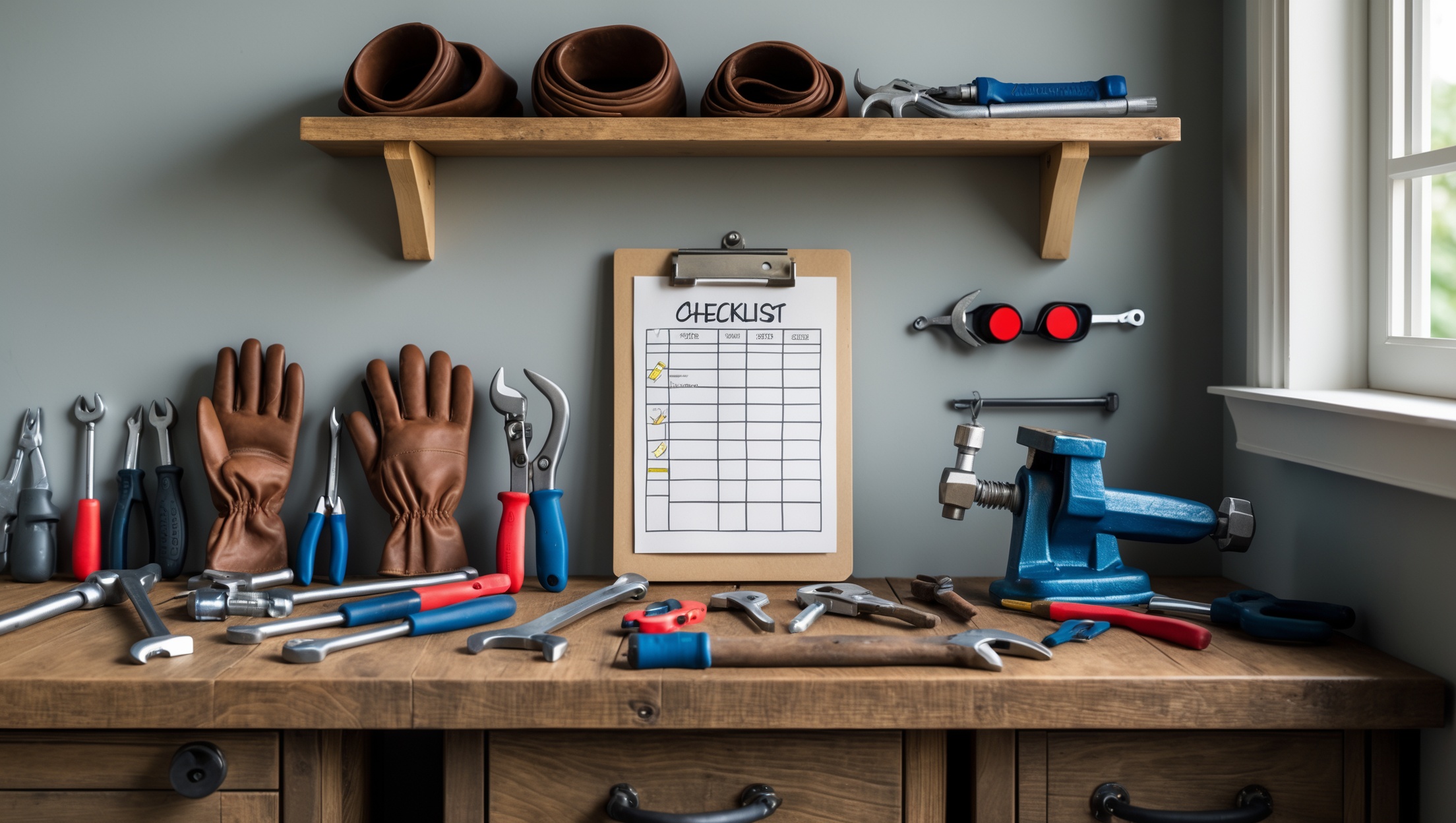
Initial Inspection Checklist

Begin by conducting a thorough inspection of your property’s plumbing. This isn’t just for older homes—recent renovations or DIY work may not be up to code. Here’s what to look for:

  • Leaks: Inspect under sinks, around toilets, and behind appliances for any signs of water damage or drips.
  • Water Pressure: Test faucets and showers. Pressure should be between 40–60 psi; too high can damage pipes, too low frustrates guests.
  • Drainage: Run water in all sinks, tubs, and showers. Slow drains or gurgling noises indicate a venting or blockage issue.
  • Fixture Integrity: Ensure all fixtures are firmly attached, operate smoothly, and show no corrosion or cracks.
  • Shutoff Valves: Confirm that every fixture has an accessible shutoff valve and that they operate easily.
  • Hot Water Supply: Check that hot water reaches all fixtures quickly and that temperatures do not exceed 120°F (49°C).

Document issues with photos and detailed notes to guide repairs or upgrades.

Professional Plumbing Assessment

While a DIY inspection is a good start, a licensed plumber should perform a comprehensive assessment before you host guests. They’ll check:

  • Pipe material and condition (e.g., lead, galvanized, or polybutylene pipes may require replacement)
  • Code compliance for fixture placement and spacing
  • Proper venting and trap installation
  • Backflow prevention devices
  • Water meter and main shutoff accessibility

This step is especially critical if your property is older or has undergone recent renovations.

Step 2: Research Local Permit and Inspection Requirements

When Permits Are Needed

Short-term rentals often trigger a different set of plumbing permit requirements than standard residential properties. Typical scenarios requiring permits include:

  • Adding or relocating fixtures (toilets, sinks, showers, dishwashers)
  • Re-piping or replacing significant plumbing sections
  • Water heater replacement or upgrades
  • Installing backflow prevention devices

Even minor repairs—like replacing a faucet—may require inspection in some jurisdictions if the property is actively rented to the public. Never assume; always verify with your local building department.

Scheduling Inspections

Once permitted work is complete, inspections are mandatory. Common inspection types include:

  • Rough-in: Checks pipe placement and materials before walls are closed.
  • Final: Ensures all fixtures are operational, vented, and compliant.
  • Backflow: Verifies devices are installed and functioning, especially for irrigation or fire suppression.

Keep all inspection reports and permits on file. Some listing platforms require proof of compliance for host eligibility.

Step 3: Upgrade Fixtures and Appliances for Code Compliance

High-Efficiency Toilets and Faucets

Many cities mandate WaterSense-certified fixtures to conserve water and lower utility bills. Upgrading old toilets, faucets, and showerheads ensures you meet efficiency requirements and reduces the risk of leaks or failures during a guest’s stay.

  • Install toilets using 1.28 GPF (gallons per flush) or less
  • Replace faucets and showerheads with models rated at or below 2.2 GPM (gallons per minute)

Check for manufacturer certifications and retain receipts for inspection documentation.

Safe Water Heater Setup

Water heaters must be set at a safe temperature (usually 120°F/49°C) to prevent scalding. Additional requirements:

  • Install a temperature and pressure relief (TPR) valve
  • Ensure water heater is properly strapped if located in a seismic zone
  • Maintain clear access for emergency shutoff

Tankless water heaters are increasingly popular but may require upgraded gas or electrical supply and venting—always check with your plumber and local code.

Backflow Prevention and Cross-Connection Control

Backflow devices prevent contaminated water from entering your clean supply. They are typically required on irrigation systems, dishwashers, and sometimes even showers or hose bibs. Verify installation and schedule annual tests if mandated by your municipality.

Step 4: Implement Guest-Focused Plumbing Safety Measures

Anti-Scald Devices

Short-term rental guests may not be familiar with your fixtures. Install anti-scald valves on all showers and tub faucets, which automatically adjust water flow to prevent sudden temperature spikes.

Leak Detection and Shutoff Systems

Smart leak detectors placed under sinks, water heaters, and in laundry areas can alert you (and the guest) to leaks before they cause major damage. Consider automatic shutoff valves that immediately cut water supply if a leak is detected—crucial for remote hosts.

Clear Operating Instructions

Include a concise plumbing guide in your guest welcome book or digital guide. Cover:

  • How to operate showers and unusual fixtures
  • Location of main water shutoff and emergency contacts
  • Guidance on what not to flush/down drains

Clear instructions reduce the risk of misuse and simplify troubleshooting for guests.

Step 5: Maintain Records and Prepare for Re-Inspection

Documenting Compliance

Maintain a digital folder with:

  • Permit applications and approvals
  • Inspection reports
  • Receipts for fixtures and plumbing work
  • Photos of installations and completed repairs

This documentation is invaluable if your city requires periodic re-inspection, if you switch platforms, or if you face an insurance claim.

Scheduling Regular Maintenance

Set reminders for annual plumbing inspections, water heater flushing, and backflow device testing. Proactive maintenance helps you catch minor issues before they escalate. Some cities mandate annual or biennial inspections for short-term rentals—check your local requirements.

Step 6: Prepare for Emergencies

Emergency Protocols for Guests

Provide guests with emergency instructions, including:

  • How to shut off water at the fixture and main valve
  • Who to call for emergency plumbing (provide a 24/7 local plumber’s number)
  • What to do if a leak or overflow occurs

Quick action can prevent major damage and protect your property and guests.

Host Emergency Kit

Keep a basic plumbing emergency kit on hand, including:

  • Plumber’s tape
  • Adjustable wrench
  • Replacement washers
  • Plunger
  • Flashlight

Even if you manage your rental remotely, a local contact or cleaning team should know where this kit is stored.

Common Compliance Pitfalls and How to Avoid Them

  • Unpermitted Work: Never bypass the permit process, even for small jobs. Unpermitted plumbing can void insurance and trigger fines.
  • Outdated Fixtures: Old toilets or sinks may not meet low-flow or anti-scald requirements.
  • Improper DIY Repairs: Temporary fixes or makeshift piping can fail under guest use. Always hire licensed professionals.
  • Neglecting Annual Tests: Backflow devices and water heaters often require annual checks—set calendar reminders.
  • Lack of Documentation: Failing to keep records can complicate claims or city inspections.

Conclusion

Plumbing compliance isn’t just a bureaucratic hurdle for short-term rental hosts—it’s a crucial part of delivering a safe, comfortable, and legally sound guest experience. By proactively assessing your property’s plumbing, understanding and following local permit and inspection requirements, and upgrading fixtures to meet current codes, you protect your investment and your reputation. Guest-focused safety measures, such as anti-scald valves and clear operating instructions, reduce risk and enhance satisfaction. Thorough documentation and regular maintenance ensure you’re prepared for re-inspections, insurance claims, or emergencies. While the process may seem daunting, each step outlined in this guide helps you avoid costly mistakes and keeps your rental business running smoothly. In today’s competitive short-term rental market, guests expect—and deserve—hotel-grade safety and reliability. Making plumbing compliance a priority not only safeguards your property but also sets you apart as a responsible, trusted host. Stay diligent, collaborate with licensed professionals, and keep learning as codes evolve. Your guests, your property, and your business will thank you for it.

394 comments
Karen Lewis

I’d like to keep my listing cost-effective while staying up to code. Are there budget-friendly ways to bring older fixtures or systems into compliance without needing a full overhaul?

    Mario The Plumber

    Absolutely, you can often update older plumbing fixtures or systems without replacing everything. Start by repairing or replacing only the components that don’t meet current codes, such as adding backflow preventers, updating worn gaskets, or installing water-efficient aerators. Inspections can pinpoint exact issues, so you only fix what’s necessary. Simple upgrades like leak repairs and pipe insulation also help your property meet compliance standards on a budget.

George Ramirez

You mentioned permit requirements and inspections for plumbing in short-term rentals. For someone just starting out, how do I even figure out which permits I need, and is it something I can handle myself or do I need a licensed plumber from the start?

    Mario The Plumber

    To determine which permits you need, start by contacting your local building or permitting office—they can explain specific requirements for short-term rentals in your area. Some minor plumbing work might not require a licensed plumber, but most jurisdictions require licensed professionals for major installations or changes. It’s best to check local rules first. If your project involves anything beyond small repairs, hiring a licensed plumber ensures you meet code and pass inspections.

Diane Moore

You mentioned hefty fines and insurance claim denials for non-compliance. Do you have an idea of the average cost to bring an older property up to code to meet the standards for short-term rentals, so I can budget accordingly?

    Mario The Plumber

    The cost to bring an older property up to plumbing code for short-term rentals can vary widely depending on factors like property size, age, and existing issues. On average, basic updates might range from $2,000 to $10,000, but if extensive pipe replacement or fixture upgrades are needed, it could go higher. It’s wise to get a licensed plumber to assess your property first, as they can provide a more accurate estimate based on your situation.

Diane White

You mention permit requirements and inspections—can you clarify at what point in the setup process I should apply for permits, and whether any routine plumbing maintenance also requires official inspections for short-term rentals?

    Mario The Plumber

    You should apply for plumbing permits before starting any installation or major upgrades—this is typically done during the planning or design phase, before any work begins. Routine plumbing maintenance, such as fixing a leaky faucet or unclogging drains, usually does not require official inspections. However, any significant repairs or replacements that affect plumbing systems often do need inspections, especially for short-term rentals. Always check with your local authorities for specific requirements.

Jessica Thompson

When it comes to getting plumbing permits for a short-term rental, do I need to pull new permits before listing my property if the plumbing was already up to code when I bought the house? Or would the previous permits still apply?

    Mario The Plumber

    If your plumbing is already up to code and you have documentation showing previous permits were properly closed out, you generally don’t need to pull new permits just for listing your property as a short-term rental. However, if you plan to make any plumbing changes or upgrades, new permits would be required. It’s smart to check with your local building department, as requirements vary by area and some jurisdictions have specific rules for rentals.

Megan Wilson

You mention that local governments often have strict standards for things like water heater settings and fixture installation. Do these standards differ a lot between cities, and how can I easily find the specific requirements for my local area before setting up my short-term rental?

    Mario The Plumber

    Yes, plumbing standards can differ quite a bit between cities, including requirements for water heater temperatures and how fixtures are installed. To find your local requirements, check your city or county building department’s website or contact them directly. They usually provide guidelines or checklists for rental property compliance. It’s also helpful to consult a local licensed plumber who’s familiar with area regulations before making any changes.

Barbara Lewis

When budgeting for plumbing compliance in my short-term rental, what are some of the most significant or unexpected costs that I should plan for beyond the basic permit fees?

    Mario The Plumber

    Beyond basic permit fees, you might encounter costs for plumbing inspections, upgrading outdated pipes or fixtures, and bringing your property up to current code. Unexpected expenses can include repairing hidden leaks, replacing non-compliant water heaters, or addressing issues found during inspections. Also, if your property has older infrastructure, you may need to make more extensive updates than initially anticipated. Setting aside a contingency fund can help cover these surprises.

Karen Jones

With all the talk about fixture standards, are there certain plumbing upgrades that tend to offer the best return on investment for hosts, both in terms of compliance and guest satisfaction?

    Mario The Plumber

    Focusing on low-flow toilets, efficient showerheads, and modern faucets gives you a solid return. These upgrades improve water efficiency, meet most compliance standards, and are features guests notice and appreciate. Also, updating old water heaters or adding leak-detection devices can boost satisfaction and help avoid costly problems. Prioritizing these areas usually balances compliance needs and positive guest experiences.

Sandra Lee

You mention hefty fines for non-compliance. Could you give some ballpark figures or examples of what these fines typically look like for short-term rental owners who miss something on plumbing requirements?

    Mario The Plumber

    Fines for plumbing non-compliance in short-term rentals can vary widely depending on your local regulations. In many areas, initial fines range from $500 to $2,000 for first offenses. Repeat violations or serious plumbing issues, especially those that risk health or safety, can push fines up to $5,000 or more. It’s also possible to face additional penalties, like daily accruing fines until the issue is fixed or even temporary closure of the rental.

Joshua Williams

You mentioned that fixture standards and permit requirements are important for short-term rentals. If I only made minor changes to my bathroom, like replacing a faucet, do I still need to worry about permits or inspections?

    Mario The Plumber

    For minor updates like replacing a faucet, a permit or inspection is usually not required, as this is considered routine maintenance in most areas. However, if you made changes involving plumbing lines or new fixture installations, permits might be needed. It’s always a good idea to check your local building codes or contact your local authority, as requirements can vary by location.

George Jones

The guide talks about both permit requirements and fixture standards, but for someone just starting out, which step should come first: getting plumbing permits or upgrading all fixtures to current code? Does one impact the other in terms of permitting or inspections?

    Mario The Plumber

    You should start by applying for the necessary plumbing permits before upgrading any fixtures. Permit approval ensures your upgrade plans meet local codes, and inspectors will want to see that any new work—like fixture upgrades—complies with the permit. Doing upgrades before permits can lead to extra costs or even having to redo work if it doesn’t meet code. Permit first, then upgrades.

Mark Sanchez

If my property is older and some fixtures don’t meet current codes, do I need to upgrade everything right away, or are there situations where older plumbing can be ‘grandfathered in’ for short-term rentals?

    Mario The Plumber

    Older fixtures in your property may be ‘grandfathered in,’ meaning you might not need to upgrade them immediately if they were compliant at the time of installation. However, if you do major renovations or if a fixture poses a health or safety risk, upgrades could be required. It’s wise to check with your local building authority, as rules can vary by location and some jurisdictions have stricter requirements for short-term rentals.

John Smith

For hosts on a tight budget, are there affordable ways to ensure all fixtures meet code, or is hiring a licensed plumber always necessary before hosting guests?

    Mario The Plumber

    Hiring a licensed plumber is the most reliable way to guarantee compliance, but there are some budget-friendly steps you can take. Start by reviewing your local plumbing codes, which are often available online. You can check fixtures for visible leaks, proper drainage, and correct water pressure yourself. Some local governments offer free or low-cost inspections, or you might find community programs that provide guidance. However, for major repairs or upgrades, a licensed plumber is usually required to meet legal standards and ensure guest safety.

Brian Johnson

If a guest ever reports a leaky faucet or slow drain, what are the immediate steps I should take to address it while making sure I stay compliant and protect myself from liability?

    Mario The Plumber

    When a guest reports a leaky faucet or slow drain, first acknowledge their concern and communicate promptly. Arrange for a licensed plumber to inspect and repair the issue as soon as possible, keeping records of all correspondence and repairs. Ensure any temporary fixes are safe and compliant with local plumbing codes. Document the situation and actions taken to protect yourself from liability and demonstrate due diligence.

William Garcia

Could you clarify what types of plumbing permits are typically needed if I just want to upgrade a bathroom fixture in my rental, rather than do a major renovation? I’m trying to plan my budget.

    Mario The Plumber

    If you’re simply upgrading a bathroom fixture—like swapping out a sink faucet, showerhead, or toilet—you often only need a basic plumbing permit, or possibly none at all, depending on your local code. Major permits are usually required for changes to plumbing lines or significant remodels. It’s best to check with your local building department to confirm permit requirements and applicable fees for your specific project.

Ashley Garcia

If I recently renovated a bathroom in my short-term rental, do I need to get another inspection or new permits before listing it on Airbnb, or do my previous permits still cover me?

    Mario The Plumber

    If you already obtained the necessary permits and passed final inspections for your bathroom renovation, you typically don’t need new permits before listing your property on Airbnb. However, it’s important to check with your local building department, since some areas may have specific rules for short-term rentals that require additional inspections or compliance checks beyond standard renovation permits.

Mary Martin

You mention insurance claim denials as a risk. Have you come across real cases where a minor plumbing violation led to insurance refusing to pay out after property damage or guest injury? I want to understand how seriously insurers take these compliance details.

    Mario The Plumber

    Insurers can be very strict about compliance, especially in the context of short-term rentals. There have been documented cases where claims were denied due to unlicensed plumbing work or missing compliance certificates, even if the violation seemed minor. If a claim investigation finds that property damage or injuries were linked to non-compliant plumbing, insurers may argue that the policy conditions were breached. It’s important to keep all plumbing work up to code and retain records to avoid any disputes.

Jennifer Perez

The article talks about legal liability if guests are inconvenienced or injured. Can you give examples of what insurance may or may not cover in a scenario where plumbing non-compliance is at fault?

    Mario The Plumber

    Insurance may cover damages if your plumbing is up to code and an accident still occurs, like a sudden burst pipe causing water damage. However, if your plumbing is non-compliant and that leads to guest injury or property loss—such as a faulty hot water system causing burns—your insurer might deny the claim due to negligence or breach of policy terms. Always check your policy details and ensure compliance to avoid gaps in coverage.

John Davis

Once I have updated my plumbing to meet code, are there particular permits or documentation I need to keep on file in case the city or insurance asks for proof of compliance?

    Mario The Plumber

    Yes, after updating your plumbing to meet code, you should keep copies of any permits obtained for the work, inspection reports, and certificates of compliance issued by the city or relevant authorities. These documents serve as proof if requested by city officials or your insurance provider. It’s a good idea to store both digital and paper copies for easy access.

Kimberly Smith

Suppose a guest reports low water pressure or slow drains during their stay—are these usually compliance problems or just general maintenance, and what’s the best first step to address them before calling a plumber?

    Mario The Plumber

    Low water pressure or slow drains are usually maintenance issues rather than plumbing compliance problems. The best first step is to check for obvious causes, like blocked aerators or hair in drain covers. Sometimes, cleaning these out can solve the problem quickly. If the issue continues after these checks, that’s when it’s wise to contact a professional plumber.

Sean Moore

If I’m just getting started with my first Airbnb, what’s the very first step I should take to figure out my local plumbing permit requirements? Should I contact the city or is there a website I should check?

    Mario The Plumber

    The best first step is to visit your city or county’s official government website and look for the building or permit department section. They usually list specific permit requirements for plumbing work. If the information isn’t clear online or you have questions about your rental’s specific situation, calling your local building department directly can provide quick and accurate answers.

Richard Jones

For hosts who are new to navigating municipal plumbing codes, what are some practical first steps or resources recommended to ensure all necessary permits and inspections are completed before listing a property?

    Mario The Plumber

    For new hosts, it helps to start by contacting your local building or permitting office—they can explain the specific plumbing codes and permit requirements in your area. Request a checklist or guide if available. Also, consider consulting a licensed plumber who understands short-term rental regulations. They can assess your property and make sure you meet all compliance standards before scheduling any required inspections.

Sean Lopez

Does staying compliant with plumbing codes usually require hiring a licensed plumber for all repairs, or can some routine fixture replacements be handled by the property owner? I’m trying to understand what tasks might affect my budget.

    Mario The Plumber

    Routine fixture replacements like changing faucets, showerheads, or toilet tank parts can often be done by property owners, as long as local regulations allow it. However, more complex plumbing work—such as altering pipes or installing new fixtures—typically requires a licensed plumber to stay compliant. It’s a good idea to check your local building codes to see which tasks require professional help, as this will help you plan your budget more accurately.

Jennifer Taylor

When applying for permits and scheduling inspections, do most cities provide clear guidelines for short-term rentals, or is it more common to run into vague or outdated plumbing requirements?

    Mario The Plumber

    Most cities are working to improve their guidelines for short-term rentals, but it’s still common to encounter vague or outdated plumbing requirements, especially in areas where regulations haven’t kept pace with the growth of rentals like Airbnbs. It’s a good idea to check your city’s website for any published checklists or reach out directly to the building or permitting department for clarification before proceeding.

David Anderson

For hosts operating on a tight budget, are there recommended cost-effective approaches to meet plumbing fixture standards without sacrificing safety or risking non-compliance?

    Mario The Plumber

    Absolutely, hosts can manage compliance affordably by focusing on key areas. Consider installing water-efficient fixtures, which often meet standards and lower utility costs. Reuse or refurbish existing compliant fixtures instead of full replacements. Regularly check for leaks and fix minor issues early to avoid expensive repairs. Consulting a licensed plumber for a basic inspection can also prevent costly mistakes while ensuring compliance and safety.

Susan Harris

Are there maintenance routines or checklists specifically recommended for short-term rentals to prevent issues like leaks or contaminated water that might not be standard in long-term rentals?

    Mario The Plumber

    Yes, short-term rentals often require more frequent plumbing checks than long-term rentals. It’s a good idea to inspect visible pipes, faucets, and fixtures for leaks between guest stays. Flush toilets and run taps regularly to keep water flowing and prevent stagnant water. Also, clean showerheads and faucet aerators to avoid buildup, and check water heaters for any signs of malfunction. Keeping a simple checklist for each turnover helps catch small issues before they become bigger problems.

Nancy Ramirez

I’m curious about fixture standards—are there common plumbing upgrades you’d recommend to minimize failures or complaints, especially for older homes being converted to short-term rentals?

    Mario The Plumber

    Upgrading fixtures in older homes can make a big difference for short-term rentals. Consider replacing old faucets and showerheads with modern, water-saving models, and install pressure-balanced valves to prevent sudden temperature changes. Swap out worn-out toilets for newer dual-flush units to reduce clogs. Using durable, easily cleaned materials and ensuring all shutoff valves work properly can also help minimize maintenance issues and guest complaints.

Sandra Hernandez

What are the most common plumbing mistakes that could lead to an immediate listing shutdown, according to local regulations? I want to avoid the issues mentioned, like fines or property damage.

    Mario The Plumber

    Some common plumbing mistakes that can lead to immediate shutdowns include unlicensed plumbing work, lack of required backflow prevention devices, improper installation of water heaters, and missing or faulty drain traps. Local regulations often target these issues because they can pose serious health or safety risks. Make sure all work is done by licensed professionals and that safety devices are installed and regularly maintained to avoid fines or forced closure.

Megan Martin

I’m just getting started with short-term rentals, and I’m worried about the potential for hefty fines if I miss something in the permit process. Could you explain the typical steps or timeline for securing plumbing permits and passing inspections for a new listing?

    Mario The Plumber

    Securing plumbing permits for a short-term rental usually starts with submitting detailed plans to your local building department. Once reviewed and approved, you can begin work. After installation, you’ll schedule an inspection to verify compliance. The process typically takes a few weeks but can vary by location. Staying in contact with your local authority and following their checklist helps avoid delays and fines.

Daniel Clark

The article talks about the risks of insurance claim denials for non-compliance. Does that mean regular plumbing maintenance or inspections are a requirement from insurance companies too, or is it just the local authorities?

    Mario The Plumber

    Insurance companies typically require that your property complies with local plumbing codes, which often means passing inspections by local authorities. While regular plumbing maintenance isn’t always a formal insurance requirement, insurers may deny claims if damage is linked to neglected upkeep or non-compliance. It’s a good idea to keep records of maintenance and inspections to both meet local regulations and strengthen your position in case of a claim.

Ashley Sanchez

The article mentions permit requirements, but I’m not sure what kind of permits a host usually needs just to rent out a single-family home. Is it only for major plumbing work, or does every rental need one?

    Mario The Plumber

    For most single-family home rentals, you typically only need plumbing permits if you’re planning to do major plumbing work, such as installing new pipes or modifying existing systems. Routine rentals without renovations usually don’t require a plumbing permit. However, some localities may require a general rental or occupancy permit, so it’s wise to check with your local building authority to be sure.

John Perez

The article emphasizes ongoing maintenance as part of staying compliant. Can you give examples of specific maintenance tasks or a recommended schedule that would help prevent plumbing issues and keep everything up to code for short-term rentals?

    Mario The Plumber

    Absolutely, ongoing maintenance is important for compliance and guest satisfaction. Key tasks include checking for leaks under sinks and around toilets monthly, flushing water heaters every six months, inspecting supply lines and shutoff valves quarterly, and cleaning faucet aerators and showerheads twice a year to prevent buildup. Keeping a log and scheduling these checks seasonally or when bookings slow down can help you stay organized and compliant.

Megan Taylor

The article mentions that local governments have specific standards on things like water heater settings. Is there a typical temperature requirement for water heaters in short-term rentals, or does this vary a lot depending on the city?

    Mario The Plumber

    The required water heater temperature for short-term rentals can vary depending on your local government. Many areas recommend settings around 120°F (49°C) for safety and efficiency, but some cities or states might have specific regulations that differ. It’s important to check with your local building or health department to confirm the exact requirement in your area.

Christopher Martin

You mentioned that non-compliance with plumbing regulations could lead to insurance claim denials. Could you clarify what specific plumbing issues most often cause this, and what steps a host can take to make sure their insurance stays valid?

    Mario The Plumber

    Common plumbing issues that can lead to insurance claim denials include unlicensed plumbing work, use of non-compliant fixtures, lack of proper backflow prevention, and failure to meet local code requirements. To keep insurance valid, hosts should always hire licensed plumbers, use approved materials, keep records of repairs and inspections, and regularly review local plumbing codes for updates.

Jennifer Perez

I’m new to hosting and a bit overwhelmed—how long does it usually take to get all the required plumbing permits and inspections completed before I can list my property for short-term rentals?

    Mario The Plumber

    The timeline for obtaining plumbing permits and completing inspections can vary depending on your local regulations and how busy your local authorities are. Generally, the entire process takes anywhere from two to six weeks. This includes submitting your application, scheduling inspections, and making any necessary corrections. It’s a good idea to contact your local permitting office early to get a clearer estimate for your area.

Matthew Martin

If my property was built several decades ago, how do I know whether my fixtures and water heaters meet current codes for short-term rentals, or if I need to upgrade them?

    Mario The Plumber

    To check if your older property’s fixtures and water heaters meet current codes, start by reviewing your local plumbing and short-term rental regulations, as requirements can differ by area. It’s a good idea to hire a licensed plumber to inspect your property—they can identify non-compliant items and advise on necessary upgrades. Keep records of inspections and any updates, as these can be important for permit approval and guest safety.

Joshua Williams

You mentioned inspection and permitting as part of the compliance process. About how long does it typically take to go from applying for permits to passing inspection for a first-time host, and is it something I can handle myself?

    Mario The Plumber

    The timeline from applying for permits to passing inspection can vary depending on your local authority, but it usually takes anywhere from a couple of weeks to a few months. First-time hosts often can handle most steps themselves if they follow local guidelines carefully, though some regions may require licensed plumbers for specific tasks. Checking with your local permitting office can help clarify exact steps and timelines.

Diane Williams

The article talks about permit requirements for short-term rentals. Do most cities require a plumbing inspection before you can list your property, or is this usually only needed after major renovations?

    Mario The Plumber

    Most cities do not require a plumbing inspection just to list your property as a short-term rental. Typically, plumbing inspections are needed if you have done major renovations or alterations to your plumbing system. However, some cities might require an initial inspection as part of their permitting process for short-term rentals, especially if health and safety are a concern. It’s a good idea to check your local regulations to be sure.

Joshua Jackson

Does compliant plumbing always mean replacing everything to meet the latest International Plumbing Code, or are there grandfathering rules for older properties? I want to avoid unnecessary upgrades but still stay within regulations.

    Mario The Plumber

    You often don’t need to replace all plumbing to meet the latest International Plumbing Code. Many areas allow existing systems to be ‘grandfathered in’ if they were code-compliant when installed. However, major renovations or additions may require upgrades to current standards. It’s best to check with your local authority to confirm which parts of your property might qualify for these grandfathering rules.

Nancy Moore

If a plumbing issue, like a slow drain or low water pressure, pops up during a guest’s stay, what are the recommended steps to address the problem without violating compliance or risking liability?

    Mario The Plumber

    If a plumbing issue arises during a guest’s stay, promptly notify a licensed plumber to assess and fix the problem, as this ensures all repairs meet local compliance standards. Clearly communicate with your guest about the expected timeline for resolution. Avoid attempting major repairs yourself, as unlicensed work can risk compliance and liability. Document the issue, the actions taken, and keep receipts for any professional services.

Richard Smith

Could you clarify what you mean by ‘hotel-level safety and comfort’ when it comes to plumbing? Are there specific fixture standards or maintenance routines that short-term rentals should follow to reach that level?

    Mario The Plumber

    By ‘hotel-level safety and comfort,’ we mean plumbing that ensures reliable hot and cold water, consistent water pressure, and properly functioning fixtures—just as guests would expect in a quality hotel. For short-term rentals, this typically means using fixtures that meet local building codes, providing anti-scald devices, and carrying out regular checks for leaks, clogs, and water heater performance. Setting up a routine inspection and maintenance schedule—similar to hotel practices—will help maintain these standards.

Kevin Martin

How can I find out exactly which plumbing codes my city follows for short-term rentals? The article talks about the International Plumbing Code, but are there easy ways to confirm what’s required in my specific location before listing?

    Mario The Plumber

    To confirm the plumbing codes your city uses for short-term rentals, start by checking your local government or municipal website—many post their adopted codes online. You can also call your city’s building or code enforcement department and ask directly. They can tell you if your area uses the International Plumbing Code or another standard, and if there are any special requirements for rentals.

Donna Williams

You mentioned that non-compliance could lead to insurance claim denials. If an owner inherited older plumbing that’s technically up to code but not modern, could that still affect claims or liability in case something goes wrong with a guest?

    Mario The Plumber

    If the plumbing meets current code requirements, most insurers will honor claims, even if the system is older. However, if the plumbing’s age or condition contributed to the issue, some policies might reduce coverage or deny claims, especially if regular maintenance wasn’t done. It’s wise for owners to review their policy details and consider upgrades or professional inspections for added peace of mind.

Sandra Lopez

The article highlights that overlooking plumbing regulations can lead to property damage. For someone with a smaller budget, what are some cost-effective ways to ensure my rental’s plumbing stays up to code and safe for guests?

    Mario The Plumber

    To keep plumbing compliant on a budget, start with regular visual inspections for leaks or drips and check that all fixtures are working properly. Install inexpensive drain screens to prevent clogs. Review local plumbing codes online so you know the essentials. If you need repairs, use licensed plumbers only for critical fixes, but handle minor maintenance—like tightening fittings or replacing washers—yourself if you’re comfortable. Document your checks and any fixes to stay organized.

James Anderson

If a guest reports a minor plumbing issue, like a slow drain or dripping faucet, what’s the best immediate step to take so that I stay on the right side of the regulations without overreacting?

    Mario The Plumber

    If a guest reports a minor issue like a slow drain or dripping faucet, promptly acknowledge the concern and arrange for a licensed plumber to check it within a reasonable timeframe. Document both the report and your action—this shows diligence and compliance if inspected later. Avoid DIY fixes unless you are qualified, as regulations often require licensed work for even minor repairs in rental properties.

Tyler Thompson

Could you clarify what kind of permit requirements usually come up for short-term rentals? For example, is a separate plumbing permit needed if you just want to upgrade a bathroom fixture, or does that fall under general home maintenance?

    Mario The Plumber

    Permit requirements for short-term rentals can vary by location, but typically, minor upgrades like replacing a showerhead or faucet are considered general home maintenance and do not need a plumbing permit. However, if the upgrade involves altering plumbing lines or installing new fixtures, a separate plumbing permit is usually required. It’s best to check with your local building department to confirm what’s necessary for your specific project.

Christopher Brown

Can you clarify what kind of permits are typically required for plumbing updates in short-term rentals? The article mentions permit requirements but I’m unsure about which specific modifications would trigger the need for a permit.

    Mario The Plumber

    Permits are usually required for significant plumbing changes, such as moving or adding pipes, installing new fixtures like sinks or toilets, or upgrading water heaters. Simple repairs, like fixing a leak or replacing a washer, generally don’t need permits. If you’re making structural updates or altering the plumbing layout, you’ll almost always need to obtain a permit from your local building authority.

Emily Jackson

Does this guide mention if getting a plumbing inspection is usually a one-time thing before listing, or do local laws require annual or periodic re-inspections for short-term rentals?

    Mario The Plumber

    The guide explains that while an initial plumbing inspection is typically required before listing a short-term rental, whether follow-up inspections are needed depends on local regulations. Some areas may require annual or periodic re-inspections, while others only ask for a one-time check. It’s important to verify the specific requirements with your local authority, as rules can vary widely.

David Williams

The article mentions that failing to comply with plumbing regulations can lead to insurance claim denials. Could you clarify what types of documentation or inspection records insurers typically require from short-term rental hosts to avoid this issue?

    Mario The Plumber

    Insurers usually expect hosts to provide proof of compliance, such as inspection certificates, permits for recent plumbing work, and maintenance records. If you’ve had a licensed plumber perform inspections or repairs, keep those reports and invoices. Documentation showing you meet local plumbing codes is important, as it demonstrates due diligence in case you ever need to file a claim.

Daniel Johnson

The article mentions that local governments may immediately shut down listings for plumbing non-compliance. Are there any warning periods or grace windows typically provided before enforcement actions are taken?

    Mario The Plumber

    Enforcement practices can vary widely depending on your local government. Some municipalities issue a warning or provide a short grace period for you to fix plumbing issues before shutting down a short-term rental. Others may act immediately if the violation poses health or safety risks. It’s best to check with your local code enforcement office to understand their specific process and timelines.

Rachel Gonzalez

How can hosts find out exactly which plumbing codes apply to their specific property, especially when municipal rules might differ from the International Plumbing Code mentioned in the article?

    Mario The Plumber

    To determine the exact plumbing codes for a specific property, hosts should start by contacting their local building or permitting office, as municipal rules can override broader codes like the International Plumbing Code. It’s also helpful to check your city or county’s official website for plumbing regulations, and consider talking to a licensed local plumber who is familiar with area-specific requirements.

Aaron Gonzalez

The section on ongoing maintenance got me wondering—are there affordable ways to regularly check plumbing systems without hiring a pro every time? For someone trying to keep costs down, what basic DIY checks would you recommend to stay compliant?

    Mario The Plumber

    Absolutely, there are several budget-friendly DIY checks you can perform. Regularly inspect visible pipes for leaks, check under sinks for moisture, test all faucets and showers for consistent pressure, and ensure drains are running clear. Also, flushing toilets to check for proper operation and listening for unusual noises in pipes can help spot issues early. These simple checks can go a long way in maintaining compliance and catching problems before they require expensive repairs.

Helen Miller

The article mentions permit requirements for fixture installation. Could you explain what types of plumbing work in a short-term rental typically require permits, versus what can be done by owners without one?

    Mario The Plumber

    Most plumbing work that involves installing or relocating fixtures—like toilets, sinks, showers, or water heaters—will usually require a permit from your local authority. Repairs such as fixing leaks, replacing faucets, or clearing drains often do not need permits, as long as you’re not changing the plumbing layout. Always check local regulations first, since requirements can vary by city or county.

Emily Thompson

With all the talk about fixture standards, does this mean I have to upgrade all the old faucets and toilets in my older rental home, or are there exceptions for existing fixtures that still work fine?

    Mario The Plumber

    You don’t always have to upgrade old faucets and toilets if they’re still working properly. Most plumbing compliance rules focus on new installations or major renovations. Existing fixtures are often grandfathered in unless they pose a safety or health risk or if local codes specifically require updates. It’s a good idea to check your local regulations, as requirements can vary by area.

Diane Martin

Is there a way to find out in advance if my city has stricter plumbing codes than the standard International Plumbing Code, especially for short-term rentals like Airbnb?

    Mario The Plumber

    Yes, you can usually find out by visiting your city’s building or code enforcement department website, where local plumbing codes are often posted. You can also call or email the department directly and ask if they have amendments or additional requirements for short-term rentals. Some cities have specific regulations for properties used as Airbnbs, so it’s good to mention your intended use when inquiring.

Thomas Harris

The article mentions hefty fines for non-compliance, but are there common plumbing mistakes that short-term rental owners make that are often overlooked during self-inspections? I want to make sure I’m not missing anything before a city inspection.

    Mario The Plumber

    Absolutely, some common plumbing issues are often missed during self-inspections. Owners sometimes overlook slow or partially blocked drains, small leaks under sinks, and loose or missing backflow prevention devices. Another frequent oversight is not checking water heater temperature settings or pressure relief valves. It’s also important to ensure all fixtures have proper seals and that there are no signs of moisture damage behind appliances. Double-checking these areas can help you avoid hassles during a city inspection.

Jessica Miller

For someone on a tight budget, what are the most critical plumbing compliance steps to prioritize first in order to avoid fines or shutdowns? Are there any cost-effective strategies for meeting code without replacing entire systems?

    Mario The Plumber

    To avoid fines or shutdowns on a tight budget, prioritize fixing any visible leaks, ensuring hot water heaters and pressure relief valves are up to code, and installing backflow preventers where required. Focus on repairing, not replacing, unless a component is truly beyond repair. Routine checks and preventive maintenance can also help you stay compliant without expensive overhauls. Local inspectors can often advise on affordable improvements that meet minimum requirements.

Betty Hernandez

For hosts on a tight budget, are there affordable maintenance routines or simple upgrades you suggest to help minimize the risk of non-compliance without making major investments upfront?

    Mario The Plumber

    Absolutely, there are cost-effective ways to stay compliant without major spending. Regularly check for leaks, dripping taps, and slow drainage to catch issues early. Clean drain traps and aerators to keep water flowing smoothly. Even something as simple as labeling shut-off valves and providing clear instructions for guests can prevent accidental misuse. These small steps can go a long way toward maintaining compliance and avoiding bigger problems.

Thomas Taylor

You mentioned the International Plumbing Code, but my city seems to have its own set of rules. How do I find out exactly which codes I need to follow so I don’t accidentally miss something important?

    Mario The Plumber

    You’re right—many cities have their own plumbing codes, which can differ from the International Plumbing Code. To find the exact rules you need to follow, start by contacting your local building or code enforcement office. They can tell you which plumbing codes are currently adopted in your area. You can also check your city or county’s official website for building regulations or reach out to a licensed local plumber who’s familiar with your city’s requirements.

Helen Sanchez

The article mentions ongoing maintenance as part of staying compliant, but what kind of maintenance schedule would you recommend for common plumbing systems in a busy rental situation?

    Mario The Plumber

    For busy short-term rentals, a proactive maintenance schedule is key. Check for leaks, drips, and water pressure issues monthly. Quarterly, clear out drains and inspect for slow drainage or clogs. Annually, have a professional inspect water heaters, supply lines, and main shut-off valves. Regularly checking and replacing washers or seals on faucets can also help prevent problems.

Michelle White

You mentioned that ignoring plumbing regulations can lead to insurance claim denials. Can you explain what kinds of plumbing issues or violations might cause an insurance company to deny a claim for a short-term rental property?

    Mario The Plumber

    Insurance companies may deny claims if plumbing issues result from violations like using unlicensed plumbers, installing non-compliant fixtures, failing to obtain required permits, or ignoring backflow prevention requirements. If a leak or water damage occurs because the plumbing wasn’t up to code or inspections were skipped, insurers may argue the property owner was negligent, voiding coverage. Always ensure your plumbing meets local codes and is properly documented.

Tyler Jackson

If someone is converting a long-term rental into a short-term one, are there typically additional plumbing permits or inspections required, or does it depend entirely on local ordinances? It would be helpful to know how to verify what’s needed.

    Mario The Plumber

    The need for extra plumbing permits or inspections when converting to a short-term rental mostly depends on your local ordinances. Some cities require updated permits and inspections, especially if you’re making plumbing changes or adding bathrooms. To verify requirements, contact your local building or permitting office. They can confirm if your planned use triggers extra compliance steps and guide you through the process.

Andrew Davis

If a plumbing problem occurs during a guest’s stay, what immediate actions should a host take to both comply with regulations and minimize disruption to the guest experience?

    Mario The Plumber

    If a plumbing problem arises while guests are staying, you should act quickly by first informing the guest and apologizing for the inconvenience. Arrange for a licensed plumber to assess and resolve the issue as soon as possible, since regulations require repairs be done by qualified professionals. Make sure to document the problem and the steps taken, and consider offering compensation or alternative arrangements if the issue significantly affects the guest’s comfort.

Diane Hernandez

Do you have any advice on how to balance the cost of bringing my fixtures up to code with staying profitable as a new Airbnb host? Are there affordable ways to meet the key plumbing standards mentioned?

    Mario The Plumber

    One way to manage costs is to focus first on the most critical plumbing updates required by local code, such as backflow prevention or leak repairs, which usually have the biggest impact on compliance. Consider using certified but refurbished fixtures or quality second-hand parts for replacements. Also, getting multiple quotes from licensed plumbers can help you find more affordable service rates. Keeping maintenance logs and addressing small issues early can prevent expensive repairs later and protect your profits.

David Lee

You mentioned following local codes based on the International Plumbing Code. How can I find out exactly which plumbing codes and permit requirements apply in my particular city or county?

    Mario The Plumber

    To find out which plumbing codes and permit requirements apply in your city or county, start by contacting your local building or planning department. Their staff can tell you which version of the plumbing code is enforced and outline the permit process. Many cities also have this information available on their official websites, often under sections for building permits or inspections. Be sure to ask about any local amendments to the standard codes.

Richard Sanchez

If a guest experiences a plumbing issue during their stay, what are the best immediate steps a host should take to both resolve the problem quickly and stay compliant with local laws?

    Mario The Plumber

    If a guest reports a plumbing issue, respond promptly to acknowledge their concern and assess the problem. Arrange for a licensed plumber to inspect and fix the issue as soon as possible, as compliance often requires qualified professionals. Document all communications and repairs, and provide updates to the guest. Make sure to follow any local notification or reporting requirements related to plumbing repairs in short-term rentals.

Linda Davis

You mention consequences like insurance claim denials if plumbing isn’t up to code. Can you clarify if these risks still apply if the property was built to code years ago but hasn’t been updated since becoming a rental?

    Mario The Plumber

    Yes, the risks can still apply. Even if your property was originally built to code, insurance and local authorities often require rentals to meet current codes, not just the standards from when the home was built. If your plumbing hasn’t been updated or inspected to meet present-day rental requirements, you could face claim denials or fines if issues arise. Regular inspections and updates help ensure ongoing compliance.

Sarah Jackson

You mentioned that non-compliant plumbing can lead to insurance claim denials and even personal liability if a guest is injured. Are there particular plumbing issues that short-term rental hosts often overlook that could expose them to these kinds of risks?

    Mario The Plumber

    Yes, some commonly overlooked plumbing issues include faulty water heaters without pressure relief valves, backflow prevention devices that are missing or not maintained, and exposed or aging pipes that could burst. Leaking fixtures, inadequate drainage, or lack of anti-scald devices in showers are also frequent problems. These issues not only risk non-compliance but could also result in injuries or property damage, impacting insurance coverage.

Jason Anderson

Could you clarify what the most common plumbing violations are for short-term rentals, especially those that new hosts tend to overlook? I want to be proactive in avoiding issues that could lead to shutdowns or fines.

    Mario The Plumber

    Some frequent plumbing violations in short-term rentals include improper installation or lack of backflow prevention devices, missing or non-compliant water heater temperature and pressure relief valves, unvented drain pipes, and using flexible hoses where rigid piping is required. New hosts often overlook annual inspections and fail to provide accessible shut-off valves. Making sure all fixtures meet local codes and keeping documentation handy will help you avoid costly penalties or interruptions.

Julie Smith

You mention the importance of understanding local permit requirements. Could you give more detail on what types of plumbing work typically require a permit for short-term rentals, and what might be considered routine maintenance instead?

    Mario The Plumber

    Plumbing work that typically requires a permit for short-term rentals includes installing new pipes, relocating fixtures, adding bathrooms, major repairs, or replacing water heaters. These are considered significant changes to the plumbing system. Routine maintenance, like fixing a leaky faucet, unclogging drains, or replacing washers and showerheads, usually doesn’t require a permit. Always check with your local building department, as requirements can vary by location.

Lisa Thomas

You mention substantial fines and even insurance claim denials for non-compliance. If I hire a licensed plumber to do all installations, does that guarantee I’m covered from a legal and insurance standpoint, or are there extra steps I need to take as a host?

    Mario The Plumber

    Hiring a licensed plumber is an important step, but it doesn’t automatically guarantee full legal or insurance coverage. You should also keep detailed records of work done, ensure all required permits and inspections are completed, and confirm your insurance policy covers short-term rentals and any plumbing-related incidents. Double-check local compliance requirements, too, as regulations can vary.

Mary Lee

If a guest reports a minor leak or drain issue, what’s the best immediate action to take before a professional can come out, especially if I want to avoid any risk of insurance claim denials?

    Mario The Plumber

    If a guest reports a minor leak or drain issue, first turn off the water supply to the affected area to prevent further damage. Clean up any standing water and document the situation with photos and notes. Inform your guest of the temporary solution and contact a licensed plumber right away. This prompt response and documentation will help support any insurance claim if needed.

Karen Thomas

You mention that non-compliance can lead to insurance claim denials. If I just replaced a sink fixture myself, could that jeopardize my insurance, or do I always need a licensed plumber for updates?

    Mario The Plumber

    If your policy or local regulations require plumbing work to be done by a licensed professional, doing it yourself—even for something like a sink fixture—could potentially cause problems with insurance claims if there’s a related issue later. It’s wise to check your area’s rules and your policy details. For minor updates, some areas allow DIY, but always confirm before proceeding.

Donna Lewis

I’m worried about how expensive plumbing upgrades could be if my property doesn’t meet current standards. Do you have tips for keeping costs down while staying compliant?

    Mario The Plumber

    Upgrading plumbing to meet compliance can feel overwhelming, but you can manage costs by focusing on essential updates first. Prioritize fixes required by local regulations before making cosmetic changes. Get multiple quotes from licensed plumbers, and ask if any work can be phased over time. Sometimes, simple fixes like updating fixtures or adding backflow preventers are enough to stay compliant without a full overhaul.

Aaron Wilson

If my property was built before the current plumbing codes, do I have to update all the fixtures to meet the latest standards for short-term rentals, or are there exceptions for older homes?

    Mario The Plumber

    You generally don’t have to update every fixture in an older home just because plumbing codes have changed. However, if you make significant plumbing upgrades or renovations, the new work must meet current codes. Some local regulations may require certain updates for short-term rentals, especially if safety is a concern. It’s best to check with your local building department to see if any exceptions or grandfather clauses apply to your property.

Nancy Martin

If I recently renovated my property, how can I be sure that all of my new fixtures and water heaters actually meet code for short-term rentals, especially if my area uses a version of the International Plumbing Code?

    Mario The Plumber

    To ensure your new fixtures and water heaters meet code for short-term rentals, confirm they are certified to the latest International Plumbing Code version your area enforces. Check your renovation permits and inspection documents, as passing a final plumbing inspection typically means code compliance. If in doubt, have a licensed plumber review your installations and provide written confirmation that everything meets local requirements for short-term rentals.

Megan Jones

The guide highlights ongoing maintenance for plumbing systems. Do you have advice on setting up a regular maintenance schedule or checklist specifically tailored for short-term rental turnovers?

    Mario The Plumber

    A practical approach is to align plumbing checks with your turnover cleaning routine. Create a checklist that covers basics like checking for leaks under sinks, ensuring toilets and taps function properly, inspecting visible pipes, and testing water heaters. Schedule deeper inspections—such as flushing water heaters and checking for slow drains—every few months. Keeping a log of completed tasks helps track maintenance and anticipate future needs.

Linda Smith

The article mentions that non-compliance can result in insurance claim denials. If a plumbing issue occurred and I was already renting out my property, what steps should I take immediately to avoid problems with my insurance?

    Mario The Plumber

    If a plumbing issue arises while your property is rented out, first document the damage thoroughly with photos and written notes. Contact your insurance provider right away to report the incident and follow their instructions. Arrange for licensed plumbers to handle repairs, keeping all invoices and repair records. Make sure your property meets local plumbing compliance standards, as your insurer may request proof of this before processing your claim.

Andrew Gonzalez

Does the step-by-step guide include advice on obtaining permits or just general best practices? I’m about to list my home on Airbnb and want to make sure I understand if permit requirements are usually handled by the host or a licensed plumber.

    Mario The Plumber

    The step-by-step guide covers both general best practices and specific advice on obtaining the necessary permits. It explains that permit requirements can vary depending on your location, but typically, the responsibility falls on the property owner or host to ensure all permits are in place. However, many hosts choose to work with a licensed plumber, who can often help with the permitting process and ensure all work is up to code.

Charles Moore

If my property is in a city that follows a variation of the International Plumbing Code, how can I figure out what the specific local differences are before I start any renovations or upgrades for my short-term rental?

    Mario The Plumber

    To identify local differences, start by contacting your city’s building or permitting department—they should have documentation or staff who can explain the specific plumbing code amendments in your area. You can also check the city’s official website for published local codes or ordinances. Consulting a licensed local plumber familiar with short-term rental regulations is another great way to ensure you’re meeting all the right requirements before beginning your renovations.

Brian Robinson

Navigating permits seems overwhelming—especially since codes can vary by municipality. Is it usually better to handle permit applications myself, or should I hire a local plumber to manage that process for my rental?

    Mario The Plumber

    Handling permit applications yourself can save money, but it often requires time and a good understanding of local plumbing codes, which can be complex and vary by area. Hiring a local plumber is usually less stressful since most licensed plumbers are familiar with municipal requirements and can manage the paperwork efficiently. This reduces the risk of mistakes or delays, especially if you’re not experienced with local regulations.

George Perez

This guide talks a lot about guest safety and ongoing maintenance, but are there any lower-cost ways to make sure plumbing is compliant without hiring a professional every time? As a first-timer, my budget is kind of tight.

    Mario The Plumber

    Absolutely, there are budget-friendly steps you can take as a first-timer. Start by checking for visible leaks, making sure all drains and toilets work properly, and testing water pressure yourself. Install inexpensive drain covers and check that hot water isn’t dangerously hot. Following a simple maintenance checklist regularly can help you spot issues before they become costly, and many compliance basics can be handled without a pro unless you run into bigger problems.

Aaron Clark

Can you give examples of common plumbing features or fixtures that often get overlooked by new hosts but could result in code violations or fines?

    Mario The Plumber

    New hosts often overlook plumbing features like backflow prevention devices, accessible shut-off valves, and proper venting for drains. Missing or non-compliant hose bibb vacuum breakers, improperly installed water heaters, and inadequate trap seals under sinks are also common issues. Failing to address these can lead to code violations or fines, so it’s important to check these items carefully when preparing your rental.

Margaret Taylor

I’m curious about the most common plumbing violations that short-term rental hosts run into during inspections—are there a few problem areas we should double-check before listing our property?

    Mario The Plumber

    Some common plumbing violations in short-term rentals include missing or faulty backflow prevention devices, leaking fixtures, improper water heater installation, and blocked or inadequate drainage. Also, make sure all plumbing fixtures are properly vented and that there are no cross-connections between drinking water and other sources. Double-checking these areas before listing your property can help you avoid most inspection issues.

Donna Martinez

If a short-term rental host discovers a plumbing issue after a guest has checked in, what are the recommended immediate actions to stay compliant and protect both the guest and the host from potential liability?

    Mario The Plumber

    If a plumbing issue arises after a guest checks in, let the guest know immediately and assess whether the problem poses any safety or health risks. If it does, arrange for urgent repairs and consider relocating the guest if necessary. Document all communications and repair efforts, and keep receipts or service records. Prompt action and clear communication help ensure compliance and minimize liability for both the host and guest.

Elizabeth Lewis

When it comes to the permit requirements mentioned for short-term rentals, do these typically apply to minor changes like replacing a faucet, or only for larger plumbing projects? I want to be sure I stay compliant without overcomplicating small updates.

    Mario The Plumber

    Permit requirements for plumbing in short-term rentals usually depend on the scope of the work. Minor updates like replacing a faucet often do not require a permit, as they’re seen as routine maintenance. However, any work involving changes to plumbing lines, drains, or major fixtures usually does. It’s always a good idea to check your local regulations, as rules can vary between jurisdictions.

Betty Moore

You mentioned substantial fines and potential listing shutdowns for non-compliance. What steps can a host take to quickly bring an older property up to code if they discover outdated plumbing after starting to rent short-term?

    Mario The Plumber

    If you find your property’s plumbing is outdated after you’ve started renting, start by scheduling a professional inspection to identify all issues. Prioritize urgent repairs, such as fixing leaks or replacing unsafe materials. Obtain any required permits, and hire a licensed plumber for updates. Keep records of all work done and notify local authorities once the updates are complete to ensure compliance. This approach helps minimize downtime and avoids fines or listing suspension.

David Thomas

I understand local codes might follow the International Plumbing Code, but is there anything specific I should check if my property was built before modern codes were adopted? I want to make sure my older home is up to standard for guests.

    Mario The Plumber

    For older homes, it’s important to check for issues like outdated pipe materials (such as lead or galvanized steel), proper venting, and adequate water pressure. Also, ensure bathrooms and kitchens have sufficient drainage and functional shut-off valves. Even if your home predates current codes, you may still need to update fixtures or systems for guest safety and local compliance. It’s a good idea to schedule a professional inspection to identify and address any areas that might not meet current standards.

Jason Harris

The article mentions substantial fines and even insurance claim denials for non-compliance, but I’m wondering if there are ways for short-term rental hosts to verify their plumbing meets both the local code and their insurer’s requirements before guests arrive.

    Mario The Plumber

    Absolutely, short-term rental hosts can take several steps to verify plumbing compliance. First, schedule a licensed plumber to inspect your property and confirm it meets local codes. Ask for a written compliance certificate if possible. Next, review your insurance policy or contact your insurer to clarify any specific plumbing requirements. Some providers may require regular inspections or documentation. Keeping detailed records of all inspections and repairs will help demonstrate compliance and protect you in case of future claims.

Lisa Martinez

Does bringing an older property up to current plumbing code standards usually require a full system overhaul, or are there cost-effective ways to target only key compliance areas for short-term rentals?

    Mario The Plumber

    Bringing an older property up to current plumbing code for short-term rentals doesn’t always mean a full system overhaul. Often, local authorities focus on key compliance areas like backflow prevention, water heater safety, and fixture updates. A licensed plumber can assess your property and recommend upgrades only where necessary, which can keep costs down while ensuring compliance.

Julie Thompson

I’m trying to budget for setting up my Airbnb, and I’m concerned about unexpected plumbing compliance costs. Could you share some common expenses hosts should plan for to meet local plumbing codes, and any tips to avoid fines?

    Mario The Plumber

    Common plumbing compliance costs for Airbnb hosts include inspection fees, obtaining necessary permits, upgrading old fixtures, installing backflow prevention devices, and hiring a licensed plumber for any required work. To avoid fines, review your local plumbing codes beforehand, schedule inspections early, and keep all documentation of repairs and upgrades. Proactively maintaining your systems and consulting with a licensed professional can help prevent unexpected expenses down the line.

Ashley Taylor

If my property already has older plumbing fixtures, what are the most important updates or inspections I should prioritize to meet current short-term rental standards?

    Mario The Plumber

    To meet current short-term rental standards, focus on ensuring all plumbing fixtures are free from leaks, function properly, and meet local water efficiency requirements. Check for lead or outdated piping, as these may require replacement. Prioritize inspections of water heaters, shut-off valves, and backflow prevention devices, as they are often regulated. Updating any non-compliant fixtures and documenting all repairs or upgrades can help you stay compliant.

Christopher White

You mentioned permit requirements and inspections, but do small plumbing upgrades, like swapping out a showerhead or faucet, require permits for short-term rentals? Trying to budget, so wondering if I need to call an inspector for every little project.

    Mario The Plumber

    For most locations, minor upgrades like replacing a showerhead or faucet typically don’t require a permit or inspection, even in short-term rentals. Permits are usually needed for larger plumbing work, such as moving pipes or installing new fixtures. However, requirements can vary by city or county, so it’s best to check with your local building department to be sure before starting any project.

Megan Lee

Is it usually necessary to get a professional inspection before listing my home on Airbnb or Vrbo, or are there steps I can take on my own to meet those fixture and code requirements?

    Mario The Plumber

    You can start by checking for obvious plumbing issues yourself, such as leaks, water pressure problems, and working fixtures. However, many local codes require compliance with specific standards that can be tricky to verify without expertise. While a professional inspection isn’t always legally required, it can give you peace of mind that your property is up to code and avoid future problems with guests or local authorities.

Susan Lee

In your guide, you emphasize the importance of understanding local plumbing codes for short-term rentals. How can a host efficiently find out which specific codes and permit requirements apply to their city or county, especially if they own properties in different locations?

    Mario The Plumber

    To find the specific plumbing codes and permit requirements for each property location, start by checking the official website of the city or county where your rental is located. Most local governments provide building code details online. You can also contact the local building or planning department directly for clarification. If you own properties in multiple areas, consider creating a checklist for each location and keep in touch with local licensed plumbers or property managers who are familiar with regional rules.

Jason Gonzalez

You mentioned that ignoring plumbing regulations can lead to insurance claim denials. Can you clarify what kind of documentation or inspections insurance companies typically require from short-term rental hosts?

    Mario The Plumber

    Insurance companies usually ask for proof that your plumbing meets local codes, which can include inspection reports from licensed plumbers or compliance certificates from your local council. They may also require documentation of any recent repairs or upgrades. Keeping records of regular maintenance and any permits obtained for plumbing work is important, as insurers may request these during a claim review or when issuing a new policy.

Robert Garcia

If a guest causes plumbing damage, like clogging a drain or misusing fixtures, are hosts still liable under plumbing compliance rules? Or do insurance and local codes cover accidental guest-related issues differently than regular maintenance responsibilities?

    Mario The Plumber

    Hosts are generally responsible for maintaining plumbing compliance, even if a guest causes damage. Local codes require the property to remain up to standard, regardless of fault. However, accidental damages caused by guests may be covered by your short-term rental insurance, depending on your policy. It’s important to check your insurance terms and clarify with your provider, but compliance with local plumbing rules remains the host’s responsibility.

Julie Garcia

How do I figure out if my local rules are stricter than the International Plumbing Code mentioned in your article? Is there a best way to check for updates so I don’t miss any hidden requirements?

    Mario The Plumber

    To determine if your local rules are stricter than the International Plumbing Code, check with your city or county building department—they usually have current codes and amendments available. You can also visit their website or contact them directly for updates. Signing up for their newsletters or alerts will help you stay informed about any changes or new requirements.

Richard Garcia

You mention that non-compliance could lead to insurance claim denials. Do most insurance policies require documented proof of plumbing compliance, and if so, what kind of documentation would typically satisfy those requirements?

    Mario The Plumber

    Most insurance policies for short-term rentals expect property owners to maintain compliance with local plumbing codes, but the need for documented proof can vary by insurer. Commonly accepted documentation includes inspection reports from licensed plumbers, certificates of compliance issued by local authorities, and receipts for completed plumbing work. It’s a good idea to check your specific policy or speak with your insurance provider to confirm exactly what they need.

Nathan Davis

Based on your experience, are there budget-friendly fixtures that reliably meet the International Plumbing Code standards, or should hosts expect higher upfront costs when upgrading plumbing specifically for short-term rental compliance?

    Mario The Plumber

    You don’t always have to spend a lot to meet International Plumbing Code standards—many reputable manufacturers offer budget-friendly fixtures that are fully compliant. Look for products that are UPC or cUPC certified, as these typically meet code requirements. Just be sure to avoid ultra-cheap unbranded options, which may lack proper certification. Usually, affordable, reliable fixtures from trusted brands will keep you compliant without breaking the bank.

Helen Williams

If my property was built before current plumbing codes were in place, is it usually required to bring everything up to modern standards before listing on platforms like Vrbo, or are there grandfather clauses I should be aware of?

    Mario The Plumber

    For most short-term rental platforms like Vrbo, you’re typically required to meet current safety and health standards, but not always to upgrade every aspect of older plumbing to modern codes. Many areas have grandfather clauses that allow existing systems to remain, as long as they’re safe and functional. However, any major renovation or change of use may trigger compliance with the latest codes. It’s a good idea to check with your local authority to confirm what applies to your property.

Margaret Jackson

When you talked about ongoing maintenance, do you mean hosts should hire a professional for regular inspections, or are there standard checklists we can follow ourselves to stay compliant between official inspections?

    Mario The Plumber

    Ongoing maintenance can include both hiring a professional for regular plumbing inspections and using standard checklists for self-assessment. While professional inspections are important, especially before official compliance checks, you can also follow a basic checklist yourself—look for leaks, test water pressure, ensure drains run clear, and check fixtures for wear. This helps you catch small issues early and stay compliant between professional visits.

Daniel Lopez

If I want to make sure all my plumbing fixtures meet local code, is there a checklist or resource you recommend for hosts who aren’t plumbing experts? I’m worried I might overlook something important.

    Mario The Plumber

    Absolutely, many local building departments provide plumbing compliance checklists tailored for property owners and hosts. You can request one directly from your local authority, or look for their official website. Additionally, many short-term rental associations offer general plumbing checklists to help hosts ensure all fixtures, valves, and drain systems meet code. If you’re ever uncertain, scheduling a professional inspection is a reliable way to catch anything that might be overlooked.

Anthony Smith

The article emphasizes ongoing plumbing maintenance for short-term rentals. Could you give examples of what kind of regular maintenance tasks should be on my checklist and how often they typically need to be done to keep compliant?

    Mario The Plumber

    Absolutely, regular plumbing maintenance is important for both compliance and guest satisfaction. Your checklist should include inspecting for leaks under sinks and around toilets monthly, cleaning and descaling showerheads every 3–6 months, testing water pressure quarterly, flushing water heaters annually, and checking for blocked drains and proper toilet flushing monthly. Also, ensure all fixtures are working and that backflow prevention devices are inspected as required by local codes.

Andrew Davis

I noticed the article mentions permit requirements but doesn’t go into detail about what types of plumbing repairs or upgrades actually require a permit. Could you clarify which common tasks usually need official approval for short-term rentals?

    Mario The Plumber

    Typically, permits are required for plumbing tasks like installing new water heaters, rerouting or adding new supply and drain lines, major fixture replacements (such as toilets or showers), and any work that alters the existing plumbing system. Routine repairs like fixing a leaky faucet or unclogging drains usually don’t need permits. However, specific requirements can vary by local regulations, so it’s always a good idea to check with your city or county building department before starting any work.

Patricia Brown

If my property already has all the original plumbing from when it was built, do I still need to upgrade fixtures or make changes to meet newer short-term rental codes? Or can I be grandfathered in somehow?

    Mario The Plumber

    Older plumbing systems might be grandfathered in if they were compliant when installed, but many short-term rental regulations require current safety and efficiency standards, especially for things like water-saving fixtures or backflow prevention. You may need to upgrade or modify some plumbing to meet today’s codes, even if your system is original. It’s best to check your local requirements, as enforcement and exemptions vary by area.

Anthony Ramirez

The article mentions hefty fines and potential insurance claim denials for non-compliance. Do you have any advice on how to estimate the cost of bringing an older rental property’s plumbing up to current code?

    Mario The Plumber

    To estimate the cost of updating an older rental property’s plumbing, start by scheduling an inspection with a licensed plumber who is familiar with local codes. They can identify necessary upgrades and give you a detailed quote. Be sure to factor in both materials and labor, and consider setting aside a contingency budget for unexpected issues that often come up with older properties.

Anthony Ramirez

The article mentions hotel-level safety expectations for plumbing in short-term rentals. Are there specific plumbing fixture brands or certifications that inspectors look for, or is it mainly about proper installation and maintenance?

    Mario The Plumber

    Inspectors typically focus on proper installation, maintenance, and compliance with local plumbing codes rather than requiring specific brands of fixtures. However, using fixtures that are certified (for example, WaterMark in Australia or UPC in the US) can demonstrate compliance. The main priority is that all plumbing meets safety regulations, is installed correctly, and functions reliably, regardless of brand.

David Lewis

The article mentions that non-compliance could impact insurance claims. If I already have a policy and update my plumbing to meet code, do I need to notify my insurer, or will I automatically be covered if an issue arises?

    Mario The Plumber

    You should notify your insurer after updating your plumbing to meet code. Insurance companies often require updates to be reported, and keeping them informed ensures your coverage remains valid and up-to-date. If you don’t let your insurer know about significant property changes, it could complicate future claims. It’s best to contact your provider directly and confirm any documentation they might need.

Matthew Thompson

Can you clarify what kinds of plumbing issues could lead to an insurance claim denial? I want to make sure my current systems are up to code so I’m not caught off guard if something happens.

    Mario The Plumber

    Insurance claims can be denied if plumbing systems aren’t properly maintained or up to current code. Common issues include outdated piping, unlicensed installations, ignored leaks, illegal modifications, or failure to install required backflow preventers. If an incident like water damage occurs and it’s traced back to non-compliant plumbing, your insurer may refuse coverage. It’s a good idea to have a licensed plumber inspect your setup and verify that everything meets local compliance standards.

Kimberly Moore

For someone managing an older property as a short-term rental, what are some common plumbing features that typically need to be upgraded to meet current codes and avoid fines?

    Mario The Plumber

    In older properties used as short-term rentals, it’s common to need upgrades like installing backflow prevention devices, updating old lead or galvanized pipes to copper or PEX, ensuring all fixtures have working shut-off valves, and fitting low-flow toilets and faucets for water efficiency. Also, check that hot water heaters are up to code and that drainage and venting systems are properly configured to prevent plumbing violations.

Karen Garcia

If a host discovers a plumbing code violation after guests have already booked a stay, what steps should they prioritize to address the issue and avoid potential shutdown or fines?

    Mario The Plumber

    If a host finds a plumbing code violation after bookings are made, they should act quickly. First, consult a licensed plumber to assess and fix the issue. Notify local authorities if required, as prompt action can show good faith. Inform upcoming guests if repairs could affect their stay, offering options if needed. Keeping thorough records of all actions taken will help demonstrate compliance and avoid penalties.

Charles Clark

If I’m converting a regular rental into a short-term one, are there any plumbing upgrades I need to prioritize to avoid issues with local codes, or is it mostly about maintaining existing systems at hotel standards?

    Mario The Plumber

    When converting a regular rental to a short-term rental, you should check if your local regulations require specific plumbing upgrades—things like backflow prevention, water heater capacity, or fixture flow rates can sometimes be mandated for short-term stays. Even if codes don’t require major upgrades, it’s a good idea to ensure fixtures are robust, easily cleaned, and meet higher turnover demands, similar to hotel standards. Always verify with your local authority to be certain you’re compliant.

William Thomas

The article mentions permits and inspections, but I’m not sure when these are actually required. Is there a general rule for when short-term rental hosts need to get new permits for plumbing updates, or does it always depend on the city?

    Mario The Plumber

    Permit and inspection requirements for plumbing updates in short-term rentals can vary widely by location. As a general rule, you usually need permits when making significant changes—like adding or relocating pipes, fixtures, or water heaters—but minor repairs often don’t require them. However, each city or county may have its own specific rules, so it’s important to check with your local building department before starting any work.

Brian Robinson

If you’re new to hosting on platforms like Airbnb, what’s the most budget-friendly way to bring an older property up to current plumbing compliance standards without risking fines or insurance claim issues?

    Mario The Plumber

    Start by getting a basic plumbing inspection from a licensed plumber to identify non-compliant areas. Prioritize fixing essential issues like leaks, faulty water heaters, or missing backflow preventers, as these can lead to fines or insurance problems. Focus on cost-effective fixes first, like replacing old fixtures or adding shut-off valves, before considering bigger upgrades. Keeping clear records of repairs and improvements will also help with compliance and insurance.

Michael Hernandez

If I already have my home listed on Airbnb, how do I check if my plumbing setup meets the different local codes you mentioned, especially if my city follows a variation of the IPC? Is there a checklist for hosts?

    Mario The Plumber

    To check if your plumbing setup complies with your local codes, start by contacting your city’s building or permitting department—they can provide details about specific code requirements and whether they use a modified version of the IPC. While there isn’t a universal checklist for all hosts, many departments can offer a basic compliance checklist for plumbing. You may also consider hiring a licensed plumber who is familiar with short-term rental requirements in your area to inspect and advise on any needed updates.

Aaron Perez

The article mentions that non-compliant plumbing can actually lead to an immediate shutdown of your rental listing. Have you seen this happen in practice, and what are the most common plumbing violations that cause these shutdowns?

    Mario The Plumber

    Yes, I’ve seen listings temporarily shut down due to plumbing compliance issues, especially during routine inspections or after guest complaints. The most common violations include missing or faulty backflow prevention devices, unapproved water heater installations, and cross-connections between potable and non-potable water. These issues can pose safety risks, prompting authorities to act quickly. Regular inspections and hiring licensed plumbers help avoid these problems.

Nancy White

I’m just starting to prep my place for Airbnb guests, and I’m trying to figure out if every improvement actually needs a permit or inspection. For example, do I need to get the city involved if I just replace an old faucet or showerhead, or is that only for bigger projects?

    Mario The Plumber

    You usually don’t need a permit or inspection for simple replacements like swapping out an old faucet or showerhead, as long as you’re not altering the plumbing system itself. Permits and inspections are generally required for larger projects, such as moving pipes or installing new plumbing lines. It’s always wise to double-check your local regulations, but minor fixture replacements are typically considered routine maintenance.

Daniel Davis

Suppose a guest reports a minor leak during their stay—according to the guide, what’s the best immediate action a host should take to stay compliant and avoid liability while arranging repairs?

    Mario The Plumber

    If a guest reports a minor leak, the guide recommends that you promptly acknowledge the issue, turn off the water supply to the affected area if possible, and inform the guest of your plan to address it. Document the incident and your communications, and arrange for a licensed plumber to inspect and repair the leak as soon as possible. Quick action helps maintain compliance and reduces liability risks.

Matthew Perez

The article mentions that non-compliant plumbing can lead to insurance claim denials. Do insurance companies specifically check for plumbing permits and codes, or is it more about having general proof that everything’s up to standard?

    Mario The Plumber

    Insurance companies typically review the details related to a claim, especially if the damage is connected to plumbing. They might not always ask directly for plumbing permits, but if there’s a major issue, they can request documentation showing compliance with codes and permits. It’s a good idea to keep records of any plumbing work, including permits and inspection reports, to show that everything is up to standard in case you ever need to file a claim.

Sarah Hernandez

If a short-term rental property fails a plumbing inspection, what are the usual steps or timeline for making corrections and being allowed to rent again? Does it typically mean a total shutdown until everything’s fixed?

    Mario The Plumber

    If a short-term rental fails a plumbing inspection, you’ll typically be given a list of violations that need to be addressed. The property owner usually has a set period—often 14 to 30 days—to make corrections and request a re-inspection. In most areas, you can’t legally rent the property until you pass, so it usually does mean a temporary halt in rentals until all plumbing issues are fixed and approved.

Diane Taylor

The article mentions the importance of ongoing maintenance for plumbing systems in a short-term rental. Are there recommended checklists or schedules that hosts should follow to avoid missing anything critical during turnovers?

    Mario The Plumber

    Yes, having a maintenance checklist is a smart way to keep plumbing issues at bay. For turnovers, consider checking for leaks under sinks, testing faucets and toilets for proper function, cleaning drain traps, and making sure water heaters are set to safe temperatures. Scheduling a more thorough inspection every few months, including looking at exposed pipes and water pressure, can help catch problems early.

Christopher Davis

You mention that non-compliance with local plumbing codes can lead to insurance claim denials. If I bought my property recently, how can I confirm its plumbing is up to code before listing it as a short-term rental?

    Mario The Plumber

    To confirm your property’s plumbing is up to code, start by reviewing any inspection reports or certificates provided during your purchase. Next, hire a licensed plumber familiar with local regulations to perform a thorough inspection. They can identify any issues and suggest necessary upgrades. Keeping documentation of this inspection will also be helpful for insurance and peace of mind before listing your property.

Richard Moore

The article talks about the importance of ongoing maintenance for plumbing in rentals. What are some signs that fixtures or systems need attention before they become problems for guests?

    Mario The Plumber

    Some early signs to watch for include slow-draining sinks or showers, dripping faucets, unusual noises from pipes, weak water pressure, and any visible leaks or water stains. If you notice a persistent musty odor or frequently clogged toilets, these can also point to underlying issues. Checking these areas regularly can help you address problems before they affect your guests.

Diane Wilson

The article references permit requirements for plumbing work. What’s the process for getting a plumbing permit for a minor fix versus a full bathroom renovation in a short-term rental?

    Mario The Plumber

    For a minor plumbing fix in a short-term rental, you’ll usually just need to submit a simple permit application with details about the repair. For a full bathroom renovation, the process is more involved: you’ll likely need detailed plans, possibly an inspection, and approval from your local building department. Always check with your city or county for exact forms and requirements, as they can vary by location.

Nathan Williams

The article mentions ongoing maintenance as part of compliance. Are there specific inspection schedules or checklists recommended for hosts to stay ahead of potential plumbing issues, especially for properties that experience high guest turnover?

    Mario The Plumber

    Yes, for properties with high guest turnover, it’s wise to schedule regular plumbing inspections—ideally every 3 to 6 months. Hosts should use a checklist that covers checking for leaks, testing water pressure, inspecting drains for clogs, ensuring hot water systems are functioning, and verifying that all fixtures are securely attached. Keeping a maintenance log helps track issues and repairs, making it easier to stay compliant and avoid unexpected problems.

Thomas Martin

Can you provide any tips for budget-friendly upgrades to help an older house meet current plumbing codes for short-term rentals, especially if you want to avoid a major renovation?

    Mario The Plumber

    Absolutely! For older homes, start by replacing outdated fixtures with water-efficient ones like low-flow toilets and showerheads. Swapping old faucet aerators is inexpensive but impactful. Check for visible leaks and repair them right away. Make sure all drain traps are in place and install backflow preventers if needed. Upgrading exposed supply lines to flexible, code-compliant materials can also help without major demolition. These steps improve compliance without large-scale renovations.

Aaron Lee

If my property is in an older building, how can I determine whether existing fixtures meet current plumbing codes, and what are the most cost-effective upgrades that tend to be required for short-term rentals?

    Mario The Plumber

    To check if your property’s fixtures meet current plumbing codes, start by reviewing local code requirements or consulting a licensed plumber for an inspection—they can identify outdated or non-compliant fixtures. Common cost-effective upgrades for short-term rentals often include installing water-saving faucets and toilets, fixing any visible leaks, and ensuring proper backflow prevention. These improvements not only help with compliance but also enhance guest experience and can reduce utility costs.

Betty Lee

If a guest reports a minor plumbing issue like a slow drain during their stay, what is the recommended protocol to stay compliant and avoid liability? Should it be fixed immediately or just documented and addressed after checkout?

    Mario The Plumber

    If a guest reports a minor plumbing issue such as a slow drain, you should acknowledge the report promptly and assess the situation. For compliance and to reduce liability, document the issue and your response. If the problem doesn’t impact safety or essential functions, it’s generally acceptable to schedule repairs after checkout while keeping the guest informed. However, if the issue worsens or affects habitability, arrange for prompt repairs during their stay.

Jessica Lee

If you’re operating on a tight budget, what are the most critical plumbing fixes or upgrades to focus on first to stay compliant and safe for guests without spending a fortune upfront?

    Mario The Plumber

    If your budget is limited, focus first on ensuring there are no leaks, that all fixtures (toilets, sinks, showers) work properly, and that hot water is reliably available. Check for proper drainage, as blocked drains can lead to bigger issues. Make sure all plumbing meets local safety standards—sometimes a quick inspection from a licensed plumber can highlight essential, low-cost fixes that address compliance. Prioritize repairs that directly affect guest safety and sanitation.

Andrew Smith

If a guest reports low water pressure or a slow drain, what initial troubleshooting steps would you recommend for a host before calling a professional, given the importance of maintaining compliance?

    Mario The Plumber

    If a guest reports low water pressure, first check that all relevant shutoff valves are fully open and inspect for visible leaks or kinks in hoses. For a slow drain, try removing any obvious debris from the drain cover and use a plunger gently. It’s important to avoid chemical drain cleaners, as they may affect compliance. If these steps don’t resolve the issue, document your actions and contact a licensed plumber to stay compliant with regulations.

Kimberly Clark

The article says non-compliance could lead to insurance claim denials. If I upgrade my fixtures to meet code, do I need to notify my insurance provider, or will they automatically recognize that everything is up to standard in case of an incident?

    Mario The Plumber

    You should definitely notify your insurance provider after upgrading your fixtures to meet code. Insurance companies typically rely on the information you provide, and they won’t automatically know about improvements unless you tell them. Updating your insurer helps ensure your policy accurately reflects your property’s compliance, which can prevent disputes or claim denials in the future.

Sarah Thomas

You mentioned that non-compliance can lead to insurance claim denials. If I recently upgraded some plumbing fixtures but didn’t pull the proper permits, could that affect my ability to get covered if something goes wrong during a stay?

    Mario The Plumber

    Yes, not obtaining the required permits for plumbing upgrades can impact your insurance coverage. If an issue occurs that’s linked to unpermitted work, your insurer may deny a claim, especially if local regulations were not followed. It’s a good idea to check with your local authorities and your insurance provider to see if you can rectify the situation by securing retroactive permits or inspections.

James Miller

You mentioned hefty fines and even insurance claim denials if plumbing isn’t up to code. How can I find out exactly which plumbing codes apply to my rental in my specific city, and is there an easy way to confirm if my property already meets those requirements?

    Mario The Plumber

    To find the plumbing codes for your city, check with your local building or code enforcement department—they usually have the most current requirements available. Many cities also post their codes online. To confirm if your property complies, consider hiring a licensed plumber for an inspection; they’ll know local regulations and can point out any issues that need to be addressed.

Susan Williams

You mentioned ongoing maintenance as part of staying compliant. What kind of routine plumbing inspections or checklists do you recommend for hosts who don’t have a lot of plumbing experience themselves?

    Mario The Plumber

    For hosts without much plumbing experience, it’s helpful to do basic monthly checks: look for leaks under sinks, test all taps and toilets for drips, check water pressure, and inspect drains for slow flow or odors. Annually, it’s wise to have a licensed plumber inspect water heaters, main shutoff valves, and backflow prevention devices. Keeping a simple checklist with these points can help you stay on top of compliance and avoid bigger issues.

Mark Johnson

You mentioned needing permits and inspections for short-term rentals. Could you clarify exactly which types of plumbing upgrades or repairs would trigger a permit requirement, especially for someone managing just one property?

    Mario The Plumber

    Typically, permits are required for major plumbing work such as installing new water lines, adding or moving fixtures (like sinks, toilets, or showers), replacing a water heater, or making significant drainage changes. Minor repairs, like fixing leaks or replacing faucets, usually don’t require permits. If you’re unsure, check with your local building department as requirements can vary by location, even for single-property managers.

William Robinson

You noted that municipalities often follow the International Plumbing Code, but may have their own variations. For someone who manages properties in multiple states, do you have suggestions for efficiently keeping track of the different local plumbing requirements?

    Mario The Plumber

    For managing properties across multiple states, it’s helpful to create a centralized database or spreadsheet to track each municipality’s specific plumbing requirements. Regularly check local government websites or subscribe to relevant updates, and consider joining local property management associations—they often share regulatory changes. If you manage many locations, working with a compliance consultant or specialized property management software can also streamline the process and ensure you stay up to date.

Ashley Jackson

If a guest reports a minor leak during their stay, what’s the best immediate action to take as a host to stay compliant but also avoid escalating the issue into a bigger legal or insurance problem?

    Mario The Plumber

    If a guest reports a minor leak, promptly acknowledge the issue and assure them you’ll address it. Arrange for a licensed plumber to inspect and repair the leak as soon as possible, keeping a record of all communications and repairs. Prompt action not only keeps you compliant with local plumbing regulations but also shows due diligence, which can help avoid legal or insurance complications.

Sarah Brown

For ongoing maintenance, how often is it recommended to have a professional check plumbing systems in a short-term rental, and are there specific checklists homeowners can follow between those professional inspections?

    Mario The Plumber

    For short-term rentals, it’s generally recommended to have a professional inspect the plumbing at least once a year. Between those inspections, homeowners can follow a checklist that includes looking for leaks, ensuring drains flow freely, checking for water stains under sinks, testing water pressure, and making sure all fixtures are functioning. Regularly inspecting visible pipes and listening for unusual noises can also help catch problems early.

Linda Taylor

If I run into a situation where a guest complains about water quality or a leak, what is the recommended immediate response to minimize legal liability while getting the problem fixed?

    Mario The Plumber

    When a guest reports water quality issues or a leak, promptly acknowledge their concern and assure them you are addressing it. Pause use of affected plumbing if necessary for safety. Contact a licensed plumber right away and document all communications, repairs, and actions taken. Keep the guest updated throughout. Acting quickly and transparently helps minimize legal risks while ensuring guest safety and satisfaction.

Margaret Sanchez

You mentioned fines and insurance claim denials for non-compliance. Are insurance companies actively verifying plumbing compliance, or does this only become an issue if there’s a claim related to water damage or guest injury?

    Mario The Plumber

    Insurance companies typically focus on plumbing compliance when a claim is filed, especially if it relates to water damage or guest injury. During routine policy periods, they may not actively check compliance. However, if a claim arises and non-compliance is discovered, it can lead to denial of coverage. It’s wise to stay up to code to avoid issues if you ever need to file a claim.

Megan White

If a guest complains about low water pressure or slow drainage, does that usually indicate a code violation, or could it be normal wear and tear? How quickly do problems like that need to be fixed to avoid fines or bad reviews?

    Mario The Plumber

    Low water pressure or slow drainage can sometimes be caused by normal wear and tear, like mineral build-up or minor clogs, but they may also signal a plumbing code violation if the issue is severe or persistent. It’s best to address these problems promptly—ideally within 24 to 48 hours—to prevent guest dissatisfaction and potential fines from inspections. Regular maintenance helps prevent these issues from becoming bigger problems.

Anthony Sanchez

The article says non-compliance could get my listing shut down or my insurance denied. Is there a way to double-check my plumbing setup before having actual guests stay, maybe a checklist or a type of inspection?

    Mario The Plumber

    Absolutely, you can take proactive steps before hosting guests. A licensed plumber can perform a compliance inspection to ensure everything meets local codes. You might also use a checklist to review key areas: check for leaks, proper drainage, water heater safety, backflow prevention, and visible pipe conditions. Many local councils or short-term rental platforms provide specific plumbing checklists, so it’s worth asking them for guidance as well.

Julie Harris

The article mentions permit requirements for plumbing updates in short-term rentals. Do you typically need to get permits for minor repairs, like fixing a leaky faucet, or is permitting only required for bigger renovations or new fixture installations?

    Mario The Plumber

    For minor repairs like fixing a leaky faucet, you generally don’t need a permit. Permits are usually required for more significant work, such as installing new plumbing fixtures, making major alterations, or renovations that affect water or drainage lines. Always check your local regulations, as requirements can vary by area.

George Jones

I’m concerned about the costs of bringing an older property up to current plumbing standards. Do you have any budgeting tips or suggestions for prioritizing upgrades that are most critical for compliance and guest safety?

    Mario The Plumber

    Absolutely, budgeting is crucial when updating plumbing in older properties. Start by having a licensed plumber assess the system and identify any urgent compliance or safety issues, such as leaks, inadequate water pressure, or non-compliant fixtures. Prioritize repairs that address health and safety first, like backflow prevention and proper water heater installation. For budgeting, get quotes from multiple professionals, consider upgrades that improve efficiency to lower long-term costs, and spread out less urgent improvements over time to manage expenses.

Jennifer Martinez

If you’re just starting out and trying to keep costs down, what are the most essential plumbing upgrades you’d prioritize to pass an initial inspection for a short-term rental license?

    Mario The Plumber

    To pass an initial inspection on a budget, focus first on leak-free pipes and fixtures, working toilets, and proper water heater operation. Make sure all drains are clear and have trap seals to prevent odors. Backflow prevention on hose bibs and visible shut-off valves are also common requirements. These basics usually satisfy inspectors and help avoid costly repairs down the line.

Matthew Robinson

If my property was built before certain plumbing codes were introduced, do I need to update all fixtures to the latest standards, or are there grandfather clauses that allow existing installations to remain?

    Mario The Plumber

    You usually aren’t required to update all existing plumbing fixtures to meet current codes if your property was built before those codes were introduced. Most areas have grandfather clauses that allow pre-existing installations to remain unless you undertake major renovations or repairs. However, local regulations can vary, so it’s wise to check with your local building department to confirm what applies to your property.

Robert Martin

The article talks about permit requirements for plumbing upgrades. If I’ve already renovated my bathroom before listing my property, should I retroactively get permits, or is there a grace period for existing fixtures?

    Mario The Plumber

    If you renovated your bathroom before listing your property, whether you need retroactive permits depends on your local regulations. Most areas require permits for plumbing upgrades, regardless of when the work was done. There typically isn’t a grace period for existing fixtures, so it’s best to check with your local building department. They can advise if retroactive permits or inspections are needed to ensure compliance.

Susan Rodriguez

If a guest reports a slow drain or low water pressure during their stay, what’s the best immediate troubleshooting step that doesn’t risk crossing any legal or compliance lines, especially if you’re managing the property remotely?

    Mario The Plumber

    If a guest reports a slow drain or low water pressure, first ask them to check if the problem is isolated to one fixture or affects the whole property. You can safely suggest they clear any visible debris from the drain or faucet aerator by hand (not using chemicals or tools), but avoid instructing them to dismantle anything. If the issue persists, contact a licensed plumber to stay compliant.

Megan Johnson

If I recently upgraded all my fixtures to meet current standards, do I still need to get a new permit or inspection before renting out my place on Airbnb?

    Mario The Plumber

    Even if your fixtures now meet current standards, most areas still require a permit and a final inspection after any plumbing upgrades, especially when using the property as a short-term rental. Check with your local building department to confirm their requirements. Completing these steps ensures your rental is fully compliant and can help avoid potential fines or issues with insurance.

Donna Lewis

You mentioned that even small plumbing issues could cause insurance claim denials for short-term rentals. Could you explain what kind of maintenance records or inspections insurance companies typically look for to avoid that risk?

    Mario The Plumber

    Insurance companies usually look for detailed maintenance records, such as receipts from licensed plumbers for any repairs, records of regular inspections (like annual or bi-annual plumbing checks), and documentation of preventative maintenance (such as drain cleaning or leak checks). They may also request inspection reports or compliance certificates to show everything meets local codes. Keeping these documents organized and up-to-date can help ensure a smoother claims process and reduce the risk of denial.

Elizabeth Brown

You mentioned that local governments can immediately shut down a listing for plumbing violations. Do you know if they usually give a warning first, or is it common for an inspection to result in instant closure?

    Mario The Plumber

    Local procedures vary, but in most cases, authorities will issue a warning or notice of violation before shutting down a short-term rental for plumbing issues, especially for less severe problems. However, if inspectors find issues that pose an immediate health or safety risk, they do have the power to order an instant closure. It’s always best to stay proactive with compliance to avoid surprises.

Rachel Anderson

If I recently updated my bathroom fixtures to be more modern, do I still need to get a new plumbing inspection before listing my property on Airbnb, or will previous permits and records usually satisfy compliance requirements?

    Mario The Plumber

    If you’ve recently updated your bathroom fixtures, a new plumbing inspection is often required before listing on Airbnb, even if you have previous permits and records. Most local regulations want confirmation that all recent work meets current codes. Check with your local authority to see if your updates trigger a new inspection, but generally, recent changes mean fresh compliance checks.

Diane Clark

The article mentions potential insurance claim denials due to plumbing non-compliance. Do most insurance policies for short-term rentals require proof of plumbing inspections, or is compliance assumed unless there’s an incident? What documentation should owners keep on hand?

    Mario The Plumber

    Most insurance policies for short-term rentals generally assume compliance with local plumbing codes unless an incident occurs. However, if a plumbing issue arises and non-compliance is discovered, claims may be denied. It’s wise for owners to keep documentation such as inspection reports, compliance certificates, and maintenance records. This paperwork can help prove due diligence and code compliance if there’s ever a claim or dispute with insurers.

Jessica Lewis

If my property already meets all standard residential plumbing codes, are there any additional requirements unique to short-term rentals that I should pay attention to, especially regarding fixture standards or water heater settings?

    Mario The Plumber

    Even if your property meets standard residential plumbing codes, some local regulations for short-term rentals may require additional measures. Check if your jurisdiction mandates things like anti-scald devices on showers, specific water heater temperature limits (often set at 120°F/49°C for guest safety), or tamper-resistant fixtures. Clearly labeling shut-off valves and providing instructions for guests can also be helpful. Always verify requirements with your local authority, as they can vary.

Jessica Moore

The article talks about the importance of getting permits for plumbing changes. What is the typical process for obtaining these permits, and does it usually require having a licensed plumber do the work, or can I DIY some aspects?

    Mario The Plumber

    To get a plumbing permit, you’ll typically apply through your local city or county building department. The application may ask for project details and sometimes plans. Many areas require that a licensed plumber handles most plumbing changes, especially anything involving water supply or drainage. Some minor repairs or fixture replacements can be done DIY, but it’s best to check your local regulations before starting, as rules vary by location.

Lisa Perez

You talk about how non-compliant plumbing can lead to insurance claim denials. Do most standard homeowner policies cover plumbing-related claims if you’re using your house as a short-term rental, or are there special requirements?

    Mario The Plumber

    Most standard homeowner policies do not automatically cover plumbing-related claims if your property is being used as a short-term rental. Insurance companies usually require a separate short-term rental or landlord policy that specifically addresses rental activity. Without this specialized coverage, claims—especially those related to plumbing—may be denied. It’s best to check with your insurer to ensure you have the right policy in place for your rental situation.

Mary Martin

In your experience, what are the most common plumbing issues that lead to a shutdown of a short-term rental listing, and are there regular maintenance checks you’d recommend to prevent those problems?

    Mario The Plumber

    The most common plumbing issues that can lead to a temporary shutdown of a short-term rental are burst pipes, serious leaks, blocked drains, and failed water heaters. To prevent these problems, I recommend scheduling regular inspections of all visible pipes, drains, and water heaters, checking for leaks under sinks, ensuring proper water pressure, and clearing out hair and debris from bathroom drains. Preventative maintenance can help you catch small issues before they become serious disruptions for your guests.

James Martinez

The article talks about possible insurance claim denials if plumbing isn’t up to code. Are there particular plumbing upgrades or certifications that insurance companies look for when covering short-term rentals?

    Mario The Plumber

    Insurance companies generally expect that all plumbing in short-term rentals meets local building codes and is properly permitted. They often look for evidence of recent inspections, backflow prevention devices, and compliance with water heater safety standards. Some insurers may also ask for certifications or proof of upgrades like lead-free pipes or pressure regulators. It’s best to check with your specific insurer for their requirements before listing your property.

Linda Thomas

If a guest reports a leak or plumbing issue during their stay, what steps should I take immediately to stay compliant and avoid possible fines or liability?

    Mario The Plumber

    If a guest reports a leak or plumbing issue, act quickly by first ensuring the guest’s safety and minimizing water damage (for example, shut off the main water supply if needed). Notify a licensed plumber right away to assess and fix the issue. Document all actions and communications in detail. If local regulations require, report the incident to the relevant authority. Prompt response and proper documentation help demonstrate compliance and reduce the risk of fines or liability.

Jason Martin

You mention that local governments can have different standards based on the International Plumbing Code. How would I find out if my city has any extra plumbing requirements for short-term rentals beyond the IPC, and who should I contact for specifics?

    Mario The Plumber

    To find out if your city has additional plumbing requirements for short-term rentals beyond what’s in the International Plumbing Code, start by contacting your city’s building or code enforcement department. You can also check the city’s official website for local ordinances or specific regulations about short-term rentals. If you’re unsure which department to reach, city hall staff can usually point you in the right direction.

Tyler Clark

If I discover a minor plumbing issue while guests are staying, like a slow-draining sink, what’s the best way to address this without risking non-compliance or negative reviews? Should I involve a licensed plumber immediately or are certain small fixes allowed for hosts to handle themselves?

    Mario The Plumber

    For minor issues like a slow-draining sink, you can usually handle simple fixes yourself, such as clearing hair or debris from the drain, as long as you don’t alter any plumbing or violate local regulations. Let your guests know promptly about the situation and your plan to resolve it. If the problem persists or you’re unsure, it’s safest to contact a licensed plumber to ensure compliance and maintain a positive guest experience.

Andrew Taylor

The step-by-step guide sounds helpful, but is there a ballpark idea of how much it typically costs to bring a property’s plumbing system up to code for short-term rentals?

    Mario The Plumber

    The cost to bring a property’s plumbing system up to code for short-term rentals can vary widely depending on factors like the property’s age, size, and existing plumbing condition. On average, minor updates might range from a few hundred to a couple thousand dollars, while more extensive upgrades or repairs could run several thousand. It’s a good idea to get a licensed plumber to inspect your property and provide a detailed quote based on your specific needs.

Matthew Sanchez

The article talks about permits and inspections for plumbing. Do these requirements usually apply to small updates like changing a faucet, or only to bigger changes like installing a new water heater in a short-term rental?

    Mario The Plumber

    For most areas, permits and inspections are generally required for major plumbing work, such as installing a new water heater or moving pipes. Small updates like changing a faucet usually don’t need permits, but local codes can vary. It’s always a good idea to check with your local building department to confirm what’s required for your specific project and area.

Emily Harris

If a guest reports a minor plumbing issue like a slow drain, should I have it inspected professionally right away to avoid code violations, or are there situations where a simple fix on my own is acceptable for short-term compliance?

    Mario The Plumber

    For minor issues like a slow drain, it’s generally acceptable to try a simple fix yourself first, such as using a plunger or a drain cleaner. However, if the problem persists or recurs, it’s best to have it inspected by a licensed plumber to ensure you remain in compliance with local codes and avoid potential violations that could affect your rental.

Jason Clark

The article mentions insurance claim denials due to non-compliance. Could you clarify what specific plumbing issues are most likely to lead to denied claims from your experience?

    Mario The Plumber

    Insurance claims are often denied when plumbing installations don’t meet local codes or when unlicensed work is discovered after a problem. Common issues include illegal or non-compliant water heater installations, lack of backflow prevention, inadequate drainage or venting, and use of non-approved materials. Regular inspections and using licensed professionals can help prevent these problems.

Barbara Brown

In terms of long-term maintenance, what are some best practices short-term rental hosts can follow regularly to prevent plumbing issues that could interrupt bookings or lead to compliance violations?

    Mario The Plumber

    To prevent plumbing issues and stay compliant, regularly check for leaks under sinks, around toilets, and at all visible pipe joints. Schedule annual inspections by a licensed plumber, clean out drains with safe, non-corrosive cleaners, and ensure guests know what shouldn’t go down toilets or drains. Also, test water pressure and temperature regularly to spot potential problems early. Keeping a simple maintenance log can help track issues and repairs.

Jason Wilson

The article mentions insurance claim denials due to plumbing non-compliance. Are there any specific features or upgrades insurers usually look for in rental properties to avoid denying claims?

    Mario The Plumber

    Insurers often look for features like compliant backflow prevention devices, working pressure relief valves, and up-to-date water heaters with correct installation. They may also require regular plumbing inspections and clear maintenance records. Ensuring all plumbing work is done by licensed professionals and meets local codes can help prevent claim denials related to non-compliance.

Thomas Harris

The article mentions ongoing maintenance and inspections. How often do I need to get my plumbing system checked to stay compliant, and is this usually something a regular plumber can sign off on or does it need to be a city inspector?

    Mario The Plumber

    For most short-term rentals, plumbing inspections are recommended at least once a year, though some areas may require more frequent checks. Regular plumbers can handle routine maintenance and provide documentation, but official compliance inspections often need to be completed by a licensed city inspector or an authorized professional. It’s best to confirm your local requirements, as regulations can vary depending on your city or region.

Karen Miller

If I’m new to managing an Airbnb, how do I find out which specific plumbing codes or standards apply in my city, and are there resources you recommend for navigating local requirements?

    Mario The Plumber

    To identify which plumbing codes apply in your city, start by contacting your local building or permitting office—they can provide details on relevant regulations for short-term rentals. Many cities also post code information on their official websites. For extra guidance, local plumbers and property management associations are valuable resources, as they often have experience with compliance in your area.

Diane Davis

How much should I budget annually for keeping my plumbing systems compliant in a typical single-family short-term rental? I want to avoid hidden costs that might come up if I miss something during inspections.

    Mario The Plumber

    For a typical single-family short-term rental, you should budget around $300 to $600 annually for plumbing compliance. This covers basic inspections, minor repairs, and routine maintenance. If your area requires more frequent checks or if your property is older, consider setting aside a contingency fund of $200 to $400 for unexpected issues found during inspections, such as leaks or outdated fixtures, to avoid surprise costs.

Patricia Williams

Once I’ve brought all my fixtures up to code and passed an initial inspection, are there ongoing maintenance or re-inspection requirements for short-term rental plumbing systems, or is it more of a one-time process?

    Mario The Plumber

    After bringing your fixtures up to code and passing the initial inspection, you should know that maintenance is an ongoing responsibility. While some areas may not require regular re-inspections unless there are complaints or major renovations, you’re still expected to keep plumbing systems in good working order. It’s wise to schedule routine checks and promptly address any issues, as local regulations can also change and may introduce new requirements over time.

Elizabeth Lopez

If a host discovers a minor leak or outdated water heater during self-inspection, is it better to address it themselves before the official inspection, or notify the inspector upfront so repairs can be guided by current code requirements?

    Mario The Plumber

    If you find a minor leak or an outdated water heater, it’s usually best to have repairs or replacements done before the official inspection, as this can help avoid delays and potential non-compliance issues. However, if you’re unsure about current code requirements, notifying the inspector first allows you to get specific guidance so the work meets the latest standards. This approach can save you from having to redo repairs.

John Sanchez

Do you have any advice on how to check if my local municipality has additional plumbing codes beyond the International Plumbing Code? I want to make sure I’m not missing anything specific to my area before I start upgrading my fixtures for my short-term rental.

    Mario The Plumber

    To find out if your municipality has extra plumbing codes, start by visiting your local building department’s website or office. They usually have code information available and staff who can answer your questions. You can also call their planning or code enforcement office directly. It’s smart to ask them specifically about short-term rental requirements, as some areas may have unique rules.

Joseph Davis

If I want to bring my older property up to code for short-term rentals, are there any budget-friendly ways to address outdated fixtures or plumbing systems without doing a full renovation right away?

    Mario The Plumber

    Absolutely, you can make several budget-friendly upgrades to improve plumbing compliance without a full renovation. Start by replacing outdated faucets and showerheads with water-efficient models, which often are easy to install yourself. Check for leaky pipes or fixtures and repair or replace them as needed. Installing anti-scald devices and backflow preventers can also boost safety and compliance at a reasonable cost. Regular maintenance and simple updates like these can help bring your property closer to code while you plan for bigger changes later.

Karen Lee

If my rental property is in an older building, are there particular plumbing compliance challenges I should expect compared to newer properties, especially when it comes to retrofitting or updating existing systems?

    Mario The Plumber

    Older buildings often present unique plumbing compliance challenges, such as outdated pipe materials, non-standard fixtures, and potentially obsolete drainage systems. Retrofitting can be more complex due to limited access to pipes and the need to upgrade to meet current codes. You might also encounter issues like low water pressure or old lead pipes, which require full replacement to comply with regulations. It’s wise to have a licensed plumber assess your property before starting any updates.

Richard White

If a guest reports a minor leak or water pressure issue during their stay, what is the recommended immediate action to avoid violating compliance or risking liability?

    Mario The Plumber

    If a guest reports a minor leak or water pressure issue, respond promptly by investigating the issue as soon as possible. If you can’t address it immediately, arrange for a licensed plumber to assess the situation. Document all actions taken, including communications and repairs. Timely response and clear documentation help maintain compliance and reduce liability risks associated with plumbing issues in short-term rentals.

Julie Brown

If my short-term rental only has one bathroom and a small kitchenette, do I still need to meet the same plumbing code standards as a larger property, or are there any exceptions for smaller setups?

    Mario The Plumber

    Even if your short-term rental is small, with just one bathroom and a kitchenette, you are still required to meet local plumbing code standards. Most codes apply to all rental properties, regardless of size. However, some areas may have minor exceptions or simplified requirements for smaller setups, so it’s a good idea to check with your local building department to confirm what applies in your case.

Nancy Lewis

Can you clarify whether ongoing plumbing maintenance needs to be professionally documented for compliance, or is it enough to keep personal maintenance records in case of an inspection?

    Mario The Plumber

    Ongoing plumbing maintenance for short-term rentals should ideally be professionally documented to ensure full compliance, as many local regulations expect proof of proper upkeep from licensed plumbers. Personal maintenance records can be helpful, but during inspections, official documentation from qualified professionals is often required and carries more weight with authorities.

Karen Wilson

I recently updated my water heater settings for energy efficiency. Are there specific temperature guidelines set by local codes for rentals, and how do I find out if mine is compliant?

    Mario The Plumber

    Local plumbing codes often specify minimum and maximum water heater temperatures, especially for short-term rentals, to balance efficiency and safety. Typically, hot water should be delivered between 120°F and 140°F, but requirements vary by region. To confirm your compliance, check your city or county building department’s website or contact them directly. They can provide the exact temperature range required for rental properties in your area.

Daniel Lee

Does plumbing compliance only cover the inside of the rental, or does it also include things like outdoor spigots and irrigation systems? I want to make sure I check every area before renting out my place.

    Mario The Plumber

    Plumbing compliance usually covers the entire property, not just the inside of your rental. This includes outdoor spigots, irrigation systems, and any external plumbing fixtures. It’s important to check that all plumbing, both indoors and outdoors, is up to code, free from leaks, and functioning properly before renting out your place.

George Harris

I see you mention local permit requirements and inspections for short-term rentals. Can you clarify if homeowners need new permits every time they make minor plumbing updates, or do some repairs fall under general maintenance?

    Mario The Plumber

    Homeowners usually don’t need new permits for minor plumbing repairs considered general maintenance, such as fixing a leaky faucet or replacing a showerhead. However, more significant updates—like moving pipes, installing new fixtures, or making structural changes—often require permits and inspections. It’s best to check with your local building department to know exactly which repairs need permits in your area.

Brian Wilson

The article highlights ongoing maintenance as part of compliance. Do you have recommendations for cost-effective ways to routinely check my plumbing, especially for someone new to hosting who’s on a tight budget?

    Mario The Plumber

    Absolutely, you can keep costs low by doing simple monthly checks: look for leaks under sinks, check for dripping faucets, and monitor water pressure. Cleaning out drain traps and making sure toilets flush properly helps prevent bigger issues. You might also consider a yearly professional inspection, but for most routine checks, a careful walkthrough and quick fixes with basic tools will go a long way.

Richard Jones

If a guest reports something like a slow drain or inconsistent hot water, what are the first steps I should take to troubleshoot or address the problem to avoid bad reviews or liability?

    Mario The Plumber

    When a guest reports a slow drain or inconsistent hot water, respond promptly to acknowledge their concern. First, check if the issue can be resolved quickly—clear any visible clogs for slow drains, or reset the water heater for hot water issues. If you can’t fix it immediately, contact a licensed plumber. Keep guests updated throughout the process to show you’re taking their comfort seriously and to minimize the risk of negative reviews or liability.

Aaron Thompson

How often should I have the plumbing inspected in a short-term rental to stay compliant and maintain guest safety? Is there a recommended schedule or does it depend on local rules?

    Mario The Plumber

    The frequency of plumbing inspections for short-term rentals can vary depending on local regulations, so it’s important to check with your city or county authorities for specific requirements. Generally, an annual professional plumbing inspection is a good practice to ensure compliance and guest safety. Additionally, consider more frequent checks if your property experiences high guest turnover or if you notice any plumbing issues between inspections.

Julie Taylor

Are there affordable ways to stay on top of ongoing plumbing maintenance without hiring a professional every time? The costs add up fast when I have frequent guests in and out.

    Mario The Plumber

    Absolutely, there are several cost-effective ways to keep up with plumbing maintenance for your short-term rental. You can perform regular DIY checks, such as inspecting for leaks under sinks, testing water pressure, and cleaning drain traps. Installing inexpensive water alarms near appliances can help catch issues early. Keep a basic toolkit on hand and learn how to handle minor fixes—there are many tutorials available. Scheduling annual professional inspections can then prevent major surprises without constant call-outs.

Joshua Hernandez

I know guest safety is a big deal, but what are some common plumbing code violations that trip up first-time hosts, and how can they proactively check for those before the first guest arrives?

    Mario The Plumber

    First-time short-term rental hosts often overlook things like missing backflow preventers, improper water heater settings, and lack of proper drain traps. To stay compliant, check that all fixtures have backflow protection, water heaters are set between 120-130°F, and S- or P-traps are installed under sinks. Also, ensure there are no leaks and that shut-off valves are accessible. A pre-inspection by a licensed plumber can catch most issues before guests arrive.

James Robinson

The article mentions local standards and codes that have to be followed for plumbing in rentals. What’s the most efficient way to stay updated on changes to these codes if I’m hosting in more than one city?

    Mario The Plumber

    To keep up with plumbing codes in multiple cities, consider subscribing to official city or county newsletters and alerts, as many municipalities provide updates on code changes. Joining local landlord or short-term rental associations is also helpful, as they often share regulatory updates with members. Regularly checking city websites and consulting with local licensed plumbers can also ensure you’re always following the latest standards.

Mark Williams

If an older home doesn’t meet some of the current fixture standards, is it necessary to upgrade everything before listing it as a short-term rental, or are there some exceptions for existing properties?

    Mario The Plumber

    You don’t always have to upgrade every fixture in an older home before listing it as a short-term rental. Many areas have ‘grandfather’ clauses, allowing existing fixtures to remain if they were compliant when installed. However, any major renovations or certain changes could trigger a requirement to update to current standards. It’s important to check your local plumbing codes or consult with your local authority to confirm what applies to your specific property.

Jessica Johnson

Do I need to update every fixture in my rental to meet current code, or are some existing installations usually grandfathered in under local regulations?

    Mario The Plumber

    Usually, you don’t have to update every existing fixture if they were installed according to the code in place at that time—many local regulations allow these to be ‘grandfathered’ in. However, if you renovate, replace fixtures, or if there’s a safety concern, current codes may apply. It’s wise to check your municipality’s specific rules to be sure.

Patricia Thompson

Let’s say a guest reports a slow drain or minor leak during their stay. Is it enough to just fix the problem myself, or do short-term rental regulations require hiring a licensed plumber for even small repairs?

    Mario The Plumber

    For minor issues like a slow drain or a small leak, many regulations allow you to fix them yourself if you feel confident. However, some local rules for short-term rentals do require a licensed plumber for any plumbing repairs, no matter how minor. It’s always a good idea to check your city or county’s specific requirements to avoid compliance issues.

Michael Clark

You mentioned that local governments have specific standards for fixtures and water heater settings in short-term rentals. How can I find out exactly what codes apply in my city, and do these usually differ a lot from the International Plumbing Code?

    Mario The Plumber

    To find out your city’s plumbing codes, contact your local building or code enforcement office, or check their website for published standards. Local codes often adopt the International Plumbing Code (IPC) as a baseline but may add stricter requirements or unique rules. It’s common for details like fixture types or water heater temperature limits to vary, so always confirm with your local authorities to ensure compliance for your short-term rental.

Patricia White

In your experience, what are the most common plumbing code violations that short-term rental hosts overlook? Are there any quick troubleshooting tips to check for these problems before an official inspection happens?

    Mario The Plumber

    Some of the most commonly overlooked plumbing code violations in short-term rentals include missing or improperly installed backflow prevention devices, unsecured or leaking water heaters, and non-compliant drain traps under sinks. Before an inspection, check for dripping or leaking pipes, ensure all fixtures have proper shut-off valves, and look for any visible signs of corrosion or water damage. Testing each faucet and flushing toilets can also help spot issues early.

Rachel Anderson

If my short-term rental property was renovated before current plumbing codes were adopted, how do I know if the existing fixtures are still compliant or need to be updated to meet new standards?

    Mario The Plumber

    To determine if your existing plumbing fixtures are compliant, you’ll need to check what codes were in effect when the renovations occurred and compare them to current regulations. Local building or plumbing authorities can help clarify if your property is ‘grandfathered in’ under old codes or if upgrades are required for short-term rentals. It’s a good idea to schedule a professional inspection to identify any issues or required updates.

Aaron Lewis

You mentioned that non-compliance with plumbing regulations can result in insurance claim denials. Could you clarify what specific plumbing issues or violations tend to cause problems with insurance coverage for short-term rental hosts?

    Mario The Plumber

    Insurance claims for short-term rentals can be denied if there are unlicensed plumbing installations, failure to obtain required permits, or use of non-compliant materials. Common issues include illegal water heater setups, inadequate backflow prevention, and faulty drain or venting systems. Insurers often review whether all plumbing work meets local codes, so keeping documentation of compliant installations is important for coverage.

Michelle Lewis

If a short-term rental operator discovers a plumbing issue after guests have checked in, what immediate steps should they take both to resolve the problem and to stay compliant with local regulations to avoid any fines or shutdowns?

    Mario The Plumber

    If a plumbing issue arises after guests check in, first communicate clearly with the guests about the problem and provide an estimated timeline for repairs. Arrange for a licensed plumber to assess and fix the issue as soon as possible. Document all actions taken, as some local regulations require proof of timely response. If the issue poses a health or safety risk, consider relocating guests temporarily. Always check your local regulations, as some areas may require you to report certain plumbing failures to authorities.

Michelle Sanchez

What ongoing maintenance schedule or checklist would you recommend to ensure plumbing systems in a short-term rental consistently meet compliance standards and avoid unexpected guest complaints?

    Mario The Plumber

    To keep plumbing compliant and prevent guest complaints, inspect visible pipes, faucets, and drains monthly for leaks or signs of corrosion. Test water pressure and hot water temperature regularly. Clear slow drains and clean faucet aerators quarterly. Annually, have a professional check water heaters, supply lines, and shut-off valves. Keep a simple log of all checks and repairs to demonstrate compliance if inspected.