Plumber Las Vegas News

Your trusted source for plumbing updates, DIY fixes, and industry insights in Las Vegas. Stay informed with practical tips, local trends, and expert advice for homeowners and professionals alike.

Plumbing Inspection Cameras: Choosing, Using, and Maintaining Your Diagnostic Toolkit

Introduction: The Power of Plumbing Inspection Cameras

Modern plumbing diagnostics have evolved far beyond guesswork or cutting blindly into drywall. Today, both professionals and dedicated DIYers rely on plumbing inspection cameras—sometimes called drain cameras, borescopes, or sewer cameras—to peer inside pipes, drains, and concealed spaces with confidence. These versatile tools have become essential for pinpointing blockages, assessing pipe conditions, planning repairs, and verifying completed work without unnecessary demolition or expense.

But with a dizzying array of models, features, and price points, choosing the right inspection camera—and knowing how to use and maintain it—can be daunting. This guide will walk you through every step: from selecting the camera that matches your needs, to mastering its operation, interpreting what you see, and keeping your investment in top condition. Whether you’re a homeowner facing frequent drain issues, a property manager seeking preventive insights, or a plumber choosing new gear, understanding inspection cameras will arm you with a powerful advantage.

Understanding Plumbing Inspection Cameras: Types and Applications

What Is a Plumbing Inspection Camera?

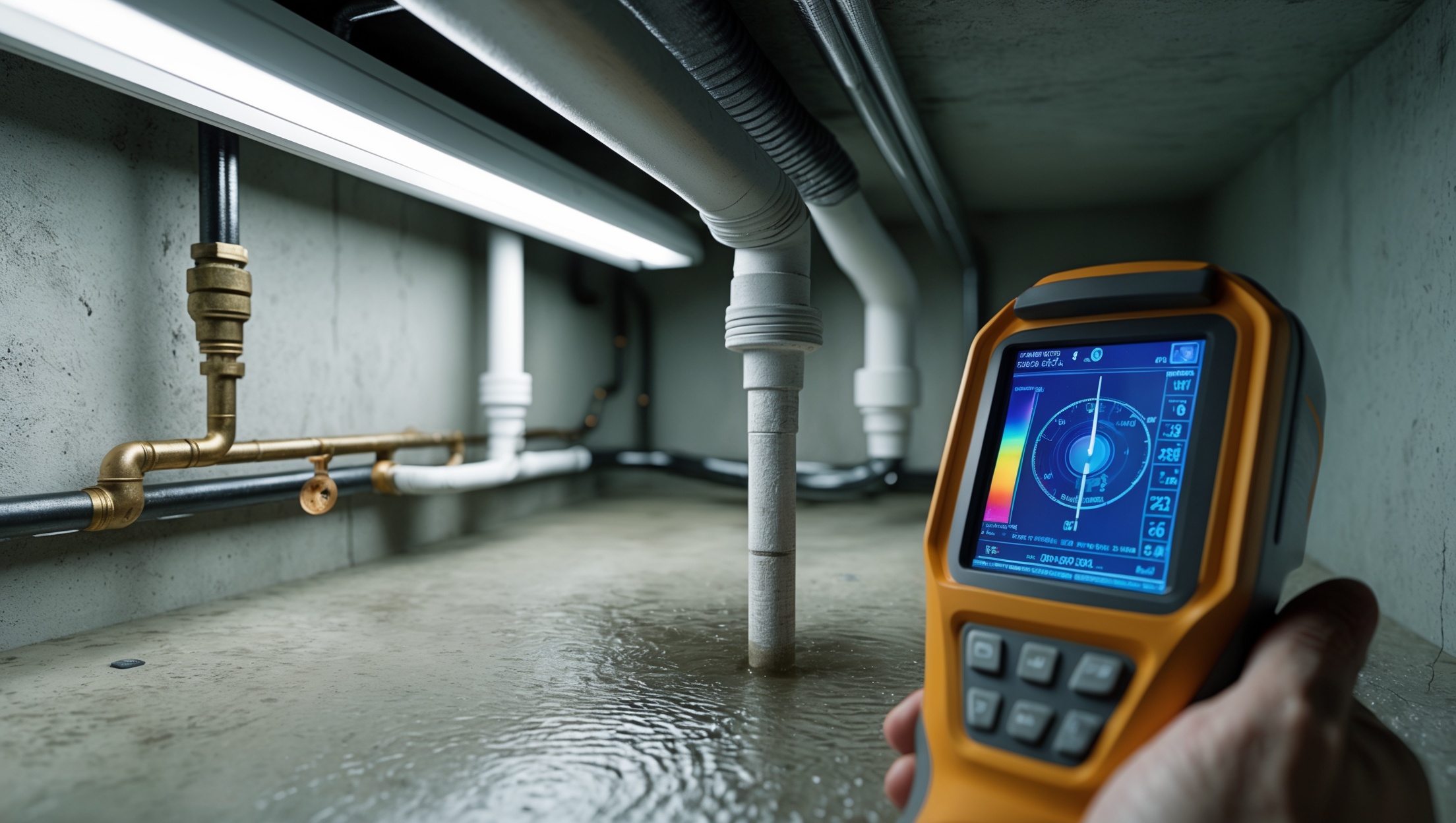
A plumbing inspection camera is a flexible, waterproof video device designed to be inserted into pipes, drains, or tight spaces. It transmits real-time images or video to a screen, letting you see hidden problems like clogs, tree root intrusions, pipe cracks, corrosion, or lost objects.

Main Types of Inspection Cameras

  • Handheld Borescopes: Compact, often wireless, suitable for short runs (under 4 feet) and small-diameter pipes. Best for visual checks in sinks, P-traps, or appliance connections.
  • Push Rod Cameras: Feature a semi-rigid cable (15–100 feet+) with a camera head. Ideal for home drain lines, main stacks, and lateral sewer lines.
  • Self-Leveling Cameras: Keep the video image upright regardless of cable orientation, making it easier to interpret the footage.
  • Locator-Enabled Cameras: Equipped with a sonde (electronic beacon) to pinpoint the camera’s location and depth from above ground, invaluable for precise repairs.
  • Articulating Head Cameras: Allow the user to steer the camera head for inspecting branch lines or navigating bends.

Key Applications

  • Diagnosing drain blockages and their exact location
  • Identifying pipe damage, corrosion, or collapsed sections
  • Verifying the quality of recent repairs or pipe lining
  • Locating lost valuables (rings, toys, tools) in drains
  • Documenting pipe conditions for insurance or real estate transactions

How to Choose the Right Inspection Camera

Assessing Your Needs

Start by considering the types of diagnostic tasks you expect to perform:

  • Length of Pipe Runs: For simple sink traps, a short borescope suffices. For main drains or lateral lines, opt for a push rod camera with at least 50 feet of cable.
  • Pipe Diameters: Smaller pipes (1.25–2”) require miniature camera heads, while larger drains can accommodate standard or even wide-angle heads.
  • Lighting: Dark, murky pipes demand high-intensity LED illumination and adjustable brightness.
  • Recording and Playback: For documentation or sharing with clients, look for models with video/audio recording, snapshot features, and SD card or USB outputs.
  • Durability: Look for waterproof ratings (IP67 or higher), reinforced cable sheaths, and rugged camera housings to survive tough pipe interiors.
  • Budget: Entry-level inspections for homeowners can start under $100, whereas professional-grade setups with locators can cost $1500–$5000+.

Must-Have Features for DIYers and Pros

  • High-Resolution Camera: 720p or better is recommended for clear pipe condition assessment.
  • Flexible Yet Sturdy Cable: Allows navigation through bends without kinking or excessive drag.
  • Easy-to-Use Display: A bright, portable screen (integrated or wireless) to view footage live, even in dimly lit basements.
  • Rechargeable Battery: At least 4–6 hours of runtime per charge for uninterrupted inspections.
  • Replaceable Camera Heads: Reduces downtime and extends tool lifespan.
  • Locator Compatibility: If you plan to locate underground pipes, choose a camera system that supports locators or sondes.

Recommended Brands and Models

Some respected names in the market include Ridgid, Milwaukee, Depstech (for budget-friendly options), and Minicam. Always check user reviews, warranty terms, and local service support before purchasing.

Preparation: Setting Up for a Successful Inspection

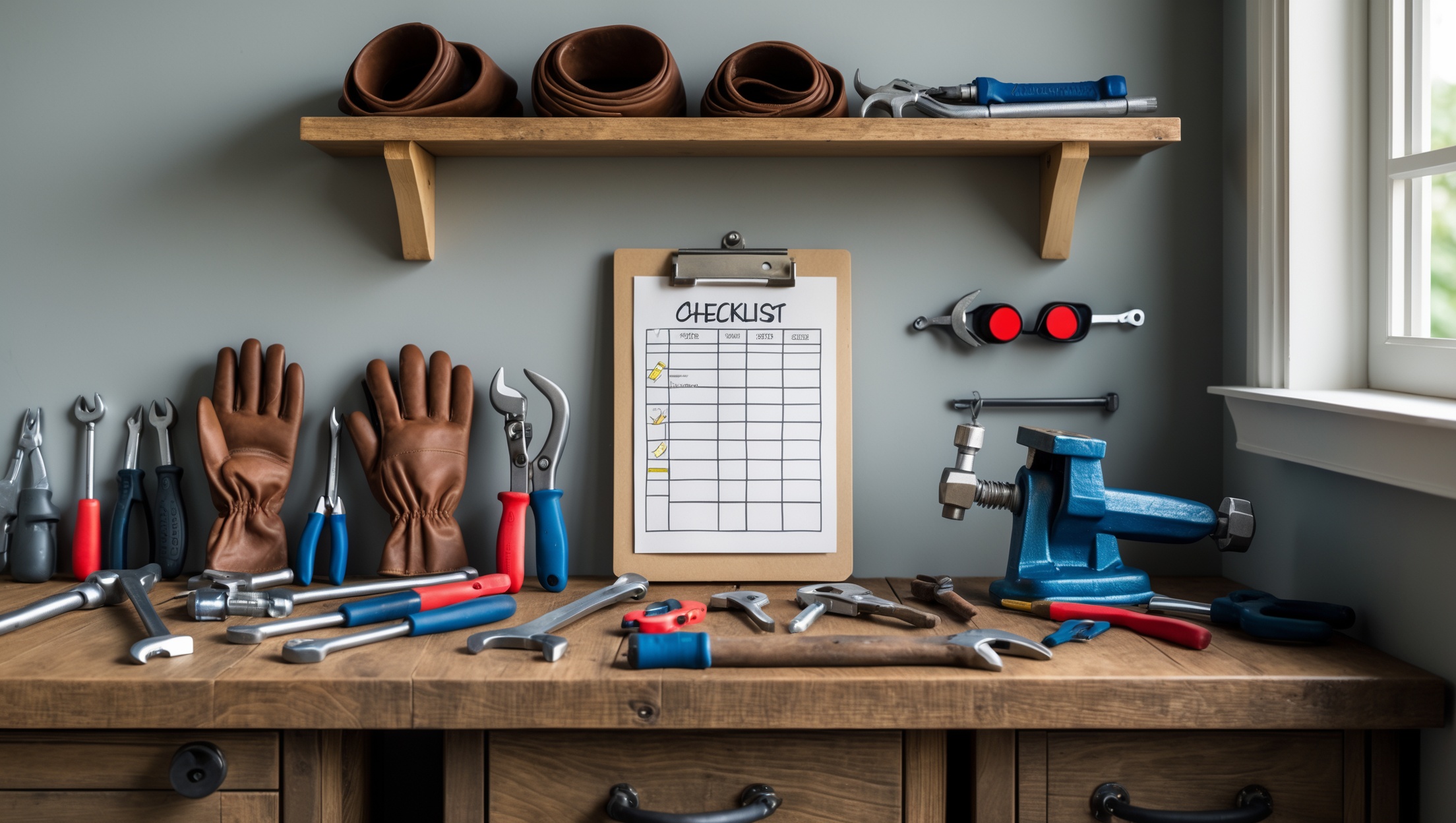
Gathering Tools and Safety Equipment

  • Inspection camera with charged batteries and spare memory card
  • Gloves (nitrile or latex) for hygiene
  • Eye protection (in case of debris or splashes)
  • Pipe access tools: adjustable wrench, pipe wrench, or pliers
  • Clean towels and bucket (for any residual water in pipes)
  • Flashlight for initial pipe entry check

Pre-Inspection Steps

  • Clear the Area: Remove any obstructions or stored items near the access point.
  • Ventilate: Open windows or doors for airflow, especially in basements or crawlspaces.
  • Test the Camera: Power on, check video feed, ensure lights and controls work.
  • Sanitize the Camera Head: Wipe with disinfectant before and after each use.

Step-by-Step Guide: Using Your Inspection Camera

1. Access the Pipe or Drain

  • Remove the drain cover, cleanout cap, or trap as needed.
  • If water is present, bail out excess to improve visibility.

2. Insert the Camera Carefully

  • Gently feed the camera head into the pipe, avoiding sharp bends or forcing it past obstructions.
  • Maintain a slow, steady pace to prevent cable kinks and ensure thorough inspection.
  • Watch the display for visual feedback; adjust brightness as needed.

3. Navigate Bends and Junctions

  • If resistance is felt, gently wiggle or rotate the cable to navigate corners.
  • For branch lines, use articulating camera features if available.

4. Document Findings

  • Use the recording function or take snapshots of problem areas: cracks, clogs, roots, or corrosion.
  • Note the approximate depth or distance from the access point using cable markings or on-screen counters.

5. Retract and Inspect the Camera

  • Slowly pull the cable back, watching for debris or signs of snagging.
  • Wipe the cable and camera head clean as you retract.

6. Review and Interpret the Footage

  • Examine all images and videos, looking for discoloration (rust, buildup), cracks, or foreign objects.
  • If using a locator, record the surface location and depth of issues for targeted repairs.

Interpreting What You See: Common Findings and What They Mean

Clogs and Blockages

Appear as solid masses or accumulations narrowing the pipe. Grease, hair, soap scum, and foreign objects are common culprits. Identify the material and location to select the best clearing method.

Cracks and Fractures

Hairline or jagged lines in the pipe wall may indicate structural failure. Small cracks can worsen over time, leading to leaks or collapses.

Corrosion and Rust

Orange, brown, or greenish buildup signals rust or copper corrosion. Corroded pipes may require replacement to prevent water quality issues and leaks.

Root Intrusions

Roots appear as fine tendrils or thick mats entering through pipe joints. These must be removed and the breach sealed to prevent recurring blockages.

Pipe Separations and Bellies

Offsets (misaligned joints) or sags (bellies) cause waste to collect and slow drainage. Significant misalignments may require excavation and repair.

Lost Items

Metallic or plastic objects appear distinct from pipe materials. Mark their location for targeted retrieval.

Advanced Techniques: Locating and Mapping Problems

Using a Sonde Locator

Many professional cameras have a built-in sonde—a small transmitter in the camera head. A surface receiver tracks the sonde’s signal, pinpointing the camera’s exact location and depth. This is invaluable for:

  • Locating underground leaks or breaks without unnecessary digging
  • Mapping pipe routes under slabs or landscapes
  • Planning precise, minimally invasive repairs

Mapping Pipe Layouts

As you advance the camera, use cable markings and locator readings to sketch your pipe system. This record helps with future troubleshooting and renovations.

Maintenance Best Practices: Protecting Your Camera Investment

Cleaning and Disinfecting

  • Wipe the camera head and cable with disinfectant after every use to prevent cross-contamination.
  • Use a soft brush to remove stubborn debris.
  • Dry thoroughly before storage to prevent corrosion.

Storage

  • Coil cables loosely—avoid sharp bends, kinks, or tangling.
  • Keep in a padded, waterproof case away from direct sunlight or extreme temperatures.
  • Store batteries separately if not used for extended periods.

Routine Inspections

  • Check for cuts or damage to the cable sheath before and after every use.
  • Inspect the camera lens for scratches or fogging; clean gently with lens wipes.
  • Test lights and controls monthly, even when not in regular use.

Battery Maintenance

  • Recharge batteries fully before storage.
  • Replace rechargeable cells every 2–3 years, or as recommended by the manufacturer.

Annual Professional Service

For pro-grade cameras, consider annual calibration, connector checks, and waterproofing tests by an authorized service provider.

Common Troubleshooting: When Your Camera Isn’t Cooperating

Blurry or Distorted Images

  • Clean the lens and check for condensation.
  • Inspect for cracked or scratched lenses; replace if needed.
  • Adjust focus if your model allows.

No Video Feed

  • Check battery charge and cable connections.
  • Test with a different display or cable if possible.

Camera Stuck in Pipe

  • Gently reverse and rotate the cable to free snags.
  • Never yank or force the cable; severe jams may require pipe disassembly.

Foggy Lens

  • Allow the camera to acclimatize to room temperature before use to prevent condensation.
  • Use anti-fog wipes on the lens.

When to Call a Professional

Inspection cameras democratize access to pipe diagnostics, but not every situation is DIY-friendly. Call a licensed plumber if you discover:

  • Major pipe cracks, collapses, or root intrusions
  • Persistent or recurring blockages you can’t clear
  • Sewer gas odors or water pooling around foundations
  • Complicated pipe layouts or inaccessible cleanouts

Professionals have specialized equipment, advanced locators, and the skills to perform repairs safely and to code.

Conclusion: Make Smart, Informed Plumbing Decisions

Plumbing inspection cameras have transformed how homeowners, property managers, and professionals detect and solve hidden piping problems. By investing in the right camera, mastering its use, and maintaining it well, you gain a powerful tool that saves time, money, and unnecessary disruption. From diagnosing that mysterious clog to documenting pipe conditions before a major renovation, inspection cameras put you in control—armed with real evidence, not guesswork.

Remember to select a camera that matches your needs in cable length, camera size, and features. Practice careful, methodical inspections and keep a record of your findings for future reference or to share with your plumber. Treat your camera as a precision instrument: clean it after each use, store it properly, and perform regular checks to ensure it’s always ready for action.

While these devices open up a new world of DIY diagnostics, never hesitate to call in a professional for complex or hazardous situations. Used wisely, your inspection camera is more than a gadget—it’s your window into the hidden health of your home’s most vital systems. With knowledge, the right gear, and a little curiosity, you’ll catch small problems before they become big headaches—and keep your plumbing running smoothly year after year.

108 comments
Ashley Smith

For a homeowner who only occasionally needs to check sink or shower drains, is it worth investing in a push rod camera, or would a handheld borescope be sufficient? I am trying to balance capability with keeping costs reasonable.

    Mario The Plumber

    For occasional home use like inspecting sink or shower drains, a handheld borescope is usually sufficient and much more affordable. Push rod cameras are better for longer or more complex pipe runs, which most homeowners don’t need. A quality borescope should give you clear images for basic diagnostics without the higher investment.

Elizabeth Brown

After using an inspection camera, what’s the best way to clean and maintain it, especially after navigating through greasy or dirty pipes? I want to make sure it lasts between uses but don’t want to accidentally damage it during cleanup.

    Mario The Plumber

    After using your inspection camera, unplug it and wipe down the cable and camera head with a soft cloth dampened in mild soapy water. Avoid harsh chemicals or abrasive materials, as these can damage the lens or housing. Dry everything thoroughly before storing. Regularly check for cracks or wear, and store the camera in its protective case to keep it clean and prevent accidental damage between uses.

Richard Hernandez

How often do these inspection cameras need to be cleaned or maintained to keep them working well, especially if they’re being used in greasy kitchen drains or old pipes?

    Mario The Plumber

    Inspection cameras should be cleaned after every use, especially when working in greasy kitchen drains or old pipes. Wipe down the camera head and cable with a soft cloth and a gentle cleaning solution to remove residue. Regularly inspect the camera for damage and check the lens for clarity. Performing basic maintenance after each use will help extend the life of your equipment and ensure clear images.

Andrew Lee

I’m just getting started with DIY plumbing and the article mentions both handheld borescopes and push rod cameras. How do I figure out which type will actually fit the pipes in my older house without buying the wrong size or kind?

    Mario The Plumber

    To pick the right camera, first measure the diameter of the pipes you’ll be inspecting, especially at the tightest turns and access points. Compare those measurements to the camera head sizes listed in each tool’s specs. Handheld borescopes usually fit smaller pipes and tight bends, while push rod cameras are better for longer or larger lines. If in doubt, bring your measurements to the store or consult the manufacturer.

Andrew Hernandez

For someone on a tight budget who wants a camera primarily for checking occasional sink blockages and P-traps, are there any essential features I shouldn’t compromise on when choosing a handheld borescope?

    Mario The Plumber

    If you’re mainly using a handheld borescope for occasional sink and P-trap inspections, make sure the camera head is small enough to fit through standard drain openings—usually 8-10mm diameter is ideal. Also, prioritize a model with adjustable LED lights for clear visibility in dark pipes and at least a 720p resolution for decent image clarity. Water resistance is essential for plumbing use, but you can skip advanced features like Wi-Fi connectivity or extensive cable length to save money.

Sarah Harris

For homeowners on a tight budget, what are the minimum features you’d recommend in an entry-level inspection camera to still reliably spot blockages and pipe damage without overspending?

    Mario The Plumber

    For homeowners on a budget, look for an inspection camera with at least a 720p resolution, built-in adjustable LED lights for visibility, a waterproof camera head, and a flexible but durable cable of 10–15 feet. A basic monitor is useful, but you can save money by choosing a model that connects to your smartphone. These features should help you reliably spot blockages and pipe issues without extra cost.

Jennifer Wilson

When you mention self-leveling cameras, is that feature mainly valuable for beginners who might struggle to interpret footage, or do professionals also consider it essential for regular use in residential inspections?

    Mario The Plumber

    Self-leveling cameras are appreciated by both beginners and professionals. For beginners, they definitely simplify interpreting footage by keeping the image upright. However, many seasoned inspectors also find this feature essential, as it saves time and reduces confusion during fast-paced residential inspections. Consistently upright footage helps ensure clear documentation and communication with clients, so it’s not just a beginner-friendly perk but a valuable tool for efficiency and professionalism.

Christopher Smith

Could you elaborate on how to interpret what shows up on the camera feed? Are there specific signs I should look for to distinguish between pipe corrosion, a root intrusion, or a simple blockage?

    Mario The Plumber

    Interpreting a camera feed can be much easier with a few tips. Pipe corrosion often appears as rough, flaky, or pitted areas on the pipe’s inner surface, sometimes with discoloration. Root intrusions look like strands or masses pushing through cracks or joints, often appearing fibrous. A simple blockage, like grease or debris, usually looks like a solid mass partially or fully obstructing the pipe but lacks the structural damage or organic texture of roots or corrosion. Take note of the shape, texture, and movement of the obstruction to help identify the issue.

Betty Jones

After using an inspection camera to identify an issue, what are the best next steps for someone who isn’t a professional plumber? Should I attempt any repairs myself or is it better to call in an expert once I see a problem on screen?

    Mario The Plumber

    Once you’ve used the inspection camera to spot a problem, it’s usually safest to call a professional plumber, especially if the issue involves pipes behind walls, large blockages, or leaks. DIY repairs can sometimes make things worse or miss underlying issues. However, for simple clogs or minor debris you can reach, careful removal may be possible. When in doubt, a plumber’s expertise will help prevent further damage and ensure a lasting fix.

Donna Brown

After inspecting a drain with a camera, what should I do if I spot tree root intrusion? Are there typical next steps for a DIYer, or is this generally a sign that it’s time to call a pro for repair?

    Mario The Plumber

    If you spot tree root intrusion during a drain inspection, it’s usually best to call a professional plumber. Tree roots can cause significant damage, and removing them often requires specialized tools and expertise. DIY solutions like chemical root killers might provide temporary relief, but they don’t address the underlying issue. A pro can assess the extent of the damage and recommend repair options, such as root removal, pipe repair, or pipe lining.

John Clark

Can you explain more about the self-leveling cameras mentioned in the article? Are they really that much easier to use when interpreting footage, especially for someone who hasn’t used an inspection camera before?

    Mario The Plumber

    Self-leveling cameras automatically keep the video feed upright, no matter how the camera turns inside pipes. This feature helps a lot if you’re new to inspection cameras because you won’t have to mentally adjust for twisting or upside-down images. It makes it much easier to understand what you’re seeing, spot issues, and share footage with others who may not be familiar with raw inspection video.

Elizabeth Moore

When comparing inspection camera models, what key features should a property manager prioritize if they are mostly using it for preventive inspections rather than frequent repairs?

    Mario The Plumber

    For preventive inspections, a property manager should prioritize inspection cameras with clear image resolution, a flexible and sufficiently long cable to access hard-to-reach areas, and a durable, waterproof design. User-friendly controls and a reliable light source are also important for thorough visual checks. Since repairs aren’t frequent, advanced features like recording or WiFi connectivity may be less critical, but battery life and portability remain valuable for routine walkthroughs.

James Jones

I’m a little confused about the self-leveling cameras mentioned here. How big of a difference does the self-leveling feature actually make when you’re trying to interpret footage compared to the standard push rod cameras?

    Mario The Plumber

    The self-leveling feature makes a noticeable difference when reviewing footage. With self-leveling cameras, the image automatically stays upright, no matter how the camera twists inside the pipe. This can make it much easier to interpret what you’re seeing and identify problems more quickly. Standard push rod cameras might display tilted or upside-down views, which can slow down diagnosis and make navigation more confusing.

Michael Gonzalez

How do budget models of inspection cameras stand up in terms of image quality and cable durability compared to more expensive options? Are there features that should never be compromised on, even for occasional DIY use?

    Mario The Plumber

    Budget inspection cameras often have lower image resolution and less robust cables than pricier models, which can make it harder to spot fine details or navigate tougher pipe bends. However, for occasional DIY use, good LED lighting and a camera head that is at least water-resistant are features you shouldn’t compromise on. Also, make sure the cable is flexible enough for your pipes and isn’t prone to kinking or snapping.

Michelle Anderson

Could you clarify how the image quality or resolution varies between handheld borescopes and push rod cameras? I’m trying to figure out if it’s worth spending more on a larger model specifically for clearer visuals during pipe inspections.

    Mario The Plumber

    Handheld borescopes typically offer lower resolution due to their compact size and basic camera sensors, which can make fine details harder to see in pipe inspections. Push rod cameras, especially larger models, often provide higher resolution and better lighting, resulting in clearer images and easier identification of issues. If image clarity is important for your inspections, investing in a larger push rod camera could be worthwhile.

John Sanchez

If I mostly deal with short runs and tight spaces in older properties, would a handheld borescope be sufficient, or are there situations where I’d still need a longer push rod camera?

    Mario The Plumber

    A handheld borescope works well for short runs and navigating tight spaces, especially in older properties with tricky access points. However, if you occasionally need to inspect longer stretches of pipe or want to document issues for clients, a longer push rod camera can still be valuable. For most quick checks, though, the borescope should meet your needs.

Margaret Robinson

Could you explain a bit more about how self-leveling cameras work and whether they’re worth the higher price for someone who’s mostly dealing with occasional bathroom clogs?

    Mario The Plumber

    Self-leveling cameras have a built-in mechanism that keeps the image upright as you move through pipes, making it easier to interpret what you see on screen. For someone handling just the occasional bathroom clog, a standard camera is usually sufficient. The extra cost of self-leveling models is mainly justified for frequent, complex inspections where orientation really matters.

Elizabeth Robinson

I’m just starting to have drain issues in my home and am overwhelmed by the number of inspection cameras out there. For a basic homeowner, is a handheld borescope really enough, or should I consider a push rod camera right away?

    Mario The Plumber

    For most basic homeowner needs, a handheld borescope is usually enough, especially for inspecting sinks, traps, and short pipe runs. They’re affordable and easy to use. If your drains are longer, have bends, or you need to reach deep into the line, a push rod camera offers better reach but is more expensive. You can always start with a borescope and upgrade if needed.

George Williams

Could you explain a bit more about what self-leveling cameras do and whether they are really worth the extra cost for a DIYer? For someone who’s never used an inspection camera before, I’m wondering if that feature makes interpretation that much easier.

    Mario The Plumber

    Self-leveling cameras automatically keep the video image upright, no matter how the camera twists inside the pipe. This means you always see the correct orientation, which can really help you understand what you’re looking at, especially if you’re new to inspection cameras. For DIYers, it’s a helpful feature, but not essential. If you’ll use the camera often or want to avoid confusion while diagnosing problems, the extra cost could be worth it.

Andrew Johnson

The excerpt mentions that plumbing inspection cameras help verify completed work. Could you give examples of common mistakes or issues these cameras can catch during post-repair inspections?

    Mario The Plumber

    Plumbing inspection cameras are great for spotting issues after repairs, such as leftover debris, pipe misalignment, or joints that haven’t been properly sealed. They can also reveal cracks that were missed, persistent blockages, or even tools accidentally left inside pipes. Using the camera ensures that any hidden problems are caught and fixed before they become bigger issues.

David Johnson

For a small plumbing business mainly dealing with older homes, would you recommend investing in a self-leveling camera over a standard push rod camera, or is the extra feature not really worth the higher price for typical residential jobs?

    Mario The Plumber

    For a small business working with older homes, a self-leveling camera can make inspections much clearer, especially when pipes are tricky or have lots of turns. It helps ensure your footage is always right-side up, which can save time when diagnosing issues. However, for most standard residential jobs, a well-built standard push rod camera often gets the job done at a lower cost. If your work rarely requires precise orientation, the extra investment in self-leveling may not be necessary.

Anthony Brown

Is there a recommended minimum budget for a reliable entry-level camera setup for home drain troubleshooting, or are the cheaper models under $100 actually practical for occasional use?

    Mario The Plumber

    For occasional home drain troubleshooting, some cameras under $100 can be practical, especially for basic tasks like checking for blockages in short pipes. However, these budget models often have lower image quality, limited cable length, and can be less durable. If you want a more reliable entry-level setup, consider budgeting around $120 to $200, which usually ensures better image resolution and sturdier construction for repeated use.

Patricia Lopez

The article mentions handheld borescopes are good for short runs like under sinks or P-traps, but how well do these actually handle minor water exposure if there is still some moisture in the pipe?

    Mario The Plumber

    Handheld borescopes designed for plumbing typically have water-resistant or waterproof camera heads, so a bit of lingering moisture in the pipe is generally not a problem. However, you should check the specific IP (Ingress Protection) rating of your device to know how much water exposure it can handle. Wipe the device dry after use to help prolong its life.

Donna Garcia

For someone new to using plumbing inspection cameras, what are some signs I should look for on the live video to figure out whether a pipe is just dirty or actually cracked or corroded?

    Mario The Plumber

    When watching the live video from your inspection camera, dirt or debris usually looks like loose buildup, sludge, or patches that move or wash away. Cracks, on the other hand, appear as distinct lines, splits, or jagged breaks in the pipe wall. Corrosion often shows up as rough, flaky, or pitted areas, sometimes with rust coloration. If you see persistent irregularities that don’t wash away, especially sharp lines or holes, these are stronger indicators of damage rather than simple dirt.

Karen Smith

As a first-time buyer, what should I look for if I have a limited budget but still want a reliable inspection camera for basic home plumbing checks? Are there critical features I shouldn’t compromise on?

    Mario The Plumber

    If you’re on a budget, prioritize cameras with good image quality (at least 720p HD), a flexible waterproof cable, and a durable build. Make sure the camera head is small enough to fit typical household pipes (about 17mm or less). Look for adjustable LED lights on the camera for better visibility in dark pipes. A rechargeable battery and a clear display are also important basics. Avoid sacrificing these features, as they’re critical for effective home plumbing inspections.

William Anderson

If my main concern is finding frequent clogs caused by tree roots, would a basic borescope be enough, or do I really need one of the higher-end push rod cameras mentioned in the article?

    Mario The Plumber

    A basic borescope may not be sufficient for locating clogs caused by tree roots, especially in longer or larger pipes. Higher-end push rod cameras offer greater reach, sturdier construction, and better image quality, making it much easier to identify root intrusions and their exact locations. For frequent root-related clogs, investing in a push rod camera is the more reliable choice.

Charles Miller

The article mentions borescopes being used for short runs and smaller pipes. Are there any limitations or risks with using a handheld borescope on plumbing fixtures like a bathroom sink trap compared to more expensive push rod cameras?

    Mario The Plumber

    Handheld borescopes are great for quick inspections of short, narrow pipes like a bathroom sink trap. However, they can be limited by their shorter cable length, less durable construction, and generally lower image quality compared to push rod cameras. Also, since they’re more flexible, there’s a risk they could get stuck or have trouble navigating tight bends. For regular or more demanding use, push rod cameras offer better performance and safety.

Ashley Harris

As a small business owner who handles both residential and light commercial plumbing, how do I decide between getting a push rod camera versus a self-leveling camera? Are the benefits of self-leveling worth the extra investment for routine inspections?

    Mario The Plumber

    A push rod camera is generally reliable for routine inspections and costs less, making it a solid choice for many jobs. However, a self-leveling camera keeps the image upright automatically, which can save time when diagnosing issues and presenting findings to clients. If you often need to document or explain problems clearly—especially in commercial settings—the self-leveling feature can justify the extra cost. For mostly straightforward residential work, a standard push rod model may suffice.

Andrew Miller

How do you decide between a handheld borescope and a push rod camera for regular home maintenance? Are there scenarios where spending extra on the push rod type is clearly worth it for a homeowner?

    Mario The Plumber

    Choosing between a handheld borescope and a push rod camera depends on your typical needs. For simple, short inspections like looking into sink drains or behind walls, a handheld borescope is usually enough and more affordable. However, if you anticipate needing to inspect longer pipe runs (over 10-15 feet), bends, or underground lines, investing in a push rod camera is worth it. Push rod cameras are sturdier, reach further, and provide clearer images, making them the better choice for more demanding or recurring plumbing checks at home.

Karen Ramirez

The excerpt mentions self-leveling cameras that keep the video upright no matter how the cable twists. Could you explain how important this feature is in real-world use, and whether it’s worth the higher price for a small business?

    Mario The Plumber

    Self-leveling cameras can make inspections much easier by ensuring the video feed is always oriented correctly, which helps with identifying pipe problems and navigating complex plumbing layouts. For small businesses, this feature saves time and reduces errors, but it does increase costs. If most of your jobs are straightforward, you might not need it. However, if you regularly handle tricky or larger inspections, the investment could be worthwhile for accuracy and efficiency.

Sandra Robinson

Once I’ve chosen a camera, what are some easy ways to maintain it so it doesn’t get damaged or start malfunctioning after just a few uses? Are there cleaning products or storage methods that work particularly well for waterproof inspection cameras?

    Mario The Plumber

    To keep your waterproof inspection camera in good shape, always rinse it with clean water after each use, especially if you’ve used it in dirty or corrosive environments. Wipe the lens and cable dry with a soft cloth, and avoid harsh chemicals—mild soap is usually safe. Store the camera in its protective case, coiling the cable gently without sharp bends. Keep it in a cool, dry place to prevent moisture buildup and potential mold.

Kimberly Smith

Can you explain how self-leveling cameras actually work to keep the video image upright, and are they really worth the extra cost for someone who just wants to check for clogs occasionally in their home drains?

    Mario The Plumber

    Self-leveling cameras have a special gyroscope or weighted mechanism inside the camera head that automatically rotates the lens so the video stays upright, no matter how the camera twists in the pipe. For occasional home use, especially if you’re just checking for simple clogs, a standard camera is usually enough. Self-leveling features are most valuable for professionals who need clear orientation to diagnose complex problems or create reports.

David Ramirez

You mention self-leveling cameras helping to keep the footage upright, but do they require any extra calibration before each job, or are they ready to use out of the box? Are there situations where this feature isn’t actually helpful?

    Mario The Plumber

    Self-leveling cameras are typically ready to use out of the box and don’t need extra calibration before each job—the internal mechanism keeps the image upright automatically. However, in very tight pipe bends or highly obstructed areas, the self-leveling feature can sometimes be less effective. In most standard plumbing inspections, though, it provides a consistent and helpful view.

Michael Williams

If someone encounters a tree root intrusion visible on the camera, do you suggest attempting any preliminary fixes before calling a plumber, or is it best to leave that situation entirely to professionals?

    Mario The Plumber

    If you spot tree root intrusion with your inspection camera, it’s best to leave the situation to professionals. Tree roots can cause significant damage, and improper handling might worsen the issue or damage your pipes. Plumbers have the right tools and experience to remove roots safely and assess any pipe damage, so it’s safer and more effective to let them handle it.

Sarah Lee

For homeowners on a budget, what inspection camera features are truly essential versus those that are more of a luxury or only helpful for pros?

    Mario The Plumber

    For homeowners watching their budget, focus on essential features like a clear display, waterproof camera head, and enough cable length to reach common problem areas. Built-in LED lights are important for visibility. Extras like high-end image recording, Wi-Fi connectivity, or advanced articulation are more suited to pros and aren’t necessary for most home inspections.

Patricia Hernandez

For someone new to using these cameras, how steep is the learning curve for figuring out what you’re actually seeing on the screen? Are there any common mistakes to avoid when interpreting the images?

    Mario The Plumber

    Getting used to interpreting images from a plumbing inspection camera can take a bit of practice, but most users get comfortable after a few inspections. Common mistakes include misjudging distances or confusing debris with major blockages. It’s helpful to move the camera slowly, take note of pipe bends, and occasionally mark reference points. Reviewing the user manual and checking manufacturer tutorials can make the process smoother.

Sarah Johnson

Do inspection cameras work well in older homes with really narrow or corroded pipes, or is there a risk of getting the camera stuck inside? What features should I look for if my plumbing is kind of dated?

    Mario The Plumber

    Inspection cameras can work in older homes, but there’s a higher chance of the camera getting stuck in very narrow or heavily corroded pipes. For dated plumbing, look for a camera with a thin, flexible cable—ideally 6mm diameter or less. A durable, waterproof camera head and a push rod with good maneuverability are also important. Make sure the camera tip is reinforced for tough conditions, and consider one with a self-leveling feature for easier navigation. Always proceed cautiously and avoid forcing the camera through tight spots.

Mary Ramirez

If I want an inspection camera mainly for preventive checks as a property manager, how do I balance price and durability? Are there affordable models that can still handle frequent use in different types of pipes and drains?

    Mario The Plumber

    For preventive checks as a property manager, look for mid-range inspection cameras made for professional or semi-professional use. These typically offer sturdy build quality, flexible cables, and replaceable parts at a reasonable price. Brands often market models specifically for frequent use, so check reviews for durability feedback. Avoid very cheap cameras, as they may not stand up to regular use. A good balance is usually found in models priced in the middle of the range rather than the lowest end.

William Thomas

For someone doing preventative inspections a few times a year, is there a big difference in video quality or reliability between wireless handhelds and entry-level rod cameras?

    Mario The Plumber

    For occasional preventative inspections, both wireless handheld and entry-level rod cameras can work well, but there are some differences. Wireless handhelds are usually more portable and convenient, but may have slightly lower video quality and shorter battery life. Entry-level rod cameras often provide steadier footage and longer cables for hard-to-reach areas, which can help with reliability. If you mainly need simple checks a few times a year, a wireless handheld might be enough, but for more detailed visuals or tougher spots, a rod camera could be better.

Susan Thomas

The article mentions using these cameras to find lost objects. Can you give any tips for actually retrieving something once you’ve spotted it on the camera, or is that a whole separate set of tools?

    Mario The Plumber

    Once you’ve located a lost object with a plumbing inspection camera, retrieving it usually does require additional tools. Many professionals use retrieval tools like flexible grabber claws, magnets (for metal objects), or hook attachments that can fit into pipes. These tools are inserted after confirming the object’s position with your camera. Always proceed carefully to avoid pushing the object further or damaging the pipe. If you’re unsure, it might be worth consulting a plumber who has specialized retrieval equipment.

Donna Ramirez

When you mention self-leveling cameras making footage easier to interpret, do they add much to the cost compared to regular push rod cameras, and are they worth it for occasional home use?

    Mario The Plumber

    Self-leveling cameras do cost more than standard push rod cameras, typically adding several hundred dollars to the price. They automatically keep the image upright, making it easier to understand what you’re seeing in the footage. For occasional home use, the added expense may not be necessary unless you want the convenience or find it difficult to interpret standard footage. For most DIYers, a regular push rod camera is usually sufficient.

Ashley Williams

The article mentions that inspection cameras are used for both finding and verifying repairs. What are some common mistakes beginners make when interpreting the footage to diagnose pipe conditions or blockages?

    Mario The Plumber

    Some common mistakes beginners make include misidentifying pipe material or damage, mistaking shadows or debris for cracks, and overlooking small leaks or buildup. Sometimes, beginners may also misjudge the camera’s scale, making blockages look larger or smaller than they are. It’s important to review footage slowly, use good lighting, and familiarize yourself with normal pipe appearances to avoid these errors.

Donna Davis

I’m a small business owner managing a few rental properties and deal with recurring drain issues. Would you recommend a push rod camera or could a handheld borescope be sufficient for typical apartment sink and bathtub inspections?

    Mario The Plumber

    For routine inspections of apartment sinks and bathtubs, a handheld borescope can usually handle the job. They’re affordable, easy to use, and fit well in smaller drain lines. However, if you sometimes need to inspect longer or more complex pipe runs—like main drain lines—a push rod camera offers greater reach and durability. For most property management needs, starting with a quality handheld borescope should be sufficient.

Susan Lopez

Are there significant benefits to spending more on a higher-end push rod camera for a homeowner, or would mid-range models be reliable enough for common drain and pipe inspections?

    Mario The Plumber

    For most homeowners, a mid-range push rod camera is usually reliable enough for common drain and pipe inspections. Higher-end models offer better image quality, longer cables, and more advanced features, but these are often more than most homeowners need. Unless you expect to use the camera frequently or for very long pipe runs, mid-range options should meet your needs while being more budget-friendly.

Anthony Sanchez

Can you explain how self-leveling cameras actually work to keep the video image upright? I’m wondering if this is a critical feature for a beginner or if it’s mostly important for more complex plumbing inspections.

    Mario The Plumber

    Self-leveling cameras have an internal mechanism, often a gyroscope or weighted gimbal, that automatically adjusts the camera head so the video feed always appears upright, no matter how the cable twists. For beginners, this feature is helpful because it makes interpreting what you see much easier, reducing confusion. It’s not absolutely necessary for simple inspections, but it becomes especially valuable as inspections get more complex or if you plan to use the camera frequently.

Nancy Wilson

If I’m planning to use a drain camera mainly for locating tree root intrusions, are there specific features or cable lengths I should prioritize when choosing one?

    Mario The Plumber

    For locating tree root intrusions, choose a drain camera with a strong, flexible cable—ideally at least 100 feet long, as roots can be far along the line. Look for a camera head with good lighting and a self-leveling feature to help identify roots clearly. A built-in sonde transmitter is also useful for pinpointing the exact location from above ground.

John Williams

Does the article go into any tips for interpreting what you’re seeing on the camera, especially for someone who’s never looked inside pipes before? I’d love to know if there are signs of blockages or damage that are easy to miss.

    Mario The Plumber

    The article does provide some helpful guidance for interpreting what you see during a plumbing camera inspection. It highlights common signs of blockages, such as debris buildup, grease accumulation, and standing water. It also mentions looking for cracks, corrosion, or roots intruding in the pipes. For beginners, it suggests taking your time and comparing what you see to example images, since some issues like hairline cracks or early corrosion can be subtle.

Rachel Johnson

I’m a homeowner who deals with slow drains a few times a year. Based on the article, would a handheld borescope be enough for basic sink and shower inspections, or would I need a push rod camera for anything beyond P-traps?

    Mario The Plumber

    A handheld borescope can be useful for basic visual checks right around the P-trap or just inside the drain, but its limited cable length and flexibility may make it difficult to inspect further into the pipes, especially around bends. For anything beyond the P-trap or if you want to view several feet into your drains, a push rod camera is a better choice due to its design and reach.

Margaret Smith

The article mentions self-leveling cameras that keep footage upright. Are these significantly more expensive than regular models, and are they worth the investment for a homeowner who only needs occasional use?

    Mario The Plumber

    Self-leveling cameras do tend to cost more than standard models because of the added technology that keeps the image upright. For a homeowner who only needs a camera occasionally, the extra cost might not be justified unless you value the added convenience and clarity. For infrequent use, a regular inspection camera will likely meet your needs and be more budget-friendly.

Thomas Taylor

If I only need a camera for occasional home use, like checking for clogs in my kitchen sink, do I really need to invest in a self-leveling model, or would a basic handheld borescope be sufficient?

    Mario The Plumber

    For occasional home use such as checking for clogs in your kitchen sink, a basic handheld borescope should be sufficient. Self-leveling cameras are helpful for professionals who need perfectly oriented images, but for simple DIY inspections, a standard borescope will let you see blockages or damage without the extra cost.

Sandra Lopez

For someone who doesn’t want to spend a lot but has periodic issues with blockages, are there brands or specs you recommend for budget-friendly yet reliable inspection cameras?

    Mario The Plumber

    If you’re looking for a budget-friendly inspection camera, consider brands like Depstech or Teslong. Both offer reliable entry-level models in the $40–$100 range, which are great for occasional home use. Look for features like a 720p or 1080p camera, a waterproof probe, at least a 16-foot cable, and compatibility with your smartphone via USB or WiFi. These specs should cover most blockage inspections without breaking the bank.

James Lewis

When comparing handheld borescopes and push rod cameras, what are the maintenance differences to watch out for, particularly if the tool is only used occasionally?

    Mario The Plumber

    Handheld borescopes usually require less maintenance—just keep the lens clean and store it safely to protect the electronics. Push rod cameras, on the other hand, need extra care: check the cable for kinks or damage, clean the camera head after each use, and ensure the reel mechanism doesn’t get stuck. If you only use the tools occasionally, store both in a dry, dust-free place and recharge the batteries every few months to keep them working reliably.

William Harris

For someone on a moderate budget, what combination of features would you prioritize when selecting a diagnostic camera for both minor clogs and more extensive home sewer inspections?

    Mario The Plumber

    For a moderate budget, look for a plumbing inspection camera with at least a 15-20 meter cable, a waterproof camera head with LED lights for clear visuals, and a decent resolution (around 720p). A flexible but durable cable helps with both small clogs and longer sewer lines. Also, a camera with a record-and-playback function is helpful for reviewing inspections. These features balance cost and versatility for various home plumbing tasks.

John Clark

For homeowners dealing with occasional sink clogs, would a basic handheld borescope really be sufficient, or do you find you outgrow those quickly and need something more advanced like a push rod camera?

    Mario The Plumber

    For occasional sink clogs, a basic handheld borescope is usually sufficient. These devices let you inspect visible blockages in short, accessible pipes. However, if you start dealing with deeper or frequent clogs, or need to inspect longer pipe runs, you might benefit from upgrading to a push rod camera, which offers more reach and durability. For most homeowners’ needs, starting with a borescope is practical and cost-effective.