Plumber Las Vegas News

Your trusted source for plumbing updates, DIY fixes, and industry insights in Las Vegas. Stay informed with practical tips, local trends, and expert advice for homeowners and professionals alike.

Plumbing Invoice Breakdown: Understanding Charges and Avoiding Overpayment

Introduction: Demystifying Plumbing Invoices

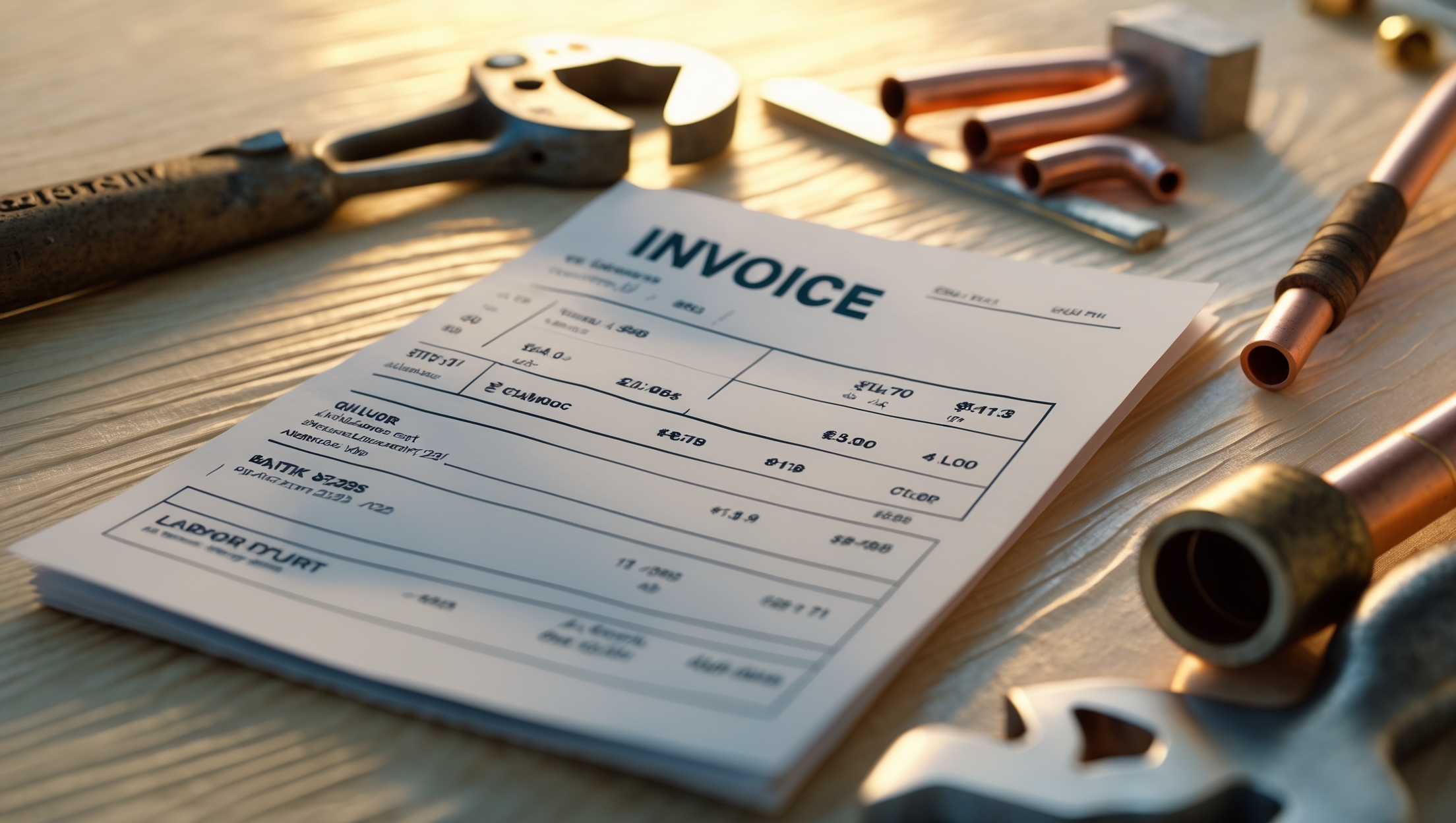
Receiving a plumbing invoice can feel like reading a foreign language. Between line items for parts, labor, trip charges, and mysterious fees, it’s no wonder homeowners and small business owners alike wonder if they’re getting a fair deal. This guide is designed to pull back the curtain on plumbing invoices. We’ll explain every common (and uncommon) line item, highlight where hidden costs often lurk, and provide actionable advice to help you verify charges and negotiate with confidence. Whether you’re tackling a minor leak or a major repiping job, understanding your invoice is the first step to managing your budget and ensuring you only pay for what you actually receive. By the end of this post, you’ll not only be able to spot inflated charges and unnecessary add-ons, but also use this knowledge to build better relationships with your service providers and protect your wallet in the long run.

The Anatomy of a Plumbing Invoice

Key Sections and What They Mean

  • Contact and License Information: Legitimate invoices should display the plumber’s name, contact details, and license number. This ensures accountability and compliance with local regulations.
  • Job Description: A detailed summary of the work performed, including location, date, and scope of service.
  • Itemized List of Materials: Every part used in your repair or installation, with quantity, unit price, and total cost for each.
  • Labor Charges: Either hourly or flat-rate fees for the plumber’s time, often separated by type of work (diagnostic, repair, installation).
  • Miscellaneous Fees: These can include trip fees, emergency surcharges, disposal fees, or permit costs.
  • Subtotal, Taxes, and Total: The sum of all charges, applicable local or state sales tax, and the final amount due.

Red Flags to Watch For

  • Vague or missing job descriptions
  • Lumped charges instead of itemized lists
  • Fees described only as “service charge” or “other” with no explanation
  • Lack of company or license information

Itemized Charges: What’s Fair and What’s Not

Common Parts and Material Markups

Plumbers, like most contractors, markup materials above retail prices to cover procurement and inventory costs. However, excessive markups are a red flag. Industry-standard markups typically range from 15% to 30%. If a $10 valve is listed at $45, it’s reasonable to ask for justification or request to supply your own materials (if your plumber allows it).

Labor Rates Explained

  • Flat-Rate vs. Hourly: Flat-rate pricing is common for routine jobs (e.g., faucet installation), while complex repairs may be billed by the hour.
  • Diagnostic Fees: Some plumbers charge a fixed fee to assess the problem. This may be credited toward the repair if you proceed.
  • After-Hours or Emergency Rates: Expect premiums for work performed outside standard business hours, often 1.5x to 2x normal rates.

Travel and Trip Charges

Travel fees cover the time and cost for the plumber to reach your location. These are typically reasonable for remote addresses but should be clearly stated upfront. In urban areas, beware of excessive trip fees unless justified by traffic or distance.

Permits and Compliance Fees

Some jobs—especially those involving major modifications or new installations—require permits. It’s legitimate for plumbers to charge for permit fees and the time spent securing them, but these should match your municipality’s published rates and be accompanied by documentation.

Disposal and Environmental Fees

If your project involves removing old fixtures, piping, or water heaters, a disposal or recycling fee may be added. These should reflect actual landfill or recycling center charges, not arbitrary amounts.

Spotting and Challenging Hidden or Excessive Fees

Common Hidden Fees

  • “Shop Supplies” or “Consumables”: Charges for rags, tape, or lubricants. These should be minor (<$25) or bundled into the main service fee.
  • Tool Rental Fees: Rarely justified for routine jobs unless specialty equipment was required (e.g., pipe bursting machines, sewer cameras).
  • Administrative or Processing Fees: Sometimes added for credit card payments; verify if these align with industry standards and local regulations.

How to Address Suspicious Charges

  • Ask for detailed breakdowns if you see ambiguous fees.
  • Request receipts or documentation for permits, disposal, or specialty equipment.
  • Politely challenge markups that exceed typical ranges or seem inconsistent with market prices.

Case Studies: Real-World Invoice Reviews

Case Study 1: Routine Faucet Replacement

  • Materials: Faucet ($95), supply lines ($30)
  • Labor: 1.5 hours @ $125/hour ($187.50)
  • Travel Fee: $35
  • Miscellaneous: Consumables ($15)
  • Total (w/ 7% tax): $382.46

Analysis: All charges are itemized, markups on materials are within reason. No red flags.

Case Study 2: Water Heater Replacement

  • Materials: 40-gallon water heater ($950), fittings ($120), vent kit ($60)
  • Labor: Flat rate ($600)
  • Permit: $90 (with receipt attached)
  • Disposal: $50
  • Shop Supplies: $45
  • Total (w/ 7% tax): $2,003.65

Analysis: Shop supplies are a bit high; worth questioning. Permit fee matches local rates. Otherwise, standard.

Case Study 3: Invoice with Red Flags

  • Lumped “Repair Charge”: $900 (no breakdown)
  • Service Fee: $120
  • Processing Fee: $60 (for credit card payment)
  • Total: $1,080

Analysis: Lack of itemization, high processing fee, and vague service descriptions suggest further scrutiny is needed before paying.

Negotiating Plumbing Costs: Practical Strategies

Before Work Begins

  • Request an upfront, written estimate with itemized charges.
  • Ask about potential add-on fees (travel, disposal, permits).
  • Clarify whether diagnostic charges will be credited toward final repairs.
  • Inquire about hourly versus flat-rate pricing for your project.

After Work Is Completed

  • Review the invoice line by line before paying.
  • Compare materials pricing with local retail stores or online sources.
  • Question any vague or unexpected charges.
  • Don’t hesitate to discuss or negotiate—most reputable plumbers welcome informed customers.

Digital Invoices and Modern Payment Practices

What to Look For

Many plumbers now use digital invoicing platforms that automatically generate breakdowns and offer secure payment links. Benefits include easy-to-read summaries, digital receipts, and quick dispute resolution. Ensure digital invoices still provide full transparency—beware of “summary only” formats with hidden details.

Processing Fees and Payment Methods

Credit card processing fees are sometimes passed to customers. While 2-3% is typical, higher fees may be excessive or violate local rules. Ask if there are discounts for cash or check payments, which can save you money and the plumber transaction costs.

Tips for Keeping Plumbing Costs Transparent

  • Work with licensed, insured plumbers who provide written estimates.
  • Ask for references or read reviews focused on billing transparency.
  • Keep copies of all invoices and receipts for future reference or warranty claims.
  • Don’t be afraid to shop around—reputable plumbers will respect an informed customer.

Conclusion: Take Control of Your Plumbing Expenses

Understanding your plumbing invoice is more than a way to avoid overpayment—it’s a vital skill for every homeowner, landlord, or business manager. Invoices are not just receipts; they’re records of work performed, materials used, and the professionalism of your service provider. By learning to read, question, and compare invoices, you empower yourself to manage costs, identify quality contractors, and avoid being taken advantage of by hidden or unfair fees. Remember that transparency is a two-way street: trustworthy plumbers expect questions and welcome the chance to explain their pricing. Armed with the knowledge from this guide, you can approach every plumbing job—big or small—with confidence, clarity, and control. Make invoice review a standard part of your maintenance routine, and you’ll not only save money but also build lasting trust with the professionals who keep your home’s most vital systems running smoothly. The next time you receive a plumbing bill, you’ll know exactly what you’re paying for—and why.


56 comments
Margaret Lopez

Could you elaborate on what kinds of ‘miscellaneous fees’ are legitimate versus those that might be considered red flags? I’d like to avoid overpaying for services that aren’t clearly explained.

    Mario The Plumber

    Legitimate miscellaneous fees usually cover minor materials like sealants, disposal of old parts, or small administrative costs. These should be itemized or explained clearly. Be cautious if you see vague charges like ‘service fee,’ ‘processing fee,’ or ‘miscellaneous labor’ without details—those can be red flags. Always ask for a breakdown of any unclear fees before agreeing to pay.

William White

How can I tell if the cost of materials listed is fair and not being marked up too much compared to what I’d pay at a hardware store? Do plumbers usually charge extra for materials on top of labor?

    Mario The Plumber

    To check if material costs are fair, compare the items and prices on your invoice to those at local hardware stores or online retailers. It’s common for plumbers to add a markup—often 10-30%—to cover sourcing and transporting materials. If you notice a much higher markup, ask for itemized receipts or discuss supplying the materials yourself to keep costs transparent.

Elizabeth Jones

If I get a plumbing invoice that lists a high labor charge but only mentions something vague like ‘repair work,’ what steps can I take to dispute or clarify those charges before paying?

    Mario The Plumber

    If your plumbing invoice has vague descriptions like ‘repair work’ with high labor charges, start by contacting the plumber to request a detailed breakdown of the work performed, hours spent, and specific tasks completed. Ask for supporting documentation or itemized billing. If the explanation isn’t satisfactory, you can seek a second opinion from another professional or consult local consumer protection resources before making any payments.

Charles Jones

If a plumber lists a flat labor charge instead of an hourly breakdown, what’s the best way to figure out if that rate is fair for the scope of work described on the invoice?

    Mario The Plumber

    To judge if a flat labor charge is reasonable, compare it with typical local rates for similar plumbing jobs. You can call a few other plumbers for quotes or check average costs online. Also, review what’s included on the invoice—materials, travel, or permit fees—so you’re comparing like for like. If anything isn’t clear, don’t hesitate to ask the plumber for details about what the flat rate covers.

Thomas Ramirez

You mentioned permit costs as a potential miscellaneous fee. How can homeowners confirm if a permit was actually required and obtained for their plumbing job, especially on smaller repairs?

    Mario The Plumber

    To check if a permit was needed and obtained, you can ask your plumber directly for a copy of the permit or its number. For smaller jobs, call your local building department to see if the work type required a permit. Most departments can confirm if one was issued for your address. This helps ensure you’re only paying for necessary fees.

Elizabeth Martin

If a plumbing invoice is missing the plumber’s license number or has a really vague job description, should I hold off on payment until those details are provided, or is there a standard procedure for handling this?

    Mario The Plumber

    If your plumbing invoice is missing the license number or has a vague job description, it’s reasonable to pause payment until you receive a revised invoice with those details. Clear documentation protects you if any issues arise later. You can contact the plumber and request a corrected invoice that includes their license number and a detailed breakdown of the work performed before making payment.

John Moore

When reviewing plumbing invoices, how common is it for disposal or permit fees to be negotiable or waived? I’ve noticed some companies are more flexible than others, but would love tips on how to approach that conversation without sounding confrontational.

    Mario The Plumber

    Disposal and permit fees can sometimes be negotiable, especially with smaller plumbing companies or during slower business periods. When discussing these charges, try asking politely if there’s any flexibility or if the fee might be reduced or waived. Express appreciation for their service and mention you’re comparing quotes. Framing it as a budget concern rather than a challenge to their pricing helps keep the conversation positive and constructive.

Megan Brown

Are there any particular materials or parts that frequently get marked up beyond reasonable levels on invoices, and how can customers spot when this is happening on their itemized list?

    Mario The Plumber

    Some commonly marked-up materials on plumbing invoices include basic fittings, pipes, valves, and generic fixtures like faucets or hoses. To spot unreasonable markups, compare the listed prices with local hardware store costs or reputable online retailers. If a part is double or triple its regular retail price, that’s a red flag. Don’t hesitate to ask your plumber for a breakdown or justification of material costs if something seems off.

Patricia Robinson

You mentioned itemized lists for materials and labor charges. How can I tell if I’m being charged a fair price for each part or hour of work? Are there standard rates or resources I can use to compare what’s on my invoice?

    Mario The Plumber

    To determine if your charges are fair, you can research average local rates for both plumbing labor and materials. Websites for consumer reports or local business directories often list typical hourly rates and common part prices. You might also call a few other plumbing services in your area for quotes on similar work. Comparing these with your invoice should help you spot any overcharges or inconsistencies.

Thomas Davis

If a plumbing invoice only lists a generic ‘service charge’ without any breakout of what was done or what materials were used, is it reasonable to ask for a more detailed breakdown before paying? What are my rights in this kind of situation?

    Mario The Plumber

    It’s completely reasonable to request a detailed breakdown of your plumbing invoice if it only shows a generic ‘service charge.’ You’re entitled to understand what work was performed and what materials, if any, were used. Most reputable plumbers provide itemized invoices as part of good business practice. Don’t hesitate to ask for clarification before making payment.

George Jones

If a plumber gives me a lump sum invoice without an itemized list of materials and labor, what is the best way to request a breakdown without causing tension or delaying payment?

    Mario The Plumber

    You can politely ask your plumber for a detailed breakdown by explaining that you want to understand the charges for your records. Try saying, ‘Could you please provide an itemized invoice showing the costs for materials and labor? It helps me better track my expenses.’ Most professionals are used to this request, and framing it as a routine part of your record-keeping can avoid any tension or delays.

Julie Martin

Could you explain a bit more about how to confirm whether labor charges are being billed at an hourly rate or as a flat fee? Sometimes my invoices aren’t clear, and I want to avoid paying more than necessary for basic repair work.

    Mario The Plumber

    To determine if you’re being billed hourly or with a flat fee, check your invoice for terms like ‘per hour,’ ‘hourly rate,’ or a breakdown of hours worked. Flat fees usually appear as a single charge for the whole job. If it’s unclear, don’t hesitate to contact your plumber and ask them to clarify how labor was calculated. You can also request a detailed invoice before the work begins to avoid surprises.

Brian Ramirez

When reviewing the itemized list of materials on my plumbing invoice, how can I tell if I’m being charged a fair price for each part? Are there standard markups that plumbers usually apply, or should I research each material cost myself?

    Mario The Plumber

    To judge if you’re being charged fairly for materials, it’s common for plumbers to apply a markup—typically between 10% and 30%—to cover sourcing and handling. You can look up average retail prices online for comparison, but keep in mind that contractors may get different rates. If you notice unusually high prices, it’s reasonable to ask your plumber for clarification or even request to supply some parts yourself.

Sandra Taylor

Are there any guidelines or resources you recommend for figuring out if the parts and materials listed on an invoice are priced fairly, or should I just accept what the plumber charges for those items?

    Mario The Plumber

    It’s smart to review parts and material charges. You can compare listed prices to local hardware stores or reputable online retailers to see if they’re reasonable. Some plumbers may add a markup for convenience, but excessive charges should raise questions. If anything seems high, don’t hesitate to ask your plumber for an itemized breakdown or clarification. This helps ensure transparency and fair pricing.

Patricia Lopez

How can homeowners verify that the parts listed under ‘Itemized List of Materials’ actually match what was used during the job? Are there any best practices for double-checking these line items before paying the invoice?

    Mario The Plumber

    Homeowners can verify the parts by asking the plumber to show the used materials before they’re installed or to leave the packaging behind for inspection. It’s also helpful to compare the invoice list with what you see on-site and to look up part numbers or prices online for reference. If anything seems unclear, don’t hesitate to ask the plumber for clarification or photos of the installed items before making payment.

Elizabeth Lewis

You mentioned miscellaneous fees such as trip charges and emergency surcharges. Are there any standard rates or guidelines in the industry for these, and should I expect to see them on every invoice?

    Mario The Plumber

    Miscellaneous fees like trip charges and emergency surcharges can vary widely based on location, company policies, and the nature of the call. There aren’t strict industry-wide standard rates, but it’s common for plumbers to itemize these fees, especially for after-hours or long-distance calls. You won’t see them on every invoice—routine jobs close to the company’s base may not incur them. It’s always reasonable to ask your plumber upfront about any potential extra charges before agreeing to service.

Christopher Rodriguez

If a plumbing invoice just lists ‘service charge’ and doesn’t provide a breakdown for materials or labor, is that something I should push back on before paying? How specific should the invoice details be to avoid hidden costs?

    Mario The Plumber

    It’s reasonable to ask for a more detailed invoice before paying. A proper plumbing invoice should clearly separate labor, materials, and any additional fees. This transparency helps you understand exactly what you’re paying for and protects you from hidden costs. Don’t hesitate to request a breakdown so you can review each charge and ensure the pricing is fair.

Richard Lee

The article mentions miscellaneous fees like trip charges and emergency surcharges. Are these types of fees regulated in any way, or is it up to each plumber to set their own amounts? How can I make sure these fees aren’t inflated?

    Mario The Plumber

    Miscellaneous fees such as trip charges and emergency surcharges are generally not regulated by law and are usually set by individual plumbing businesses. To avoid inflated fees, always ask for a detailed written estimate before agreeing to any work. You can also compare quotes from multiple plumbers and check their reviews to ensure their charges are reasonable and transparent.

Margaret Martin

What are some typical price ranges for miscellaneous fees like trip charges or emergency surcharges? I want to be ready if these pop up on my next plumbing bill.

    Mario The Plumber

    Trip charges for plumbers usually range from $50 to $150, depending on your location and time of day. Emergency surcharges, especially for after-hours or weekend calls, can add another $100 to $300 to your bill. It’s a good idea to ask your plumber about these fees upfront so you know what to expect before any work begins.

William Robinson

If my plumbing invoice only lists a single ‘service charge’ without breaking down parts or labor separately, is that a red flag I should worry about, or is it common practice for smaller repairs?

    Mario The Plumber

    For smaller plumbing repairs, it’s not unusual to see a single ‘service charge’ on your invoice, especially if the job was quick or only required minor parts. However, you are within your rights to ask for a more detailed breakdown if you’re unsure what was included or if the charge seems high. A reputable plumber should be happy to clarify costs for you.

Kevin Thomas

For larger projects like repiping, is it normal to see miscellaneous fees such as permit costs and disposal charges listed separately? Should I expect those to be negotiable or are they generally fixed costs passed through by the plumber?

    Mario The Plumber

    For larger plumbing projects like repiping, it’s common to see separate line items for permit fees, disposal charges, and similar costs. These fees are usually fixed and represent actual expenses the plumber pays to third parties, so they’re typically passed through to you without markup. While the plumber might have some flexibility on certain charges, permit and disposal fees are generally not negotiable.

Joseph White

For small repairs like fixing a leaky faucet, how detailed should the job description and materials list be on the invoice? I want to make sure I’m not overpaying for parts or labor on minor work.

    Mario The Plumber

    For minor repairs like fixing a leaky faucet, the invoice should briefly describe the work done—such as ‘replaced faucet washer’ or ‘tightened connections.’ The materials list should include the exact items used, like washers, O-rings, or sealant, along with their quantities and costs. Labor should be listed separately, showing either an hourly rate or a flat fee. This level of detail helps you verify charges and ensures transparency for both parts and labor.

Ashley Taylor

Is there an industry standard for what details should be included in the itemized list of materials? For example, should I always see brand names or just general part descriptions?

    Mario The Plumber

    There isn’t a strict industry-wide standard that requires plumbers to list brand names on invoices. Typically, itemized lists include general part descriptions, quantities, and unit prices. Some plumbers may include brand names or model numbers for higher-value items or if requested by the customer. If you want specific details like brand names, you can ask your plumber to provide them on the invoice.

Sean Clark

I sometimes get invoices with a job description that just says ‘repair leak, kitchen.’ Should I ask for a more detailed summary or photos of what was done, especially when managing repair costs for different parts of my house?

    Mario The Plumber

    Yes, requesting a more detailed summary or photos is a good idea, especially if you’re managing repair costs across several areas. A clear breakdown helps you understand exactly what work was performed and can make it easier to compare costs and spot any unnecessary charges. Most reputable plumbers are happy to provide specific details or images if you ask.

Patricia Thomas

If a permit cost is included in the invoice, should I expect to receive a copy of the actual permit or receipt with the bill, or is it typical for plumbers to just include that as a line item?

    Mario The Plumber

    When a permit fee is included in your plumbing invoice, it’s reasonable to expect a copy of the permit or at least the receipt as proof of the actual cost. Some plumbers automatically provide this documentation, while others may only list it as a line item unless you specifically request a copy. If you’re unsure, don’t hesitate to ask your plumber for the permit or receipt for your records.

Susan Williams

The guide covers spotting inflated or unnecessary fees, but how can homeowners ensure they are not being overcharged for labor, especially when the charges are listed as flat rates instead of hourly? Are there standard rates we should be aware of?

    Mario The Plumber

    When dealing with flat-rate labor charges, it’s a good idea to request a detailed breakdown of what the flat rate covers—such as time, materials, and any additional services. While standard rates vary by region, you can call a few local plumbers for quotes on the same job to compare prices. This helps ensure the flat rate you’re quoted is fair and in line with local norms.

Diane Martinez

I see you mention that labor can be billed either hourly or flat-rate. As a small business owner, which billing method is generally more transparent or cost-effective when it comes to larger jobs like repiping, and how should I negotiate this with a plumber?

    Mario The Plumber

    For larger projects like repiping, flat-rate billing is often more transparent—you’ll know the total cost upfront, which helps with budgeting and avoids surprises. It can also be more cost-effective if the job takes longer than expected. When negotiating, ask the plumber for a detailed written quote that covers all labor and materials, and clarify what would trigger additional charges before work begins.

Elizabeth Williams

If a plumber only lists a single ‘service charge’ on my invoice without breaking down parts or labor, is that a violation of any standard regulations, or is it just a red flag for potential overcharging?

    Mario The Plumber

    A single ‘service charge’ line on your invoice without details isn’t automatically a regulation violation, but many regions encourage or require more transparent billing. It may not be illegal, but it is a red flag since it makes it hard to see what you’re actually paying for. You can absolutely ask your plumber for a detailed breakdown of parts and labor to ensure you’re being charged fairly.