Plumber Las Vegas News

Your trusted source for plumbing updates, DIY fixes, and industry insights in Las Vegas. Stay informed with practical tips, local trends, and expert advice for homeowners and professionals alike.

Plumbing Permit Pitfalls: Avoiding Costly Delays and Fines in DIY Projects

Introduction: The Hidden Hurdle in DIY Plumbing Projects

Every year, thousands of homeowners launch into plumbing renovations or repairs, often with admirable enthusiasm and a toolkit at the ready. But even the most meticulously planned DIY projects can come to a grinding halt thanks to a less glamorous—but absolutely critical—aspect of the job: permits. Permits are more than just paperwork; they’re a safeguard for your safety, the value of your home, and the integrity of your local water system. Overlooking this step can lead to delayed projects, expensive fines, failed inspections, and even forced demolition of completed work. For those new to the world of plumbing or seasoned DIYers expanding their horizons, understanding how to properly navigate the permit landscape is a must. In this guide, we’ll walk you through the most common permit pitfalls, offer practical strategies to avoid them, and empower you to complete your plumbing project smoothly, on time, and up to code.

Why Plumbing Permits Matter

Protecting Health and Safety

Plumbing systems deal directly with your home’s water supply and waste disposal—two areas that, if mishandled, can pose serious health risks. Permits ensure that work is performed according to local codes, which are designed to prevent contamination, leaks, and structural damage.

Legal and Financial Repercussions

Skipping required permits isn’t just risky—it’s illegal. Unpermitted plumbing work can result in hefty fines, legal action, and complications when selling your home. Insurance claims may also be denied if damage results from unauthorized work.

Protecting Your Investment

Properly permitted work helps retain and even increase property value. It provides a clear record for future buyers and can prevent costly surprises during home inspections or appraisals.

Common Plumbing Projects That Require Permits

Permit requirements vary by jurisdiction, but the following projects almost always require prior approval:

  • Relocating or adding plumbing fixtures (e.g., sinks, toilets, showers)
  • Installing new water supply or drain lines
  • Replacing water heaters
  • Major pipe repairs or replacements
  • Bathroom or kitchen remodels involving plumbing
  • Outdoor plumbing additions (e.g., irrigation systems, exterior hose bibs)

Minor repairs, such as swapping out a faucet or fixing a leaky pipe joint, might not require a permit, but always verify with your local building department.

Permit Pitfalls: Mistakes DIYers Make

1. Assuming Permits Aren’t Needed for Small Jobs

Many homeowners believe permits are only required for large-scale projects. In reality, even relatively minor changes—like moving a sink—can trigger permit requirements. Always check before you start.

2. Relying on Outdated or Online Advice

Permit rules vary widely by city, county, and state. What’s true in one area may not apply in another. Online forums and YouTube tutorials can be helpful, but they’re no substitute for direct guidance from your local authority.

3. Failing to Include Permit Time in Project Planning

Permit approval can take days or even weeks, especially during busy seasons. Neglecting this phase can disrupt timelines and leave you with half-finished plumbing.

4. Overlooking Required Inspections

Most permits require at least one inspection to verify code compliance. Skipping this step can void your permit and force you to tear out completed work for re-inspection.

5. Not Keeping Documentation

Lose your permit or inspection reports, and you may face trouble during future home sales or appraisals. Organized records are as important as the work itself.

6. Hiring Unlicensed Contractors Without Permits

If you hire help for part of your project, ensure they’re licensed and that all work is included in your permit application. Unlicensed or uninsured labor can create liability issues.

Step-by-Step: Navigating the Permit Process

1. Research Local Requirements

Start by visiting your municipality’s building department website or office. Look for:

  • Types of projects needing permits
  • Documentation required (plans, drawings, specifications)
  • Fees and estimated timelines
  • Inspection stages and scheduling process

2. Prepare Detailed Plans

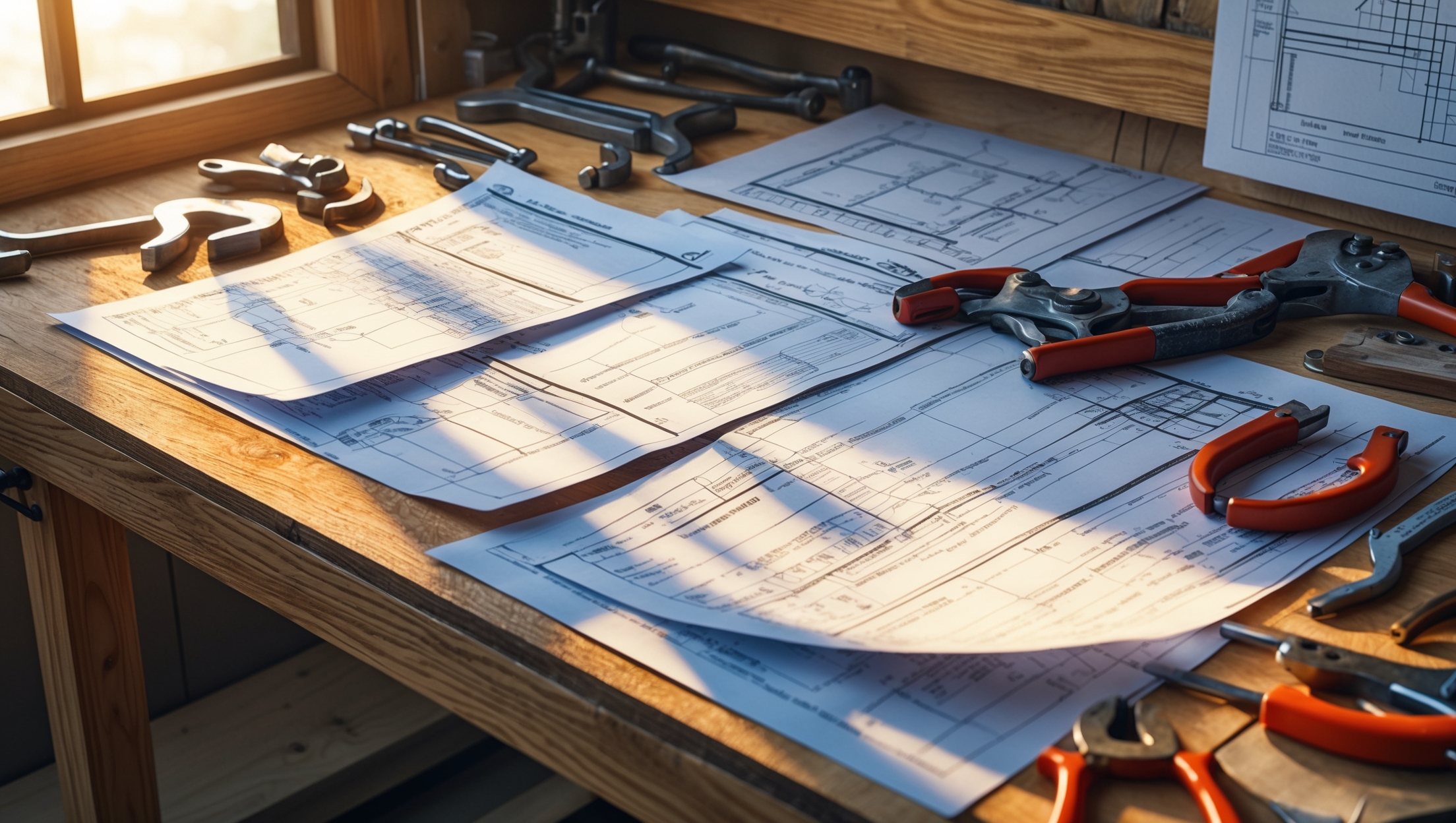
Most permit applications require a clear diagram of the proposed work. Include:

  • Fixture locations (existing and proposed)
  • Pipe routing (supply and waste lines)
  • Materials to be used
  • Valves, vents, and cleanouts

Hand-drawn sketches are sometimes accepted for small projects, but digital plans are preferred for major renovations.

3. Submit Your Application

File your application in person or online, depending on your local office. Double-check that all fields are completed and all required documents are attached. Pay the fee—most range from $50 to $500, depending on project scope.

4. Wait for Approval

Permit review can take from a day to several weeks. Some offices offer fast-track approvals for smaller jobs. Monitor your application status and respond promptly to any requests for clarification.

5. Schedule Inspections

Once granted, your permit will specify required inspections. These typically include:

  • Rough-in inspection: Before walls are closed, inspectors check pipe placement and connections.
  • Final inspection: After completion, ensuring everything is code-compliant and leak-free.

Do not cover any work until the rough-in inspection is passed.

6. Keep All Documentation

Store your permit, inspection reports, and any correspondence in a safe place. Scan digital copies for backup. These documents can be critical when refinancing, selling, or insuring your home.

How to Avoid Costly Delays and Fines

Start Early, Plan Thoroughly

Begin your permit process as soon as you’ve decided to tackle a plumbing project. Factor in approval and inspection times when building your project timeline. Rushed jobs often result in missed steps and longer delays.

Communicate Clearly with Inspectors

Inspectors are allies, not adversaries. Ask questions if you’re unclear about requirements. Be present during inspections to address concerns on the spot and avoid costly rework.

Document Every Change

If you alter plans mid-project, notify your permitting office immediately. Unapproved changes can invalidate your permit and trigger fresh inspections or fines.

Budget for Permits and Contingencies

Include permit fees and potential re-inspection charges in your budget. Set aside a contingency fund for unexpected code upgrades, which inspectors may require for older systems.

Permit Process: Real-World Scenarios

Scenario 1: Bathroom Remodel Without a Permit

A homeowner relocates a toilet and adds a double sink but skips the permit. During a future home sale, the buyer’s inspector flags unpermitted work. The homeowner is forced to open walls for inspection, pay retroactive permit fees, and faces project delays of several weeks—plus a lower selling price due to code uncertainty.

Scenario 2: Water Heater Replacement with Permit

Another DIYer replaces their water heater and obtains a permit. The inspector catches a minor venting issue, which is fixed on the spot. The permit record reassures future buyers and keeps the insurance policy valid. The process adds a single day to the project but prevents years of potential headaches.

Frequently Asked Questions About Plumbing Permits

  • Can I apply for a permit as a homeowner?
    In most areas, yes. However, some complex projects may require a licensed plumber for both application and execution.
  • How long are permits valid?
    Typically 6–12 months. If work isn’t completed in that time, you may need to renew or reapply.
  • What happens if I’m caught without a permit?
    Authorities can halt your project, levy fines, and require demolition for inspection. Repeated violations may carry steeper penalties.
  • Is a permit required for fixture replacement?
    Usually not for a direct swap (e.g., replacing a faucet), but always check local rules—especially for water heaters or anything requiring new piping.

Pro Tips for a Smooth Permit Experience

  • Build Relationships: Get to know your local inspectors and permitting staff. Respectful, informed communication can streamline your project and help you navigate grey areas.
  • Double-Check Everything: Incomplete or inaccurate applications are the top cause of delays. Triple-check plans, addresses, and scope of work.
  • Stay Organized: Use a project binder or digital folder to track all paperwork, receipts, and correspondence. This will save you time and trouble if questions arise later.
  • Learn the Codes: Familiarize yourself with basic plumbing codes relevant to your project. Many municipalities offer free code summaries online.
  • Don’t Rush Inspections: Allow plenty of time for each inspection and be prepared for possible corrections. Quality is always better than speed.

Conclusion: Make Permits Your Project’s Best Friend

Plumbing permits may seem like a bureaucratic obstacle, but in reality, they’re a vital tool for protecting your home, your investment, and your peace of mind. Skipping permits can lead to stressful and expensive setbacks, from failed inspections and fines to insurance nightmares and lost resale value. By understanding your local requirements, planning ahead, and embracing the permit process as a core part of your DIY project, you set yourself up for success. Remember, each permit you pull is a guarantee that your work meets the standards of safety and quality that you—and future owners—deserve. So before you pick up that wrench, make permits your first step. With a little preparation and the right mindset, you can tackle any plumbing project confidently, knowing you’re building something solid, safe, and fully up to code.


198 comments
Thomas Davis

If unpermitted work is discovered during a home sale, you mention fines and possible demolition. What’s the typical process for bringing older, unpermitted plumbing up to code—does it generally require redoing everything, or can it be grandfathered in somehow?

    Mario The Plumber

    When unpermitted plumbing is found during a home sale, the process usually starts with a city inspection. If the work doesn’t meet current codes, you’ll often need to bring it up to standard, which can involve partial or complete rework. Rarely is older, unpermitted work ‘grandfathered in’—grandfathering typically applies only to work that was legal at the time it was done and had a permit. Each case differs, so your local permitting office will provide the final requirements.

Michelle Robinson

You mention that permit requirements can vary by jurisdiction. How can homeowners quickly find out exactly what plumbing projects need a permit in their specific city or county before starting work?

    Mario The Plumber

    To find out exactly which plumbing projects need a permit in your area, contact your local building or permitting office—this information is usually available on your city or county government website. You can also call their office directly and describe your project to get clear guidance. Some jurisdictions even provide detailed lists or checklists online to help homeowners determine permit requirements.

Susan Robinson

If a homeowner unknowingly skips the permit step for a plumbing project and later learns it was required, what are the recommended steps to fix the situation without facing major fines or having to undo completed work?

    Mario The Plumber

    If you realize a permit was needed after work is done, contact your local building department as soon as possible. Explain the situation honestly and ask about retroactive permits or inspections. Many areas allow you to apply for a permit after the fact, though an inspection will likely be required. Cooperating promptly can often reduce fines and help you avoid having to redo work if it meets code.

Aaron Harris

If I accidentally start a project without pulling the right permit, what’s the typical process for getting things back on track with the city and avoiding those hefty fines you mentioned?

    Mario The Plumber

    If you’ve started work without the proper permit, stop the project and contact your city’s building department as soon as possible. Explain the situation honestly and apply for the appropriate permit retroactively. An inspector may need to review any completed work. While fines are possible, cooperating and correcting the oversight quickly can often reduce penalties and help bring your project into compliance.

Matthew Rodriguez

If I’ve already completed some plumbing work without realizing a permit was needed, what are the first steps I should take to fix the situation and avoid the fines and legal issues you mentioned?

    Mario The Plumber

    The first thing to do is contact your local building department and explain the situation honestly. They can guide you on whether you need to apply for a permit retroactively or have an inspection done on the completed work. It’s important not to cover up any plumbing before an inspection, as this could lead to bigger penalties. Taking prompt action usually shows good faith and can help reduce potential fines or complications.

Anthony Moore

The article mentions possible fines and even insurance claim issues for unpermitted work. If unpermitted plumbing is discovered after a sale, who is usually held responsible—the seller or the new homeowner?

    Mario The Plumber

    Responsibility can depend on local laws and what was disclosed during the sale. Typically, if the seller knew about unpermitted work and didn’t disclose it, they could be held liable for fines or required repairs. If the new homeowner was made aware of the unpermitted plumbing before buying, they may assume responsibility. It’s always best to check your purchase agreement and consult with a real estate attorney for your specific situation.

Michelle Williams

I’m planning to convert my old laundry room into a bathroom, and the article mentions permits are crucial because of water supply and waste lines. How do I find out exactly what permits I need in my city before starting demolition?

    Mario The Plumber

    To find out the permits required for your bathroom conversion, contact your city’s building or permitting department directly. They can explain which plumbing and possibly electrical or structural permits you’ll need. It’s also helpful to describe your project in detail to them, so they can advise you on any inspections or specific codes you must follow before beginning demolition.

Jason Davis

If I just want to replace an old showerhead or faucet without changing any piping, does that still require a plumbing permit? The article mentions permits for larger jobs, but I’m not sure where the line is drawn for smaller updates.

    Mario The Plumber

    You usually don’t need a plumbing permit for simple replacements like swapping out a showerhead or faucet, as long as you’re not altering any pipes. Permits are generally required when making changes to the plumbing system itself, such as moving pipes or fixtures. For small updates that just involve unscrewing and replacing existing parts, you’re typically in the clear. If you’re ever unsure, it’s best to check your local building department’s rules.

George Ramirez

For small-scale plumbing jobs that seem straightforward, like adding a new shutoff valve, how do I determine which upgrades absolutely require a permit versus those that might not, especially to avoid unnecessary costs?

    Mario The Plumber

    For small projects like adding a new shutoff valve, check your local building department’s rules—some areas require permits for almost any plumbing change, while others allow minor repairs without one. Describe your planned work to the permit office for clarity. Keeping records of your inquiry helps prove you did due diligence if questions come up later.

Tyler Thompson

I’m planning a small bathroom remodel and budget is tight—are permit fees usually a big expense, or are they pretty minor compared to other renovation costs?

    Mario The Plumber

    Permit fees for a small bathroom remodel are typically a minor part of your overall renovation budget. They can vary depending on your location, but they’re generally much less than the costs for materials or labor. It’s best to check your local building department for exact figures, but in most cases, permit fees won’t be a major expense compared to other renovation costs.

Andrew Martin

How much time should I typically budget for getting a plumbing permit approved? I’m trying to avoid a drawn-out delay, so knowing what to expect would really help with my planning.

    Mario The Plumber

    Approval times for plumbing permits can vary depending on your local building department, but you should usually budget between one to three weeks for review and approval. In some areas, simple residential permits might be processed in just a few days, while busier municipalities or more complex projects could take longer. It helps to submit complete and accurate paperwork upfront and check if your area offers online submissions or expedited processing.

Jason Martin

The article points out that unpermitted work can affect insurance claims. Have you seen cases where insurance actually denied coverage because of missing permits, and is there a way to correct this if the work has already been done?

    Mario The Plumber

    Yes, there have been cases where insurance companies denied claims after discovering that plumbing work was done without the necessary permits. This often happens if the unpermitted work contributed to the damage. If the work is already completed, you can sometimes correct the situation by applying for a retroactive permit and having the work inspected. If the work doesn’t meet code, you may need to make adjustments. Always check with your local building department for specific steps.

Matthew Davis

If someone already did some plumbing work without realizing a permit was needed, what’s the best way to get back on track and avoid the fines or legal issues you mentioned?

    Mario The Plumber

    If plumbing work was done without a permit, the best step is to contact your local building department as soon as possible. Explain the situation honestly and ask about retroactive permits or inspections. Many areas allow you to apply for a permit after the fact, though you may need to uncover completed work for inspection. Acting quickly and cooperating can help reduce or avoid fines.

Charles Hernandez

You mention the risk of delays and fines from missing permits, but are there any tips for speeding up the permit approval process, especially in cities where the wait time can be really long?

    Mario The Plumber

    To help speed up the permit approval process, make sure your application is complete with detailed plans and all required documents. Double-check local requirements before submitting. Scheduling an appointment or consulting with the permitting office ahead of time can also help clarify any issues. Some cities offer online applications or express processing for simple projects, so it’s worth asking about those options as well.

Patricia Davis

You talk about permit requirements varying by jurisdiction. Do most cities publish clear permit guidelines for homeowners, or is it better to call the local building department directly when planning a project?

    Mario The Plumber

    Most cities do provide permit guidelines on their official websites, which can be helpful for homeowners starting a project. However, the level of detail and clarity can really vary. If you have any doubts or your project is a bit unusual, it’s always a good idea to call your local building department directly. This way, you can get answers specific to your situation and avoid any misunderstandings.

Joshua Brown

If I’m just replacing an old faucet or installing a new showerhead myself, are permits typically required for those kinds of small upgrades, or is it mostly for larger projects like moving pipes?

    Mario The Plumber

    For simple upgrades like replacing an old faucet or installing a new showerhead, permits are usually not required since you’re not altering the plumbing system itself. Permits are typically needed for larger projects that involve moving or adding pipes. Still, it’s always a good idea to check with your local building department, as requirements can vary by area.

Linda Johnson

You mentioned different jurisdictions have different rules. Is there a straightforward way to find out specifically which plumbing projects need permits in my city before starting any work?

    Mario The Plumber

    The most reliable way is to contact your local city or county building department directly. They can tell you which plumbing projects need permits in your area. You can usually call, email, or check their official website for guidelines and permit requirements. This ensures you get the most accurate and up-to-date information before starting your project.

Kevin Martinez

Could you give more details on how plumbing permit requirements differ across states or cities? For someone who just moved, it’s confusing to know where to start researching the local process.

    Mario The Plumber

    Plumbing permit requirements can vary a lot depending on your state or city. Some places require permits for almost any plumbing work, while others only need them for major changes like moving pipes or installing new fixtures. The best starting point is your local building or permitting department—either visit their website or call them directly. They can explain which projects need a permit and what documentation you’ll need. Also, some areas have helpful online checklists for homeowners.

Barbara Perez

You mentioned hefty fines for skipping permits. Do you know typical fine amounts or the process if you get caught after finishing the work? I want to factor this into my project budget.

    Mario The Plumber

    Fines for skipping plumbing permits vary by city, but they often range from a few hundred to several thousand dollars, depending on the violation and local regulations. If you’re caught after finishing the work, inspectors may require you to open up finished walls for inspection, pay double permit fees, or even redo non-compliant work. It’s wise to contact your local building department for exact amounts and procedures so you can budget accurately.

Michael Rodriguez

The article mentions hefty fines and even forced demolition if you skip permits. How often does this really happen in practice, and are there any resources to check what’s enforced in different cities or states?

    Mario The Plumber

    While not every unpermitted project results in fines or demolition, enforcement can be quite strict, especially if a complaint is made or you later try to sell your home. The likelihood varies by city and state—some places conduct random inspections, while others are complaint-driven. For specifics, you can check your local building department’s website or call them directly, as they can tell you about permit requirements and enforcement practices for your area.

Elizabeth Miller

I’m planning to update some old pipes in my basement but not actually changing their location. Would something like that usually require a permit, or is it only for bigger changes like adding or relocating fixtures?

    Mario The Plumber

    Replacing or updating old pipes, even if you’re not changing their location or adding fixtures, often still requires a permit in many areas. Permit rules can apply to repairs as well as major changes, mainly for safety reasons. It’s best to check with your local building department before starting, as working without the proper permit can lead to delays and fines.

Michelle Robinson

I’d like to know more about the timeframe involved. Once you apply for a plumbing permit, how long does it usually take to get approval, and are there ways to avoid common delays you hinted at in the article?

    Mario The Plumber

    The approval timeframe for a plumbing permit usually ranges from a few days to a couple of weeks, depending on your local building department’s workload. To avoid delays, double-check that your application is complete, include all required plans or diagrams, and respond promptly if the authorities request more information. It also helps to apply early and clarify any questions with your permitting office before submitting.

Nathan Williams

You mentioned that permit requirements vary by jurisdiction. Is there a reliable way to find out exactly what’s needed in my city before starting a project, or do I have to call the local building department every time?

    Mario The Plumber

    Most cities and towns have their permit requirements listed on their official websites, often under sections like Building Department or Permits. You can usually find downloadable guides and application forms there. However, if your project is unique or your city’s website is unclear, it’s wise to call or email the local building department to confirm the details before you start. This way, you’ll avoid surprises and stay compliant.

Aaron Sanchez

Can you give a rough idea of how much permits typically cost for common DIY plumbing jobs? I’m on a pretty tight budget and want to plan ahead before I start any major work.

    Mario The Plumber

    Permit costs for DIY plumbing jobs can vary a lot depending on your city or county. For smaller projects like replacing a faucet or toilet, fees might be as low as $25 to $75. For larger jobs such as installing new piping or water heaters, permits could range from $100 to $300 or more. It’s a good idea to check with your local building department for exact fees so you can budget accurately.

Betty Taylor

You mentioned permits help protect home value and prevent surprises during inspections. If I do a small repair, like replacing an old faucet or fixing a leaky pipe, do I still need to pull a permit, or are there exceptions for minor fixes?

    Mario The Plumber

    For most small repairs, such as replacing a faucet or fixing a leaky pipe, you typically do not need a permit. These are generally considered routine maintenance. However, if your work involves changing plumbing lines or making significant modifications, a permit may be required. Rules can vary by location, so it’s always wise to check with your local building department before starting any project.

Betty Thomas

The article mentions that permit requirements can differ by jurisdiction. Is there a straightforward way for homeowners to check what’s needed in their specific city or county, or do you have to contact the building department each time you plan a project?

    Mario The Plumber

    Permit requirements really do vary a lot, and there isn’t a universal tool that covers every city or county. The most reliable way is to check your local building department’s website, since many post permit guidelines and downloadable forms online. If details aren’t clear or your project is unusual, calling or emailing the department helps ensure you’re following the correct rules.

Jason Lewis

You mentioned that permits safeguard both health and home value, but the permit process seems intimidating for first-timers. Are there ways to estimate permit fees and timelines upfront to better plan a budget and schedule?

    Mario The Plumber

    You can usually find permit fee schedules and estimated processing times on your local building department’s website. Some cities even offer online calculators or downloadable forms showing typical fees for common plumbing projects. Calling or visiting the permit office directly can also provide specific guidance, so you’ll know costs and likely timelines before starting your project. This upfront research makes budgeting and scheduling much easier.

Andrew Martin

Navigating local codes can be tough since every city seems different. Any practical tips on quickly finding out my town’s specific permit requirements before I start a plumbing project?

    Mario The Plumber

    To quickly find your town’s plumbing permit requirements, start by visiting your local city or county government website and searching for their building or permitting office section. Many cities post permit guidelines and application forms online. If details are unclear, call the permitting office directly—staff are usually happy to clarify what’s needed for your specific project. This saves time and helps you avoid surprises or delays.

Tyler Martin

You mention insurance might deny claims on unpermitted work. Does this apply retroactively to previous DIY repairs, or only to new projects after the permit rules take effect?

    Mario The Plumber

    Insurance companies often have terms that allow them to deny claims for any work done without the necessary permits, regardless of when the project was completed. This means both past and future unpermitted DIY repairs could potentially be affected if a claim is filed related to that work. It’s a good idea to review your policy and check with your insurer about how they handle past unpermitted repairs.

Sean Perez

The article mentions that unpermitted plumbing work can be an issue when selling your home. If previous owners didn’t get permits but the job looks fine, what should I do before listing my house?

    Mario The Plumber

    It’s wise to address unpermitted plumbing work before listing your home. You can check with your local building department to see if retroactive permits or inspections are possible. Having a licensed plumber inspect the work and provide documentation can help reassure buyers. Disclose any known unpermitted work to avoid legal issues during the sale process.

Nancy Harris

When you mention possible demolition of completed work for unpermitted projects, does that apply retroactively to past renovations, or only if discovered during active projects? How do local authorities usually enforce these consequences?

    Mario The Plumber

    Demolition of unpermitted work can apply both to projects currently underway and to past renovations if discovered later. Local authorities may enforce this during inspections for new permits, property sales, or complaint investigations. If unpermitted work is found, they can require you to either obtain permits retroactively, make corrections, or remove the work entirely to meet current codes.

Richard Gonzalez

I’m planning a small bathroom renovation on a tight budget. Are permit fees usually fixed, or do they depend on the size or value of the job?

    Mario The Plumber

    Permit fees can vary depending on your local regulations. In many areas, the fee is based on the scope, size, or value of the project rather than being a flat rate. For a small bathroom renovation, the permit might cost less than for a larger remodel, but it’s best to check with your local building department to get an exact figure for your situation.

William Perez

I’m planning my first bathroom remodel on a tight budget. Are there ways to estimate how much permit fees might add to my project costs and if there are any ways to minimize those expenses?

    Mario The Plumber

    Permit fees usually depend on your city, the scope of your remodel, and sometimes the total project value. You can often find fee schedules on your local building department’s website or by calling them directly. To keep costs down, limit your work to only what’s required for your remodel and avoid unnecessary plumbing changes. If possible, combine multiple small permits into one application, as this sometimes reduces fees.

Kevin Garcia

The article says that skipping permits can affect property value and future sales. For someone who’s planning to sell their house in the near future, what steps should they take to make sure previous plumbing work is properly documented and up to code?

    Mario The Plumber

    To ensure your previous plumbing work is properly documented and up to code before selling, gather all permits and inspection records related to the plumbing projects. If you didn’t get permits originally, contact your local building department about retroactive permits or inspections. Hiring a licensed plumber to inspect the work and provide written documentation can also reassure buyers and help address any issues before listing your house.

Donna Williams

Can you explain what happens if you start a small project like replacing a faucet without a permit and then need an inspection later when selling your house? Do inspectors actually check for older, unpermitted repairs?

    Mario The Plumber

    If you replace a faucet without a permit, and later need an inspection when selling your home, inspectors may notice signs of recent plumbing work and inquire about permits. If they find unpermitted repairs, you could be required to obtain retroactive permits or even redo the work properly, which can delay the sale or add extra costs. Inspectors are often trained to spot unpermitted changes, even if the project seems minor.

Rachel Jackson

You mentioned insurance might deny claims if there’s work done without permits. If I already finished a small plumbing job, is there any way to get it approved retroactively to protect my investment?

    Mario The Plumber

    Yes, it’s sometimes possible to get unpermitted plumbing work approved after the fact. You’ll need to contact your local building department and ask about obtaining a retroactive or ‘after-the-fact’ permit. They may require an inspection of the work, and if it doesn’t meet code, you could be asked to make corrections. Taking this step can help protect your insurance coverage and avoid future issues.

Linda Thompson

You mention that skipping a permit can lead to denied insurance claims if something goes wrong. Do you know if insurance companies actually investigate whether permits were pulled after an incident, or is that more of a rare scenario?

    Mario The Plumber

    Insurance companies do sometimes investigate whether a proper permit was obtained, especially if a claim is related to plumbing issues or property damage. If unpermitted work is suspected after an incident, they may check public records or ask for permit documentation. While not every claim triggers this scrutiny, it’s definitely not rare, and lacking a permit can give them grounds to deny coverage.

Margaret Perez

What are some practical tips for homeowners to figure out quickly whether their local jurisdiction requires a permit for a particular DIY plumbing task, especially since rules can vary so much?

    Mario The Plumber

    To quickly find out if you need a permit, start by checking your city or county’s official website for plumbing or building permit requirements. Many jurisdictions have simple lookup tools or FAQ pages. Alternatively, call your local building department and describe your project—they can clarify if a permit is necessary. Always note specifics like fixture type or location, since rules often depend on these details.

John Ramirez

I’m planning on selling my house in a few years, so I’m curious—how do inspectors usually check if plumbing work was permitted properly, and what kind of paperwork should I keep to avoid issues during a sale?

    Mario The Plumber

    Inspectors often look for records with your local building department to see if plumbing permits were pulled and properly closed with final inspections. To avoid problems when selling, keep copies of the permit application, approval documents, inspection reports, and the final sign-off or certificate of completion. Having these ready shows buyers and inspectors that the work was done and approved legally.

Margaret Garcia

If a project was completed years ago without a permit, is it possible to get it retrospectively approved to avoid problems when selling the property? What steps would I need to take in that situation?

    Mario The Plumber

    Yes, it is often possible to get unpermitted work retrospectively approved through a process called ‘legalization’ or applying for a retroactive permit. You’ll need to contact your local building department, disclose the unpermitted work, and apply for the appropriate permits. Expect inspections, and you may need to open walls or make modifications if the work doesn’t meet current codes. This process helps you avoid complications during a property sale.

Joshua Perez

The article points out that permit requirements vary by location. Is there an easy way to find out my local plumbing codes or a contact at the city who can clarify what’s needed for common renovations?

    Mario The Plumber

    The easiest way to get accurate plumbing code information is to contact your city’s building or permitting department directly, often found through your city or county website. They can confirm what permits are needed for different types of renovations and may have guides available. You can also ask about the best contact person or office for plumbing-related questions.

Jennifer Miller

The article mentions that insurance claims could be denied if damage comes from unpermitted plumbing work. If a past homeowner did work without a permit, is there anything I can do to protect myself before I start my own DIY project?

    Mario The Plumber

    If you suspect previous plumbing work was done without a permit, it’s wise to check with your local building department first. They may offer inspections to verify if everything is up to code. If unpermitted work is found, you can often apply for a retroactive permit or have the work corrected. Taking these steps before starting your own project helps protect you from future insurance or legal issues.

Jessica Martinez

If I’m just replacing a faucet or repairing a leaky pipe but not changing the layout, do permits still usually apply, or are those types of minor fixes generally exempt based on your experience with common requirements?

    Mario The Plumber

    For most areas, simple tasks like replacing a faucet or repairing a leaky pipe—without altering the plumbing layout—are generally exempt from permit requirements. These kinds of routine repairs are usually allowed without involving your local permitting office. However, always check your city’s specific regulations to be certain, as requirements can vary depending on local codes.

Helen Robinson

The article talks about insurance possibly denying claims if work wasn’t permitted. Have you seen any examples where a homeowner’s insurance refused to pay out because of unpermitted plumbing work, and how strict are most insurance companies about this?

    Mario The Plumber

    Insurers can be strict about unpermitted work, especially if a claim involves damage related to that plumbing. There have been cases where homeowners’ claims were reduced or denied because the affected work wasn’t permitted or inspected. Each insurance company has its own policies, but many will closely review claims if they suspect code violations or unpermitted changes contributed to the loss.

Brian Perez

If a project is already completed but I didn’t get the required plumbing permit, what are my options to fix the situation and avoid fines or forced demolition?

    Mario The Plumber

    If your project is finished but you didn’t get a plumbing permit, contact your local building department as soon as possible. You’ll likely need to apply for a retroactive or after-the-fact permit. They may require an inspection to ensure the work is safe and up to code. If corrections are needed, you’ll be given a chance to address them. Taking action promptly usually helps minimize fines and avoids extreme measures like demolition.

Rachel Martin

If a homeowner completes a small plumbing repair without realizing a permit was required, is there a way to retroactively get approval or correct the situation before selling the house?

    Mario The Plumber

    Yes, homeowners can typically apply for a permit retroactively, a process sometimes called ‘after-the-fact’ permitting. You’ll need to contact your local building department, explain the situation, and submit an application. An inspector may need to examine the work to ensure it meets code. If any issues are found, you may be asked to make corrections. Resolving permits before selling helps prevent complications during the sale.

Diane Hernandez

I’m a new homeowner and I’m planning to move my washing machine to a different part of my basement. From your article, it sounds like this would definitely need a permit. How do I actually start the permit process, and is it something I can do online or do I have to go down to the city office?

    Mario The Plumber

    Moving your washing machine usually involves new plumbing and drain connections, so you’ll likely need a permit. Most cities let you start the permit process online through their building department website—look for a section on residential plumbing permits. You’ll typically fill out an application, describe your project, and pay a fee. If your city doesn’t offer online permits, you’ll need to visit the city office in person. If you’re unsure, call your local building department—they can guide you through the process.

Donna Martin

You mentioned delays and failed inspections as common issues. From a DIYer’s perspective, what are some tips to avoid project holdups due to permitting problems, especially if I’m working on a tight renovation timeline?

    Mario The Plumber

    To keep your DIY project on schedule, submit your permit application as early as possible and make sure all required documents are complete and accurate. Review local codes and inspection checklists before starting work. Schedule inspections in advance and be ready for possible re-inspections by budgeting some buffer time in your timeline. Clear, open communication with your local permitting office can also help prevent misunderstandings or delays.

Richard Harris

For homeowners on a tight budget, what kind of fees or hidden costs should we expect when applying for plumbing permits? Are there any strategies to minimize these extra expenses?

    Mario The Plumber

    When applying for plumbing permits, homeowners should expect to pay permit fees, which vary by location and project size. Additional costs may include inspection fees or charges for re-inspections if work doesn’t pass the first time. Some areas might also require plan review or administrative fees. To minimize expenses, consider getting clear estimates from your local permit office, planning your project thoroughly to avoid rework, and consolidating multiple small jobs into one permit where allowed.

Nathan Gonzalez

I’d like to avoid delays—how long do plumbing permits usually take to get approved in most areas, and are there ways to speed up the process for smaller projects?

    Mario The Plumber

    Plumbing permit approval times can vary, but in many areas, you can expect it to take anywhere from a few days to a couple of weeks. For smaller projects, submitting complete and clear plans, double-checking requirements, and applying online (if your local office offers it) can help speed things up. Some cities also have express permits for simple jobs, so it’s worth asking your permitting office about any fast-track options.

Emily Davis

If a homeowner accidentally starts a plumbing project without realizing a permit is needed and only finds out partway through, what steps can they take to fix the situation and avoid fines or having to redo their work?

    Mario The Plumber

    If you discover mid-project that a permit is required, stop work right away and contact your local building department. Explain the situation honestly and ask how to proceed—they may allow you to apply for a permit retroactively. An inspection of any completed work may be needed, and you might need to uncover or redo parts for proper checks. Prompt action and full cooperation can often help minimize fines and extra work.

Daniel Davis

The article mentions that unpermitted work can cause issues when selling your home. If previous owners did unpermitted plumbing work, what should I do to make sure my property is up to code before listing it?

    Mario The Plumber

    If you suspect previous owners did unpermitted plumbing work, it’s wise to have a licensed plumber inspect your property. They can identify any code violations or safety issues. If problems are found, you may need to bring the work up to current code and obtain retroactive permits from your local building department. This helps avoid complications during the sale, as buyers and inspectors often check for code compliance.

Matthew Rodriguez

I’m planning to finish my basement and add a bathroom. Based on what you described, what’s the best way to make sure I don’t miss any required inspections throughout the project?

    Mario The Plumber

    To stay on top of required inspections, start by contacting your local building department for a list of plumbing inspections needed for basement projects. When you apply for your permit, ask for a detailed inspection schedule. Mark each stage—like rough-in, pressure test, and final inspection—on your project calendar. Always schedule inspections before covering up any plumbing work to avoid redoing finished areas.

Sarah Hernandez

The article mentions that skipping required permits could lead to insurance claim denials if damage occurs. How do homeowners typically prove to their insurer that their plumbing work was properly permitted, especially after several years have passed?

    Mario The Plumber

    Homeowners usually prove proper permitting by providing copies of the permit approval and any inspection records from the local building department. It’s a good idea to keep these documents with your home records, as insurers may request them if a claim arises, even years later. If records are misplaced, you can often obtain duplicates from your local permitting office.

Michael Smith

Are there specific types of DIY plumbing repairs or replacements that almost never need a permit, or does it really depend on each city? I’m worried about missing something and getting fined.

    Mario The Plumber

    Some minor plumbing tasks like fixing a leaky faucet, replacing shower heads, or unclogging drains usually don’t require permits, but requirements can vary a lot by city and even county. For anything beyond simple repairs, such as replacing pipes or installing new fixtures, check with your local building department. This will help you avoid fines and make sure your project complies with local rules.

Helen Ramirez

In situations where urgent plumbing repairs are needed, is it ever legal to proceed without a permit and retroactively file after the fact, or would that typically result in fines regardless?

    Mario The Plumber

    In urgent situations, many local codes allow emergency plumbing repairs to prevent property damage or health hazards, but you usually need to notify authorities and obtain a permit as soon as possible afterward. However, starting work without a permit can still sometimes result in fines, depending on your local regulations. It’s best to check with your city or county building department so you know the exact rules in your area.

Anthony Anderson

You noted that permit requirements vary by jurisdiction. Do you recommend calling the city directly or is there an online resource/tool you usually use to quickly check what’s needed for specific plumbing projects before starting?

    Mario The Plumber

    It’s usually best to start by checking your city or county’s official building department website, as many now have permit information, guidelines, and even permit applications available online. However, if details are unclear or your project is unique, giving the city a quick call can clarify requirements and prevent misunderstandings. Combining both methods ensures you have the most accurate and up-to-date information before starting your plumbing work.

Richard Davis

The article talks about insurance claims being denied over unpermitted plumbing work. How do insurance companies even know if the work was permitted or not if something goes wrong?

    Mario The Plumber

    Insurance companies often investigate the details of a plumbing-related claim, especially if the damage is significant or costly. They may request copies of permits, contractor invoices, or inspection records as part of their assessment. If a permit was required but can’t be produced, that’s a red flag. Adjusters might also spot signs of recent, undocumented work during their inspection, leading them to question whether it was properly permitted.

Aaron Thompson

How much time should I budget for the permitting process before starting a plumbing renovation? I’m worried about delays holding up my project.

    Mario The Plumber

    It’s wise to budget at least two to four weeks for the permitting process, though this can vary depending on your local building department’s workload and requirements. To avoid unexpected delays, check with your city or county office for current processing times and make sure to submit all required documents and plans with your application. Planning ahead can really help keep your project on schedule.

Karen Harris

In the article, it mentions that permits are needed to protect health and safety, but is there ever an exception for really minor plumbing repairs, like swapping out a faucet or fixing a leaky toilet? How do you know where the line is drawn?

    Mario The Plumber

    For most areas, minor plumbing repairs like replacing a faucet or fixing a leaky toilet usually don’t require a permit, since they don’t change the plumbing system itself. The line is generally drawn at work that alters pipes, drains, or water supply lines. However, the rules vary by city or county, so it’s best to check your local building department’s website or call them directly to be sure.

Lisa Rodriguez

If I get caught doing unpermitted plumbing work, what is the usual process for resolving it? Do I have to redo all the work, or can I apply for a permit retroactively?

    Mario The Plumber

    If you’re caught doing plumbing work without a permit, the local authority will usually require you to apply for a permit retroactively. An inspector will check your work to ensure it meets code. If it passes, you may not need to redo anything. However, if there are violations or if parts of the work aren’t accessible for inspection, you could have to redo sections or even open up walls. Penalties or fines are also possible.

Margaret Garcia

I’m on a tight budget, so I’m worried about unexpected costs. Besides the risk of fines, are there upfront fees for plumbing permits that I should include in my project planning?

    Mario The Plumber

    Yes, there are usually upfront fees for plumbing permits, and these can vary widely depending on your city or county. Permit costs can range from a small flat fee to a percentage of your project’s total value. It’s a good idea to call your local building department and ask for a fee schedule so you can factor this into your budget before starting the work.

Elizabeth Thompson

I am planning some plumbing updates and want to budget accurately. Besides the permitting fees themselves, are there any surprise costs or common expenses related to getting plumbing permits that DIYers might overlook?

    Mario The Plumber

    In addition to permitting fees, DIYers often overlook costs like required inspections, purchasing code-compliant materials, and possible plan review fees. If your project doesn’t pass inspection on the first try, you might face re-inspection charges. Some areas also require updated drawings or hiring a licensed plumber for certain tasks, which can add to your budget. Always check your local requirements in advance to avoid unexpected expenses.

Donna White

You mention that unpermitted work can affect home value and even lead to denied insurance claims. If previous owners did work without permits, what steps should I take before starting a new DIY project?

    Mario The Plumber

    Before starting your own DIY project, it’s important to check your home’s permit history. Visit your local building department to review records and confirm if any previous work was done without permits. If you find unpermitted work, consult with a licensed plumber or inspector to assess whether it meets current code. You may need to obtain retroactive permits or correct issues first to avoid future problems with inspections, insurance, or resale value.

John Williams

The article mentions that skipping permits can affect home insurance and resale. Are there budget-friendly ways to make sure a DIY plumbing job is fully permitted and documented without hiring a pro just to handle permits?

    Mario The Plumber

    You can usually apply for plumbing permits yourself by visiting your local building department or checking their website for guidelines and forms. Many municipalities offer resources and step-by-step instructions for homeowners. Document your work with photos and keep copies of all permits and inspection approvals. This approach helps you stay compliant and protects your investment without needing to hire a professional just for permit purposes.

Helen Williams

I understand that skipping a plumbing permit can result in fines or even forced demolition, but how do I find out exactly which projects in my city require a permit before I start? Is this info usually on the city website or should I call someone?

    Mario The Plumber

    You can usually find out which plumbing projects require permits by checking your city’s official website; most have a permits or building department section listing specific requirements. If the details aren’t clear online, calling your city’s building or permit office directly is a good idea. They can give you project-specific guidance and make sure you follow the correct process from the start.

Jennifer Garcia

If a homeowner accidentally starts a plumbing project without realizing a permit is needed, what should they do immediately to avoid major fines or being forced to undo their work?

    Mario The Plumber

    If a homeowner begins plumbing work without a permit, the best immediate step is to stop work and contact the local building department right away. Explain the situation honestly and ask how to apply for a retroactive permit or inspection. Most authorities will work with you if you act quickly, reducing the risk of fines or having to remove completed work.

Mark Jones

I’m starting a small bathroom remodel in my shop and your article got me wondering—how do I find out exactly which plumbing jobs require a permit in my county? Is there a standard checklist for different states or is it all local rules?

    Mario The Plumber

    Permit requirements for plumbing work vary a lot by location—there isn’t a nationwide checklist since states and even counties set their own rules. The best way to find out what’s required for your remodel is to contact your local building or permitting office. They can give you a specific list of plumbing jobs that need permits in your area.

Ashley Hernandez

If I forget to get a permit before starting a project, what steps should I take to avoid the worst legal and financial repercussions you mentioned in the article?

    Mario The Plumber

    If you’ve started a project without a permit, it’s best to stop work immediately and contact your local building department. Explain the situation honestly and ask about applying for a retroactive permit. They may require inspections of work already done, and you might need to make changes to meet code. Taking responsibility early usually helps minimize fines and larger issues down the road.

Joseph Martin

You mention that permit requirements can vary by location. Is there a reliable way for homeowners to quickly find out their specific local rules before starting a project, so we don’t accidentally miss a step?

    Mario The Plumber

    The best approach is to contact your local building or permitting office directly, as they can provide the most up-to-date and accurate information for your area. Many cities and counties have official websites with permit guides or checklists for homeowners. It’s also helpful to ask if they have a direct phone line or email for permit questions, ensuring you don’t overlook any requirements before beginning your project.

Robert Lopez

I’m planning on relocating my laundry area across the house and running new water lines myself. Besides permits, are there specific code requirements for the type of pipes or connections that most inspectors look out for in these situations?

    Mario The Plumber

    Yes, inspectors pay close attention to several code requirements beyond just permits. For water lines, they typically require the use of approved materials like PEX, copper, or CPVC, depending on your local code. Proper support and secure connections are important, as are shut-off valves at fixtures. Make sure to follow minimum and maximum spacing for pipe supports and maintain required clearances from electrical wiring. Also, use the correct fittings and avoid mixing incompatible materials.

Robert Ramirez

You mention that permit requirements can vary by jurisdiction. Is there an easy way for homeowners to determine exactly which plumbing projects require permits in their specific area before starting work?

    Mario The Plumber

    The simplest way for homeowners to find out which plumbing projects need permits is to contact their local building or permitting department directly. Most cities and counties have this information available over the phone, on their official website, or in person. Describing your specific project to an official will help you get accurate, up-to-date guidance tailored to your area.

Aaron Perez

I get that skipping permits can lead to fines and issues when selling your home, but is there typically a way to resolve unpermitted plumbing work if it’s already been done? What steps should a homeowner take in that situation?

    Mario The Plumber

    If plumbing work was done without a permit, you can usually resolve it by contacting your local building department. They’ll likely require you to apply for a retroactive permit, have the work inspected, and make any necessary corrections to bring it up to code. It’s important to address this before selling your home, as unpermitted work can cause complications during the sale process.

Aaron Wilson

The article lists hefty fines as a risk for skipping permits. Do you know if fines are usually a flat fee or do they increase the longer the unpermitted work goes unnoticed?

    Mario The Plumber

    Fines for unpermitted plumbing work can vary depending on your local regulations. Some areas impose a flat penalty, while others issue fines that increase over time or multiply if violations aren’t resolved promptly. In some cases, additional costs like permit back-charges or mandatory re-inspections can also apply. It’s best to check with your local building department to understand how fines are structured where you live.

Joseph Lopez

You mention that unpermitted work can impact insurance claims if something goes wrong. Can you explain how insurance companies typically verify if the work was permitted or not during a claim?

    Mario The Plumber

    Insurance companies often request documentation if you file a claim related to plumbing work, such as permits, inspection reports, or receipts from licensed contractors. If you can’t provide proof that your work was permitted and inspected, they may deny the claim or reduce the payout. Adjusters might also look for signs of recent, unapproved work during their inspection. It’s best to keep all permit records handy for any future insurance issues.

Joseph Jackson

You mention that permits are critical for safeguarding property value and insurance claims. Could you expand on how unpermitted plumbing work can affect the resale process or raise red flags for appraisers?

    Mario The Plumber

    Unpermitted plumbing work can create serious complications during resale. Potential buyers or their lenders often require proof that all work was done with proper permits; without this, sales may fall through or closing can be delayed. Additionally, appraisers may lower the property’s value if they spot unauthorized work, considering it a risk or potential liability. These issues can also limit insurance coverage, making it harder to protect your investment.

Joshua Perez

You mentioned permits help when selling a home, but what happens if previous owners did plumbing work without permits? Should I be worried about this when buying an older house?

    Mario The Plumber

    If previous owners did plumbing work without permits, it can pose problems during inspections, insurance claims, or resale. Unpermitted work may not meet code, leading to costly repairs or fines. It’s wise to ask for documentation or have a licensed plumber inspect the home before buying. If issues are found, you can negotiate with the seller to address them before closing.

Richard Anderson

I’m planning to renovate a bathroom in my small business and noticed you mention fines and failed inspections for unpermitted work. Can you clarify if minor repairs, like swapping out a toilet or fixing a leaky faucet, also need permits, or does that only apply to major work?

    Mario The Plumber

    Minor repairs such as replacing a toilet or fixing a leaky faucet typically do not require a permit. Permits are usually needed for major work that changes plumbing lines, adds new fixtures, or involves significant alterations. However, local codes can vary, so it’s always smart to check with your city or county building department before starting any project, just to be sure.

David White

If I do some plumbing repairs myself and skip the permit, will that really affect my homeowner’s insurance if a problem happens later, or is that more of a concern for big renovations?

    Mario The Plumber

    Skipping the required permit can definitely impact your homeowner’s insurance, not just for major renovations but even for smaller repairs. If a problem arises and the work wasn’t permitted, your insurer might deny a claim or reduce the payout, regardless of the project size. It’s always safest to check local permit requirements before starting any plumbing work.

Donna Clark

Getting fined or forced to redo work sounds really stressful, especially for someone on a tight budget. Roughly how much can plumbing permits cost for a basic bathroom remodel, and is there any way to estimate before I start the project?

    Mario The Plumber

    Permit costs for a basic bathroom remodel vary by location, but you can generally expect to pay anywhere from $50 to $300 for a plumbing permit. To get a more accurate estimate, check your local city or county building department’s website—they often list permit fees or have a fee calculator. You can also call and describe your project for a quick quote before you begin.

Aaron Martinez

You mentioned fines and legal trouble for unpermitted work. What is the typical range of fines a small business owner might face if caught without a plumbing permit?

    Mario The Plumber

    Fines for unpermitted plumbing work can vary widely depending on your local regulations. For small business owners, penalties often range from $500 to $5,000 per violation, but some cities may charge even more or add daily fines until the issue is resolved. In some cases, you may also be required to remove or redo the work at your own expense. It’s always best to check with your local permitting office for exact figures.

Aaron Jackson

Could you clarify whether minor repairs, like fixing a leaky faucet or replacing a showerhead, typically require permits, or are permits more for larger changes like relocating pipes as mentioned in the article?

    Mario The Plumber

    Minor plumbing repairs, such as fixing a leaky faucet or replacing a showerhead, generally do not require a permit. Permits are usually necessary for larger projects that involve changes to the plumbing system, like relocating or adding new pipes. It’s always wise to check with your local building department, but small maintenance tasks are typically exempt from permit requirements.

Christopher Lopez

You mention that skipping a permit can result in insurance claims being denied. Can you explain a bit more about what kind of documentation I would need to show the work was properly permitted if I ever needed to file a claim?

    Mario The Plumber

    If you ever need to file an insurance claim, you should keep a copy of your approved plumbing permit, inspection reports, and the final sign-off from your local building department. These documents show that the work was reviewed and approved by authorities, proving compliance with local codes. Keeping contractor receipts and photos of the finished work can also help support your claim.

Jennifer Thompson

The article mentions that permit requirements can vary by jurisdiction. Could you provide examples of how permit rules might differ between neighboring towns or counties for a project like moving a bathroom sink?

    Mario The Plumber

    Permit rules can differ quite a bit even between neighboring areas. For example, one town might require a full plumbing permit and official inspection for moving a bathroom sink, while a nearby county could only require a simple notification or possibly no permit at all for minor changes. Some places also have specific rules about who can do the work—homeowners in one area may do it themselves, while another might require a licensed plumber. Always check with your local building department to make sure you’re following the right process.

Joshua Jackson

You mentioned hefty fines and possible forced demolition for unpermitted work. Are there any options to legalize past DIY plumbing projects if the work is already complete, or am I out of luck if I missed the permit step?

    Mario The Plumber

    You’re not necessarily out of luck if you missed the permit step. Many local building departments offer a way to ‘legalize’ completed work by applying for a retroactive permit. An inspector will likely need to check your plumbing; if it meets code, you can get official approval. If issues are found, you may have to make corrections. It’s best to contact your local permitting office to explain your situation and ask about their process and requirements.

Barbara Clark

You mention property value being impacted by unpermitted plumbing work. Could you provide examples of how much fines or repair expenses can add up for small business owners if code violations are found during inspections?

    Mario The Plumber

    If code violations are discovered, small business owners might face fines ranging from a few hundred to several thousand dollars depending on local regulations. For example, some cities impose penalties of $500 to $2,000 per violation. On top of fines, repair costs to bring unpermitted work up to code can easily reach $3,000 to $10,000, especially if walls or floors need to be reopened. These expenses can add up quickly and also delay business operations.

Jennifer Johnson

If I’m just replacing a faucet or a toilet in my bathroom and not moving any pipes, do I still need to get a permit, or is that only for larger plumbing jobs?

    Mario The Plumber

    If you’re simply replacing a faucet or toilet without altering or moving any plumbing pipes, most areas do not require a permit for this kind of basic fixture replacement. Permits are typically needed for larger jobs involving pipe changes or new installations. However, it’s always a good idea to check with your local building department, as regulations can vary by location.

Andrew Lee

The guide mentions practical strategies to avoid permit pitfalls. Could you provide examples of how to budget for permit costs and potential delays, especially if you’re trying to keep a DIY plumbing project affordable?

    Mario The Plumber

    When budgeting for permit costs, check your local government’s website to find the exact permit fees and include a buffer of 10–20% for unexpected expenses. For potential delays, build extra time into your project schedule—add at least a week or two beyond the expected permit approval timeline. If your budget is tight, focus on projects that require simpler permits and avoid work that might trigger additional inspections or fees.

Helen Lee

The article talks about failed inspections causing delays. What are the most common reasons DIY plumbing projects don’t pass inspection, and are there best practices to increase your chances of first-time approval?

    Mario The Plumber

    DIY plumbing projects often fail inspection due to improper pipe slopes, incorrect materials, poor connections, or missing venting. Sometimes, work is hidden before it’s inspected. To boost your chances of first-time approval, carefully follow local plumbing codes, use approved materials, and keep work visible until the inspector checks it. Double-check all connections for leaks and ensure fixtures are properly supported. Reviewing your city’s permit requirements and seeking advice from the permit office can also help.

Anthony Lopez

When it comes to the permit process itself, what are the typical timeframes homeowners should expect from application to approval? Are there ways to expedite permits for common DIY plumbing jobs?

    Mario The Plumber

    Permit approval times vary by location, but homeowners can usually expect the process to take anywhere from a few days to several weeks. Simple plumbing permits for minor DIY projects may be approved faster, especially if the department offers online applications or over-the-counter permits. To speed things up, ensure your application is complete, include clear plans, and check if your local office has expedited processing options for straightforward jobs.

Rachel Brown

Since the article talks about possible fines and even demolition for unpermitted work, I’m wondering what typically happens if you discover you forgot to get a permit halfway through a project. Can you apply retroactively?

    Mario The Plumber

    If you realize partway through your project that you forgot to get a permit, you can usually apply for one retroactively. The local building department will likely inspect the work already done to ensure it meets code. If there are violations, you may need to make corrections before moving forward. It’s best to contact your local permitting office as soon as possible to minimize complications or penalties.

Michael Moore

I noticed you highlighted both financial and legal repercussions for not obtaining a permit. Could you explain more about how insurance companies typically handle claims related to unpermitted plumbing work?

    Mario The Plumber

    Insurance companies often deny claims related to damages caused by unpermitted plumbing work. If you have an incident, such as water damage, and it’s discovered that the plumbing was done without a required permit, your insurer may refuse to cover repairs. In some cases, they might even cancel your policy or refuse future coverage. Always check your policy details, but most insurers require all work to comply with local codes and permit requirements.

Aaron Perez

The article mentions that skipping permits can delay projects or even result in fines. How long does the typical permit process actually take for a basic bathroom upgrade, and is there any way to speed it up?

    Mario The Plumber

    For a basic bathroom upgrade, the permit process usually takes anywhere from a few days to two weeks, depending on your local building department’s workload and requirements. To speed things up, make sure your application is complete, submit clear plans, and check if your area offers online applications or express permitting services. It also helps to call ahead or visit the permit office to clarify any questions before you apply.

Anthony Johnson

You mentioned that skipping permits can lead to fines and legal issues. How much do fines for unpermitted plumbing work typically run, and does the city usually give homeowners a chance to correct things before charging penalties?

    Mario The Plumber

    Fines for unpermitted plumbing work can vary widely, often ranging from a few hundred to several thousand dollars, depending on your city and the extent of the violations. Most cities will first issue a notice of violation and give homeowners an opportunity to obtain the proper permits and correct any issues before imposing penalties. However, repeat offenses or serious violations could lead to immediate fines or even legal action.

Ashley Smith

I know requirements differ by location, but can you give some tips on where first-time DIYers should go or who to contact to find out exactly what plumbing permits are needed before starting a project?

    Mario The Plumber

    For first-time DIYers, the best starting point is usually your local city or county building department, as they’re responsible for issuing plumbing permits. You can call, visit their website, or stop by in person to ask about the specific permits required for your project. If you live in a homeowners association, check their rules too. It’s always a good idea to clarify permit details before beginning any work to avoid issues later.

Michelle Smith

The article says permit requirements can vary by jurisdiction. Do you have any tips for quickly finding out the specific local plumbing permit rules for a particular city or county before starting a project?

    Mario The Plumber

    To quickly find your local plumbing permit rules, start by visiting your city or county building department website, which usually lists permit requirements and application steps. You can also call or email the department directly for clarification. Some areas even offer online chat or permit portals. Be sure to have your project details handy, as rules can depend on the type and scope of work.

Emily Jones

If you’re in a rural area with private wells and septic, do these same permit rules still apply, or are there different requirements compared to city plumbing projects?

    Mario The Plumber

    Permit requirements can differ in rural areas, especially when private wells and septic systems are involved. While some rural jurisdictions might have fewer regulations, most still require permits for new plumbing work, well connections, or septic changes. It’s important to check with your local county or township office, as they may have different forms, inspection processes, or additional water safety requirements compared to city projects.

Megan Gonzalez

If you already started a small plumbing project without realizing a permit was needed, is there a way to get the project inspected and approved afterward, or are you stuck facing fines and possible demolition?

    Mario The Plumber

    You can often apply for a retroactive permit, which allows your local building department to inspect your work after the fact. If the project meets code, you may avoid fines or further issues. However, if there are violations, you might need to make corrections or, in some cases, undo part of the work for inspection. It’s best to contact your permit office as soon as possible to explain your situation and find out the next steps.

Rachel Wilson

Can you give examples of the kinds of fines or penalties a homeowner might face if they skip the permit step on a bathroom renovation? I’d like to know what the legal or financial risks really look like before I start my project.

    Mario The Plumber

    If you skip the plumbing permit for a bathroom renovation, you could face fines that range from a few hundred to several thousand dollars, depending on your local laws. Some areas may also double the permit fee as a penalty for unpermitted work. Beyond fines, you might be required to tear out completed work for inspection, or you could have trouble selling your home later since unpermitted renovations can affect resale value and insurance coverage.