Plumber Las Vegas News

Your trusted source for plumbing updates, DIY fixes, and industry insights in Las Vegas. Stay informed with practical tips, local trends, and expert advice for homeowners and professionals alike.

Seasonal Plumbing Checklist: Preparing Your System for Spring Thaw

Introduction: Why Spring Plumbing Prep Matters

As the snow melts and temperatures finally rise, homeowners across the country breathe a sigh of relief—until hidden plumbing issues emerge. The transition from winter to spring is one of the most critical times for your plumbing system. Months of freezing, thawing, and heavy precipitation can stress pipes, drains, sump pumps, and outdoor fixtures. Without proactive inspection and maintenance, you may face leaks, flooding, or water damage just as you’re ready to enjoy the season. This comprehensive guide provides a detailed, step-by-step spring plumbing checklist, empowering you to identify vulnerabilities, address minor issues before they escalate, and safeguard your home against unexpected—and often costly—plumbing disasters. Whether you’re a DIY enthusiast or a property manager, these expert insights will help you navigate the unique challenges of spring thaw and keep your plumbing system performing flawlessly all season long.

1. Inspecting for Winter Damage

1.1 Check for Frozen Pipe Cracks

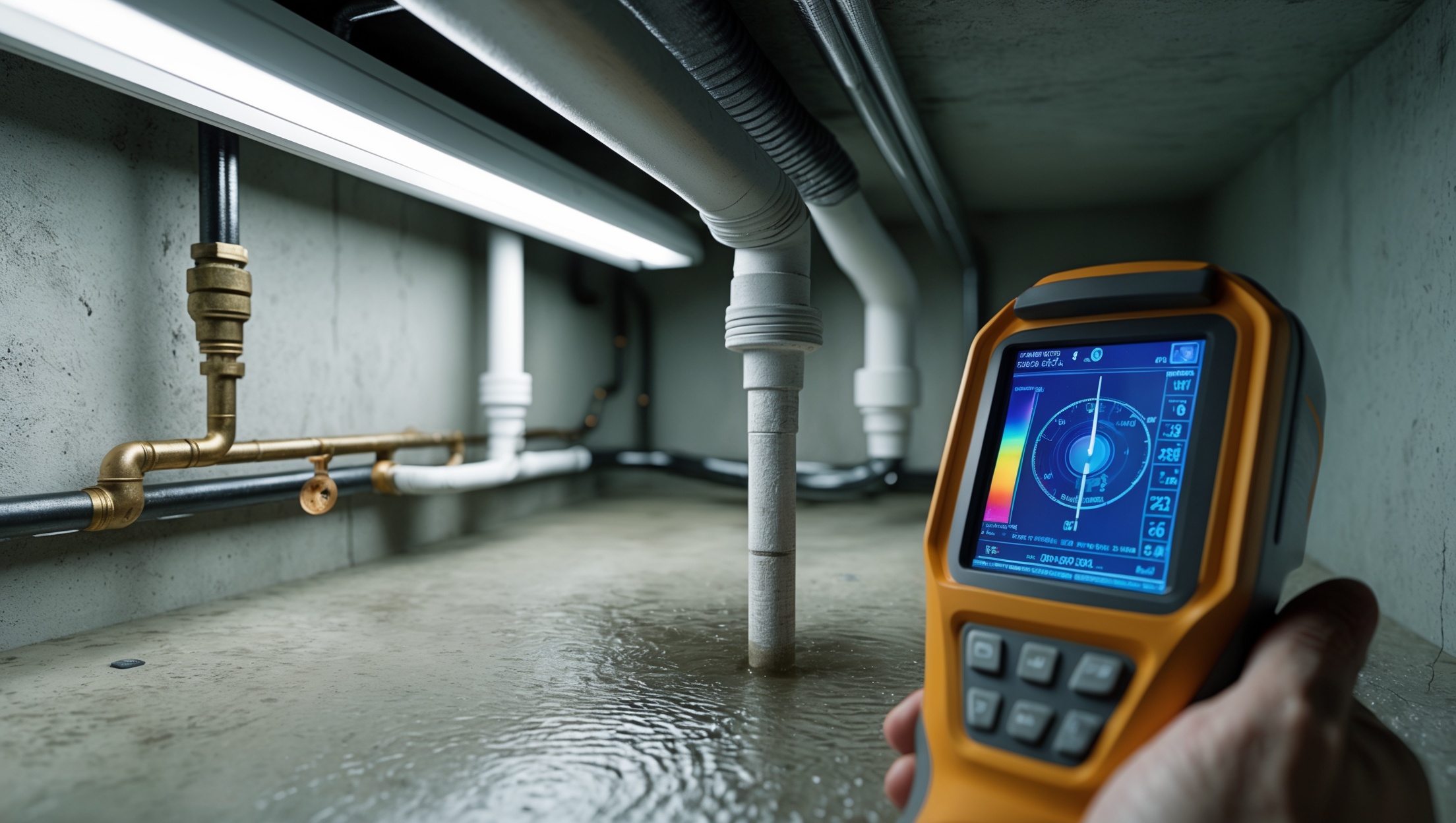
Start in the basement, crawlspace, and any unheated areas where pipes may have been exposed to freezing temperatures. Closely examine visible pipes for:

  • Hairline cracks or splits, especially at joints
  • Signs of rust, corrosion, or mineral deposits
  • Moisture, puddling, or water stains under pipes

Use a flashlight to check behind insulation and around bends. Even small cracks can cause significant leaks once thawed. If you find damage, shut off the water supply to the affected section and call a licensed plumber for assessment and repair.

1.2 Examine Pipe Insulation

Inspect foam sleeves and wrap-around insulation for tears, mold, or compression. Replace any damaged insulation to maintain protection against next winter’s freeze.

1.3 Review Exterior Wall Penetrations

Look for gaps where pipes enter the home’s exterior. Seal any openings with expanding foam or silicone caulk to keep out moisture and pests.

2. Sump Pump and Drainage System Readiness

2.1 Test Your Sump Pump

Spring thaw and rain can quickly overwhelm your sump pit. To ensure your sump pump is ready:

  • Pour a bucket of water into the pit to trigger the float switch
  • Listen for smooth, quiet operation
  • Confirm the pump activates and empties the pit promptly
  • Check the power cord and connect to a GFCI outlet
  • Inspect the discharge pipe for leaks, clogs, or signs of freezing

If the pump fails to activate or struggles to remove water, clean the pit and check for debris blocking the intake screen. Replace the unit if performance issues persist.

2.2 Clear Floor Drains and Traps

Remove any debris from floor drains in the basement, garage, or utility rooms. Pour water down each drain to ensure it flows freely and the trap remains full, which prevents sewer gases from entering your home.

2.3 Assess Exterior Drainage

Walk around your property and inspect:

  • Gutter downspouts—ensure they extend at least 6 feet from the foundation
  • French drains and yard grates—clear leaves, mud, and ice
  • Driveway and patio drains—remove blockages to prevent pooling

3. Outdoor Fixtures and Irrigation Systems

3.1 Reconnect and Inspect Outdoor Faucets

Once overnight temperatures consistently stay above freezing, reconnect hoses and turn on the outdoor water supply. Check for leaks at spigots and hose bibs. If water seeps from the wall or base of the faucet, the pipe may have burst inside—turn off the supply and have it inspected.

3.2 Service Irrigation Lines

Slowly pressurize in-ground sprinkler or drip irrigation systems. Walk the yard and look for:

  • Broken sprinkler heads or emitters
  • Wet spots or pooling that indicate underground leaks
  • Areas where water pressure seems unusually low

Clean or replace clogged filters and flush lines to remove debris introduced over winter.

3.3 Inspect Backflow Preventers

Backflow preventers protect your potable water from contamination. Inspect the device for cracks, leaks, and secure mounting. Schedule annual testing by a certified professional if required by local code.

4. Water Heater Checkup

4.1 Flush the Tank

Mineral sediment accumulates over winter, especially if your water is hard. To flush your water heater:

  • Turn off the power/gas and cold water inlet
  • Attach a hose to the drain valve and direct it to a floor drain
  • Open the drain valve and let the tank empty completely
  • Briefly turn on the cold water supply to stir and remove remaining sediment
  • Close the drain, refill, and restore power/gas

Flushing extends the heater’s life and maintains energy efficiency.

4.2 Inspect for Leaks and Corrosion

Check the base of the heater for rust, puddling, or mineral buildup. Look at pipe connections and the temperature and pressure relief (TPR) valve for drips. Address any leaks immediately to prevent tank failure.

5. Interior Plumbing: Faucets, Toilets, and Appliances

5.1 Examine Faucets and Shut-Off Valves

Test each faucet for smooth operation and leaks at the handle or spout. Inspect under-sink shut-off valves for corrosion or dampness. Exercise each valve to prevent seizing and replace if they do not fully open or close.

5.2 Test Toilets for Hidden Leaks

Add a few drops of food coloring to the tank and wait 30 minutes without flushing. If colored water appears in the bowl, the flapper is leaking and should be replaced. Listen for constant running or phantom flushes, which also indicate internal leaks.

5.3 Appliance Supply Lines

Inspect water supply hoses for washing machines, dishwashers, and ice makers. Look for:

  • Brittle or bulging rubber hoses
  • Corroded fittings
  • Signs of moisture beneath or behind appliances

Replace rubber hoses with braided stainless steel lines for increased durability.

6. Preventative Steps for the Season Ahead

6.1 Install or Test Leak Detectors

Place battery-operated or smart leak detectors in high-risk areas such as under sinks, near the water heater, and next to the sump pump. Test existing detectors and replace batteries as needed.

6.2 Review Your Water Main Shut-Off

Identify the main shut-off valve location and make sure it turns smoothly. Tag it clearly for quick access in an emergency. All household members should know its location and operation.

6.3 Schedule a Professional Inspection (If Needed)

If you identify persistent moisture, unexplained water bill increases, or suspect issues with concealed plumbing, consider hiring a licensed plumber for a comprehensive inspection. They can use cameras and pressure testing to reveal hidden problems.

7. Pro Tips: Upgrades and Preventative Investments

7.1 Consider Automatic Shut-Off Valves

Smart water shut-off valves can detect abnormal flow and automatically stop water supply, protecting your home from catastrophic leaks. These are especially valuable if you travel frequently or own rental properties.

7.2 Upgrade to Freeze-Resistant Hose Bibs

If you experienced outdoor faucet issues, consider replacing standard hose bibs with frost-free models. They’re designed to prevent freezing and bursting even in harsh climates.

7.3 Install Backwater Valves

For homes prone to spring flooding or heavy rains, a backwater valve helps prevent municipal sewage from backing up into your basement. This is a wise investment in older neighborhoods or areas with aging infrastructure.

8. Troubleshooting: What to Do If You Find a Problem

8.1 Minor Leaks

For small drips at visible joints, try tightening connections or replacing worn washers. Use plumber’s tape on threaded fittings. If leaks persist, consult a professional.

8.2 Signs of Serious Issues

Contact a licensed plumber immediately if you observe:

  • Large or continuous leaks
  • Water stains appearing suddenly on ceilings or walls
  • Sewage odors or slow drains throughout the house
  • Significant drop in water pressure

Quick response protects your home from widespread damage and costly repairs.

Conclusion: Enjoy Spring with Confidence

Tackling a thorough spring plumbing checklist may not be the most glamorous task, but it’s one of the smartest ways to protect your home, your budget, and your peace of mind. By systematically inspecting pipes, sump pumps, drains, outdoor fixtures, and appliances, you catch developing issues early—often while they’re still minor fixes. Proactive maintenance helps prevent disruptive leaks, basement floods, water heater breakdowns, and other costly surprises that can derail your spring plans or lead to insurance headaches. Even a few hours devoted to this checklist can extend the lifespan of your plumbing system, improve water efficiency, and keep your living spaces healthy and comfortable as the weather warms. If you’re unsure about any findings, don’t hesitate to call a professional. And remember: a little preventative effort now means more time to enjoy the sunny days ahead, with the peace of mind that comes from a plumbing system that’s truly ready for spring.


196 comments
Joshua Brown

When inspecting basement or crawlspace pipes for cracks after winter, how do you tell the difference between harmless surface rust and signs that a pipe is about to start leaking?

    Mario The Plumber

    Surface rust usually appears as a thin, reddish-brown discoloration and feels rough but doesn’t flake off or reveal pitting. If you notice deep pitting, flaking metal, damp spots, or greenish stains, these are warning signs of serious corrosion or imminent leaks. Gently press around any rusty areas; if the pipe feels soft or deforms, it may be at risk and should be checked by a plumber.

Sean Moore

Could you clarify how to tell the difference between normal condensation and a genuine leak or crack in pipes after winter? Sometimes I see moisture or staining under pipes but I’m not sure when it’s a real problem versus just humidity.

    Mario The Plumber

    Condensation usually forms as droplets on the outside of cold pipes, especially when humid air hits chilled surfaces. It tends to evaporate when the room is dry or warms up. A real leak or crack will cause moisture or stains that persist, may feel slimy, or cause pooling, and the area might smell musty over time. If you notice discoloration, peeling paint, or consistent wet spots under pipes, it’s best to have them inspected for leaks.

Matthew Perez

I noticed your checklist highlights checking for hairline cracks in pipes, especially at the joints. If I do spot a small crack on my own, is there a safe temporary fix before a plumber can come out, or should I completely avoid turning the water back on?

    Mario The Plumber

    If you find a small crack in a pipe, it’s best to avoid turning the water back on if you can, as even minor leaks can quickly cause water damage. If you absolutely must use the water, you can apply waterproof pipe repair tape or an epoxy putty as a temporary fix, but this is only a short-term measure. Make sure to monitor the area and contact a plumber as soon as possible for a permanent repair.

Joshua Anderson

If I discover hairline cracks in my pipes during the spring inspection, but there is no visible leaking yet, is it still necessary to call a plumber right away or can I monitor them for a while?

    Mario The Plumber

    It’s best to call a plumber as soon as you notice hairline cracks, even if there’s no visible leaking. Small cracks can quickly worsen with temperature changes and increased water pressure in spring. Addressing the issue early can help prevent water damage and more expensive repairs down the line.

Helen Lewis

What would be an average budget small business owners should set aside for these types of spring plumbing inspections and minor repairs, including professional help if they find pipe cracks or leaks?

    Mario The Plumber

    For small business owners, setting aside $300 to $800 is reasonable for spring plumbing inspections and minor repairs, including hiring a professional plumber if pipe cracks or leaks are found. The exact amount depends on your system’s size and local rates. This budget should cover the inspection, basic maintenance, and minor fixes like sealing leaks or replacing small sections of pipe.

Tyler Smith

Regarding the use of expanding foam or silicone caulk for sealing exterior wall gaps, is one preferable over the other for long-term weather resistance, or does it depend on the type of pipe and siding material?

    Mario The Plumber

    The best choice depends on the materials involved. Expanding foam works well for larger gaps, especially with irregular surfaces, but it can degrade with prolonged UV exposure. Silicone caulk, on the other hand, offers greater long-term weather resistance and flexibility, making it preferable for sealing around pipes and siding, especially where movement or moisture is an issue. For most exterior wall gaps, silicone caulk is generally the better long-term option.

Andrew Williams

I’m curious about the best timeframe to conduct this spring plumbing checklist. Should I wait until all the snow has melted, or is it better to start right when temperatures begin to rise, even if there’s still some frost outside?

    Mario The Plumber

    You don’t have to wait until every bit of snow is gone to start your spring plumbing checklist. It’s actually smart to begin as soon as temperatures rise consistently above freezing, even if some frost or snow remains. Early checks help catch any winter damage and prevent potential leaks when the full thaw arrives.

Julie Williams

Can you recommend affordable pipe insulation options for homeowners with a tight budget? It sounds like replacing damaged insulation is important before next winter.

    Mario The Plumber

    Absolutely, replacing damaged pipe insulation is a smart move before winter returns. For homeowners on a budget, foam pipe sleeves are often the most affordable and easy-to-install option. You can find them at most hardware stores, and they simply slip over your pipes. Foam tape is another budget-friendly choice for awkward spots or fittings. Both options provide good protection against freezing and help improve energy efficiency.

Ashley Martin

How early in the spring should these plumbing inspections be performed to minimize the risk of leaks or flooding? Is it better to check pipes right after the first thaw, or should certain tasks wait until the ground has fully thawed out?

    Mario The Plumber

    Aim to start your plumbing inspections as soon as the first major thaw has occurred and daytime temperatures consistently stay above freezing. This is when pipes are most vulnerable to leaks from any freeze damage over the winter. However, wait until the ground is fully thawed before tasks that require digging or outdoor plumbing work, like checking buried pipes or exterior faucets.

Sarah Robinson

The guide recommends replacing damaged pipe insulation, but are there affordable insulation materials you’d suggest for someone on a tight college student budget? Does the insulation type make a big difference for next winter?

    Mario The Plumber

    For a tight budget, foam pipe sleeves are one of the cheapest and easiest-to-install options. You can often find them at hardware stores for a few dollars per length. Even wrapping pipes with thick layers of old towels and securing them with tape can help as a temporary fix. The insulation material does matter for severe winter cold, but for mild to moderate climates, any improvement will help prevent freezing and save energy.

Michelle Lewis

For a retail store with limited maintenance staff, what would be the most budget-friendly way to prioritize the tasks in your spring plumbing checklist without hiring a professional for every step?

    Mario The Plumber

    For a retail store with limited maintenance staff, focus first on the most critical and cost-effective tasks. Start by checking visible pipes for leaks, ensuring floor drains are clear, and testing any sump pumps. These steps require minimal tools and can prevent expensive damage. Leave tasks that involve major repairs or require plumbing expertise for future consideration or professional help if absolutely necessary.

Joshua Garcia

When replacing damaged pipe insulation after winter, do you recommend foam sleeves or wrap-around insulation for colder climates? I noticed you mentioned both, but I’m not sure what’s better to use.

    Mario The Plumber

    For colder climates, foam sleeves are generally the better option because they provide more consistent and thicker insulation compared to wrap-around types. Foam sleeves are also easier to install on straight pipe runs and offer a tighter seal against cold air. Wrap-around insulation can work for irregular shapes or tight spaces, but for maximum freeze protection, foam sleeves are usually preferred.

Nancy Moore

When inspecting pipe insulation for damage, is there a particular brand or type you recommend that’s more durable through harsh winters? I’m considering upgrading but want something that will last longer.

    Mario The Plumber

    For harsh winters, closed-cell foam pipe insulation tends to perform well due to its moisture resistance and durability. Brands like Armacell (Armaflex) and Frost King have strong reputations for longevity. Look for insulation with a higher R-value and UV resistance if your pipes are exposed. Double-check sizing to ensure a snug fit, as proper installation is just as important for durability.

John Jones

When inspecting pipes for hairline cracks after winter, how can I tell if a small crack is something I can patch myself or if it definitely needs a professional plumber? I’m not sure what level of damage is considered safe to handle as a DIYer.

    Mario The Plumber

    If the crack is very small (like a hairline) and there’s no active leaking, you might be able to patch it temporarily with epoxy putty or pipe repair tape. However, if there’s steady dripping, signs of rust or corrosion, or if the crack is more than a surface mark, it’s best to call a professional. Also, cracks in main or load-bearing pipes should always be left to a plumber.

James Clark

When inspecting pipe insulation, how do I know if compression is bad enough that it needs to be replaced, or if it’s still okay for next winter? Is there a certain thickness to look for?

    Mario The Plumber

    To judge pipe insulation, check if it’s become noticeably thin, flat, or hard rather than staying puffy and springy. If the insulation is compressed to less than half its original thickness, or gaps are visible, it should be replaced. For most home plumbing, aim for insulation that’s still about 1/2 inch thick after installation. If in doubt, it’s safer to replace compressed sections before next winter.

Mary Thompson

About winter damage to pipes, how urgent is it to address minor rust spots or mineral deposits? Can these be left until next winter if there aren’t any visible leaks, or should they be dealt with now to prevent bigger problems?

    Mario The Plumber

    It’s best to address minor rust spots and mineral deposits as soon as you notice them, even if there aren’t any leaks. These issues can worsen over time, especially with seasonal changes, leading to corrosion or blockages. Taking care of them now helps prevent bigger, more costly problems down the line and ensures your plumbing system remains in good condition.

Daniel Robinson

When inspecting foam sleeves and pipe insulation for damage, is there a specific type or brand of replacement insulation you recommend for older properties to prevent next winter’s freeze?

    Mario The Plumber

    For older properties, look for closed-cell polyethylene or rubber foam pipe insulation, which provides reliable protection against freeze-ups. Brands like Frost King or Armacell are commonly used and fit older copper or galvanized pipes well. Make sure you match the insulation’s inner diameter to your pipe size and choose at least 1/2-inch thickness for cold climates. Secure the sleeves tightly and seal joints with weather-resistant tape for best results.

Mark Brown

For homes with finished basements, do you recommend any additional steps when checking for moisture or water stains under pipes during spring thaw? I am concerned about missing early signs of leaks hidden behind drywall or insulation.

    Mario The Plumber

    For finished basements, it’s a good idea to pay extra attention to subtle signs like musty odors, bubbling paint, or discoloration on walls and ceilings, which can indicate hidden moisture. Consider using a moisture meter to detect dampness behind drywall or near pipe runs. Checking baseboards and carpet edges for dampness, and inspecting regularly after the thaw, can help catch leaks early before they cause major damage.

Thomas White

When checking my basement pipes for cracks after the winter, are there certain areas or types of pipes that are more likely to have hidden damage I might miss on a visual inspection?

    Mario The Plumber

    Yes, some areas are more prone to hidden damage, especially where pipes bend, pass through walls, or are near exterior walls exposed to cold. Pay close attention to joints, elbows, and any older metal pipes, as these can develop small cracks or pinhole leaks. Insulated pipes can also hide issues, so feel along them for dampness or swelling even if nothing appears wrong at first glance.

Mary Anderson

I noticed the checklist suggests inspecting foam pipe insulation for tears or mold. How often should this insulation typically be replaced, and are there particular brands or materials you recommend for durability through multiple freeze-thaw cycles?

    Mario The Plumber

    Foam pipe insulation should generally be checked each year and replaced if you see cracks, tears, or mold growth. With good care, quality insulation can last about 5 to 7 years. For durability during freeze-thaw cycles, closed-cell polyethylene or rubber insulation is a solid choice. Brands like Frost King and Armaflex are well-regarded for their resilience and longevity in changing temperatures.

Tyler Clark

How soon after the spring thaw should I go through this checklist to catch any hidden damage before it leads to leaks or flooding? Is there an ideal timeframe for these inspections?

    Mario The Plumber

    It’s best to go through the checklist as soon as the ground has fully thawed and temperatures remain above freezing, usually within a week or two after the spring thaw. Early inspection helps you spot any winter-related damage before it has a chance to cause leaks or flooding, so acting quickly is ideal.

Jennifer Ramirez

When checking for cracks in pipes after winter, are there any specific types of pipes or materials that are more likely to get damaged, like copper versus PVC? How would I tell the difference if I am not experienced with plumbing?

    Mario The Plumber

    Copper pipes are more prone to cracking from freezing and thawing because they can split if water inside freezes. PVC pipes can become brittle in very cold weather but are less likely to burst in typical indoor settings. To tell the difference, copper pipes are metallic and reddish-brown, while PVC pipes are usually white or cream plastic. If you see bulges, discoloration, or water marks along any pipe, these are signs of possible damage that should be checked further.

Joshua Clark

When inspecting pipe insulation after winter, do you have any recommendations on which type of replacement insulation works best for high-moisture basements? I want to make sure I’m choosing something durable and resistant to mold going into next winter.

    Mario The Plumber

    For high-moisture basements, closed-cell foam pipe insulation is an excellent choice. It’s highly resistant to moisture absorption, which helps prevent mold and mildew growth. Look for insulation with a built-in vapor barrier or consider adding vapor-seal tape at the seams for extra protection. Avoid fiberglass unless it’s specifically jacketed for moisture resistance. This approach should keep your pipes well-protected and durable through the next winter.

Tyler Smith

Regarding pipe insulation, is it better to stick with foam sleeves, or are there other insulation methods that hold up better to mold and compression, especially in damp basements?

    Mario The Plumber

    Foam sleeves are popular for their ease of use and affordability, but in consistently damp basements, they can be prone to mold growth and compression over time. For better durability, consider closed-cell rubber insulation, which resists both mold and moisture more effectively. Fiberglass pipe wrap with a vapor barrier is another good option, especially for preventing condensation in humid spaces.

Barbara Lopez

Could you elaborate on what kinds of pipe insulation materials are best for homes in regions with extreme winter freezes, and whether upgrading to a higher grade is worth the investment as spring approaches?

    Mario The Plumber

    For regions with extreme winter freezes, closed-cell foam pipe insulation and fiberglass pipe wrap are both excellent choices because they offer high resistance to heat loss and are less likely to absorb moisture. Upgrading to a higher grade, such as thicker foam or fiberglass, can definitely be worthwhile—especially if your pipes are in unheated spaces. Even as spring approaches, insulation can help prevent cold snaps from causing late-season problems and also increases energy efficiency year-round.

Diane Johnson

You mention replacing damaged foam sleeves or insulation around pipes for next winter. Are there particular insulation types or brands you recommend for colder regions? I want to make sure I’m using the most effective products to prevent freezing again.

    Mario The Plumber

    In colder regions, closed-cell foam pipe insulation is highly effective because it provides better protection against freezing temperatures and moisture compared to open-cell types. Look for products with a higher R-value, ideally R-3 or more, for maximum performance. Brands like Frost King and Armaflex are reputable and widely used by professionals. Make sure to choose insulation that fits tightly around your pipes and seal any seams with special insulation tape to prevent cold air from reaching the pipes.

Sandra Lee

You mention checking pipe insulation for damage and replacing it if needed. Are there specific types or brands of pipe insulation that work best for harsh winters, or are the foam sleeves at the hardware store usually good enough?

    Mario The Plumber

    For harsh winters, foam sleeves from the hardware store can be sufficient for mild cold, but in areas with extreme cold, consider using thicker, closed-cell foam or fiberglass pipe insulation with a vapor barrier. Some brands also make insulation specifically rated for subzero temperatures. Make sure the insulation fits snugly around the pipes and always seal joints and corners to prevent cold air infiltration.

Jessica Garcia

When inspecting for hairline cracks in pipes after winter, are there any particular types of pipe material—like copper versus PVC—that are more likely to develop hidden splits during freezing temperatures?

    Mario The Plumber

    Copper pipes are generally more vulnerable to forming hairline cracks due to freezing, since metal expands less than ice and can split under pressure. PVC pipes, on the other hand, can become brittle in cold temperatures and might develop splits or breaks, especially if they were already under stress. Both types need careful inspection, but copper is often more prone to those hidden, fine cracks after a freeze.

Donna Brown

Does replacing pipe insulation after winter damage require a specific type of foam sleeve, or are generic versions from big-box stores sufficient for most homes? I want to make sure I get the right level of freeze protection for next year.

    Mario The Plumber

    For most homes, generic foam pipe sleeves from big-box stores provide adequate protection, as long as they are the correct diameter and thickness—typically at least 1/2 inch. If your area experiences very harsh winters or your pipes are in especially cold spaces, look for sleeves labeled for extreme temperatures or with thicker insulation. Always ensure a snug fit, and seal seams with insulation tape for the best freeze protection.

Diane Anderson

What should property managers look for when checking sump pumps specifically in older buildings after a harsh winter? Are there extra checks beyond just ensuring the pump turns on?

    Mario The Plumber

    When inspecting sump pumps in older buildings after winter, property managers should check for debris or sediment that might clog the pump and pit, inspect the discharge line for blockages or freezing, and confirm the check valve is functioning properly. Also, look for signs of rust, worn electrical cords, and any unusual noises or vibrations when the pump runs. Testing the pump with a bucket of water is a good way to confirm it’s moving water efficiently.

Margaret Johnson

If damaged pipe insulation is found, is it better to replace the whole sleeve or just patch the damaged section? Also, should I be looking for any specific type of insulation for colder climates to prepare for next winter?

    Mario The Plumber

    If you find damaged pipe insulation, it’s usually best to replace the entire sleeve if the damage is extensive or the insulation is old, as this ensures consistent protection. For small, localized damage, patching with compatible insulation material can work. For colder climates, look for foam or fiberglass pipe insulation with a higher R-value for better thermal protection, and make sure it’s rated for freeze protection to prepare for next winter.

Susan Jackson

Replacing pipe insulation after winter—are there specific materials or thicknesses you recommend for homes in colder climates to prevent recurring problems next year?

    Mario The Plumber

    For colder climates, it’s best to use foam pipe insulation with a thickness of at least 1 inch for most residential pipes. Closed-cell polyethylene or rubber insulation are both durable options. Focus on insulating pipes in unheated spaces like basements and crawl spaces. If your area experiences extreme cold, consider thicker insulation or even wrapping pipes with heat tape before adding the insulation for extra protection.

Betty Taylor

Could you clarify how soon after the spring thaw we should complete this plumbing checklist? Is it best to inspect everything right when temperatures start rising, or can I safely wait a few weeks if I’m really busy?

    Mario The Plumber

    It’s best to go through the plumbing checklist as soon as possible after the spring thaw, especially once temperatures are staying consistently above freezing. This early check helps you catch any winter damage or leaks before they become bigger issues. If you need to wait a week or two due to your schedule, that’s usually fine, but try not to delay much longer to avoid possible problems.

Betty Ramirez

What’s a reasonable timeframe for doing all these checks once spring starts? Is it best to do everything in one weekend or space the tasks out as the weather gets warmer?

    Mario The Plumber

    It’s best to start your plumbing checks soon after the weather consistently stays above freezing, but you don’t have to do everything in one weekend. Spacing tasks over a few weekends can make the process less overwhelming and allow you to address outdoor or more involved checks as temperatures warm up. Just aim to complete the checklist within the first month of spring.

Patricia Johnson

When sealing gaps around exterior pipe penetrations, is there a particular type of silicone caulk or expanding foam that’s best for preventing both moisture and pest entry, or are generic hardware-store brands sufficient?

    Mario The Plumber

    For sealing exterior pipe penetrations, look for a high-quality exterior-grade silicone caulk specifically labeled as waterproof and mold-resistant. These are effective against moisture and pests. For larger gaps, exterior-use expanding foam that is pest- and water-resistant can work well. While some hardware-store brands are sufficient, always check the label for exterior suitability and pest deterrence rather than choosing a generic, all-purpose product.

James Miller

After inspecting pipes for cracks and finding only minor signs of corrosion, is there a cost-effective way to treat or reinforce those spots myself, or should I always bring in a professional for corrosion issues?

    Mario The Plumber

    If you only see minor corrosion, you can usually handle it yourself. Light surface corrosion can often be removed gently with a wire brush, then treated with a rust inhibitor or protective pipe wrap. After cleaning, monitor the area regularly for further changes. However, if you notice the corrosion spreading, pitting, or any leaks, it’s safer to call a professional to prevent bigger issues later.

Jessica Anderson

In the checklist, you mention checking for hairline cracks or splits in exposed pipes. If I find a small crack but there’s no obvious leak yet, is there a temporary fix I can do myself to prevent further damage before a plumber can get here?

    Mario The Plumber

    If you spot a small crack in a pipe but there’s no leak yet, you can temporarily reinforce the area by wrapping it with waterproof pipe repair tape or using epoxy putty designed for plumbing. This helps prevent the crack from worsening until a plumber arrives. Make sure to monitor the area for any signs of leaking and limit water flow through that pipe if possible.

Jessica White

When inspecting for hairline cracks or splits in pipes after winter, are there specific materials or types of pipes that tend to be more vulnerable to freeze damage during the spring thaw?

    Mario The Plumber

    Yes, certain pipe materials are more prone to freeze damage after winter. Older galvanized steel and cast iron pipes can develop splits due to corrosion and age. Copper pipes, although durable, may crack at weak soldered joints. Plastic pipes like PVC and CPVC are also susceptible to cracking since they become brittle in cold temperatures. Pay extra attention to exposed or uninsulated sections of these materials during your inspection.

Jessica Gonzalez

For students renting off-campus housing, how do you suggest approaching a landlord about visible pipe damage or missing insulation found during a spring inspection?

    Mario The Plumber

    If you notice visible pipe damage or missing insulation during your inspection, document the issues with clear photos and detailed notes. Contact your landlord promptly, describe what you found, and explain how it could lead to leaks or higher bills. Request repairs or insulation in writing—email is best—so you have a record. If possible, mention that fixing these issues helps prevent more expensive problems later.

Mary Davis

For replacing damaged pipe insulation after winter, is there a particular type of foam sleeve or insulation you’d recommend for homes in colder regions, and is there a big difference in cost or effectiveness between the options?

    Mario The Plumber

    For homes in colder regions, closed-cell polyethylene or rubber foam pipe sleeves are excellent choices as they offer better insulation than standard foam. Rubber insulation, while often a bit more expensive, tends to be more durable and resistant to moisture. Polyethylene sleeves are cost-effective and work well for most indoor pipes. The difference in effectiveness can be significant in freezing climates, so it’s worth investing in higher-quality insulation if you want maximum protection.

Karen Taylor

You mention sealing exterior wall penetrations with expanding foam or silicone caulk. Are there scenarios where one is clearly better than the other, especially to prevent pest entry and moisture in particularly harsh climates?

    Mario The Plumber

    Expanding foam is great for filling larger gaps and provides excellent insulation, making it ideal in harsh climates where you need a tighter seal against both pests and moisture. Silicone caulk, on the other hand, is best for smaller gaps and areas that might need flexibility or exposure to sunlight, since it resists cracking. For maximum protection, you can use foam for bulk filling and finish the edges with silicone caulk to create a complete seal.

George Hernandez

If I find damaged pipe insulation that has some mold on it, what is the recommended way to safely remove and replace it? Are there any health precautions I should take during this process?

    Mario The Plumber

    If you find pipe insulation with mold, wear gloves, goggles, and an N95 mask to protect yourself from mold spores. Carefully remove the damaged insulation and seal it in a plastic bag before disposal. Clean the pipe with a mold-killing cleaner and let it dry fully before installing new insulation. If the mold is widespread or you have respiratory issues, consider hiring a professional.

Elizabeth Taylor

The article mentions inspecting sump pumps but cuts off—could you explain what signs I should watch for in early spring to know if my sump pump needs repair or replacement?

    Mario The Plumber

    In early spring, listen for any unusual noises, like grinding or rattling, from your sump pump. Make sure the pump turns on and off properly when water enters the pit. Watch for water accumulating around the basement or pit, which could mean it’s not pumping correctly. If you notice foul odors, visible rust, or the pump runs constantly without removing water, it’s likely time for repair or replacement.

Christopher Anderson

How do I tell if moisture or water stains under pipes are from a current leak versus leftover from something that happened earlier in the season?

    Mario The Plumber

    To check if water stains under pipes are from an active leak, first dry the area thoroughly and place a piece of dry paper towel or cardboard underneath the pipe. Check it after a day or two—if it stays dry, the stain was likely from an earlier issue. If it gets wet again, you probably have a current leak that needs attention.

David Thompson

When inspecting for water stains or puddling under pipes, are there certain materials or types of flooring that make hidden leaks harder to notice after the spring thaw? Any tricks for spotting less obvious signs of moisture?

    Mario The Plumber

    Yes, leaks can be harder to spot under materials like carpet, laminate, or tile, since moisture can travel underneath without obvious surface signs. Wood floors might show warping or discoloration. To catch less obvious leaks, check for musty odors, feel for soft spots or dampness near pipes, and look for any mold or mildew. Using a moisture meter near suspect areas can also help reveal hidden dampness.

Julie Moore

How often should I be checking and resealing the exterior wall penetrations to keep out moisture and pests? Is this something that usually needs attention every spring, or just after especially harsh winters?

    Mario The Plumber

    It’s best to check and reseal the exterior wall penetrations at least once a year, ideally during your spring plumbing inspection. However, if you’ve had an especially harsh winter, it’s wise to inspect them again for any cracks or gaps that may have developed. Regular annual attention helps prevent moisture and pests, but double-checking after tough weather is always a good idea.

Matthew Lewis

If I notice moisture or water stains under pipes in my crawlspace, could that be from condensation or is it always a sign of a leak? How do you tell the difference during spring thaw conditions?

    Mario The Plumber

    Moisture or water stains under pipes in your crawlspace can be caused by either condensation or a leak, especially during spring thaw when temperature changes are common. To tell the difference, dry the area thoroughly, then check again after a day or two. If new moisture appears only when pipes are used, it may indicate a leak. If it forms even when pipes aren’t in use, it’s likely condensation. Insulating cold pipes can help reduce condensation.

David Moore

You mention checking pipe insulation for damage like mold and compression. Is there a specific type or thickness of insulation you recommend for older homes to help prevent freezing next winter?

    Mario The Plumber

    For older homes, closed-cell foam pipe insulation with a thickness of at least 1 inch is generally recommended. This type provides better protection against freezing because it resists moisture and has a higher insulating value. Make sure the insulation fits snugly around pipes without gaps, especially in unheated areas like basements or crawl spaces, to maximize its effectiveness during winter.

Christopher Lewis

You mentioned replacing damaged foam pipe insulation before next winter. Are there specific types or brands of insulation you recommend for homes in really cold climates, or is any standard foam sleeve good enough?

    Mario The Plumber

    In really cold climates, it’s best to use closed-cell foam pipe insulation with a thickness of at least 1 inch for maximum protection. Brands like Frost King and Armacell are known for quality products. Look for insulation labeled for outdoor or extreme temperatures, and make sure it has a vapor barrier to prevent moisture buildup. Standard thin foam sleeves might not provide enough insulation in harsh winters.

Betty Thomas

If I find a small hairline crack in a copper pipe during my spring inspection, is there a reliable temporary DIY fix to prevent leaks until a plumber can come out, or should I always leave the water shut off until it’s repaired professionally?

    Mario The Plumber

    If you spot a hairline crack in a copper pipe, you can use pipe repair tape or an epoxy putty designed for plumbing as a temporary fix. Clean and dry the area before applying the patch. This may hold off leaks for a short time, but it’s still safest to limit water use in that area and get a plumber in as soon as possible.

Richard Lee

For homes that use well water instead of city water, does the spring plumbing checklist differ at all in terms of what to inspect after winter, especially regarding outdoor fixtures and pipes?

    Mario The Plumber

    If your home uses well water, your spring plumbing checklist should include a few extra steps beyond what’s needed for city water. After winter, check your well pump, pressure tank, and any exposed pipes for leaks or damage caused by freezing. Inspect outdoor spigots and irrigation systems, ensuring they are connected properly and run clear. It’s also a good time to test your water quality, as thawing can sometimes introduce contaminants into your well.

Christopher Williams

Are there any budget-friendly ways to repair minor insulation damage myself, or does it usually make more sense to invest in higher quality materials? I’m trying to balance cost with keeping my pipes safe for next winter.

    Mario The Plumber

    You can definitely handle minor insulation repairs yourself with budget-friendly options like foam pipe wraps or insulation tape from most hardware stores. These are easy to install and effective for small fixes. However, if the insulation is heavily damaged or exposed to frequent moisture, you may want to invest in higher quality materials for better protection and long-term savings. For most minor issues, a DIY solution works well.

Elizabeth Moore

If I find moisture or water stains under pipes but no obvious crack or leak, what should my next steps be to figure out where the water is coming from and prevent damage?

    Mario The Plumber

    If you notice moisture or water stains under pipes but can’t find a visible crack or leak, start by drying the area thoroughly and then check periodically to see if moisture reappears. Inspect pipe joints and connections for condensation or slow drips, especially during temperature changes. Wrapping tissue paper around suspected areas can help reveal subtle leaks. If you can’t identify the source or the problem persists, it’s wise to call a plumber to avoid hidden water damage.

Helen Robinson

You mention using expanding foam or silicone caulk to seal gaps where pipes enter the home. Are there specific products or techniques that work better to prevent pests along with moisture, especially in older homes with uneven surfaces?

    Mario The Plumber

    For older homes with uneven surfaces, using a high-quality expanding polyurethane foam specifically labeled for pest resistance is very effective. Some foams contain additives to deter rodents and insects. For smaller or more irregular gaps, silicone caulk works well, especially if it’s a pest-blocking formula. Start by cleaning the area, then fill large gaps with pest-resistant foam and seal the edges with silicone caulk for extra protection.

James Clark

The article suggests replacing damaged pipe insulation after winter. Are there specific materials you recommend for insulation that will hold up better through harsh winters and prevent future issues?

    Mario The Plumber

    For harsh winters, closed-cell foam pipe insulation and fiberglass pipe wrap are both excellent options. Closed-cell foam resists moisture and remains effective in freezing temperatures, while fiberglass wrap provides extra durability and handles temperature swings well. Make sure to choose insulation with a thick enough wall (typically at least 1/2 inch) for maximum protection. Sealing joints and ends with weather-resistant tape also helps prevent future issues.

Lisa Moore

For replacing damaged pipe insulation, is it worth investing in higher-grade products after a harsh winter, or will standard foam sleeves provide sufficient protection for most homes when temperatures drop again?

    Mario The Plumber

    If your area experiences very harsh winters or frequent freeze-thaw cycles, investing in higher-grade pipe insulation can offer better protection and durability than standard foam sleeves. However, for most homes with moderate winter temperatures, standard foam sleeves are usually sufficient. Consider your local climate and how often your pipes are exposed to extreme cold before deciding.

Richard Davis

For sealing exterior wall penetrations with expanding foam or silicone, do you have tips on which material holds up better over time, especially in areas with a lot of spring rain and moisture?

    Mario The Plumber

    For areas exposed to heavy spring rain and moisture, silicone sealant generally holds up better over time compared to expanding foam. Silicone is more flexible, waterproof, and resistant to UV rays, so it won’t degrade or crack as quickly. Expanding foam is good for insulation but can break down when exposed to moisture. For exterior wall penetrations, use silicone for weatherproof sealing and durability.

Jason Lopez

If I find a minor split in a pipe during my inspection, is it safe to just shut off the supply and wait a day or two for a plumber, or can small cracks get dramatically worse with the spring thaw?

    Mario The Plumber

    Small cracks in pipes can worsen quickly, especially during spring thaw when temperature changes and increased water flow put extra stress on plumbing. Shutting off the supply is a good first step, but it’s best not to wait, as splits can expand or start leaking suddenly. Arrange for repairs as soon as possible to avoid potential water damage.

Lisa Wilson

You mentioned checking gaps where pipes enter exterior walls and sealing them—do you recommend expanding foam or silicone caulk for certain situations, or should both always be used together for the best seal against pests and moisture?

    Mario The Plumber

    Expanding foam is great for filling larger gaps around pipes because it creates a tight seal and helps insulate. Silicone caulk is best for smaller cracks or for sealing over the foam to make it weatherproof and waterproof. You don’t always need to use both together, but in some cases, combining them gives extra protection against moisture and pests, especially if the gap is irregular or larger.

Sarah Martinez

Could you provide some tips on distinguishing between mineral deposits and early signs of pipe corrosion during a spring plumbing inspection? I am not sure what to look for when checking my basement pipes.

    Mario The Plumber

    When inspecting your basement pipes, mineral deposits usually appear as white, chalky, or crusty buildups on pipe surfaces, especially near joints or faucet connections. Early signs of pipe corrosion, however, often look like reddish-brown, green, or bluish stains, pitting, or flaking on the metal itself. If you notice pipes that are rust-colored or have bubbled spots, that’s likely corrosion. Gently wipe the area—if the buildup comes off as powder, it’s probably minerals; if the pipe surface itself is damaged, it’s likely corrosion.

James Smith

You mention checking pipe insulation for tears and mold as part of spring prep. Is there a specific type or thickness of replacement insulation you’d recommend for older homes in colder climates to prevent future winter damage?

    Mario The Plumber

    For older homes in colder climates, it’s a good idea to use foam pipe insulation with a minimum thickness of 1 inch, though 1.5 to 2 inches provides even better protection. Look for closed-cell foam or fiberglass insulation with a vapor barrier, as these are effective at reducing heat loss and preventing condensation. Make sure the insulation fits snugly around your pipes and seal any seams or joints for maximum effectiveness.

Mary Williams

The checklist mentions checking behind insulation for leaks, but what’s the safest way to remove and replace insulation without causing damage to pipes or the insulation itself?

    Mario The Plumber

    When checking behind insulation, gently peel it back rather than pulling or tearing, especially around pipes. If it’s fiberglass batt insulation, wear gloves and a mask to protect yourself. After inspecting for leaks, carefully reposition the insulation as it was, making sure it fully covers the pipes. If insulation seems damaged or wet, replace it with new material of the same type and thickness to maintain proper protection.

Kevin Davis

After sealing gaps where pipes enter exterior walls, should I check again later in the spring for movement or re-opening? How often do these seals need to be redone after a harsh winter?

    Mario The Plumber

    It’s a good idea to check the seals again later in the spring, especially after freeze-thaw cycles, as shifting or settling can cause gaps to reopen. Typically, these seals should be inspected at least once a year, and more frequently if you’ve had a particularly harsh winter. Reseal any gaps you notice to keep your plumbing protected.

John Davis

When inspecting for cracks in pipes after winter, how do you tell the difference between cosmetic surface damage and something that could cause leaks once everything fully thaws?

    Mario The Plumber

    Look for cracks that go deep or run along the length of the pipe, especially if you can feel them with your fingernail or if water beads near the area. Surface scratches or minor discoloration are usually cosmetic, but any indentation or widening cracks could become leaks. If you’re unsure, lightly press around the area—if it flexes or feels soft, it needs attention.

John Jackson

The checklist mentions checking pipe insulation for mold and tears. Can you recommend the best type of insulation for older homes, especially in areas with harsh winters?

    Mario The Plumber

    For older homes in harsh winter areas, closed-cell foam pipe insulation is a great choice because it offers excellent thermal resistance and prevents moisture intrusion. If pipes are exposed to extreme cold or drafts, consider using fiberglass pipe wrap with a vapor barrier. Be sure to measure pipe diameters so the insulation fits snugly, and always seal joints with appropriate tape to prevent gaps.

Jennifer Hernandez

How often should I actually repeat these inspection steps each spring, and is there a certain month that’s best to start, especially if I live in a colder northern state where snow can linger into late March or April?

    Mario The Plumber

    You only need to go through the inspection checklist once each spring, but it’s important to time it right. In colder northern states, it’s best to wait until most of the snow has melted and daytime temperatures are consistently above freezing. Usually, starting in late April or early May works well, but you can adjust based on how quickly spring arrives in your area.

Brian Martin

You mentioned sealing gaps around exterior pipe penetrations with expanding foam or silicone caulk. Is one better than the other for preventing future leaks and keeping pests out? I want to make sure I use the most effective product for lasting results.

    Mario The Plumber

    Silicone caulk is generally better for sealing gaps around exterior pipe penetrations if you want a long-lasting, flexible, and waterproof barrier. It adheres well to most surfaces and resists weather damage. Expanding foam is great for filling larger gaps and can deter pests, but it can degrade under UV light unless covered. For best results, use expanding foam for big gaps, then seal over it with silicone caulk to maximize both leak prevention and pest protection.

Margaret Rodriguez

How often should I be repeating this spring plumbing inspection to catch issues early, and would you recommend budgeting for a professional inspection every year or only if I spot potential problems myself?

    Mario The Plumber

    It’s best to do the spring plumbing inspection once a year, ideally as the weather starts warming up. This annual check helps catch problems early before they worsen. While many homeowners handle basic checks themselves, it can be wise to budget for a professional inspection every year or two, especially if your home is older or has had plumbing issues before. If you spot any concerns during your own inspection, call a professional right away.

Kevin Sanchez

When inspecting pipes for winter damage, if I find a small crack but there are no visible leaks yet, is it still necessary to call a plumber right away? Or can I wait until there is obvious water coming out before getting professional help?

    Mario The Plumber

    If you notice a small crack in your pipes, it’s best to call a plumber as soon as possible, even if there are no visible leaks yet. Cracks can quickly worsen as temperatures and water pressure fluctuate, leading to sudden leaks and potentially costly water damage. Taking action early can help prevent bigger issues down the line.

Mark Ramirez

Could you elaborate on what signs might indicate a sump pump is at risk after the spring thaw, especially if it seemed fine all winter?

    Mario The Plumber

    After the spring thaw, watch for signs like your sump pump running constantly, making strange noises, or failing to remove water efficiently. Water pooling around the sump pit or musty odors may also suggest trouble. These issues can develop even if the pump worked well all winter, since melting snow and increased groundwater put extra pressure on the system. Regularly check for these signs to avoid flooding or pump failure.

Jennifer Hernandez

You suggest using expanding foam or silicone caulk to seal gaps where pipes enter exterior walls. Is one option better than the other for long-term weatherproofing and pest prevention, especially in wetter climates?

    Mario The Plumber

    For long-term weatherproofing and pest prevention in wetter climates, silicone caulk is generally better because it remains flexible, adheres well to most surfaces, and resists moisture. Expanding foam is good for filling larger gaps but can degrade with prolonged exposure to moisture and sunlight. For the best results, you can use expanding foam to fill big gaps and then seal over it with silicone caulk to create a durable, weatherproof barrier.

Jennifer Martin

In the section about inspecting pipe insulation, do you have recommendations for the best type of replacement insulation that holds up well to both extreme cold and any potential mold growth?

    Mario The Plumber

    For areas exposed to extreme cold and moisture, closed-cell foam pipe insulation is a strong choice since it resists both temperature fluctuations and mold growth. Look for insulation labeled as mold-resistant or antimicrobial. For outdoor or crawlspace pipes, consider using foam insulation with a built-in vapor barrier or rubber insulation, which also performs well against moisture and mildew.

Matthew Harris

Can you give an idea of how much time a full spring plumbing checklist takes for an average homeowner to do, assuming I’m not really experienced but willing to try the steps myself?

    Mario The Plumber

    For an average homeowner without much experience, completing a full spring plumbing checklist will likely take about 3 to 4 hours. This includes tasks like inspecting pipes, checking outdoor spigots, cleaning gutters, and looking for leaks. Take your time with each step, and if you run into anything unfamiliar, it’s fine to pause and look up guidance before continuing.

Megan Thomas

For replacing pipe insulation that’s got mold or tears after winter, is there a certain type or thickness you recommend for homes in colder states like Michigan? I want to make sure it’s durable but also not too expensive.

    Mario The Plumber

    For homes in colder states like Michigan, it’s best to use closed-cell foam pipe insulation with a thickness of at least 1 inch. This provides the durability and thermal protection needed for freezing temperatures, but it’s still affordable and easy to install. Make sure the insulation is labeled for use in cold climates, and always replace any sections with visible mold or damage.

Mary Johnson

About the sump pump section—how often should I test it during spring, and is there a simple way to tell if it’s working properly before all the snowmelt happens? I’m worried mine might have frozen or clogged over the winter.

    Mario The Plumber

    During spring, it’s a good idea to test your sump pump every couple of weeks, especially before heavy snowmelt begins. To check if it’s working, pour a bucket of water into the sump pit; the pump should activate and drain the water quickly. If it doesn’t run, or runs but doesn’t drain, it might be frozen or clogged and should be serviced before you rely on it.

Andrew Miller

When sealing gaps where pipes enter the exterior wall, how do I know whether to use expanding foam versus silicone caulk? Are there certain situations where one is better than the other to keep out moisture and pests?

    Mario The Plumber

    Expanding foam is best for sealing larger gaps around pipes—it fills irregular spaces and provides good insulation. Silicone caulk works well for smaller gaps or where the joint needs to remain flexible, such as with minor pipe movement. For moisture-prone areas, silicone offers excellent water resistance. If you’re mainly concerned about pests, expanding foam creates a physical barrier, but you can use both: foam for gaps, then a silicone bead on the exterior for extra moisture protection.

Patricia Perez

As a busy parent, I’m wondering which items on the spring checklist can I realistically tackle myself versus when I absolutely need to hire a licensed plumber. Could you clarify which tasks are safe for DIY and which require a pro?

    Mario The Plumber

    You can typically handle tasks like checking outdoor faucets for leaks, clearing gutters and downspouts, inspecting visible pipes for cracks, and cleaning drain screens yourself. However, if you notice major leaks, water pressure problems, frozen pipes, or suspect hidden pipe damage, it’s best to call a licensed plumber. Anything that involves main water lines, sewer issues, or complex repairs should be left to a professional for safety and code compliance.

Joshua Lopez

If I find some moisture or tiny puddles under pipes but don’t see a clear leak, could that just be condensation from the thaw, or is it almost always a sign of a cracked pipe? What steps should I take before calling a plumber?

    Mario The Plumber

    Condensation is common during spring thaw, especially on colder pipes as warm air meets them, so not every puddle means a cracked pipe. To check, dry the area thoroughly and watch if water reappears. If you notice steady drips, staining, or water with a musty smell, it may indicate a leak. Insulate pipes or control humidity if it’s condensation. If leaks persist or worsen, contact a plumber.

Kimberly White

How soon after the temperatures stay above freezing should I start going through this checklist? I usually wait until early April, but sometimes worry that’s too late to catch thaw-related issues in time.

    Mario The Plumber

    You can start going through the checklist as soon as nighttime temperatures consistently stay above freezing, typically for at least a week. This helps ensure pipes and outdoor fixtures have thawed safely. Early April works for many regions, but if you notice a warming trend in late March, it’s fine to begin a bit earlier to catch any issues sooner.

Kimberly Davis

When inspecting for frozen pipe cracks in my basement, are there any specific tools or techniques you recommend to help spot smaller damage I might miss with just a regular flashlight?

    Mario The Plumber

    To help spot small cracks in basement pipes, try using a bright LED flashlight along with a handheld inspection mirror to check hard-to-see areas. Running your hand carefully along the pipes can help detect cool spots or slight moisture that might indicate damage. For even more precision, consider using a moisture meter, which can reveal dampness from tiny leaks that might not be visible yet.

Matthew Ramirez

If I inspect my basement pipes and see moisture or small puddles but can’t find any visible cracks, what should my next steps be? Should I call a plumber right away or is there something I should try first to pinpoint the issue?

    Mario The Plumber

    If you notice moisture or small puddles around your basement pipes but can’t spot any cracks, start by thoroughly drying the area and checking again after a few hours to see where the water is coming from. Look for signs of condensation on cold water pipes, loose fittings, or slow leaks at joints. If you still can’t find the source, or if water keeps appearing, it’s wise to call a plumber soon to prevent potential water damage or mold growth.

Mark Williams

You recommend sealing gaps where pipes penetrate exterior walls with expanding foam or silicone caulk. Is one better than the other for long-term durability, especially in areas that get a lot of precipitation during spring?

    Mario The Plumber

    For long-term durability in areas with heavy spring precipitation, high-quality silicone caulk is usually the better choice. It provides a strong, flexible, and waterproof seal that holds up well against moisture and temperature changes. Expanding foam is great for insulation but can degrade with prolonged exposure to water unless it’s specifically rated for exterior use. For best results, use silicone caulk on the outermost seams and expanding foam for added insulation inside the wall cavity if needed.

Susan Harris

When inspecting exposed pipes for hairline cracks after winter, what is the best way to identify hidden leaks if there isn’t obvious moisture or water staining underneath?

    Mario The Plumber

    If exposed pipes look intact but you suspect hidden leaks, try running water and listening closely for hissing or dripping sounds along the pipe. You can also use a dry paper towel to gently wipe the pipe’s surface—if it picks up any moisture, there may be a leak. For extra accuracy, a plumber’s moisture meter can detect leaks inside walls or tight spaces even without visible staining.

Aaron Gonzalez

You mention sealing gaps around exterior wall pipe penetrations. Is expanding foam or silicone caulk preferable for areas exposed to a lot of spring rain, or should both be used together for better protection?

    Mario The Plumber

    For areas exposed to heavy spring rain, silicone caulk is generally better because it remains flexible and is highly resistant to water and UV damage. Expanding foam insulates well but isn’t as weatherproof on its own. If you want maximum protection, you can use expanding foam first for insulation, then apply silicone caulk over it to seal against moisture. Just ensure the foam is fully cured before caulking.

Lisa Lopez

How quickly can winter cracks in pipes turn into serious leaks once the thaw begins, and are there early warning signs I should monitor to prevent unexpected water damage?

    Mario The Plumber

    Winter cracks in pipes can turn into serious leaks very quickly once the thaw begins—sometimes within hours or days as the ice melts and water flow resumes. Early warning signs to watch for include damp spots on walls or ceilings, a sudden drop in water pressure, unexplained sounds of running water, or unusual odors. Checking these areas regularly during the thaw can help you catch leaks before they cause significant damage.

Mary White

If I find damaged pipe insulation that has mold after winter, is it enough to just replace the insulation, or should I be concerned about possible mold spreading behind the walls?

    Mario The Plumber

    If you find mold on damaged pipe insulation, it’s important to check whether the mold is limited to the insulation or if it has spread to nearby areas, especially behind the walls. Simply replacing the insulation may be enough if the mold is only on the surface. However, if you notice a musty smell, discoloration, or dampness on walls or surrounding materials, you should investigate further to make sure there’s no hidden mold growth that could cause bigger issues.

Richard Hernandez

If I find rust or mineral deposits on my basement pipes, is there any budget-friendly way to clean or treat them myself, or does that always require a professional?

    Mario The Plumber

    You can often handle light rust or mineral deposits yourself. For rust, gently scrub the pipes with a wire brush and wipe clean. For mineral buildup, apply a mixture of white vinegar and water, let it sit for a while, then scrub off the residue. Be sure to wear gloves and check for leaks or severe corrosion—if pipes are badly damaged or leaking, it’s best to call a professional.

Emily Lee

You mention replacing damaged insulation on pipes. How can I tell if the existing foam sleeves are providing enough protection, or should I upgrade to a different type before next winter?

    Mario The Plumber

    To check if your foam sleeves are still effective, inspect them for cracks, gaps, or areas that feel brittle or soggy. If you notice any of these issues, the insulation should be replaced. For colder climates, consider upgrading to thicker foam or using pipe wrap with higher R-values for better protection. Also, if pipes froze last winter despite insulation, upgrading is a good idea.

Ashley Lewis

How soon after the snow melts should I start going through your spring plumbing checklist, especially in areas with heavy precipitation? Is it better to wait until things dry out a bit, or do early inspections help catch problems before they get worse?

    Mario The Plumber

    It’s a good idea to start your spring plumbing checklist as soon as the snow melts, even if the ground is still a bit wet. Early inspections can help you catch any leaks, cracks, or drainage issues caused by thawing and heavy precipitation before they become bigger problems. If you notice standing water or soggy ground near your home, keep an eye on those areas, but don’t wait too long to check for pipe or sump pump issues.

William Harris

When inspecting for hairline cracks in pipes after winter, what’s the best way to tell if a small split is something I can patch temporarily myself, or if I absolutely need a plumber right away?

    Mario The Plumber

    If you spot a hairline crack and there’s only a minor drip or dampness, you can often use pipe repair tape or epoxy as a temporary fix. However, if water is spraying out, the crack is widening, or the pipe feels soft or corroded, it’s best to call a plumber right away. Keep an eye on patched spots and replace them with professional repairs as soon as possible.

David Sanchez

About inspecting after winter, how soon should I do these plumbing checks once it starts warming up? Is there an ideal temperature range or timeframe to catch problems before major damage happens during the spring?

    Mario The Plumber

    It’s smart to inspect your plumbing as soon as daytime temperatures remain consistently above freezing, usually in early spring. Aim to check your system when you notice the thaw starting, ideally before heavy spring rains arrive. This helps you catch leaks or damage from winter ice before they turn into bigger, costlier issues.

Robert Miller

The article suggests replacing damaged pipe insulation, but is there a specific type or brand of insulation you recommend for preventing future freezing? Also, should I re-insulate all pipes or just the ones that showed problems this spring?

    Mario The Plumber

    For most homes, foam pipe insulation with at least 3/8-inch wall thickness is a reliable and widely available choice to help prevent future freezing. Brands like Frost King and Armacell are commonly used, but the key is a snug fit and good coverage rather than a specific brand. It’s best to re-insulate any pipes exposed to cold, not just the ones that had issues, to avoid surprises next winter.

Joshua Martin

I noticed you mentioned checking exterior wall penetrations for gaps. Is there a specific type of caulk or sealant that holds up best through different seasons, or will any expanding foam work?

    Mario The Plumber

    For sealing exterior wall penetrations, it’s best to use a high-quality, exterior-grade silicone or polyurethane caulk. These types handle temperature changes and moisture better than basic acrylic caulks. Expanding foam works well for larger gaps, but make sure it’s labeled for exterior use and paintable if it will be exposed. Avoid using just any foam, as some can degrade in sunlight or moisture.

Christopher Harris

When replacing damaged pipe insulation after winter, are there specific types or brands you recommend for older homes? I want to make sure I’m using materials that will really last through severe freezes.

    Mario The Plumber

    For older homes, closed-cell foam pipe insulation is a reliable choice because it resists moisture and insulates well during severe freezes. Look for insulation with a higher R-value for added protection. Brands like Frost King and Armaflex are commonly used by professionals and are durable. Make sure to choose the right diameter for your pipes and tightly seal all seams with weatherproof tape for best results.

Andrew Davis

You mention checking pipe insulation for mold or damage. Is there a specific type of replacement insulation that’s best for older homes, or will the standard foam sleeves work for most situations?

    Mario The Plumber

    Standard foam pipe sleeves work well for most situations, even in older homes, as long as the pipes are a typical size and easily accessible. However, if your home has unusually sized pipes or is prone to moisture, consider closed-cell foam or fiberglass insulation with a vapor barrier. Always make sure the new insulation fits snugly and is rated for the temperatures in your area.

Anthony Martinez

I saw you mentioned using expanding foam or silicone caulk to seal gaps where pipes enter exterior walls. Is one better than the other for preventing water and pest intrusion, especially in areas with lots of rain during the spring?

    Mario The Plumber

    Expanding foam is excellent for filling larger gaps and provides strong insulation, making it a good choice for blocking pests. However, silicone caulk creates a more watertight seal, which is especially helpful in rainy areas. For best results, you can use expanding foam for the main gap, let it cure, then apply a layer of silicone caulk over it to maximize both pest and water resistance.

George Lewis

Sealant options for gaps around exterior wall penetrations were briefly mentioned. Are there budget-friendly products that still do a good job, or is it worth spending more on higher quality brands for long-term protection?

    Mario The Plumber

    There are several budget-friendly sealants, such as acrylic latex caulk, that can provide decent short-term protection around exterior wall penetrations. However, for longer-lasting results and better weather resistance, investing in higher quality products like polyurethane or silicone-based sealants is generally worthwhile. Higher-quality sealants are more durable, flexible, and less likely to crack or allow moisture in over time, saving you on repairs in the long run.

Diane Ramirez

When inspecting for winter damage, how can I tell the difference between normal condensation and actual moisture from a leaking pipe, especially if there are only small water stains or a bit of dampness?

    Mario The Plumber

    To tell the difference, wipe the area dry and check again after a few hours. If the moisture returns in the same spot, it’s likely a leak rather than condensation. Condensation tends to appear on exposed pipes when warm air meets a cold surface, usually forming drops evenly. Leaks, however, often leave stains, peeling paint, or localized dampness that doesn’t go away. If you’re unsure, monitor the area closely or consult a plumber for a more thorough inspection.